What Not To Do In Your Oregon Garden During Early March
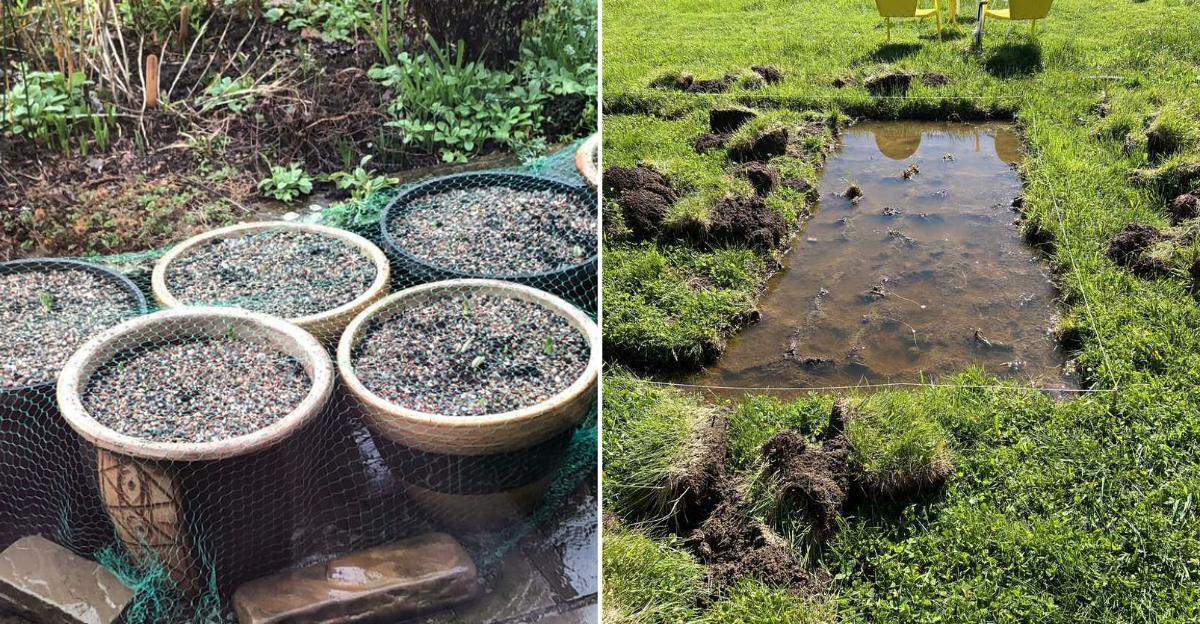
Early March can feel full of promise in an Oregon garden, though the season is still finding its balance. Soil may look ready, a few brave shoots might appear, and longer days bring a hint of spring energy.
Even so, this is a gentle, in-between time when a little patience goes a long way. Many gardeners use these quiet weeks to slow down, observe, and avoid rushing tasks that plants are not ready for yet.
Small choices now can protect tender growth, keep soil healthy, and prevent stress later in the season. With a bit of care and timing, the garden can move calmly toward the brighter, blooming days ahead.
Don’t Plant Warm-Season Crops Yet
Tomatoes, peppers, squash, and beans might be calling your name from the seed rack, but early March in Oregon is way too early for these heat lovers. These crops need warm soil temperatures above 60 degrees Fahrenheit to germinate and grow properly.
When you plant them too early in cold, damp soil, the seeds often rot before they even sprout.
Even if a few warm days make you optimistic, the soil temperature lags far behind air temperature. Oregon’s unpredictable spring weather means a sunny 65-degree day can be followed by a frosty night that damages or destroys tender warm-season plants.
Your enthusiasm won’t protect these delicate seedlings from the reality of March temperatures.
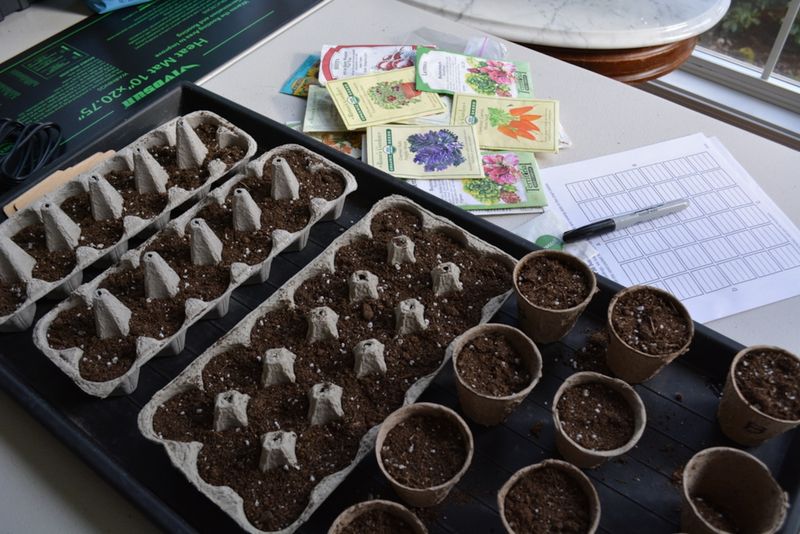
Instead of rushing, use early March to start these crops indoors under grow lights or on sunny windowsills. This gives them a head start in controlled conditions where temperature and moisture are consistent.
By the time mid-May arrives and Oregon’s soil has truly warmed up, your seedlings will be strong and ready to transplant.
Patience with warm-season crops means better germination rates, healthier plants, and ultimately more productive harvests.
Oregon gardeners who wait until the proper planting time consistently see better results than those who plant too early and have to replant after losing their first attempt to cold weather.
Don’t Overwater Cold, Wet Soil
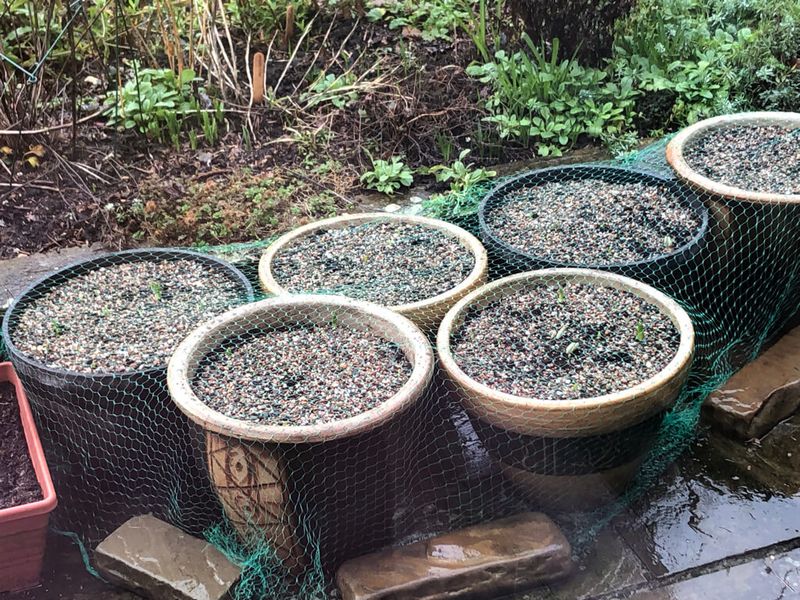
Oregon’s reputation for March rain isn’t exaggerated, and your garden soil is probably already saturated from winter moisture. Adding more water on top of already wet soil creates a hostile environment where plant roots literally suffocate from lack of oxygen.
Waterlogged soil also stays colder longer, which slows down any growth and encourages root rot diseases.
Cold, wet conditions are perfect for fungal problems and soil-borne diseases that attack struggling plants. When roots sit in soggy soil, they can’t absorb nutrients properly even if those nutrients are present.
Your well-meaning watering actually becomes harmful rather than helpful during Oregon’s damp early spring.
Check soil moisture by sticking your finger two inches deep into the ground. If it feels damp or cool, skip the watering entirely.
Most established plants and cool-season crops can handle Oregon’s natural March moisture without any supplemental watering from you.
For containers and raised beds that drain better, you might need occasional watering, but always check first rather than following a schedule. Let the soil guide your decisions instead of the calendar.
Your Oregon Garden Changes Every Week. Your Plan Should Too.
Gardening in Oregon changes quickly throughout the season. Every Friday you’ll receive a simple weekly plan showing exactly what to plant, prune, fertilize, harvest, and protect so you never miss the right timing.
Oregon gardens in early March almost always have enough moisture from rain, and your job is simply to avoid making things wetter.
Don’t Prune Spring-Blooming Shrubs Now
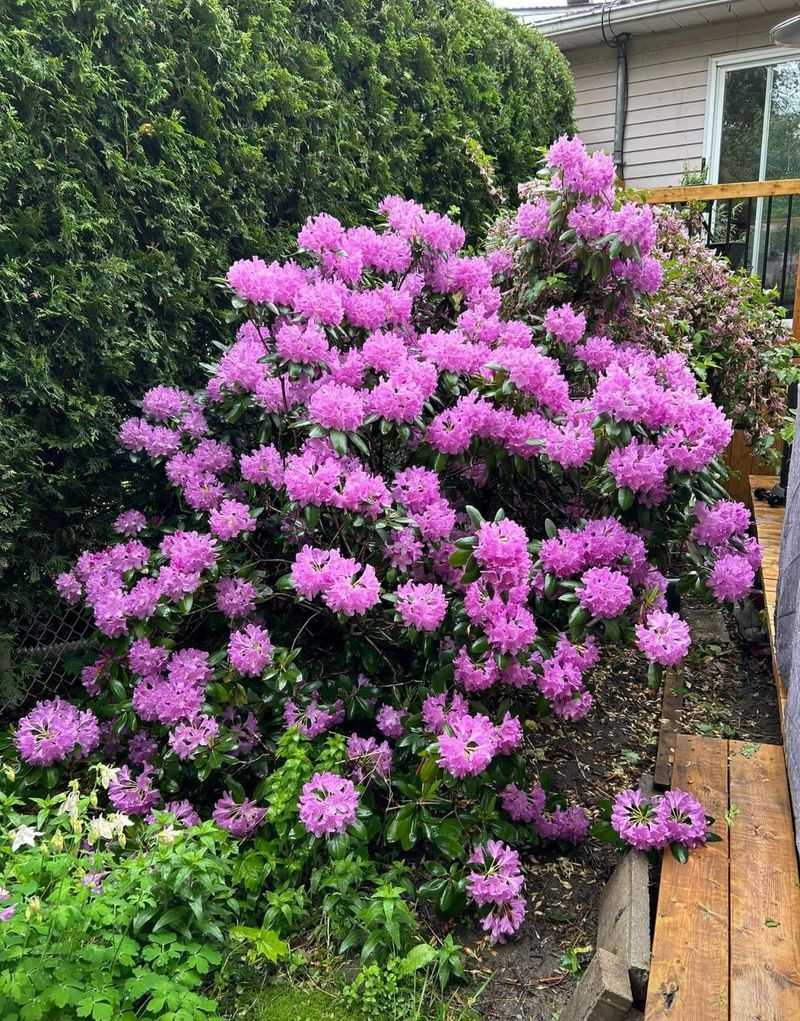
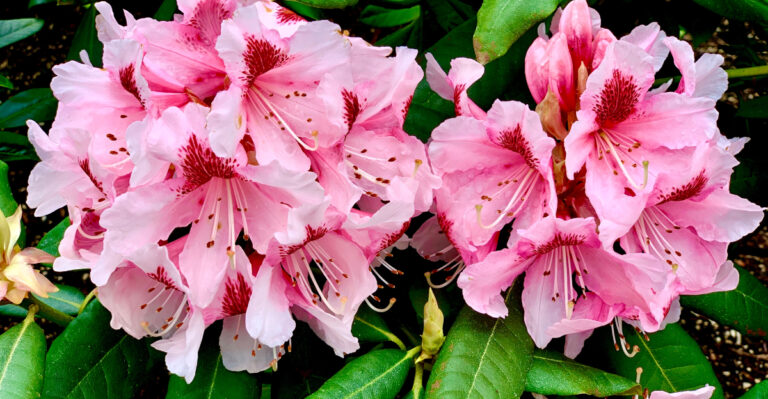
Rhododendrons, azaleas, forsythia, and flowering cherries are already preparing their spring flower show in early March. These shrubs set their flower buds during the previous summer and fall, so they’re ready to bloom as soon as conditions allow.
Pruning them now removes those precious buds and eliminates the flowers you’ve been waiting months to enjoy.
Many Oregon gardeners make this mistake because March feels like the right time to tidy up the garden. The urge to shape and trim everything is strong after a long winter.
However, spring-blooming shrubs have different timing than summer bloomers, and cutting them back in early March means sacrificing this year’s entire bloom.
Wait until immediately after these shrubs finish flowering to do any pruning. This gives you the beauty of their blooms while still allowing time for the plant to set next year’s flower buds during summer.
You get the best of both worlds with proper timing.
If your shrubs desperately need shaping, you can do light pruning now while accepting that you’ll lose some flowers. However, major pruning should always wait until after bloom time.
Oregon’s spring-flowering shrubs are one of the garden’s greatest joys, so protect those buds and let them do their thing before you start cutting.
Don’t Fertilize Too Early
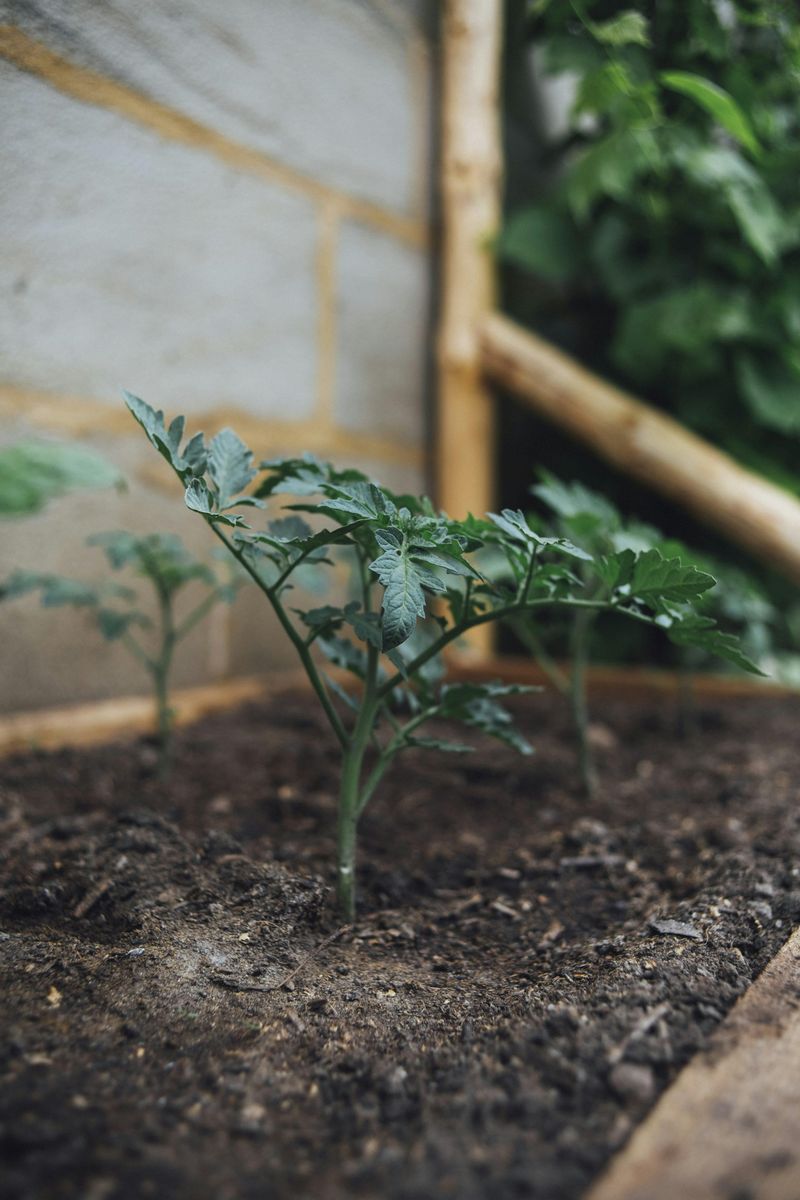
Fertilizer seems like a great way to jumpstart your garden, but applying it in early March when plants are still mostly dormant is wasteful and potentially harmful. Cold soil temperatures mean plant roots aren’t actively growing or absorbing nutrients yet.
Any fertilizer you apply now will likely wash away in Oregon’s frequent March rains before plants can even use it.
Excess fertilizer runoff contributes to water pollution in Oregon’s streams and rivers, harming salmon and other wildlife.
Beyond environmental concerns, fertilizing dormant plants can actually encourage weak, spindly growth if a brief warm spell tricks plants into growing before conditions are truly stable.
This tender new growth becomes vulnerable to damage when cold weather inevitably returns.
Wait until mid to late April when soil temperatures rise and plants show clear signs of active growth.
You’ll know the time is right when you see new leaves emerging and stems elongating. At that point, roots are ready to absorb and use the nutrients you provide.
For Oregon lawns, late April or early May is ideal for the first feeding of the season. Patience with fertilizing means your plants get maximum benefit from the nutrients while minimizing waste and environmental impact.
Early March is simply too soon for most fertilizing tasks across Oregon’s gardens.
Don’t Work Wet, Compacted Soil
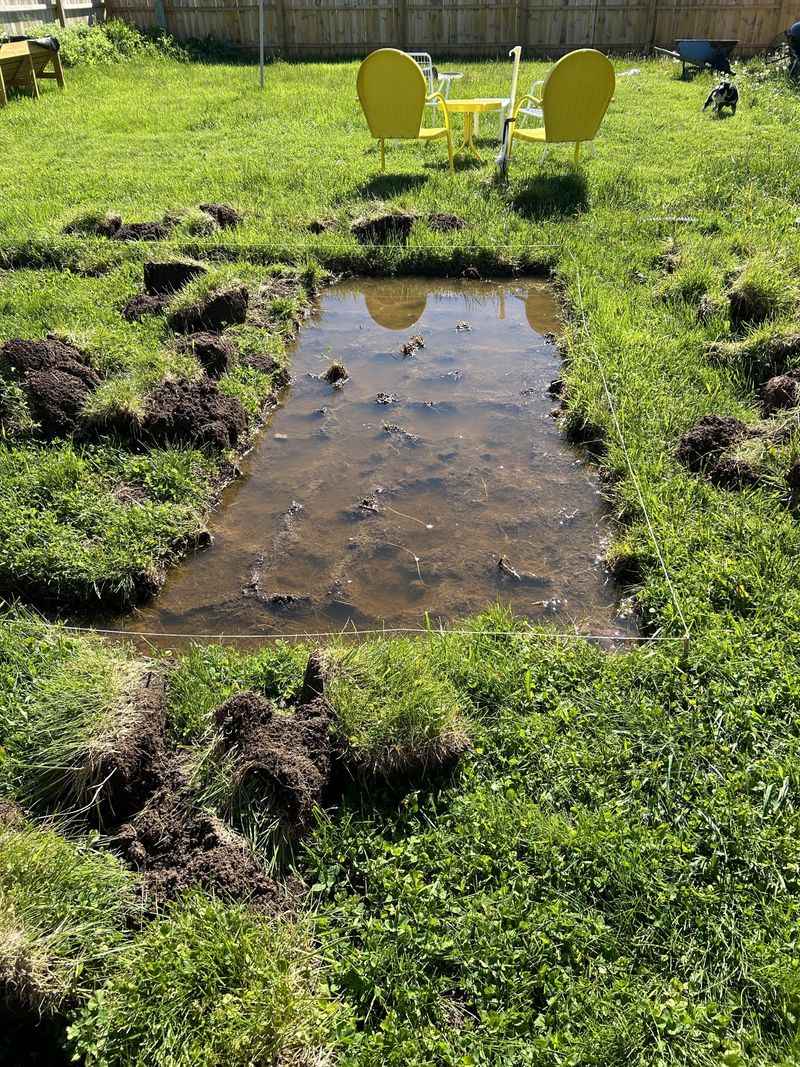
Walking on or digging in waterlogged soil destroys its structure and creates hard, compacted clumps that take years to recover. Soil particles stick together when wet, and any pressure from feet or tools smashes out the air spaces that roots need to grow.
Oregon’s heavy March rains leave most garden soil too wet for working, even when the surface looks dry.
Compacted soil drains poorly and makes it nearly impossible for roots to penetrate deeply. Plants growing in compacted ground struggle to find water and nutrients, leading to stunted growth and poor harvests.
Once you’ve compacted soil, breaking it up again requires significant effort and time. Test soil readiness by squeezing a handful. If water drips out or the soil forms a tight ball that doesn’t crumble when poked, it’s too wet.
Wait until the soil forms a ball that breaks apart easily when touched. This simple test prevents major damage.
If you absolutely must access garden beds in early March, lay down boards to distribute your weight and avoid direct stepping on soil. Better yet, plan your garden layout so you can reach all areas from pathways without stepping into beds at all.
Oregon gardeners who respect soil moisture levels maintain better soil structure and grow healthier plants throughout the season.
Don’t Remove All Winter Mulch Too Soon
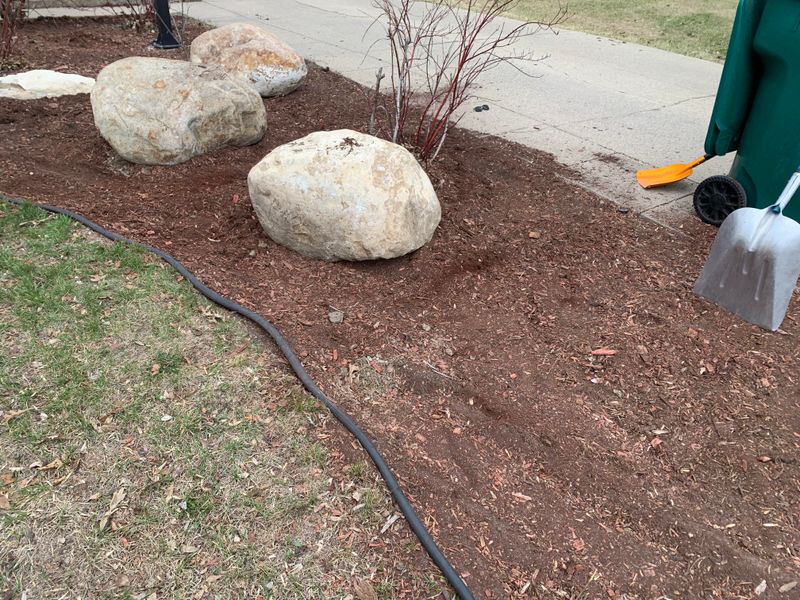
Winter mulch protects plant roots from temperature swings and helps soil retain moisture through the dormant season. Pulling it all away in early March exposes plants to potential late frosts and temperature fluctuations that can damage emerging growth.
Oregon’s weather remains unpredictable through March and even into April, so that protective layer still serves an important purpose.
Gradual mulch removal works better than stripping everything away at once. Start by gently pulling mulch back from the crown of perennials where new shoots are emerging, but leave mulch in place around the root zone.
This allows light and air to reach new growth while maintaining root protection from cold snaps.
As the month progresses and weather stabilizes, you can gradually remove more mulch or work it into the soil as organic matter.
Bulbs and early perennials will push through light mulch layers on their own without any help from you. There’s no need to rush the process.
In Oregon’s varied climate zones, timing differs slightly. Coastal areas warm up faster than higher elevation regions, but everywhere benefits from gradual mulch removal rather than hasty spring cleaning.
Keep weather forecasts in mind and maintain that protective layer if frost threatens. Your plants will thank you for the continued protection during this transition period.
Don’t Ignore Late Frost Risk
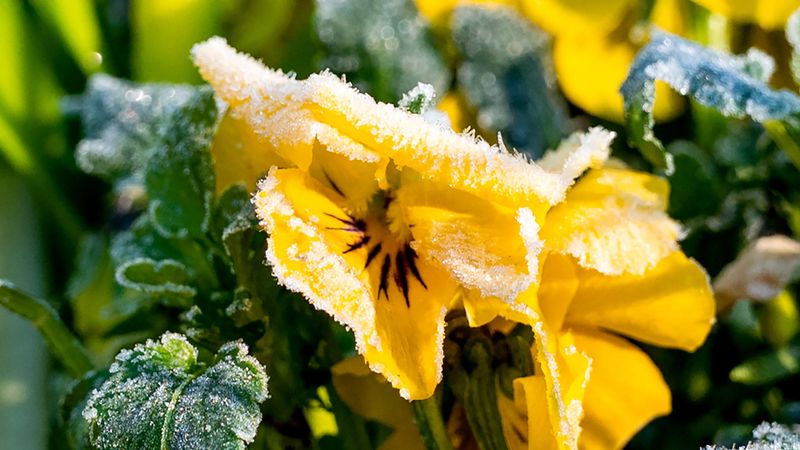
Oregon’s average last frost dates range from mid-March in mild coastal areas to late May in higher elevations and eastern regions. Early March sits well within the frost danger zone for most of the state.
A single frosty night can damage or destroy tender plants, turning your early planting efforts into expensive mistakes.
Frost doesn’t always announce itself with obvious signs. Clear, calm nights allow temperatures to drop rapidly even after pleasant daytime weather.
Oregon gardeners need to watch forecasts closely and have protection strategies ready when frost threatens.
Keep row covers, old sheets, or cloches handy for covering vulnerable plants on cold nights. These simple barriers trap ground heat and can make the difference between plant survival and loss.
Remove covers during the day to prevent overheating and allow air circulation.
Hardy cool-season crops like kale, lettuce, and peas can handle light frosts, but even these benefit from protection during hard freezes. Newly planted or transplanted items are especially vulnerable because they haven’t established strong root systems yet.
Oregon’s microclimates also create variation within your own yard, with low spots and open areas freezing first.
Don’t let a few warm days fool you into thinking frost season has passed. Remain vigilant through March and well into April across most of Oregon. Protecting plants from late frost is much easier than replacing them.
Don’t Rush Seedlings Outdoors
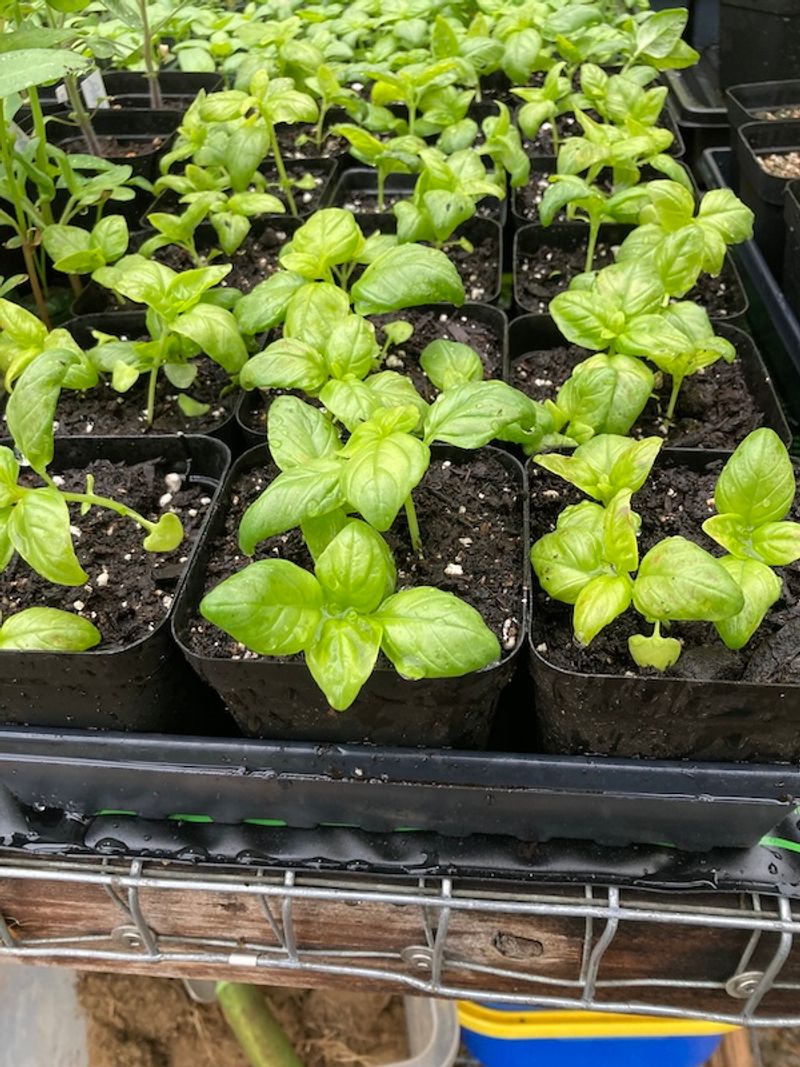
Seedlings started indoors live in a protected environment with stable temperatures, consistent moisture, and no wind. Moving them directly outside into Oregon’s harsh March conditions causes transplant shock that sets them back or ends their life entirely.
The transition from indoor comfort to outdoor reality requires a gradual adjustment period called hardening off.
Hardening off means exposing seedlings to outdoor conditions for increasing lengths of time over one to two weeks. Start with just an hour or two in a sheltered spot, then gradually increase exposure while monitoring weather conditions.
Bring them inside if temperatures drop below 45 degrees or if strong winds kick up. Oregon’s March weather makes hardening off challenging because conditions change rapidly.
A sunny morning can turn into a cold, rainy afternoon that damages unprepared seedlings. Keep plants mobile in trays or pots so you can quickly move them to protection when needed.
Even hardy cool-season crops benefit from gradual introduction to outdoor conditions. Wind, temperature swings, and intense sunlight all stress plants that grew up in calm indoor environments.
Taking time to properly harden off seedlings results in stronger plants that establish quickly once transplanted into the garden.
Many Oregon gardeners find that waiting until April for transplanting reduces stress on both plants and gardeners. Early March is better spent preparing beds and planning rather than rushing delicate seedlings into unpredictable conditions.