These 9 Heat-Loving Flowers Shine In California Gardens
California sunshine is not for shy plants, and that is exactly why heat-loving flowers steal the show.
When temperatures climb and the soil warms, these bold bloomers burst into color and keep going while others fade.
Picture fiery reds, glowing oranges, and golden petals lighting up your garden during the hottest days of summer. These tough beauties thrive in bright sun, sip less water than you might expect, and reward you with nonstop blooms and buzzing pollinators.
With the right mix, your yard can feel lively, cheerful, and full of personality even during a heatwave. Get ready to meet nine sun worshipping stars that laugh at scorching afternoons and still look fresh and fabulous.
Plant them once, give them sunshine, and watch your California garden turn into a vibrant, color packed celebration of summer. Your neighbors will notice, butterflies will visit, and every sunny afternoon will feel brighter and happier.
1. Lantana
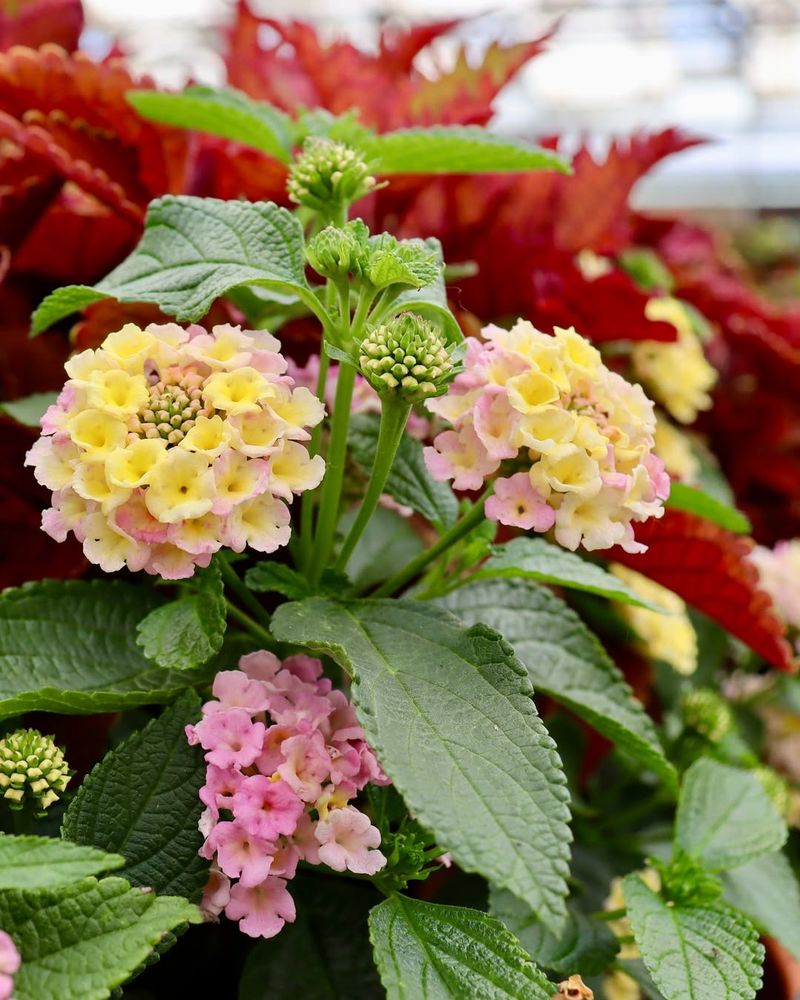
These gorgeous flowers bring a carnival of colors to California gardens with flower clusters that change hues as they mature. A single plant might display yellow, orange, pink, and red blooms all at once, creating a rainbow effect that catches every eye.
Butterflies and hummingbirds can’t resist these nectar-rich flowers, making your garden a wildlife haven.
Heat doesn’t bother lantana one bit. In fact, the hotter it gets, the more this tough plant blooms.
California’s intense summer sun just encourages lantana to produce more flowers. It thrives in temperatures that send other plants into dormancy.
This low-maintenance flower spreads nicely to fill spaces in your garden, whether you use it as a groundcover, in containers, or as a small shrub. Lantana tolerates poor soil and needs very little water once its roots are established.
It’s practically indestructible in California’s climate.
Some lantana varieties are considered invasive in certain California regions, so check with your local nursery about appropriate cultivars for your area. Newer sterile varieties provide all the beauty without spreading concerns.
Regular deadheading isn’t necessary, but trimming back leggy growth keeps plants compact and encourages even more blooms throughout the season.
2. Bougainvillea
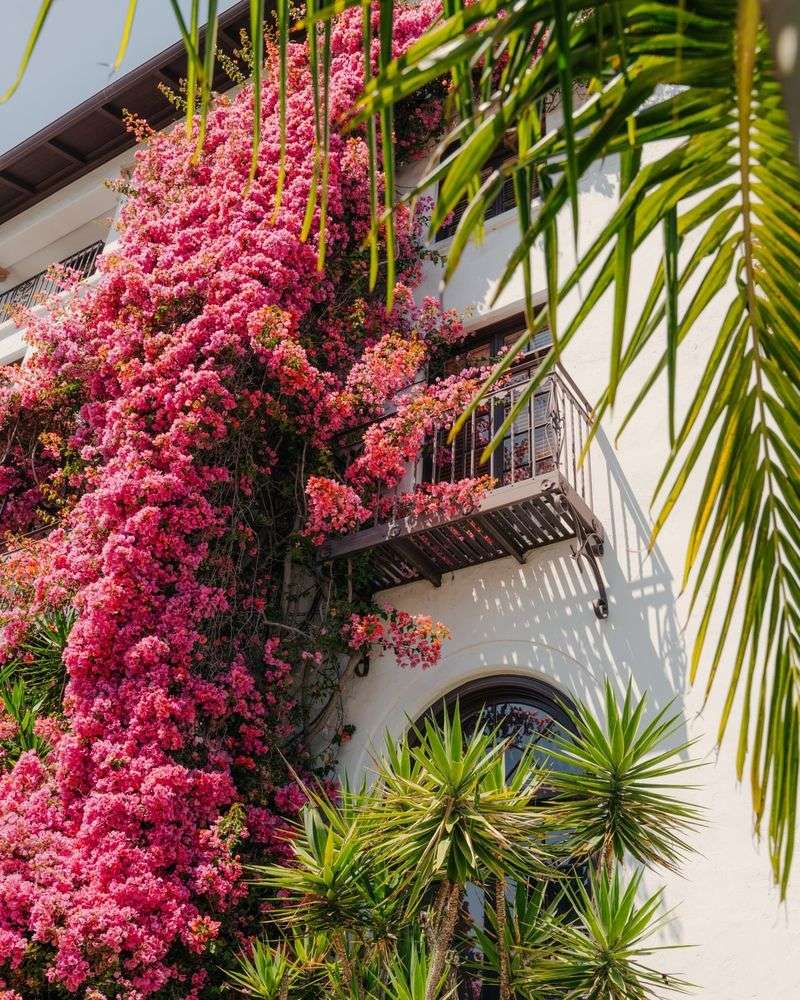
This flower truly transforms California gardens into tropical paradises with its papery bracts in electric pinks, purples, oranges, and reds. Originally from South America, this woody vine has found a perfect home in California’s warm climate.
The colorful parts you see aren’t actually flowers but modified leaves called bracts that protect the small white flowers inside.
This plant absolutely loves heat and full sun, producing more color when temperatures rise. It can grow as a climbing vine, a sprawling shrub, or even be trained into a small tree.
Many California homeowners use bougainvillea to cover fences, arbors, and walls, creating stunning vertical displays of color.
Bougainvillea needs very little water once established, making it perfect for drought-conscious California gardeners. It actually blooms better when slightly stressed by dry conditions.
The plant can handle temperatures well above 100 degrees without breaking a sweat.
Watch out for the thorns hidden among the branches when pruning or training your bougainvillea. These sharp spines help the plant climb naturally.
Your California Garden Changes Every Week. Your Plan Should Too.
Gardening in California changes quickly throughout the season. Every Friday you’ll receive a simple weekly plan showing exactly what to plant, prune, fertilize, harvest, and protect so you never miss the right timing.
With minimal care and maximum sunshine, bougainvillea will reward you with months of brilliant color throughout California’s long growing season.
3. Zinnias
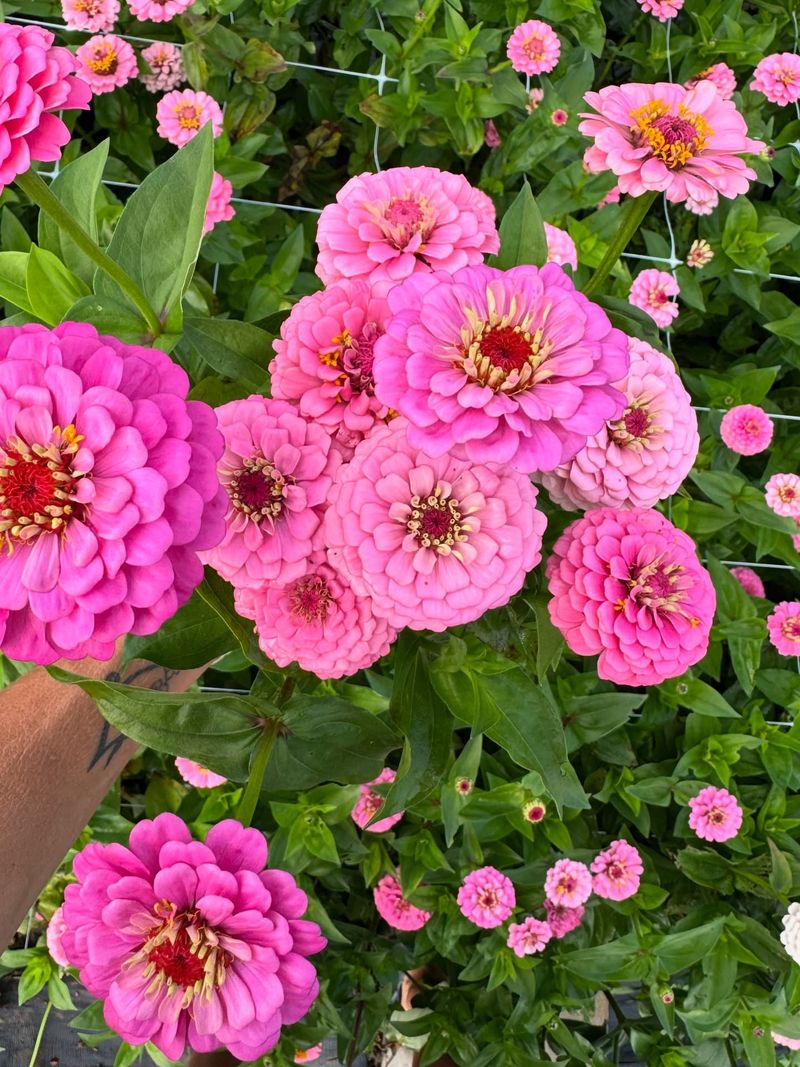
Nothing says summer like zinnias in bloom. Zinnias prove that heat-loving flowers can be both tough and elegant.
These cheerful annuals come in nearly every color except blue, with flower forms ranging from simple daisies to dahlia-like pompoms.
California gardeners love zinnias because they bloom continuously from late spring until the first frost, which in many California areas means year-round color.
Direct sunshine and high temperatures make zinnias incredibly happy. They actually perform poorly in cool, shady conditions but explode with blooms when the mercury rises.
California’s hot valleys and sunny coastal regions provide ideal growing conditions for these heat-seekers.
Growing zinnias from seed is remarkably easy and budget-friendly. Just scatter seeds in well-draining soil after the last frost, and you’ll see sprouts within days.
They grow quickly, with some varieties reaching four feet tall. Shorter varieties work perfectly in containers or as border plants.
Zinnias make outstanding cut flowers, lasting over a week in vases. The more you cut, the more they bloom, so don’t hesitate to bring armfuls indoors.
They need regular watering but can handle California’s dry heat better than many annuals. Plant zinnias throughout your California garden for non-stop summer color.
4. Cosmos
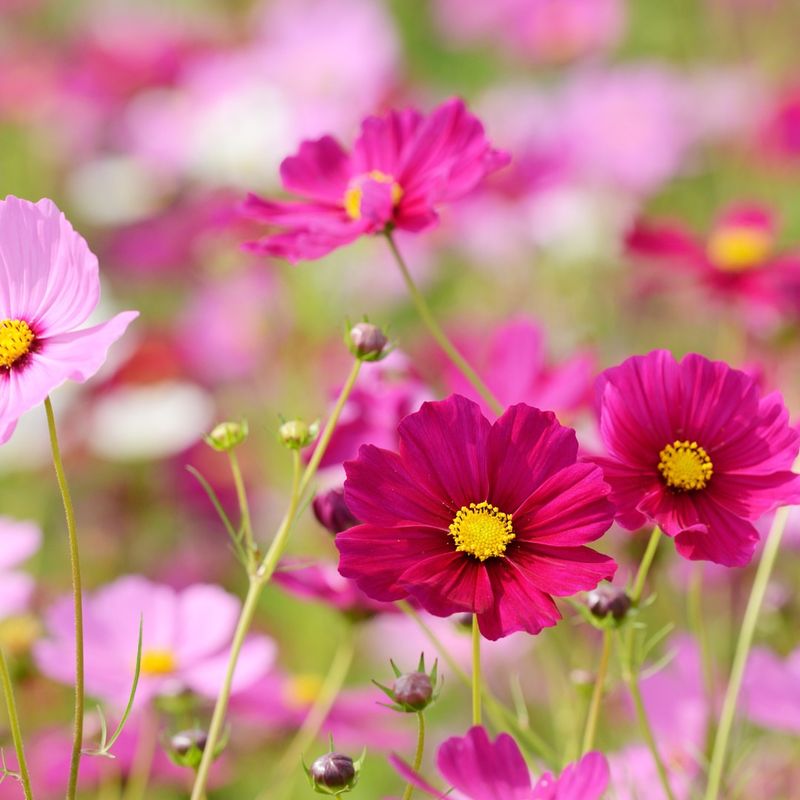
These stunning flowers dance on tall, airy stems, bringing a cottage-garden charm to California landscapes. Their delicate appearance is deceiving because these flowers are incredibly tough and heat-tolerant.
The daisy-like blooms come in shades of pink, white, magenta, and even chocolate-burgundy, floating above feathery foliage that adds texture to your garden.
California’s hot, dry summers don’t faze cosmos at all. These Mexican natives evolved in conditions similar to California’s climate, so they handle heat stress with ease.
They actually prefer lean soil and can become too leafy with too much fertilizer or water.
Cosmos grow fast from seed, making them perfect for filling empty spots quickly. They can reach heights of three to six feet depending on the variety, creating beautiful backdrops for shorter plants.
Their open, branching structure allows air circulation, which helps prevent disease in California’s sometimes humid coastal areas.
Butterflies, bees, and beneficial insects flock to cosmos flowers throughout the growing season. The blooms keep coming until winter in many California regions.
Deadheading extends the bloom period, but if you leave some flowers to set seed, cosmos will often reseed themselves for next year’s garden. These carefree flowers embody the easy California gardening lifestyle.
5. Blanket Flower (Gaillardia)
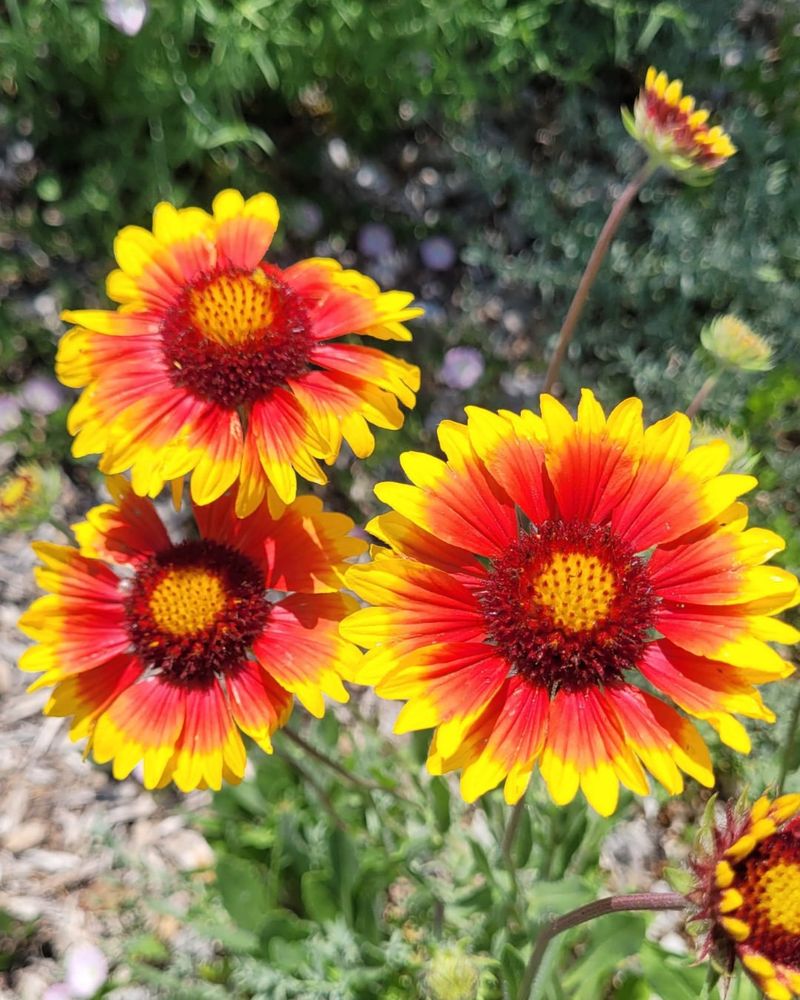
These bicolor flowers earned their common name from their warm color patterns that resemble traditional Native American blankets. These cheerful perennials feature bold combinations of red, orange, and yellow, often with darker centers that create a striking contrast.
California gardeners appreciate how blanket flowers bring Southwestern flair to their landscapes.
Few flowers handle California heat as well as gaillardia. These tough plants originated in the hot prairies and deserts of North America, so they’re genetically programmed to love intense sun and high temperatures.
They bloom most prolifically during California’s hottest months when other flowers start to fade.
Blanket flowers are exceptionally drought-tolerant once established, making them ideal for water-wise California gardens. They actually rot in soggy soil, so the well-draining conditions common in California suit them perfectly.
Poor soil doesn’t bother them either, and they need almost no fertilizer.
These long-blooming perennials flower from late spring through fall in most California regions. Deadheading spent blooms encourages more flowers, but even without this maintenance, they’ll keep blooming.
Blanket flowers attract butterflies and make excellent cut flowers. They’re also deer-resistant, which helps in California’s foothill and rural areas.
Plant them in full sun and watch them thrive with minimal care.
6. Coreopsis
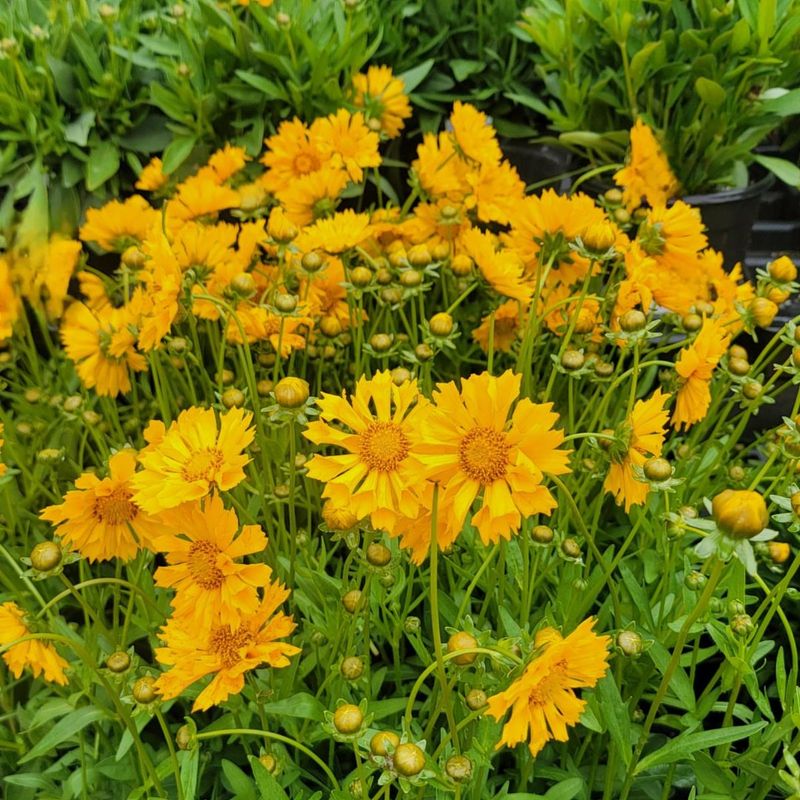
California’s state wildflower deserves recognition, but coreopsis species from across North America also excel in California gardens. These golden beauties produce masses of cheerful yellow, orange, or bi-colored flowers on slender stems.
Their simple daisy-like blooms create a sunny, welcoming atmosphere that perfectly captures California’s bright spirit.
Coreopsis loves California’s climate almost as much as Californians do. These plants thrive in full sun and actually become leggy and bloom less in shade.
Hot temperatures encourage more flowering rather than stressing the plants. They’re perfectly adapted to California’s Mediterranean climate with its dry summers and mild winters.
Water-wise gardening becomes easier with coreopsis in your landscape. Once established, these plants need very little supplemental water, even during California’s frequent droughts.
They tolerate poor soil and don’t require fertilization, making them truly low-maintenance choices for busy gardeners.
Both annual and perennial coreopsis varieties perform beautifully in California. The perennial types often bloom from spring through fall, especially if you shear them back mid-season.
They self-sow readily, creating natural drifts of color throughout your garden. Coreopsis attracts beneficial insects and pollinators while remaining resistant to most pests and diseases.
These reliable flowers deserve a place in every California garden.
7. Salvia
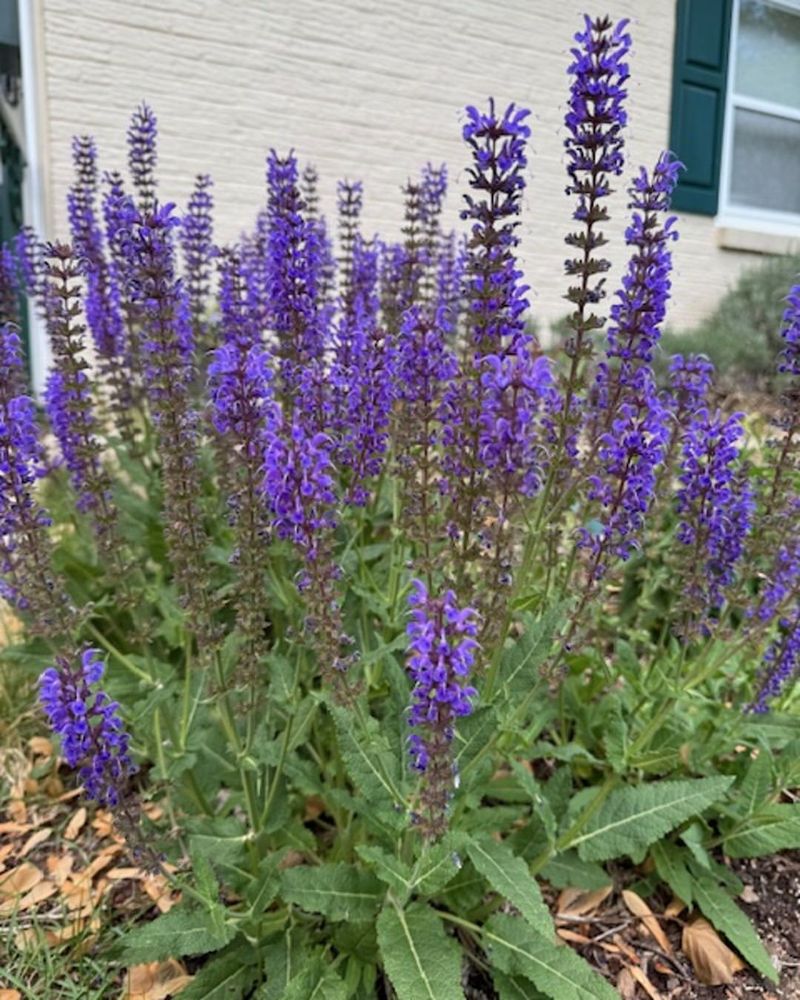
From the brilliant red of hummingbird sage to the deep blue spikes of mealy cup sage, salvias bring vertical interest and vibrant color to hot California gardens. These members of the mint family have aromatic foliage that releases fragrance when brushed.
California’s warm climate suits salvias perfectly, especially the many species native to Mexico and the Mediterranean. They bloom most profusely in full sun and high heat, producing flower spikes that rise above attractive foliage.
Many salvias bloom repeatedly throughout California’s long growing season if you remove spent flower stalks.
Water conservation matters in California, and salvias excel in this department. Most species are highly drought-tolerant once established, needing only occasional deep watering during the driest periods.
They prefer well-draining soil and can actually suffer in overly wet conditions.
Hummingbirds and butterflies visit salvias constantly, making your California garden a wildlife destination. Deer and rabbits usually avoid these aromatic plants, which is helpful in many California neighborhoods.
Salvias range from low groundcovers to tall shrubs, so you can find the perfect size for any garden spot. Their long bloom period and minimal care requirements make them ideal for California’s outdoor lifestyle.
8. California Poppy (Eschscholzia californica)
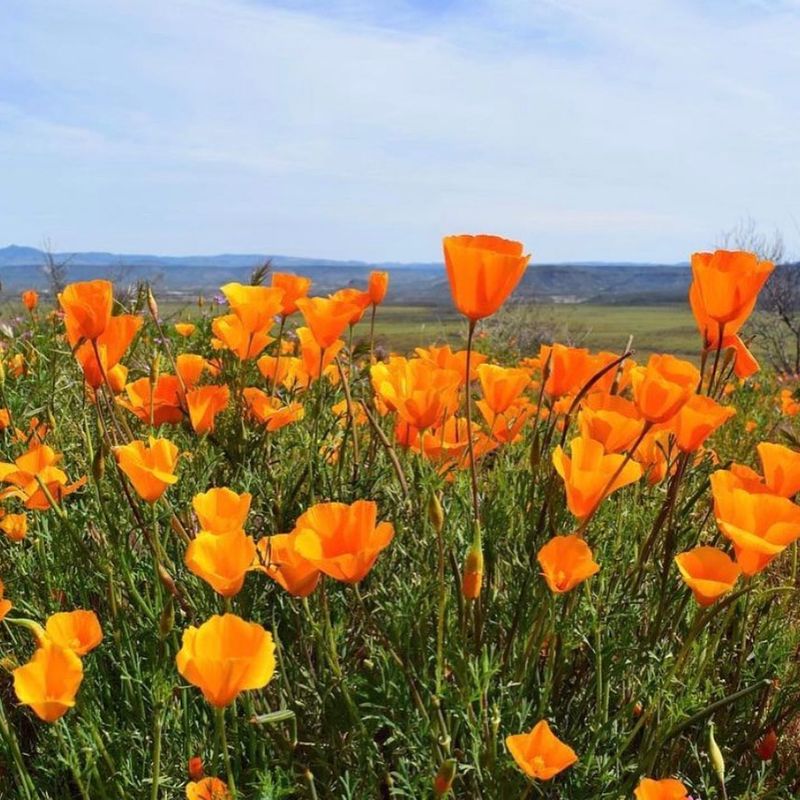
Nothing says California quite like the golden-orange blooms of the state flower carpeting hillsides and gardens. California poppies have silky petals that seem to glow in sunlight, opening wide on sunny days and closing at night or during cloudy weather.
While orange is classic, cultivated varieties now come in yellow, pink, red, and cream.
These native wildflowers are perfectly adapted to California’s climate because they evolved here. They handle intense heat, full sun, and drought conditions that would stress non-native plants.
California poppies actually prefer the state’s dry summers and can rot if overwatered during warm weather.
Growing California poppies couldn’t be easier. Scatter seeds directly in the garden in fall or early spring, and nature does the rest.
They dislike transplanting, so direct seeding works best. Once established, they’ll often reseed themselves, creating natural-looking drifts of color year after year.
California poppies bloom most heavily in spring but can continue flowering through summer in coastal areas or with occasional water inland. They’re perfect for water-wise gardens, rock gardens, and naturalized areas.
These cheerful flowers attract native bees and other pollinators. Every California garden should include the state flower, celebrating the natural beauty that makes California special. They embody the easy, sun-filled California lifestyle.
9. Sunflowers
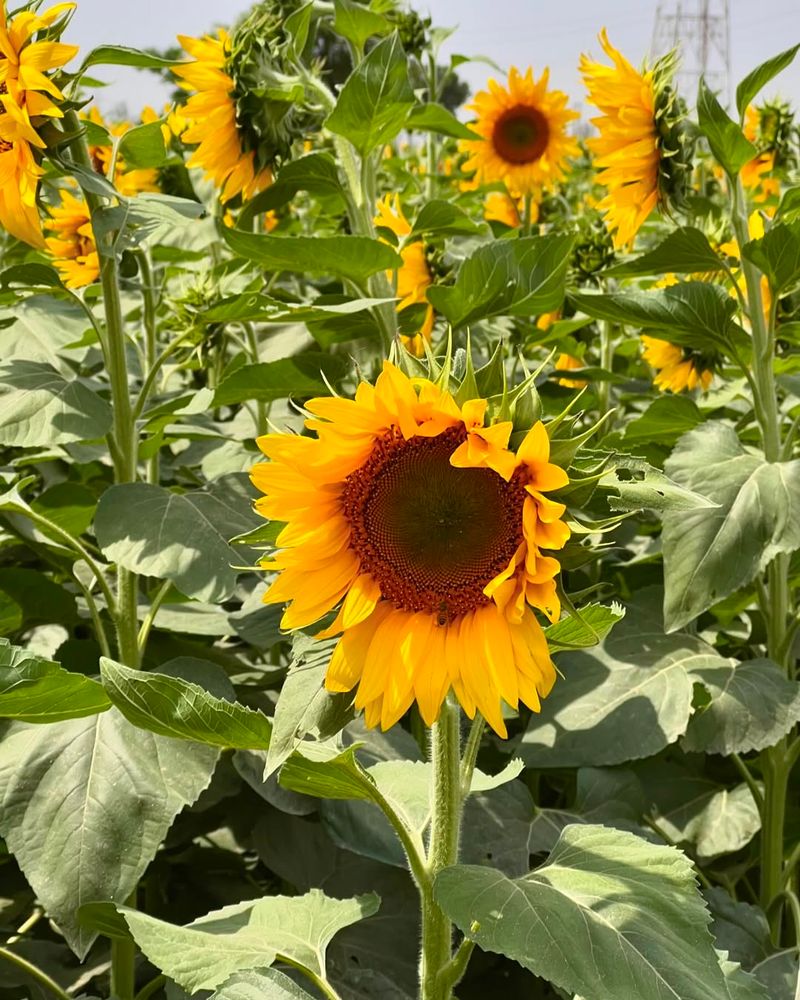
These bright flowers bring instant happiness to California gardens with their bold, cheerful faces that literally follow the sun across the sky. These iconic flowers range from towering giants reaching twelve feet tall to compact varieties perfect for containers.
Their large blooms in shades of yellow, orange, red, and even burgundy create dramatic focal points in any California landscape.
California’s abundant sunshine makes sunflowers incredibly happy and productive. These heat-lovers originated in North America and are genetically programmed to thrive in hot, sunny conditions.
The more sun they receive, the bigger and more abundant their blooms become. California’s long, hot summers provide ideal growing conditions.
Growing sunflowers is simple enough for children, making them perfect family gardening projects. Plant seeds directly in the ground after frost danger passes, and they’ll sprout within days.
Sunflowers grow rapidly, with some varieties blooming in just sixty days. They’re relatively drought-tolerant once established, though regular watering produces larger flowers.
Birds absolutely love sunflower seeds, so you might want to plant extras for wildlife. Sunflowers also make spectacular cut flowers, lasting over a week in vases.
Their massive root systems help break up compacted California clay soil. Whether you grow towering varieties for dramatic impact or dwarf types for borders, sunflowers capture the bright, optimistic spirit of California gardening.