These Are The Most Common Weeds In Ohio Gardens (And How To Stop Them)
You step outside expecting to see your garden thriving, and instead, they are back. Spreading through your beds, pushing past your flowers, stealing water, space, and nutrients from the plants you worked hard to grow.
Weeds are not just an eyesore in Ohio, they can take over fast and leave homeowners feeling frustrated, tired, and stuck in a constant battle. You pull them, they return.
You clear one patch, another appears. Some hide deep roots below the soil, others spread seeds you never see coming.
It can feel like the garden is slipping out of your control. But this fight is not hopeless.
Once you know which weeds dominate Ohio gardens and how they actually spread, you can slow them down and stop the cycle. With the right timing, smarter removal, and simple prevention, you can protect your plants, reclaim your beds, and finally feel in control of your garden again.
1. Dandelion Takes Over Fast Without Deep Removal
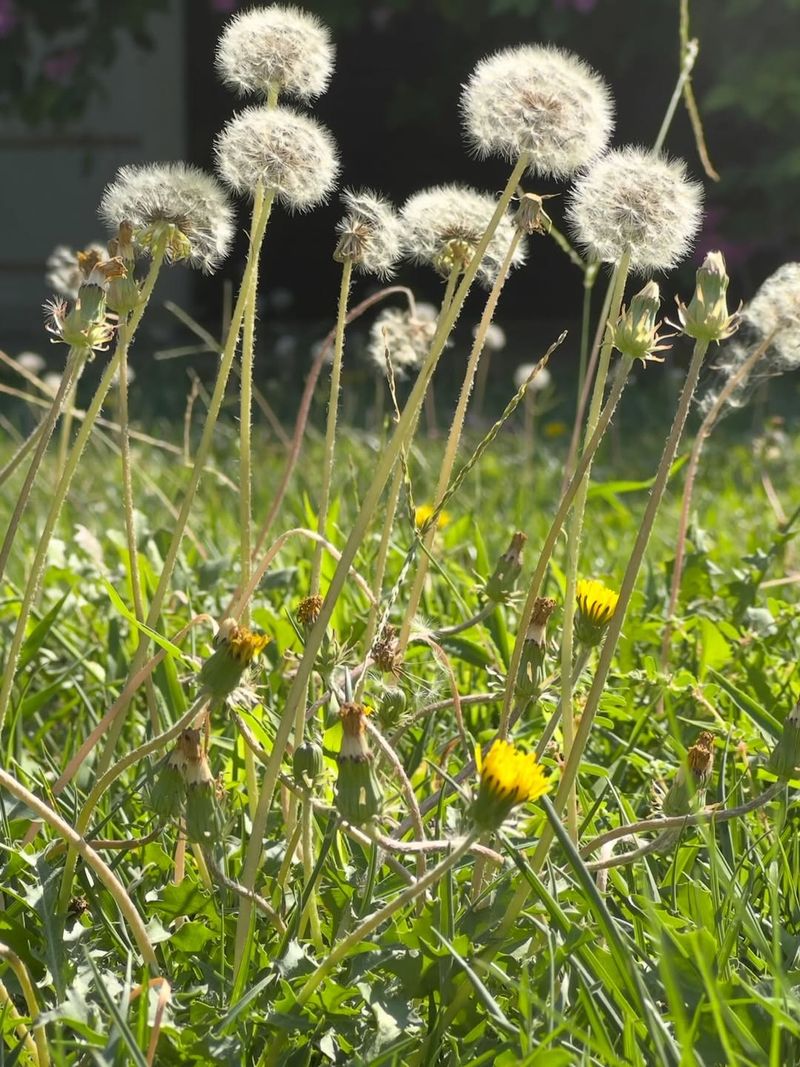
Every spring, those cheerful yellow flowers pop up across Ohio lawns and gardens, and while they might look harmless, dandelions are one of the most persistent weeds you’ll encounter. Their secret weapon is a deep taproot that can grow deep, often 6 to 10 inches or more into the soil.
If you only remove the leaves and stem, that root will send up new growth within days.
Dandelions spread incredibly fast because each flower head can produce many seeds, often over one hundred. Those fluffy white seed heads that kids love to blow on?
Each one releases dozens of seeds that float on the wind and land in your yard, your neighbor’s yard, and everywhere in between.
In Ohio, dandelions start appearing in early spring when soil temperatures warm up, and they’ll keep coming back through fall if left unchecked. The key to controlling them is removing the entire taproot.
Use a dandelion digger or a long-handled weeding tool to get deep into the soil and pull out the whole root system.
For larger infestations, consider spot-treating with a broadleaf herbicide in early fall when dandelions are storing energy in their roots. Maintaining a thick, healthy lawn also helps by crowding out new seedlings before they can establish those troublesome taproots.
Regular mowing before seed heads form prevents spread and weakens existing plants over time.
2. Crabgrass Spreads Rapidly In Thin Weak Lawns
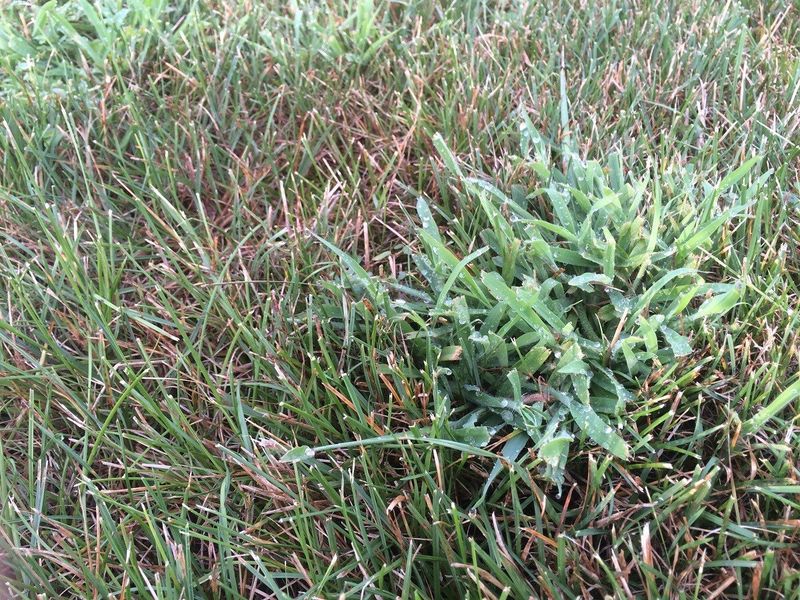
Walk across any Ohio lawn in late summer, and you’ll likely spot those sprawling, light green clumps that seem to appear out of nowhere. Crabgrass is an opportunistic annual that loves warm weather and bare soil.
It germinates when soil temperatures stay around 55 degrees for several consecutive days, which in Ohio typically happens in late April or early May.
Once it gets started, crabgrass grows incredibly fast, sending out stems that can root at every node and form dense mats. A single plant can produce thousands of seeds before the first frost, ensuring it returns year after year.
The real problem is that crabgrass thrives where your lawn struggles.
Your Ohio Garden Changes Every Week. Your Plan Should Too.
Gardening in Ohio changes quickly throughout the season. Every Friday you’ll receive a simple weekly plan showing exactly what to plant, prune, fertilize, harvest, and protect so you never miss the right timing.
Thin areas, compacted soil, and spots with poor grass coverage are prime real estate for crabgrass seeds waiting in the soil. Prevention is your best strategy.
Apply a pre-emergent herbicide in early spring before soil temperatures hit that 55-degree mark. Timing is critical because once crabgrass germinates, pre-emergents won’t work.
Building a thick, healthy lawn is your long-term defense. Overseed thin areas in early fall, water deeply but less frequently to encourage deep grass roots, and mow at a higher setting to shade out crabgrass seedlings.
If crabgrass does appear, hand-pull small patches before they set seed, or use a post-emergent herbicide designed for crabgrass control during active growth.
3. Chickweed Forms Thick Mats In Cool Spring Soil
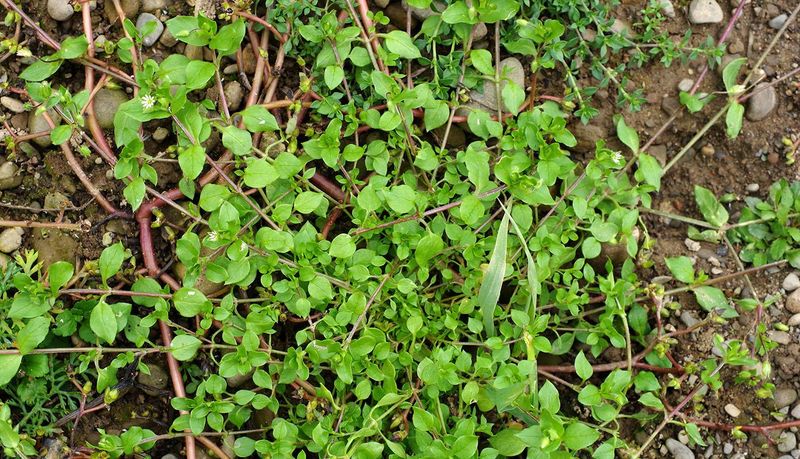
Before most plants wake up from winter dormancy, chickweed is already hard at work. This low-growing annual loves Ohio’s cool, moist spring weather and can quickly blanket garden beds, vegetable plots, and thin lawn areas with a dense mat of tiny oval leaves and delicate white flowers.
Chickweed germinates in fall or early spring when temperatures are still cool, and it thrives in damp, shaded areas where other plants haven’t filled in yet. Its shallow roots spread rapidly across the soil surface, and those mats can smother emerging seedlings and small plants by blocking sunlight and hogging moisture.
One chickweed plant can produce thousands of seeds, and those seeds can remain viable in the soil for many years, waiting for the right conditions to sprout. The good news is that chickweed has shallow roots, making it relatively easy to remove by hand or with a hoe when the soil is moist.
The key is acting early, before those white flowers appear and set seed. In vegetable gardens, mulching heavily in late winter can suppress chickweed growth by blocking light.
For lawns, maintaining thick grass coverage and improving drainage in wet areas will reduce chickweed’s ability to establish. If chickweed does take hold, pull it out as soon as you notice it, and dispose of it away from your garden to prevent reseeding.
4. Clover Thrives When Soil Lacks Nitrogen
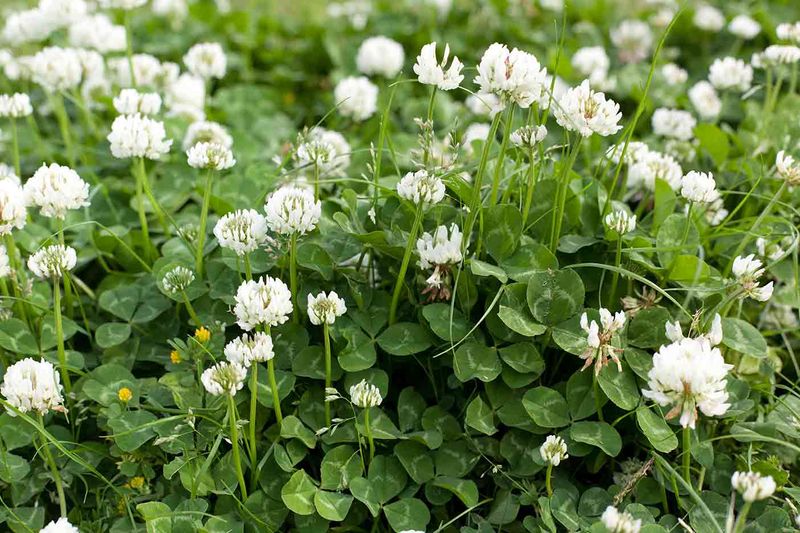
Spotting clover spreading across your Ohio lawn isn’t always a bad sign, but it does tell you something important about your soil. Clover is a legume that forms a relationship with soil bacteria, allowing it to use nitrogen from the air.
When your lawn lacks nitrogen, grass struggles while clover thrives and spreads quickly.
Many homeowners actually appreciate clover because it stays green during droughts, requires no fertilizer, and attracts beneficial pollinators with its white or pink flowers. However, if you prefer a uniform grass lawn, clover can be frustrating because it grows in dense patches that crowd out turf grass.
Clover spreads both by seed and by creeping stems that root wherever they touch soil. In Ohio’s spring and fall seasons, when temperatures are moderate and moisture is plentiful, clover can establish rapidly in thin or stressed lawns.
The most effective long-term solution is improving your soil’s nitrogen levels. Apply a slow-release nitrogen fertilizer in spring and fall to strengthen your grass and make it more competitive.
Regular overseeding with quality grass seed also helps fill in bare spots before clover can take hold. If you want to remove existing clover, hand-pulling works for small patches, or you can use a broadleaf herbicide labeled for clover control.
Maintaining a mowing height of three inches or higher also shades out clover and gives grass the advantage.
5. Broadleaf Plantain Signals Compacted Tired Soil
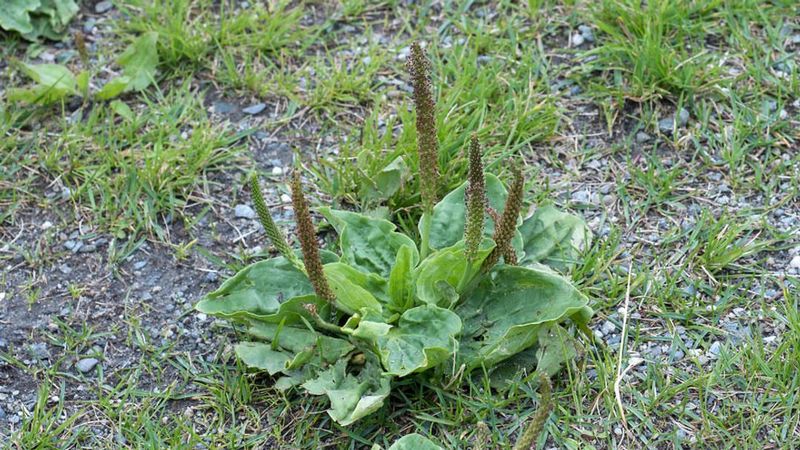
Those wide, ribbed leaves forming tight rosettes in your lawn or along garden paths are broadleaf plantain, and their presence is actually a message from your soil. Plantain thrives in compacted, heavy-traffic areas where grass and other plants struggle to grow because their roots can’t penetrate the dense soil.
You’ll often find plantain along driveways, near walkways, and in areas where kids or pets frequently play. Its tough, fibrous roots are specially adapted to push through hard-packed soil, and once established, plantain is remarkably resilient.
Each plant produces tall flower spikes covered with hundreds of tiny seeds that spread easily on shoes, paws, and lawn equipment.
In Ohio, plantain appears in spring and continues growing through summer and fall, staying green even when surrounding grass turns brown during dry spells. While plantain isn’t aggressive like some weeds, it creates unsightly patches and indicates underlying soil problems that need attention.
The best approach is addressing the compaction issue. Aerate compacted areas in early fall using a core aerator, which pulls out plugs of soil and allows air, water, and nutrients to penetrate deeper.
After aerating, overseed with grass suited to your conditions and top-dress with compost to improve soil structure. For existing plantain, dig out individual plants with a weeding tool, making sure to remove the entire root crown.
Improving soil health will gradually crowd out plantain and prevent new plants from establishing.
6. Creeping Charlie Quickly Creeps Across Beds And Lawns
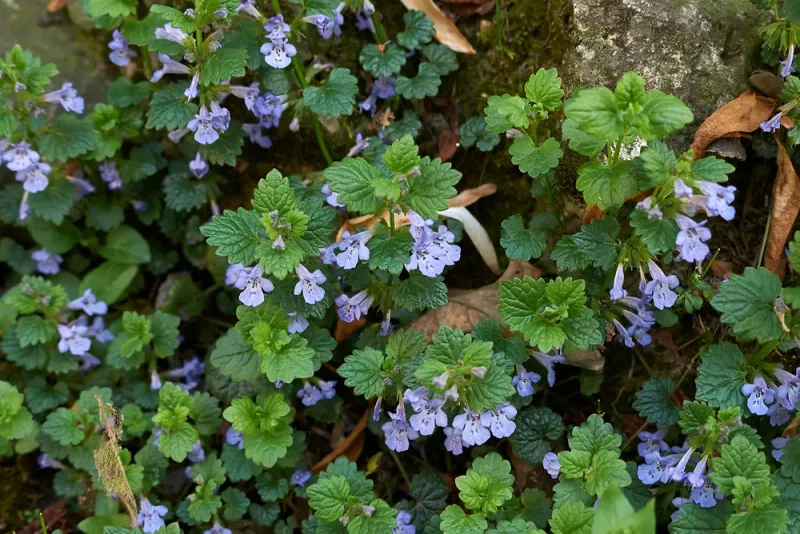
Few weeds frustrate Ohio gardeners more than creeping Charlie, also called ground ivy. This perennial spreads by sending out long stems that root at every leaf node, creating an interconnected mat that can cover large areas in a single growing season.
Its round, scalloped leaves and small purple flowers might look attractive up close, but creeping Charlie is relentless.
It loves shaded, moist areas where grass struggles to grow thick and strong. Under trees, along fences, and in poorly drained sections of your yard are prime territory.
Once established, creeping Charlie is notoriously difficult to control because those rooting stems create a network that quickly regenerates even after pulling or mowing.
In Ohio, creeping Charlie starts growing actively in spring and can bloom from April through June. Although it can produce seeds, it spreads primarily through creeping stems.
Its ability to tolerate shade gives it a huge advantage over sun-loving turf grasses.
Controlling creeping Charlie requires persistence and a multi-pronged approach. Start by improving light and airflow in shaded areas by pruning low tree branches and thinning dense shrubs.
Better drainage also helps. Hand-pulling works for small infestations, but you must remove every piece of stem because any fragment left behind can reroot.
For larger areas, consider using a broadleaf herbicide specifically labeled for creeping Charlie, applied in fall when the plant is storing energy in its roots. Repeat applications are usually necessary, and maintaining thick, healthy grass is essential for preventing reinfestation.
7. Bindweed Returns Again And Again From Deep Roots
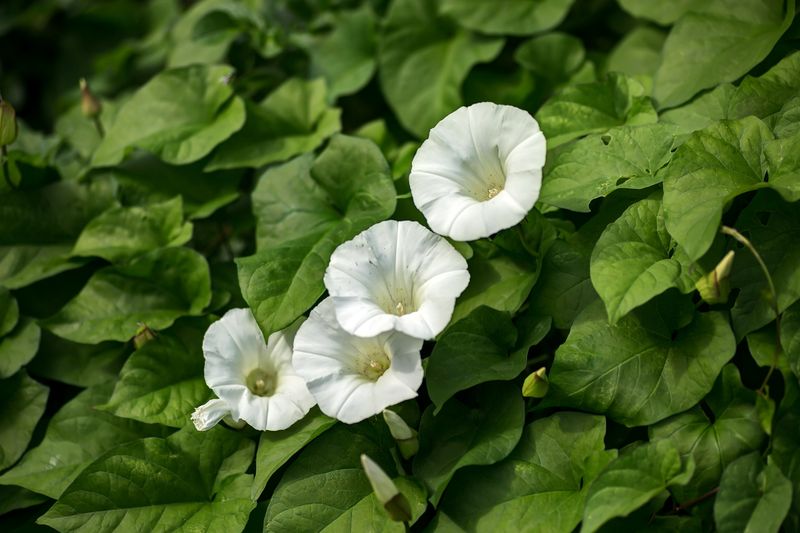
If you’ve ever battled bindweed in your Ohio garden, you know it’s one of the most stubborn weeds you’ll ever face. Also called wild morning glory, bindweed produces beautiful white or pink trumpet-shaped flowers, but don’t let that fool you.
This perennial vine sends roots that can extend very deep into the soil, sometimes several feet, and those roots can spread horizontally for many feet, producing new shoots constantly.
Bindweed twines around your garden plants, fences, and anything else it can climb, and it grows so quickly that it can smother vegetables and flowers in just weeks. Even worse, breaking off the stems or pulling surface growth barely slows it down because those deep roots simply send up new shoots.
In Ohio, bindweed emerges in late spring after the soil warms and continues growing vigorously through summer. Each plant can produce hundreds of seeds that remain viable in the soil for many years, and small root fragments left in the soil can regenerate into new plants.
Controlling bindweed requires patience and repeated effort over multiple seasons. Hand-pulling weakens the plant but must be done consistently every time new growth appears.
Never let bindweed flower and set seed. Smothering with thick mulch or landscape fabric can suppress growth, but you’ll need to maintain coverage for at least one full growing season.
For severe infestations, systemic herbicides applied when bindweed is actively growing can help, but multiple applications are usually necessary. The key is persistence and never giving the plant a chance to rebuild its energy reserves.
8. Nutsedge Explodes In Wet Poorly Drained Soil
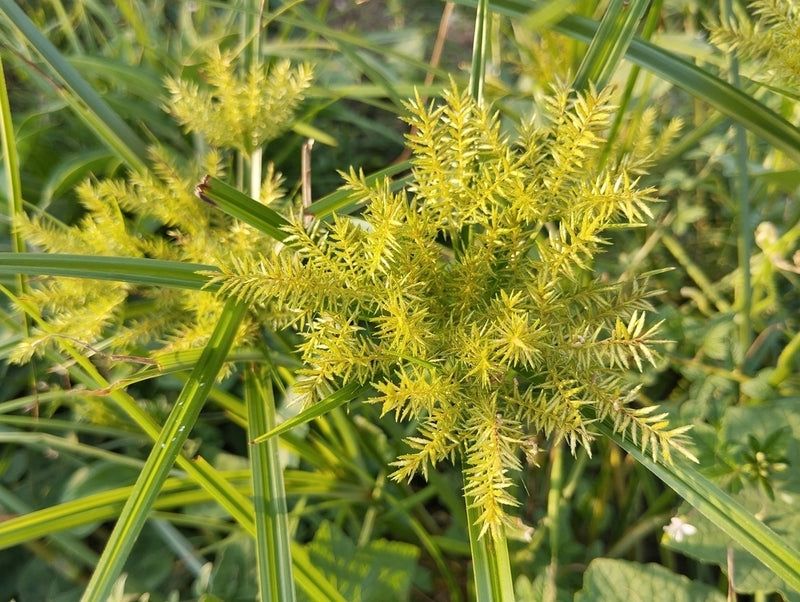
At first glance, nutsedge looks like grass, but look closer and you’ll notice it grows faster, stands taller, and has a distinctive yellowish-green color that makes it stand out in your Ohio lawn. Nutsedge isn’t actually a grass at all.
It’s a sedge, and it thrives in wet, poorly drained soil where most grasses struggle.
Low-lying areas, spots near downspouts, and sections of your yard that stay soggy after rain are perfect for nutsedge. It spreads primarily through underground tubers called nutlets, which can remain dormant in the soil for years and sprout when conditions are right.
A single nutsedge plant can produce numerous underground tubers in a single season, creating a persistent problem that gets worse year after year.
In Ohio, nutsedge typically appears in late spring and grows vigorously through summer. Its triangular stems feel distinctly different from grass when you roll them between your fingers.
Pulling nutsedge by hand often breaks the stem and leaves those tubers behind, ready to sprout again.
The most effective long-term solution is improving drainage in affected areas. Installing French drains, aerating compacted soil, or regrading low spots can make your yard less hospitable to nutsedge.
For existing infestations, use a selective herbicide specifically labeled for nutsedge control, applied when plants are actively growing. Mulching garden beds heavily also helps suppress nutsedge in planting areas.
Consistent monitoring and removal of new shoots before they mature prevents tuber production and gradually exhausts the weed’s energy reserves.