If You’re Starting A Garden In Ohio For The First Time This Year, Here’s Everything To Know
Starting your first garden in Ohio can feel a little intimidating, and that is completely normal. You might be looking at the soil, the weather, and all the advice out there thinking, where do I even begin?
Ohio gardening comes with cool springs, warm summers, surprise rain, and a few lessons every beginner faces. You do not have to know everything before you start, and perfect conditions are not required for success.
A few simple steps at the right time can make your first season far smoother than you expect. Many new gardeners worry about making mistakes, but small missteps are part of the process and often lead to the best learning.
With basic planning, the right timing, and steady care, your garden can grow stronger week by week. You are not alone in this, and with the right guidance, your first Ohio garden can turn into something you feel proud of.
1. Start With Ohio’s Frost Dates And Planting Calendar
Knowing your local frost dates is the single most important piece of information for Ohio gardeners. The average last spring frost typically falls between mid-April and early May across most of Ohio, though northern counties may see frost into mid-May.
Planting tender vegetables like tomatoes, peppers, and squash before this date can result in damaged or stunted plants that struggle all season.
Ohio sits mostly in USDA hardiness zones 5b and 6a, with some southern areas in 6b, which determines what survives winter and when you can safely plant in spring. Cool-season crops like lettuce, peas, and spinach can go in the ground several weeks before the last frost, usually in late March or early April.
Warm-season crops need soil temperatures above 60 degrees and no threat of frost.
The Ohio State University Extension provides county-specific planting calendars that take the guesswork out of timing. These calendars tell you exactly when to start seeds indoors, when to transplant seedlings outside, and when to direct-sow seeds in the garden.
Following these guidelines prevents the common beginner mistake of planting too early because of a few warm days in March.
Fall gardening requires similar attention to frost dates. Knowing your first fall frost date helps you plan succession plantings and choose varieties that mature in time.
Ohio gardeners typically see first frosts between late September and mid-October, depending on location.
2. Choose The Right Location With Enough Sunlight
Most vegetables and flowering plants need at least six to eight hours of direct sunlight daily to produce well. Before you break ground, spend a few days observing how sunlight moves across your yard throughout the day.
That spot that seems bright in the morning might be shaded by your house or a neighbor’s tree by afternoon.
South-facing locations receive the most consistent sunlight in Ohio, making them ideal for vegetable gardens. Eastern exposure works well too, giving plants morning sun and some afternoon shade during hot July and August days.
Avoid spots on the north side of buildings or under large trees, as these areas stay shady and cool.
Your Ohio Garden Changes Every Week. Your Plan Should Too.
Gardening in Ohio changes quickly throughout the season. Every Friday you’ll receive a simple weekly plan showing exactly what to plant, prune, fertilize, harvest, and protect so you never miss the right timing.
If your yard lacks a sunny spot, container gardening offers flexibility. You can move pots to follow the sun or place them on a sunny driveway, patio, or deck.
Many vegetables and herbs thrive in containers as long as they get enough light and regular watering.
Beginners often underestimate how much shade affects plant growth. A garden receiving only four hours of sun will produce disappointing results with tomatoes and peppers, though leafy greens like lettuce might tolerate it.
Check for overhead obstacles like power lines or tree branches that could interfere with your garden, and consider accessibility to water sources when choosing your location.
3. Test And Prepare Your Soil Before Planting
Ohio soils vary dramatically depending on where you live. Some areas have heavy clay that holds water and compacts easily, while others have sandy soil that drains too quickly.
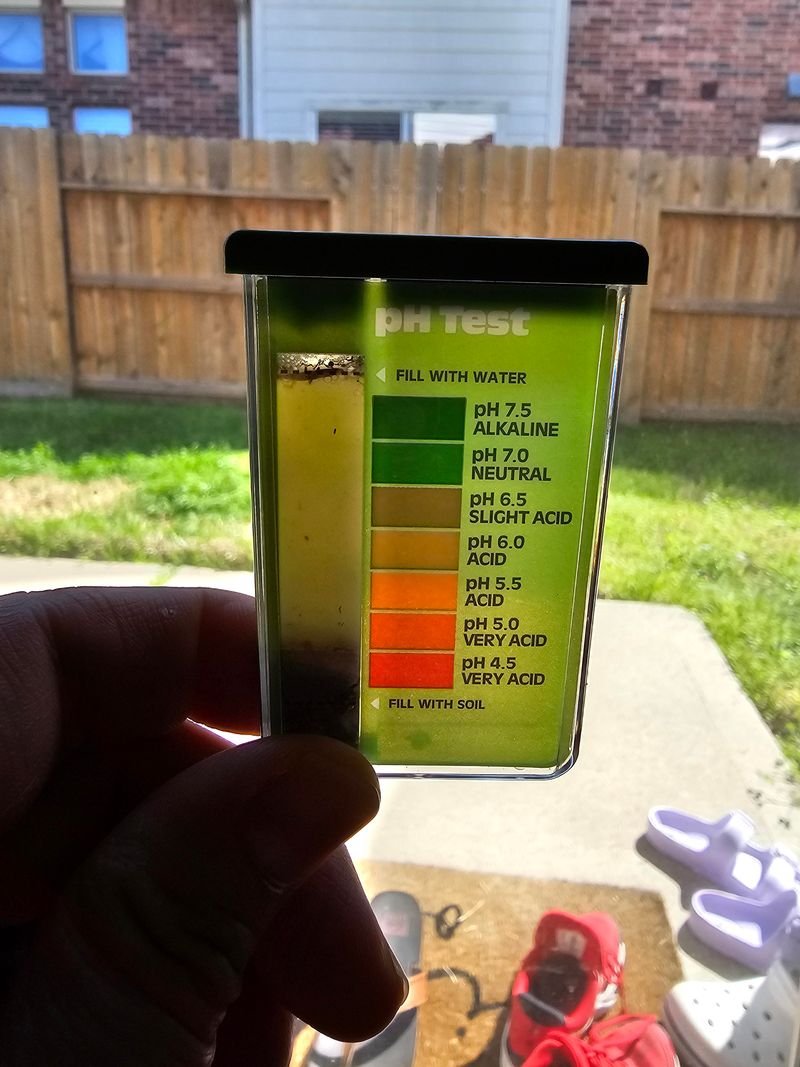
Testing your soil before planting tells you exactly what you’re working with and what amendments you need to add.
County extension offices offer inexpensive soil testing services that measure pH, nutrient levels, and organic matter content. The results come with specific recommendations for improving your soil.
Most vegetables prefer a pH between 6.0 and 7.0, and Ohio soils sometimes lean too acidic or alkaline without correction.
Improving soil structure matters just as much as nutrients. Adding two to three inches of compost or well-aged manure before planting increases drainage in clay soils and improves water retention in sandy soils.
Work organic matter into the top six to eight inches where plant roots will grow.
Good drainage prevents root problems and plant stress. If water puddles in your garden area for hours after rain, you have a drainage issue that needs addressing.
Raised beds offer an excellent solution for poor drainage, allowing you to control soil quality completely. Building beds eight to twelve inches high and filling them with a quality garden soil mix gives plants the ideal growing environment right from the start.
4. Pick Beginner Friendly Plants That Grow Well In Ohio
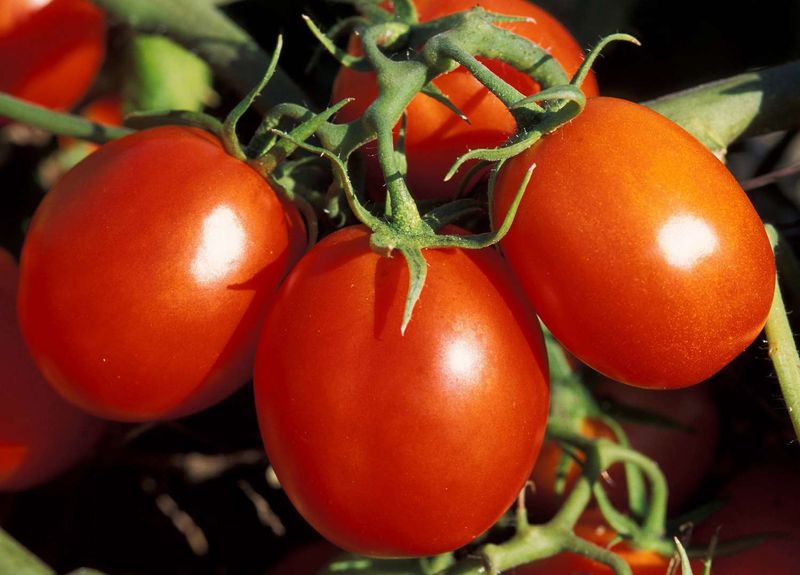
Some plants practically grow themselves in Ohio, making them perfect for first-time gardeners. Tomatoes top the list as the most popular home garden vegetable, and varieties like ‘Celebrity’ and ‘Early Girl’ perform reliably in Ohio’s climate.
Bush beans produce heavily with minimal care, and you can succession plant them every two weeks for continuous harvests.
Lettuce and other salad greens thrive in Ohio’s spring and fall weather. They grow quickly, tolerate cool temperatures, and you can harvest them at any size.
Zucchini and summer squash are famously productive, sometimes overwhelmingly so, making them confidence-builders for beginners.
Herbs like basil, parsley, and cilantro grow easily and add fresh flavor to meals. Basil loves Ohio’s warm summers, while parsley tolerates cooler temperatures and can be planted early.
Perennial herbs like chives and oregano come back year after year with no replanting needed.
Avoid fussy plants that require special care or have narrow growing windows. Save melons, eggplant, and cauliflower for your second or third year when you have more experience.
Stick with proven performers that forgive beginner mistakes like inconsistent watering or imperfect timing. Marigolds and zinnias make excellent first flowers since they bloom reliably all summer, tolerate heat, and attract pollinators to your vegetable plants.
5. Learn When To Start Seeds Indoors Or Outdoors
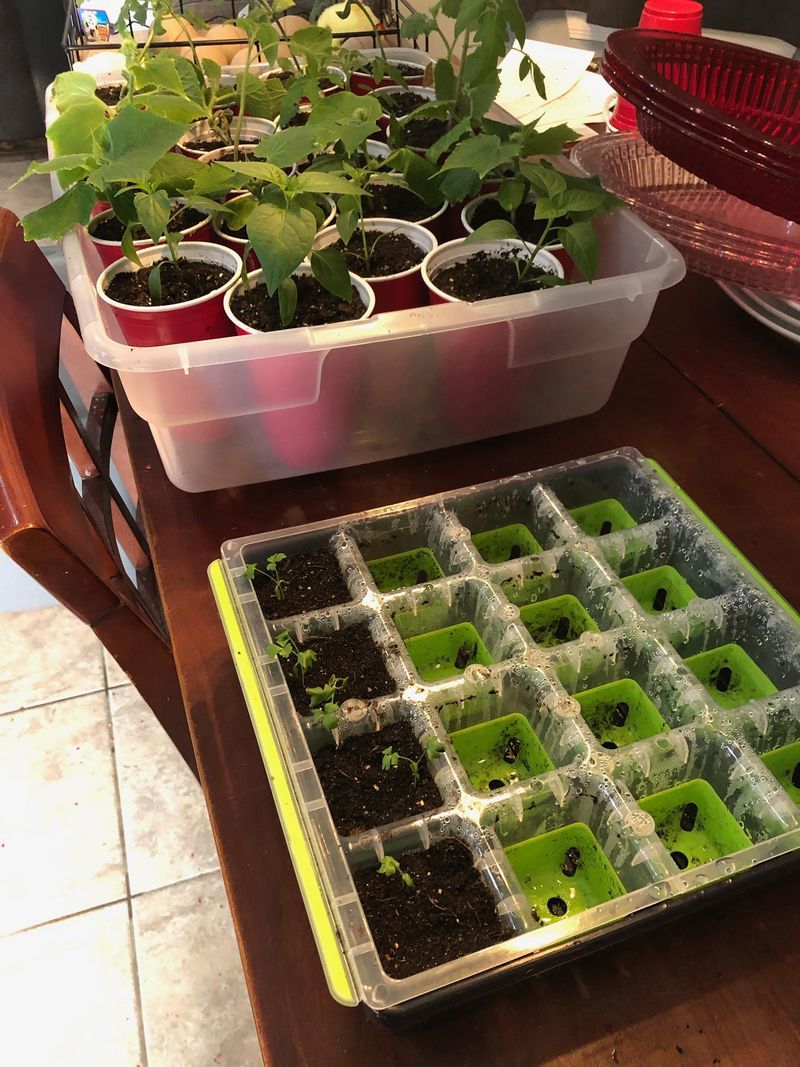
Some vegetables need a head start indoors to produce before Ohio’s growing season ends. Tomatoes, peppers, and eggplant require six to eight weeks of indoor growing before transplanting outside after the last frost.
Starting these seeds indoors in March gives them time to develop strong roots and mature plants by planting time in May.
Basic seed-starting supplies include seed-starting mix, containers with drainage holes, and a sunny window or grow light. Seed-starting mix drains better than regular potting soil and helps prevent damping-off, a fungal problem that affects seedlings.
Keep the soil consistently moist but not waterlogged, and provide warmth for germination.
Many vegetables prefer direct seeding right in the garden. Beans, peas, carrots, radishes, and squash transplant poorly and grow better when planted directly where they’ll mature.
These seeds go straight into prepared garden soil at the appropriate planting time for each crop.
Hardening off is the critical step beginners often skip. Before transplanting indoor-grown seedlings permanently outside, they need gradual exposure to outdoor conditions.
Place seedlings outside in a protected spot for a few hours daily, gradually increasing their time outside over seven to ten days. This transition prevents shock and helps plants adjust to wind, direct sun, and temperature fluctuations they didn’t experience indoors.
6. Water Properly Without Overwatering Young Plants
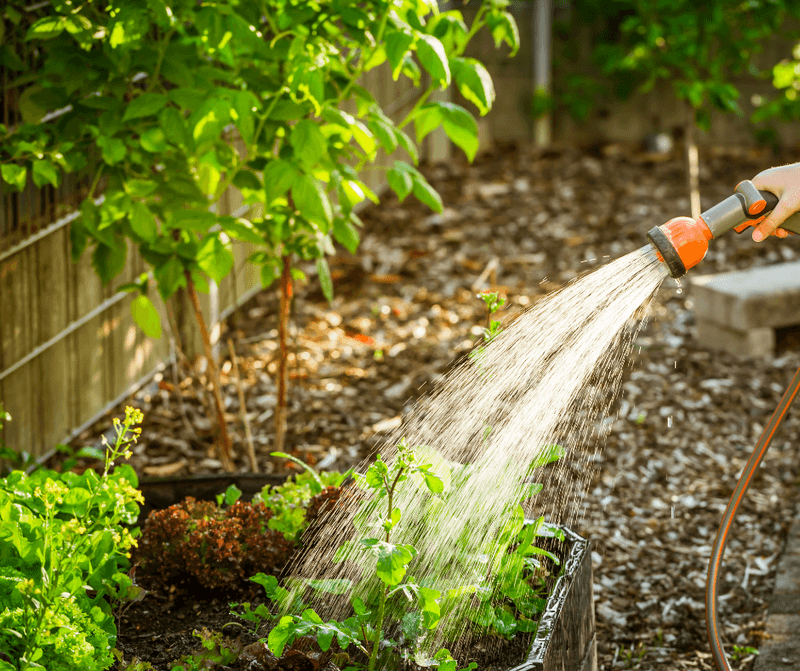
More plants suffer from overwatering than underwatering, especially when they’re young. New gardeners often water on a schedule without checking if plants actually need it.
The best approach is checking soil moisture before watering by sticking your finger two inches into the soil near the plant base.
If the soil feels dry at that depth, water thoroughly until moisture reaches the root zone. Light, frequent watering encourages shallow roots that make plants vulnerable to stress.
Deep, less frequent watering encourages roots to grow down where moisture stays more consistent.
Ohio’s weather varies dramatically between wet springs and dry summers. During rainy periods in May and June, your garden might need no supplemental water at all.
July and August often bring heat and dry spells requiring more frequent watering. Adjust your watering based on rainfall, temperature, and how quickly your soil dries out.
Morning watering works best because foliage dries quickly, reducing disease problems. Soaker hoses and drip irrigation deliver water directly to the root zone without wetting leaves, and they’re more efficient than overhead sprinklers.
Newly transplanted seedlings need consistent moisture until their roots establish, usually for the first week or two. Watch for wilting in the heat of the day, but check again in the evening when plants often perk up naturally before assuming they need water.
7. Use Mulch To Control Weeds And Protect Soil
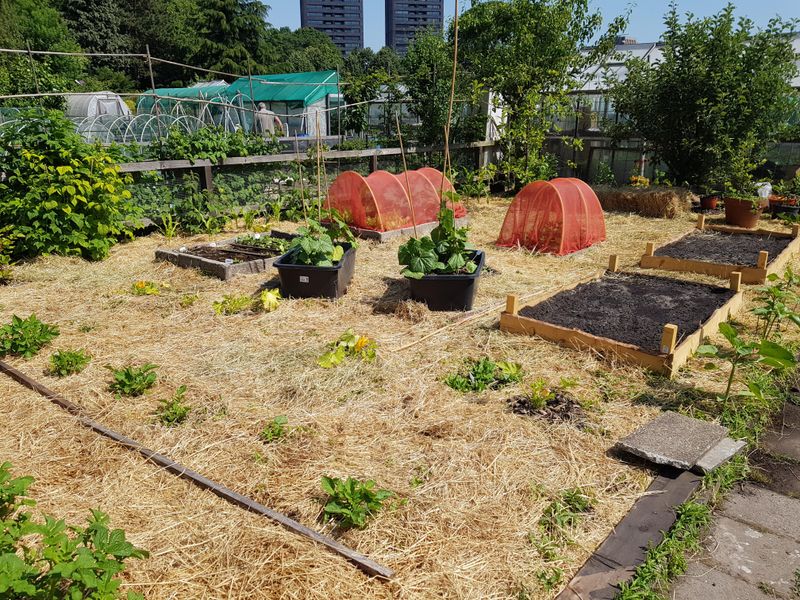
Applying two to three inches of mulch around your plants is one of the smartest time-saving strategies for new gardeners. Mulch blocks sunlight from reaching weed seeds, dramatically reducing the time you spend pulling weeds.
It also moderates soil temperature, keeping roots cooler during Ohio’s hot summer days and warmer during cool spring nights.
Organic mulches like straw, shredded leaves, or grass clippings break down over time, adding organic matter to your soil. Straw works particularly well for vegetable gardens since it’s clean, easy to spread, and doesn’t mat down.
Avoid hay, which contains weed seeds that will sprout in your garden.
Mulch helps retain soil moisture by reducing evaporation from the soil surface. This means less frequent watering and more consistent moisture levels that plants prefer.
During heavy rains, mulch prevents soil from splashing onto plant leaves, which can spread soil-borne diseases.
Wait until soil warms in late spring before mulching around warm-season crops like tomatoes and peppers. Mulch applied too early keeps soil cool and slows plant growth.
For cool-season crops planted in early spring, you can mulch right away. Pull mulch a few inches away from plant stems to prevent moisture buildup that encourages rot.
Replenish mulch as it decomposes throughout the season to maintain that two to three inch layer.
8. Watch For Pests And Problems Early In The Season
Checking your garden every few days helps you catch problems while they’re still small and manageable. Look at both sides of leaves for insect eggs, chewed edges, or discoloration that signals trouble.
Early detection means you can hand-pick pests, remove affected leaves, or apply treatments before damage becomes severe.
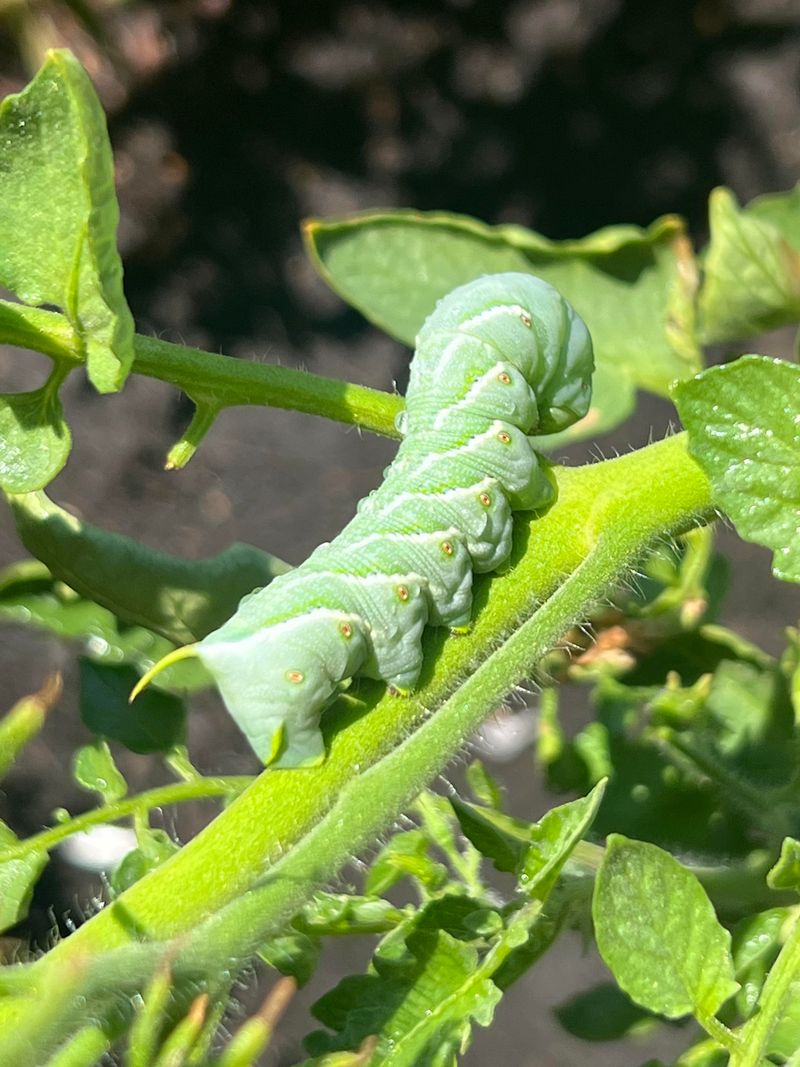
Common Ohio garden pests include tomato hornworms, cucumber beetles, squash bugs, and aphids. Tomato hornworms are large green caterpillars that can strip a plant quickly, but they’re easy to spot and remove by hand.
Cucumber beetles spread diseases and damage cucumbers, melons, and squash plants throughout the season.
Row covers made of lightweight fabric protect young plants from many insect pests while still allowing light and water through. Covering plants right after transplanting prevents beetles and moths from reaching them.
Remove covers when plants flower so pollinators can access the blooms.
Encourage beneficial insects that eat garden pests by planting flowers near your vegetables. Ladybugs, lacewings, and parasitic wasps help control aphids, caterpillars, and other problem insects naturally.
Avoid using broad-spectrum insecticides that harm beneficial insects along with pests. For most problems, simple solutions like hand-picking, spraying plants with water to dislodge aphids, or using insecticidal soap work well for beginners without requiring harsh chemicals.