This Iconic Plant Is Found In Every Ohio Landscape
You see it in quiet neighborhoods, along country roads, near old homes, and across open parks. Season after season, it appears so often that many people stop noticing it, yet it has shaped Ohio’s landscape for generations.
In spring, it signals change. In summer, it anchors shade and memory. In fall, it drops the glossy seeds almost every Ohioan recognizes.
This plant is more than common, it is woven into the identity of the state itself.
Homeowners plant it, children collect it, and communities quietly grow around it year after year. Few landscape plants carry this level of history, symbolism, and familiarity while still thriving in modern yards.
Once you recognize its story, you start seeing it everywhere. The tree that defines Ohio’s landscape, culture, and seasonal rhythm is none other than The Ohio Buckeye.
1. The Ohio Buckeye Became A Symbol Across The State

Aesculus glabra earned its official title as Ohio’s state tree in 1953, but residents had claimed it as their own long before any legislature made it official. The buckeye grows naturally throughout Ohio, thriving in valleys, along streams, and in mixed hardwood forests from the southern hills to the northern lake plains.
Its presence feels so ordinary that many Ohioans grew up playing beneath its branches without realizing they were touching a state symbol.
The tree typically reaches 20 to 40 feet tall, though some specimens stretch higher in ideal conditions. Its rounded crown spreads wide, creating shade that feels cool even on hot summer days.
Bark on mature trees develops a scaly texture that looks almost puzzle-like, adding character as the years pass.
What made this particular tree rise to symbolic status wasn’t just its widespread presence. Ohio pioneers noticed the tree everywhere they settled, and its unusual nuts became conversation pieces.
The name stuck to the land itself, shaping how people identified with their home state. Today, mentioning buckeyes to anyone from Ohio brings instant recognition, whether they’re thinking of the tree, the nut, or the countless things named after both.
2. Its Famous Buckeye Nuts Inspired The Tree’s Legacy
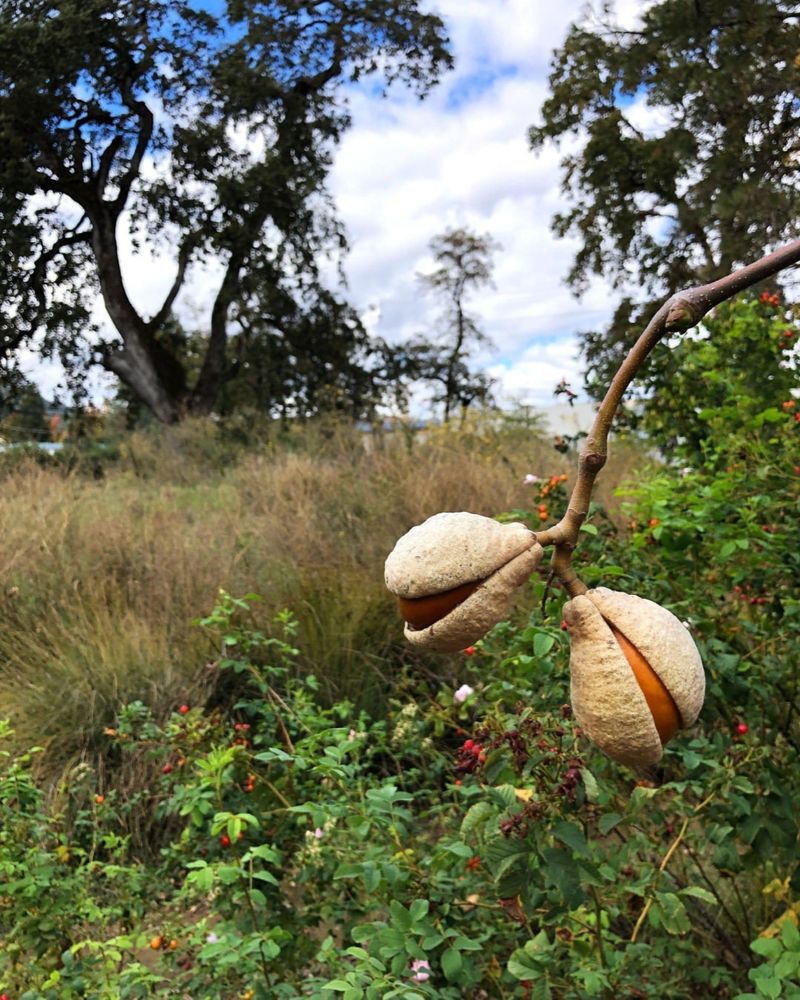
The buckeye nut looks like nothing else in Ohio forests. Each glossy brown seed carries a large, pale tan circle that early settlers thought resembled the eye of a white-tailed deer—a buck’s eye.
That simple observation gave the tree its memorable name, and the name eventually spread to represent the entire state and its people.
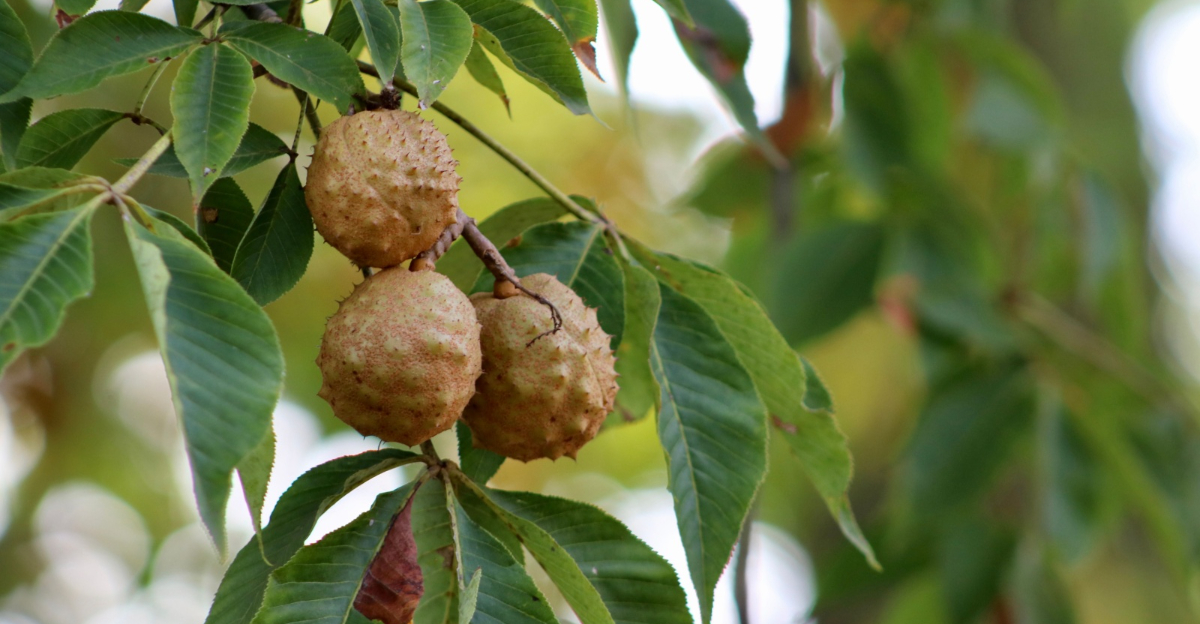
These nuts develop inside green, leathery husks covered with short prickles that aren’t nearly as sharp as those on horse chestnuts. By early fall, the husks split open and drop the shiny seeds to the ground.
Each nut measures roughly an inch across, smooth and surprisingly pleasant to hold despite being toxic if eaten.
Ohioans started carrying buckeye nuts as good luck charms generations ago, a tradition that persists today. Some people polish them until they shine, while others drill holes and string them into necklaces.
The nuts became so culturally significant that candymakers created chocolate and peanut butter confections shaped and colored to look like them. Sports fans paint them in team colors and carry them to games.
Your Ohio Garden Changes Every Week. Your Plan Should Too.
Gardening in Ohio changes quickly throughout the season. Every Friday you’ll receive a simple weekly plan showing exactly what to plant, prune, fertilize, harvest, and protect so you never miss the right timing.
What started as a simple forest seed transformed into an icon that represents pride, luck, and belonging for millions of people who call Ohio home.
3. Hand Shaped Leaves Defined The Tree’s Distinct Look
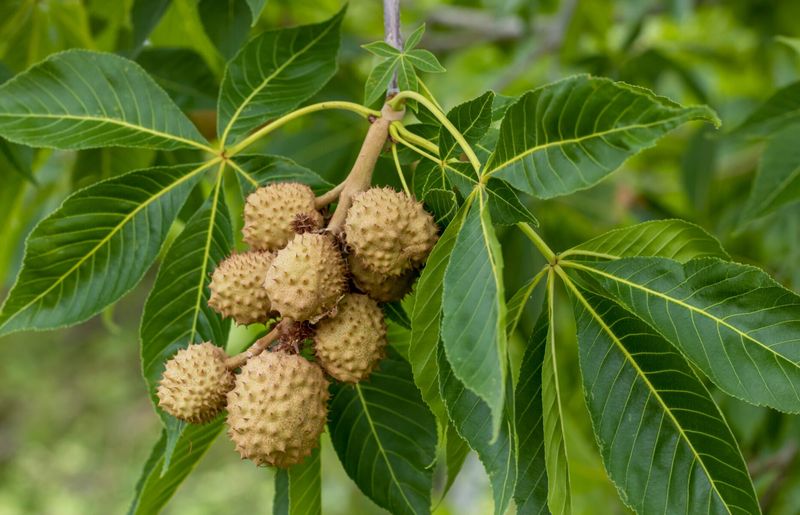
Recognizing a buckeye becomes easy once you notice the leaves. Five leaflets radiate from a central point like fingers spreading from a palm, creating what botanists call a palmately compound leaf.
Each leaflet stretches 3 to 6 inches long, with the center one typically larger than those on the sides. The edges show fine teeth, and the surfaces feel slightly fuzzy when young.
Spring brings fresh leaves in a yellow-green shade that brightens woodland edges. By summer, they deepen to a richer green that provides dense shade.
The real show happens in autumn when the leaves turn golden yellow, sometimes with orange tones mixed in. This color change arrives earlier than many other Ohio trees, often starting in September.
The arrangement makes the buckeye stand out even from a distance. When wind moves through the canopy, the hand-shaped leaves flutter in a distinctive way that catches attention.
Children often collect fallen leaves in autumn, using them for school projects or just admiring their perfect symmetry. The leaf shape became so associated with Ohio that it appears on everything from jewelry to building decorations.
Walk past a buckeye in any season and those five-fingered leaves announce exactly what you’re looking at.
4. Spring Flowers Added Subtle Beauty To Woodlands
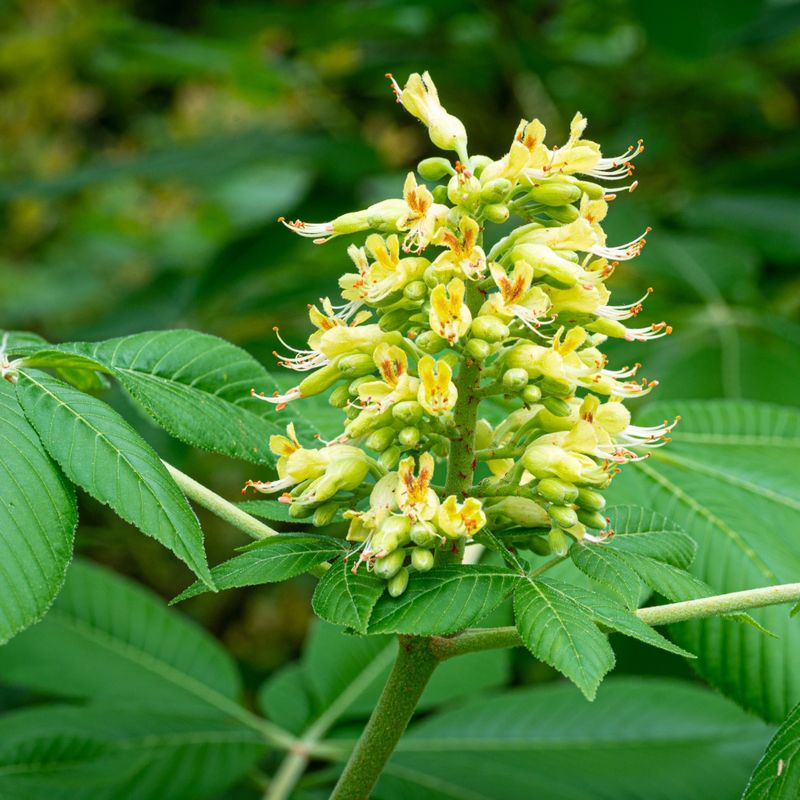
Buckeye flowers emerge in April or May, depending on how quickly spring warmth arrives. The blooms grow in upright clusters called panicles that stand 4 to 6 inches tall at branch tips.
Each individual flower measures small, with pale yellow-green petals that don’t shout for attention like magnolias or redbuds. Instead, they offer a quieter beauty that rewards closer observation.
The flowers carry a slight fragrance that attracts bees and other pollinators essential to Ohio ecosystems. Hummingbirds occasionally visit the blooms too, though the buckeye isn’t their first choice.
The greenish-yellow color blends with new foliage, making the flowering period less obvious than that of showier ornamental trees.
Most buckeye trees bloom for just two to three weeks before petals drop and seed development begins. During this window, the tree contributes to the spring awakening happening across Ohio forests and parks.
The blooms signal that winter has truly passed and that the seasonal cycle continues as it has for centuries. While homeowners might choose flashier trees for their yards, the buckeye’s modest flowers fit perfectly into natural settings where subtlety matters more than spectacle.
The blooms don’t need to dazzle—they just need to do their job, and they do it well.
5. The Native Tree Spread Naturally Across Ohio
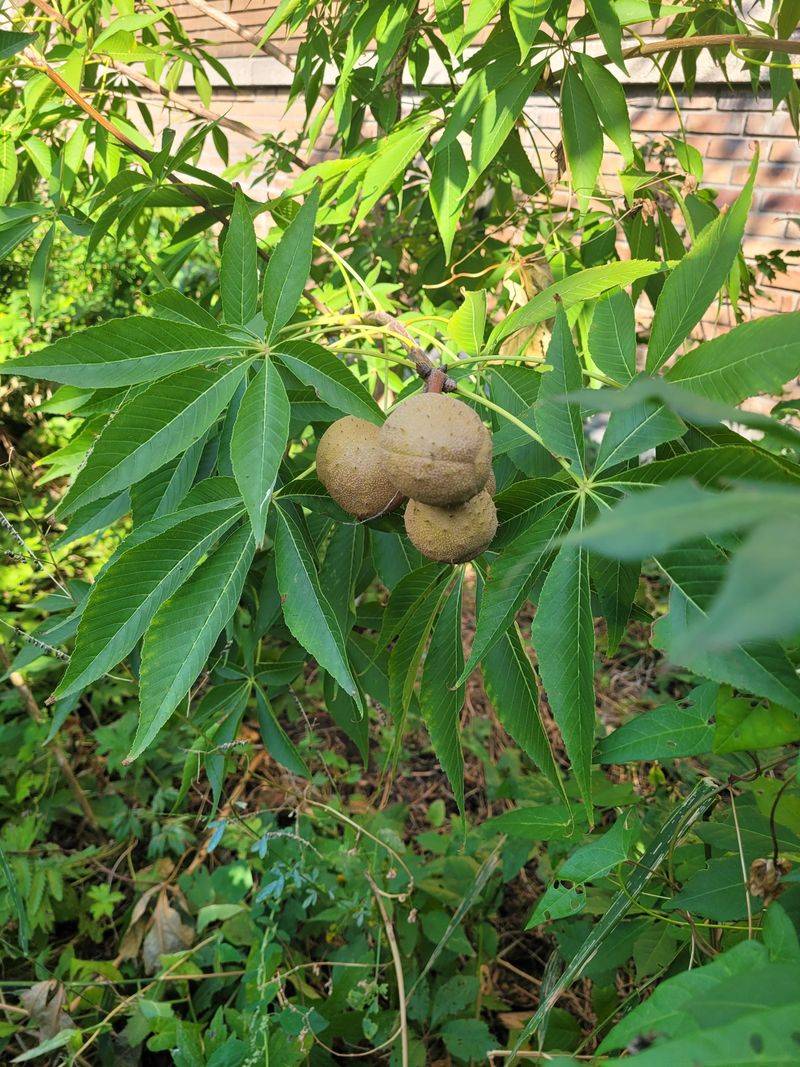
Buckeyes claim Ohio as their native territory, having grown here long before European settlement. The tree’s natural range extends beyond state borders into neighboring regions, but Ohio sits squarely in the heart of its preferred habitat.
It grows best in moist, well-drained soils along streams and rivers, though it tolerates a range of conditions that allow it to appear in drier upland sites too.
Throughout Ohio, you’ll find buckeyes mixing with oaks, maples, hickories, and other hardwoods in deciduous forests. They often grow along woodland edges where they receive partial sun rather than deep shade.
River valleys provide ideal conditions, and that’s where the largest specimens typically develop. The tree adapts to different soil types across the state, from the clay-heavy soils in some areas to the loamier ground in others.
Early Ohio settlers encountered buckeyes everywhere they cleared land for farming. The trees marked water sources and indicated fertile ground.
As towns grew, some buckeyes remained standing in parks and along streets, becoming living links to the pre-settlement landscape. Today, the tree still grows wild in preserved forests and nature areas while also appearing in planned landscapes where people intentionally plant it to celebrate Ohio heritage.
6. Wildlife Relied On The Buckeye Throughout The Seasons
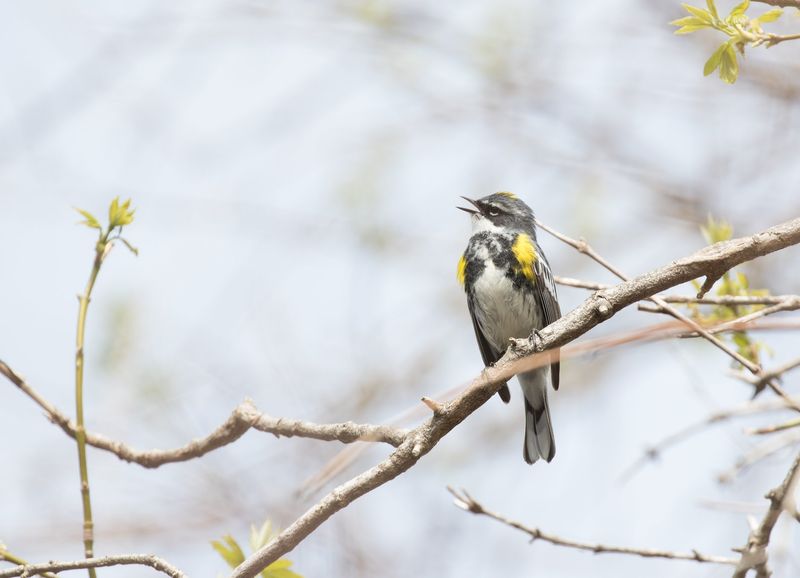
Buckeye trees support Ohio wildlife in ways that aren’t immediately obvious to casual observers. While the nuts contain compounds that make them toxic to humans and many animals, certain species have adapted to use them anyway.
Squirrels occasionally investigate buckeye nuts, though most wildlife avoids them because the seeds contain toxic compounds. The nuts don’t provide prime nutrition, but they contribute to the forest’s food web in limited ways.
Birds find more value in the tree itself than in its seeds. The branching structure offers nesting sites for species that build in small to medium-sized trees.
During spring migration, warblers and other insect-eating birds work through buckeye canopies searching for caterpillars and other invertebrates. The flowers attract pollinators that form essential links in Ohio’s ecosystem.
Deer browse on young buckeye shoots and occasionally nibble the bark, though mature trees usually escape serious damage. The tree’s presence in mixed forests adds diversity that benefits wildlife overall.
Healthy ecosystems need variety, and the buckeye contributes its part by offering shelter, structure, and seasonal resources. Its ecological role might seem modest compared to oaks that drop abundant acorns, but every native plant supports the complex web of life that makes Ohio forests function properly.
7. The Tree Earned Love Despite Its Messy Habits
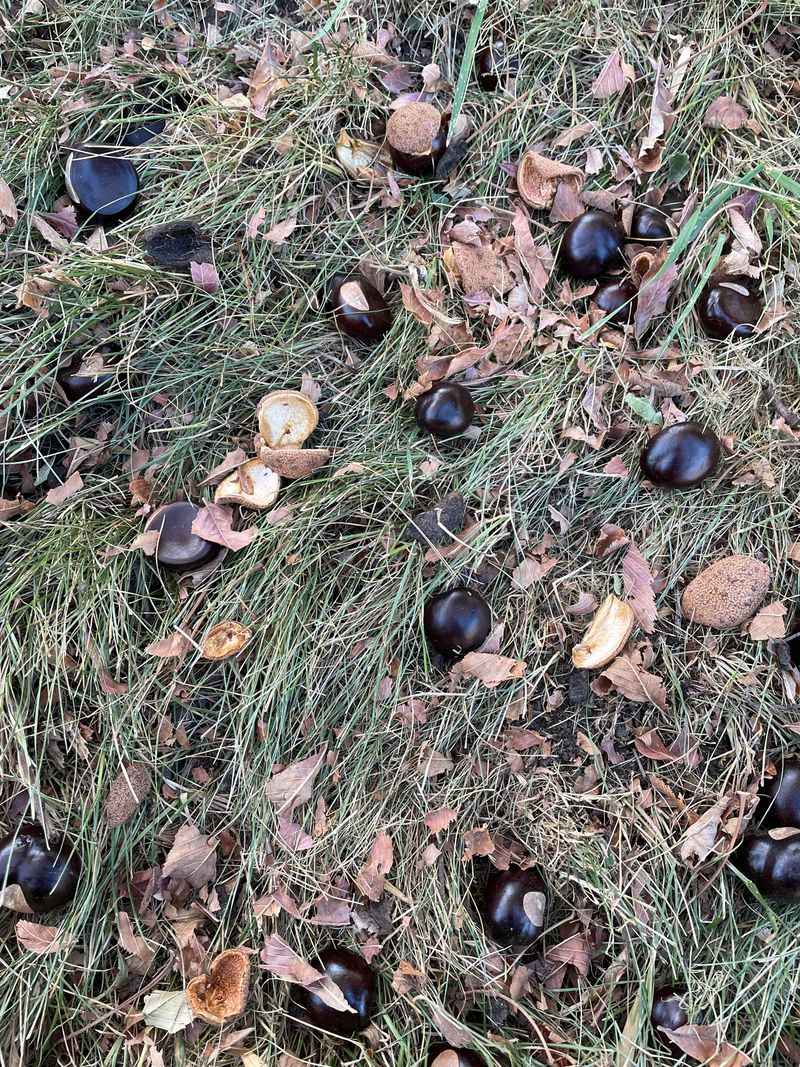
Buckeyes create work for anyone who plants them in yards or parks. The nuts drop in September and October, littering lawns and sidewalks with hard, round projectiles that become slip hazards.
Husks split and scatter spiky shells that aren’t fun to step on barefoot. Leaves often turn color and drop earlier than many other Ohio trees, leaving branches bare when fall has just begun.
Some property owners view these traits as drawbacks and choose other trees for their landscapes. The early leaf drop means reduced shade in late summer when you might want it most.
Fallen nuts require raking, and they can dent car hoods if trees overhang parking areas. Homeowners with tidy landscape preferences sometimes find the buckeye too casual about dropping debris.
Yet Ohioans keep planting buckeyes anyway, messy habits included. The tree’s cultural significance outweighs its maintenance demands for many people.
Collecting those fallen nuts becomes an annual tradition for families who polish them or save them as keepsakes. The early autumn color provides beauty even if it arrives ahead of schedule.
The tree’s connection to Ohio identity makes people willing to tolerate a little extra yard work. Sometimes belonging matters more than convenience, and the buckeye proves that point every fall.
8. The Buckeye Remained A Lasting Part Of Ohio Landscapes
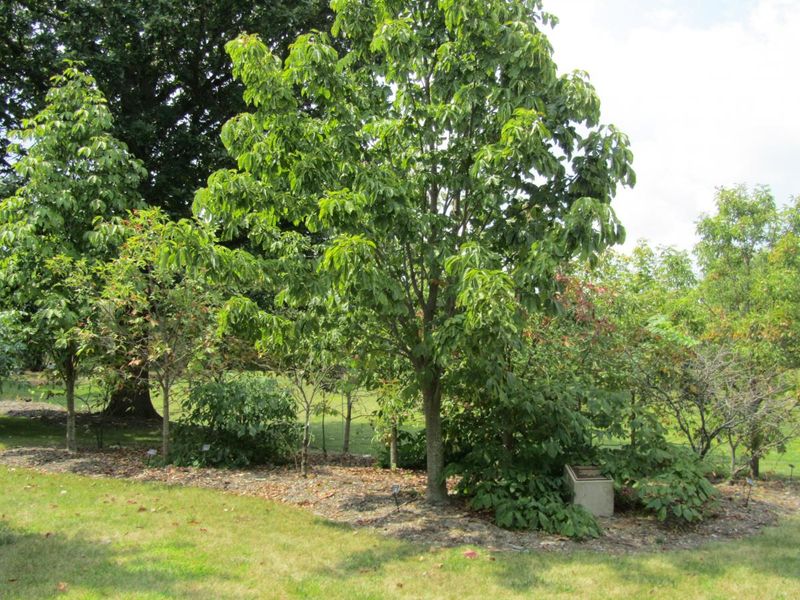
Generations of Ohioans have grown up knowing the buckeye tree, making it part of collective memory and shared experience. The tree appears in old photographs from the 1800s and still grows in the same towns today.
Its persistence through changing times gives it a permanence that few other symbols can claim. While fashions change and new traditions emerge, the buckeye remains constant across Ohio landscapes.
Schools plant buckeyes on campuses to mark special occasions or honor achievements. Towns include them in park designs and street tree plantings.
Homeowners add them to yards not just for shade but for the statement they make about place and identity. The tree represents more than just botanical interest—it carries meaning that connects people to their state and to each other.
Walking past a buckeye anywhere in Ohio creates a moment of recognition. The hand-shaped leaves, the familiar nuts, the overall presence of the tree triggers something deeper than simple plant identification.
It reminds people where they are and what that place means. The buckeye doesn’t need to be rare or exotic to matter.
Its importance comes from being exactly what it is—a common native tree that became uncommon in its ability to represent an entire state and everyone who calls it home.