10 Front Yard Landscaping Ideas With Native Ohio Plants
If your Ohio front yard feels like constant work, you are not alone. Many homeowners plant what looks good at the store, only to deal with weak growth, fading color, and endless maintenance later.
Native plants change that experience. These are plants built for Ohio, used to the soil, the weather, the cold winters, and the hot summers.
Once established, they settle in, grow stronger, and ask for far less attention. They also do something more meaningful.
They bring pollinators back, support birds, and help your yard feel alive instead of forced or artificial. You start spending less time fixing problems and more time enjoying the space.
The yard begins to feel natural, balanced, and easier to manage. When your design follows Ohio’s natural rhythm and your plants truly belong to the landscape, your front yard starts working with you, not against you, season after season.
1. Use Native Wildflowers For Color And Pollinators
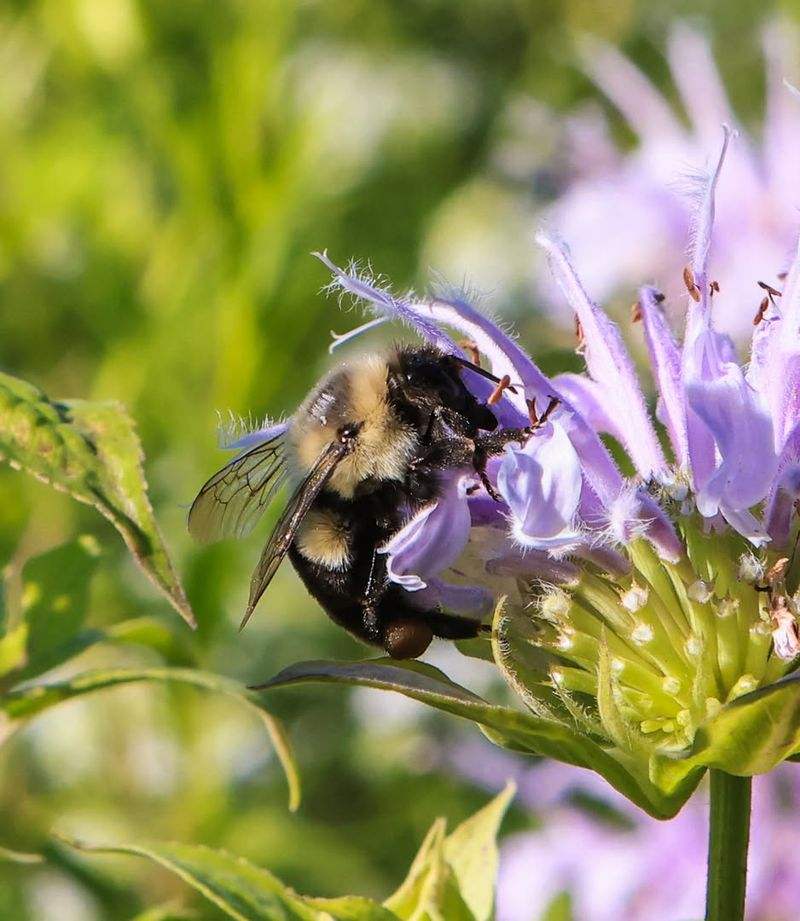
Ohio’s native wildflowers bring waves of color from spring through fall while supporting dozens of pollinator species. Black-eyed Susans, purple coneflowers, wild bergamot, and New England asters create a succession of blooms that keeps your front yard interesting for months.
These plants have deep root systems that help them survive dry spells without constant watering.
Butterflies, native bees, and hummingbirds visit wildflower gardens throughout the growing season, turning your front yard into a living nature show. Unlike many exotic ornamentals, native wildflowers provide the specific nectar and pollen that local insects need to thrive.
Many species also produce seeds that feed songbirds during fall and winter.
Establishing a wildflower bed requires minimal maintenance once plants are settled. Most natives prefer lean soil and actually bloom better without heavy fertilization.
After the first season, they typically need watering only during extended droughts. Deadheading spent flowers extends the bloom period, but leaving some seed heads provides winter food for wildlife.
The natural, cottage-garden look of native wildflowers softens formal landscapes and adds personality to suburban yards. Grouping several plants of the same species creates visual impact, while mixing different heights and bloom times ensures something is always flowering.
These tough performers return year after year, expanding slowly to fill their space without becoming aggressive.
2. Plant Prairie Grasses For Movement And Year Round Texture
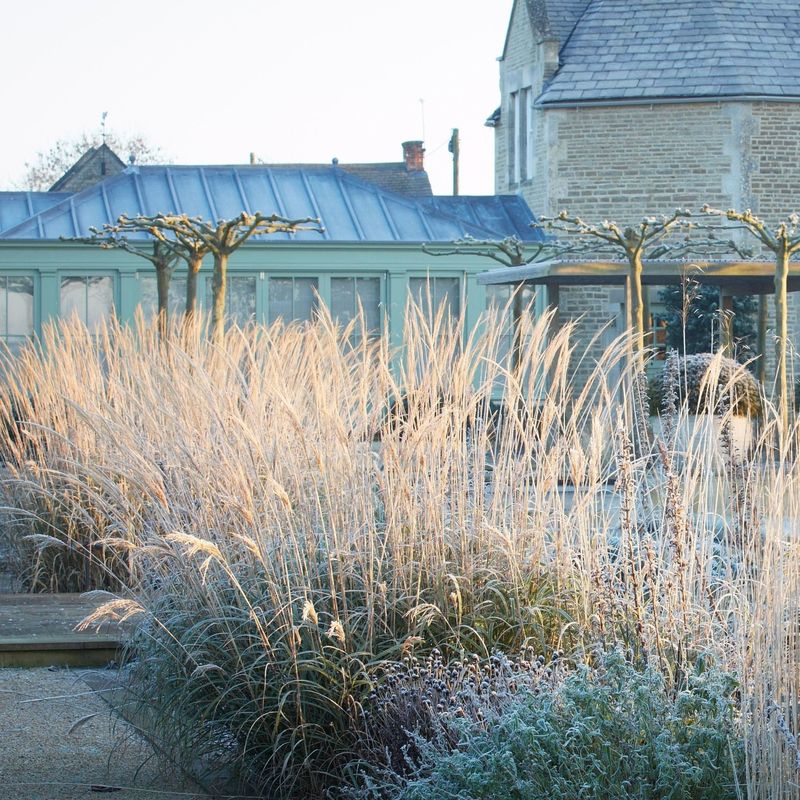
Prairie grasses add a completely different dimension to front yard landscaping with their constant motion and changing textures. Switchgrass, little bluestem, and Indian grass move with every breeze, creating a sense of life and energy that static plantings can’t match.
Their vertical forms provide structure that anchors garden beds and creates visual interest even when nothing else is blooming.
Throughout the seasons, these grasses transform dramatically. Spring brings fresh green growth, summer adds height and volume, fall delivers stunning color changes from burgundy to copper, and winter reveals architectural seed heads dusted with frost.
This year-round performance makes them landscape workhorses that earn their space in any front yard.
Ohio’s native grasses handle the state’s clay soils and weather extremes without complaint. Once established, they need no supplemental watering and actually prefer lean conditions that would stress other plants.
Your Ohio Garden Changes Every Week. Your Plan Should Too.
Gardening in Ohio changes quickly throughout the season. Every Friday you’ll receive a simple weekly plan showing exactly what to plant, prune, fertilize, harvest, and protect so you never miss the right timing.
They rarely suffer from pests or diseases and never need staking despite reaching impressive heights.
Using grasses as borders, backdrop plantings, or specimen features adds a naturalistic quality to front yards. They soften hard edges, screen utility areas, and provide habitat for beneficial insects that overwinter in their hollow stems.
The rustling sound they make in wind adds an auditory element that brings gardens to life in unexpected ways.
3. Add Serviceberry For Spring Flowers And Summer Fruit
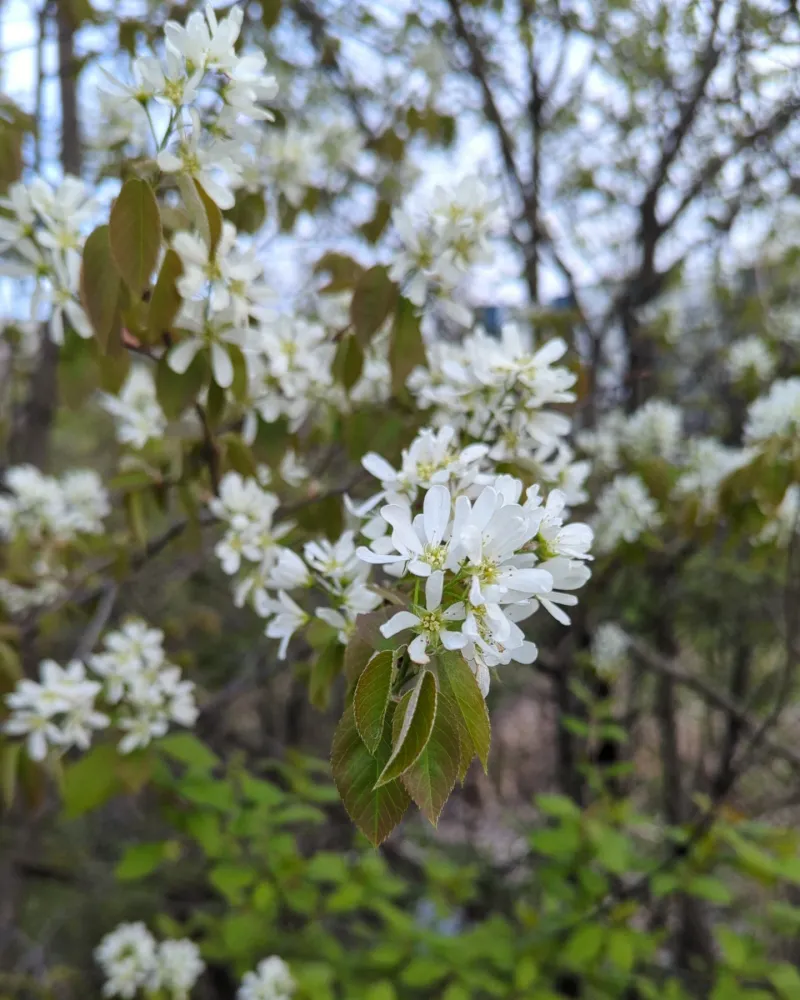
Serviceberry stands out as one of Ohio’s most rewarding native trees for front yard planting. In early spring, clouds of delicate white flowers appear before most other trees have leafed out, creating a spectacular display that signals winter’s end.
The blooms attract early-emerging pollinators desperate for nectar after months of scarcity.
By early summer, the flowers transform into sweet, edible berries that resemble blueberries in appearance and flavor. Birds absolutely love these fruits, and homeowners who get to them first can use them in pies, jams, or fresh eating.
The berry crop rarely lasts long, as robins, cedar waxwings, and other songbirds feast on them enthusiastically.
Fall brings another show when serviceberry leaves turn brilliant shades of orange, red, and gold. The smooth gray bark becomes more prominent in winter, adding subtle visual interest to the dormant landscape.
Multi-stemmed varieties create an attractive, naturalistic form that works beautifully as a focal point or grouped for screening.
Serviceberry adapts to various soil conditions and tolerates both sun and partial shade, making it versatile for different front yard situations. It stays relatively compact, typically reaching fifteen to twenty feet, which makes it manageable near homes and power lines.
This native tree requires virtually no maintenance once established and rarely becomes invasive or problematic.
4. Grow Red Twig Dogwood For Bright Winter Color
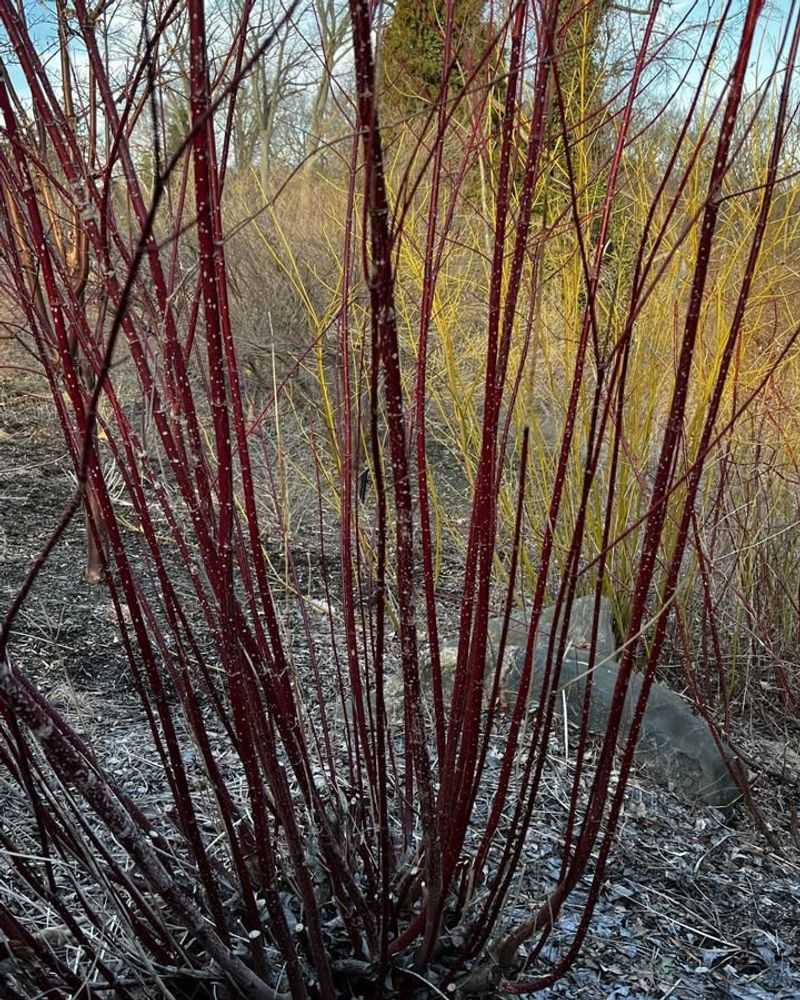
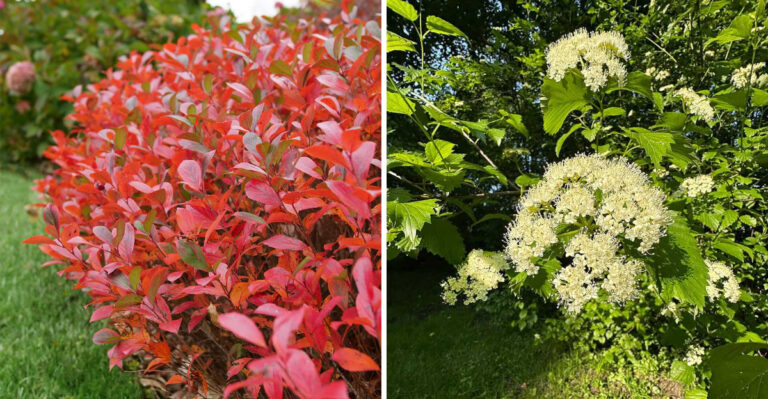
When winter strips color from most landscapes, red twig dogwood delivers exactly what Ohio front yards need most. The young stems glow an intense coral-red that becomes even more vivid against snow or evergreen backgrounds.
This winter drama transforms dull months into a season worth looking at through the window.
During growing season, red twig dogwood produces creamy white flower clusters in late spring, followed by white berries that birds consume eagerly. The foliage provides a clean green backdrop for other plantings throughout summer.
Some varieties develop burgundy or purple fall color before dropping their leaves to reveal those spectacular stems.
This adaptable North American native shrub handles wet areas better than most ornamentals, making it perfect for low spots or rain garden edges. It tolerates clay soil, occasional flooding, and a wide range of light conditions from full sun to partial shade.
Red twig dogwood spreads slowly through underground stems, creating a naturalistic colony over time without becoming aggressive.
Maintaining the brightest stem color requires cutting back older branches every few years, as young growth produces the most intense red. This simple pruning keeps plants compact and maximizes winter impact.
The shrub typically reaches six to eight feet tall and wide, making it suitable for foundation plantings, borders, or massed groupings that create bold winter statements in front yard landscapes.
5. Plant Purple Coneflower For Long Lasting Blooms
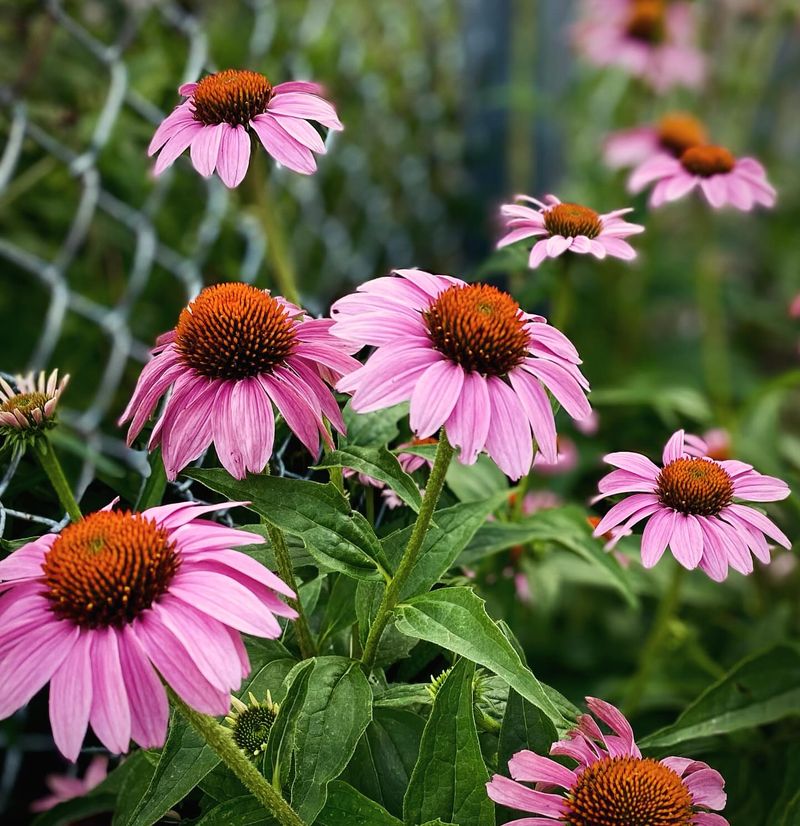
Purple coneflower ranks among the most reliable native perennials for Ohio front yards, blooming steadily from early summer well into fall. The distinctive flowers feature drooping pink-purple petals surrounding raised, spiky orange centers that give the plant its common name.
Each bloom lasts for weeks, and plants produce new flowers continuously when conditions suit them.
Pollinators treat purple coneflower like an all-day buffet, with bees, butterflies, and hummingbirds visiting constantly. As flowers fade and form seed heads, goldfinches arrive to feast on the nutritious seeds, clinging to the dried cones in acrobatic displays.
Leaving spent flowers standing through winter provides food for birds and architectural interest when other plants have collapsed.
Drought tolerance makes purple coneflower especially valuable during Ohio’s occasional dry spells. Deep taproots access moisture far below the surface, allowing plants to keep blooming when shallow-rooted species struggle.
Once established, they rarely need supplemental watering even during extended heat waves.
Growing two to four feet tall, purple coneflower fits comfortably in front yard beds without overwhelming smaller companions. The plants clump slowly and never spread aggressively, making them well-behaved garden citizens.
They tolerate various soil types and prefer full sun but manage reasonably well in partial shade. Dividing clumps every few years keeps plants vigorous and provides extras to expand your plantings or share with neighbors.
6. Add Black Eyed Susan For Classic Summer Color
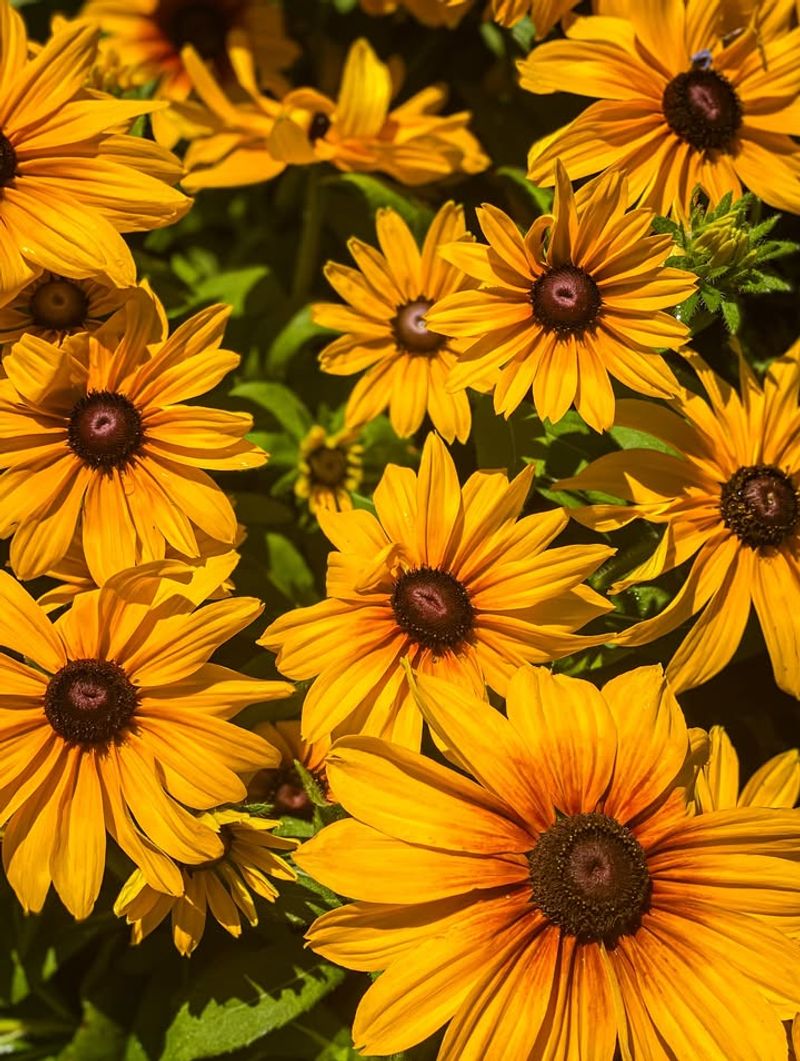
Few native plants deliver summer impact quite like black-eyed Susan with its cheerful golden petals and dark chocolate centers. These dependable performers bloom prolifically from midsummer through early fall, creating masses of color that brighten front yards during the hottest months.
The daisy-like flowers practically glow in evening light, extending visual appeal beyond typical viewing hours.
Black-eyed Susans thrive in Ohio’s full sun and tolerate the state’s heavy clay soils without complaint. They’re among the easiest natives to establish, often blooming the first year from seed and returning more vigorously each subsequent season.
Their adaptability makes them perfect for gardeners just starting with native plants.
Butterflies and native bees visit black-eyed Susan flowers constantly, while goldfinches wait impatiently for seeds to ripen in fall. The dried seed heads stand through winter, providing food for birds and visual structure when snow covers the ground.
Many gardeners leave them standing until spring cleanup, enjoying their contribution to the winter landscape.
These plants typically reach two to three feet tall with a bushy, mounding habit that fills space nicely without requiring staking. They combine beautifully with purple coneflowers, native grasses, and other prairie species to create naturalistic front yard plantings.
Black-eyed Susans self-sow modestly, producing new plants that are easy to transplant or remove if they appear where you don’t want them. Their reliable performance and classic appearance make them foundational plants for native Ohio landscapes.
7. Use Little Bluestem For Structure And Fall Beauty
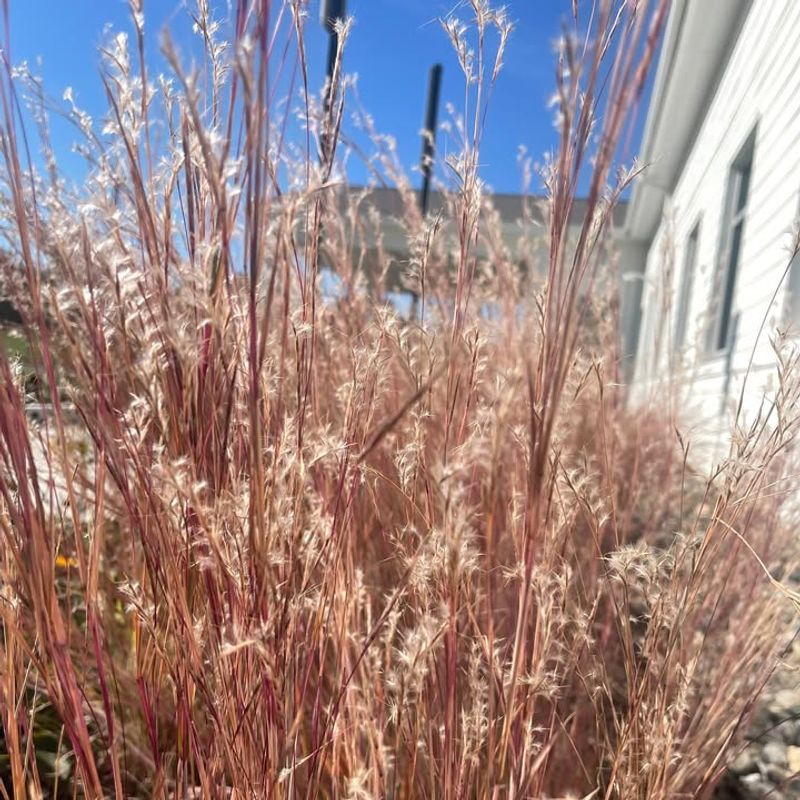
Little bluestem brings refined elegance to front yard plantings with its upright, clumping form and spectacular seasonal changes. During summer, the blue-green foliage creates a cool color note that contrasts beautifully with warm-toned flowers.
As temperatures drop in fall, the entire plant transforms into shades of copper, burgundy, and orange that rival any tree for autumn color.
This native bunchgrass maintains its structure through winter, with fluffy white seed heads catching snow and frost for months of cold-season interest. The dried foliage glows golden-bronze in winter sunlight, providing warmth to dormant landscapes.
Birds pick through the seed heads throughout winter, finding nutrition when other food sources have disappeared.
Little bluestem performs exceptionally well in lean, well-drained soils where many plants struggle. It actually prefers the tough conditions, developing its best color and most compact form in average to dry situations.
Overly rich soil or excessive moisture causes the plants to flop and lose their attractive upright habit.
Growing two to four feet tall, little bluestem works beautifully as an edging plant, border accent, or massed groundcover. The individual clumps stay tight and never spread by runners, making them predictable and easy to incorporate into designed landscapes.
They combine especially well with coneflowers and black-eyed Susans, creating prairie-inspired plantings that capture Ohio’s native landscape heritage. Full sun brings out the best color, though plants tolerate light shade reasonably well.
8. Plant Virginia Sweetspire For An Easy Native Border
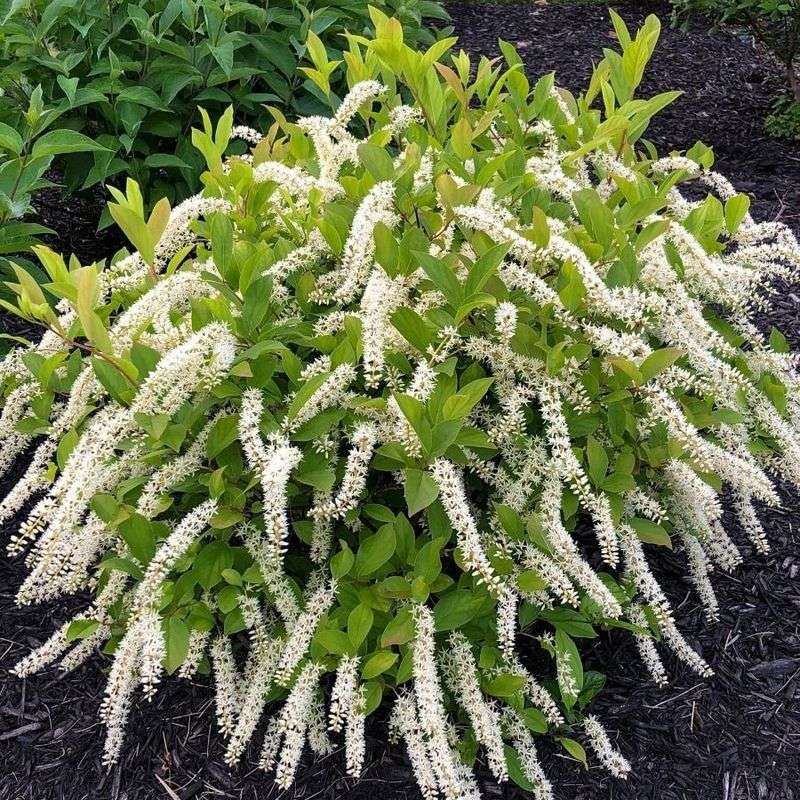
Virginia sweetspire solves the front yard border problem with grace and minimal fuss. In late spring and early summer, arching branches become covered with fragrant white flower spikes that attract butterflies and other pollinators.
The sweet scent carries on warm evenings, adding sensory appeal that most native shrubs don’t provide.
Throughout summer, the glossy green foliage creates a neat, attractive backdrop for other plantings. As fall approaches, leaves turn brilliant shades of red, orange, and purple that persist for weeks.
This extended fall color show often outlasts many trees, keeping front yards interesting well into November.
Adaptability makes Virginia sweetspire especially valuable for challenging sites. The shrub tolerates wet feet better than most woody plants, thriving in spots where drainage isn’t perfect.
It also handles dry shade reasonably well, though it performs best with adequate moisture and some sun. Clay soil doesn’t faze it, and it rarely suffers from pests or diseases.
Growing three to five feet tall and spreading slowly by suckers, Virginia sweetspire creates a naturalistic border without constant maintenance. The suckering habit allows it to fill in gaps and create a colony over time, though it never becomes aggressively invasive.
Pruning is optional and mainly involves removing older stems to encourage fresh growth. This native shrub delivers year-round interest through flowers, foliage, and fall color, making it an excellent foundation plant for Ohio front yards seeking low-maintenance beauty.
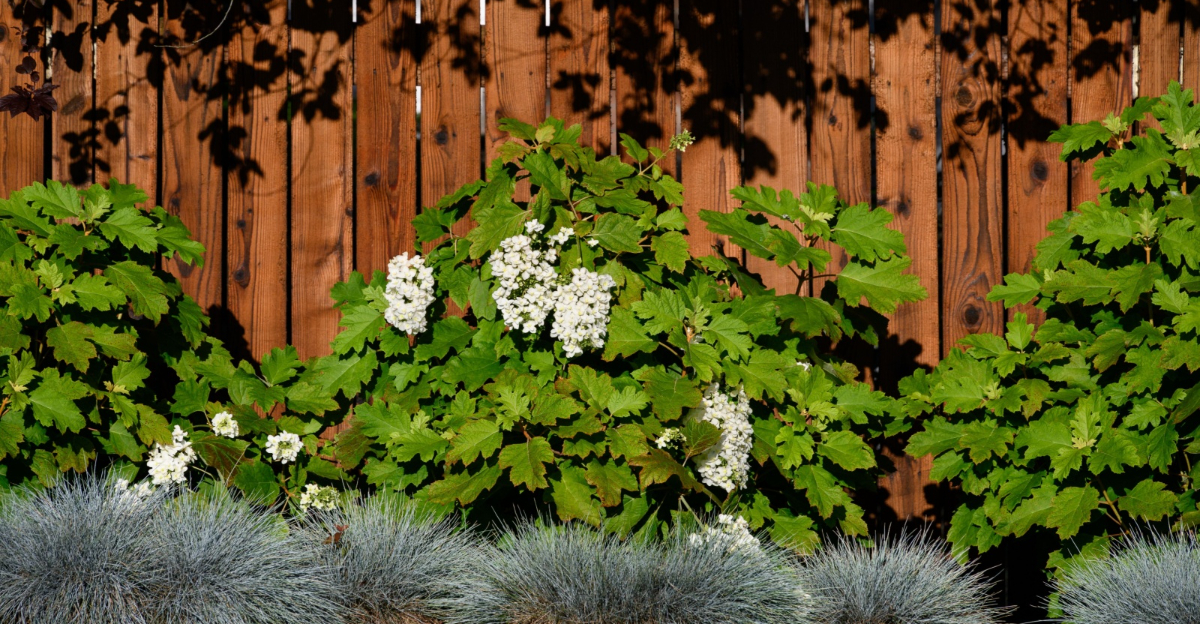
9. Add Oakleaf Hydrangea For Bold Native Texture
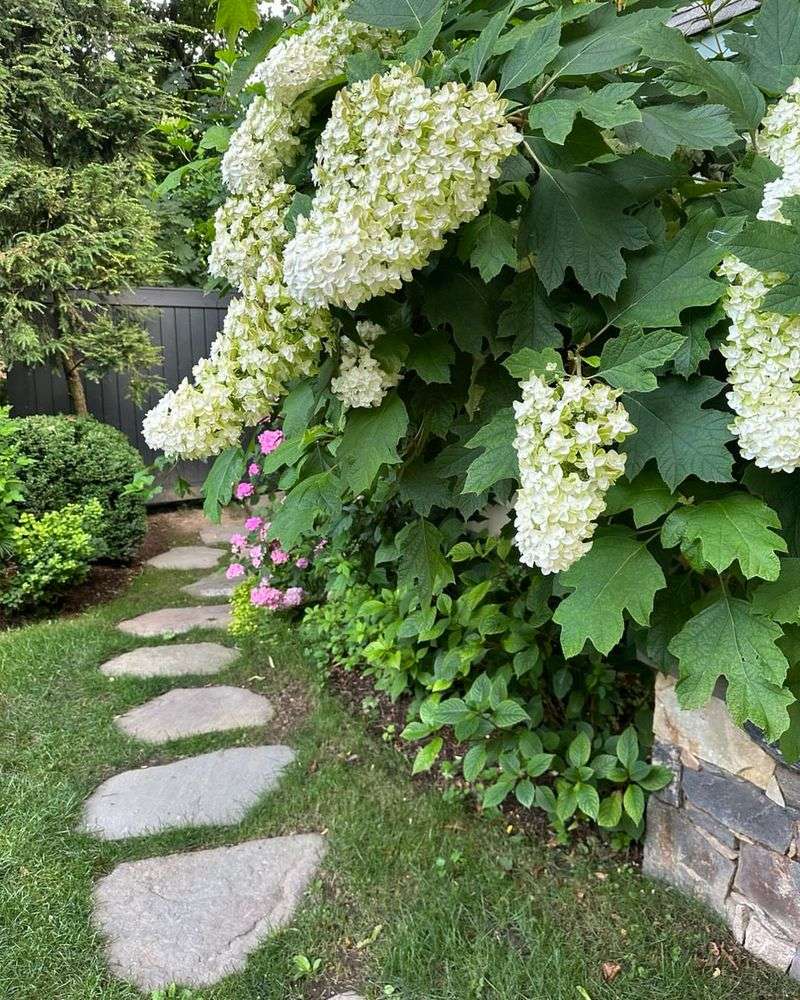
Oakleaf hydrangea brings a bold, almost tropical look to Ohio front yards despite being perfectly cold-hardy and native to the eastern United States. The large, deeply lobed leaves resemble oak foliage and create dramatic texture that contrasts beautifully with finer-textured plants.
This architectural quality makes it an excellent focal point or anchor plant for shaded areas.
In early summer, cone-shaped flower clusters emerge white and gradually age to shades of pink and burgundy, creating a long season of bloom interest. The flowers hold their color and form as they dry, remaining attractive well into fall.
Unlike many hydrangeas, oakleaf types don’t require specific soil pH to bloom reliably, simplifying care considerably.
Fall transforms the foliage into shades of red, orange, and burgundy that rival any tree for autumn color. As leaves drop, the exfoliating bark becomes visible, revealing cinnamon-brown layers that add winter interest.
The dried flower heads persist through cold months, catching snow and providing architectural structure when most plants have disappeared.
Shade tolerance makes oakleaf hydrangea perfect for front yards with mature trees or north-facing exposures. While it handles full sun with adequate moisture, it truly excels in partial to full shade where flowering shrub options are limited.
The plant typically reaches four to six feet tall and wide, with older specimens developing a graceful, multi-stemmed form. Minimal pruning keeps it tidy, and it rarely suffers from pests or diseases that plague other hydrangea species.
10. Use Switchgrass For Natural Privacy And Seasonal Color
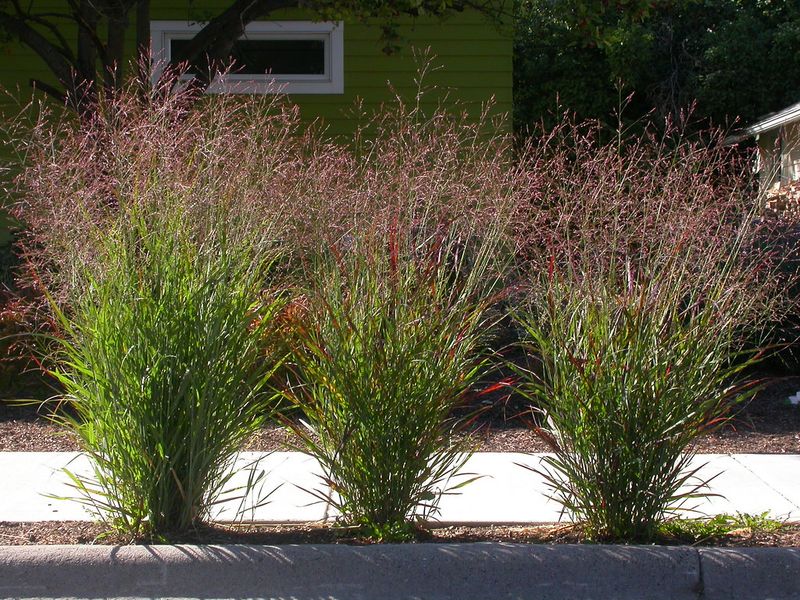
Switchgrass creates living privacy screens that change with the seasons while providing habitat and beauty. Growing roughly four to six feet tall, with some taller varieties reaching higher, established clumps form substantial barriers that soften views and muffle sound without the rigidity of fences or formal hedges.
The upright, slightly arching form maintains visual interest without appearing overly structured or formal.
Summer finds switchgrass at its greenest, with blue-green foliage creating a cool, fresh backdrop. By late summer, airy seed heads emerge above the foliage, adding a layer of texture that catches light beautifully.
Fall brings the real show as plants transform into shades of gold, orange, and burgundy that glow in autumn sunlight.
Winter reveals switchgrass at its most architectural, with dried foliage and seed heads standing firm through snow and ice. The tawny color provides warmth during gray months, and the rustling sound in winter wind adds an auditory element that brings landscapes to life.
Birds forage through the seed heads all winter, providing entertainment and supporting wildlife.
Drought tolerance and adaptability make switchgrass nearly indestructible once established. It handles clay soil, occasional flooding, and extended dry periods without complaint.
Full sun produces the best growth and color, though plants tolerate light shade. Cutting back the previous year’s growth in early spring takes just minutes and promotes fresh, vigorous growth.
For front yards needing height, screening, or bold textural elements, switchgrass delivers reliable performance with minimal maintenance requirements year after year.