Why More Arizona Homeowners Are Replacing Traditional Lawns With Kurapia
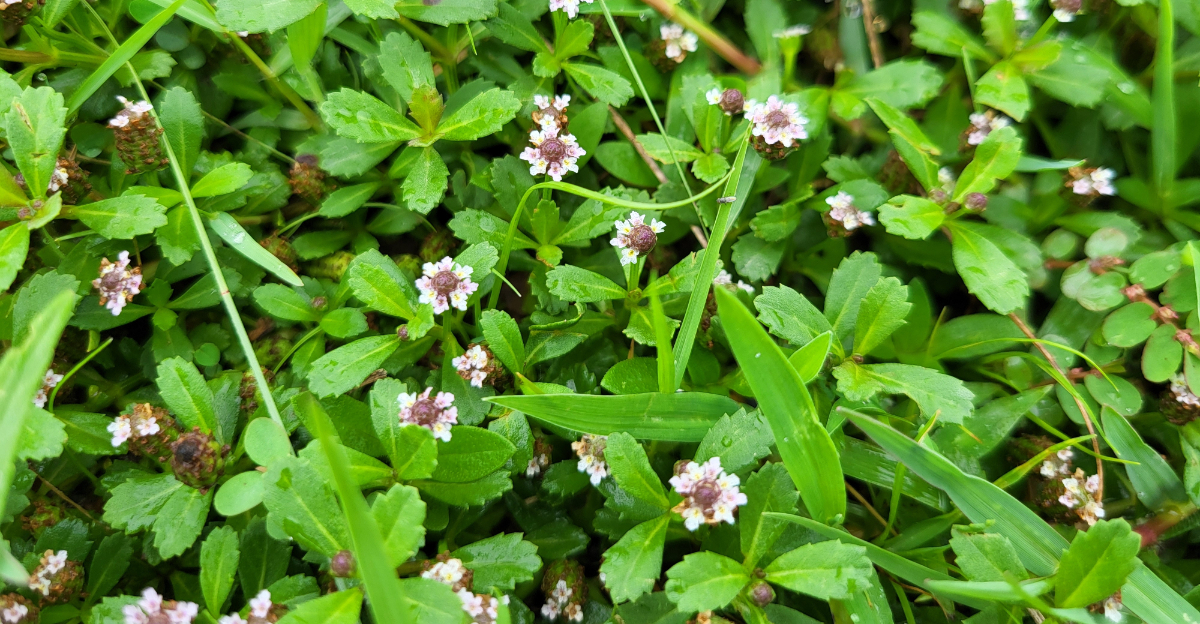
The Arizona sun has already begun its work on your yard. Grass curls at the edges, bare spots spread across once-green expanses, and soil turns dry and cracked faster than expected.
Watching it fade makes every moment outside feel like a race against the heat.
It can be tempting to pour water constantly, add more fertilizer, or try to patch every struggling area, but rushing rarely helps.
Traditional lawns are often overwhelmed by relentless sun and dry conditions, leaving even the most cared-for yards looking tired.
Kurapia offers a different approach, growing thick, resilient, and green without constant attention. Its drought tolerance and heat resistance let your yard stay vibrant while reducing effort and stress.
Choosing groundcover that thrives naturally in Arizona conditions allows your yard to remain healthy, visually full, and low-maintenance even when temperatures climb and the sun is unforgiving.
1. Water Bills Drop Fast When Grass Is Replaced With Kurapia
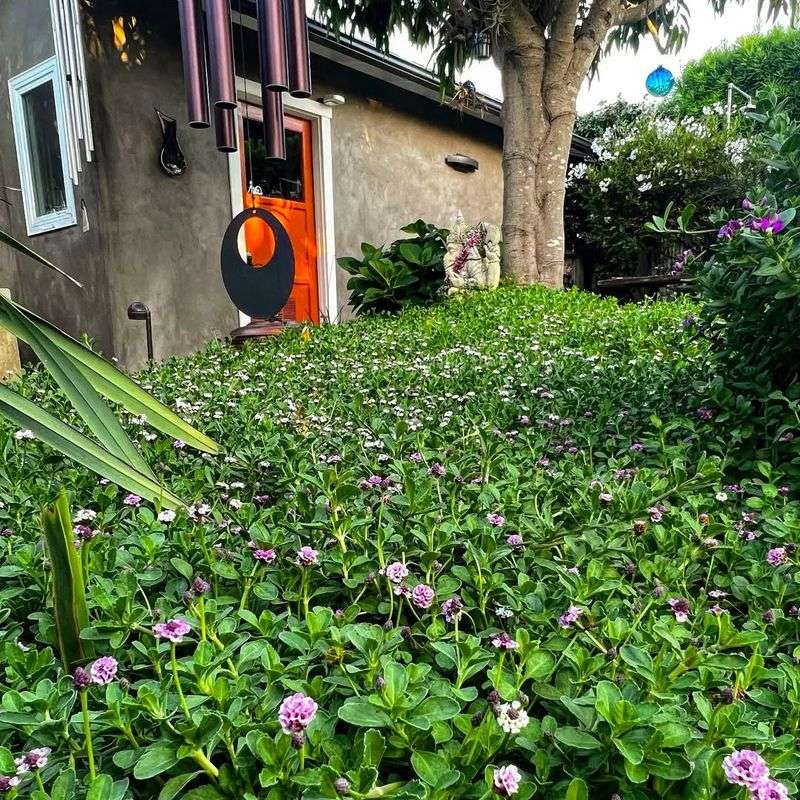
Your water meter practically spins backward once Kurapia takes over where thirsty grass used to grow. Traditional lawns in Arizona demand constant irrigation just to survive, gulping down thousands of gallons every month during peak summer heat.
Homeowners across Tempe and Mesa report dramatic drops in their monthly water expenses after making the switch. One family in Gilbert saw their summer water bill cut nearly in half within the first year.
That’s real money staying in your pocket instead of evaporating into the desert air.
Kurapia develops roots that typically reach 6 to 12 inches deep in well-drained soil, allowing it to access moisture more efficiently than shallow-rooted turf.
Once established, many homeowners water only a few times per week during summer instead of daily.
Arizona cities increasingly offer rebates for removing traditional lawns and installing water-wise alternatives. Kurapia qualifies for many of these programs, meaning you could get paid to make a change that already saves you money.
Check with your local water utility about current incentive programs.
Beyond personal savings, reducing water usage helps Arizona communities manage limited water resources more sustainably. Every lawn converted to Kurapia means more water available for essential needs across the state.
Your yard becomes part of the solution rather than part of the problem.
2. Desert Heat Doesn’t Turn Kurapia Brown Like Traditional Lawns
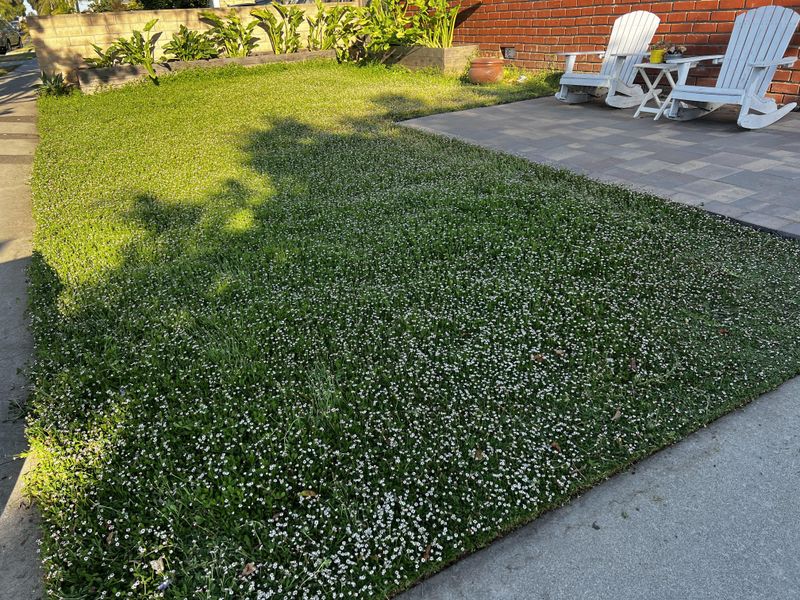
Watching your grass turn crispy and brown every summer feels like watching money burn. Arizona temperatures regularly soar past 110 degrees, and traditional cool-season grasses simply can’t handle that punishment.
Even warm-season varieties struggle when the thermometer climbs that high day after day.
Kurapia laughs at heat that would fry regular grass into straw. This ground cover originated in warm climates and evolved to handle intense sun exposure without breaking a sweat.
While your neighbor’s Bermuda grass fades to tan, your Kurapia stays genuinely green throughout July and August.
The secret lies in how Kurapia manages heat stress at the cellular level. Its leaves contain compounds that protect against sun damage while its low-growing habit keeps the plant closer to cooler ground temperatures.
Regular grass blades stick up into the hottest air layers and cook from the top down.
Your Arizona Garden Changes Every Week. Your Plan Should Too.
Gardening in Arizona changes quickly throughout the season. Every Friday you’ll receive a simple weekly plan showing exactly what to plant, prune, fertilize, harvest, and protect so you never miss the right timing.
Phoenix homeowners particularly appreciate not needing emergency watering sessions during heat waves. Kurapia maintains its color and health even when temperatures break records.
You won’t panic about brown patches ruining your curb appeal during the hottest months.
Heat tolerance also means Kurapia recovers faster from any stress it does experience. A few days of extreme conditions might slow growth slightly, but the plant bounces back quickly once temperatures moderate.
Traditional grass often needs weeks to recover from serious heat damage, if it recovers at all.
3. No More Constant Mowing Every Weekend
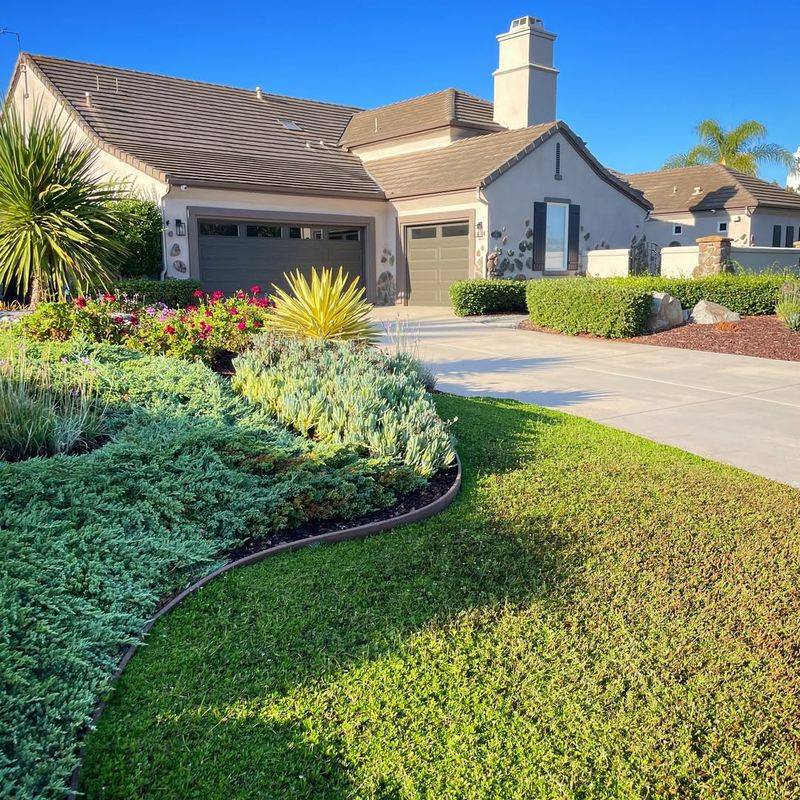
Saturday mornings suddenly belong to you again instead of your lawn mower. Kurapia grows to just four inches tall at maximum height and then basically stops growing upward.
Compare that to traditional grass that shoots up relentlessly, demanding weekly cuts during growing season.
Most Arizona homeowners with Kurapia mow maybe once monthly during peak growing periods, and some go even longer. You’re maintaining height and appearance rather than desperately trying to keep up with runaway growth.
That’s hours of your life returned every single month.
The plant spreads horizontally instead of vertically, creating that carpet-like appearance without the constant upward push. Its growth pattern focuses energy on filling in bare spots and thickening coverage rather than adding height.
Once established across your yard, Kurapia forms a dense mat that stays consistently low.
Families in Chandler and Surprise report finally having time for weekend activities they’d been putting off for years. No more rushing home to mow before dark or canceling plans because the grass got too long.
Your yard stays presentable without demanding constant attention.
When you do mow, the job goes faster because you’re trimming rather than hacking down overgrown grass. Many homeowners use simple reel mowers or electric models instead of gas-powered monsters.
Less noise, less maintenance on equipment, and less fuel expense add up to even more savings beyond just time.
4. Kurapia Stays Green Without Winter Overseeding
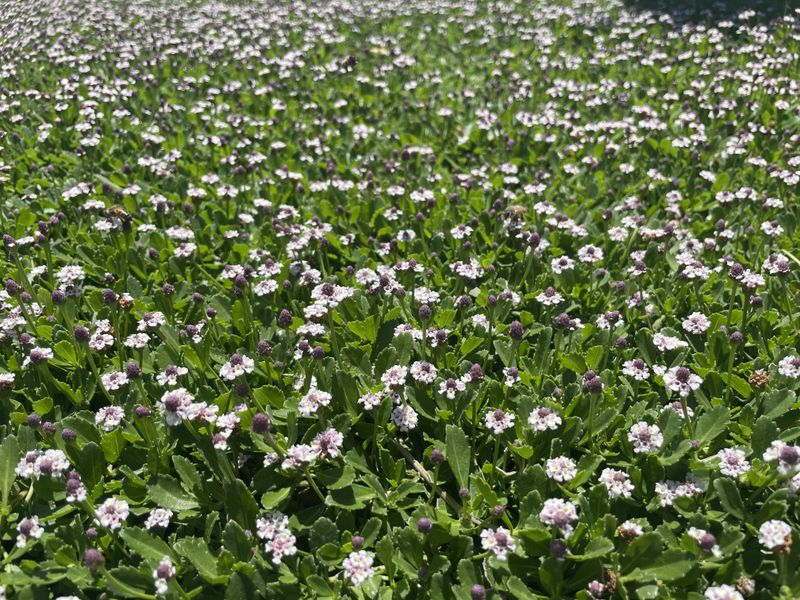
Forget the annual overseeding ritual that Arizona lawn owners know too well. Traditional warm-season grasses go dormant and brown when temperatures drop, forcing homeowners into an expensive cycle of planting rye grass every fall.
That’s seed costs, labor, extra water for germination, and weeks of patchy transition.
Kurapia simply stays green straight through winter across most of Arizona. Tucson and Phoenix area temperatures rarely drop low enough to push Kurapia into dormancy.
Your lawn maintains its lush appearance from January through December without any special intervention.
Even in higher elevation areas like Flagstaff where winter cold does arrive, Kurapia handles the change better than traditional options. It may slow growth or slightly fade but typically greens back up quickly once spring warmth returns.
No need for temporary grass varieties to fill the gap.
Eliminating overseeding saves several hundred dollars annually for typical residential yards. You’re not buying seed, fertilizer for establishment, or paying for extra water during the critical germination period.
Those savings compound year after year for as long as your Kurapia thrives.
The consistency also looks better throughout the year. No awkward transition periods where old grass browns out before new seed fills in.
No patchy areas where overseeding failed to take. Just continuous green coverage that makes your yard look maintained even when you’re barely touching it.
5. Fewer Weeds Break Through Its Dense, Low Growth
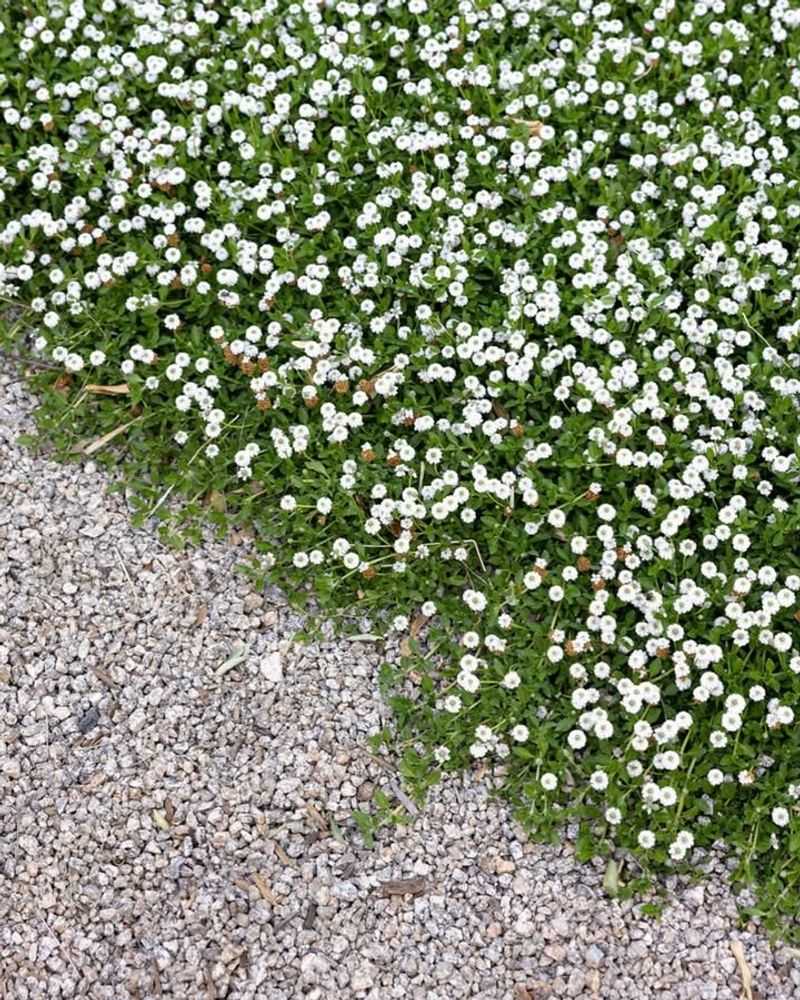
Weeds need light and space to establish themselves, and Kurapia doesn’t give them either. Once this ground cover fills in completely, it forms such a tight mat that weed seeds can’t reach soil or get enough light to germinate.
Traditional lawns leave gaps between grass plants where opportunistic weeds happily take root.
Homeowners across Scottsdale notice dramatic reductions in weed pressure after their first full season with established Kurapia. What used to require weekly weed pulling becomes an occasional five-minute task.
The dense growth physically crowds out competition.
Kurapia’s spreading habit means it actively fills any bare spots before weeds can move in. Those horizontal stems called stolons constantly expand coverage, repairing thin areas naturally.
Regular grass relies on you to overseed bare patches or they become weed magnets.
Less weeding means less bending, less time on your knees, and less exposure to Arizona’s intense sun while doing yard work. It also means fewer decisions about herbicides and their environmental impact.
Natural weed suppression through dense growth beats chemical treatments any day.
When weeds do occasionally appear, they’re usually shallow-rooted and easy to remove from Kurapia’s mat. The ground cover’s roots dominate the soil, leaving little room for weed root systems to establish deeply.
A quick pull takes care of the problem before it spreads.
6. Partial Shade No Longer Means Patchy Lawn Spots
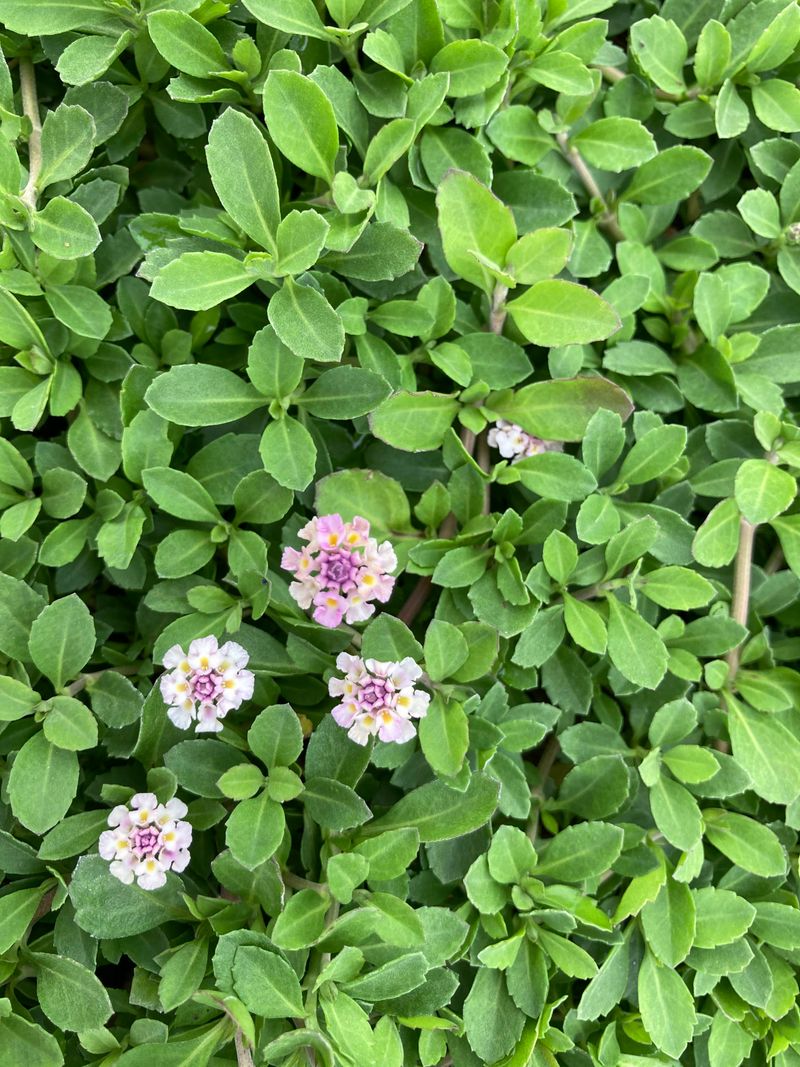
Shade from trees, houses, or structures turns traditional grass into a nightmare of thin, struggling patches. Sun-loving varieties like Bermuda grass simply refuse to thrive without direct light for most of the day.
You end up with embarrassing bare spots that collect leaves and look neglected no matter how much you water and fertilize.
Kurapia tolerates partial shade far better than conventional lawn grasses. It grows beautifully in areas receiving just four to six hours of direct sun daily.
Those spots under your palo verde tree or along the north side of your house finally fill in with healthy green coverage.
Yards in older Arizona neighborhoods with mature landscaping particularly benefit from this shade tolerance. Established trees create wonderful cooling but terrible growing conditions for traditional turf.
Kurapia lets you enjoy shade without sacrificing lawn quality underneath and around those trees.
The plant adjusts its growth pattern based on light availability without looking dramatically different between areas. Shaded sections might grow slightly less dense but remain green and attractive.
You won’t have obvious transitions between sun and shade zones that scream “problem area.”
Shade tolerance also means more flexibility in your landscape design.
Kurapia adapts to changing light conditions as your landscape matures over the years, something traditional grass never manages successfully.
7. A Softer, Greener Look Without High Desert Maintenance
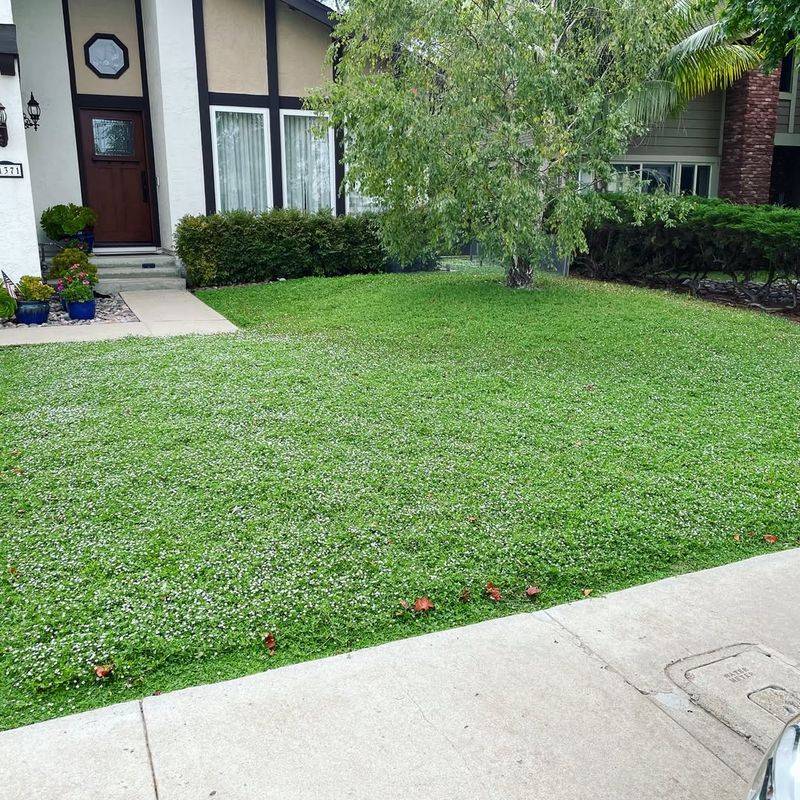
Bare feet love Kurapia’s soft texture in ways they never loved scratchy desert grasses. The fine leaves create a plush surface that feels more like carpet than typical lawn.
Kids and pets naturally gravitate toward playing on Kurapia because it’s simply more comfortable than coarse alternatives.
That softness comes without the intensive maintenance desert grass demands just to survive. You’re not constantly adjusting irrigation schedules, applying treatments, or troubleshooting brown patches.
Kurapia delivers premium appearance and feel while requiring basic care that any homeowner can manage.
The rich green color stays vibrant with far less fertilizer than traditional lawns require.
Most homeowners apply light fertilizer once or twice per year instead of following heavy monthly feeding schedules.
Low maintenance doesn’t mean low quality with Kurapia. You’re getting superior results with less work, which feels almost too good to be true until you experience it yourself.
That’s the real reason more Arizona homeowners keep making the switch and recommending it to friends and family throughout the Valley and beyond.