How To Grow Bulbs In Containers In Arizona Without Heat Damage
The soil in your container can feel like a slow oven under Arizona’s sun, and those bulbs you carefully planted start showing scorched tips before they even bloom.
It’s alarming to watch tender shoots curl or fade while the clock ticks toward high temperatures.
Your instinct might be to water constantly, move the pots to full shade, or dig them up entirely. Acting too fast, though, can stress roots and stunt growth even more.
Many bulbs can survive and thrive in containers if you manage timing, soil, and placement carefully.
With a few strategic adjustments, you can protect delicate shoots, preserve energy in the bulbs, and enjoy blooms that open safely, even under Arizona’s intense heat.
1. Choose Heat-Tolerant Bulbs That Handle Arizona Conditions
Not every bulb can handle what Arizona throws at it. Traditional spring favorites like tulips and daffodils evolved in cool European climates and struggle mightily when desert heat arrives early.
Gladiolus thrives in Arizona heat and produces tall spikes of colorful flowers throughout warm months when planted in containers.
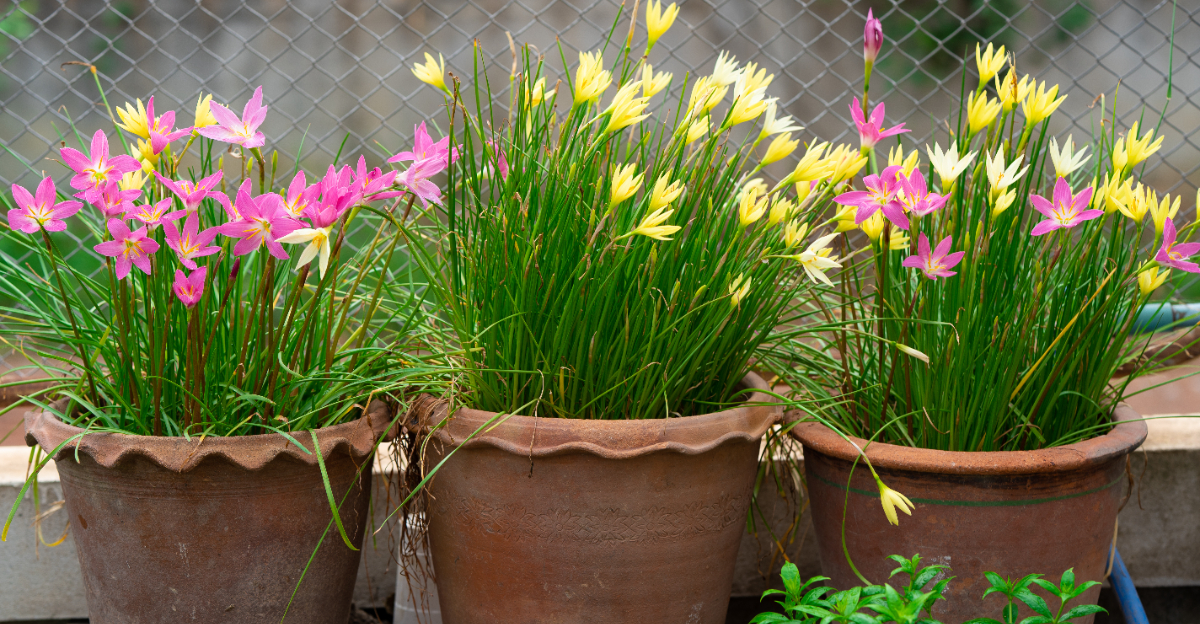
Rain lilies surprise gardeners with quick blooms after summer monsoons pass through. These small bulbs store energy efficiently and can handle temperature swings that would stress other varieties.
Society garlic offers fragrant foliage and delicate purple flowers while tolerating both heat and occasional neglect.
Tulips and hyacinths need special treatment in low desert areas of Arizona. Purchase pre-chilled bulbs in late fall and plant them immediately for winter blooms.
They perform as annuals here rather than reliable perennials because summer temperatures prevent proper dormancy cycles.
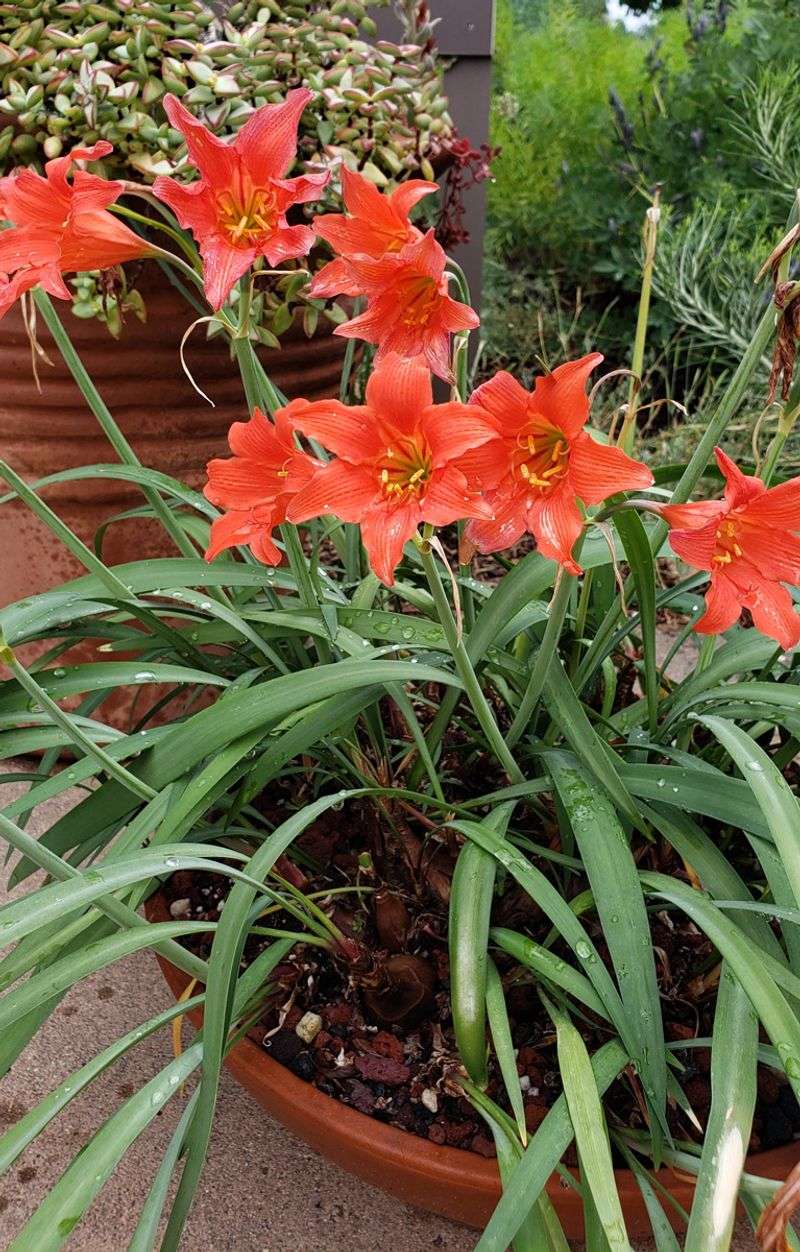
Crinum lilies adapt well to container life in Arizona and produce dramatic flowers on sturdy stems. Spider lilies and various Amaryllis varieties also handle heat when given afternoon shade during peak summer months.
These tropical and subtropical bulbs match Arizona’s climate better than cold-climate species.
Local nurseries throughout Phoenix and Tucson stock bulbs suited to desert conditions. Staff can recommend varieties that previous customers have grown successfully in containers.
Choosing adapted species from the start prevents disappointment and wasted effort on bulbs that simply cannot survive Arizona summers regardless of care techniques.
2. Use Light-Colored, Thick Containers To Reduce Soil Heat
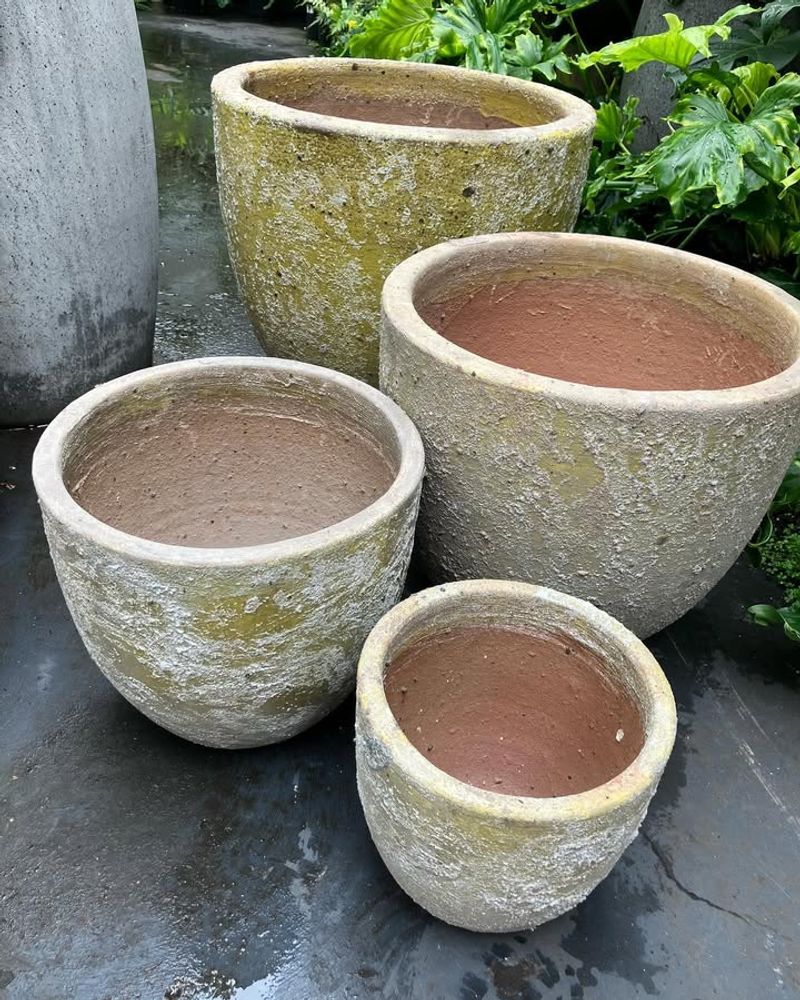
Container color affects soil temperature more than most gardeners realize. Black or dark brown pots absorb solar radiation throughout Arizona’s long sunny days and transfer that heat directly into the root zone.
Bulbs suffer when roots experience temperatures above 85 degrees for extended periods.
Light-colored containers reflect rather than absorb heat energy. White, cream, tan, and light gray pots stay significantly cooler even in direct Phoenix or Tucson sunlight.
Temperature differences of 15 to 20 degrees between dark and light pots are common during summer afternoons.
Thick-walled containers insulate roots from rapid temperature swings. Ceramic pots with substantial walls buffer against both daytime heat and nighttime cooling.
Glazed pottery combines attractive appearance with functional heat protection for sensitive bulb roots.
Double-walled containers create an air gap that acts as insulation. Some specialty planters feature this design specifically for hot climates.
Your Arizona Garden Changes Every Week. Your Plan Should Too.
Gardening in Arizona changes quickly throughout the season. Every Friday you’ll receive a simple weekly plan showing exactly what to plant, prune, fertilize, harvest, and protect so you never miss the right timing.
The air space prevents exterior heat from reaching interior soil as quickly as single-wall designs allow.
Thin plastic pots perform poorly in Arizona conditions regardless of color. The material conducts heat efficiently and offers minimal insulation value.
If budget constraints require plastic containers, choose the thickest options available and consider placing them inside larger decorative pots to create an insulating air gap.
Wood containers provide natural insulation but require maintenance in dry Arizona air. Cedar and redwood resist rot better than other species.
Apply exterior wood sealant to prevent moisture loss and extend container life in desert conditions.
3. Plant In Deep Pots So Roots Stay Cooler
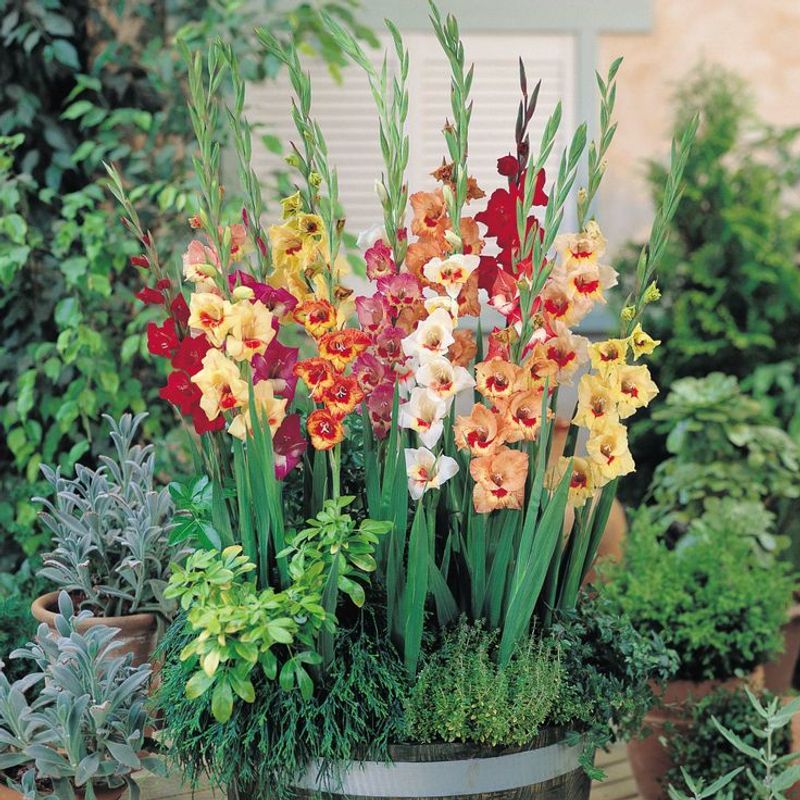
Shallow containers heat up fast under Arizona sun. Surface soil temperatures can reach 120 degrees or higher during summer afternoons in pots less than eight inches deep.
Bulb roots near the surface experience stress that prevents healthy growth and flowering.
Depth provides natural insulation from surface heat. Soil temperatures decrease as you measure deeper into containers, creating cooler zones where roots can function normally.
A minimum depth of 10 to 12 inches gives bulbs adequate protection from extreme surface temperatures common throughout Phoenix and Tucson.
Larger bulbs require deeper planting than small species. Gladiolus corms and large Amaryllis bulbs need space below them for root development.
Shallow pots force roots upward into hotter soil layers where heat stress becomes inevitable during warm months.
Deep containers also hold more soil volume, which buffers temperature changes. Greater soil mass heats and cools more slowly than small amounts in shallow pots.
This thermal stability helps roots maintain steady conditions even when air temperatures fluctuate dramatically between day and night.
Choose pots that provide at least four inches of soil below planted bulbs. Add another six to eight inches above for proper coverage and growing space.
This total depth protects roots from both surface heat and excessive drying in Arizona’s low humidity environment.
Tall containers work better than wide shallow bowls for most bulb species. Vertical space costs less than horizontal spread and provides better root protection.
Look for pots described as standard depth or deep rather than azalea or bulb pan styles.
4. Switch To Fast-Draining Potting Mix Instead Of Garden Soil
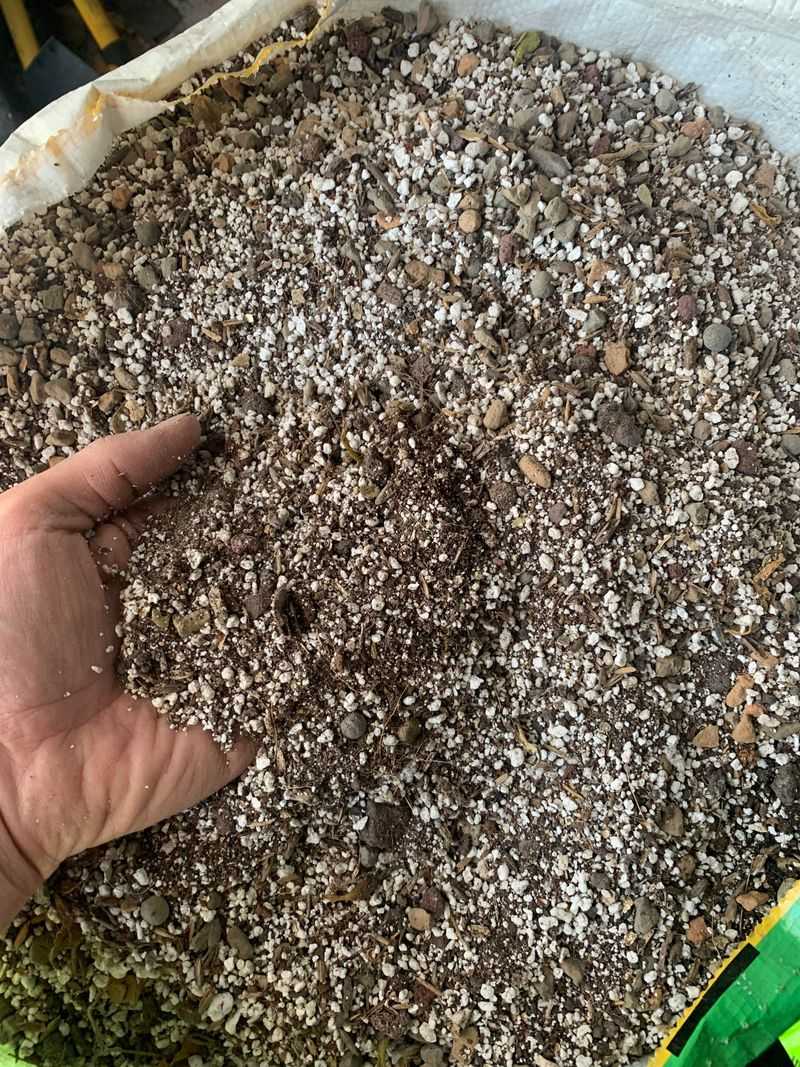
Garden soil compacts quickly inside containers and traps heat. Dense soil holds warmth long after air temperatures drop, keeping bulb roots uncomfortably hot through Arizona evenings.
Compact growing medium also retains excess moisture that combines with heat to create conditions favoring rot.
Fast-draining potting mixes allow air circulation around roots. Oxygen reaches deeper soil layers and helps moderate temperature while supporting healthy root function.
Commercial potting soils labeled for containers drain better than ground soil but still benefit from amendments in Arizona.
Cactus and succulent mixes work exceptionally well for container bulbs in desert conditions. These products contain extra sand and perlite that promote drainage while preventing compaction.
The open structure allows heat to dissipate rather than accumulate around sensitive roots.
Adding perlite to standard potting mix improves performance significantly. Mix one part perlite with three parts potting soil for better aeration and drainage.
The white volcanic material also reflects light and stays cooler than dark organic components.
Avoid using native Arizona soil in containers even when amended. Desert soils contain clay that hardens when wet and creates concrete-like conditions as it dries.
This density traps heat and prevents proper drainage regardless of what you mix in.
Quality potting mix costs more initially but pays dividends in plant health. Bulbs grown in proper medium experience less heat stress and produce better flowers.
Replace container soil annually because organic materials break down and lose their drainage properties over time in hot climates.
5. Shield Containers From Harsh Afternoon Sun
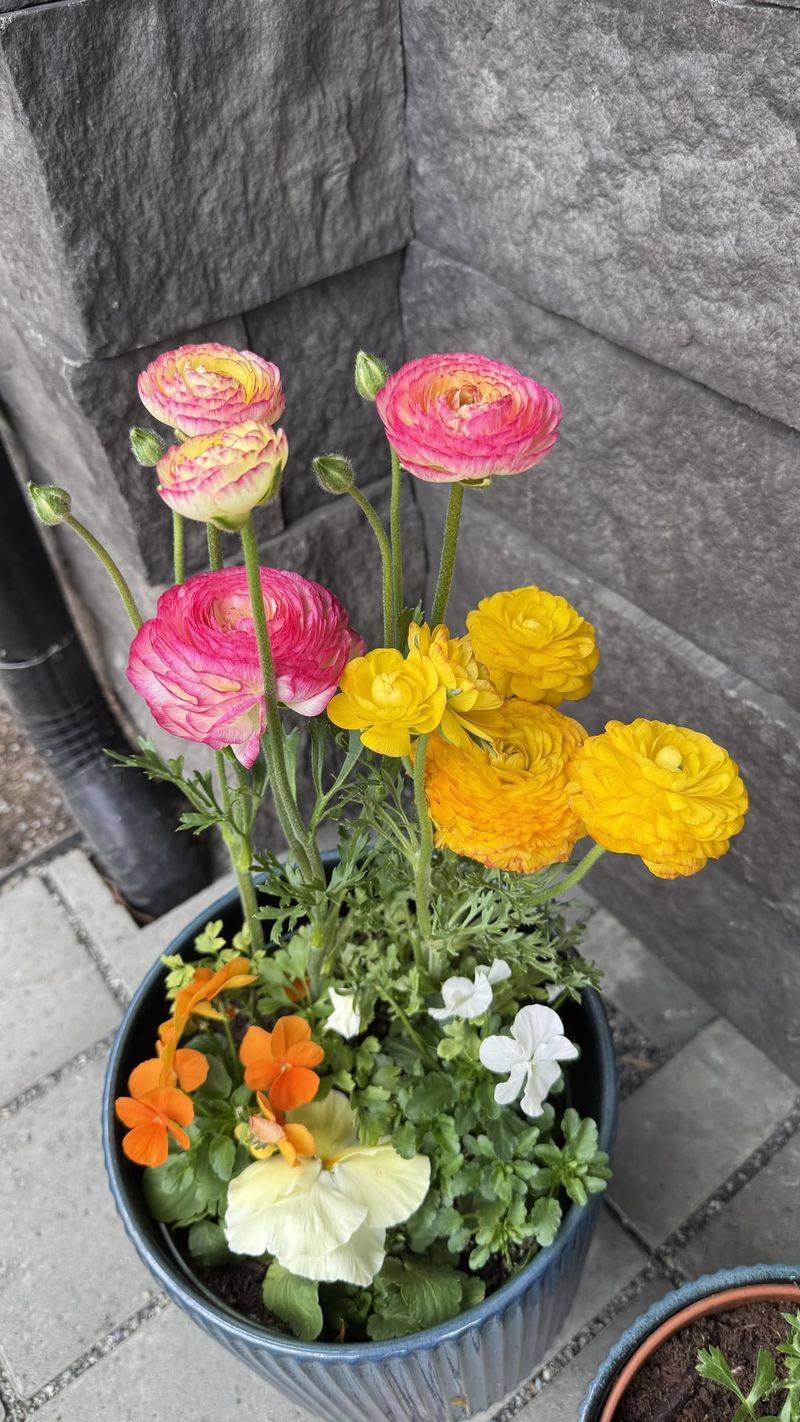
Western exposure creates brutal conditions for container plants across Arizona. Afternoon sun strikes pots at full intensity when daily temperatures peak between 3 and 6 PM.
Combined heat from direct sun and accumulated daytime warmth pushes container temperatures to levels that damage even heat-tolerant bulb species.
Morning sun provides energy without excessive heat stress. Eastern exposures receive gentler light during cooler morning hours when plants can photosynthesize efficiently.
Position containers where they catch sunrise but gain shade as afternoon temperatures climb.
Shade cloth reduces light intensity without creating complete darkness. Forty to fifty percent shade fabric allows adequate light for blooming while cutting heat significantly.
Suspend cloth above containers on frames or attach it to existing patio structures throughout Phoenix and Tucson areas.
Existing landscape features provide natural afternoon shade. Position containers on the east side of walls, fences, or large shrubs that block western sun.
Trees with high canopies filter harsh light while allowing morning brightness to reach potted bulbs below.
Portable containers offer flexibility to follow seasonal sun patterns. Move pots to shadier locations as summer approaches and temperatures rise.
Return them to brighter spots during fall and winter when Arizona’s milder conditions allow more direct sun exposure.
Patio covers and ramadas create permanent shade for container displays. These structures protect multiple pots while adding outdoor living space.
Ensure covers allow good air circulation because trapped heat under solid roofs can negate shading benefits in still desert air.
6. Water Deeply But Avoid Constantly Wet Soil
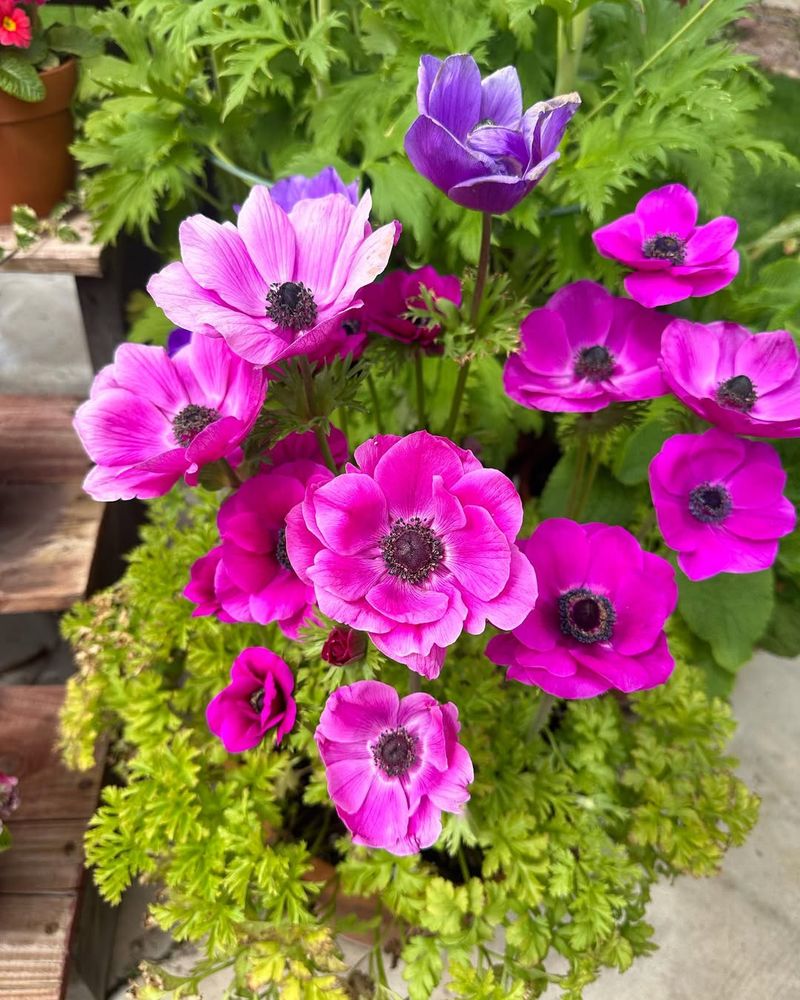
Overwatering causes more bulb failures in Arizona containers than underwatering. Constant moisture in hot soil creates perfect conditions for fungal and bacterial problems that rot bulbs quickly.
Many gardeners water too frequently because surface soil dries fast in low humidity and hot winds.
Deep watering encourages roots to grow downward into cooler soil layers. Apply water slowly until it drains from bottom holes, ensuring the entire root zone receives moisture.
This thorough approach allows longer intervals between waterings compared to frequent shallow applications.
Check soil moisture before watering rather than following a rigid schedule. Insert your finger two inches into the potting mix near the container edge.
Water only when soil feels dry at that depth, not just at the surface where evaporation happens fastest.
Hot conditions accelerate water use but also increase rot risk if soil stays soggy. Bulbs need moisture to support growth and flowering but require air in soil pores between waterings.
The top inch of soil should dry completely before adding more water during active growing periods.
Early morning watering works best in Arizona heat. Moisture applied before temperatures rise gives plants time to absorb water before rapid evaporation begins.
Evening watering leaves soil damp overnight when cooler temperatures slow drying, potentially encouraging disease.
Container drainage holes must remain open and functional. Blocked holes trap water in the bottom of pots where it heats up and damages roots.
Elevate containers on pot feet or bricks to ensure water exits freely and air can enter from below.
7. Adjust Watering When Bulbs Go Dormant
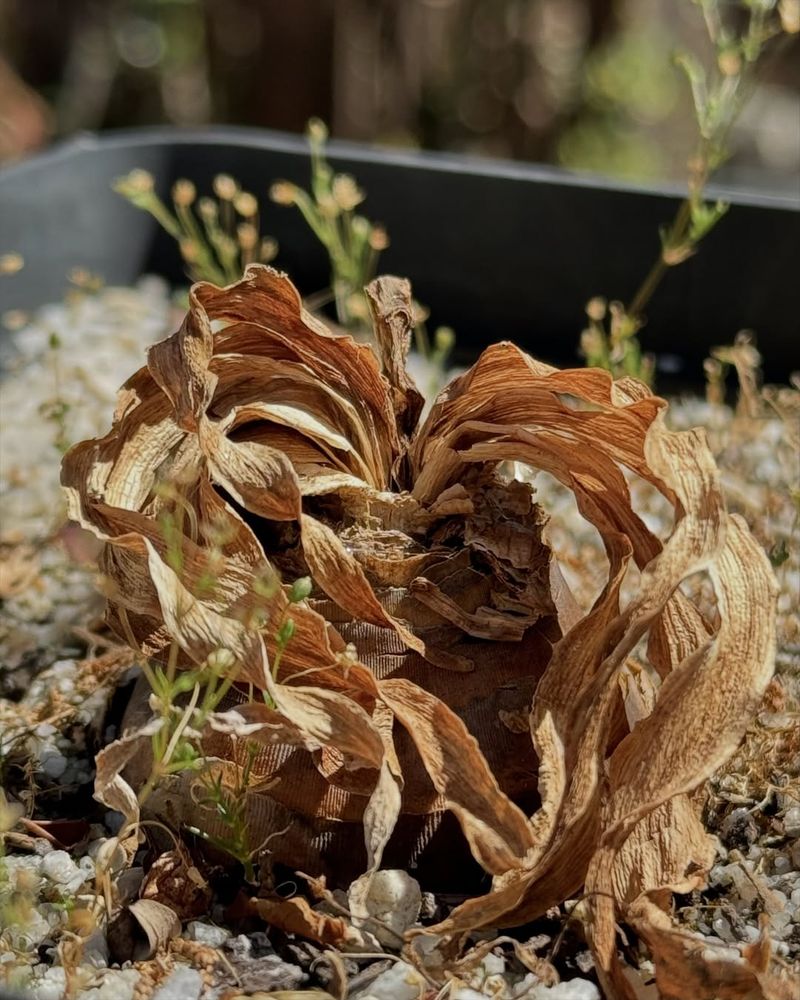
Dormancy protects bulbs from extreme conditions they cannot actively grow through. Many species naturally rest during the hottest months in Arizona when temperatures exceed their tolerance.
Foliage yellows and withers as bulbs redirect energy into storage for future growth cycles.
Reducing water when leaves turn yellow supports healthy dormancy. Bulbs need dry conditions during rest periods to prevent rot while they conserve resources underground.
Continue watering at full strength until foliage shows clear signs of decline, then gradually decrease frequency and amount.
Some heat-tolerant bulbs maintain active growth through Arizona summers if given adequate water and shade. Rain lilies and society garlic often keep green foliage year-round in containers with proper care.
Observe individual plant behavior rather than assuming all bulbs follow the same dormancy schedule.
Completely dormant bulbs need minimal moisture to prevent total desiccation. Water lightly every three to four weeks during rest periods just to keep bulbs from shriveling.
Use much less water than during active growth, barely moistening the soil rather than soaking it thoroughly.
Cooler fall temperatures signal dormant bulbs to resume growth across Phoenix and Tucson. Watch for new shoots emerging from soil as nights cool into the 60s and 70s.
Gradually increase watering as fresh foliage develops and bulbs transition back to active growth mode.
Moving dormant containers to shadier locations reduces water needs further. Less sun exposure means slower soil drying and less stress on resting bulbs.
Return pots to brighter spots when new growth appears and plants need more light energy for development.