The Right Time To Trim Knock Out Roses In Georgia Without Losing Buds
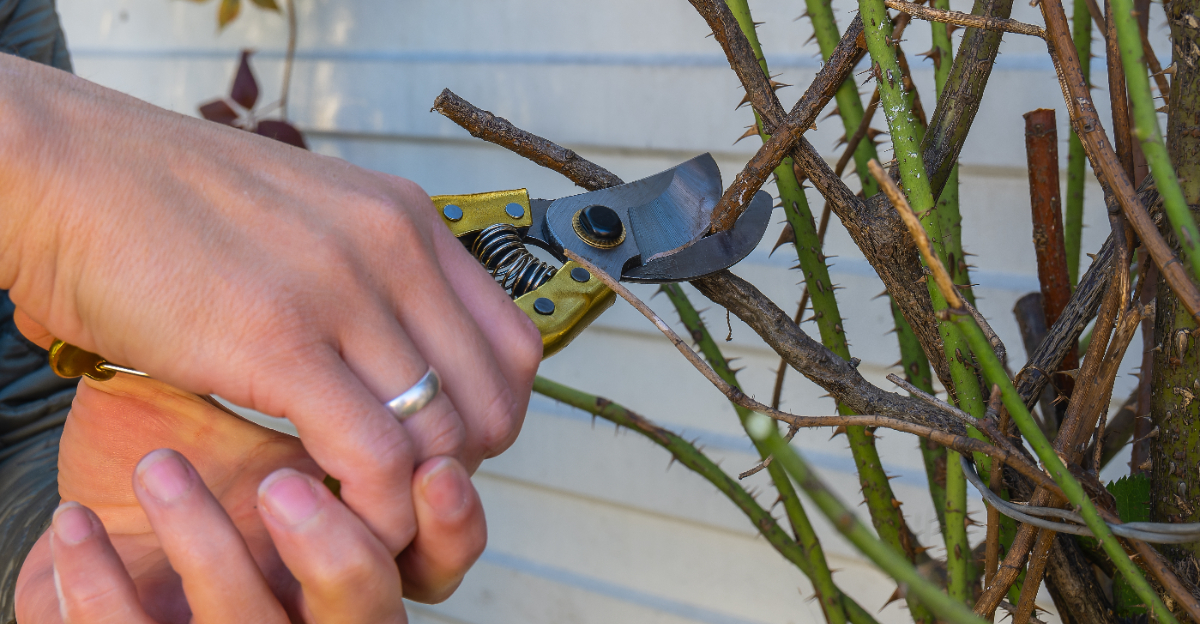
One warm week in Georgia can trick you into reaching for the pruners, but trimming Knock Out roses too early can quietly erase weeks of spring blooms.
Those swelling buds along the canes are packed with potential, and one poorly timed cut before a late frost can cost you that first big flush of color.
Georgia’s mild winters make timing surprisingly tricky. February can feel like spring, while March still hides surprise freezes that damage tender new growth.
The goal is simple: prune when the plant is truly ready, not just when the weather feels warm.
By waiting until hard freeze risk has passed and watching for clear signs of swelling buds, you protect developing blooms and encourage stronger canes, fuller shape, and a heavier wave of flowers once real spring settles in.
1. Wait Until Georgia’s Hard Freeze Risk Is Truly Over
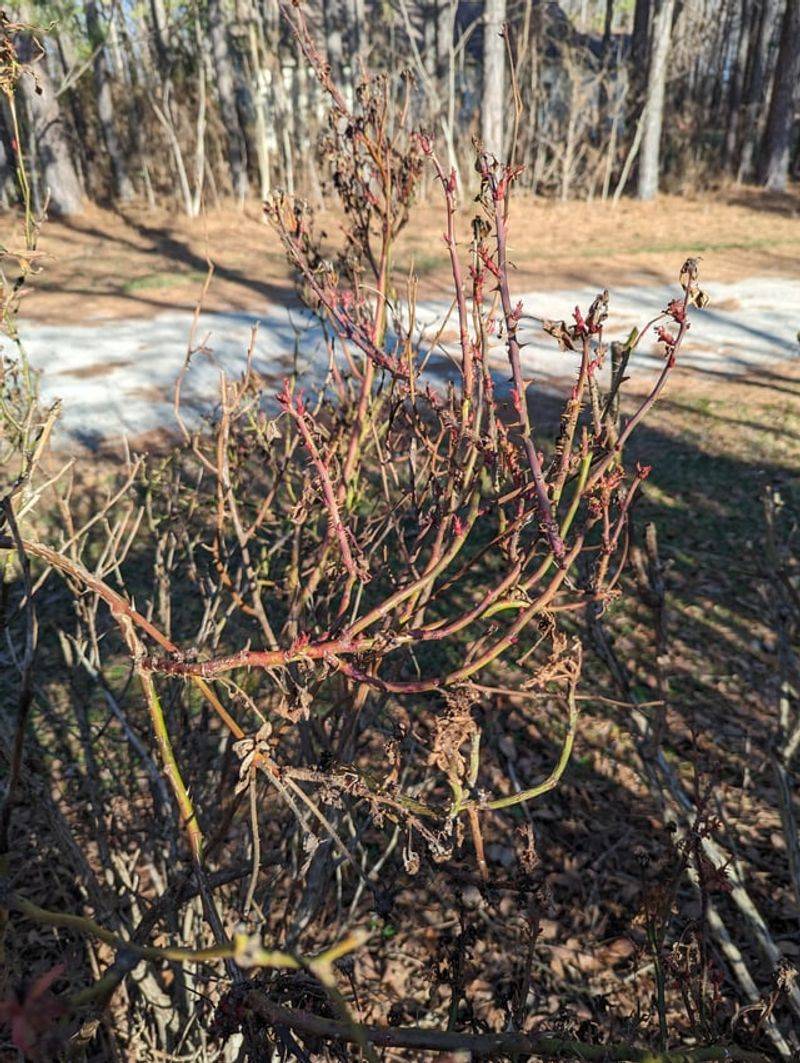
Jumping the gun on pruning can backfire fast. Georgia gardeners often get fooled by those gorgeous 70-degree days in late January or early February, thinking winter is done.
But frost can still sneak back in through mid-March in many parts of the state, especially north of Macon.
Pruning stimulates fresh growth, and those tender new shoots are extremely vulnerable to cold damage. When temperatures drop below 28 degrees for several hours, newly emerged leaves and buds can be damaged, setting your rose bushes back weeks or even months.
Your plants will need to recover before they can focus energy on producing flowers.
Check your local average last frost date before you grab those pruning shears. Atlanta typically sees its last freeze around mid-March, while areas further south like Columbus or Albany might be safe by early March.
North Georgia locations near Dalton or Rome should wait until late March to be completely safe.
Keep an eye on extended weather forecasts during February and early March. If a cold snap is predicted within ten days of when you planned to prune, hold off a bit longer.
Better to wait an extra week than to rush and lose all those spring blooms you’ve been anticipating.
Patience pays off big time with roses in Georgia. Waiting until hard freeze risk passes means your pruning cuts will heal quickly, new growth will emerge strong, and flower buds will develop without interruption.
Your bushes will reward your restraint with an earlier, fuller flush of blooms that lasts longer throughout the season.
2. Late February To Early March Is The Usual Safe Pruning Window
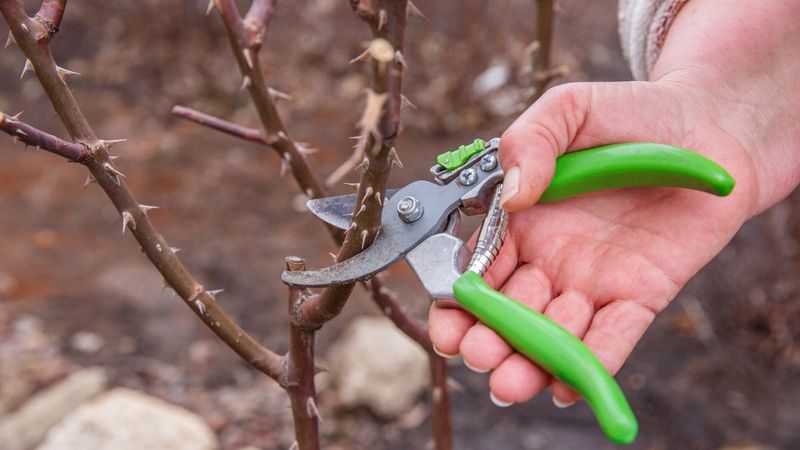
Most Georgia gardeners can safely prune their Knock Out roses during a specific window that balances frost risk with optimal growing conditions.
Late February through early March hits that sweet spot for much of the state, giving you about three to four weeks to get the job done.
This timing works because soil temperatures are rising, daylight hours are increasing, and plants are naturally preparing to break dormancy.
Pruning during this period aligns with your roses’ biological clock, encouraging vigorous spring growth without exposing tender new shoots to severe cold.
Your Georgia Garden Changes Every Week. Your Plan Should Too.
Gardening in Georgia changes quickly throughout the season. Every Friday you’ll receive a simple weekly plan showing exactly what to plant, prune, fertilize, harvest, and protect so you never miss the right timing.
The plants respond quickly, pushing out fresh canes and flower buds within weeks.
Location within Georgia matters tremendously for pinpointing your exact pruning date. Coastal areas around Brunswick or Savannah can often start in mid-to-late February without worry.
Central Georgia cities like Macon or Warner Robins are usually safe by the last week of February. North Georgia gardeners in places like Gainesville or Cartersville should aim for early March to avoid late-season freezes.
Watch for daytime temperatures consistently reaching the 50s and 60s as another sign the window is opening. Soil that’s no longer frozen solid and daffodils starting to bloom are nature’s way of telling you spring is truly arriving.
These signals, combined with checking your local frost dates, give you confidence to proceed.
Pruning within this window gives your Knock Out roses maximum growing time before summer heat arrives.
Georgia summers can be brutal, and roses pruned at the right time develop stronger root systems and more extensive foliage before they face July and August temperatures that regularly top 95 degrees.
3. Swelling Leaf Buds Signal It’s Time To Trim
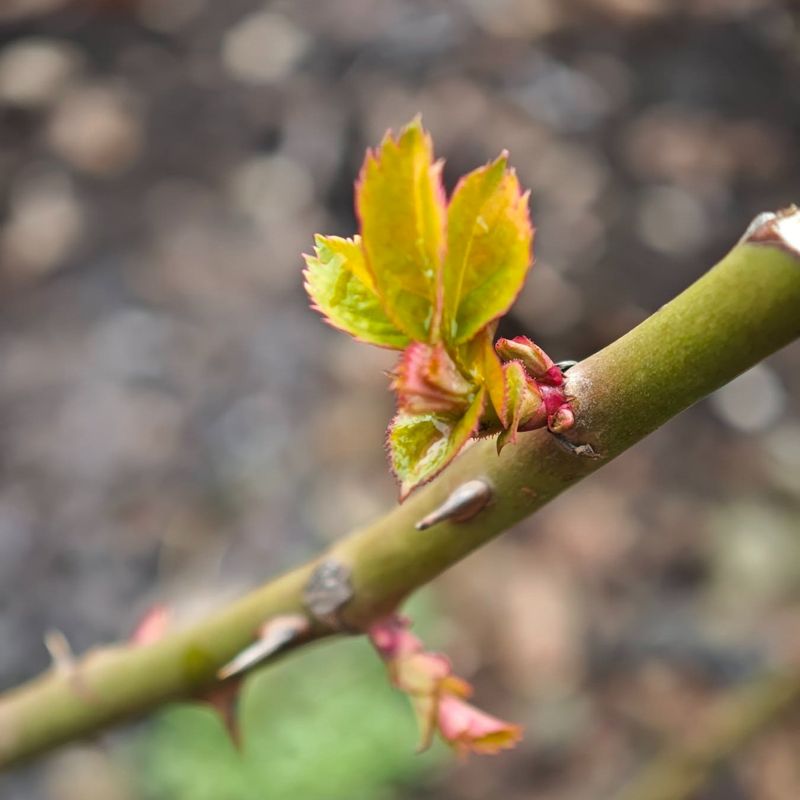
Your roses will tell you exactly when they’re ready for pruning if you know what to look for. Swelling leaf buds along the canes are nature’s green light, indicating the plant has broken dormancy and is actively preparing to grow.
These small, reddish or greenish bumps appear plump and ready to burst open, unlike the tight, dormant buds you see during deep winter.
Dormant buds stay flat and barely noticeable against the cane throughout December and January. Once late February arrives in Georgia, warmer soil temperatures and longer days trigger hormonal changes inside the plant.
Buds begin absorbing moisture and swelling noticeably, sometimes doubling in size within just a few days.
Pruning right when buds swell gives you a huge advantage. The plant is already mobilizing stored energy to push out new growth, so your cuts stimulate that process rather than interrupting it.
Fresh shoots emerge faster and stronger compared to pruning done too early when the plant isn’t physiologically ready to respond.
Look closely at several canes on your Knock Out rose bush, not just one or two. Buds should be swelling uniformly across most of the plant, not just on the south-facing side that gets extra sun.
This tells you the entire bush has warmed up enough internally to support vigorous regrowth after you make your cuts.
If buds are just starting to crack open and show tiny green leaves, you’re still within the ideal window. Once leaves have fully expanded to an inch or more, you’ve waited slightly too long, though Knock Out roses are forgiving enough that pruning will still be successful.
4. Why Early Pruning Can Cost You Spring Blooms
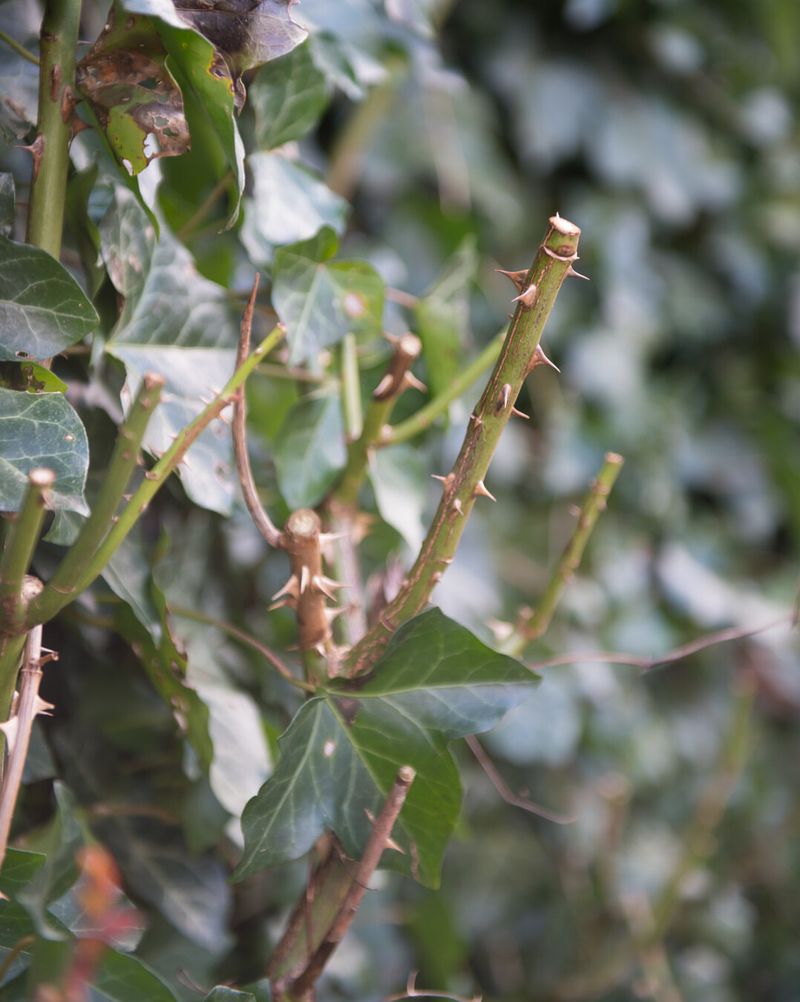
Cutting back your roses too soon creates a domino effect of problems that directly impacts flower production. Pruning in January or early February when Georgia weather is still unpredictable forces the plant to push out tender new growth that has zero cold tolerance.
One hard freeze later and those fresh shoots turn brown and mushy, wasting the plant’s stored energy reserves.
Plants only have so much energy stockpiled from the previous growing season. Stored carbohydrates in the roots and main canes fuel spring growth until new leaves can photosynthesize and produce their own food.
When early pruning triggers new growth that subsequently freezes, the plant must use additional reserves to push out replacement shoots, leaving less energy available for flower bud development.
Flower buds form on new growth, so anything that delays or weakens that growth directly reduces your bloom count. Roses that suffered frost damage on their first flush of spring growth often bloom two to three weeks later than properly timed bushes, and the initial flower display is noticeably sparser.
You might get half the blooms you would have enjoyed if you’d simply waited until the right moment.
Damaged tissue also creates entry points for diseases. Blackened, frost-damaged cane tips are vulnerable to fungal infections that can spread downward into healthy wood.
Timing your pruning correctly eliminates all these risks.
Waiting until late February or early March in most Georgia locations ensures new growth emerges into consistently warm weather and develops rapidly without interruption.
That timing also encourages abundant flower buds that open right on schedule for a spectacular spring display.
5. Cut Back By One-Third To One-Half For Fuller Growth
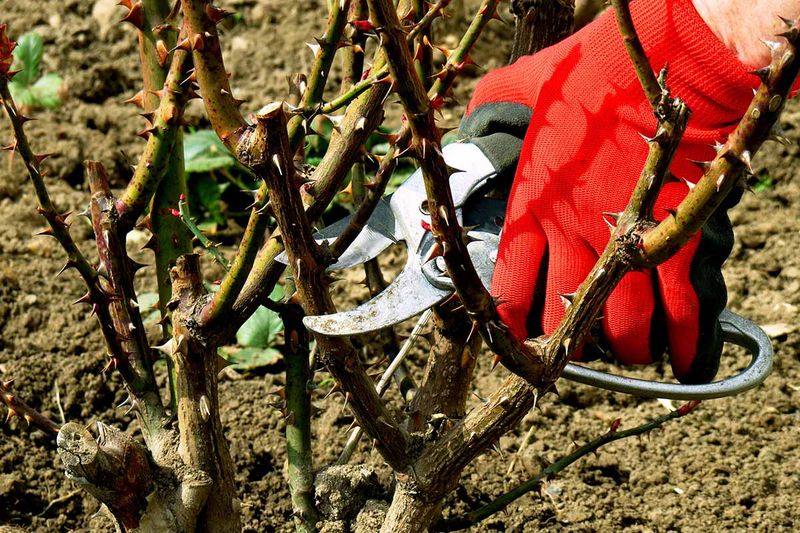
How much you remove matters just as much as when you prune. Knock Out roses respond best to moderate to aggressive pruning that removes between one-third and one-half of the plant’s total height.
This might seem drastic, especially if your bushes grew tall and rangy over the previous season, but this level of cutting triggers the most vigorous, bushy regrowth.
Light pruning that only removes a few inches doesn’t stimulate enough new growth from lower on the canes. Your bush will continue growing taller from the tips, creating a leggy plant with most of the flowers concentrated at the top where you can barely see them.
Cutting back more aggressively forces dormant buds lower on the canes to activate, producing multiple new shoots that create a fuller, more attractive shape.
A Knock Out rose that finished the season at four feet tall should be cut back to around two to two-and-a-half feet. If it reached five feet, bring it down to about two-and-a-half to three feet.
These proportions encourage balanced regrowth that fills in from top to bottom, creating a rounded, bushy appearance covered in blooms from every angle.
Georgia’s long growing season means your roses have plenty of time to regrow after this level of pruning. By late April or early May, plants cut back by half in early March will have already surpassed their pre-pruning height and will be loaded with flower buds.
The extra branching created by aggressive pruning means significantly more blooms throughout the entire season.
Don’t worry about being too aggressive with Knock Out roses.
These cultivars were specifically bred for toughness and will bounce back vigorously from heavy pruning, giving you the lush, full bushes that make them so popular across Georgia landscapes.
6. Start With Winter-Damaged Canes Before Shaping
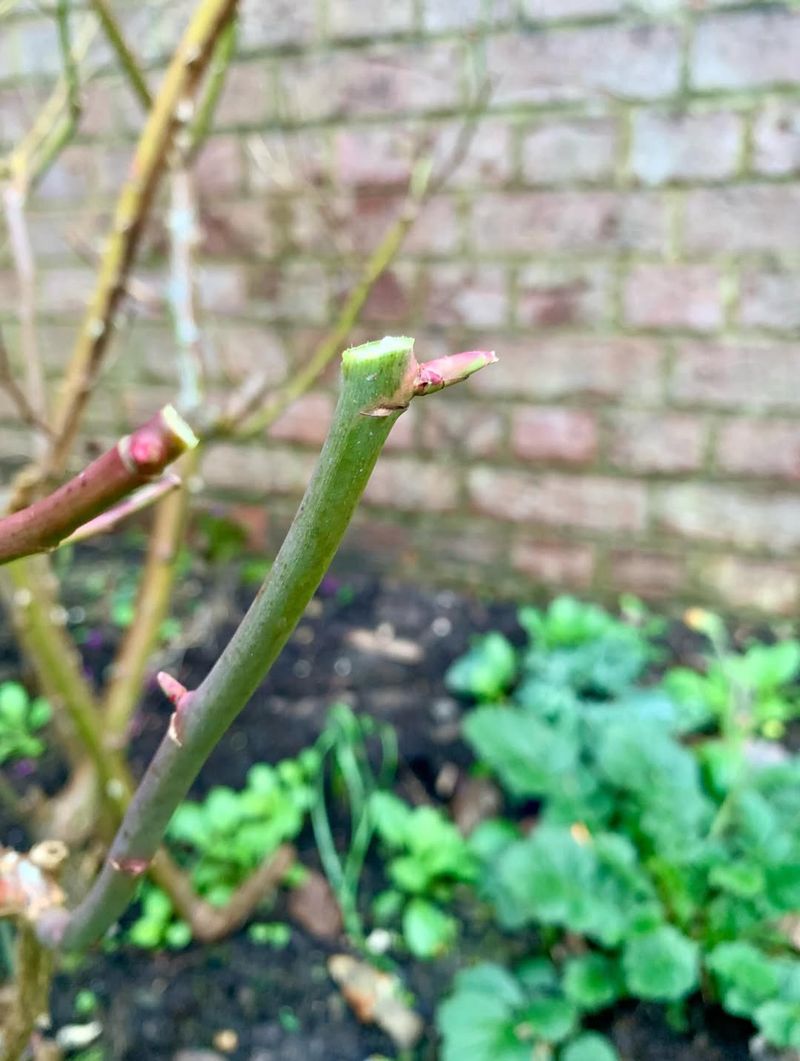
Before you think about overall shape, deal with any canes that suffered winter damage first. Even in Georgia’s relatively mild climate, occasional hard freezes or ice storms can damage rose canes, especially tips that were still somewhat green going into winter.
Brown, shriveled, or blackened wood needs to come off before you do anything else.
Start at the top of each cane and work your way down, cutting until you reach wood that shows bright green or white inside when you make your cut. Brownish or tan interior wood is compromised and should be removed.
Sometimes winter damage extends several inches or even a foot down from the cane tips. Don’t be alarmed by this, just keep cutting until you find healthy tissue.
Make your cuts at a 45-degree angle about a quarter-inch above an outward-facing bud, which encourages new growth to develop away from the center of the bush for better air circulation.
After removing all damaged wood, step back and assess what’s left. This gives you a clearer picture of the plant’s actual structure and helps you make better decisions about additional pruning for shape.
You might find that removing winter damage has already brought the plant down to the size you wanted, requiring minimal additional cutting.
Some winters in Georgia are so mild that you’ll find virtually no damage at all. Other years, especially after rare single-digit temperatures in north Georgia, you might need to remove substantial amounts of wood.
Either way, prioritizing damage removal ensures you’re working with healthy tissue that will respond vigorously to your shaping cuts and produce abundant flowers throughout the coming season.
7. Light Summer Trims Encourage Continuous Blooms In Georgia’s Heat

Spring pruning sets the stage, but light summer maintenance keeps the show going strong through Georgia’s sweltering months.
Knock Out roses naturally rebloom without deadheading, but removing spent flowers and doing occasional light trimming encourages faster repeat flowering and keeps plants looking tidy rather than shaggy.
After each major bloom cycle, which typically occurs every five to six weeks during summer, trim back flowering stems by four to six inches.
This removes the developing hips that would otherwise signal the plant to slow flower production, redirecting that energy into producing fresh flowering shoots instead.
You’ll see new buds forming within two to three weeks of these light trims.
Summer trimming in Georgia should be much gentler than spring pruning. Heavy cutting during June, July, or August stresses plants that are already coping with heat and humidity.
Remove no more than one-quarter of the plant’s total growth during any summer trim, focusing on shaping rather than size reduction.
If your Knock Out roses grow excessively leggy during summer, you can do a slightly heavier trim in late August or early September when temperatures start moderating.
This gives plants time to put on fresh, compact growth that will bloom beautifully through fall without exposing tender new shoots to the worst of summer heat.
Stop trimming by mid-October in most of Georgia to allow plants to begin hardening off for winter. Late-season pruning stimulates tender growth that’s more vulnerable to early winter cold snaps.
Those last blooms of the season might look a bit scraggly, but leaving them alone helps your roses enter dormancy properly, setting them up for healthy regrowth when you do your major pruning the following late winter.