8 Sustainable And Native Landscaping Tips Georgia Yards Need Before Spring
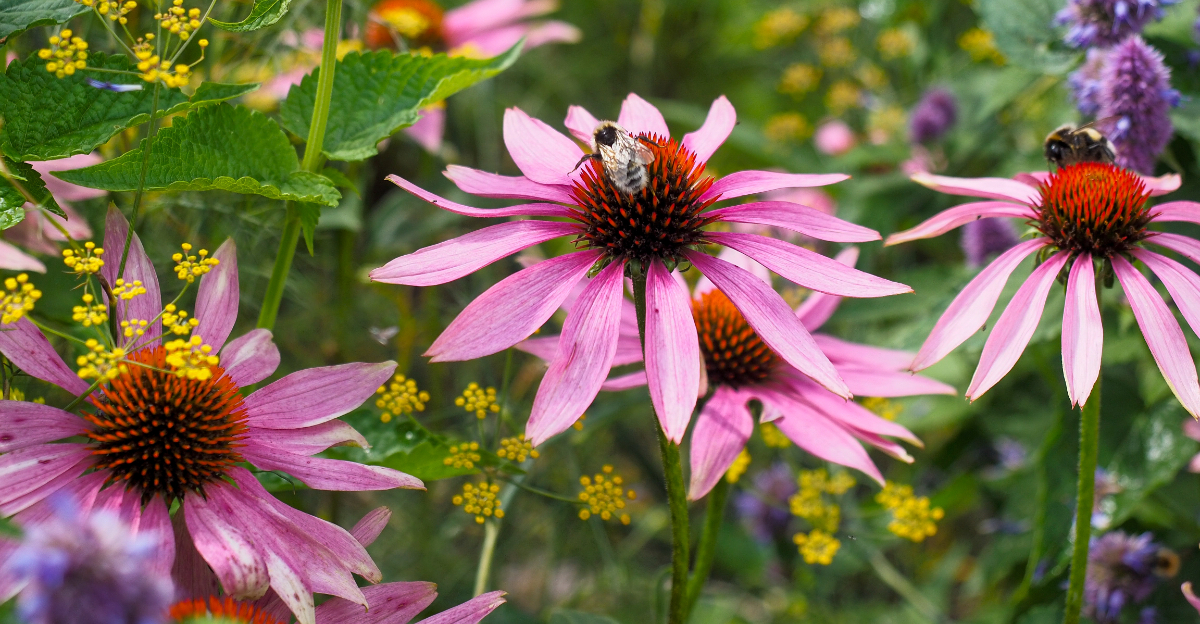
Spring in Georgia moves fast, and landscapes that are not ready often struggle to catch up. Native and sustainable choices make that transition easier, helping everything settle in stronger, greener, and far less demanding as the season takes off.
Using plants adapted to the region ensures stronger growth, natural resilience, and seasonal interest that lasts year after year.
When done thoughtfully, native landscaping can transform a yard into a thriving ecosystem without constant attention or extra resources.
Planning ahead allows for better soil preparation, proper plant placement, and selection of species that perform well in Georgia’s unique climate.
Each choice, from shrubs to groundcovers, contributes to a landscape that is both environmentally friendly and visually appealing.
These tips focus on practical ways to design, plant, and maintain native and sustainable gardens so Georgia yards are ready for spring, full of life, and easier to care for throughout the year.
1. Start With Native Plants That Thrive In Georgia’s Soil And Climate
Georgia’s native plants evolved right here in the Southeast, making them perfectly suited to handle everything from summer humidity to occasional drought.
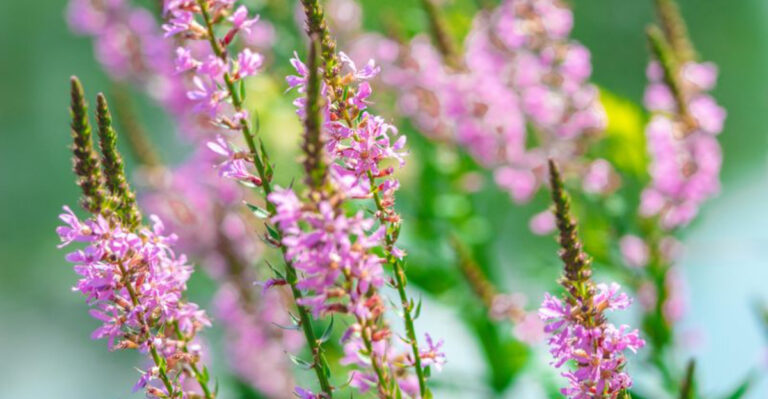
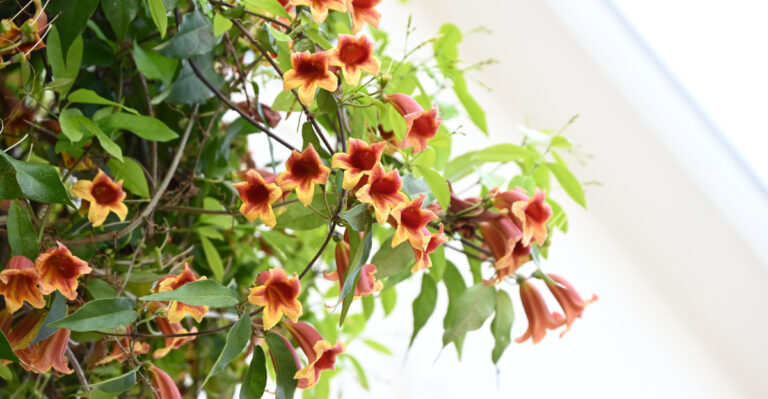
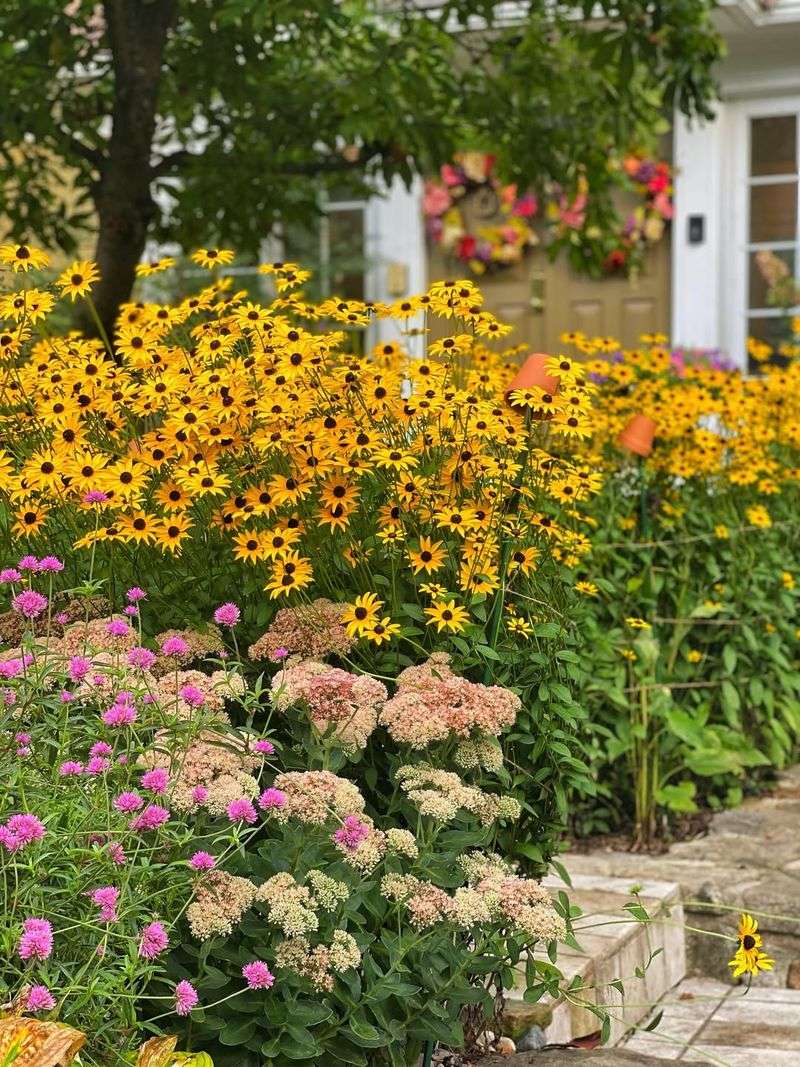
Black-eyed Susans, purple coneflowers, coral honeysuckle, and native azaleas flourish without the constant attention that exotic species demand.
Your yard becomes easier to maintain because these plants already know how to survive Georgia’s weather patterns.
Local garden centers now stock more native options than ever before, and spring planting gives roots time to establish before summer heat arrives. Choose plants based on your specific yard conditions like sun exposure and drainage patterns.
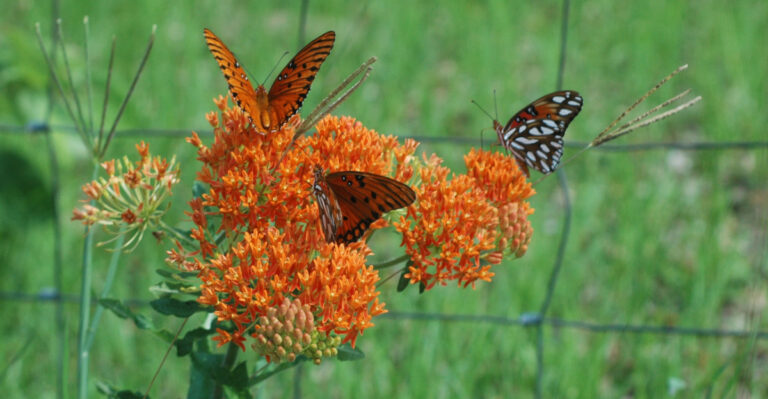
Shady areas under trees do well with ferns and wild ginger, while sunny spots welcome butterfly weed and goldenrod.
Native plants create a connected ecosystem where birds, butterflies, and beneficial insects find food throughout the seasons. Songbirds rely on native plant seeds and the insects they attract to feed their babies.
Replacing just a portion of your yard with native species reduces water bills and eliminates the need for harsh fertilizers. Start small with a few plants this spring and expand your native garden each year as you see the benefits unfold in your Georgia landscape.
Native roots also help improve soil structure over time, especially in heavy clay. Once established, many species need far less supplemental watering than traditional lawn areas.
Over time, the landscape feels more balanced, resilient, and naturally in tune with Georgia’s climate.
2. Replace Thirsty Turf Areas With Low-Water Groundcovers
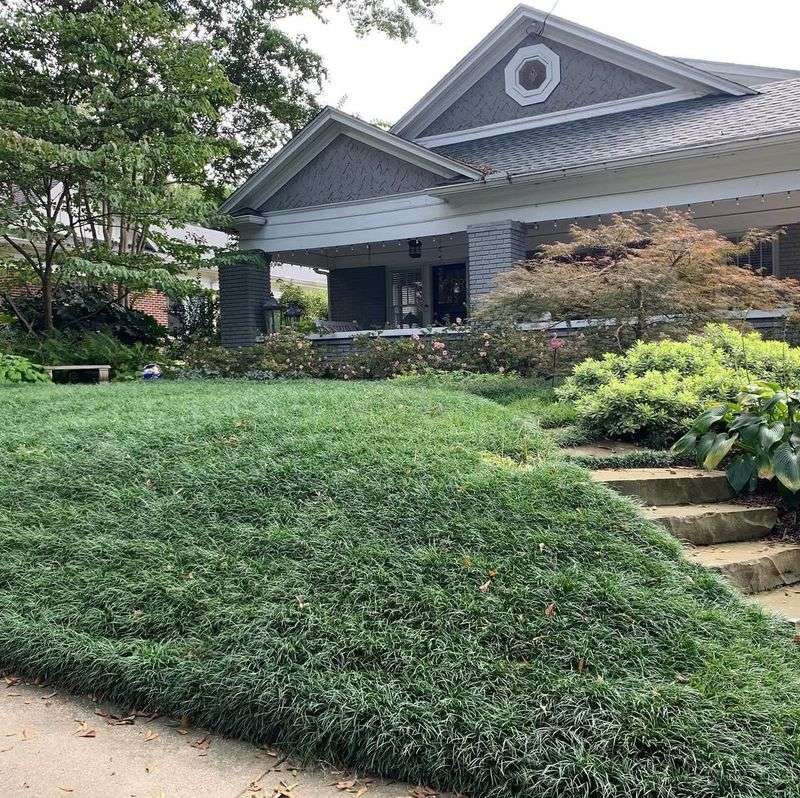
Traditional grass lawns consume massive amounts of water during Georgia summers, often requiring irrigation two or three times weekly just to stay green. Low-water groundcovers offer an attractive alternative that spreads naturally and needs far less maintenance.
Plants like native wild strawberry, green-and-gold, and Allegheny spurge create lush carpets that stay attractive year-round.
Converting high-traffic lawn areas still makes sense for play spaces and pathways, but rethink those unused side yards and slopes. Groundcovers prevent erosion on hills where mowing feels dangerous and grass struggles to grow thick.
Once established, these plants choke out weeds naturally and rarely need mowing or trimming.
Your Georgia Garden Changes Every Week. Your Plan Should Too.
Gardening in Georgia changes quickly throughout the season. Every Friday you’ll receive a simple weekly plan showing exactly what to plant, prune, fertilize, harvest, and protect so you never miss the right timing.
Spring represents the ideal planting window because groundcovers need several months to spread their roots before facing summer stress. Space plants according to their mature spread, and they will fill in gaps by mid-summer.
Mulch between new plants to suppress weeds while the groundcover establishes.
Native species also support ground-nesting bees and other beneficial insects that struggle to survive in closely mowed turf.
Your water bill drops significantly when you reduce lawn size, and you gain back hours previously spent pushing a mower around your Georgia property every weekend.
Over time, the dense foliage creates a softer, more natural look than traditional turf ever could. Many low-water groundcovers stay green through heat waves without constant irrigation.
The result is a landscape that feels intentional, practical, and better suited to Georgia’s long, hot summers.
3. Refresh Mulch To Lock In Moisture And Suppress Weeds
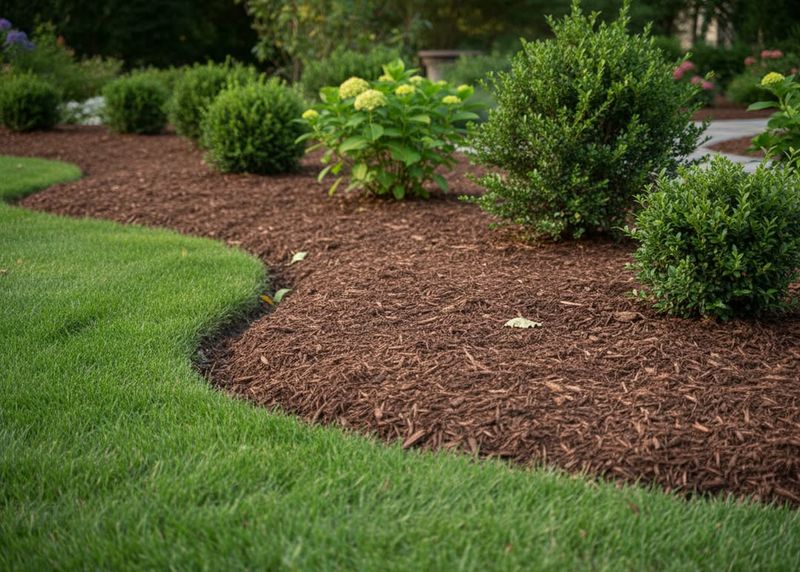
Mulch acts like a protective blanket for your soil, keeping moisture from evaporating during hot Georgia days while blocking weed seeds from sprouting.
Old mulch breaks down over time, which actually improves soil quality but means you need to add fresh layers each spring.
A two to three-inch layer provides the best balance between weed suppression and allowing water to penetrate.
Natural wood mulch works wonderfully in Georgia landscapes because it decomposes slowly and adds organic matter to clay soil. Avoid piling mulch against plant stems and tree trunks, which traps moisture and encourages rot.
Leave a small gap around the base of each plant so air can circulate freely.
Pine straw remains popular across Georgia and costs less than hardwood mulch, though it breaks down faster and needs replenishing more often. Both options work well, so choose based on your budget and aesthetic preferences.
Dark mulch makes plant colors pop, while lighter options create a softer look.
Applying fresh mulch before spring rains arrive helps soil retain that moisture throughout the growing season. Weeds struggle to push through proper mulch layers, saving you hours of hand-pulling later.
Quality mulch also moderates soil temperature, keeping roots cooler in summer and warmer during surprise cold snaps that sometimes hit Georgia in early spring.
4. Improve Clay Soil Naturally With Compost, Not Chemicals
Red clay soil dominates much of Georgia, creating challenges for gardeners because it drains poorly when wet and becomes rock-hard when dry. Chemical fertilizers provide temporary nutrition but do nothing to fix clay’s structural problems.
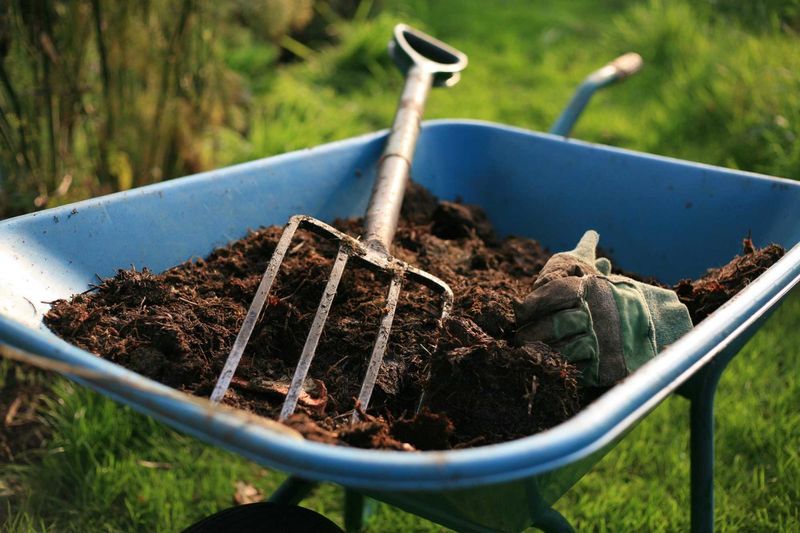
Compost transforms clay by adding organic matter that improves drainage, increases air pockets, and feeds beneficial soil organisms.
Spread a two to four-inch layer of finished compost over planting beds each spring and work it into the top six inches of soil. Earthworms and microbes continue breaking down organic matter, gradually converting dense clay into rich, workable earth.
This process takes time, but results last for years unlike quick-fix chemicals.
You can make compost at home from yard waste and kitchen scraps, or purchase it from local suppliers across Georgia. Mushroom compost and aged manure also work well for improving clay soil structure.
Avoid digging wet clay because it compacts even more, creating brick-like chunks that plants cannot penetrate.
Better soil structure means plant roots spread more easily, accessing water and nutrients throughout the growing season. Native plants particularly appreciate improved soil because they can establish faster and develop the deep root systems they need.
Georgia gardens built on healthy, compost-enriched soil require less watering and produce stronger plants that resist pests and weather stress naturally without constant chemical interventions.
Healthy soil also warms more evenly in spring, helping roots wake up without shock. Improved drainage reduces the risk of root rot during Georgia’s heavy rain periods.
Planting becomes easier because the soil stays crumbly instead of turning into stubborn clay clods.
5. Add Pollinator-Friendly Plants Before Bloom Season Begins
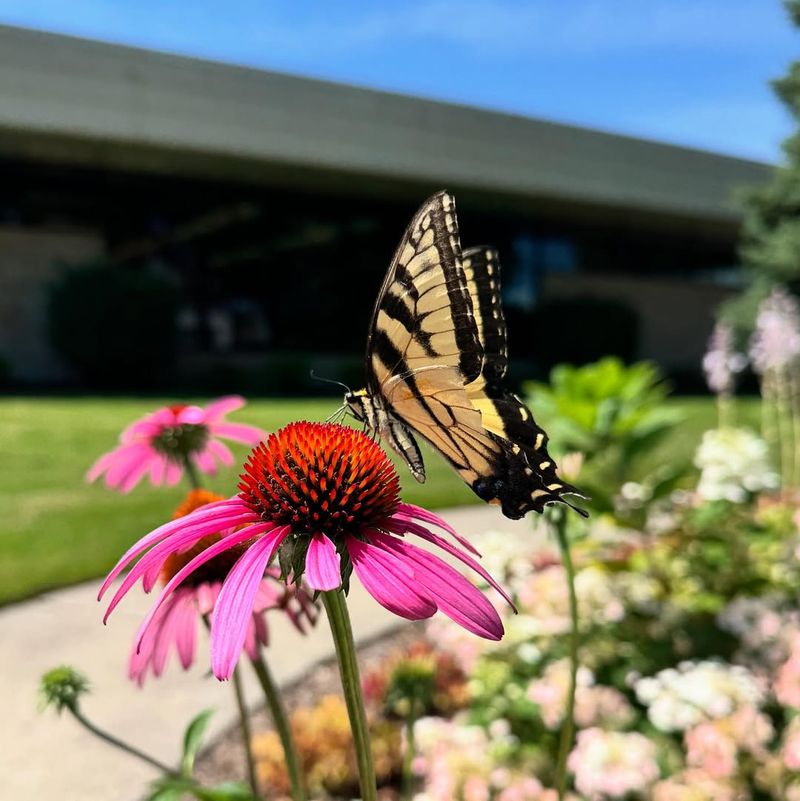
Bees, butterflies, and hummingbirds face serious challenges finding enough food as natural habitats disappear across Georgia. Your yard can become a vital refueling station by including plants that provide nectar and pollen throughout the growing season.
Native species support far more pollinators than exotic ornamentals because local insects evolved alongside these plants.
Early spring bloomers like wild azaleas and serviceberry feed pollinators emerging from winter dormancy when few other food sources exist. Follow up with summer favorites including bee balm, mountain mint, and ironweed that bloom during peak pollinator activity.
Fall asters and goldenrod provide crucial nutrition for migrating monarchs heading south through Georgia.
Plant flowers in groups of three or five rather than scattering single plants throughout your yard. Pollinators find clustered plantings more easily and spend less energy traveling between food sources.
Choose plants with different bloom times to provide continuous food from March through November.
Skip pesticides entirely because they harm beneficial insects along with pests. Healthy pollinator populations actually reduce pest problems by supporting predatory insects that eat garden troublemakers.
Adding just a few pollinator-friendly natives this spring creates noticeable benefits, and you will enjoy watching butterflies and hummingbirds visit your yard throughout the season.
6. Install Drip Irrigation Before Georgia’s Heat Sets In
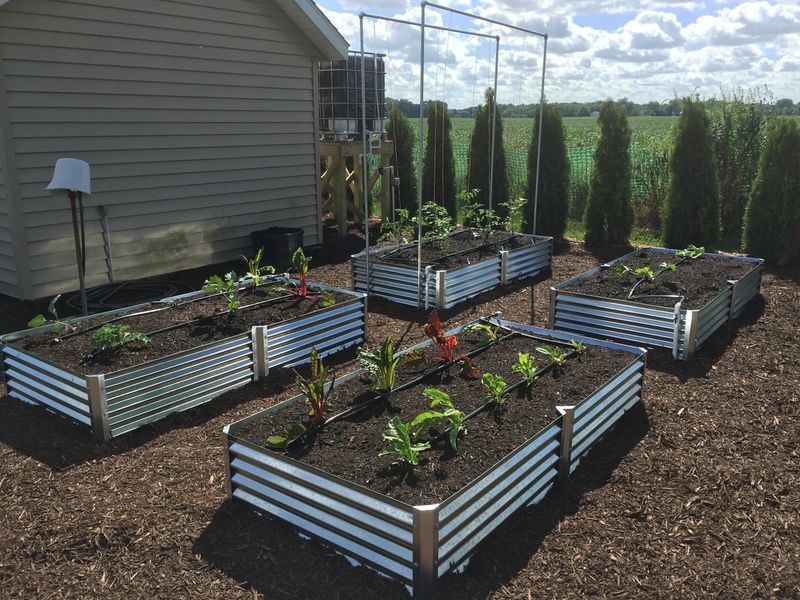
Summer temperatures in Georgia regularly climb into the 90s, and plants need consistent moisture to survive those brutal stretches. Drip irrigation delivers water directly to plant roots with minimal waste from evaporation or runoff.
Installing systems before hot weather arrives ensures plants receive steady moisture during their most stressful months.
Drip lines run along the soil surface or hide beneath mulch, releasing water slowly through small emitters placed near each plant. This method uses up to 50 percent less water than sprinklers because nothing gets wasted on sidewalks, driveways, or plant leaves.
Keeping foliage dry also reduces fungal diseases that thrive in Georgia’s humid climate.
Basic drip kits connect to outdoor faucets and require no special plumbing skills to install. Layout your system while plants are small so you can easily see where to place emitters.
Automatic timers take the guesswork out of watering, running your system during early morning hours when water pressure is highest and evaporation is lowest.
Native plants still need regular water during their first growing season while roots establish. Drip irrigation makes this critical task simple and efficient.
Once plants mature, you can reduce watering frequency because native species handle Georgia’s climate naturally. The system stays in place year after year, saving time and water while keeping your sustainable landscape healthy through every summer.
7. Group Plants By Water Needs To Reduce Waste
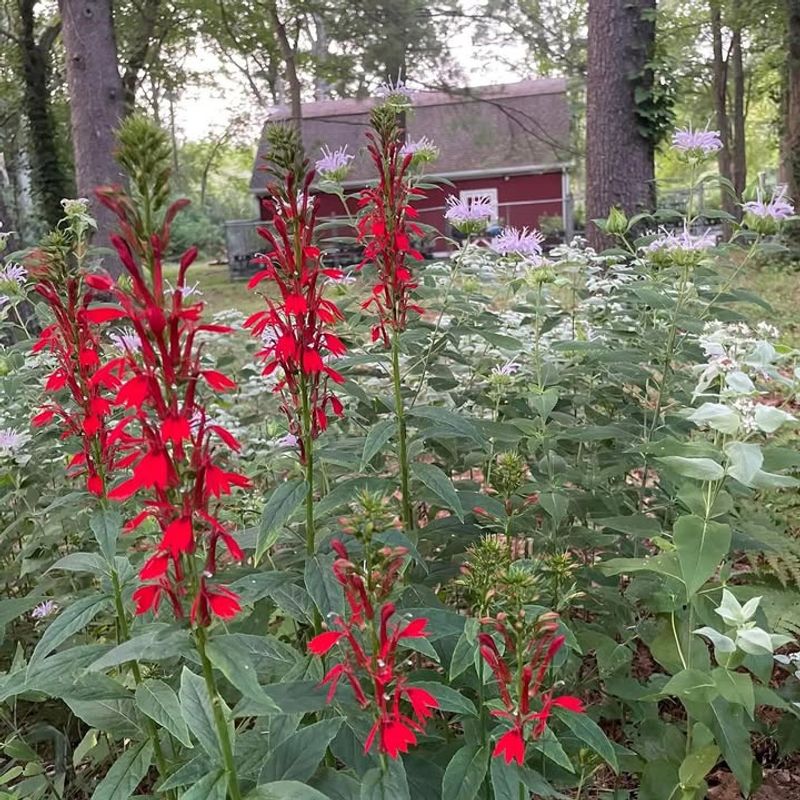
Not all plants need the same amount of water, even among native species. Grouping plants with similar moisture requirements creates zones where you can water efficiently without overwatering some plants or underwatering others.
This practice, called hydrozoning, dramatically reduces water waste while keeping every plant healthy.
Place thirsty plants like cardinal flower and swamp milkweed in lower areas where water naturally collects after rain. These spots stay moist longer and require less supplemental irrigation.
Drought-tolerant natives including yucca, sedum, and prickly pear cactus thrive on slopes and raised areas that dry out quickly.
Most native Georgia plants fall somewhere in the middle, needing regular water while establishing but tolerating dry spells once mature. Group these moderate-water plants together in main planting beds where you can easily monitor soil moisture.
Avoid mixing water needs within the same irrigation zone because you will end up overwatering some plants while trying to satisfy others.
Take time this spring to evaluate your current landscape and relocate plants that seem constantly stressed. A shade-loving fern struggling in full sun will thrive once moved to a moister, shadier location.
Similarly, sun-loving plants languishing in shade perk up dramatically when relocated to brighter spots.
Proper plant placement based on water needs creates a more sustainable Georgia landscape that practically takes care of itself once everything matures and settles into the right environment.
8. Leave Some Leaf Litter To Support Wildlife And Soil Health
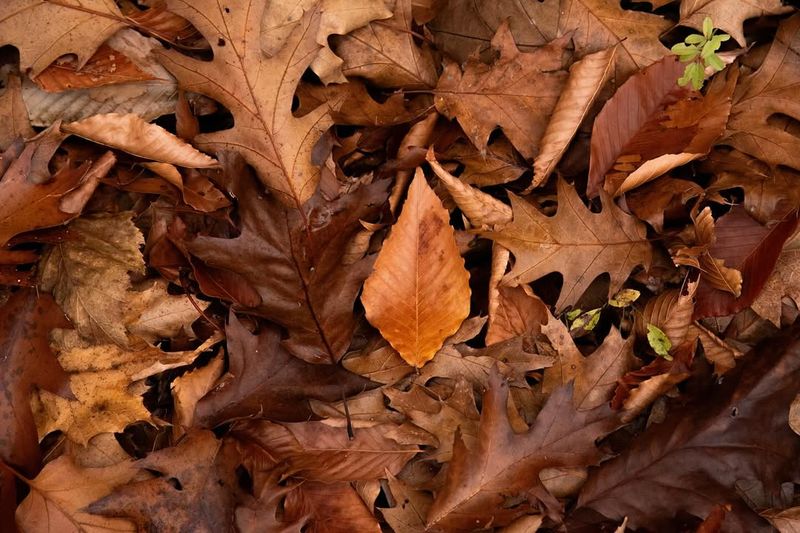
Many Georgia homeowners rake and bag every fallen leaf, but this practice removes valuable organic matter and destroys important wildlife habitat.
Leaf litter provides winter shelter for beneficial insects including native bees, butterflies, and beetles that help control garden pests.
Fireflies spend their larval stage in leaf litter, and fewer leaves means fewer of those magical summer evenings.
Leaves break down naturally, releasing nutrients back into soil while improving its structure. This free fertilizer feeds plants and encourages earthworm activity that further enhances soil quality.
A layer of decomposing leaves also suppresses weeds and retains moisture just like purchased mulch.
You do not need to leave your entire yard covered in leaves. Rake leaves off lawns and pathways, but let them remain under shrubs, in planting beds, and along property edges.
These areas benefit most from the natural mulch and wildlife habitat that leaves provide. Shred leaves with a mower before spreading them if you prefer a tidier appearance.
Some native caterpillars depend entirely on leaf litter for survival, overwintering as pupae hidden among fallen foliage. Clearing every leaf eliminates next year’s butterflies before they even emerge.
Georgia’s ecosystem functions best when natural processes like decomposition happen undisturbed. Embracing a slightly wilder look in parts of your yard supports biodiversity while reducing yard work and improving soil health naturally throughout the seasons.