The Best Low-Maintenance Native Plants To Start In Georgia This February
February in Georgia offers a quiet but powerful chance to set your garden up for success, and native plants make that decision even smarter.
While many yards still look bare, this is the moment to plant species that already understand the soil, humidity, and seasonal swings.
Strong roots develop now, which means less stress and better growth once spring fully arrives.
Native plants handle Georgia conditions without constant watering, heavy feeding, or endless pruning. They support pollinators, strengthen the local ecosystem, and keep your landscape balanced and resilient.
The right choices now can shape how your yard looks for the rest of the year.
Start with dependable, low-maintenance natives this February, and your garden will reward you with steady growth, lasting structure, and beauty that does not demand extra work.
1. Purple Coneflower Handles Georgia Heat With Very Little Effort
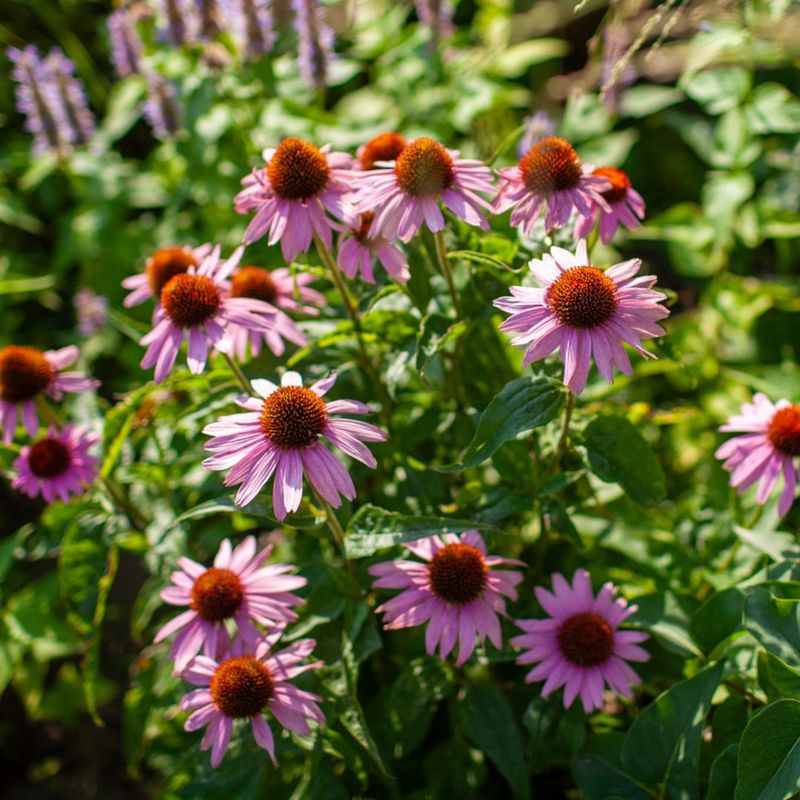
Purple coneflower stands tall in Georgia gardens without demanding constant attention. This native perennial produces vibrant blooms from early summer through fall, and pollinators swarm to its nectar-rich flowers.
Once the roots establish, drought becomes a minor concern because this plant tolerates dry spells remarkably well.
Georgia’s full sun suits purple coneflower perfectly. Plant it in February when soil workability improves, and you’ll see strong growth by late spring.
Space plants about two feet apart to allow air circulation. Clay soil or sandy soil both work fine as long as drainage is decent.
Deadheading spent blooms encourages more flowers, but leaving some seed heads provides winter food for goldfinches and other birds. The plant self-seeds moderately, so you might notice new seedlings appearing nearby.
Height reaches two to four feet depending on variety and growing conditions.
Purple coneflower resists most diseases and pests common to Georgia landscapes. Deer occasionally browse young plants, but mature specimens usually escape serious damage.
Dividing clumps every three to four years keeps plants vigorous and prevents overcrowding.
Watering during the first growing season helps roots establish, but afterward, rainfall typically provides enough moisture. Fertilizer isn’t necessary for healthy growth.
This plant thrives on neglect once settled into Georgia soil, making it ideal for busy gardeners who want color without constant work.
Its sturdy stems rarely flop in Georgia’s summer storms, helping the blooms stay upright and visible even through heavy rain and humidity.
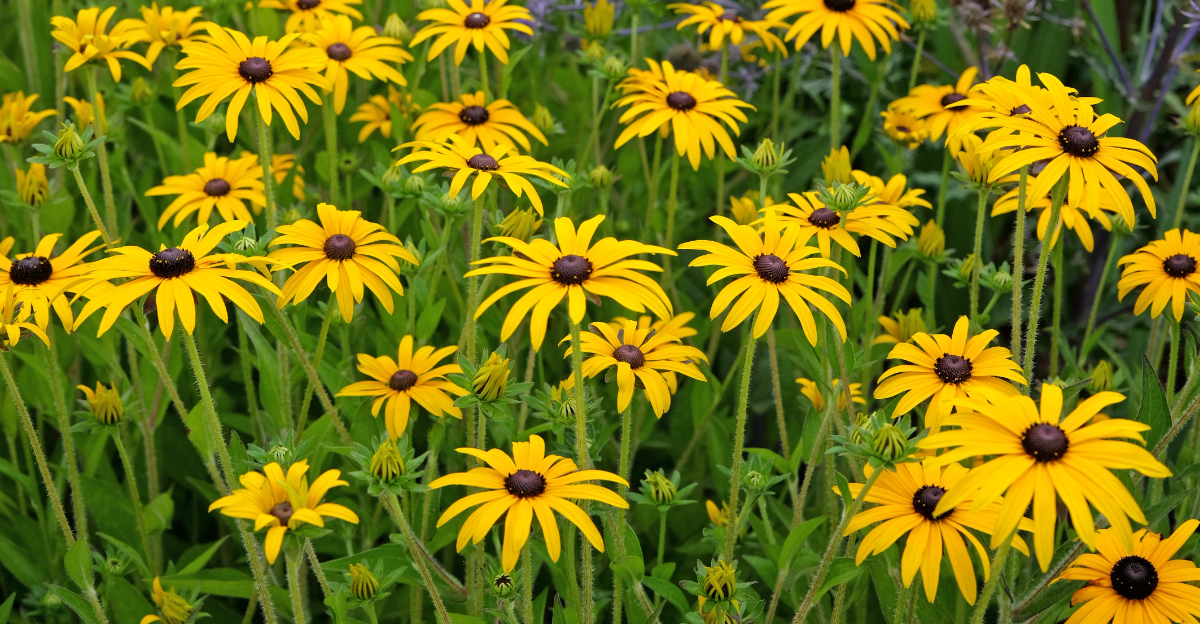
2. Black-Eyed Susan Thrives In Full Sun And Reseeds Naturally
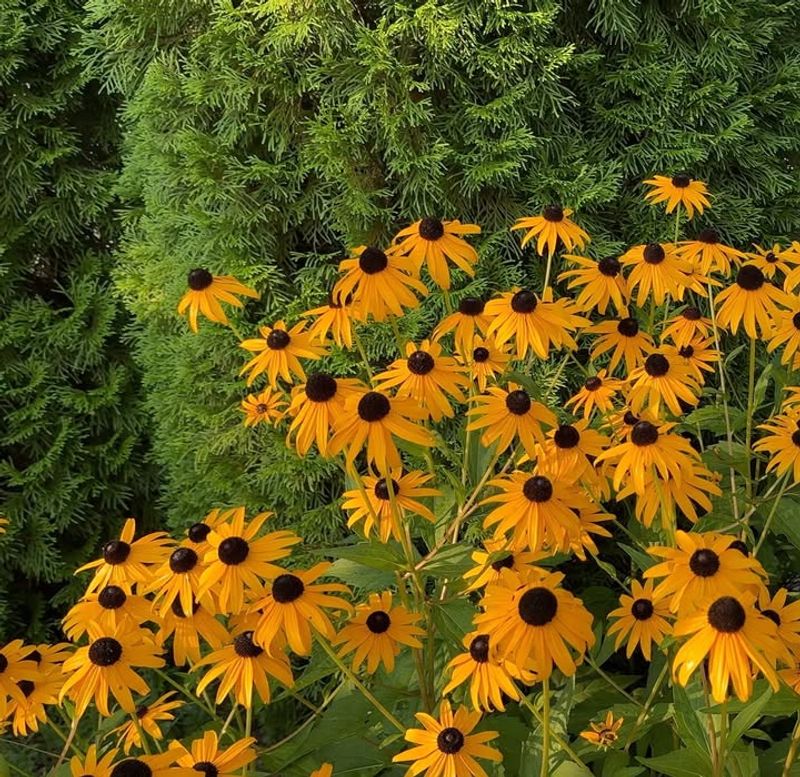
Bright yellow petals surrounding dark centers make black-eyed Susan one of Georgia’s most recognizable wildflowers. This cheerful native blooms from June through October, creating waves of color that require almost no maintenance.
Seeds germinate easily when scattered in February, giving you a head start on summer blooms.
Full sun locations bring out the best in black-eyed Susan. Partial shade works too, though flowering decreases slightly.
Georgia’s heat doesn’t faze this tough plant, which evolved in meadows and prairies across the Southeast. Soil quality matters little since black-eyed Susan adapts to poor, rocky, or clay-heavy ground.
Self-seeding is this plant’s superpower. Flowers produce abundant seeds that drop and sprout the following spring, creating natural drifts without any effort from you.
Your Georgia Garden Changes Every Week. Your Plan Should Too.
Gardening in Georgia changes quickly throughout the season. Every Friday you’ll receive a simple weekly plan showing exactly what to plant, prune, fertilize, harvest, and protect so you never miss the right timing.
Controlling spread is easy if needed since seedlings pull up effortlessly when young. Height varies from one to three feet depending on variety.
Butterflies, bees, and other beneficial insects visit black-eyed Susan flowers constantly throughout the blooming season. Birds enjoy the seed heads in fall and winter, adding wildlife value to your Georgia landscape.
This plant handles Georgia’s summer droughts without wilting or losing vigor. Fertilizer can actually reduce flowering, so skip it entirely.
Black-eyed Susan delivers maximum impact with minimum input.
3. Golden Ragwort Spreads Easily In Part Shade
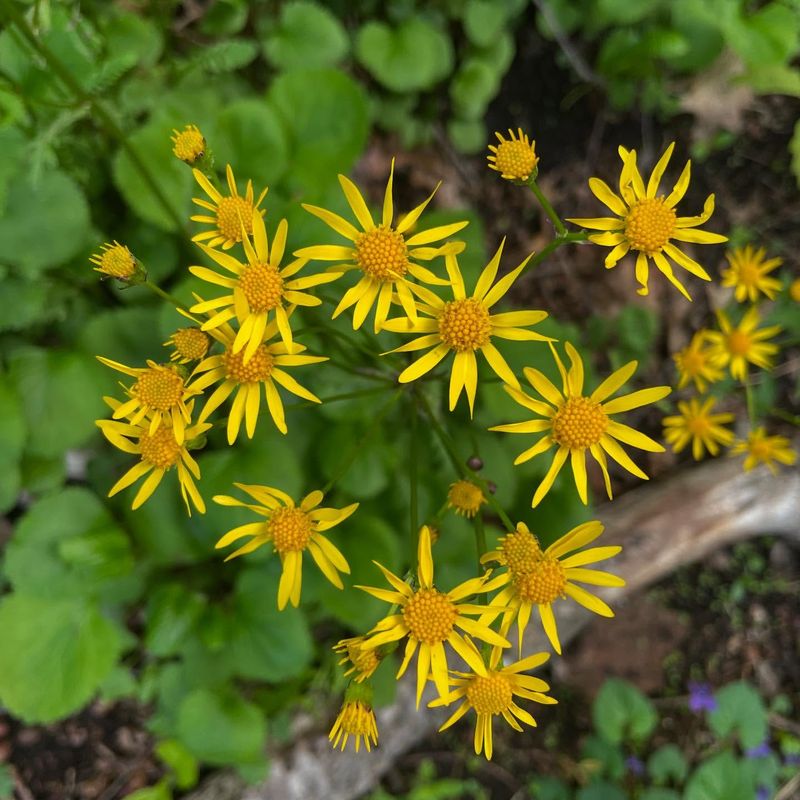
Woodland edges and shaded spots in Georgia landscapes come alive when golden ragwort blooms in early spring. Clusters of small yellow flowers appear in March and April, often before many other plants wake up.
This native groundcover spreads steadily through underground rhizomes, filling bare areas without becoming invasive.
Part shade to full shade suits golden ragwort best. Morning sun with afternoon shade creates ideal conditions in Georgia’s climate.
Moist soil helps this plant thrive, though it tolerates brief dry periods once roots establish. February planting allows roots to settle before spring growth accelerates.
Heart-shaped leaves stay semi-evergreen through mild Georgia winters, providing year-round ground coverage. The foliage creates a dense mat that suppresses weeds naturally, reducing maintenance time.
Height stays low at six to twelve inches, making golden ragwort perfect for edging or filling under trees.
Dividing clumps every few years controls spread and provides new plants for other garden areas. Simply dig sections and replant them where you want coverage.
Rabbits and deer generally avoid golden ragwort, which is a bonus in Georgia gardens where wildlife browsing can be problematic.
Watering during establishment is helpful, but mature plants handle typical Georgia rainfall without supplemental irrigation. Fertilizer isn’t needed since this plant thrives in average to rich woodland soil.
Golden ragwort delivers reliable color and coverage in shady spots where many other natives struggle to perform well.
4. Green And Gold Fills Bare Soil Without Constant Care
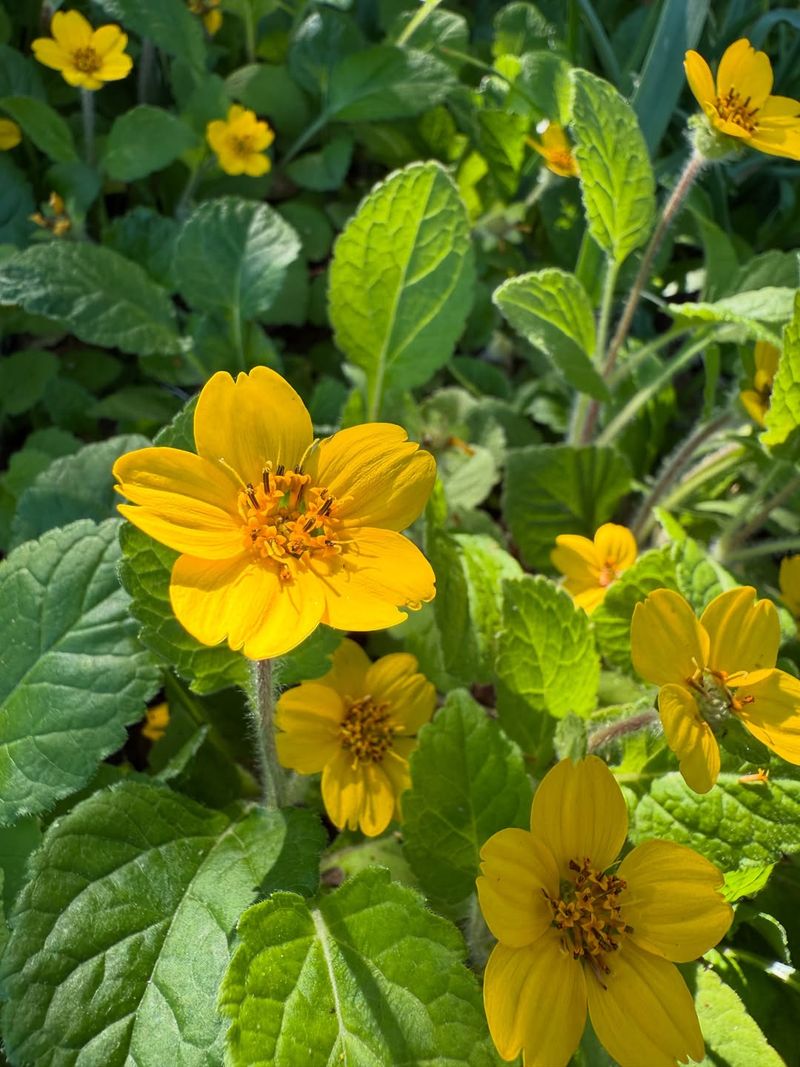
Low-growing green and gold carpets Georgia woodland floors with cheerful yellow blooms from April through June. This native groundcover spreads by stolons, creating thick mats that prevent erosion on slopes and fill bare soil under trees.
Planting in February gives stolons time to root before flowering begins.
Part shade to full shade provides ideal growing conditions. Green and gold tolerates more sun in North Georgia but prefers protection from intense afternoon rays in southern parts of the state.
Soil moisture should stay consistent during the first season, though established plants handle dry shade better than most groundcovers.
Evergreen foliage persists through Georgia winters, maintaining ground coverage year-round. The leaves form a dense layer that crowds out weeds naturally.
Height stays compact at three to six inches, making green and gold suitable for pathways, borders, or mass plantings under shrubs.
Spreading occurs at a moderate pace, filling spaces without overwhelming nearby plants. Dividing sections in fall or early spring provides new plants for expanding your coverage area.
Wildlife largely ignores green and gold, so browsing damage rarely occurs in Georgia landscapes.
Watering needs drop significantly after the first growing season. Rainfall typically provides adequate moisture for established plants.
Fertilizer isn’t necessary since green and gold thrives in average woodland soil without amendments. This groundcover delivers consistent performance in difficult shady areas where grass struggles to grow, saving you time and effort throughout the year.
5. Lyreleaf Sage Adapts To Tough Spots And Grows Fast
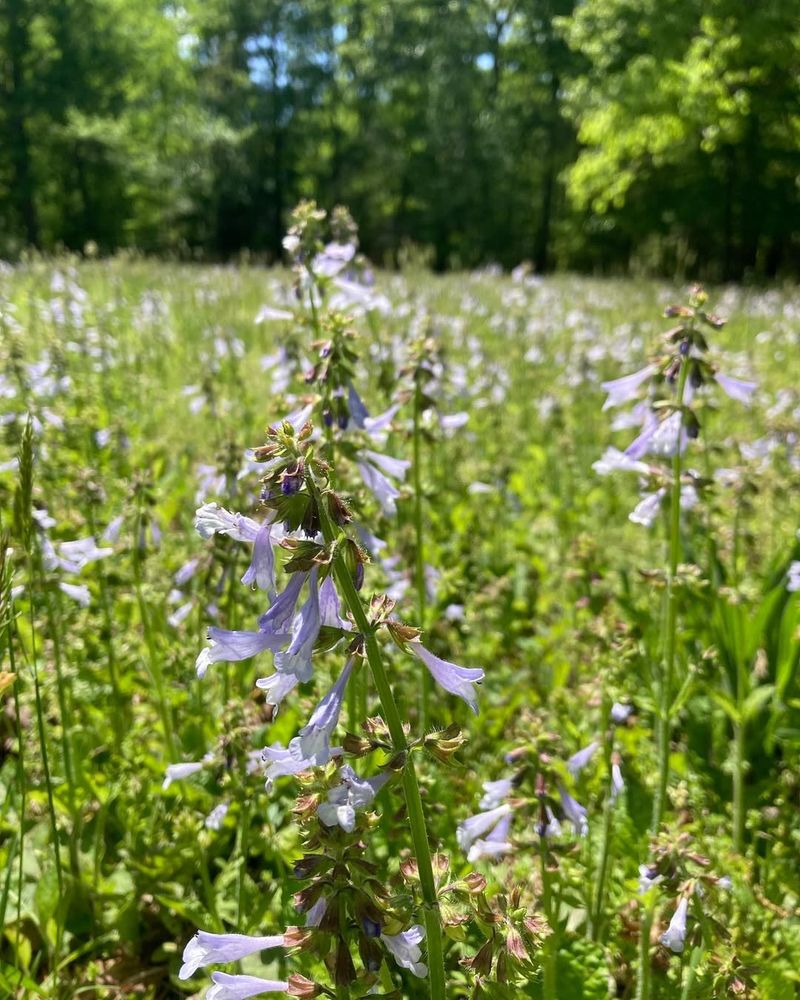
Spikes of blue-purple flowers emerge from lyreleaf sage in April and May, attracting hummingbirds and bees to Georgia gardens. This native perennial handles tough growing conditions that defeat less adaptable plants.
Starting seeds or transplants in February allows roots to establish before the flowering rush begins.
Full sun to part shade works equally well for lyreleaf sage. Dry soil doesn’t bother this plant, which evolved in rocky, lean conditions across the Southeast.
Georgia’s clay soil poses no problems as long as drainage prevents standing water. Planting on slopes or raised areas ensures excess moisture drains away.
Growth happens quickly once temperatures warm. Basal rosettes of deeply lobed leaves spread outward, creating attractive foliage even when flowers aren’t present.
Flower stalks reach one to two feet tall, standing above the leaf clumps. Self-seeding occurs moderately, providing new plants without overwhelming garden beds.
Cutting back spent flower stalks encourages a second flush of blooms in fall. Leaving some seed heads provides food for birds and allows natural reseeding.
Deer occasionally browse young plants, but mature lyreleaf sage usually escapes serious damage in Georgia landscapes.
Watering during establishment helps, but mature plants survive on rainfall alone. Fertilizer isn’t needed and can actually reduce flowering.
Lyreleaf sage thrives in neglected corners where other plants struggle, making it perfect for low-maintenance Georgia gardens. This tough native delivers beauty without demanding constant attention or resources from busy gardeners.
6. Butterfly Milkweed Loves Dry Soil And Needs Minimal Water
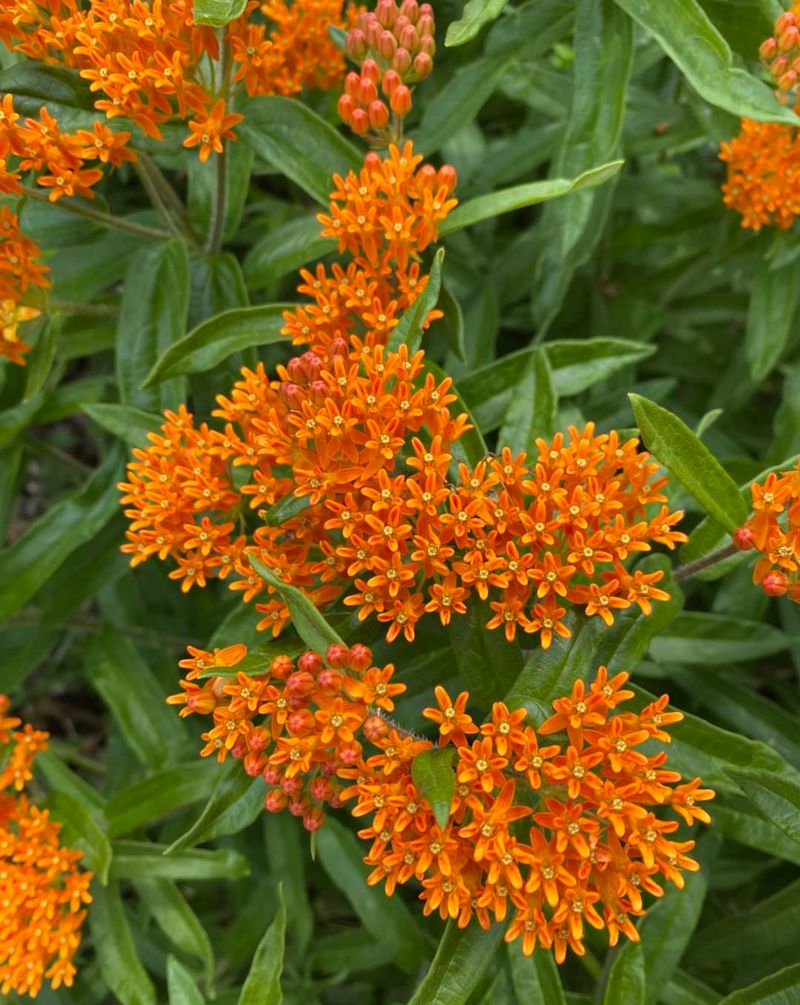
Bright orange flower clusters make butterfly milkweed impossible to miss in summer Georgia landscapes. This native perennial serves as the primary host plant for monarch butterflies, whose caterpillars feed exclusively on milkweed leaves.
Planting in February gives deep taproots time to establish before summer heat arrives.
Full sun and well-drained soil create perfect conditions for butterfly milkweed. Sandy or rocky soil suits this plant better than rich, moist ground.
Georgia’s summer droughts don’t stress butterfly milkweed, which evolved in dry prairies and open woodlands. Avoid overwatering since excessive moisture can cause root problems.
Blooming occurs from May through August, with peak flowering in June and July. Butterflies, bees, and other pollinators visit constantly, making this plant essential for pollinator gardens.
Height reaches one to three feet depending on growing conditions. Seed pods develop in late summer, splitting open to release silky seeds that float on the wind.
Transplanting mature plants rarely succeeds because taproots grow deep and resent disturbance. Starting from seed works best, though germination requires cold stratification.
Buying small nursery plants in February provides the easiest path to success in Georgia gardens.
Watering during the first season helps roots establish, but afterward, rainfall provides enough moisture. Fertilizer isn’t needed and can actually harm this plant.
Butterfly milkweed thrives on neglect, delivering spectacular color and critical habitat for monarchs without demanding constant care from Georgia gardeners.
7. Eastern Columbine Brightens Shady Areas With Almost No Fuss
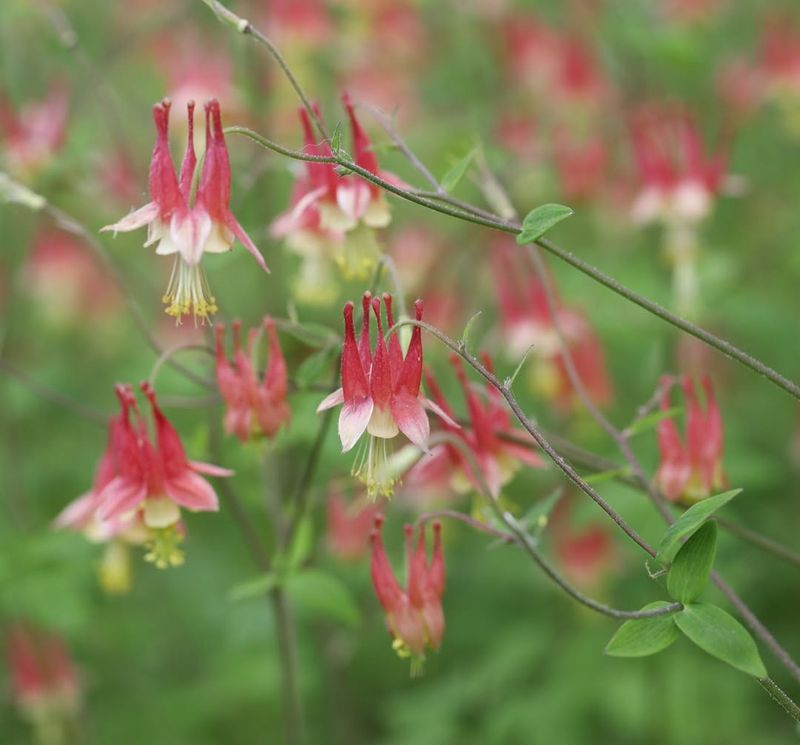
Delicate red and yellow flowers dangle from eastern columbine stems like tiny lanterns in spring. This native perennial blooms from April through June, bringing color to shaded Georgia gardens where flowering plants are often scarce.
Hummingbirds visit the tubular flowers constantly, hovering to sip nectar from the long spurs.
Part shade to full shade provides ideal growing conditions. Morning sun with afternoon shade works particularly well in Georgia’s climate.
Soil should drain well since standing water can cause root problems. Rocky or sandy soil suits eastern columbine better than heavy clay, though amendments can improve drainage in difficult spots.
Foliage forms attractive mounds of blue-green leaves that remain appealing even after flowering ends. Height reaches one to three feet depending on variety and growing conditions.
Self-seeding occurs readily, with new seedlings appearing near parent plants. Seedlings transplant easily when young, allowing you to move them to desired locations.
Leaf miners sometimes create tunnels in foliage, but damage is cosmetic and doesn’t harm plant health. Simply remove affected leaves if appearance bothers you.
Deer and rabbits usually avoid eastern columbine in Georgia landscapes, which is helpful in areas with heavy wildlife pressure.
Watering during establishment helps roots settle, but mature plants handle typical Georgia rainfall without supplemental irrigation. Fertilizer isn’t necessary for healthy growth and flowering.
Eastern columbine delivers reliable spring color in shady spots with minimal care, making it perfect for low-maintenance woodland gardens throughout Georgia.
8. Little Bluestem Stays Strong Through Georgia’s Summer Heat
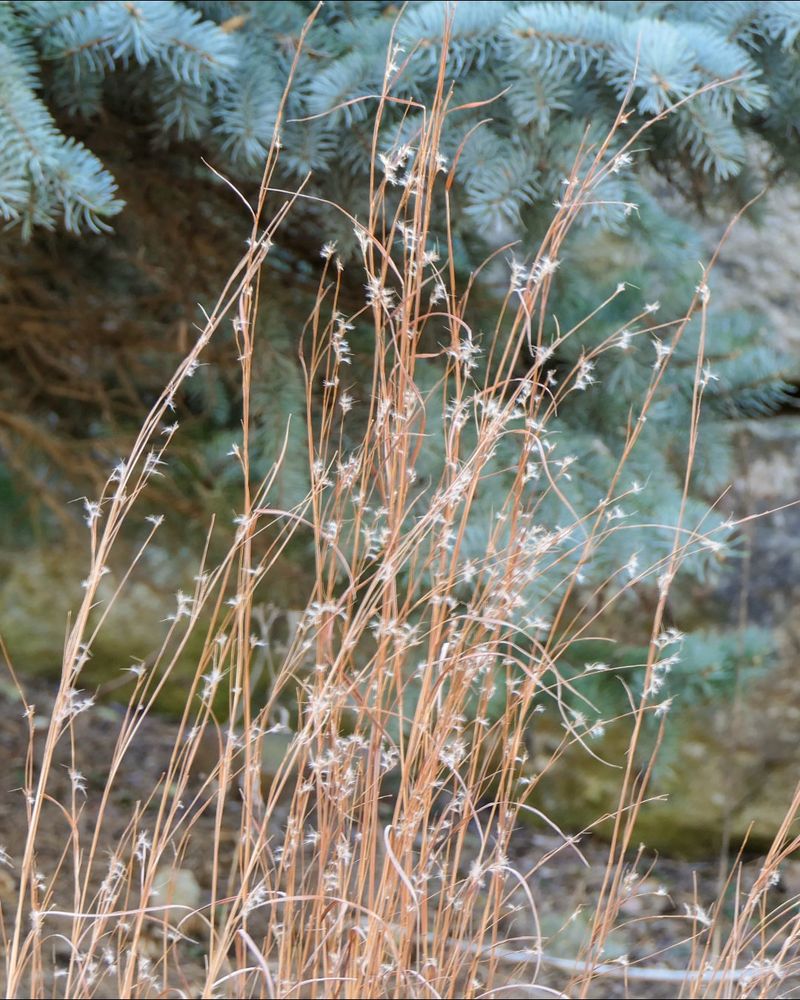
Blue-green foliage emerges from little bluestem in spring, creating vertical interest that persists through all four seasons. This native bunchgrass handles Georgia’s intense summer heat without wilting or losing color.
Planting in February allows roots to establish before summer stress tests their strength.
Full sun brings out the best in little bluestem. Partial shade works in North Georgia, though plants may grow slightly taller and looser.
Well-drained soil is essential since standing water causes problems. Sandy, rocky, or clay soil all work fine as long as drainage is adequate.
Slopes and raised areas provide excellent planting sites.
Height reaches two to four feet by midsummer. Airy seed heads appear in late summer, adding texture and movement to the landscape.
Fall color is spectacular as foliage shifts from blue-green to copper, orange, and burgundy. Winter interest continues as dried stems and seed heads catch snow and frost.
Little bluestem serves as a host plant for several butterfly species whose caterpillars feed on grass blades. Birds eat seeds throughout fall and winter.
Deer generally avoid this grass in Georgia landscapes, though rabbits may nibble young plants occasionally.
Watering during establishment helps, but mature plants survive on rainfall alone. Fertilizer isn’t needed and can cause floppy growth.
Little bluestem delivers year-round beauty in Georgia gardens with almost no maintenance required after establishment.