14 Trees That Will Turn Your Michigan Yard Into A Bird Magnet
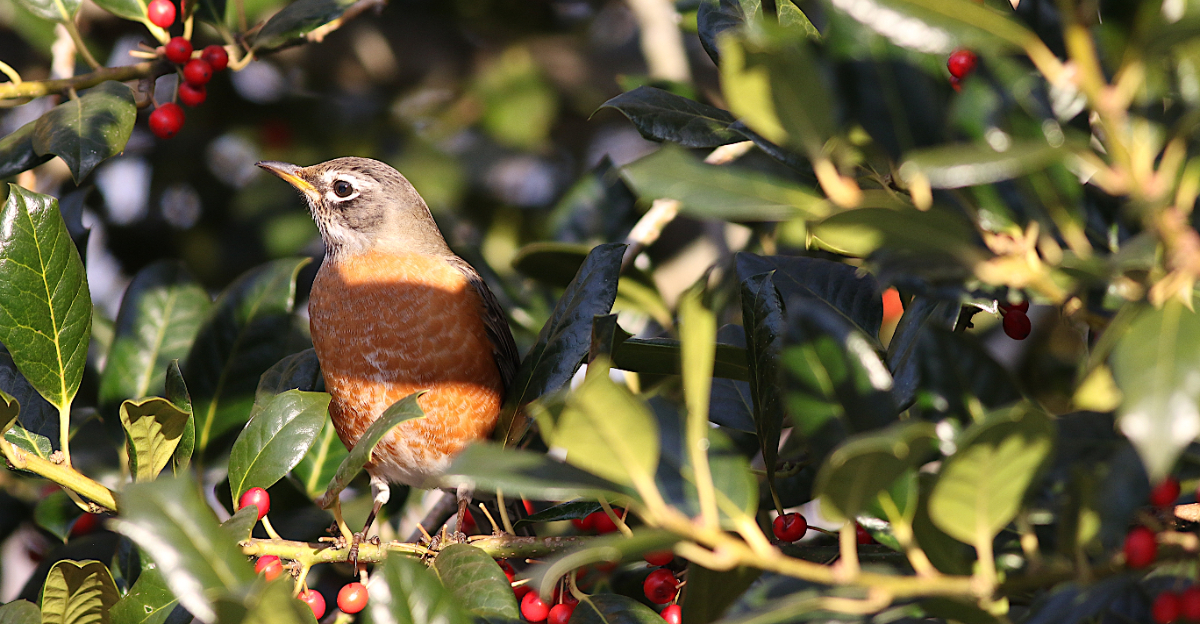
A quiet yard can quickly come alive with fluttering wings, cheerful songs, and the gentle rhythm of nature when the right trees take root.
In Michigan, thoughtfully chosen native trees can transform an ordinary landscape into a thriving wildlife haven that supports birds throughout every season.
Birds rely on steady sources of food, protective cover, and safe nesting spaces, and many Michigan native trees naturally provide all three.
Varieties that produce berries, seeds, or attract insects help create a lively environment where birds gather, feed, and return year after year.
Evergreens offer dependable shelter during cold months, while fruit bearing trees supply nourishment when migrating birds pass through. With careful planning, your yard can become a welcoming sanctuary filled with color, movement, and natural harmony.
These fourteen remarkable trees will help turn your Michigan landscape into a vibrant, bird friendly space that feels alive with activity in every season.
1. Eastern Red Cedar Provides Year Round Shelter And Berries For Birds
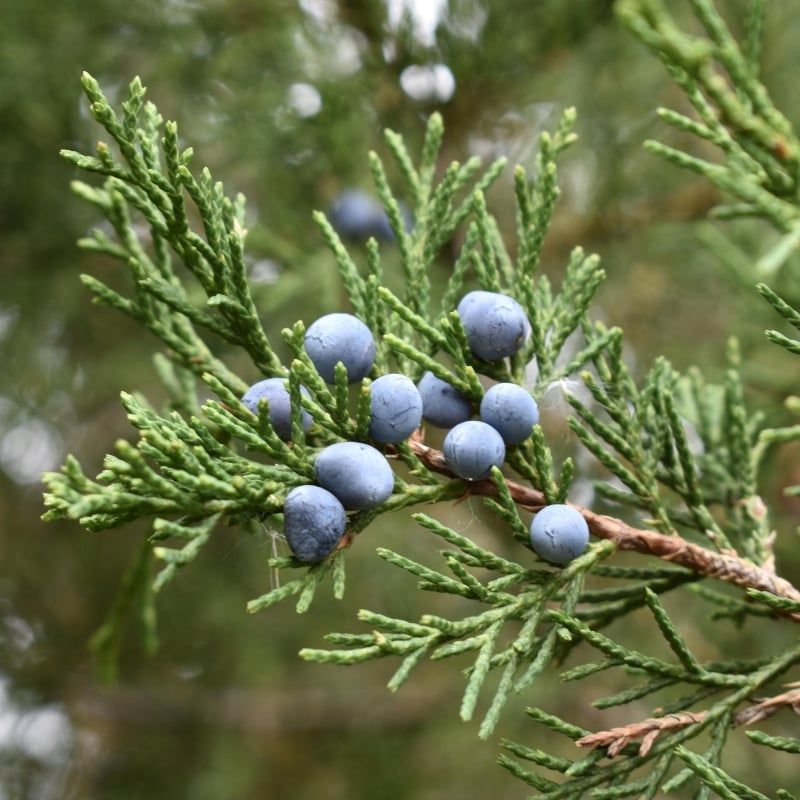
Eastern Red Cedar stands as one of Michigan’s most valuable bird trees. This native evergreen produces dense foliage that shields birds from harsh winter winds and summer heat.
The tree’s berry-like cones ripen in fall and persist through winter when food becomes scarce.
Juniperus virginiana attracts over forty bird species including cedar waxwings, robins, and bluebirds. These birds feast on the bluish cones that contain seeds rich in fats and nutrients.
The thick branching structure also offers excellent nesting sites for songbirds seeking privacy and protection from predators.
This hardy tree thrives in various soil conditions and tolerates drought once established. It grows slowly but steadily, reaching heights of thirty to forty feet in Michigan landscapes.
The reddish-brown bark peels in strips, adding textural interest to winter gardens. Eastern Red Cedar supports biodiversity beyond birds by providing habitat for beneficial insects. These insects in turn attract insect-eating birds like warblers and chickadees.
The tree’s year-round greenery creates visual structure in gardens while serving as a reliable food source when other options disappear under snow.
2. Serviceberry Feeds Birds With Early Season Fruit
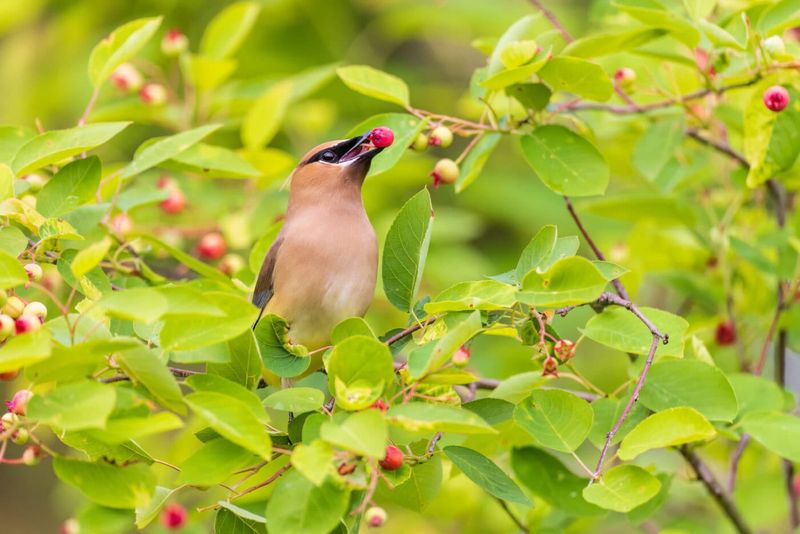
Serviceberry bursts into bloom each spring with clouds of white flowers that signal the start of growing season. Amelanchier species native to Michigan produce sweet berries that ripen in early summer, providing crucial nutrition when birds are feeding hungry nestlings.
The purple-black fruits disappear quickly as robins, catbirds, and orioles compete for the harvest.
This multi-stemmed tree grows fifteen to twenty-five feet tall and adapts well to various garden settings. The smooth gray bark and delicate branching create an elegant silhouette in winter.
Fall foliage transforms into brilliant shades of orange, red, and yellow, extending the tree’s ornamental value beyond its fruiting season.
Serviceberry tolerates partial shade and prefers moist, well-drained soil typical of Michigan woodlands. The tree flowers before leaves emerge, making the blooms especially striking against bare branches.
This early flowering also benefits pollinators emerging from winter dormancy. Birds recognize serviceberry as a reliable food source and return year after year. The tree’s compact size makes it suitable for smaller yards where space is limited.
Your Michigan Garden Changes Every Week. Your Plan Should Too.
Gardening in Michigan changes quickly throughout the season. Every Friday you’ll receive a simple weekly plan showing exactly what to plant, prune, fertilize, harvest, and protect so you never miss the right timing.
Planting several serviceberries creates a berry buffet that supports more birds during the critical breeding season when protein-rich food is essential.
3. Crabapple Trees Provide Fruit And Nesting Support
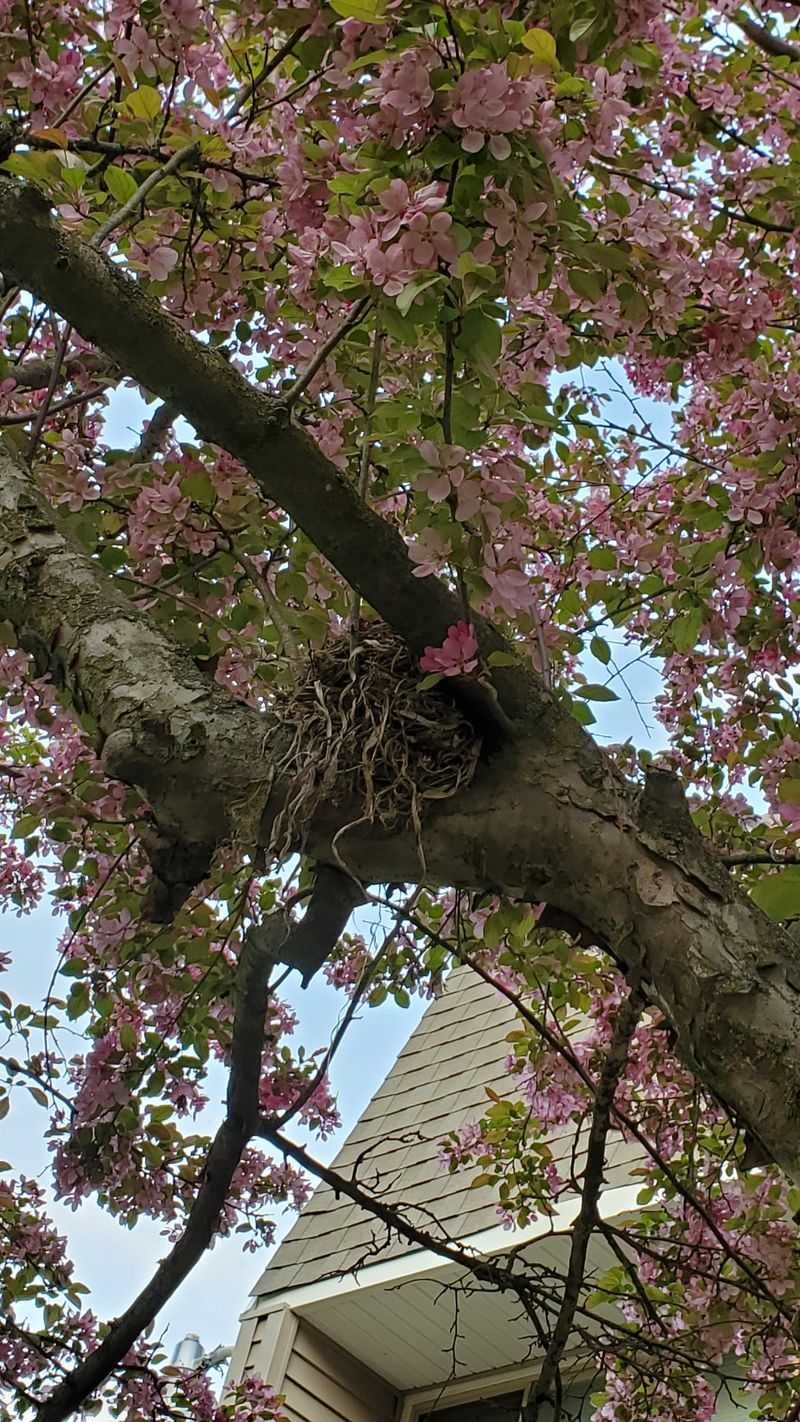
Crabapple varieties offer spectacular spring flowers followed by colorful fruits that persist into winter. The small apples range from bright red to golden yellow, creating visual interest long after leaves drop.
Many bird species including waxwings, thrushes, and grosbeaks feed on these fruits, especially after frost softens them.
These ornamental trees grow twelve to twenty-five feet tall depending on variety. The dense branching pattern provides excellent nesting structure for songbirds seeking secure locations to raise their young.
Strong branch angles support nests while foliage offers concealment from predators like hawks and crows.
Crabapples adapt to various soil types and tolerate urban conditions better than many fruit trees. Selecting disease-resistant varieties reduces maintenance while ensuring healthy trees that continue producing fruit annually.
The blossoms attract pollinators in spring, creating a buzz of activity that benefits the entire garden ecosystem.
Fruits that remain on branches through winter become increasingly valuable as natural food sources diminish. Birds can access these frozen treats during snowstorms when ground feeding becomes impossible.
The tree’s compact size and ornamental qualities make it a practical choice for residential landscapes where beauty and function both matter.
4. White Oak Supports Birds With Acorns And Habitat
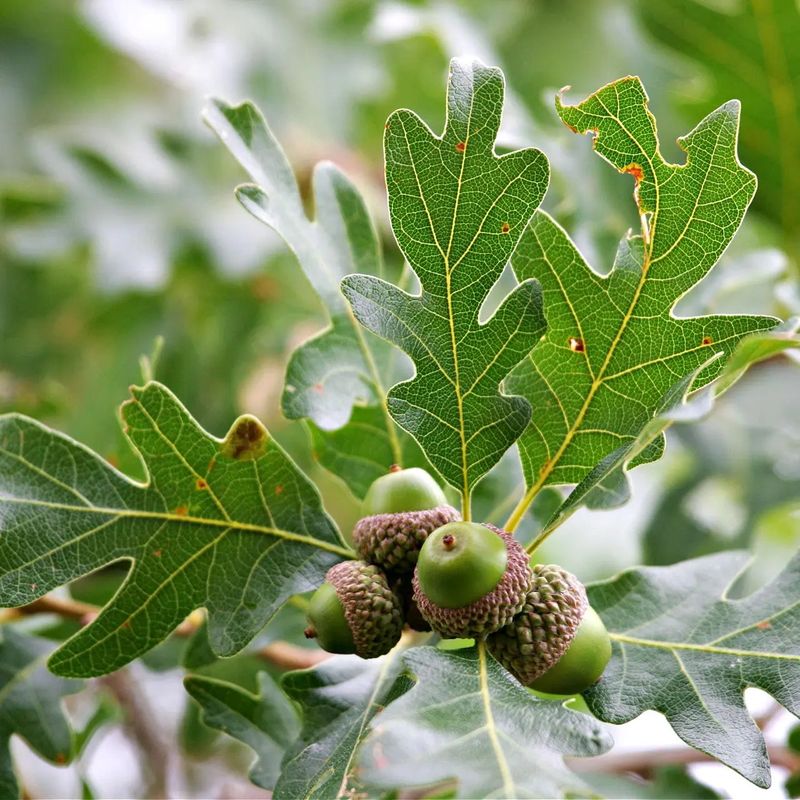
White Oak towers as a majestic presence in Michigan landscapes, growing sixty to eighty feet tall with a broad spreading crown. Quercus alba produces acorns that serve as vital food for jays, woodpeckers, and nuthatches.
These birds cache acorns in bark crevices and soil, inadvertently planting future oak forests.
The tree’s massive trunk and sturdy branches create habitat layers that support diverse bird communities. Canopy-dwelling warblers glean insects from leaves while woodpeckers excavate nesting cavities in older trunks.
These abandoned cavities later house secondary nesters like chickadees, titmice, and bluebirds.
White Oak takes decades to mature but rewards patience with centuries of ecological value. The deeply lobed leaves turn rich burgundy in autumn before falling to create leaf litter that harbors insects.
Ground-feeding birds like towhees and thrushes forage through this organic matter seeking invertebrates.
This native oak tolerates a range of soil conditions and withstands Michigan’s variable weather patterns. Its deep taproot anchors the tree against storms while accessing moisture during dry periods.
Planting a white oak represents an investment in future generations, as the tree will support wildlife long after the planter is gone.
5. Red Maple Offers Seeds And Nesting Opportunities
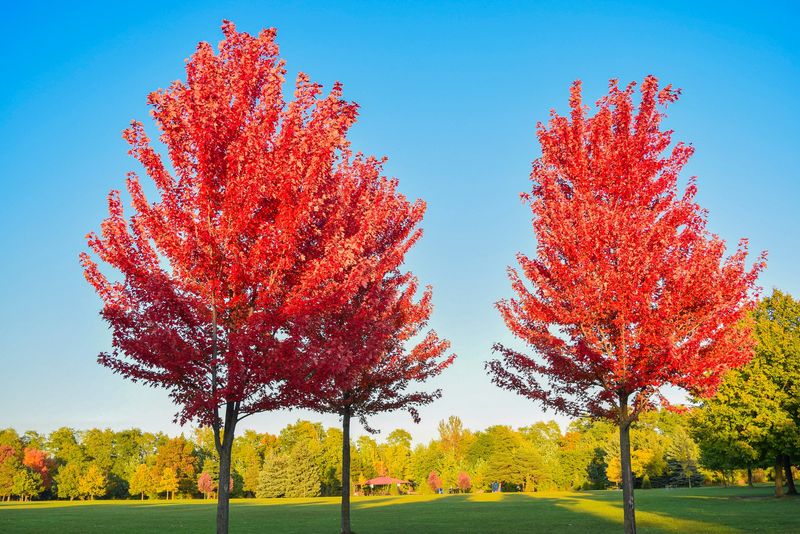
Red Maple displays brilliant scarlet foliage each autumn, creating one of Michigan’s most recognizable fall scenes. Acer rubrum produces paired winged seeds called samaras that spin like helicopters as they fall.
Birds including finches, grosbeaks, and siskins consume these seeds throughout spring and early summer.
This fast-growing native tree reaches forty to sixty feet tall with a rounded crown. The branching structure provides numerous forking sites perfect for bird nests.
Robins, cardinals, and mourning doves frequently build nests in red maples, taking advantage of the sturdy branch architecture.
Red Maple adapts to wet or dry soils, making it versatile across Michigan’s varied landscapes. The tree’s red flowers appear in early spring before leaves emerge, providing nectar for early pollinators.
This flowering attracts insects that become food for migrating warblers and vireos. The bark remains smooth on young trees, developing shallow furrows with age. Woodpeckers and nuthatches probe these crevices for insects and spiders.
Red Maple’s rapid growth means it begins providing bird habitat relatively quickly compared to slower-growing oaks. The tree’s adaptability and wildlife value make it a practical choice for homeowners wanting immediate results.
6. Black Cherry Feeds Birds With Summer Fruit
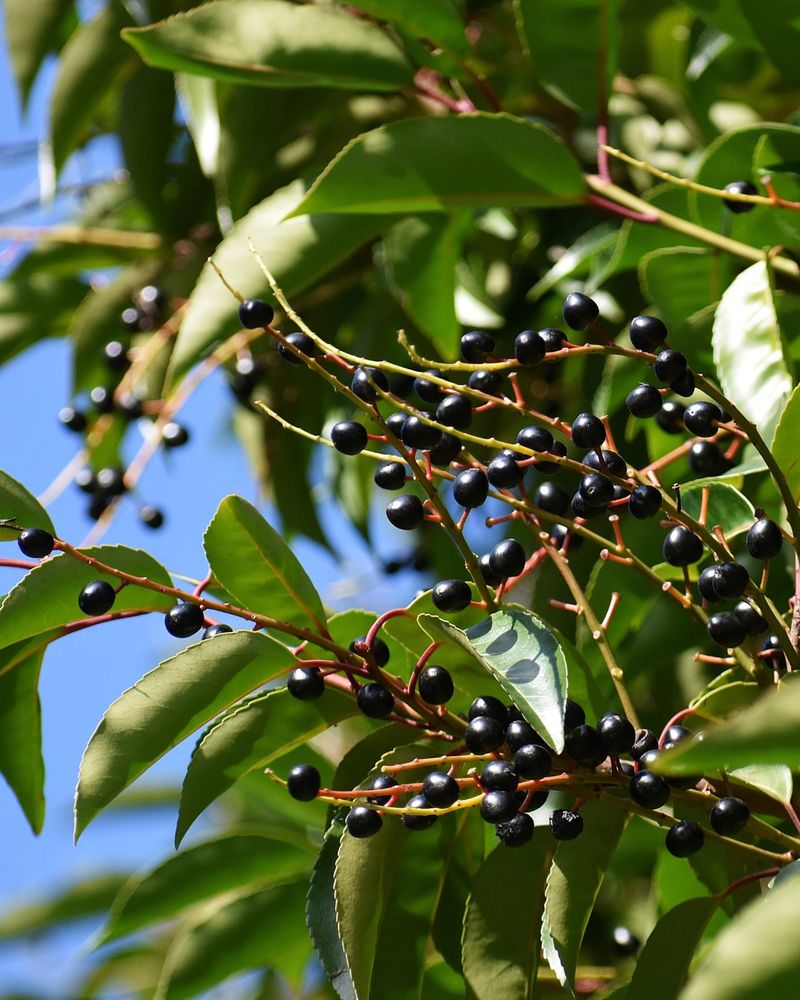
Black Cherry produces clusters of small dark fruits that ripen in midsummer, creating a feast for dozens of bird species. Prunus serotina attracts cedar waxwings, thrushes, tanagers, and orioles who strip branches bare within days of ripening.
The cherries provide essential calories and moisture during hot summer months. This native tree grows fifty to eighty feet tall with attractive reddish-brown bark that peels in horizontal strips. The glossy green leaves turn yellow in autumn before dropping.
White flower clusters bloom in spring, hanging like fragrant chandeliers that draw pollinators and insect-eating birds.
Black Cherry thrives in well-drained soils and tolerates partial shade, though it fruits most heavily in full sun. The tree grows quickly in youth, slowing as it matures.
Birds disperse the seeds through droppings, making black cherry a natural colonizer of forest edges and old fields.
The wood is valuable for furniture, but the tree’s wildlife benefits often outweigh its timber value in home landscapes. Caterpillars feed on cherry leaves, attracting warblers, vireos, and other insectivorous birds during spring migration.
This creates a double benefit where the tree supports birds both directly through fruit and indirectly through the insects it hosts.
7. American Holly Provides Winter Berries And Shelter
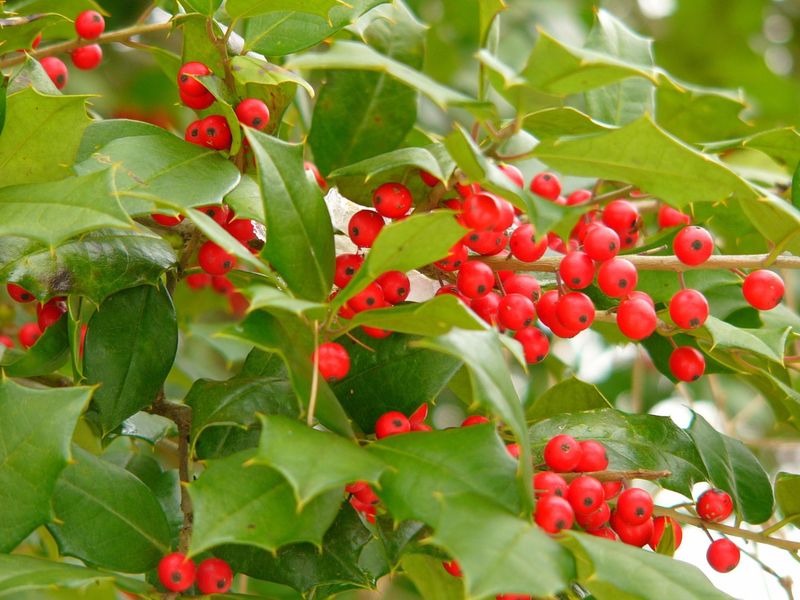
American Holly brings evergreen elegance to Michigan gardens with glossy spined leaves and bright red berries. Ilex opaca produces fruits that ripen in fall and persist through winter, becoming increasingly important as snow covers other food sources.
Robins, mockingbirds, and bluebirds rely on these berries during harsh weather. This broadleaf evergreen grows twenty to forty feet tall with a pyramidal shape. The dense foliage provides year-round shelter where birds roost during storms and frigid nights.
Holly’s thick branching also offers secure nesting sites for cardinals and other songbirds seeking privacy.
Only female holly trees produce berries, requiring a male pollinator nearby for fruit set. The white flowers bloom in spring but remain inconspicuous compared to the showy winter berries.
American Holly prefers acidic, well-drained soil and benefits from protection against harsh winter winds.
The tree grows slowly but lives for decades once established in suitable conditions. Its evergreen nature makes it valuable for winter landscapes that otherwise appear barren.
Birds often congregate in holly trees during snowstorms, taking advantage of both shelter and food in one location. The combination of protective cover and nutritious berries makes holly a complete winter survival package.
8. River Birch Supports Insects And Bird Activity
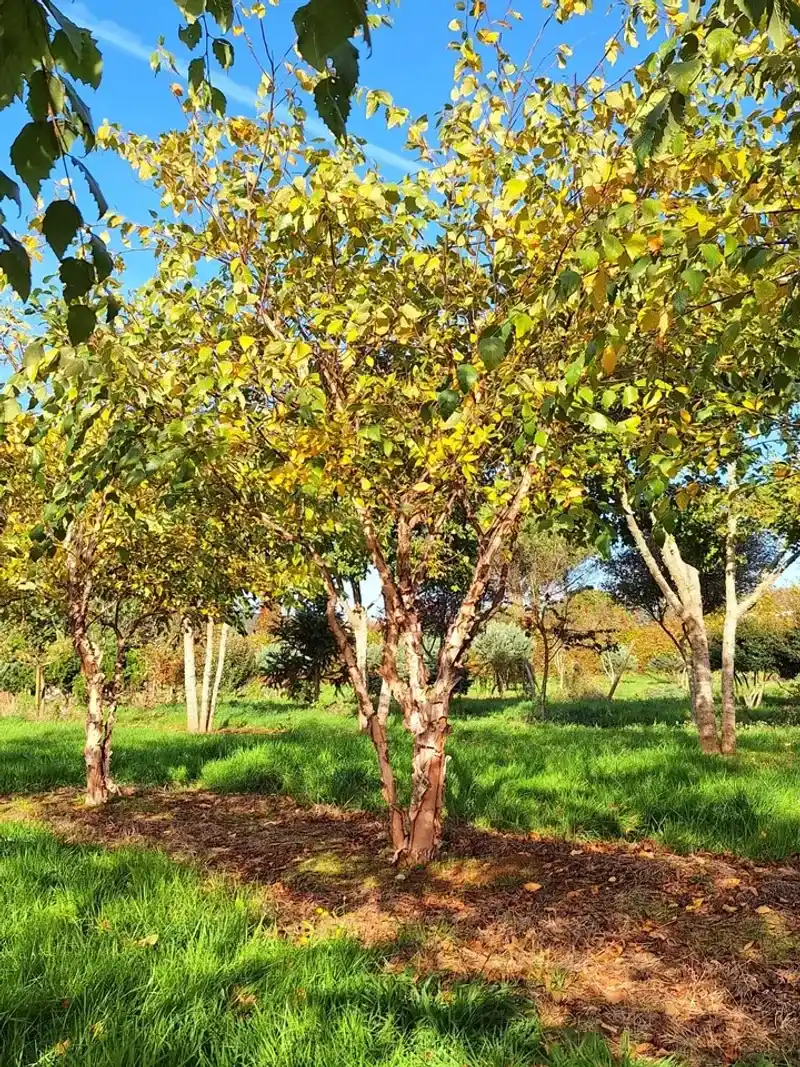
River Birch stands out with salmon-pink bark that peels in papery sheets, creating textural beauty year-round. Betula nigra supports abundant insect life that attracts warblers, vireos, and flycatchers during migration and breeding season.
The tree’s catkins produce small seeds eaten by finches, siskins, and redpolls in winter.
This fast-growing native reaches forty to seventy feet tall with an irregular spreading crown. The multi-stemmed growth habit creates multiple trunk surfaces where bark-gleaning birds search for insects and spiders.
Chickadees, nuthatches, and brown creepers spiral up these trunks, probing every crevice. River Birch tolerates wet soils better than most trees, making it ideal for low areas where drainage is poor.
The tree’s adaptability extends to heat and humidity, traits that help it thrive in Michigan’s variable climate. Yellow fall foliage adds seasonal color before leaves drop to reveal the striking bark.
Caterpillars feed on birch leaves, providing protein-rich food for parent birds feeding nestlings. This insect activity peaks during spring when breeding birds have the highest nutritional demands.
River Birch’s rapid growth and insect-supporting qualities make it valuable for establishing bird habitat quickly in new landscapes.
9. Hawthorn Trees Provide Berries And Protective Nesting Sites
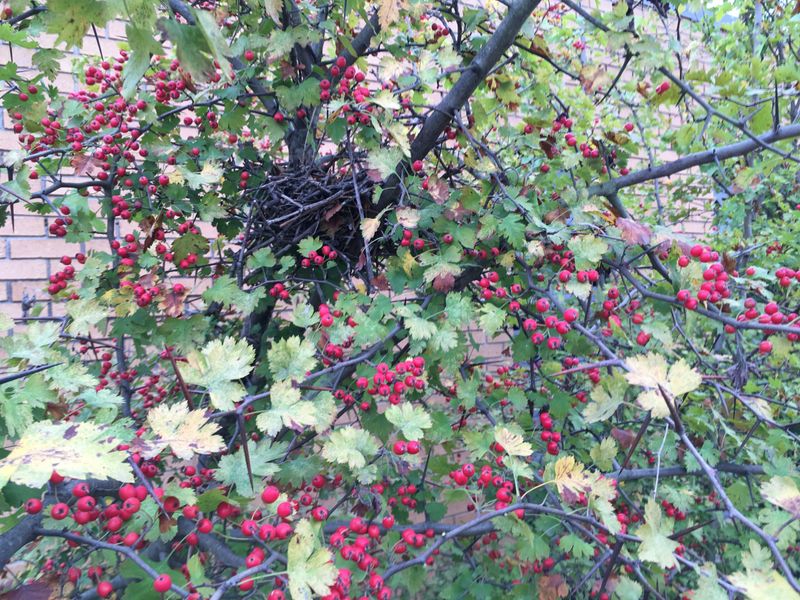
Hawthorn trees combine beauty with function, producing masses of white flowers in spring followed by red berry-like fruits. Crataegus species native to Michigan offer food for waxwings, thrushes, and grosbeaks who feast on the haws through fall and winter.
The fruits become sweeter after frost, increasing their appeal to hungry birds.
The tree’s thorny branches create fortress-like nesting sites that deter predators like cats and raccoons. Songbirds including cardinals, mockingbirds, and robins build nests deep within the protective thorns.
This natural security system increases nesting success by keeping eggs and chicks safe from threats.
Hawthorns grow fifteen to thirty feet tall with dense branching that forms an impenetrable thicket. The zigzag twigs and sharp thorns create structure that persists through winter. Spring flowers attract pollinators while providing nectar for early-season migrants.
These hardy trees tolerate various soil types and withstand harsh weather conditions typical of Michigan. The lobed leaves turn orange and red in autumn, adding seasonal interest.
Hawthorn’s combination of food, shelter, and nesting protection makes it one of the most valuable bird trees despite its modest size. The thorns that might seem problematic actually become the tree’s greatest asset for wildlife.
10. Dogwood Trees Provide Fruit And Seasonal Habitat Value
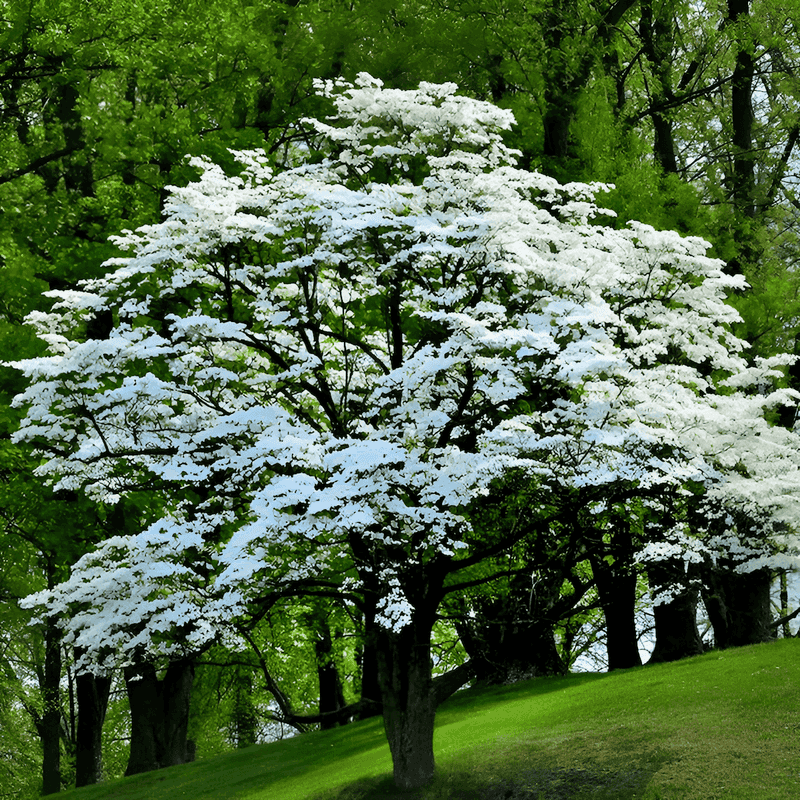
Dogwood species native to Michigan produce showy flowers in spring that transition into bright red berries by late summer. These lipid-rich fruits provide concentrated energy for migrating birds preparing for long journeys south.
Thrushes, vireos, and tanagers strip dogwood branches clean during peak migration periods.
Flowering Dogwood and other native species grow fifteen to thirty feet tall with horizontal branching patterns. The layered structure creates distinct habitat zones from ground to canopy.
Birds nest in the branches while the understory shade supports plants that attract insects. Dogwood’s four-petaled flowers actually consist of modified leaves called bracts surrounding tiny true flowers.
This floral display attracts pollinators that in turn draw insect-eating birds. The tree performs best in partial shade with moist, well-drained acidic soil.
Fall foliage transforms into deep burgundy, extending the tree’s ornamental season beyond spring blooms. The berries ripen just as southbound migrants need fuel most desperately.
Dogwood’s modest size makes it suitable for smaller yards where larger trees would overwhelm the space.
The combination of spring flowers, summer shade, fall color, and nutritious fruit creates year-round garden interest while supporting birds through multiple seasons.
11. Eastern White Pine Provides Shelter In All Seasons
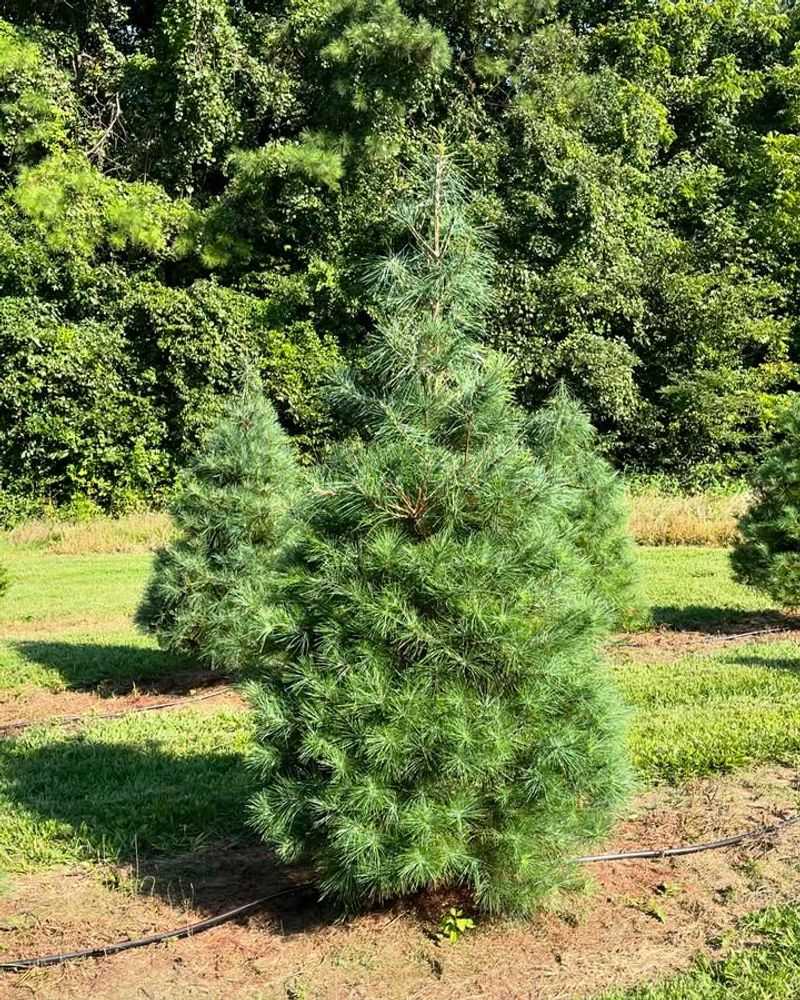
Eastern White Pine towers over Michigan forests, reaching heights of fifty to eighty feet with soft, flexible needles. Pinus strobus creates dense evergreen cover that shelters birds from wind, rain, and snow throughout the year.
The tree’s horizontal branching provides roosting spots where birds huddle together during frigid winter nights.
Pine seeds develop in elongated cones that open to release winged seeds eaten by crossbills, siskins, and nuthatches. These specialized birds extract seeds with uniquely adapted beaks.
Chickadees and woodpeckers also visit pines, gleaning insects from bark and needles. The tree grows rapidly in youth, adding two feet or more annually under good conditions. Long needles grow in bundles of five, distinguishing white pine from other pine species.
The soft needles create a gentle rustling sound in breezes, adding auditory interest to gardens.
White Pine tolerates various soil types but prefers well-drained sites with adequate moisture. The tree’s straight trunk and whorled branches create a classic evergreen silhouette.
Birds nest among the dense needle clusters, finding protection from weather and predators. The year-round greenery provides visual structure while offering constant shelter that deciduous trees cannot match during leafless months.
12. Mulberry Trees Produce Fruit That Attracts Many Birds
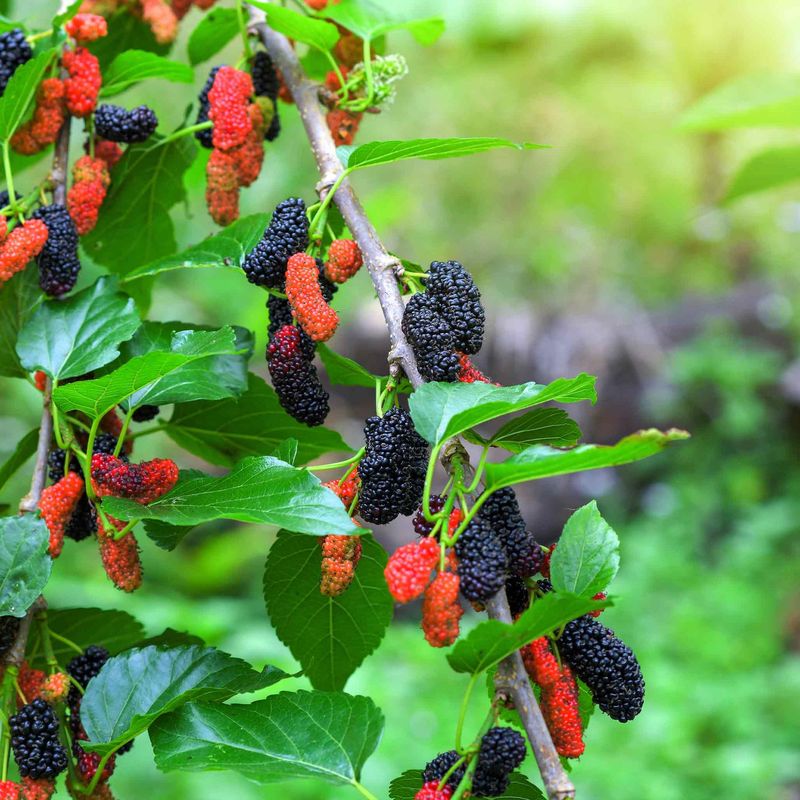
Mulberry trees create feeding frenzies when their berries ripen in early summer. Morus species produce abundant fruits that transition from white to red to deep purple as they mature.
Birds including orioles, tanagers, catbirds, and waxwings gather in noisy flocks to feast on the sweet berries.
These fast-growing trees reach thirty to fifty feet tall with broad spreading crowns. The large heart-shaped leaves provide dense shade beneath the canopy.
Mulberries tolerate poor soil, drought, and urban pollution, making them remarkably adaptable to various landscape conditions.
The fruits ripen over several weeks, providing an extended feeding period rather than a brief harvest. This prolonged fruiting benefits birds by offering consistent food during the breeding season when adults feed hungry nestlings.
The berries are high in sugars and provide quick energy. Both native and introduced mulberry species grow in Michigan, though native red mulberry is less common than the introduced white mulberry.
The trees produce separate male and female flowers, with only female trees bearing fruit.
Mulberry’s generous fruit production and tolerance of challenging sites make it valuable despite the mess fallen berries create. Birds benefit tremendously from this abundant food source during a critical time of year.
13. Aspen Trees Support Birds And Native Wildlife
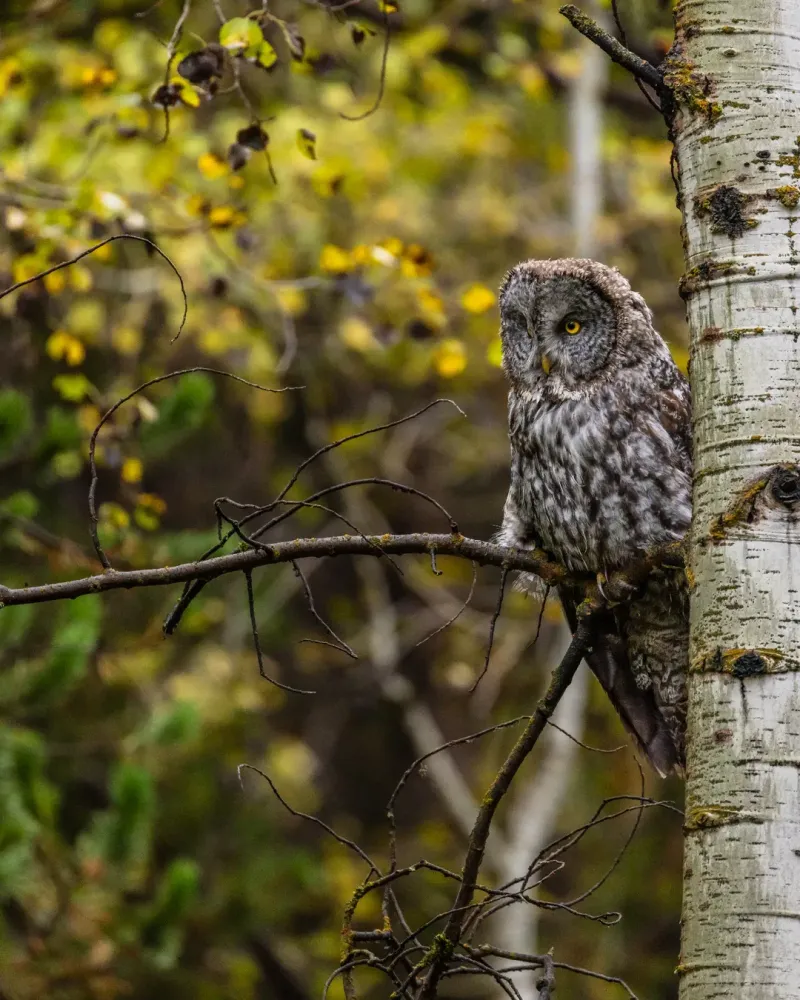
Aspen trees create distinctive groves with white bark and leaves that tremble in the slightest breeze. Populus tremuloides is native throughout Michigan and supports diverse bird communities through multiple pathways.
The trees host numerous caterpillar species that become essential food for warblers, vireos, and other insectivorous birds during spring migration.
These fast-growing trees reach forty to fifty feet tall with a narrow columnar shape. Woodpeckers excavate nesting cavities in older aspen trunks, creating homes later used by secondary cavity nesters.
The soft wood makes excavation easier than harder species like oak or maple.
Aspen spreads through root suckers, forming clonal colonies that share a common root system. This growth habit creates dense groves that provide extensive bird habitat.
The trees prefer moist, well-drained soils and full sun conditions typical of disturbed sites.
Fall foliage turns brilliant golden yellow, creating spectacular displays across Michigan’s northern regions. The smooth white bark with black markings adds winter interest to landscapes.
Ruffed grouse feed on aspen buds during winter, while numerous songbirds glean insects from bark and foliage during warmer months. The tree’s rapid growth and wildlife value make it important for establishing habitat in regenerating forests.
14. Spruce Trees Provide Dense Cover And Nesting Protection

Spruce trees offer some of the densest evergreen cover available in Michigan landscapes. Native spruce species create impenetrable windbreaks where birds shelter during harsh weather.
The stiff needles and tight branching form protective barriers that reduce wind chill and block snow accumulation beneath the canopy.
These conical evergreens grow thirty to sixty feet tall depending on species. The horizontal branches layer from ground to crown, creating multiple habitat zones.
Birds roost on protected inner branches while foraging for seeds in the cones that dangle from branch tips.
Crossbills, siskins, and other finches specialize in extracting seeds from spruce cones. Chickadees and kinglets glean insects from needle clusters and bark.
The dense foliage also provides secure nesting sites for species seeking maximum concealment from predators.
Spruce prefers cool, moist conditions and performs best in northern Michigan or on protected sites farther south. The evergreen needles provide year-round color and structure in winter landscapes.
Young trees grow slowly but accelerate once established. The combination of dense shelter, seed production, and nesting habitat makes spruce valuable despite its slower growth rate.
Birds recognize these trees as safe havens during storms when survival depends on finding adequate protection.