7 Costly Ohio Lawn Mistakes To Avoid This February
Ohio homeowners, your lawn faces danger long before spring arrives. One careless February habit can destroy months of effort and waste serious money.
Harsh freezes, road salt, and sudden thaws attack roots beneath the surface across Ohio yards. Old routines fail under winter pressure, and poor timing leads to thin turf, weeds, and disease.
Early fertilizer burns grass, constant foot traffic compacts soil, and wrong mower height weakens recovery. Many lawns suffer silent damage now, then show ugly patches once warm weather returns.
Smart homeowners take control today and guard every inch of turf. This guide exposes seven costly lawn mistakes Ohio residents make in February and explains clear actions that prevent loss.
Strong preparation today builds dense color, deep roots, and tough grass ready for spring growth. Protect your investment, avoid frustration, and aim for the healthiest lawn in your neighborhood this year.
1. Stay Off Frozen Grass
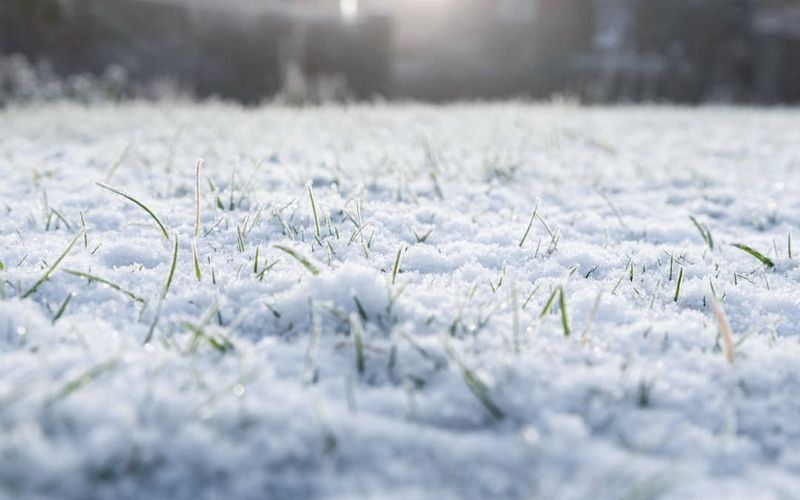
Walking across your lawn when frost coats the grass might seem harmless, but you’re actually crushing brittle blades and damaging the plant crowns beneath. Frozen grass lacks the flexibility it has during warmer months, so repeated foot traffic can snap blade tissue and stress the crown area that will produce new growth come spring.
Ohio’s constant freeze-thaw cycles in February make this problem worse. When soil freezes, it becomes hard and compacted, and foot traffic packs it down even tighter.
Compacted soil restricts oxygen flow to grass roots and makes it harder for water to penetrate when the ground finally thaws.
Those brown pathways you see in early spring often trace back to winter foot traffic on frozen turf. The damage shows up as thinned areas, bare spots, and slow green-up compared to untouched sections of your yard.
Keep kids, pets, and yourself off the lawn during frosty mornings and when snow cover melts to reveal icy grass underneath. Create clear walkways using mulch or stepping stones to redirect traffic away from turf areas.
If you must cross the lawn, wait until afternoon when temperatures rise above freezing and grass regains some flexibility.
2. Skip Early Fertilizing
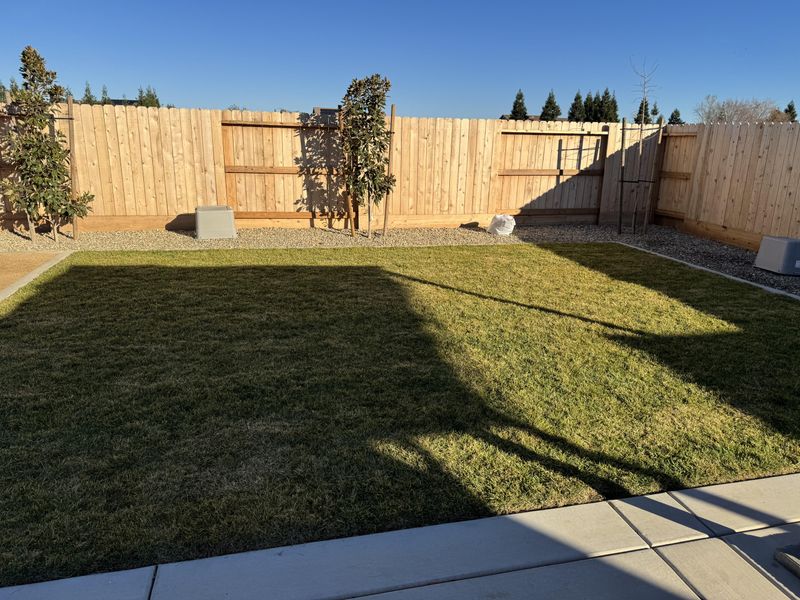
Spreading fertilizer across dormant grass in February wastes your money and potentially harms your lawn’s long-term health. Cool-season grasses common throughout Ohio, like Kentucky bluegrass, perennial ryegrass, and tall fescue, remain metabolically inactive when soil temperatures stay below 50 degrees Fahrenheit.
They simply cannot absorb or use nutrients during this dormant period.
Any nitrogen you apply now will either wash away with snowmelt and rain, potentially contaminating waterways, or sit in the soil where it becomes unavailable before your grass actually needs it. Worse yet, early fertilization can stimulate weak, spindly growth if a temporary warm spell occurs, leaving your turf vulnerable to damage when cold returns.
Research-based turf management programs recommend timing fertilizer applications to match grass growth patterns and soil temperatures. Many Ohio turf programs recommend delaying the first significant nitrogen application until mid to late spring when soil temperatures stabilize and grass is actively growing.
Save your fertilizer for proper seasonal timing. Instead, use February to plan your lawn care calendar, test your soil pH and nutrient levels, and order supplies so you’re ready when the right application window arrives in spring.
Your Ohio Garden Changes Every Week. Your Plan Should Too.
Gardening in Ohio changes quickly throughout the season. Every Friday you’ll receive a simple weekly plan showing exactly what to plant, prune, fertilize, harvest, and protect so you never miss the right timing.
3. Watch For Snow Mold
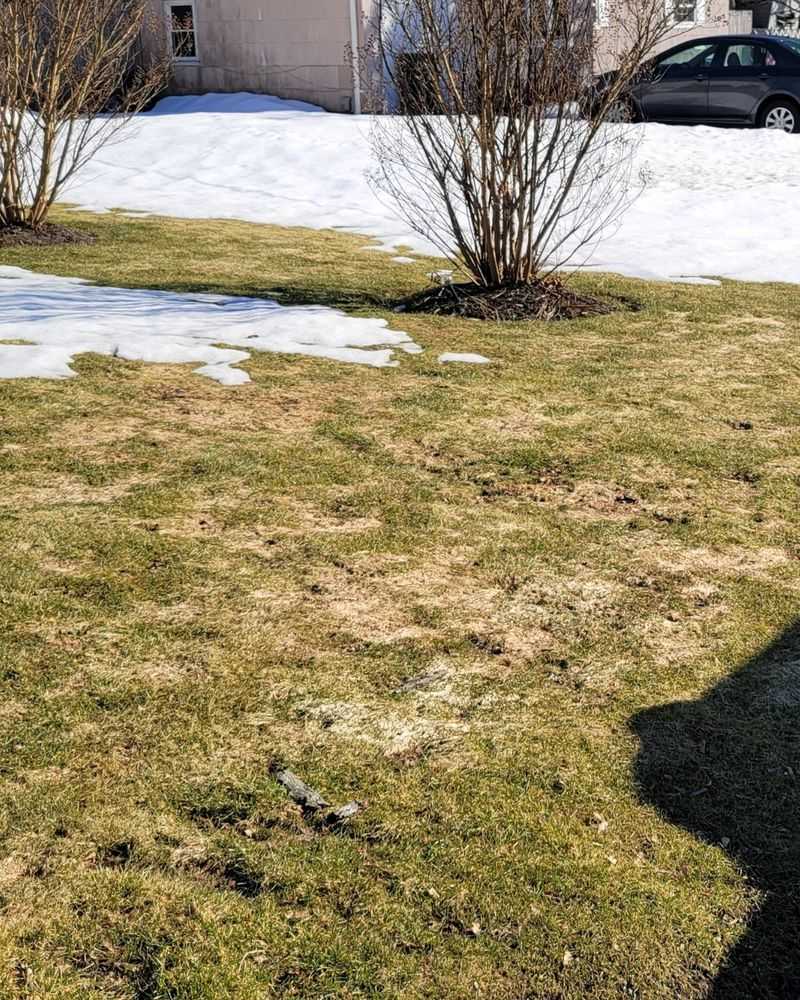
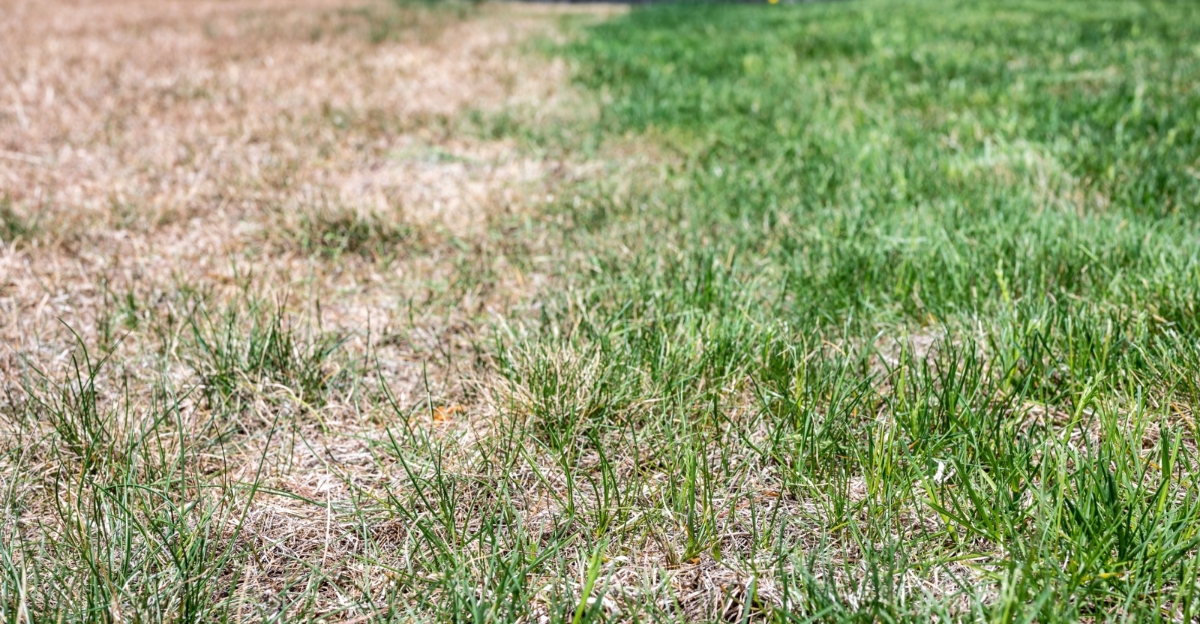
Snow mold appears as circular patches of matted, discolored grass after snow cover melts away, often surprising Ohio homeowners who expected healthy turf underneath. This fungal disease develops under snow when grass remains covered for extended periods, creating the cool, moist conditions these fungi love.
Two types commonly affect Ohio lawns: gray snow mold and the more aggressive pink snow mold.
The good news is that snow mold typically damages grass blades rather than roots or crowns. Affected areas look terrible, with gray, pink, or tan matted grass that might have visible fungal webbing, but most lightly affected lawns recover naturally once temperatures warm and normal growth resumes.
Resist the urge to treat snow mold with fungicides after you spot it, since the damage already occurred and the fungi become inactive as conditions dry out. Instead, gently rake affected areas once the ground thaws to break up matted grass and improve air circulation.
This simple step helps remaining healthy grass fill in the damaged spots.
Prevention works better than treatment for future seasons. Avoid excessive late-fall nitrogen that produces overly lush growth, which can increase snow mold risk in some conditions.
Keep your lawn mowed at proper height through late autumn, and reduce heavy snow piles that take longer to melt.
4. Limit Salt Damage
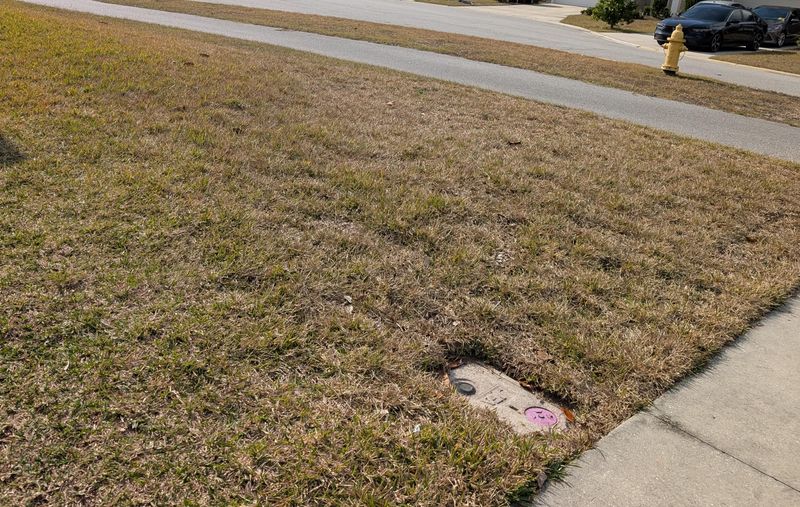
Road salt and sidewalk de-icers create toxic conditions for grass growing along driveways, walkways, and street edges throughout Ohio’s winter months. Sodium chloride, the most common de-icing salt, pulls moisture from grass blades and roots while also degrading soil structure.
The result shows up as brown, withered turf along these high-traffic edges come spring.
Salt damage happens gradually as snowplows push salt-laden snow onto lawn edges and as runoff carries dissolved salt into the soil. Once sodium accumulates in soil, it displaces essential nutrients like calcium and magnesium, making it harder for grass to access what it needs even after winter ends.
Physical barriers offer your best defense against salt exposure. Install low snow fencing or burlap screens along vulnerable lawn edges to catch salt spray before it reaches your turf.
When shoveling or snow-blowing, direct salt-contaminated snow away from grass areas onto driveways or other hardscapes.
Consider switching to calcium chloride or magnesium chloride de-icers for your own property, as these cause less turf damage than sodium-based products. Sand provides traction without chemical damage, though it requires spring cleanup.
For areas already affected, plan to flush the soil with deep watering once the ground thaws to leach accumulated salts below the root zone.
5. Avoid Scalping The Lawn
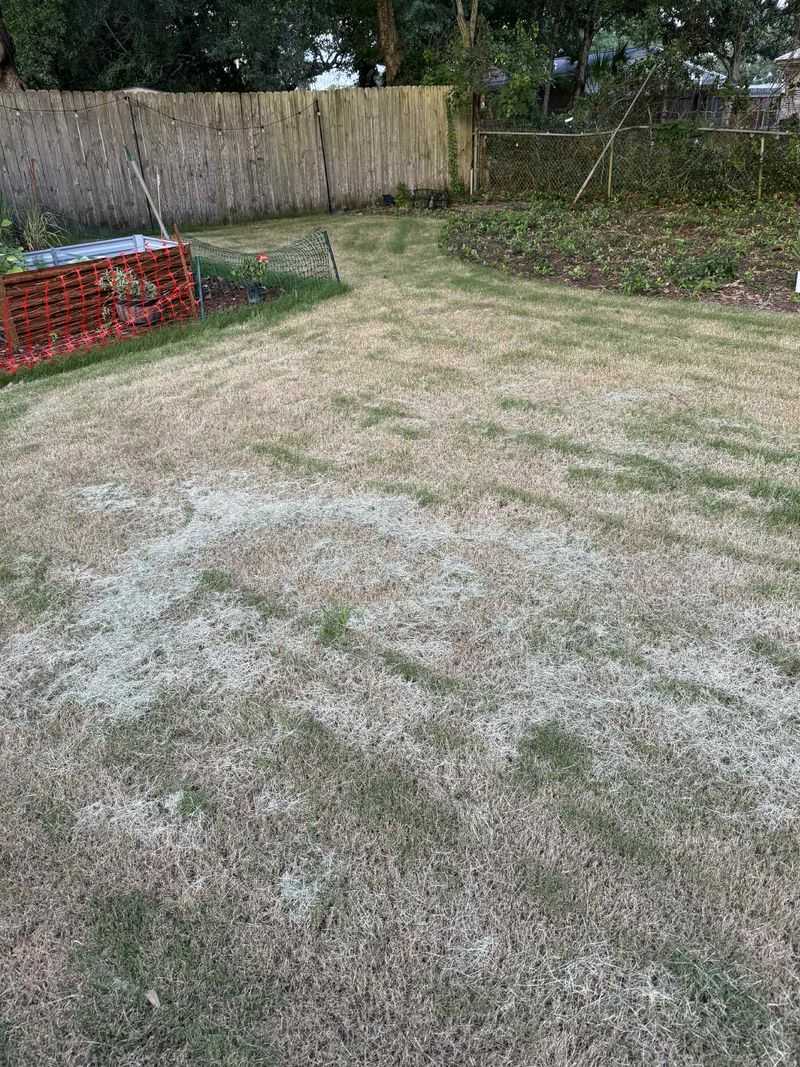
Those random 60-degree days that pop up in Ohio’s late winter tempt many homeowners to break out the mower and give their lawn an early haircut. Cutting grass too short during these warm spells, a practice called scalping, removes too much blade surface and stresses plants that haven’t fully broken dormancy yet.
Cool-season grasses store energy reserves in their blade tissue and crowns during winter, and aggressive mowing depletes these reserves before active growth begins.
Scalped grass enters spring already weakened, with shallow root systems and reduced ability to compete against weeds. Those low-cut areas also expose soil to temperature swings and provide perfect germination conditions for crabgrass and other annual weeds that thrive in disturbed, thin turf.
Proper mowing height for Ohio’s common cool-season grasses ranges from 2.5 to 3.5 inches throughout the growing season, including that first spring mowing. Taller grass shades soil, keeps roots cooler, and outcompetes many weed species by blocking sunlight from reaching weed seeds.
Keep your mower blades sharp and deck height set correctly before that first cut. Wait until grass actively grows and reaches about 4 inches before mowing, then remove only the top third of the blade height.
This patient approach gives your turf the best start possible for the growing season ahead.
6. Prepare For Spring Weed Control
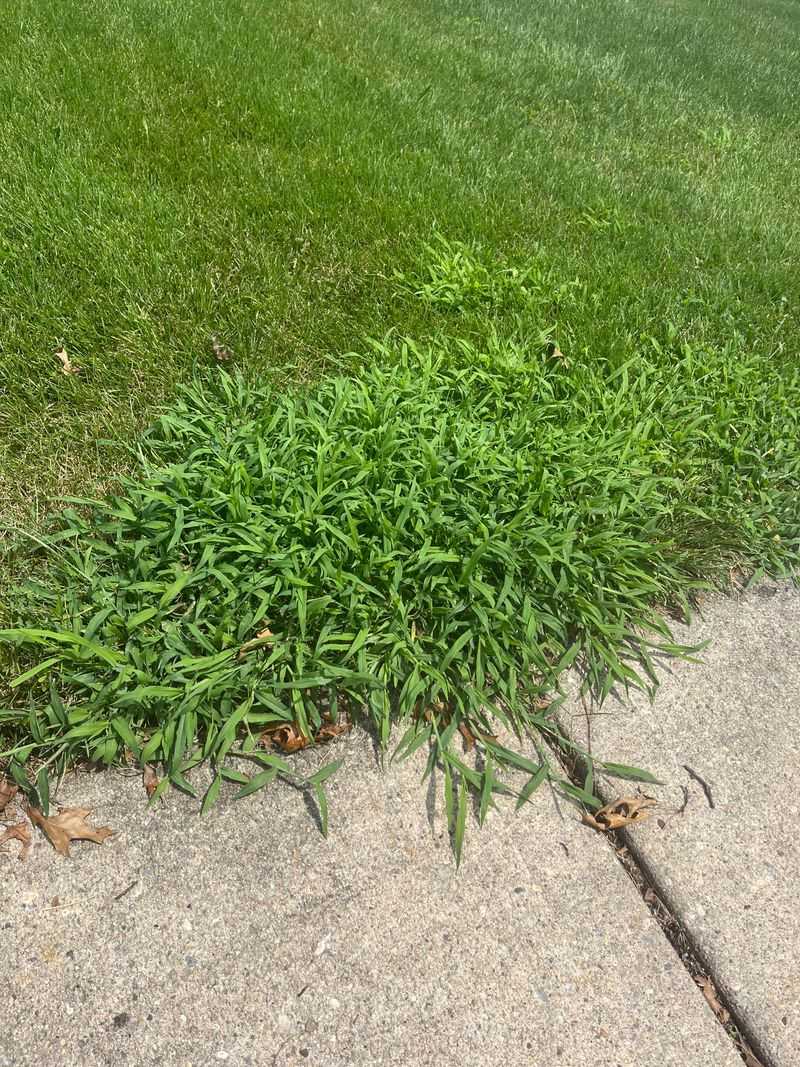
February represents the planning stage for preventing crabgrass and other annual weeds that will attempt to invade your Ohio lawn once soil warms. Many homeowners make the costly mistake of applying pre-emergent herbicides too early, before soil temperatures reach the critical threshold, or waiting too long and missing the prevention window entirely.
Pre-emergent products work by creating a chemical barrier in the soil that stops weed seeds from germinating, but timing this application correctly makes all the difference.
Crabgrass seeds germinate when soil temperatures at a two-inch depth consistently reach 55 to 60 degrees Fahrenheit for several consecutive days. In most Ohio regions, this happens sometime between mid-April and early May, though southern areas warm earlier than northern counties.
Applying pre-emergent in February wastes product since most formulations break down before weed seeds actually try to germinate. In Ohio, pre-emergent timing often coincides with forsythia bloom, a traditional indicator used by turf specialists.
Use February to inspect your lawn for thin or bare areas where weeds will likely appear first. Order your pre-emergent products now so you have them ready when soil temperatures approach the right range.
Consider purchasing an inexpensive soil thermometer to monitor ground temperature rather than guessing based on air temperature or calendar dates.
Mark your calendar for early April to begin checking soil temperatures daily, and plan to apply pre-emergent when readings consistently stay in the low-to-mid 50s for three days running.
7. Fix Drainage Problems Early
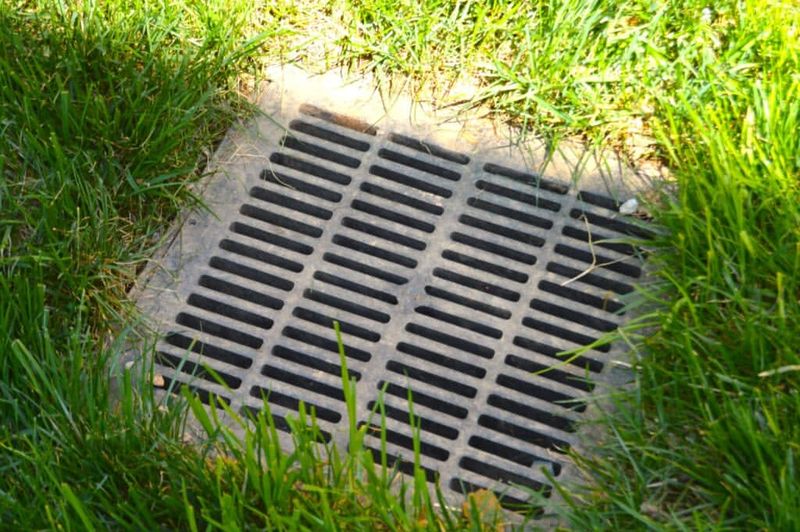
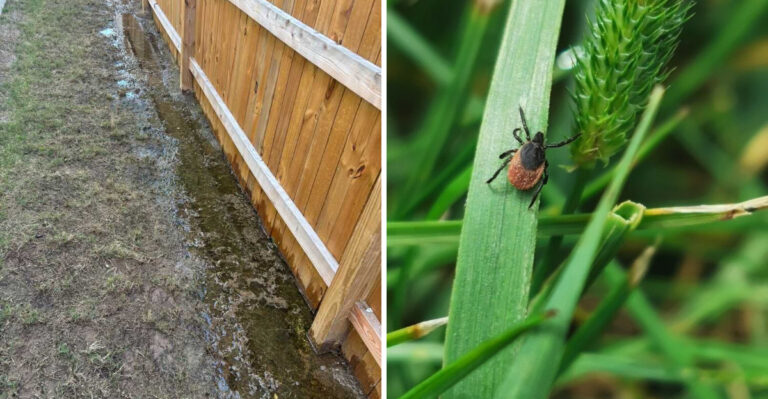
Melting snow combined with frozen ground creates the perfect conditions for drainage problems to reveal themselves across Ohio properties each February. Water cannot penetrate frozen soil, so snowmelt and winter rain have nowhere to go except across the surface, pooling in low spots and creating soggy, waterlogged conditions that suffocate grass roots.
These temporary ponds might seem like minor inconveniences now, but they signal serious problems that will worsen during spring rains.
Grass roots need oxygen to survive, and saturated soil drives oxygen out of the spaces between soil particles. Even a few days underwater can damage or eliminate grass in affected areas, leaving bare spots that become weed nurseries when warmer weather arrives.
Chronic drainage issues also encourage moss growth, disease development, and soil compaction that compounds the problem year after year.
Walk your property during snowmelt or after winter rain to identify where water collects and how it flows across your landscape. Take photos and notes about problem areas while they’re obvious, since these spots might not be visible during drier months.
Common solutions include installing French drains, regrading low spots, extending downspouts away from the house, or creating rain gardens in areas that naturally collect water.
February’s frozen ground prevents you from implementing fixes immediately, but identifying problems now lets you plan solutions and hire contractors before the spring rush begins.