10 Slow-Growing Plants That Stay Neat In Easy Care Ohio Yards
Tired of plants that explode with growth, swallow walkways, and demand constant trimming? Ohio yards deserve calm, structure, and simplicity.
The best slow growing plants hold tidy shapes, stay compact, and keep landscapes polished with very little effort. Instead of battling runaway shrubs or messy perennials, choose steady growers that respect space and remain predictable through every season.
Ohio weather brings freezing winters, humid summers, and shifting soil, so dependable plants with controlled growth make all the difference. A well planned yard can look clean, balanced, and attractive without endless pruning or heavy maintenance.
Less cutting, less stress, and more time to enjoy your outdoor space. Create a landscape that stays neat, feels peaceful, and delivers lasting beauty year after year without constant work or frustration.
1. Keep Inkberry Holly Neat And Compact
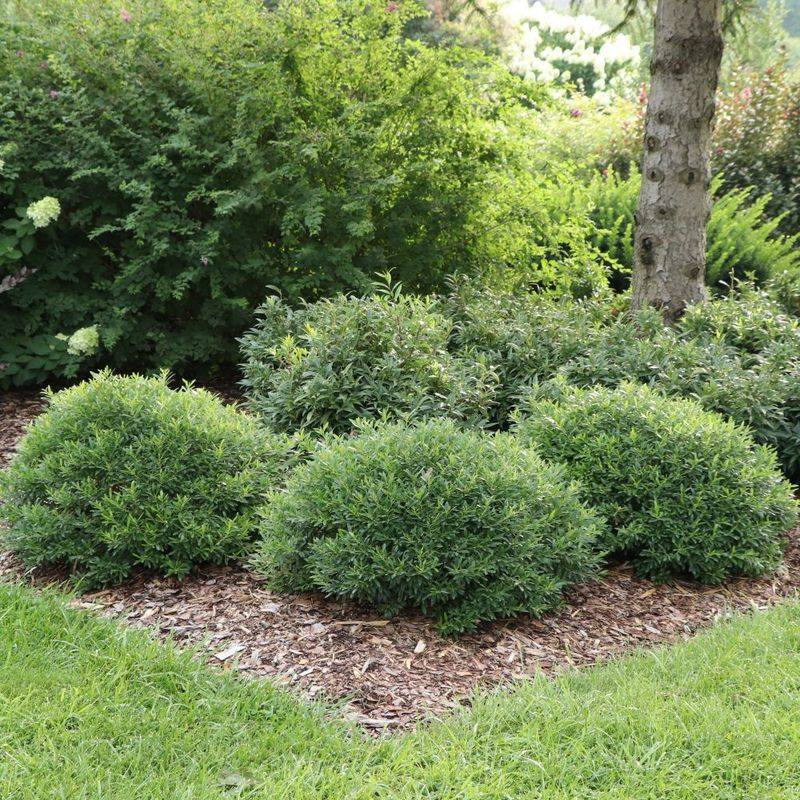
Inkberry holly (Ilex glabra) brings year-round structure to Ohio landscapes without demanding constant attention from homeowners. This native evergreen shrub naturally forms a rounded, dense shape that rarely needs pruning to look polished and intentional.
The dark green foliage stays attractive through all four seasons, providing visual interest even during harsh Ohio winters when many other plants look bare and uninviting.
Unlike faster-growing hollies that can quickly overtake garden beds, inkberry maintains a predictable size that fits neatly into foundation plantings or mixed borders.
Growth rates typically range from just 6 to 12 inches per year, meaning you can plant it with confidence knowing it won’t outgrow its space anytime soon. In full sun, inkberry typically maintains a dense form, though occasional light pruning may help prevent thinning at the base over time.
Inkberry holly tolerates a wide range of soil conditions found throughout Ohio, from slightly acidic to neutral pH levels. It handles both full sun and partial shade, making it adaptable to different spots around your property.
The shrub also shows good resistance to common pests and diseases that plague other landscape plants.
For homeowners seeking a truly low-maintenance option, inkberry delivers reliable performance without frequent interventions or specialized care routines.
2. Add Structure With Dwarf Alberta Spruce
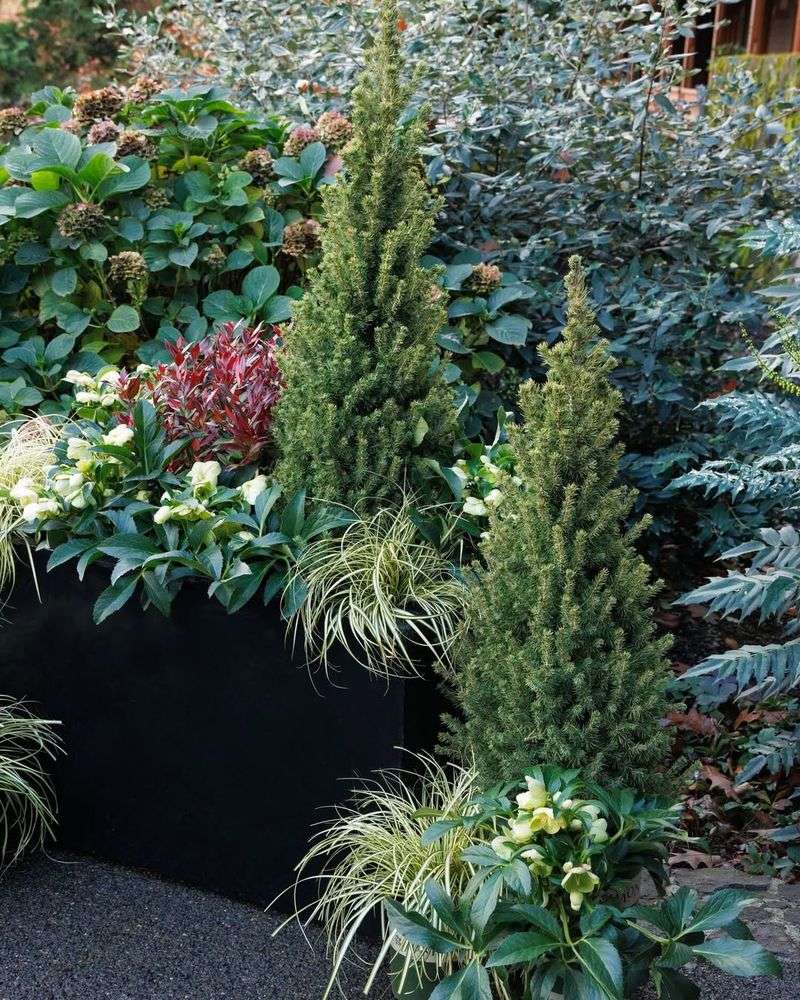
Few evergreens match the architectural precision of dwarf Alberta spruce (Picea glauca ‘Conica’) when it comes to maintaining a perfect pyramidal shape without human intervention. This miniature conifer grows at a remarkably slow pace, adding only 2 to 4 inches of height annually under typical Ohio conditions.
The dense, bright green needles create a soft texture that contrasts beautifully with broader-leafed plants in mixed landscape designs. Because of its naturally tight growth habit, this spruce rarely requires shaping or trimming to look intentionally placed and well-maintained.
Homeowners appreciate how dwarf Alberta spruce provides year-round visual interest, looking just as attractive blanketed in snow as it does during spring and summer months. The conical form works exceptionally well flanking entryways, anchoring corner plantings, or serving as a focal point in small garden beds where space is limited.
This evergreen adapts well to Ohio’s climate zones, handling cold winters without damage to its foliage or structure. It prefers full sun to partial shade and benefits from well-drained soil, though it tolerates a range of soil types found in residential yards.
Your Ohio Garden Changes Every Week. Your Plan Should Too.
Gardening in Ohio changes quickly throughout the season. Every Friday you’ll receive a simple weekly plan showing exactly what to plant, prune, fertilize, harvest, and protect so you never miss the right timing.
The compact size makes it ideal for smaller properties where traditional spruces would quickly overwhelm the space and require removal.
3. Add Color With Coral Bells Plants
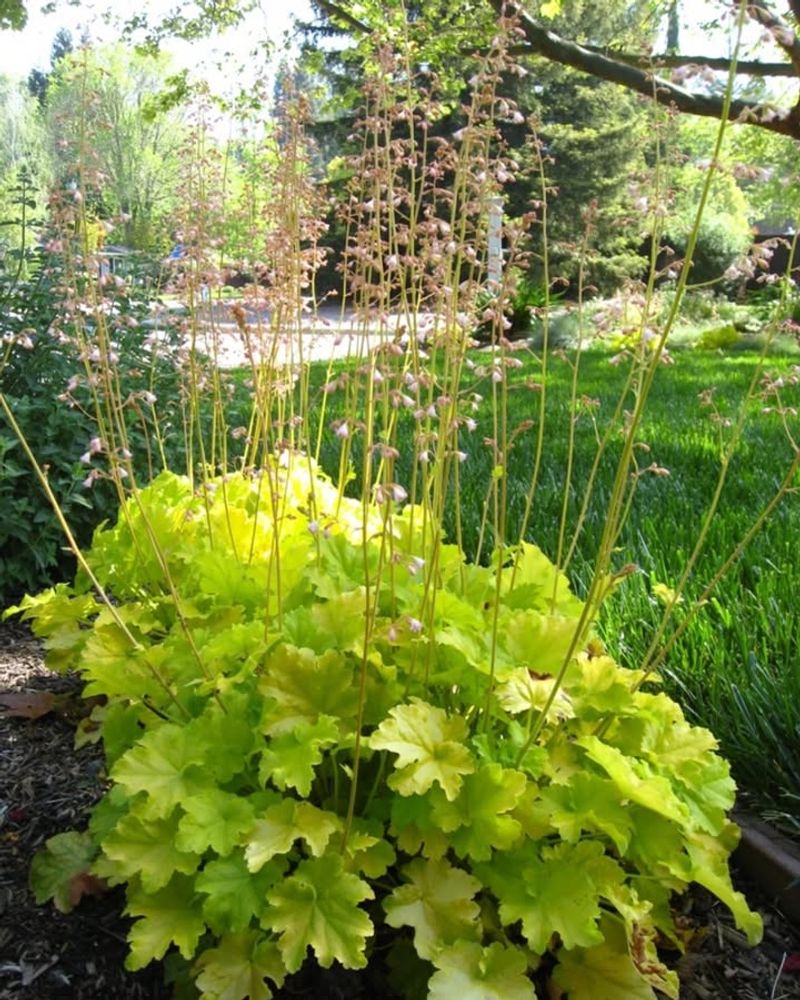
Coral bells (Heuchera) transform shaded areas of Ohio yards with stunning foliage colors that range from deep burgundy to lime green, chartreuse, and even near-black shades. Unlike many perennials that spread aggressively, coral bells maintain a tidy clumping habit that stays exactly where you plant it.
The foliage provides season-long interest, eliminating the need to depend solely on flowers for visual appeal in your landscape design. Most varieties grow slowly, forming neat mounds that typically reach 8 to 12 inches tall and spread just 12 to 18 inches wide over several years.
Ohio gardeners particularly value how coral bells perform beautifully in partial to full shade, filling those challenging spots under trees or along north-facing walls where many other colorful plants struggle. The leaves hold their vibrant hues from spring through fall, and many cultivars show increased color intensity during cooler weather.
Delicate flower spikes emerge in late spring or early summer, adding a vertical element above the foliage mounds, though the real star remains the colorful leaves. Coral bells require minimal maintenance beyond occasional removal of old flower stems and damaged leaves.
They tolerate a variety of soil conditions and show good resistance to deer browsing, a significant advantage for many Ohio homeowners dealing with wildlife pressure in residential areas.
4. Use Little Bluestem For Upright Texture
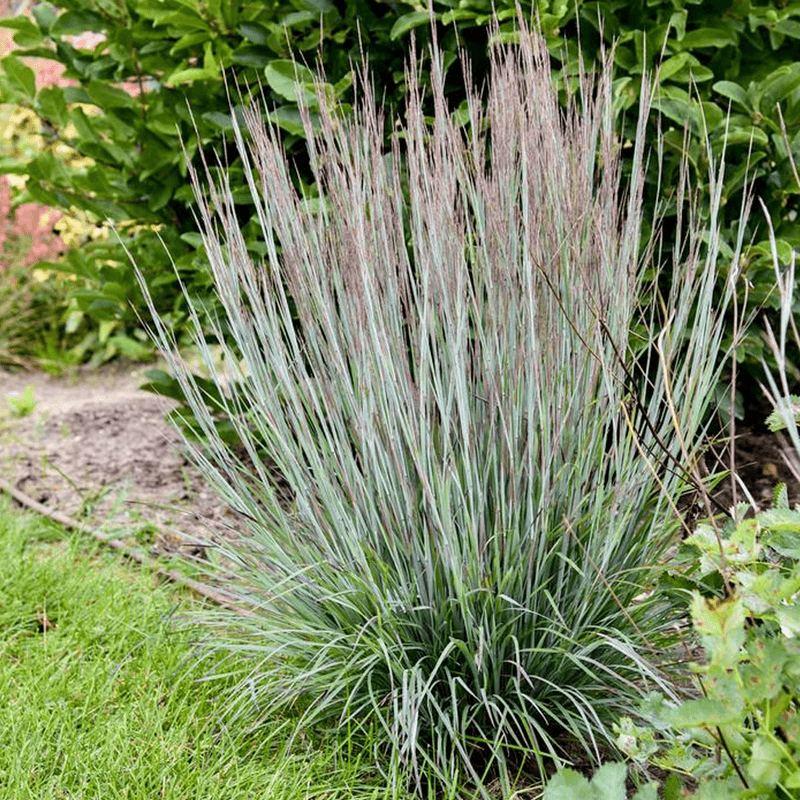
Little bluestem (Schizachyrium scoparium) stands as one of Ohio’s finest native grasses, offering upright texture and seasonal color changes without the aggressive spreading behavior that makes many ornamental grasses problematic. This warm-season grass grows in tight, well-behaved clumps that expand slowly and predictably over time.
The blue-green foliage during summer gradually transforms into stunning shades of bronze, copper, and burgundy as autumn arrives, providing exceptional fall and winter interest in Ohio landscapes. Unlike some ornamental grasses that flop over or require staking, little bluestem maintains an upright stance throughout the growing season.
Clumps typically reach 2 to 3 feet tall and wide at maturity, though growth remains slow enough that the grass won’t quickly overtake neighboring plants. The fine-textured foliage creates an airy, naturalistic appearance that contrasts beautifully with broader-leafed perennials and shrubs.
As a native species, little bluestem supports local wildlife, providing seeds for birds and habitat for beneficial insects while requiring virtually no maintenance from homeowners. It thrives in full sun and tolerates poor, dry soils that challenge many other garden plants, making it perfect for low-maintenance Ohio yards.
The grass remains attractive through winter months, with dried seed heads catching snow and adding architectural interest to dormant landscapes until spring cleanup.
5. Grow Autumn Joy Sedum That Stays Tidy
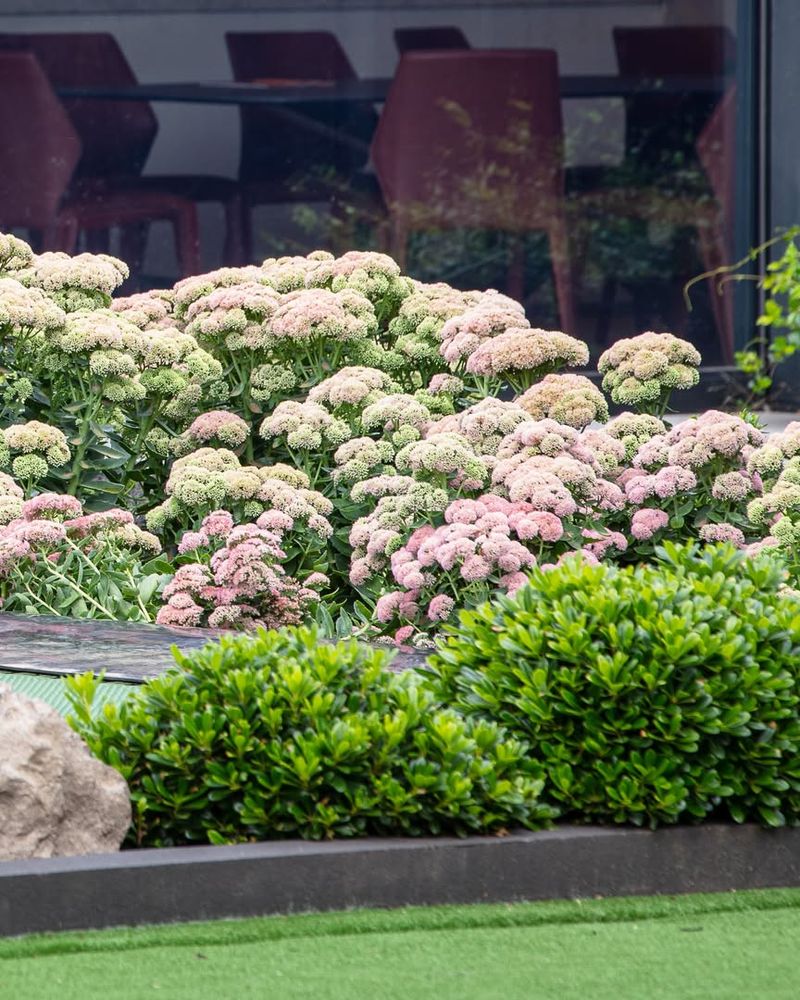
Autumn Joy sedum (Hylotelephium ‘Herbstfreude’) earns its place in low-maintenance Ohio landscapes through reliable performance and predictable, upright growth that never requires staking or support. This succulent perennial forms sturdy clumps of thick, fleshy leaves that emerge in spring and gradually build into substantial plants by midsummer.
The growth habit remains compact and controlled, with plants typically reaching 18 to 24 inches tall and wide without spreading beyond their designated space. Thick stems support large, flat flower clusters that emerge pale green in summer, mature to pink in late summer, and deepen to rusty bronze as fall progresses.
Ohio gardeners appreciate how the dried flower heads remain attractive through winter, providing structure and interest in dormant gardens while also offering seeds for birds. The plant handles drought conditions exceptionally well once established, thanks to its water-storing succulent leaves that require minimal supplemental watering.
Autumn Joy tolerates a wide range of soil types and drainage conditions, though it performs best in well-drained sites with full sun exposure. The plant shows excellent resistance to pests and diseases, rarely requiring any chemical interventions or special treatments.
Its neat, predictable form makes it easy to incorporate into perennial borders, foundation plantings, or mass plantings where consistent appearance matters for overall landscape design success.
6. Create Dense Cover With Creeping Phlox
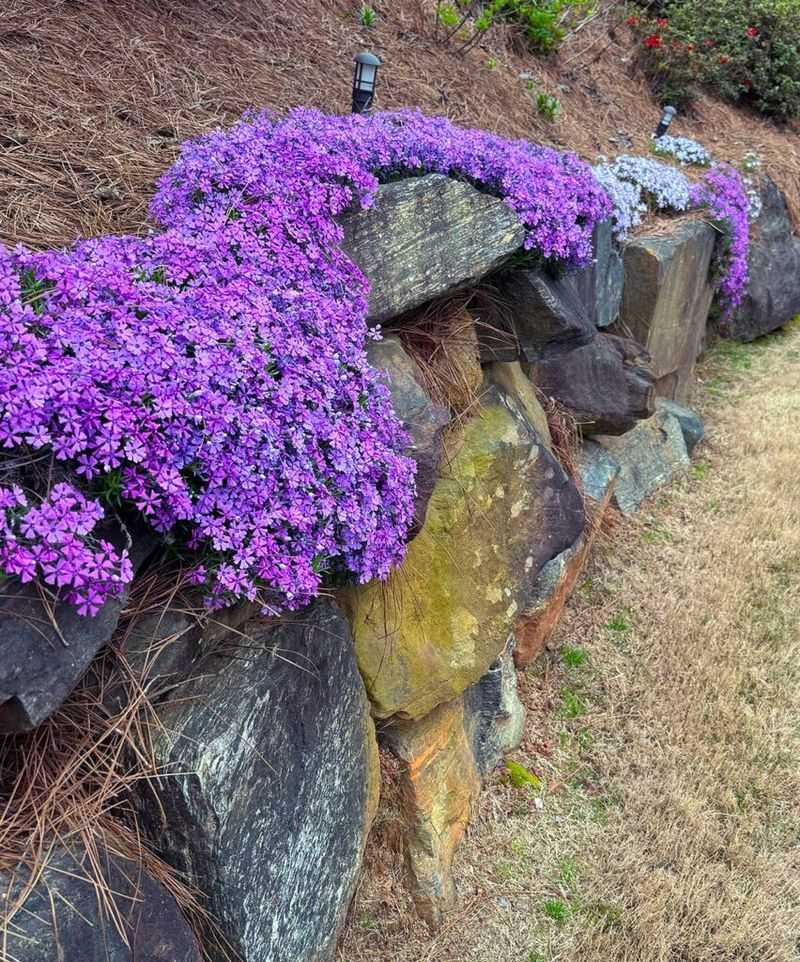
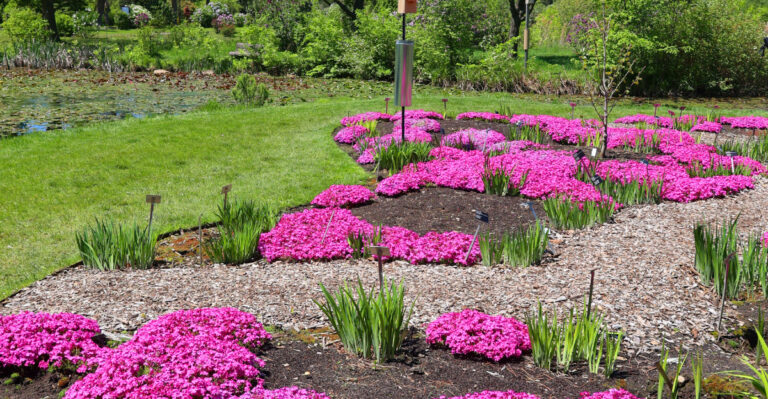
Creeping phlox (Phlox subulata) solves the groundcover challenge for Ohio homeowners who want dense, weed-suppressing coverage without dealing with aggressive spreaders that invade adjacent beds. This low-growing perennial forms a tight mat of needle-like evergreen foliage that stays just 4 to 6 inches tall throughout the year.
While it does spread horizontally, the growth remains controlled and manageable, typically expanding 12 to 18 inches wide over several years rather than running rampantly through the landscape. In mid to late spring, the foliage disappears beneath a profusion of colorful flowers in shades of pink, purple, white, or blue, creating spectacular displays on slopes and rock gardens.
The dense growth habit effectively chokes out weeds once established, reducing maintenance time spent pulling unwanted plants from groundcover areas. Creeping phlox thrives in full sun and well-drained soil, making it ideal for slopes, rock gardens, and areas where grass struggles to grow.
Ohio’s climate suits this hardy perennial perfectly, as it tolerates both cold winters and hot, humid summers without losing vigor or appearance. The plant requires minimal care beyond occasional trimming after flowering to maintain neat edges and encourage denser growth.
Creeping phlox retains evergreen foliage through winter, though leaves may bronze or show minor winter burn in harsh conditions.
7. Enjoy Beauty From Dwarf Fothergilla
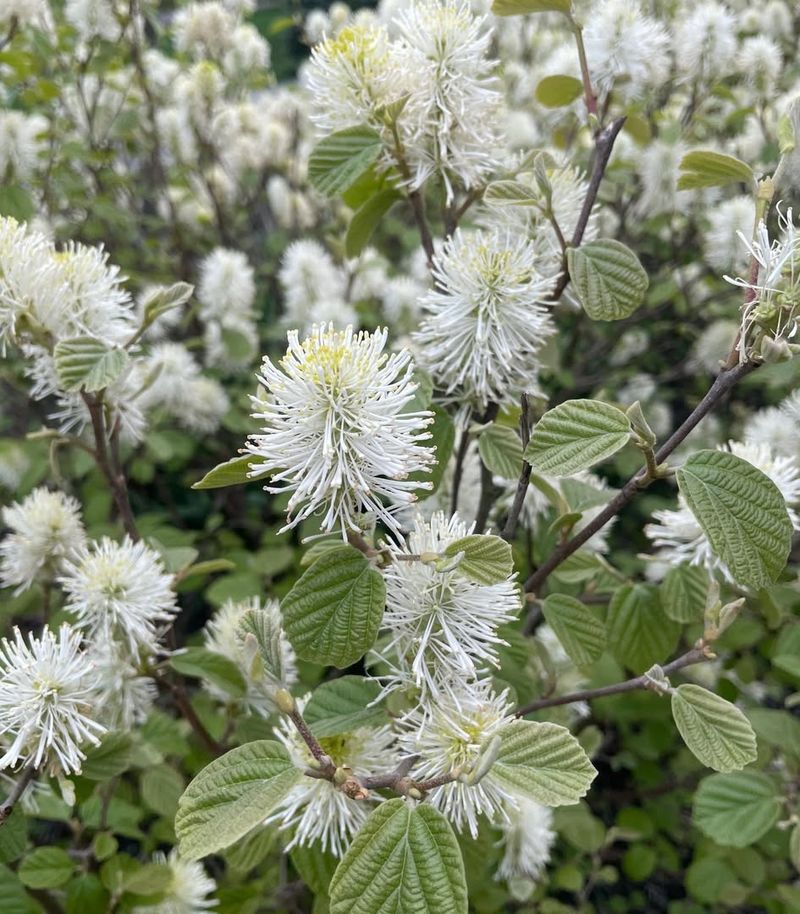
Dwarf fothergilla (Fothergilla gardenii) delivers three-season interest in a naturally compact package that rarely needs pruning to maintain its attractive, rounded shape. This native deciduous shrub grows slowly, typically adding around 4 to 8 inches per year under average conditions and eventually reaching 3 to 4 feet tall and wide at maturity.
Spring brings fragrant, white bottlebrush-like flowers that appear before the leaves fully emerge, creating an eye-catching display that signals the end of Ohio’s winter dormancy. The dark green summer foliage provides a pleasant backdrop for other flowering plants, while fall transforms the leaves into brilliant shades of yellow, orange, and red.
The naturally tidy growth habit means homeowners can plant dwarf fothergilla and essentially forget about it, beyond occasional watering during establishment and dry spells. It prefers acidic soil and partial shade, though it tolerates full sun if given adequate moisture during hot Ohio summers.
The shrub shows good resistance to common pests and diseases, rarely requiring chemical treatments or intensive care to remain healthy and attractive. Its compact size makes it perfect for foundation plantings, mixed borders, or small garden spaces where larger shrubs would quickly become problematic.
Dwarf fothergilla combines well with other acid-loving plants like azaleas and rhododendrons, creating cohesive planting schemes that share similar cultural requirements and maintenance needs.
8. Choose Compact Dwarf Ninebark
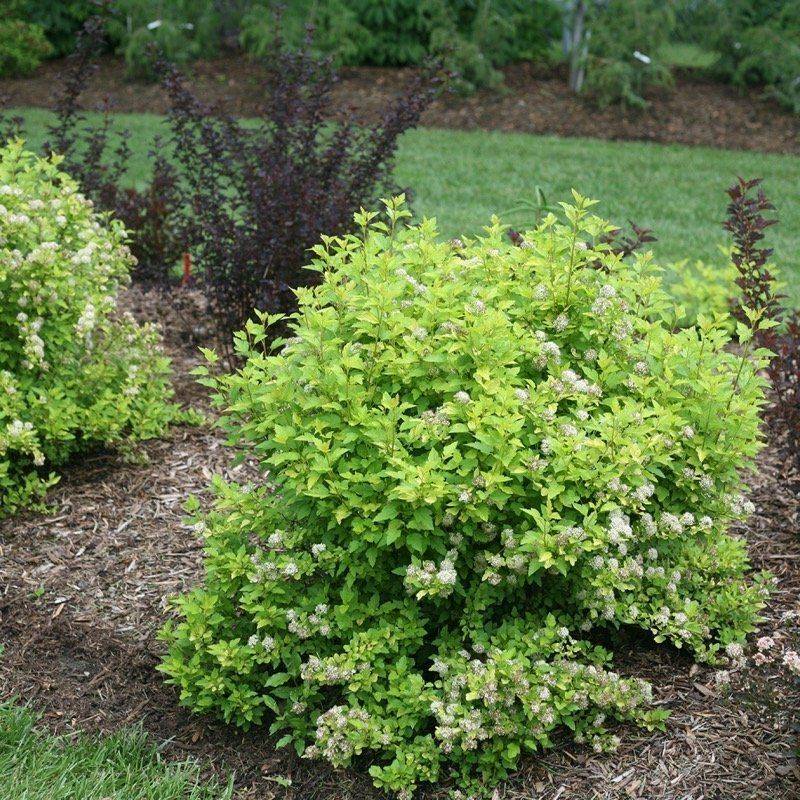
Compact cultivars of ninebark (Physocarpus opulifolius) bring the toughness and reliability of this native shrub in smaller packages perfectly suited for modern Ohio landscapes.
Varieties like ‘Little Devil’ and ‘Tiny Wine’ grow slowly to moderate rates, maintaining heights of just 3 to 4 feet rather than the 8 to 10 feet of traditional ninebarks.
These compact selections naturally form dense, rounded shapes that require minimal pruning to look intentionally placed and well-maintained in landscape designs.
The colorful foliage, ranging from burgundy to gold depending on the cultivar, provides season-long interest beyond the brief flowering period in late spring.
Ohio gardeners value how ninebark handles tough conditions that defeat many other ornamental shrubs, including poor soil, drought, and occasional flooding. The plant shows excellent cold hardiness and heat tolerance, performing reliably across all of Ohio’s varied climate zones from Cincinnati to Cleveland.
White or pink flower clusters attract pollinators in late spring, followed by attractive seed heads that provide winter interest and food for birds. The exfoliating bark adds textural interest during dormant months, revealing layers of cinnamon and tan beneath the outer bark.
Compact ninebarks work beautifully in foundation plantings, mixed borders, or as low informal hedges where their predictable size and shape create consistent visual impact without constant maintenance interventions.
9. Use Pennsylvania Sedge As Soft Groundcover
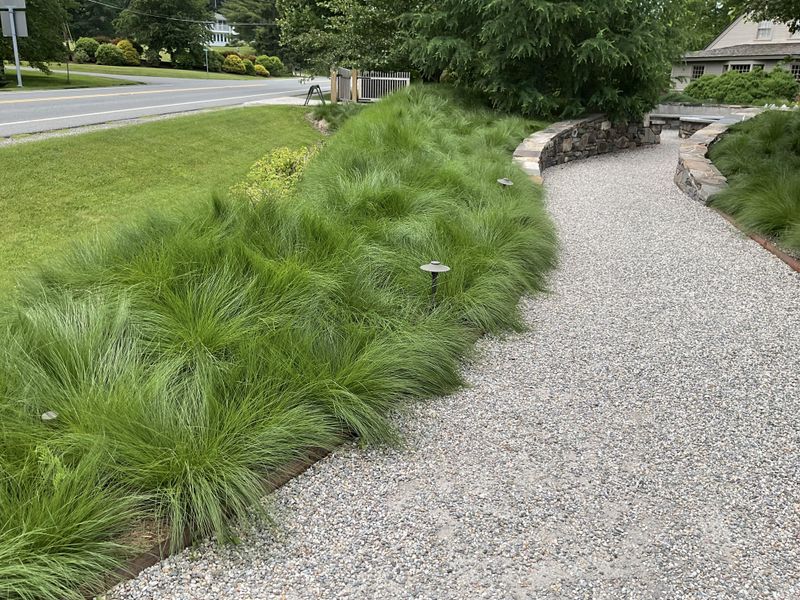
Pennsylvania sedge (Carex pensylvanica) provides a lawn-like groundcover alternative for shaded areas where traditional turfgrass struggles, spreading slowly through rhizomes to form dense, weed-resistant mats. This native sedge grows just 6 to 8 inches tall, creating a soft, fine-textured carpet that remains green from spring through fall.
Unlike aggressive groundcovers that quickly escape their boundaries, Pennsylvania sedge expands at a measured pace that allows for controlled coverage over time.
The arching, grass-like foliage sways gently in breezes, creating movement and texture in woodland gardens and shaded landscape areas.
Ohio homeowners particularly appreciate how this sedge tolerates dry shade, one of the most challenging conditions for establishing attractive groundcover plantings. It thrives under deciduous trees where competition from tree roots and limited moisture make growing other plants difficult or impossible.
Pennsylvania sedge requires virtually no maintenance once established, needing neither mowing nor fertilizing to maintain its attractive appearance throughout the growing season. The plant goes dormant in winter, turning tan before reemerging fresh and green each spring as temperatures warm.
As a native species, it supports local ecosystems by providing habitat and food sources for native insects and wildlife. The sedge adapts to various soil types and tolerates both acidic and neutral pH levels commonly found in Ohio residential properties.
10. Get Big Blooms From Bobo Hydrangea
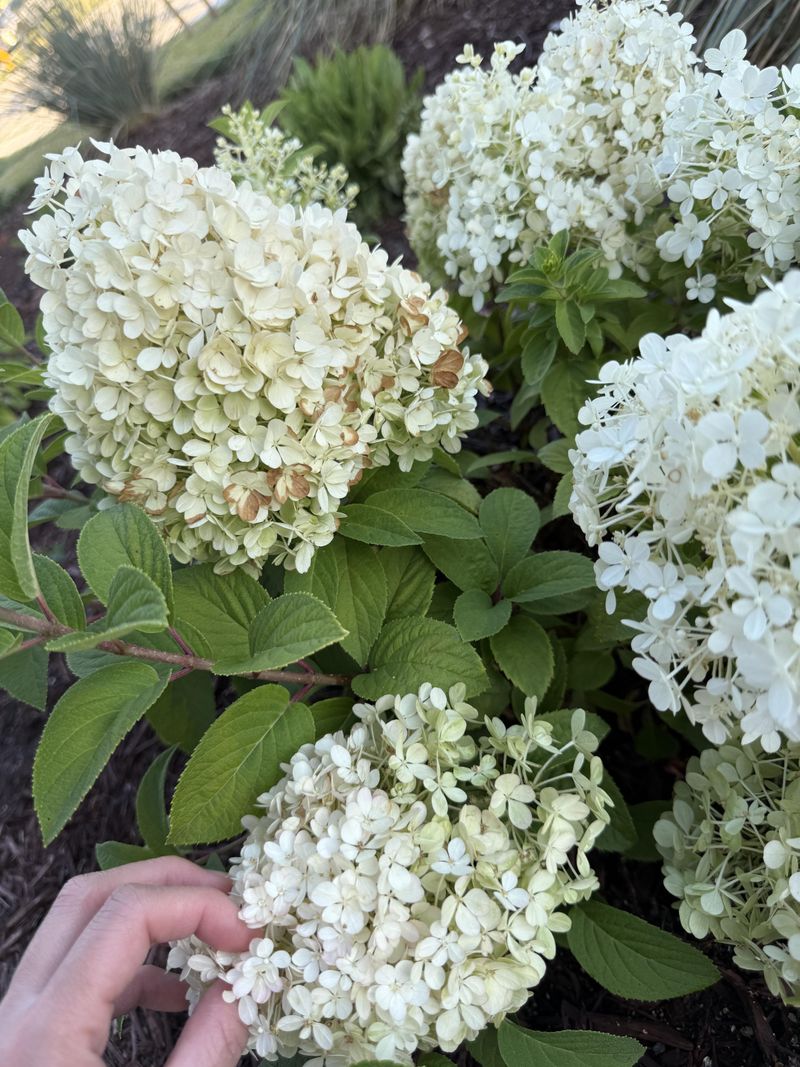
Bobo hydrangea (Hydrangea paniculata ‘Bobo’) proves that dwarf shrubs can deliver full-sized floral impact, producing enormous white flower panicles on a naturally compact plant that stays under 3 feet tall and wide.
This dwarf panicle hydrangea grows slowly and maintains a predictable, rounded shape without requiring the constant pruning that larger hydrangea varieties demand.
The massive flower clusters emerge in mid-summer and gradually shift from white to pink as fall approaches, providing months of visual interest in Ohio landscapes. Strong stems support the heavy blooms without flopping or requiring staking, a common problem with some large-flowered hydrangea cultivars.
Ohio gardeners appreciate how Bobo performs reliably across the state, showing good cold hardiness and heat tolerance while blooming consistently every year on new wood. This means even if late spring frosts damage emerging growth, the plant still produces abundant flowers later in the season.
The compact size makes Bobo perfect for small gardens, foundation plantings, or container displays where traditional hydrangeas would quickly outgrow available space.
It prefers full sun to partial shade and adapts to various soil types, though it performs best with consistent moisture during hot summer months.
Minimal maintenance requirements include occasional watering during dry spells and light pruning in late winter to shape the plant and remove any damaged stems.