Turn Your Ohio Garden Into A Butterfly Paradise With These Host Plants
Bright wings, soft movement, and bursts of color can bring any Ohio garden to life. Butterflies add beauty and natural balance, yet many yards miss the essential element they need most: true host plants.
Nectar rich flowers attract brief visits, but host plants support egg laying and full life cycles right in your garden. With climate friendly choices suited to Ohio conditions, your space can welcome monarchs, swallowtails, and other native species season after season.
Gentle activity, vibrant blooms, and thriving plant life turn an ordinary yard into a lively refuge for pollinators.
Support biodiversity, strengthen your local ecosystem, and enjoy a calmer outdoor space filled with motion and color.
Build a habitat that invites butterflies to return year after year, transforming your garden into a lasting sanctuary of life, growth, and natural beauty.
1. Grow Milkweed To Support Monarch Caterpillars
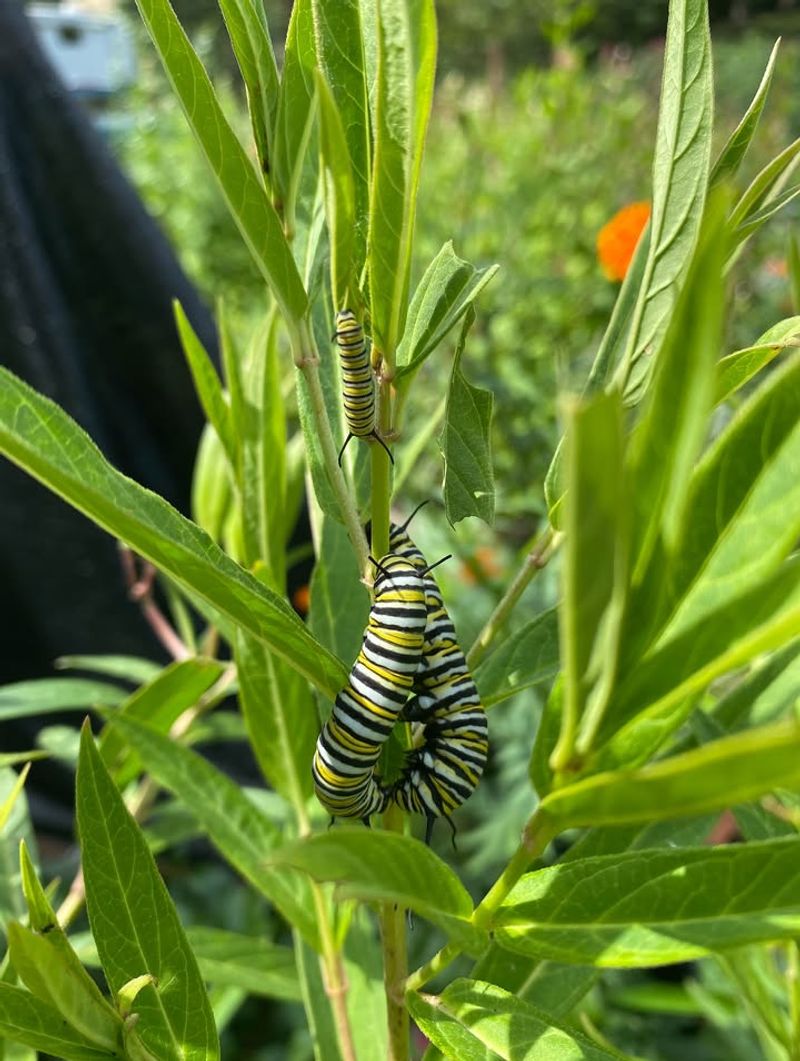
Monarchs have captured the hearts of gardeners across North America, and their survival depends entirely on one plant family. Female monarchs lay eggs exclusively on milkweed because monarch caterpillars depend entirely on these plants for survival.
When you plant milkweed varieties native to Ohio like common milkweed, swamp milkweed, or butterfly weed, you create essential nurseries where these iconic insects can complete their remarkable life cycle.
Choose a sunny spot in your garden where milkweed can establish deep roots and may spread gradually depending on species and site conditions. These tough perennials tolerate Ohio’s clay soils once established and require minimal care after their first season.
Swamp milkweed works beautifully in moist areas, while butterfly weed thrives in drier conditions with excellent drainage.
Pesticide-free gardening becomes absolutely critical when growing host plants. Even organic sprays can harm caterpillars feeding on leaves, so embrace a few chewed leaves as signs of success rather than problems to fix.
Plant several milkweed species to provide options throughout the season, and resist cutting plants back until spring so overwintering insects can use the dried stalks. Your milkweed patch will become a monarch magnet that supports multiple generations each summer.
2. Plant Parsley And Dill For Swallowtail Caterpillars
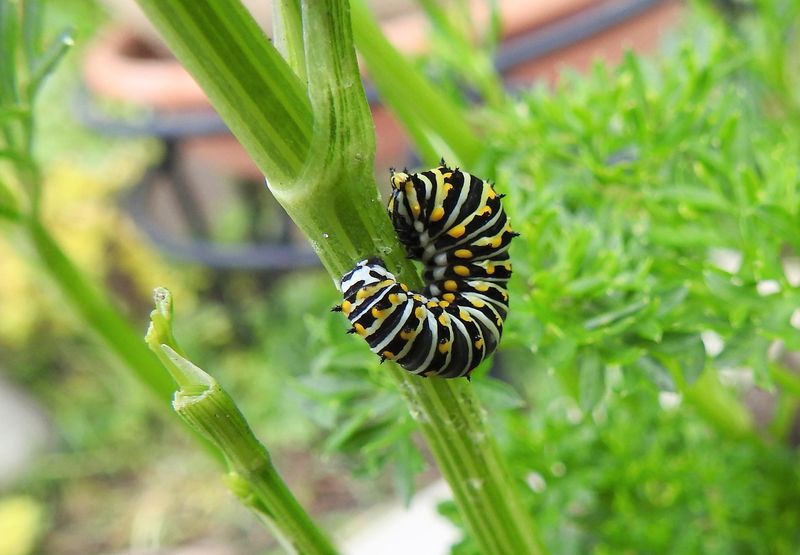
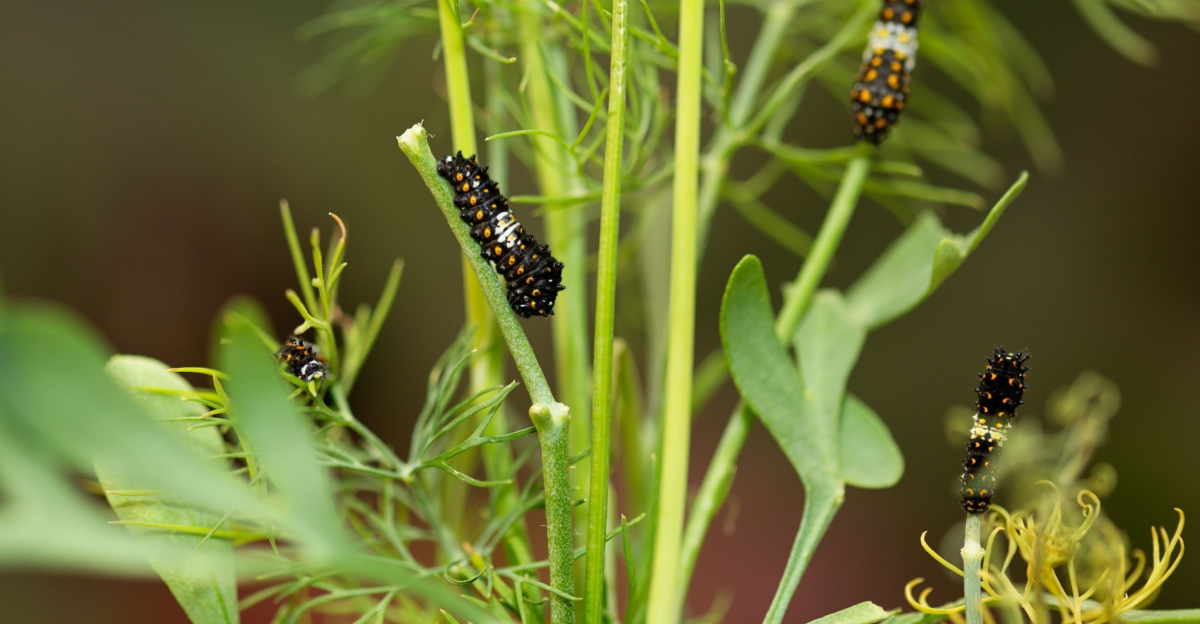
Black swallowtails bring elegance to Ohio gardens with their bold yellow and blue wing patterns, and they depend on plants in the carrot family for their young. Parsley, dill, fennel, and carrots all serve as perfect host plants that female swallowtails seek out when ready to lay eggs.
Gardeners often discover these striking green caterpillars with black bands and orange dots munching contentedly on their herb gardens.
Growing these host plants couldn’t be simpler since most gardeners already cultivate herbs for cooking. Plant extra parsley and dill specifically for butterflies, keeping some in containers near your kitchen and others in garden beds where caterpillars can feast freely.
Both herbs prefer full sun and well-drained soil, thriving in Ohio’s growing season from spring through fall.
When you spot caterpillars on your herbs, consider it a compliment to your gardening efforts rather than a pest problem. These larvae will transform into beautiful butterflies within weeks, completing their metamorphosis in chrysalides that blend remarkably well with surrounding foliage.
Your Ohio Garden Changes Every Week. Your Plan Should Too.
Gardening in Ohio changes quickly throughout the season. Every Friday you’ll receive a simple weekly plan showing exactly what to plant, prune, fertilize, harvest, and protect so you never miss the right timing.
Let some herbs go to flower since the blooms provide nectar for adult butterflies and other beneficial insects, creating a complete habitat that supports every life stage right in your backyard.
3. Add Native Violet For Fritillary Butterflies
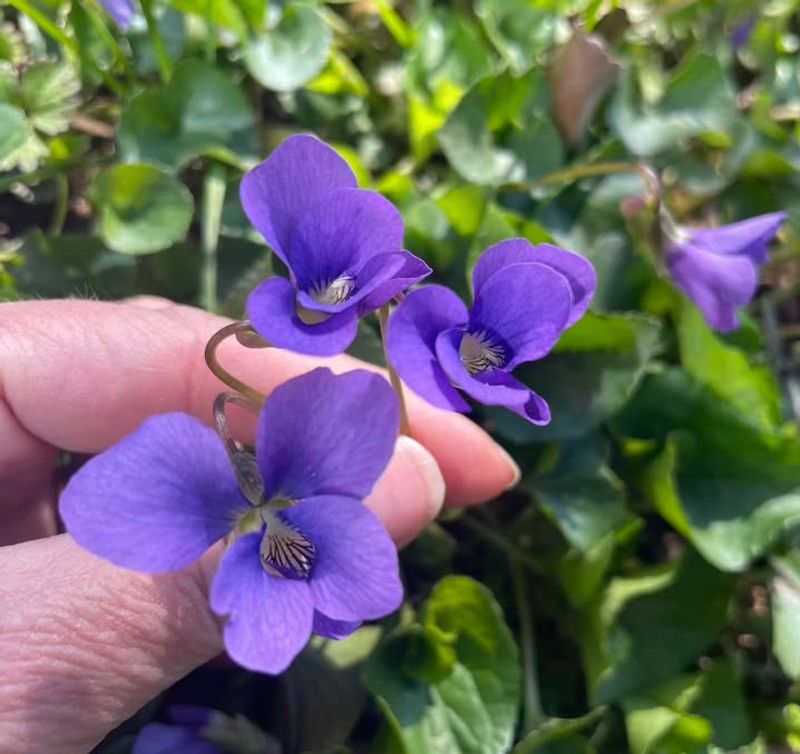
Fritillary butterflies depend on humble violets that many homeowners consider lawn weeds, yet these native wildflowers provide irreplaceable value for several butterfly species. Great spangled fritillaries and other related species lay eggs exclusively on or near violet plants, where caterpillars will feed after hatching.
Ohio’s native violets include common blue violet, bird’s foot violet, and several woodland species that thrive in different garden conditions.
Letting violets naturalize in your lawn creates valuable butterfly habitat over time without any extra work or expense. These low-growing perennials spread through underground rhizomes and self-seeding, forming charming patches of heart-shaped leaves and delicate spring flowers.
Violets tolerate mowing and foot traffic remarkably well, making them perfect for casual lawn areas where you want to reduce maintenance while increasing wildlife value.
Garden edges, woodland areas, and shady spots under trees all provide ideal locations for violets to flourish and support fritillary populations. These plants require virtually no care once established, thriving in average Ohio soils with moderate moisture.
By embracing violets rather than eliminating them, you create habitat for butterflies while reducing your lawn care workload and supporting native plant diversity throughout your property.
4. Use Pawpaw Trees For Zebra Swallowtail Larvae
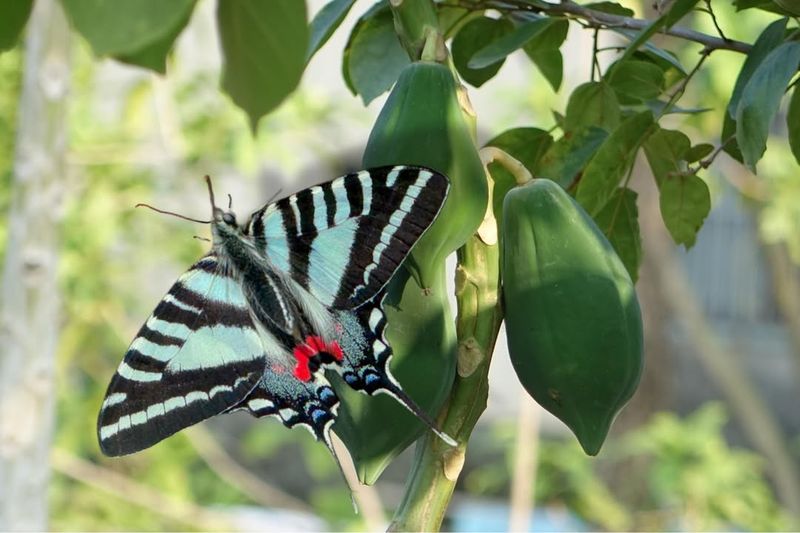
Zebra swallowtails stand out among butterflies with their striking black and white striped wings and elegant tail streamers, yet they remain uncommon in many Ohio gardens because they need one specific host plant. Pawpaw trees provide the only food source for zebra swallowtail caterpillars, creating an exclusive relationship between this native tree and its specialized butterfly.
Planting pawpaws transforms your yard into habitat for these spectacular insects while adding a unique native fruit tree.
Pawpaws thrive in Ohio’s climate, tolerating shade better than most fruit trees and producing custard-like tropical fruits that taste like a blend of banana and mango. Young trees prefer partial shade and consistent moisture, making them excellent understory choices for woodland edges or naturalized areas.
These trees spread slowly through root suckers, eventually forming attractive groves that provide extensive habitat for zebra swallowtails.
Beyond supporting rare butterflies, pawpaws contribute to overall biodiversity by offering food for various wildlife species and creating layered habitat structure in your landscape. Plant at least two trees for cross-pollination if you want fruit production, spacing them 10 to 15 feet apart in areas with protection from harsh winds and afternoon sun during their establishment years.
5. Plant Pipevine To Attract Pipevine Swallowtails
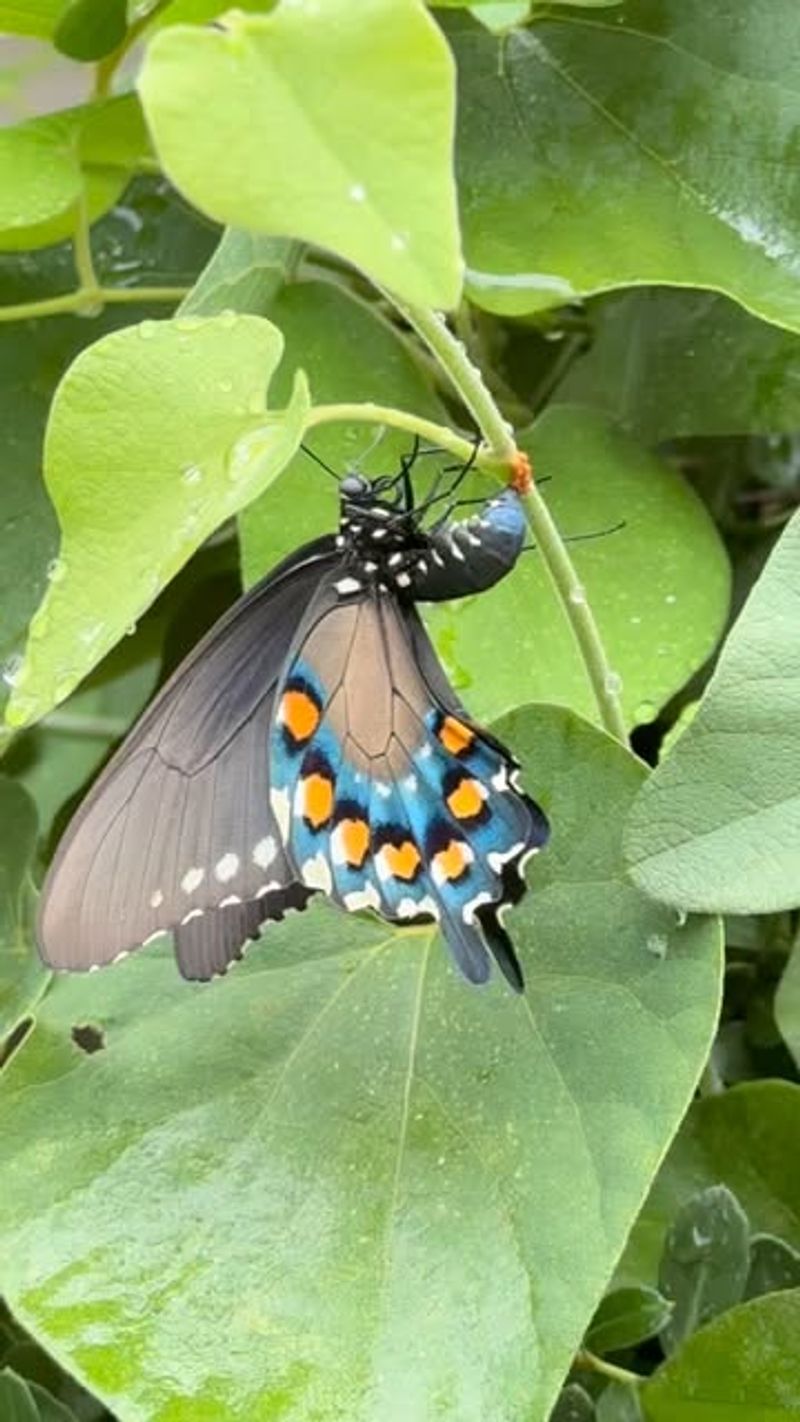
Pipevine swallowtails display some of the most stunning colors in the butterfly world, with iridescent blue hindwings that shimmer in sunlight as they visit garden flowers. These beautiful insects rely completely on pipevine plants for reproduction, with caterpillars feeding exclusively on the leaves of this native vine.
Native pipevine species such as Virginia snakeroot or native Dutchman’s pipe serve as proper host plants for pipevine swallowtails in Ohio.
This vigorous climbing vine needs sturdy support like arbors, fences, or pergolas where it can scramble upward and create dense foliage cover. Pipevine tolerates partial shade and average garden soil, establishing quickly once planted and returning reliably each spring in Ohio’s climate zones.
The large heart-shaped leaves provide ample food for hungry caterpillars while creating attractive green screens during the growing season.
Locate pipevine where you can enjoy watching caterpillars and butterflies up close, perhaps near a patio or along a frequently used garden path. The plant’s unique flowers bloom in spring, adding unusual architectural interest before giving way to seed pods later in summer.
By incorporating this native vine into your landscape, you support pipevine swallowtail populations while adding a conversation-starting plant that few neighbors will recognize.
6. Grow Asters To Support Pearl Crescent Butterflies
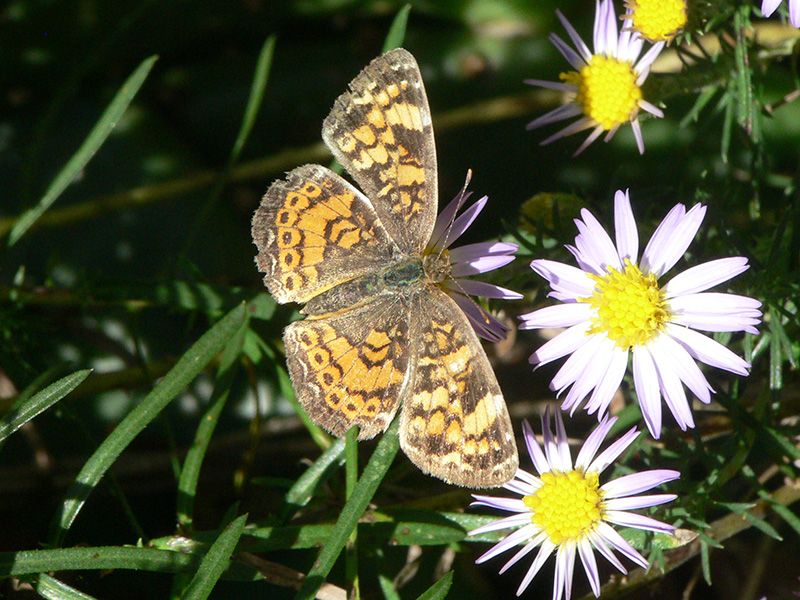
Pearl crescent butterflies rank among Ohio’s most common and charming species, displaying intricate orange and black patterns on wings barely larger than a quarter. Native asters like New England aster, smooth aster, and aromatic aster all serve as excellent host plants while providing crucial late-season nectar.
Asters shine brightest in Ohio gardens during autumn when few other plants bloom, creating spectacular displays of purple, pink, or white flowers that butterflies adore. These tough perennials tolerate clay soils, handle occasional drought, and require minimal maintenance beyond occasional division every few years.
Plant asters in sunny locations with good air circulation, spacing them to allow room for their natural spreading habit.
Beyond supporting pearl crescents, asters function as powerhouse pollinator plants that attract dozens of butterfly species, native bees, and beneficial insects during their extended bloom period. The combination of host plant value for caterpillars and nectar resources for adults makes asters indispensable in any Ohio butterfly garden.
Cut plants back by half in early June to encourage bushier growth and more flowers, then enjoy the spectacular fall show they provide.
7. Add Willow Trees For Viceroy Butterfly Caterpillars
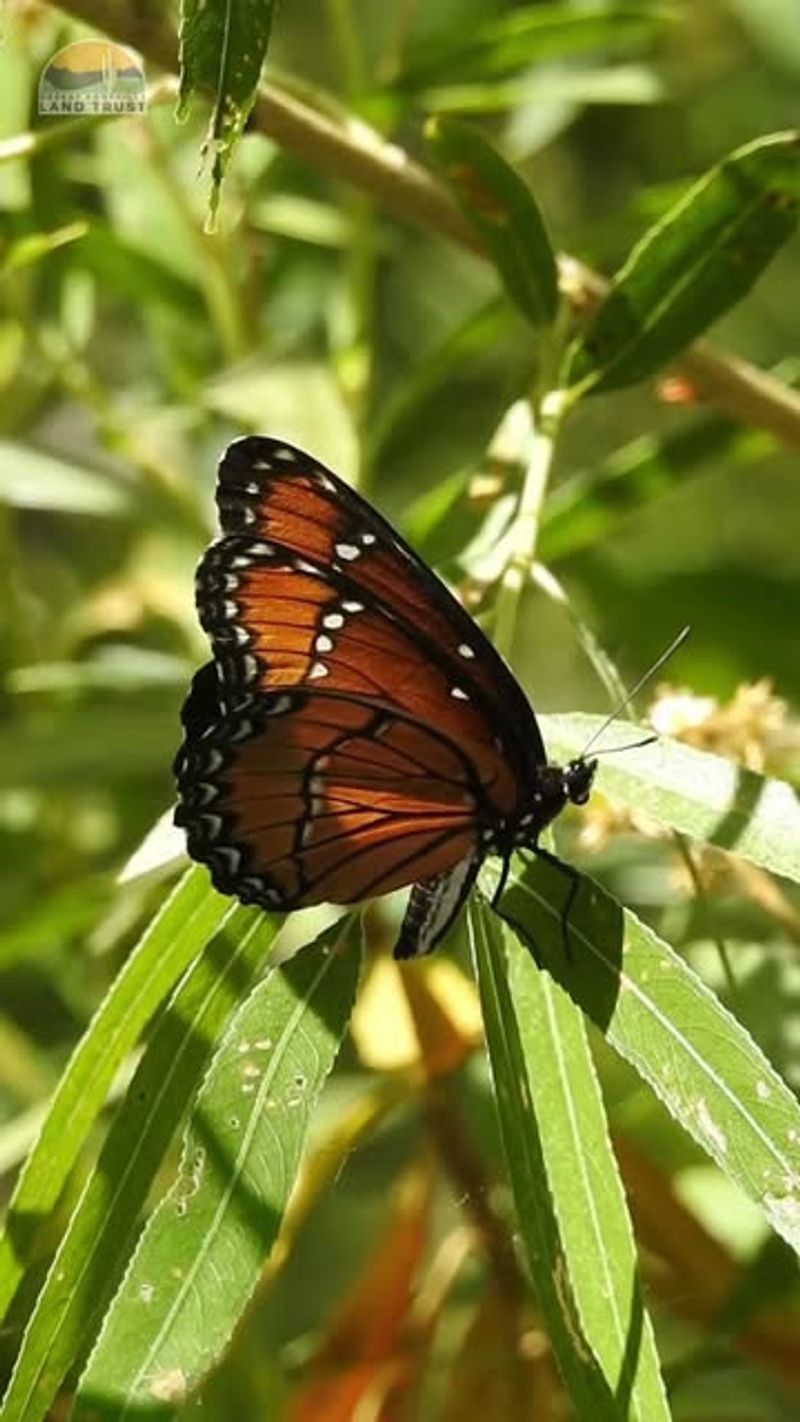
Viceroys famously mimic monarch butterflies with their orange and black wing patterns, but their caterpillars tell a completely different story by feeding on willow and poplar trees rather than milkweed. Several willow species native to Ohio provide essential host plants for viceroy larvae, including native species such as black willow and pussy willow serve as important host plants for viceroy caterpillars.
Willows work beautifully near ponds, streams, or low-lying areas with poor drainage, transforming problem spots into valuable wildlife habitat. Their extensive root systems help stabilize soil and filter water while creating shade and shelter for various creatures.
Viceroy caterpillars overwinter in rolled leaf shelters they construct on willow branches, making these trees critical for year-round survival.
Consider planting willows along property edges, near water features, or in rain garden areas where their moisture-loving nature becomes an asset rather than a limitation. These trees grow quickly, providing habitat within just a few years while adding graceful movement to the landscape as their flexible branches sway in breezes.
The combination of rapid growth, easy care, and butterfly value makes willows excellent choices for Ohio gardeners wanting to create habitat while solving landscape challenges.
8. Plant Hackberry Trees For Tawny Emperor Butterflies
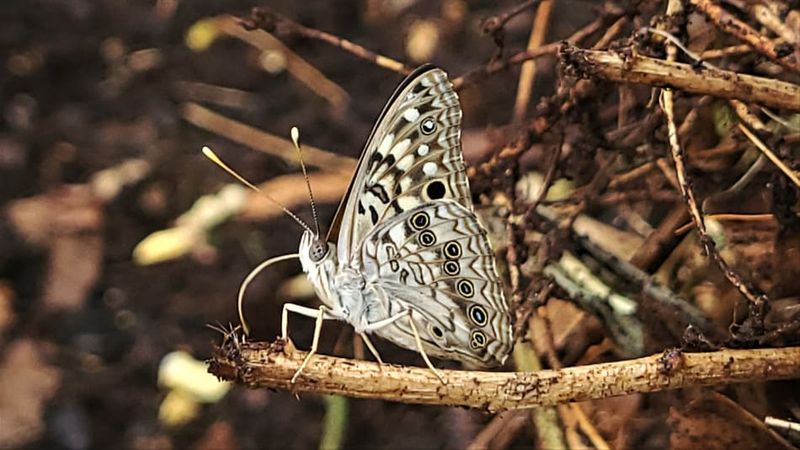
Hackberry trees rarely receive the attention they deserve despite being tough native trees that support multiple butterfly species including tawny emperors and hackberry emperors. These medium-sized shade trees tolerate urban conditions, poor soils, drought, and temperature extremes that challenge fussier landscape plants.
Tawny emperor caterpillars feed exclusively on hackberry leaves, making these trees irreplaceable for maintaining healthy butterfly populations across Ohio.
Mature hackberries develop attractive gray bark with corky ridges and a rounded canopy that provides excellent shade for lawns and patios. The trees produce small berries beloved by birds in fall and winter, adding wildlife value beyond their butterfly benefits.
Hackberries adapt to various soil types and moisture levels, establishing reliably in locations where more demanding trees might struggle or fail.
Plant hackberries as specimen trees, in naturalized areas, or along property boundaries where their eventual 40 to 60 foot height won’t interfere with structures or utilities. These trees require virtually no maintenance once established, resisting most pests and diseases while providing decades of beauty and habitat.
By choosing hackberries over non-native alternatives, you support native butterfly populations while creating a low-maintenance landscape that connects your property to Ohio’s natural heritage and ecological systems.