This Ohio Soil Trick Turns Coffee Grounds Into Garden Gold
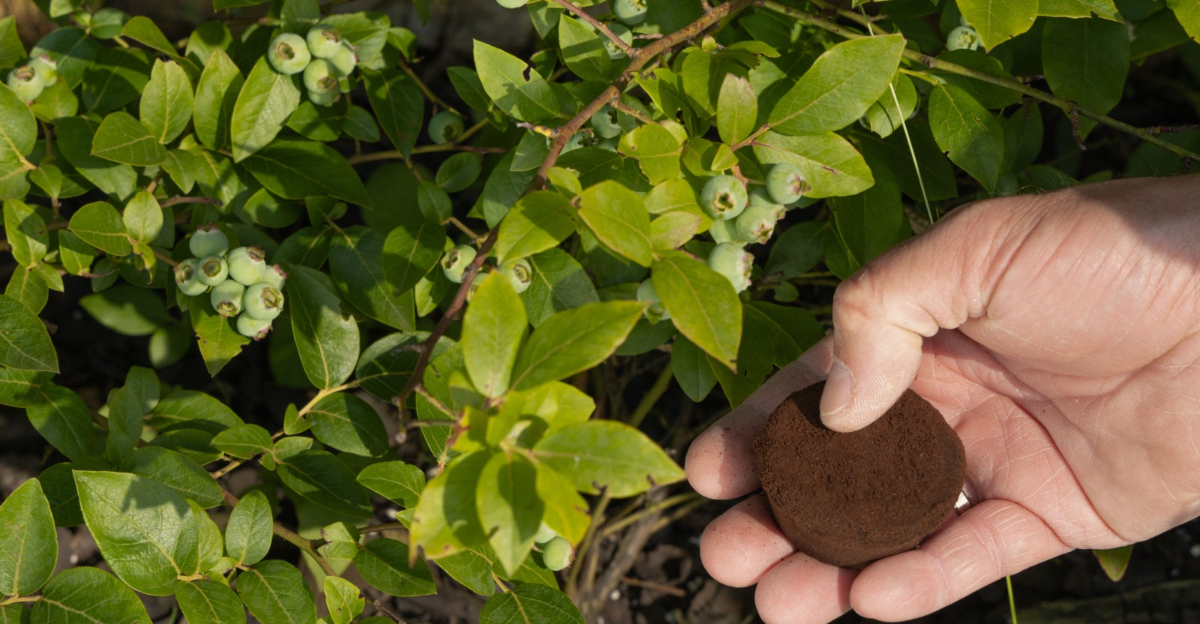
Ohio gardeners throw away coffee grounds every single day without realizing their hidden potential in the soil. What looks like simple kitchen waste can play a powerful role beneath the surface, especially in yards that struggle with dense clay, weak growth, or dull plant color.
Soil health shapes everything from root strength to bloom performance, yet many overlook how small inputs can create noticeable change. Coffee grounds have sparked debate among gardeners for years, praised by some and misused by others.
The difference comes down to knowledge and approach. Used correctly, they can support stronger plants and richer beds suited to Ohio conditions.
Used carelessly, they offer little benefit at all. There is a specific method that turns this everyday leftover into something far more valuable.
The key lies in understanding timing, balance, and how soil truly works.
1. Never Dump Fresh Coffee Grounds Directly
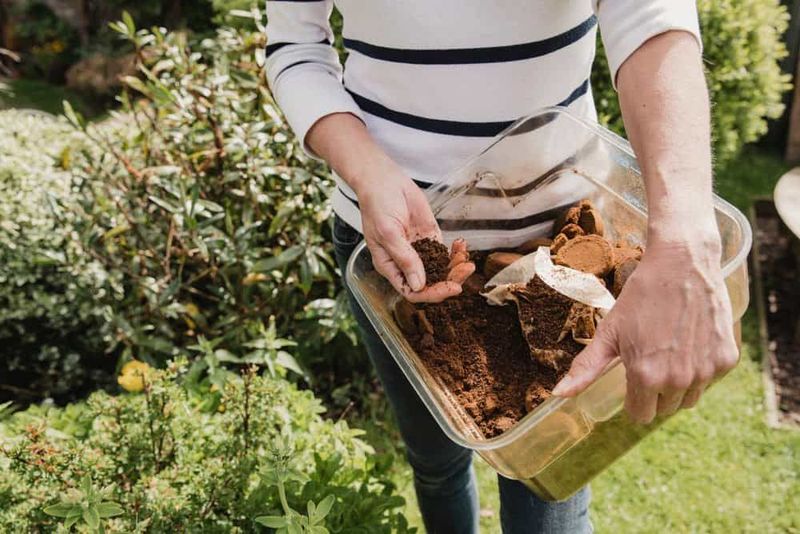
Fresh coffee grounds seem harmless enough, but spreading them directly on garden beds creates serious problems that most Ohio gardeners don’t anticipate until damage appears. The fine particle size and moisture content cause grounds to mat together, forming a water-repellent layer that blocks air and moisture movement through the soil profile.
When coffee grounds clump on the surface, they create anaerobic conditions underneath where beneficial soil organisms cannot survive. Rainwater runs off instead of soaking in, and plant roots near the surface struggle to access oxygen.
This compaction effect becomes especially problematic in Ohio’s clay-heavy soils, which already tend toward poor drainage and restricted airflow.
Beyond physical problems, large amounts of fresh organic material can temporarily affect nutrient availability as microbes break it down. Plants may show yellowing leaves and stunted growth because available nitrogen gets tied up in the decomposition process.
The grounds themselves contain nitrogen, but it remains locked away until microbes finish processing the material.
Ohio State University Extension research confirms that uncomposted organic materials can create nutrient imbalances during breakdown. Gardens need steady, available nutrients rather than materials that compete with plants for resources.
Direct application also concentrates caffeine and organic acids in the root zone, which may reduce seed germination if applied heavily and left undecomposed. Proper preparation eliminates these issues entirely while preserving all the beneficial qualities coffee grounds offer.
2. Compost Coffee Grounds Before Using
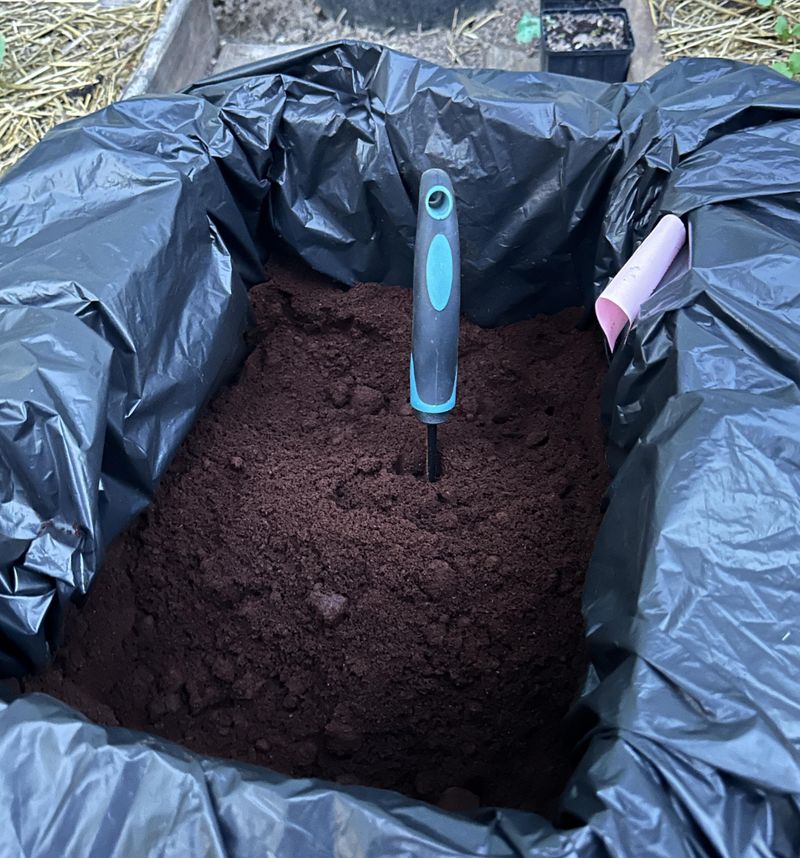
Composting transforms coffee grounds from a potential problem into genuine soil gold by giving microorganisms time to break down complex organic compounds into stable, plant-available nutrients. During the composting process, bacteria and fungi work through the material, neutralizing compounds that might otherwise harm plants while releasing nitrogen and other nutrients in forms roots can actually absorb.
A properly managed compost pile reaches temperatures between 130 and 150 degrees Fahrenheit, hot enough to accelerate decomposition and eliminate potential pathogens. Coffee grounds contribute valuable nitrogen to this process, helping maintain the heat and microbial activity that drive successful composting.
In a well-managed compost pile, coffee grounds break down relatively quickly and integrate into finished compost within several weeks to a few months, depending on conditions.
Your Ohio Garden Changes Every Week. Your Plan Should Too.
Gardening in Ohio changes quickly throughout the season. Every Friday you’ll receive a simple weekly plan showing exactly what to plant, prune, fertilize, harvest, and protect so you never miss the right timing.
Ohio gardeners benefit especially from composting because it produces organic matter perfectly suited to improving local soil conditions. The finished compost contains stable humus that won’t compact or tie up nutrients like fresh grounds do.
Beneficial microorganisms established during composting continue working in your garden soil, creating ongoing improvements to soil structure and fertility.
You can add coffee grounds to any composting system, from simple backyard piles to enclosed tumblers or worm bins. The key is incorporating them gradually rather than dumping large amounts at once.
Mixed with other compost ingredients, grounds contribute to balanced, nutrient-rich finished compost that transforms garden soil safely and effectively.
3. Mix Grounds With Leaves Or Soil
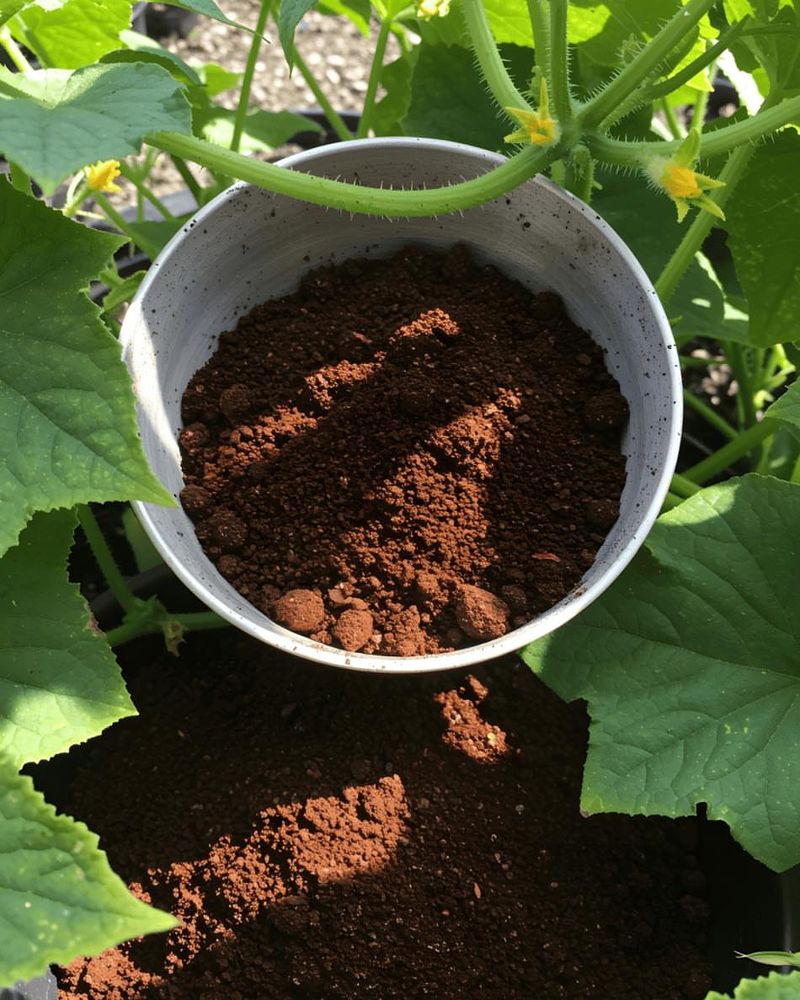
Successful composting depends on balancing carbon-rich “brown” materials with nitrogen-rich “green” materials, and coffee grounds count as greens despite their dark color. Ohio gardeners have abundant access to perfect carbon sources like fallen leaves, shredded newspaper, cardboard, and dried grass clippings that pair beautifully with coffee grounds to create ideal composting conditions.
The magic ratio sits around three or four parts brown material to one part coffee grounds by volume. This balance provides enough carbon for microbes to process the nitrogen effectively without creating soggy, smelly conditions or nitrogen tie-up problems.
Dry leaves work especially well because they’re readily available throughout Ohio’s long autumn season and their structure helps maintain airflow in the compost pile.
When mixing materials, aim for variety in particle sizes to prevent compaction. Crumble or shred larger leaves, and distribute coffee grounds throughout the pile rather than dumping them in thick layers.
Some gardeners pre-mix grounds with an equal volume of garden soil or finished compost before adding to the main pile, which introduces beneficial microbes and helps absorb excess moisture.
Grass clippings offer another excellent mixing partner, but use them sparingly since they’re also nitrogen-rich greens. Straw, wood chips, and shredded paper provide carbon without the seasonal limitations of leaves.
The goal is creating a loose, well-aerated mixture where decomposition proceeds efficiently and coffee grounds integrate completely into the finished compost.
4. Let Soil Microbes Do The Work
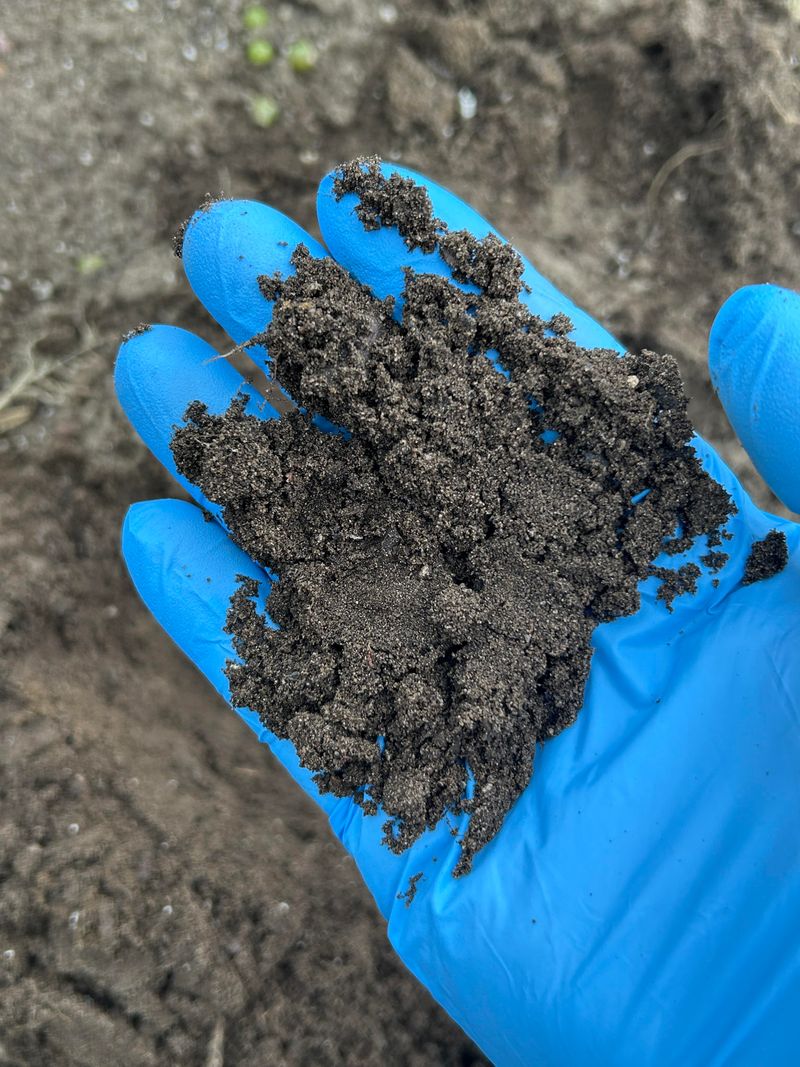
Soil teems with billions of microscopic organisms that form the foundation of garden health, and these tiny workers are your greatest allies in transforming coffee grounds into plant nutrition. Bacteria, fungi, protozoa, and other microbes break down organic matter through their metabolic processes, releasing nutrients and creating stable humus that improves soil structure for years.
Different microbial species tackle different jobs in the decomposition process. Bacteria excel at breaking down simple compounds and work fastest in warm, moist conditions with adequate nitrogen.
Fungi specialize in decomposing tougher materials and build networks that help transport nutrients and water through soil. Together, these organisms convert coffee grounds into forms plants can actually use.
Ohio’s soil biology slows during winter cold but becomes remarkably active from spring through fall when temperatures and moisture levels favor microbial growth. Adding composted coffee grounds during these active periods gives microbes abundant food sources, and they respond by multiplying rapidly and improving overall soil health.
The process requires no special products or treatments, just time and favorable conditions.
Healthy microbial populations also suppress disease organisms and help plants access nutrients locked in soil minerals. As microbes consume organic matter from coffee grounds, they release enzymes and organic acids that slowly dissolve rock particles, making trace minerals available to plant roots.
This biological activity creates a living soil that continues improving year after year with regular additions of properly composted organic matter.
5. Use Thin Layers To Avoid Compaction
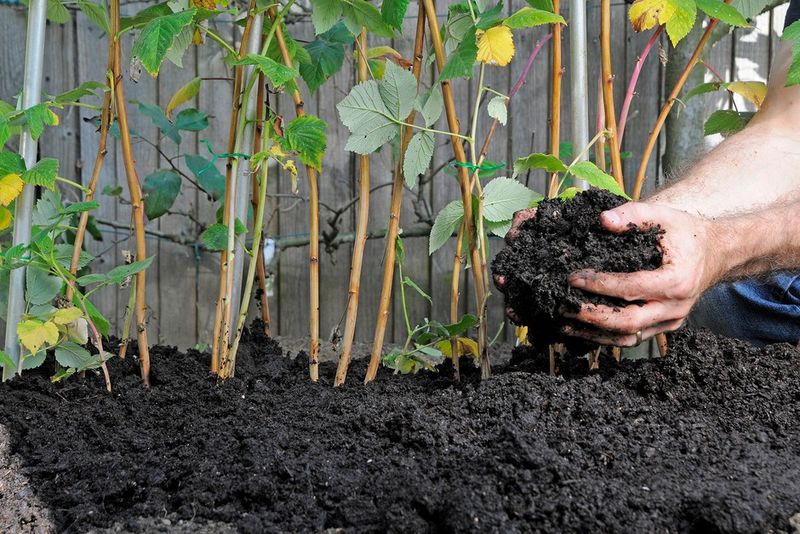
Even properly composted coffee grounds need thoughtful application to avoid creating problems in garden beds. Spreading thick layers sounds efficient, but it recreates the compaction and drainage issues that make fresh grounds problematic.
Thin applications work with soil biology instead of against it, allowing microbes and earthworms to incorporate the material gradually into the existing soil structure.
A quarter-inch layer scattered across the soil surface provides plenty of organic matter without overwhelming the system. This thin coverage allows rainwater to penetrate easily and maintains adequate airflow to plant roots and soil organisms.
You can always add more layers over time as previous applications integrate into the soil, building organic matter content steadily without risking compaction.
Ohio’s clay soils particularly benefit from this gradual approach because they’re already prone to poor drainage and restricted air movement. Adding too much organic matter at once, even composted material, can temporarily worsen drainage problems as the material settles and compacts.
Thin layers get incorporated by earthworm activity and natural soil processes, improving structure without creating barriers to water and air movement.
For vegetable gardens, apply thin layers between crop rotations or as a top-dressing around established plants. Flower beds and perennial gardens can receive applications in early spring or fall when soil is workable.
Scratch the material lightly into the top inch of soil, or simply let natural processes incorporate it over time.
Multiple thin applications beat one thick layer every time.
6. Improve Clay Soil Structure Naturally

Ohio gardeners battle heavy clay soil across much of the state, and this dense, sticky soil presents real challenges for plant growth and garden management. Clay particles pack together tightly, leaving little room for air pockets or easy water movement.
Roots struggle to penetrate compacted clay, and the soil becomes waterlogged after rain but then bakes hard during dry periods.
Organic matter from properly composted coffee grounds significantly improves clay soil structure over time by creating space between mineral particles. As earthworms and microbes incorporate the compost, they build a network of channels and pores that allow air and water to move freely.
The humus from decomposed grounds also acts like tiny sponges, holding moisture without creating soggy conditions and releasing it gradually as plants need it.
Regular applications over several seasons create lasting improvements that make clay soil easier to work and far more productive. You’ll notice the soil becoming more crumbly and less likely to form hard clods when dry.
Plant roots penetrate more easily, accessing water and nutrients throughout a larger soil volume. Drainage improves dramatically, reducing standing water problems and root suffocation issues.
The transformation doesn’t happen overnight, but even the first season shows noticeable differences in soil texture and workability. Keep adding thin layers of composted coffee grounds and other organic matter each year, and Ohio’s challenging clay soil gradually becomes the rich, productive garden soil you’ve always wanted.
7. Boost Earthworms And Soil Life Fast
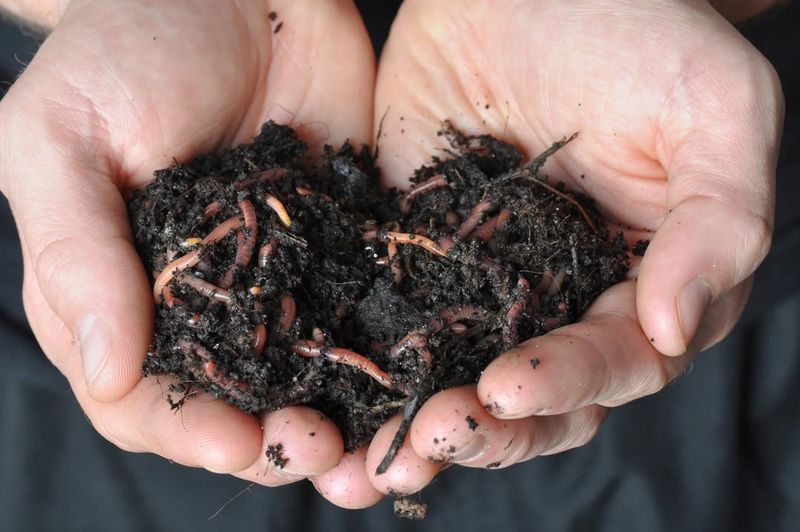
Earthworms are often called nature’s plows, and for good reason. These remarkable creatures tunnel through soil, creating channels that improve drainage and aeration while consuming organic matter and leaving behind nutrient-rich castings.
Coffee grounds, once properly composted, provide excellent food for earthworms and help populations multiply rapidly in garden beds.
A single earthworm can process its own weight in organic matter and soil every day. Their castings are richer in plant-available nutrients than the surrounding soil.
As earthworm populations increase in response to regular organic matter additions, they create an increasingly fertile environment that requires less fertilizer input from gardeners.
Beyond earthworms, composted coffee grounds support countless other beneficial organisms including springtails, beetles, and beneficial nematodes. These creatures form a complex food web that cycles nutrients, suppresses pests, and maintains soil health naturally.
Ohio gardens with active soil biology show better disease resistance and stronger plant growth than those relying solely on synthetic fertilizers.
You’ll know soil life is thriving when you see earthworms throughout your garden beds and notice the dark, crumbly texture of their castings mixed into the soil. Healthy soil smells earthy and pleasant, never sour or rotten.
Plants growing in biologically active soil show deep green foliage, strong growth, and better stress tolerance during Ohio’s occasional droughts or heavy rain periods. Supporting this underground ecosystem creates a self-sustaining cycle of improvement.
8. Turn Waste Grounds Into Rich Organic Matter

Every pound of coffee grounds you compost instead of trashing represents free organic matter that would otherwise cost money at the garden center. Americans brew millions of pots of coffee daily, and most of those grounds end up in landfills where they produce methane as they decompose anaerobically.
Diverting this waste stream to your garden makes environmental and economic sense while building soil health.
Finished compost containing coffee grounds becomes stable humus that persists in soil for years, continually improving moisture retention, nutrient cycling, and soil structure. Unlike synthetic fertilizers that provide a quick nutrient boost but do nothing for long-term soil health, organic matter creates lasting improvements that compound over time.
Each season’s addition builds on previous years, gradually transforming even poor soil into a productive growing medium.
Ohio gardeners can collect grounds from home brewing, but also consider asking local coffee shops for their used grounds. Many establishments happily give away grounds for free, providing gardeners with a steady supply of valuable organic material.
Some shops even keep grounds separated specifically for gardeners who ask.
The transformation from waste to garden gold requires patience and proper technique, but the rewards justify the effort. Your garden becomes more resilient, productive, and sustainable while you reduce waste and save money on soil amendments.
This simple practice connects you to natural cycles and demonstrates how working with nature’s processes creates better results than fighting against them.
Ohio’s gardens thrive when fed properly composted organic matter.