Tricks To Make Hoya Grow Faster And Bloom Indoors In North Carolina Homes
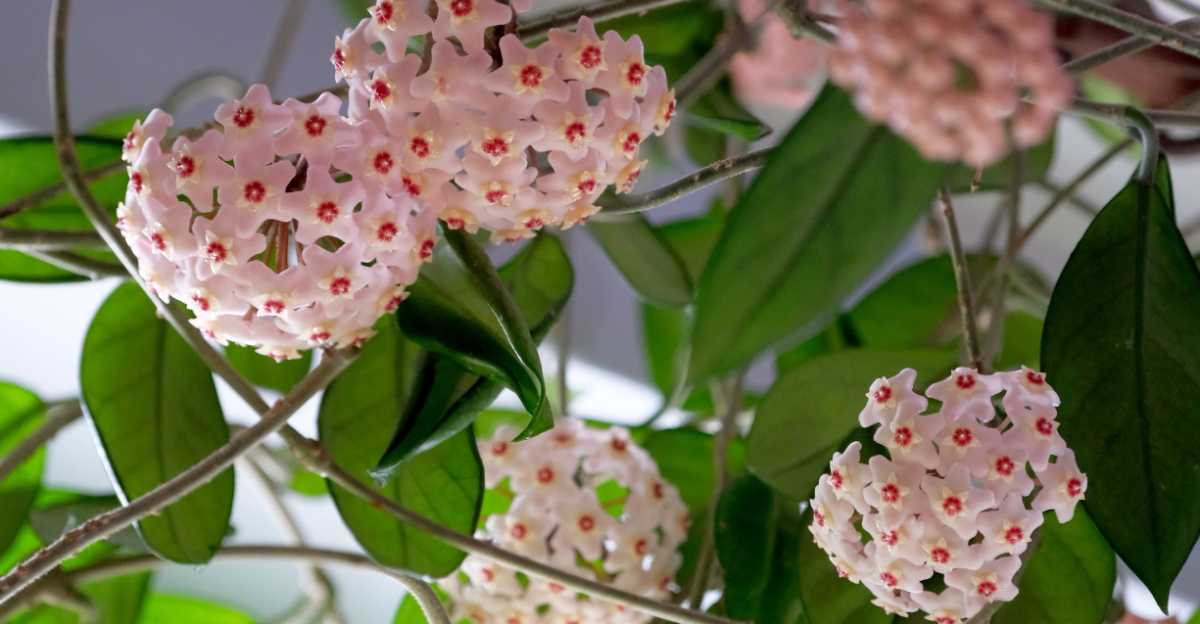
Hoya plants have a way of stealing attention with their glossy leaves and clusters of star shaped blooms that look almost too perfect to be real. Many North Carolina plant lovers bring these tropical beauties indoors for their charm, fragrance, and easygoing nature.
But while Hoyas are often considered beginner friendly, getting them to truly thrive and bloom takes a little know how. Light, warmth, and careful watering all play a role in keeping leaves lush and encouraging those famous flower clusters to appear.
When conditions feel right, Hoyas reward you with steady growth and long lasting beauty that brightens any room.
With the right balance, these plants can become reliable, low effort favorites that continue to impress season after season, bringing a touch of tropical life into your home all year long.
1. Give Hoya Bright Indirect Light For Strong Growth And Flowering
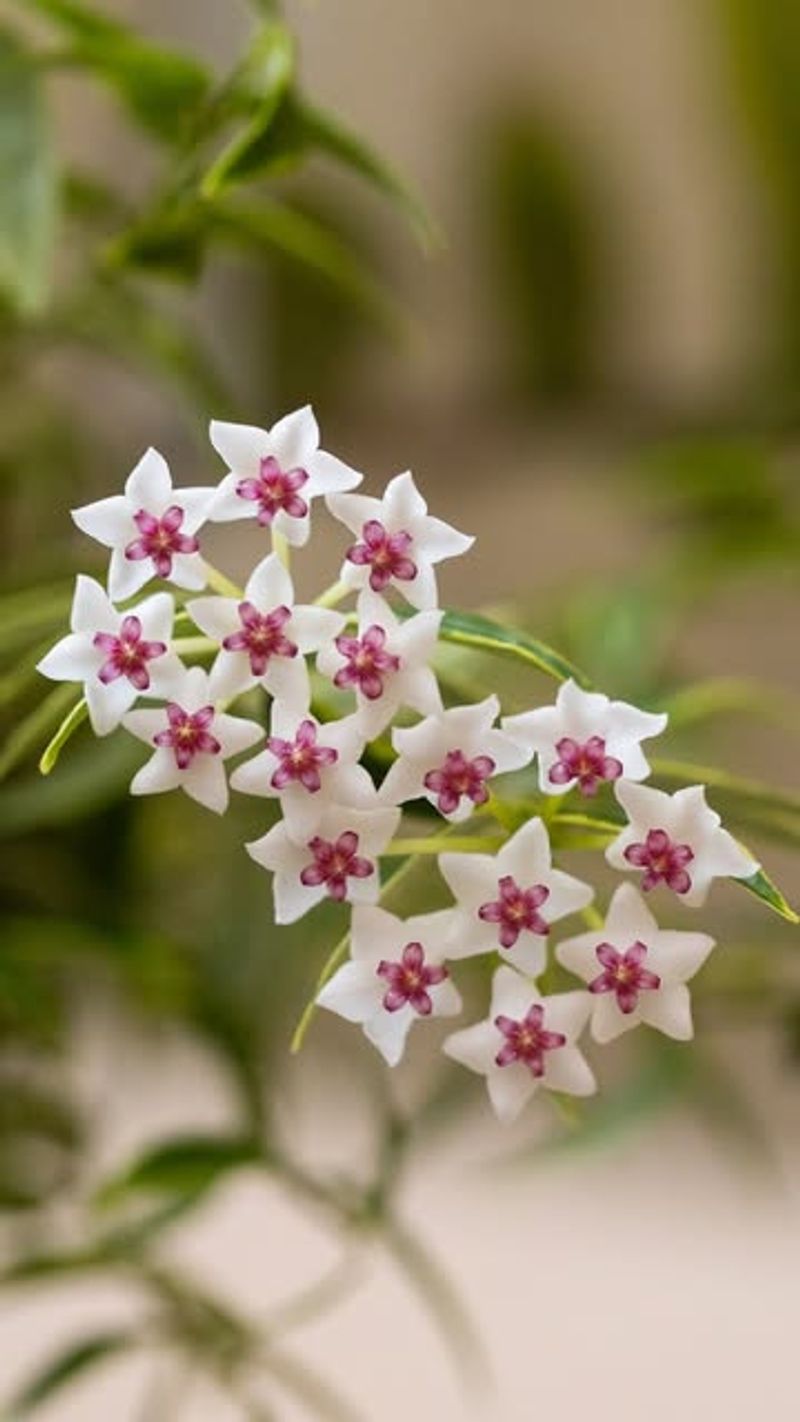
Natural light makes all the difference when growing Hoyas indoors. These tropical plants originally grew beneath tree canopies where sunlight filtered through leaves overhead.
Your North Carolina home can replicate those conditions perfectly near east or west facing windows.
Bright indirect light means your plant receives plenty of illumination without harsh direct rays hitting the leaves. A sheer curtain works wonderfully to soften intense afternoon sun.
You can also position your Hoya a few feet back from a sunny window where light remains strong but gentler.
North facing windows typically provide insufficient light for robust growth and flowering. South facing windows offer abundant light but may require some filtering during peak summer hours.
Watch your plant for signs it needs adjustment.
Insufficient light causes leggy growth with long spaces between leaves and rarely produces flowers. Too much direct sun can scorch those beautiful waxy leaves and create brown patches.
Finding that sweet spot encourages compact growth and flower bud development.
Rotating your plant occasionally ensures all sides receive equal light exposure. This simple practice promotes balanced growth and prevents the plant from leaning heavily toward the light source.
Proper lighting forms the foundation for everything else your Hoya needs to flourish and eventually reward you with those spectacular blooms.
2. Use Well Draining Soil To Protect Roots And Encourage Growth
Root health determines whether your Hoya thrives or struggles indoors. These epiphytic plants naturally grow on trees in their native habitat where roots receive excellent air circulation.
Regular potting soil stays too wet and compact for their needs.
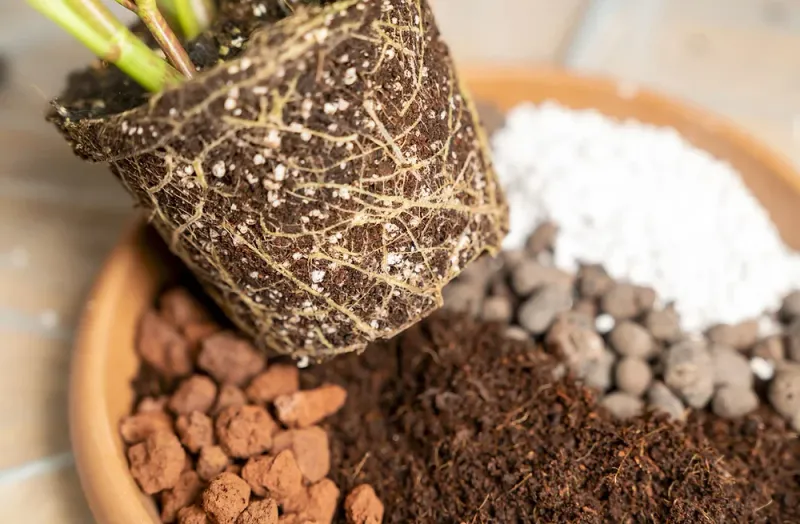
A quality mix for Hoyas combines several ingredients that promote drainage and aeration. Orchid bark chips create air pockets around roots while perlite prevents compaction over time.
Adding some peat moss or coco coir retains just enough moisture without becoming waterlogged.
Many successful growers use a blend of one part potting soil with one part orchid bark and one part perlite. This combination drains quickly after watering while still holding adequate moisture for the plant.
You can purchase premixed succulent or cactus soil as a convenient base and enhance it with extra perlite or bark.
Poor drainage leads to soggy conditions where roots cannot breathe properly. Roots sitting in wet soil face serious problems that slow growth dramatically.
Your North Carolina Garden Changes Every Week. Your Plan Should Too.
Gardening in North Carolina changes quickly throughout the season. Every Friday you’ll receive a simple weekly plan showing exactly what to plant, prune, fertilize, harvest, and protect so you never miss the right timing.
Well draining mix allows excess water to flow through freely while roots access both moisture and oxygen.
North Carolina humidity varies throughout the year so adjusting your soil mix helps maintain consistency. During humid summers your mix might dry more slowly than in winter when indoor heating reduces moisture levels.
The right soil foundation supports vigorous root development that fuels faster growth and eventual flowering.
3. Water Only When The Soil Partly Dries Out
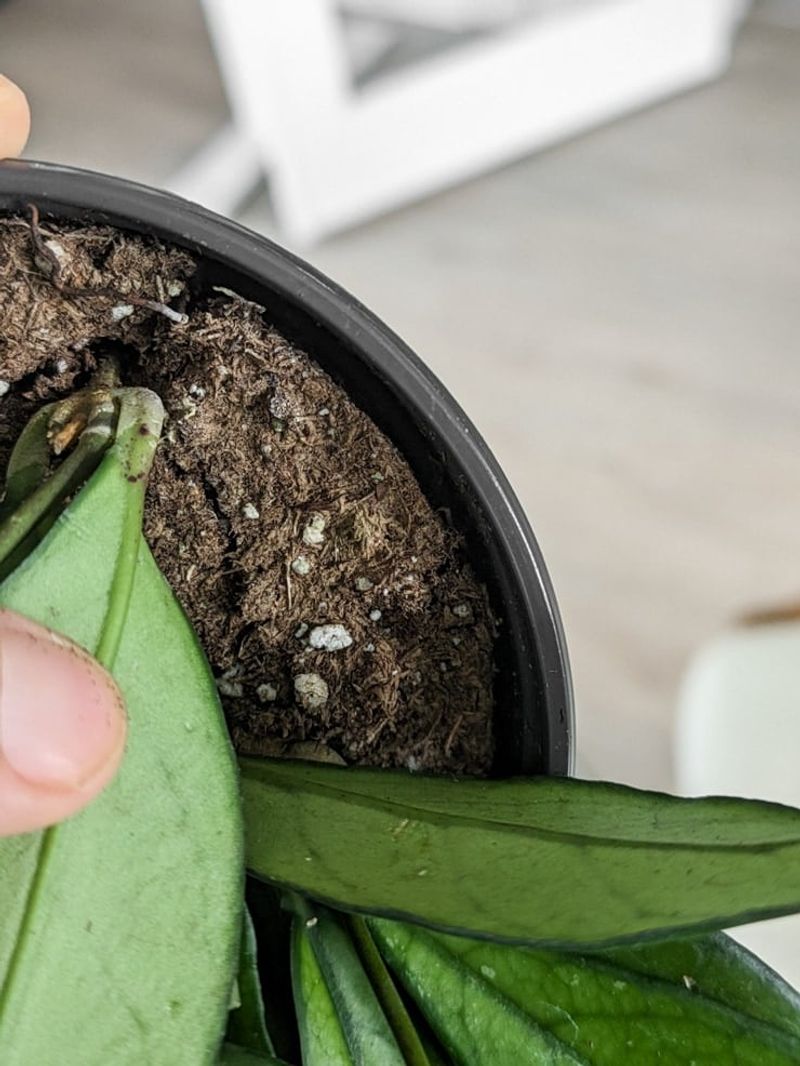
Understanding Hoya watering needs prevents the most common mistakes new owners make. These plants store water in their thick succulent leaves which means they tolerate some dryness better than constant moisture.
Overwatering causes far more problems than waiting an extra day or two.
Check the top two inches of soil with your finger before watering. When this upper layer feels dry to the touch your plant probably needs water.
The soil deeper in the pot may still hold some moisture which is perfectly fine for Hoyas.
Watering frequency changes with seasons and indoor conditions in North Carolina homes. Summer growth periods require more frequent watering while winter dormancy means less.
A plant near a heating vent dries faster than one in a cooler room.
Pour water slowly until it begins draining from the bottom holes then stop. Let excess water drain completely and never allow your pot to sit in standing water.
Empty saucers after fifteen minutes to prevent roots from absorbing too much moisture.
Signs of overwatering include yellowing leaves and mushy stems while underwatering shows wrinkled leaves and dry brown edges. Most Hoyas prefer slightly underwatered conditions over soggy soil.
This moderate approach to watering encourages healthy root systems and reduces stress on your plant. Consistent watering habits matched to your specific conditions help your Hoya grow steadily and develop the maturity needed for blooming.
4. Keep Indoor Temperatures Warm And Stable
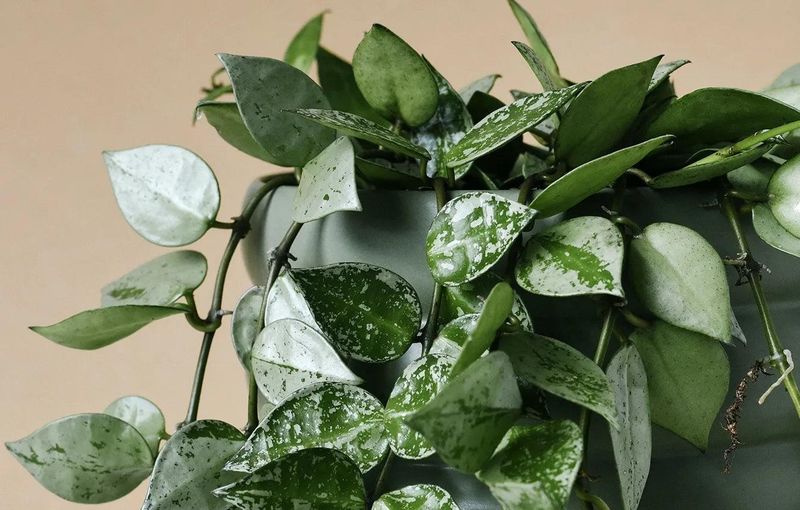
Temperature stability matters more than you might think for Hoya success. Most species come from tropical and subtropical regions where temperatures remain fairly consistent year round.
Your North Carolina home naturally provides suitable conditions during most seasons.
Ideal temperature ranges fall between 60 and 85 degrees Fahrenheit for most Hoya varieties. Room temperatures comfortable for people work perfectly well for these adaptable plants.
They handle typical household temperature fluctuations without stress as long as changes happen gradually.
Avoid placing Hoyas near air conditioning vents that blast cold air directly on leaves. Similarly keep them away from heating vents during winter months that create hot dry conditions.
These sudden temperature swings stress plants and slow their growth considerably.
Cold drafts from windows or doors during winter pose particular risks in North Carolina where temperatures can drop significantly overnight. Move plants slightly away from windows on extremely cold nights.
A few feet of distance provides protection while maintaining good light exposure.
Nighttime temperatures slightly cooler than daytime readings actually benefit many Hoya species. This natural temperature variation mimics their native growing conditions and can encourage flowering.
The key is avoiding extreme drops below 50 degrees which can damage sensitive tropical foliage. Maintaining warm stable temperatures year round supports continuous healthy growth and helps your plant build the energy reserves needed to produce those stunning flower clusters.
5. Provide Moderate Humidity For Healthier Growth
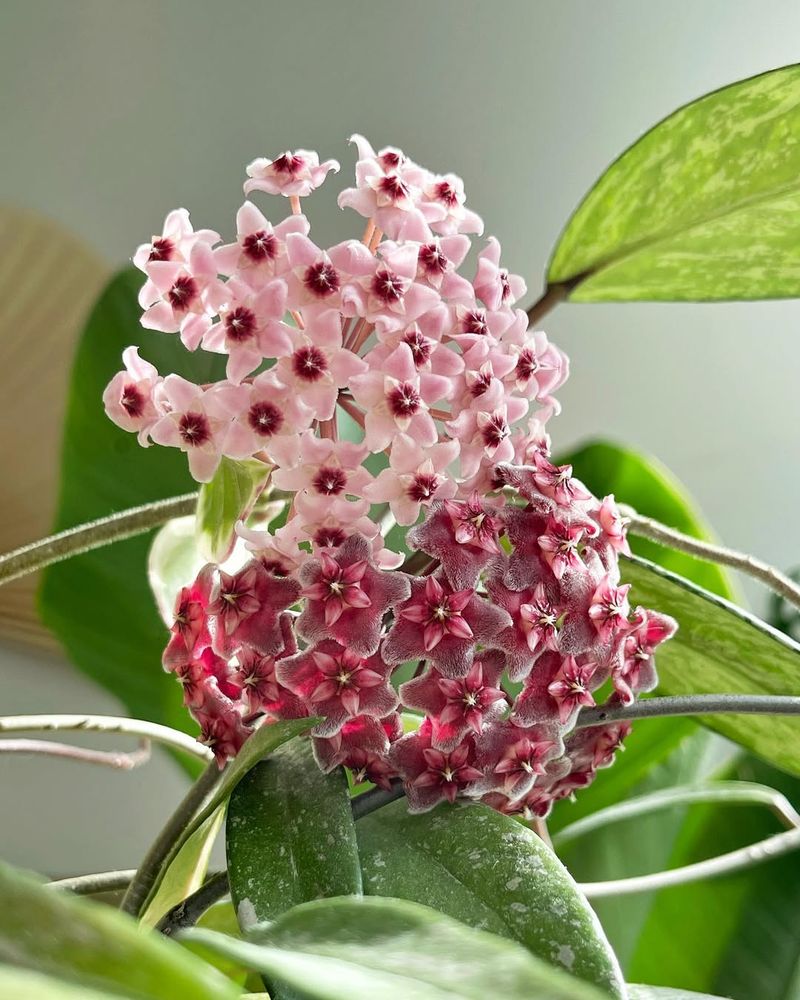
Humidity levels influence how well your Hoya grows and looks throughout the year. These tropical natives appreciate moisture in the air similar to their original forest habitats.
North Carolina naturally provides decent humidity during warmer months but winter indoor heating dries the air considerably.
Most Hoya species thrive with humidity levels between 40 and 60 percent. Regular household humidity often falls within this range making these plants easier to grow than some fussier tropicals.
You can check levels with an inexpensive hygrometer to monitor conditions.
Grouping several plants together creates a microclimate with slightly higher humidity as they release moisture through their leaves. This simple strategy costs nothing and benefits all your houseplants.
Placing pots on trays filled with pebbles and water adds moisture to the immediate area as water evaporates upward.
Small humidifiers work wonderfully for plant collections and benefit people too during dry winter months. Position the humidifier near but not directly on your plants for best results.
Avoid misting Hoya leaves as this provides only temporary humidity and can promote fungal issues on foliage.
Low humidity shows up as brown leaf tips and edges or slower growth rates. Extremely dry air makes plants more susceptible to pests like spider mites.
Moderate humidity supports lush foliage growth and helps plants maintain those gorgeous waxy leaves that make Hoyas so attractive even when not blooming.
6. Feed With Balanced Nutrients During Active Growth
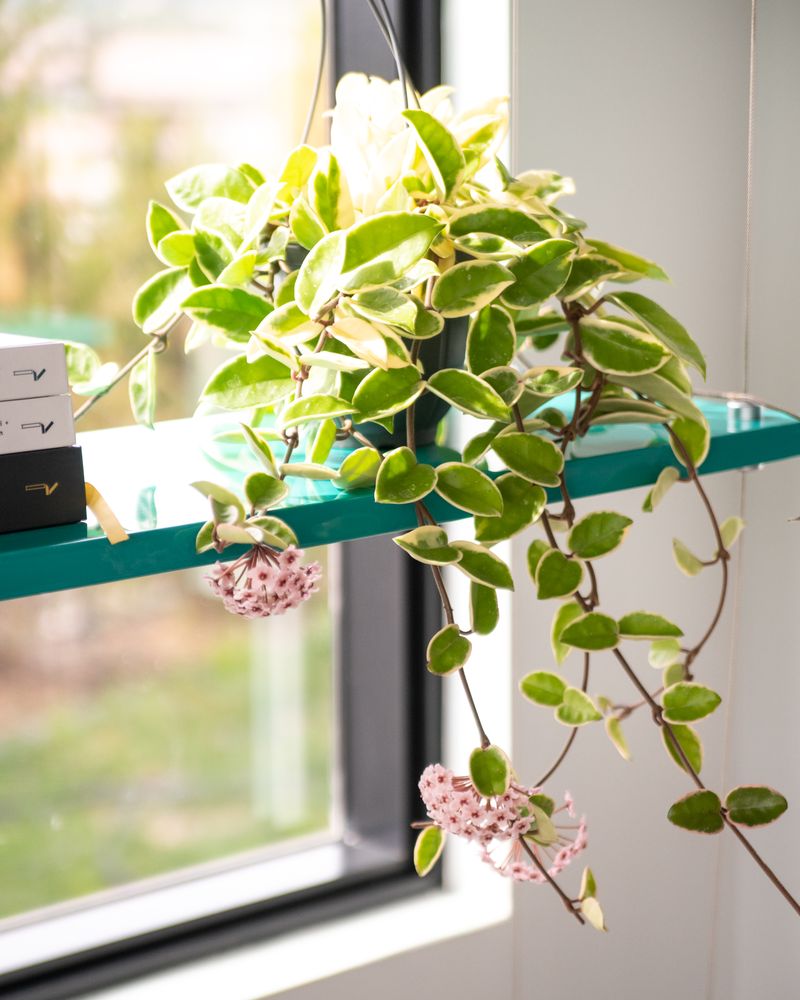
Nutrition supports your Hoya through its growing season when new leaves and stems develop. These plants are not heavy feeders compared to many houseplants but they do benefit from regular light fertilization.
The growing season typically runs from spring through early fall in North Carolina homes.
Balanced fertilizers with equal nitrogen phosphorus and potassium ratios work well for Hoyas. A formula like 10-10-10 or 20-20-20 diluted to half the recommended strength provides adequate nutrition without overwhelming the plant.
Liquid fertilizers mix easily with water and distribute evenly through the soil.
Feed your Hoya every four to six weeks during active growth periods. Monthly feeding during spring and summer gives plants the boost they need without excess buildup.
Always apply fertilizer to moist soil rather than dry to prevent root burn.
Higher phosphorus formulas can encourage blooming in mature plants ready to flower. Some growers switch to a bloom booster formula like 10-30-20 when flower buds begin forming.
This targeted approach supports flower development without pushing excessive foliage growth.
Stop fertilizing or reduce frequency significantly during fall and winter when growth naturally slows. Plants need less nutrition during dormant periods and excess fertilizer can accumulate in the soil.
Overfertilizing causes more harm than underfertilizing with salt buildup damaging sensitive roots. Light consistent feeding during the growing season provides everything your Hoya needs to build strength and eventually produce those beautiful fragrant flower clusters.
7. Let Plants Become Slightly Root Bound To Encourage Blooming
Repotting frequency affects when and how often your Hoya blooms. Unlike many houseplants that need regular repotting Hoyas actually prefer staying in the same pot longer.
This might seem counterintuitive but it follows their natural growth patterns and triggers flowering.
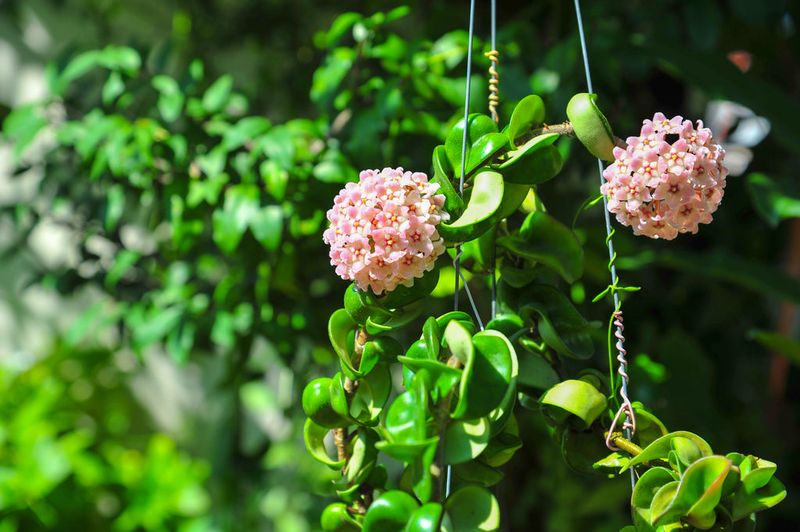
Hoyas often bloom better when their roots fill the pot fairly completely. This slightly crowded condition signals the plant to focus energy on reproduction rather than vegetative growth.
A root bound Hoya shifts from making leaves to making flowers.
Check roots by gently lifting the plant or looking at drainage holes. Roots circling the bottom or poking through holes indicate your plant has filled its current home.
This is actually good news for flowering potential even though it might look concerning.
Wait to repot until roots are significantly crowded or growth slows dramatically. When you do repot choose a container only one or two inches larger than the current pot.
Moving to an oversized pot encourages root and leaf growth instead of blooms.
Spring offers the best timing for repotting if necessary since plants can establish quickly during active growth. Use fresh well draining mix and handle roots gently to minimize transplant shock.
Some growers keep mature Hoyas in the same pot for several years.
This approach to pot size goes against common houseplant advice but works specifically well for Hoyas. Slightly cramped roots combined with proper care in other areas creates the perfect conditions for flower spike development and those spectacular blooms.
8. Avoid Cutting Flower Spurs After Blooming
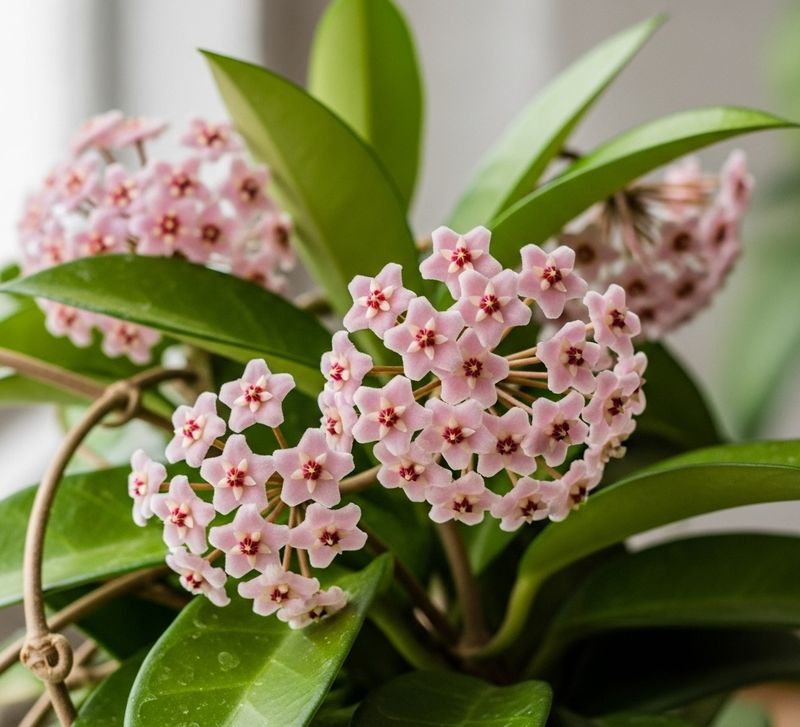
Flower spurs hold the secret to repeat blooming on your Hoya. These small woody stems called peduncles emerge from leaf nodes and produce clusters of flowers.
What many new growers do not realize is that these same spurs can bloom again and again.
After flowers fade and drop off the spur remains attached to the plant. This stubby brown stem might look unsightly but it contains dormant buds capable of producing new flower clusters.
Cutting it off eliminates future blooming potential from that location.
Many Hoya species rebloom from the same peduncles year after year. Each flowering cycle the spur may produce even more blooms than before.
Leaving these structures intact dramatically increases your total flower count over time.
New spurs develop slowly so preserving existing ones makes practical sense. A mature plant might have multiple spurs at various stages with some blooming while others rest.
This creates extended flowering periods throughout the growing season.
The spurs may look brown and withered but they remain alive and functional. Resist the urge to tidy up your plant by removing them.
Only cut a spur if it turns completely black and brittle or shows signs of disease.
Some Hoya varieties produce flowers on new growth each time but most species rebloom from old spurs. When in doubt leave them alone and let your plant show you its pattern.
This simple practice of not cutting spurs can transform an occasional bloomer into a reliable flowering houseplant that rewards your patience.
9. Give Proper Airflow Without Cold Drafts
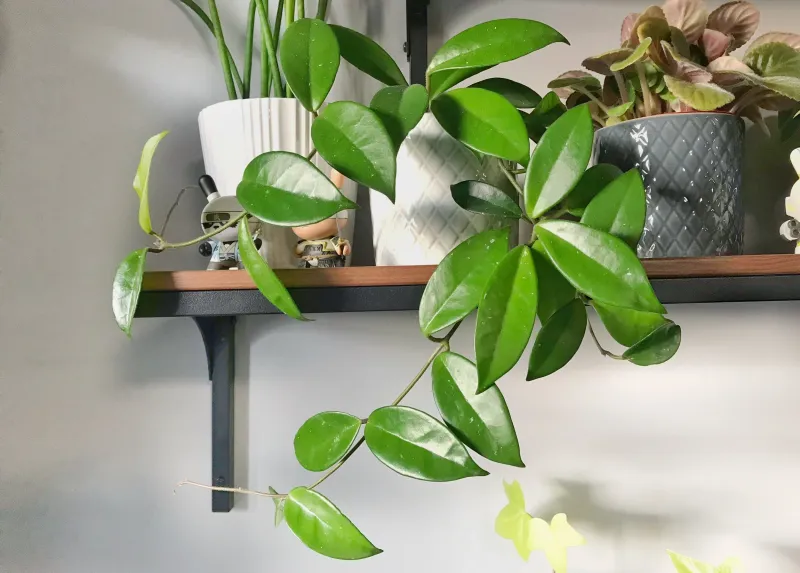
Air circulation affects plant health in ways that are not immediately obvious. Stagnant air around leaves creates conditions where fungal problems can develop and pests find comfortable homes.
Gentle air movement strengthens stems and helps soil dry evenly after watering.
Good airflow does not mean strong winds or direct fan blasts on your plant. Think gentle breezes that rustle leaves slightly rather than constant strong currents.
A ceiling fan on low setting or a small oscillating fan pointed away from plants improves air circulation throughout the room.
Windows provide natural air movement when opened during mild weather in North Carolina. Spring and fall offer perfect conditions for fresh air exchange.
Just monitor temperatures to ensure cold air does not chill your tropical Hoya.
Cold drafts from air conditioning or winter windows can shock plants and slow growth dramatically. Position Hoyas where they receive air circulation without sitting directly in the path of cold air streams.
A few feet away from vents or windows provides protection while maintaining good air movement.
Crowding plants too closely together restricts airflow around individual specimens. Space pots adequately so air can circulate freely between them.
This spacing also reduces pest transmission and allows you to inspect plants easily.
Proper ventilation helps prevent common problems like powdery mildew and botrytis while supporting overall vigor. Plants in well ventilated spaces grow stronger and more resilient.
Balancing gentle air movement with protection from harsh drafts creates ideal conditions for your Hoya to thrive and develop the robust health needed for flowering.
10. Be Patient As Hoyas Naturally Grow And Bloom Slowly
Patience ranks among the most important qualities for successful Hoya growing. These plants follow their own timeline that cannot be rushed no matter how perfect the care.
Understanding their natural pace prevents frustration and helps you appreciate each stage of growth.
Young Hoyas often take two to three years before producing their first flowers. Some species need even longer to reach blooming maturity.
This waiting period builds strong root systems and sufficient foliage to support flower production.
Growth rates vary significantly between Hoya species with some growing vigorously while others creep along slowly. Your plant is not necessarily unhappy if it seems to grow slowly.
Many Hoyas naturally put out just a few new leaves each year.
Seasonal growth patterns mean your plant may appear dormant for months then suddenly push out multiple new leaves. This normal cycle reflects their native growing conditions with active and rest periods.
Trust the process and maintain consistent care throughout all seasons.
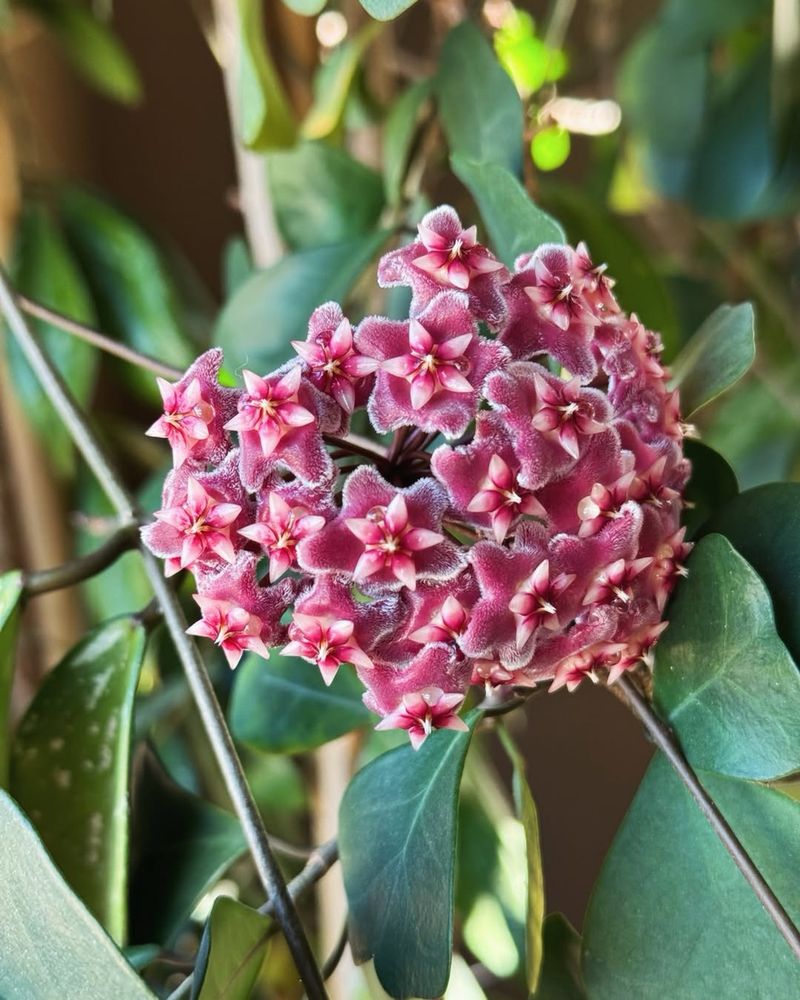
Blooming often happens when you least expect it after months or years of foliage only growth. That first flower cluster makes all the waiting worthwhile.
Once a Hoya begins blooming it typically flowers more reliably each year.
Comparing your plant to others online can create unrealistic expectations since growing conditions vary widely. Focus on providing proper care and watching for signs of health like firm leaves and steady growth.
Your Hoya will bloom when it reaches maturity and conditions align perfectly for flower production.