Plant This Native Shrub In North Carolina In February For Stunning Spring Color
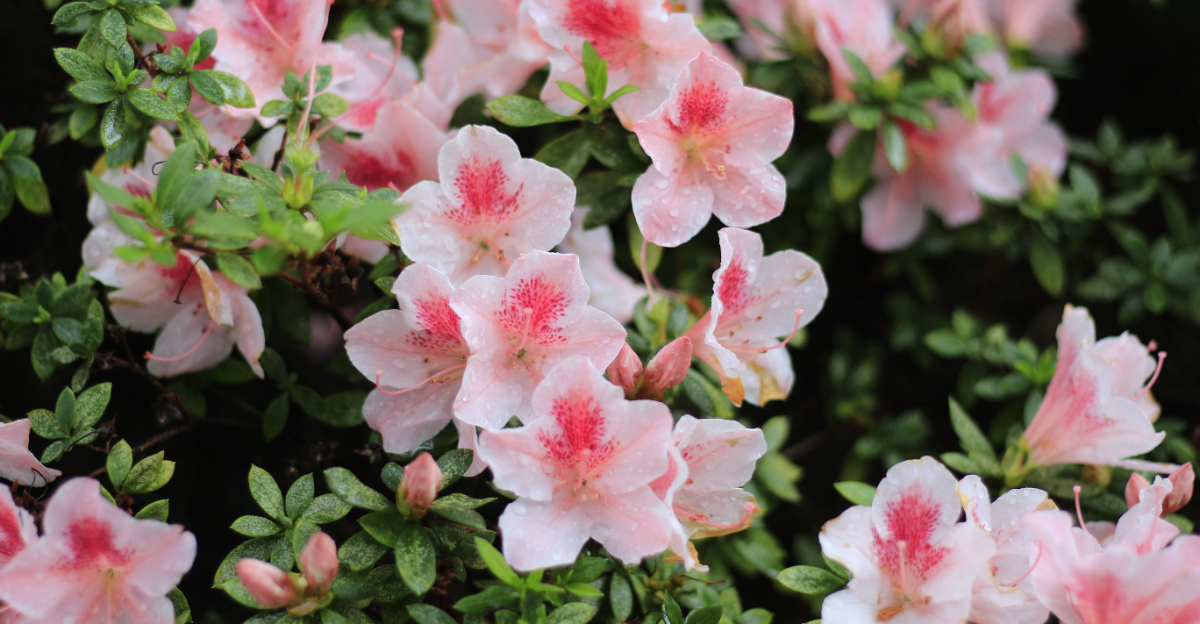
Want your garden to explode with color just as spring arrives? Many North Carolina gardeners are turning to native azaleas for a stunning seasonal show that feels both natural and effortless.
These beautiful shrubs burst into bloom right when landscapes need life the most, covering branches with glowing shades of pink, white, and coral. February is a smart time to plant because dormant roots can settle in quietly before the rush of spring growth begins.
That early start often leads to stronger plants, fuller blooms, and healthier growth through the season. Native azaleas also handle local conditions with ease, making them far less demanding than many ornamental shrubs.
As the garden wakes, they quickly become a highlight, drawing attention and bringing fresh energy to the landscape. With the right timing, these native beauties can transform your yard into a vibrant spring display that feels alive and welcoming.
Native Azalea Brings Brilliant Spring Color To North Carolina Gardens
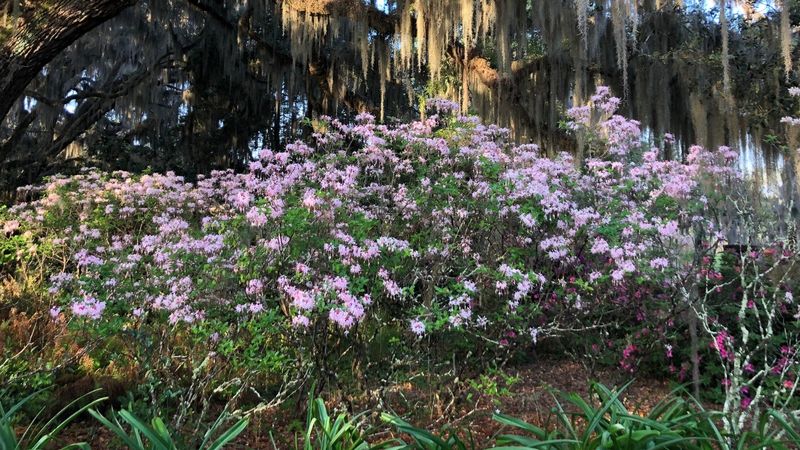
Picture your garden awakening from winter with clusters of brilliant pink, white, or coral blooms covering graceful branches. Native azaleas like Rhododendron periclymenoides deliver exactly that spectacular show each spring.
These shrubs belong naturally to North Carolina’s landscape, having evolved here over thousands of years.
The flowers emerge in abundance, creating stunning focal points that catch every eye. Each bloom cluster contains multiple tubular flowers that open in succession, extending the display for weeks.
Colors range from soft pastels to vibrant hues depending on the species you choose.
Gardeners appreciate how these shrubs transform ordinary spaces into colorful showcases without demanding exotic care routines. The blooms appear reliably year after year when conditions suit the plant.
Native azaleas fit perfectly into woodland gardens, foundation plantings, or mixed borders.
Their flowering coincides with spring’s arrival, marking the season’s change with natural beauty. The shrubs typically reach three to six feet tall, making them versatile for various landscape positions.
Branches spread naturally, creating an attractive rounded or irregular form that looks at home in naturalistic settings.
Choosing native azaleas means selecting plants proven to thrive in your regional climate and soil conditions.
A Native Shrub Naturally Adapted To North Carolina Conditions
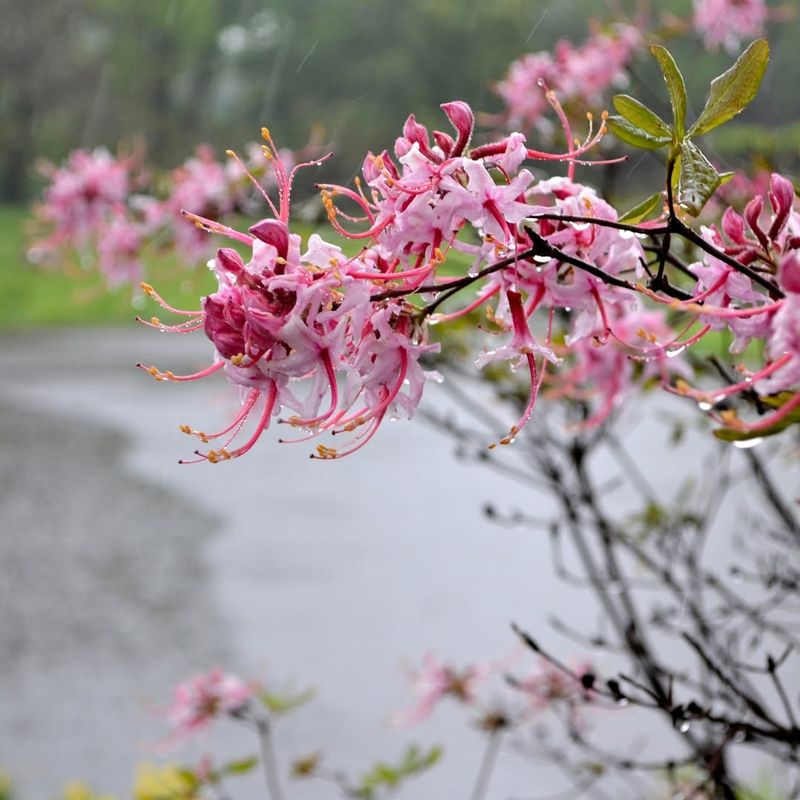
North Carolina’s climate shaped these azaleas over countless generations, making them perfectly suited to local growing conditions. Native azaleas handle the state’s humid summers and variable winters without the stress that challenges non-native species.
Their root systems evolved to extract nutrients from regional soil types, whether acidic mountain loam or coastal sandy mixtures.
Rainfall patterns in North Carolina match what these shrubs naturally expect throughout the year. They tolerate the occasional drought that occurs during summer months better than many imported ornamentals.
Winter cold rarely damages properly sited native azaleas since they developed alongside North Carolina’s temperature fluctuations.
Soil microorganisms native to the area work symbiotically with azalea roots, helping them absorb water and nutrients efficiently. This natural partnership means healthier plants with stronger disease resistance.
Native azaleas also coexist well with other regional plants, creating harmonious garden communities.
Your North Carolina Garden Changes Every Week. Your Plan Should Too.
Gardening in North Carolina changes quickly throughout the season. Every Friday you’ll receive a simple weekly plan showing exactly what to plant, prune, fertilize, harvest, and protect so you never miss the right timing.
Temperature swings between day and night don’t shock these adapted shrubs the way they might affect plants from different climates. Their leaf structure handles local humidity levels without developing fungal problems common in poorly adapted species.
Native azaleas break dormancy at the right time for North Carolina springs, avoiding late frost damage.
Choosing regionally adapted plants reduces gardening frustration and increases long-term success rates significantly.
February Is A Good Time To Plant Dormant Shrubs
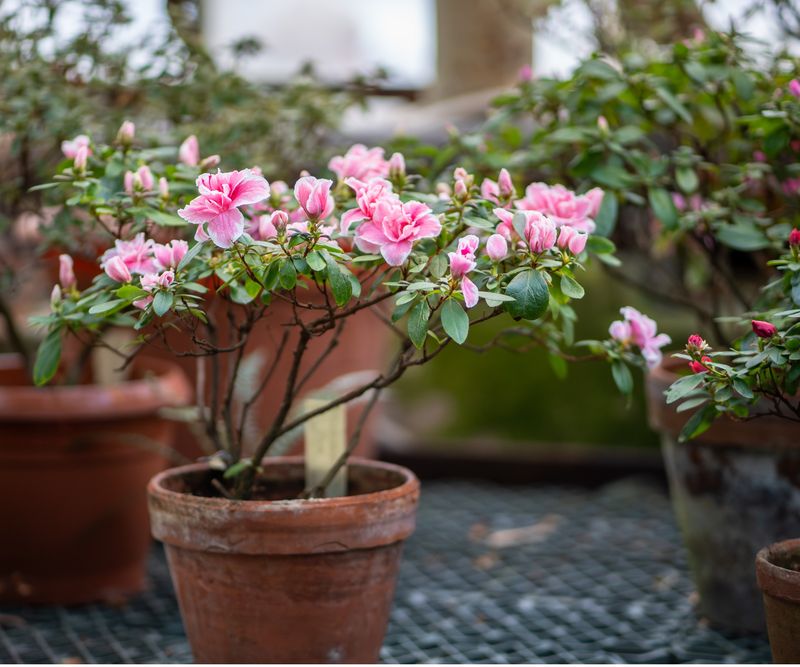
Late winter planting offers distinct advantages for establishing new shrubs in your North Carolina landscape. Dormant azaleas focus energy on root development rather than supporting active foliage and flowers.
This underground growth happens invisibly but creates the foundation for future plant health and vigor.
February soil in North Carolina is typically workable, neither frozen solid nor waterlogged from spring rains. Cooler temperatures reduce transplant shock since plants aren’t struggling to support leaves and blooms simultaneously.
Roots spread into surrounding soil before the stress of summer heat arrives.
Planting now gives azaleas several months to establish before facing their first full growing season in your garden. The shrub develops an anchoring root system that helps it access water during drier periods.
Early planting also means you might enjoy some blooms this first spring, though peak flowering comes in subsequent years.
Garden centers often stock healthy dormant shrubs in late winter, giving you good selection before spring demand depletes inventory. Handling bare-root or container plants is easier in cool weather for both you and the plant.
Soil amendments mix more thoroughly when you’re not rushing before summer heat.
Waiting until spring or summer means plants face immediate stress from heat, requiring more intensive watering and care during establishment.
Early Season Blooms Add Color After Winter
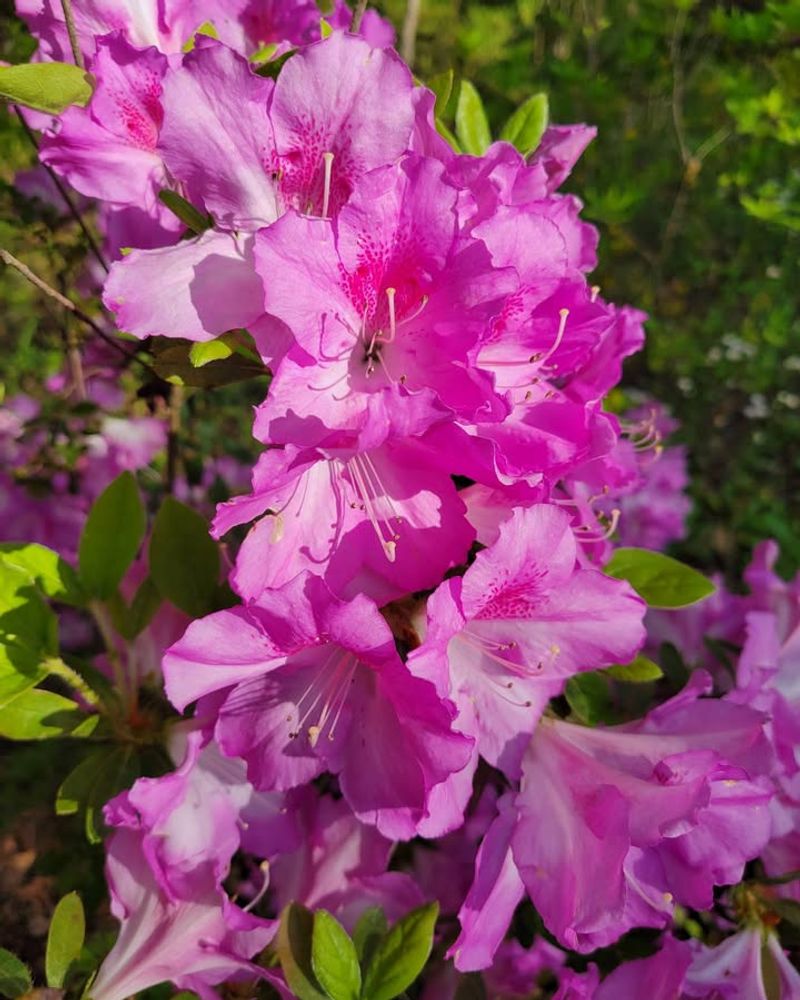
Winter’s gray palette can feel endless by February, making early spring blooms especially welcome in North Carolina gardens. Native azaleas break the monotony with their cheerful flowers appearing while many plants remain dormant.
These blooms signal nature’s renewal, lifting spirits after months of muted landscapes.
The timing of azalea flowering varies slightly by species and location within the state, but most bloom between March and May. This early color arrives before many summer perennials even emerge from the ground.
Your garden gains visual interest exactly when you’re eager to spend time outdoors again.
Flower colors stand out dramatically against bare branches and emerging spring foliage of other plants. The contrast creates striking garden moments that photographs can barely capture.
Early blooms also attract attention from neighbors and visitors who notice colorful displays after winter’s dormancy.
Native azaleas often bloom before leaves fully expand, making flowers even more prominent and visible. This characteristic maximizes their visual impact in the landscape.
The fragrance of some species adds another sensory dimension to early spring gardens.
Having reliable early color encourages you to plan garden activities and outdoor gatherings as weather warms. These blooms remind us why we garden, providing beauty that rewards patience through winter months.
Flowers That Support Native Pollinators
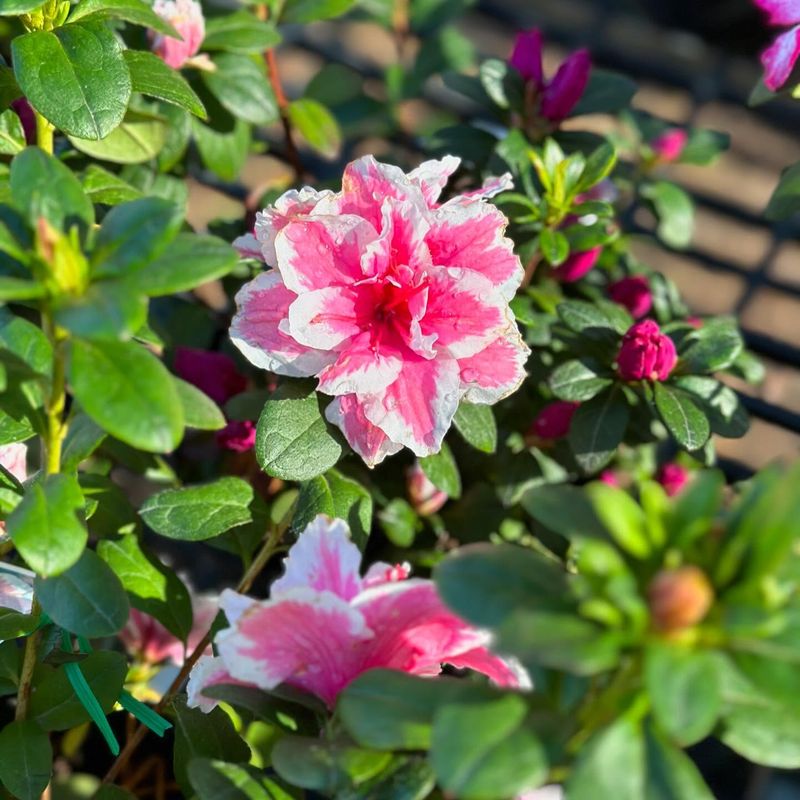
Native azaleas evolved alongside regional pollinators, creating relationships that benefit both plants and insects. Bees, butterflies, and hummingbirds visit azalea flowers for nectar during their bloom period.
These early-season food sources help pollinators emerging from winter dormancy or arriving from migration.
The tubular flower shape of many azalea species suits the feeding habits of specific pollinator types perfectly. Hummingbirds can reach nectar deep within flowers using their specialized beaks and tongues.
Native bees collect both nectar and pollen, supporting their colonies during critical spring buildup.
Butterfly species that overwinter in North Carolina benefit from azalea nectar as they become active again. This early food source provides energy for mating and egg-laying activities.
Supporting native pollinators helps maintain healthy ecosystems beyond your garden boundaries.
Gardens with diverse native plants attract more pollinator species than those relying solely on non-native ornamentals. Azaleas contribute to this diversity while adding ornamental value.
The relationship between native plants and native pollinators developed over millennia, creating efficient partnerships.
Watching pollinators work among azalea blooms adds dynamic interest to your garden experience. Children especially enjoy observing bees and butterflies visiting flowers.
Planting for pollinators connects your landscape to broader environmental health.
A Woodland Shrub That Thrives In Filtered Light
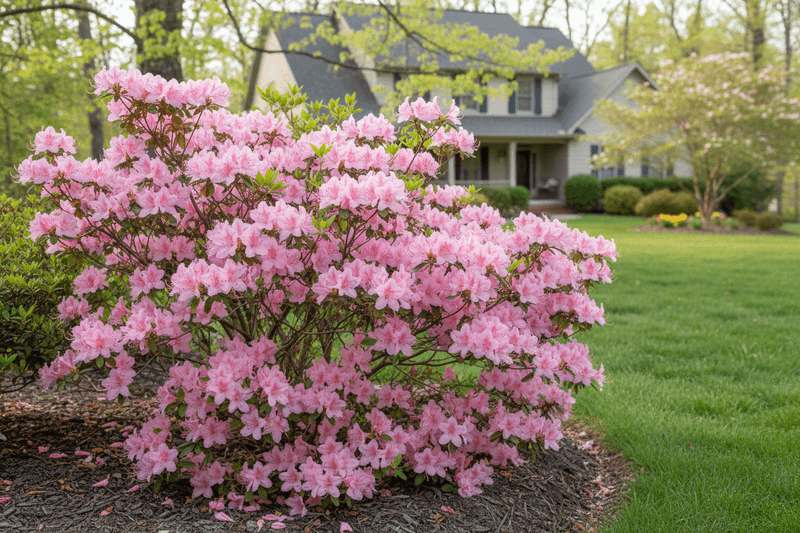
Many North Carolina landscapes include areas with partial shade from mature trees, creating perfect conditions for native azaleas. These shrubs naturally inhabit woodland edges and forest understories in their wild habitats.
Filtered light through tree canopies provides the ideal balance of sun and shade.
Full sun locations can stress azaleas during hot North Carolina summers, causing leaf scorch and reduced flowering. Partial shade protects foliage while still providing enough light for robust bloom production.
Morning sun with afternoon shade works particularly well in most regions.
Woodland gardens benefit enormously from azaleas that bridge the gap between groundcovers and tree canopies. The shrubs create middle-layer interest in layered plantings.
Their natural growth habit complements the informal character of woodland landscapes.
Gardeners struggling with shady spots often find native azaleas solve their planting challenges beautifully. These shrubs thrive where sun-loving plants fail to perform.
The filtered light environment also reduces water stress compared to exposed locations.
Companion plants for azaleas include other shade-tolerant natives like ferns, wild ginger, and foamflower. These combinations create cohesive plantings that look naturally composed.
The dappled light creates interesting shadow patterns on azalea foliage throughout the day.
Understanding light requirements helps you site plants correctly from the start, avoiding future transplanting and disappointment.
Natural Growth Habit Creates A Soft Landscape Look
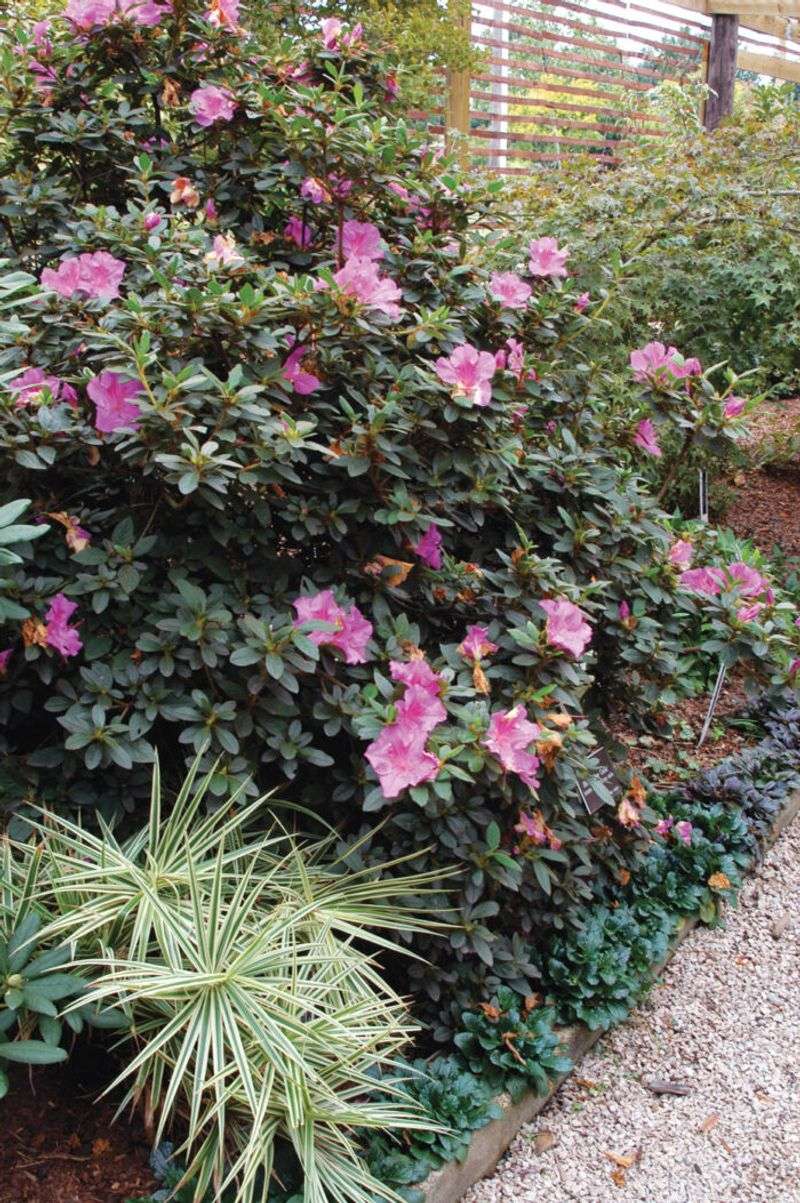
Native azaleas grow with an informal, loosely branched structure that fits beautifully into naturalistic garden designs. Their habit contrasts with rigidly sheared foundation plants, offering a more relaxed aesthetic.
Branches spread at varying angles, creating visual interest through all seasons.
This natural form requires no regular pruning to maintain its shape, saving you maintenance time. The irregular outline softens hard landscape edges like fences, walls, or building corners.
Azaleas blend seamlessly with other native plants in mixed borders and woodland gardens.
Gardeners embracing native plant aesthetics appreciate how azaleas look unforced and appropriate in the landscape. The shrubs avoid the artificial appearance of heavily manipulated ornamentals.
Their growth pattern creates a sense of place, connecting gardens to regional natural areas.
Branches may arch gracefully or spread horizontally depending on the species and growing conditions. This variability adds character rather than appearing messy or unkempt.
The natural form also provides better wildlife habitat than tightly clipped shrubs.
Older specimens develop attractive branching patterns that gain interest with age. Bark texture becomes more visible and appealing as shrubs mature.
The loose structure allows light to penetrate, supporting underplantings of smaller native plants.
Choosing plants with natural beauty reduces the urge to over-manage your garden, creating more sustainable landscapes.
Low Maintenance Once Established In The Right Conditions
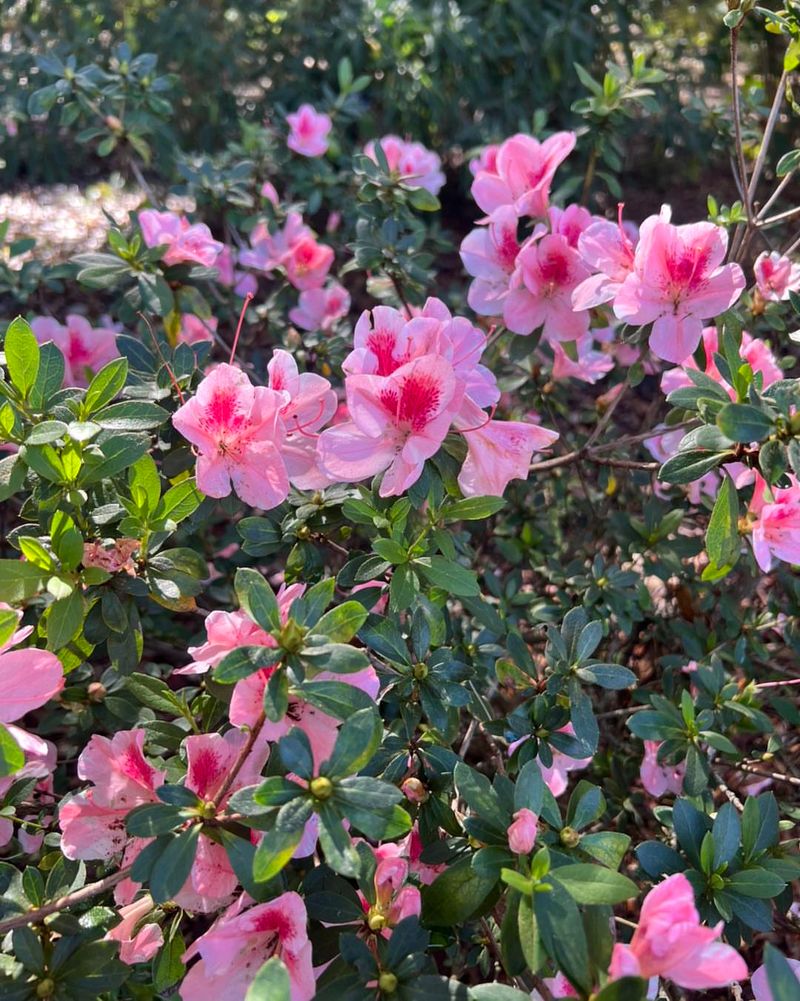
Properly sited native azaleas require minimal intervention once their root systems establish in your garden. These shrubs evolved to thrive in North Carolina conditions without human assistance.
Matching plant requirements to site conditions dramatically reduces maintenance needs.
Established azaleas tolerate typical rainfall patterns without supplemental irrigation during most years. Their root systems access moisture from a wider soil area than newly planted specimens.
Occasional deep watering during extended droughts keeps plants healthy without constant attention.
Native azaleas face fewer pest and disease problems than exotic species since they developed alongside regional challenges. Their natural defenses handle most issues without chemical intervention.
Healthy plants growing in suitable conditions resist problems better than stressed specimens.
Fertilizer needs remain modest for native azaleas compared to heavy-feeding ornamentals. A spring application of organic compost or leaf mulch often provides sufficient nutrients.
Excessive fertilization can actually reduce flowering and promote weak growth.
Pruning requirements stay minimal since you’re not fighting the plant’s natural form. Removing damaged branches or shaping for specific purposes takes little time.
The shrubs don’t require regular shearing to look attractive.
Mulching with leaf litter or wood chips conserves moisture and suppresses weeds while mimicking natural forest floor conditions. This simple practice reduces watering and weeding time significantly.
A Long Lived Shrub That Returns Each Spring
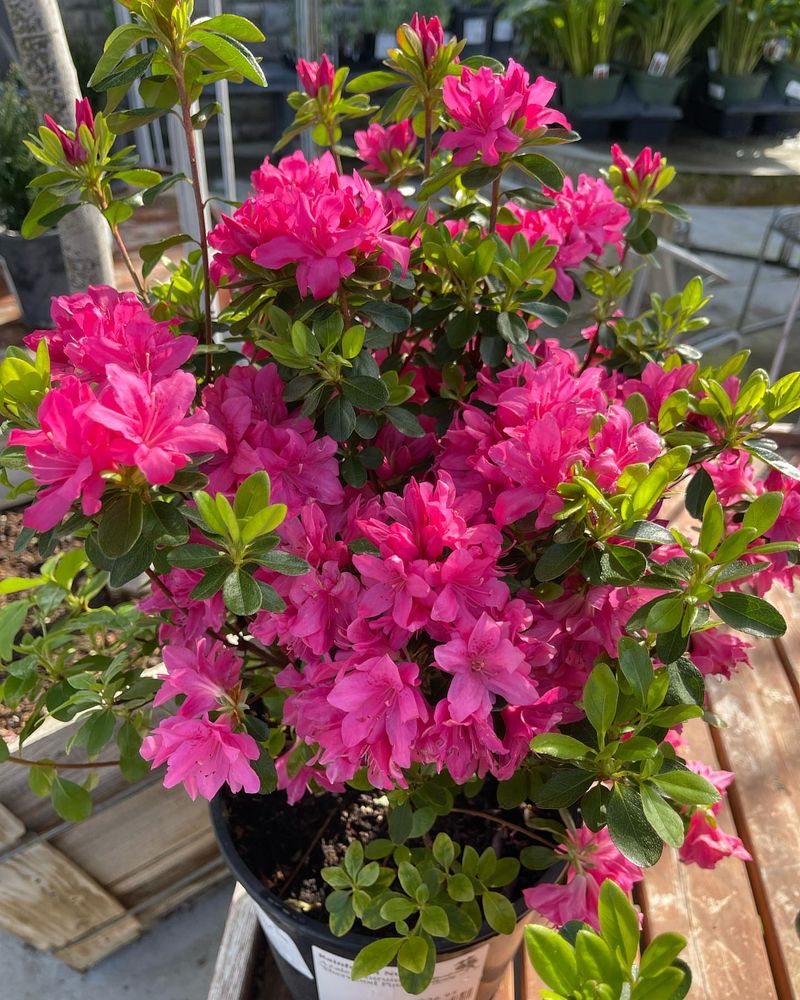
Native azaleas are perennial woody shrubs that can thrive in North Carolina gardens for decades. These plants represent long-term investments in your landscape rather than temporary color solutions.
Properly cared for specimens often outlive the gardeners who planted them.
Each spring brings renewed flowering as the shrub emerges from winter dormancy. This reliable performance creates garden traditions and seasonal anticipation.
Watching the same azalea bloom year after year connects you to the rhythm of natural cycles.
Mature azaleas increase in size and flower production over time, becoming more impressive with age. Young plants may bloom modestly their first few years while establishing roots.
Patience rewards you with spectacular displays as shrubs mature.
The woody framework persists through winter, providing structure in the dormant garden. Branching patterns become more interesting and complex as plants age.
This permanence contrasts with annual flowers that require replanting each season.
Long-lived plants reduce the environmental impact of gardening by eliminating frequent replacement cycles. Established shrubs also provide consistent habitat for wildlife year after year.
Their roots stabilize soil and improve its structure over time.
Choosing perennials like native azaleas creates gardens that mature and improve rather than requiring constant renovation. These plants become familiar friends in your outdoor space.
A Beautiful Way To Add Native Plants To Your Garden
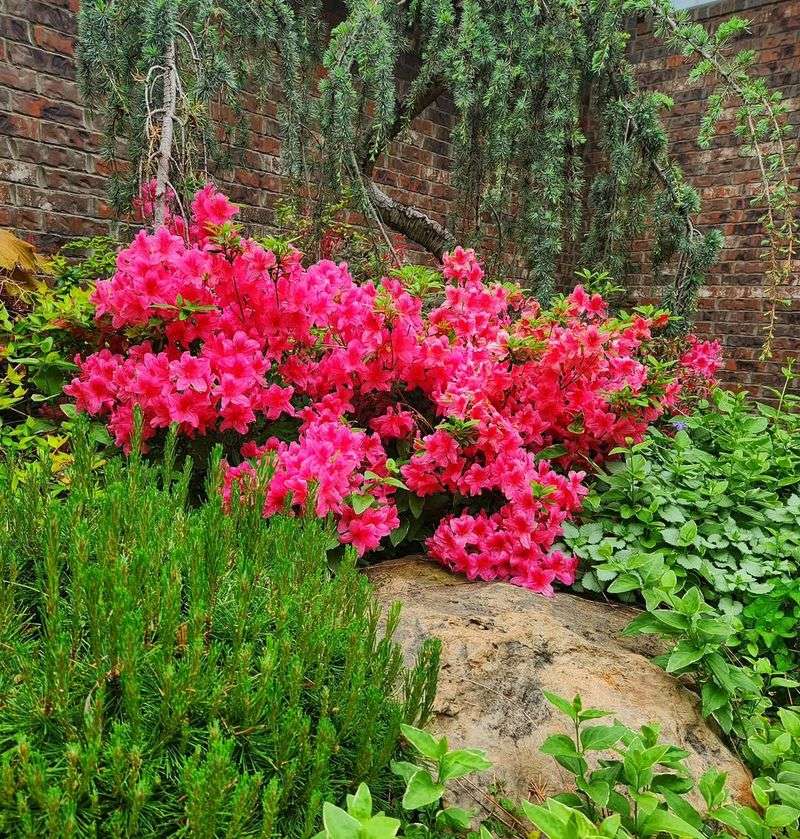
Incorporating native plants into home landscapes supports regional ecosystems while creating beautiful gardens. Native azaleas offer an accessible entry point for gardeners interested in ecological landscaping.
Their ornamental appeal makes the transition to native plants feel natural rather than sacrificial.
Gardens featuring native species provide better habitat for local wildlife than landscapes dominated by exotic plants. Birds, butterflies, and beneficial insects recognize and utilize native plants more readily.
Your yard becomes part of a larger ecological network rather than an isolated ornamental display.
Native plant gardening connects you to your region’s natural heritage and botanical history. Learning about plants indigenous to North Carolina deepens your sense of place.
Azaleas growing in your garden share genetic heritage with those in nearby wild areas.
Neighbors often become curious about attractive native plantings, creating opportunities to share knowledge and enthusiasm. Your garden can inspire others to try native species.
This ripple effect multiplies the environmental benefits across communities.
Native azaleas combine ecological value with aesthetic beauty, proving sustainable choices need not sacrifice visual appeal. The seasonal interest they provide enhances garden enjoyment throughout the year.
Starting with proven performers like native azaleas builds confidence for expanding your native plant palette.
Creating habitat gardens feels meaningful beyond personal enjoyment, contributing to environmental stewardship.