These Are The Best Blooming Native Perennials For North Carolina Yards
Imagine planting flowers once and watching them return stronger, fuller, and more colorful every single year. North Carolina gardens make this possible with native perennial plants that are perfectly tuned to local soil, weather, and wildlife.
These plants have spent generations adapting to the region, which means they grow with less effort, need less water, and stay healthier through heat, humidity, and seasonal changes.
As they bloom, they draw butterflies, bees, and birds, filling your garden with movement and life from spring through fall.
Native perennials also fit beautifully into any space, whether you have bright, sunny borders or quiet, shaded corners beneath trees. Instead of replanting each season, you build a garden that becomes richer and more vibrant with time.
With the right choices, your outdoor space can turn into a colorful, low effort haven that supports local wildlife while rewarding you year after year.
1. Purple Coneflower Adds Color And Supports Pollinators
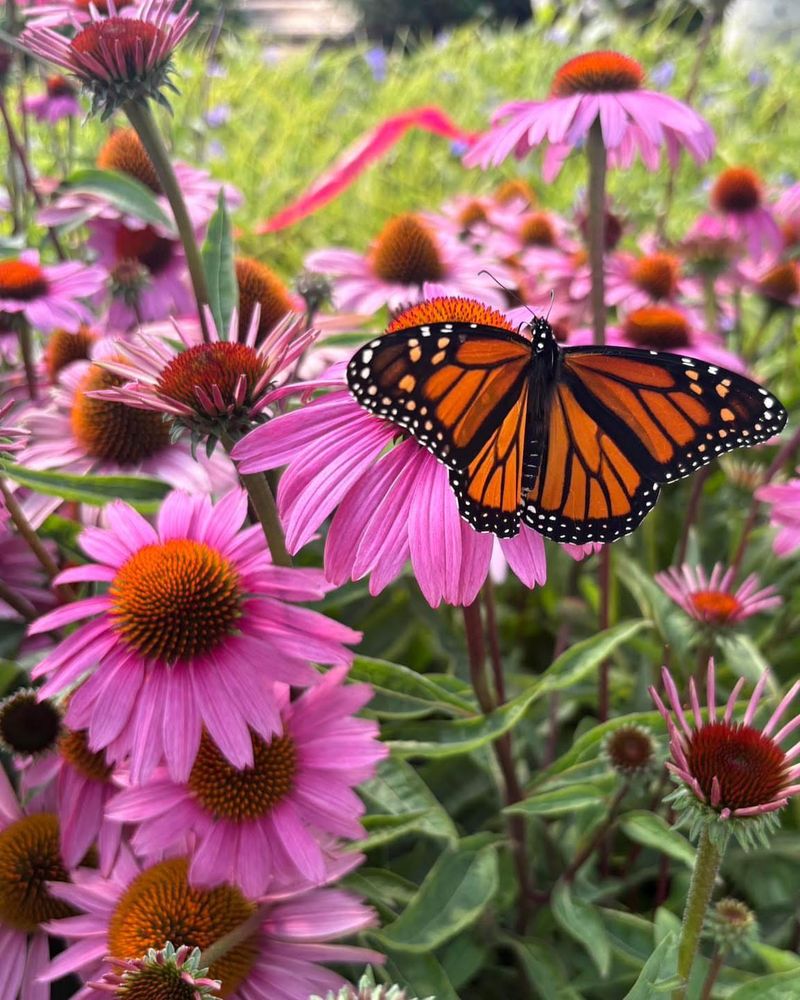
Gardeners across North Carolina plant Echinacea purpurea for its striking pink-purple blooms that appear from early summer through fall.
The raised orange center cone provides a landing platform for bees, butterflies, and other beneficial insects seeking nectar.
These flowers can reach three to four feet tall and spread about two feet wide at maturity. Purple coneflower grows best in full sun but tolerates partial shade in hotter regions. It adapts to various soil types as long as drainage remains good.
Once established, this perennial handles drought conditions remarkably well, reducing your watering needs during dry spells.
The petals start pointing downward as the flower matures, creating a distinctive drooping appearance that adds character to garden beds. Goldfinches love feeding on the seed heads during fall and winter months.
Many gardeners leave spent flowers standing to provide food for birds and visual interest throughout colder seasons.
This native perennial requires minimal care once roots settle into the soil. Dividing clumps every three to four years keeps plants vigorous and blooming abundantly.
Purple coneflower combines beautifully with other native species like black-eyed Susan and butterfly weed in mixed borders and naturalized areas.
2. Black Eyed Susan Brings Reliable Summer Flowers
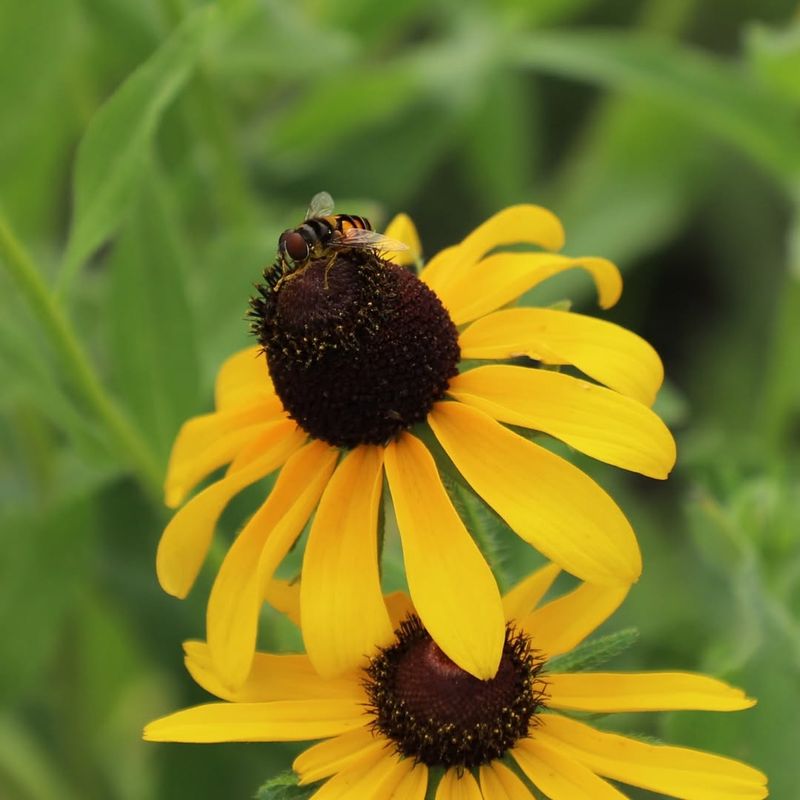
Rudbeckia hirta produces cheerful golden-yellow petals surrounding dark chocolate-brown centers that brighten gardens from June through September. These flowers grow on sturdy stems that reach one to three feet tall depending on growing conditions.
The blooms measure two to three inches across and attract numerous pollinators throughout the warm season.
Full sun locations bring out the best flowering performance in black-eyed Susan plants. They tolerate poor soil better than many garden perennials and actually prefer average fertility over rich conditions.
Overfeeding can cause excessive foliage growth at the expense of flower production.
This native wildflower self-seeds readily, creating natural drifts of color in informal garden areas. Removing spent blooms encourages additional flowering waves, but leaving some seed heads provides winter food for songbirds.
The plants behave as short-lived perennials or biennials, often reseeding to maintain their presence in the landscape.
Black-eyed Susans work wonderfully in meadow plantings, cottage gardens, and along sunny borders. They combine effectively with ornamental grasses and other prairie-style perennials.
Your North Carolina Garden Changes Every Week. Your Plan Should Too.
Gardening in North Carolina changes quickly throughout the season. Every Friday you’ll receive a simple weekly plan showing exactly what to plant, prune, fertilize, harvest, and protect so you never miss the right timing.
The flowers also make excellent cut stems for indoor arrangements, lasting up to ten days in water when properly conditioned.
3. Butterfly Weed Supports Monarchs And Thrives In Sun
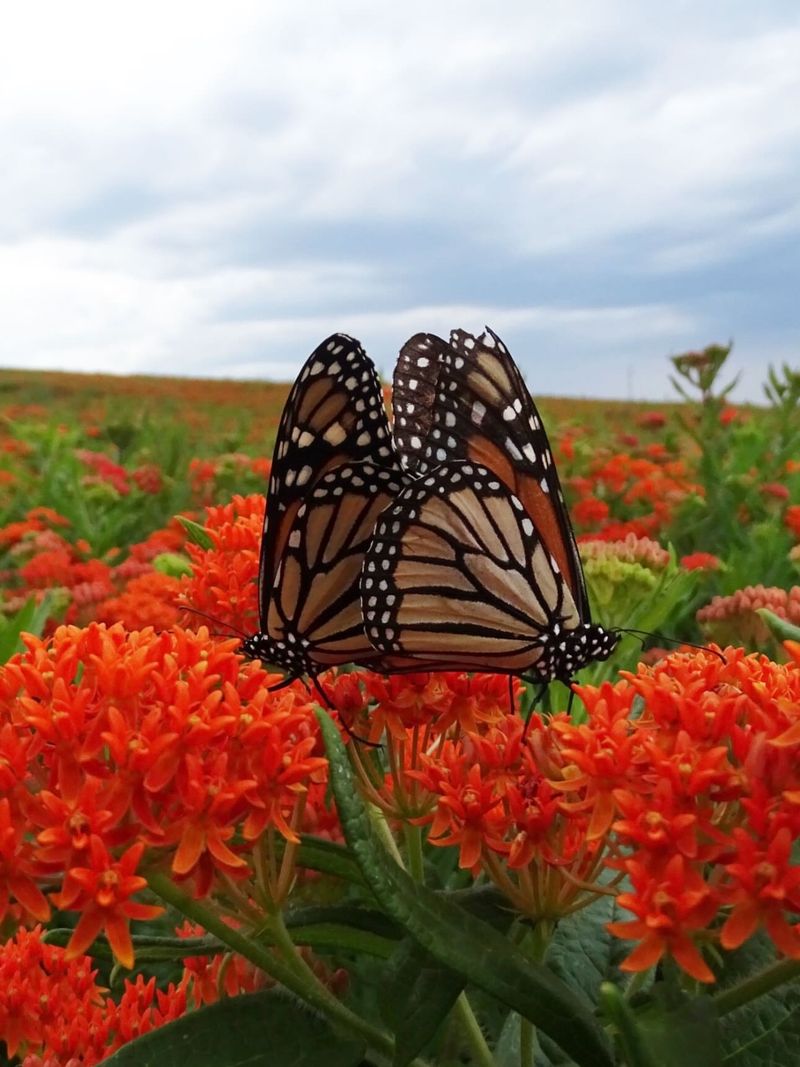
Asclepias tuberosa stands out with brilliant orange flower clusters that appear from late spring through midsummer. The blooms grow in flat-topped umbels that provide easy landing spots for butterflies and other nectar-seeking insects.
Plants typically reach one to two feet tall with a similar spread, forming compact clumps over time.
Monarch butterflies depend on milkweed species as host plants for their caterpillars, and butterfly weed serves this crucial role perfectly. Female monarchs lay eggs on the foliage, and emerging caterpillars feed exclusively on the leaves.
Providing this native plant helps support declining monarch populations throughout their migration routes.
Hot, sunny locations with well-drained soil create ideal growing conditions for butterfly weed. It tolerates sandy or rocky soils where many other perennials struggle.
The deep taproot makes established plants extremely drought-tolerant but also means transplanting mature specimens proves difficult.
This perennial emerges late in spring, so mark its location to avoid accidental disturbance during early garden cleanup. The foliage remains attractive throughout the growing season without significant pest or disease problems.
Butterfly weed requires no deadheading or special maintenance once established, making it perfect for low-maintenance landscapes focused on supporting native wildlife.
4. Wild Blue Phlox Provides Early Season Color
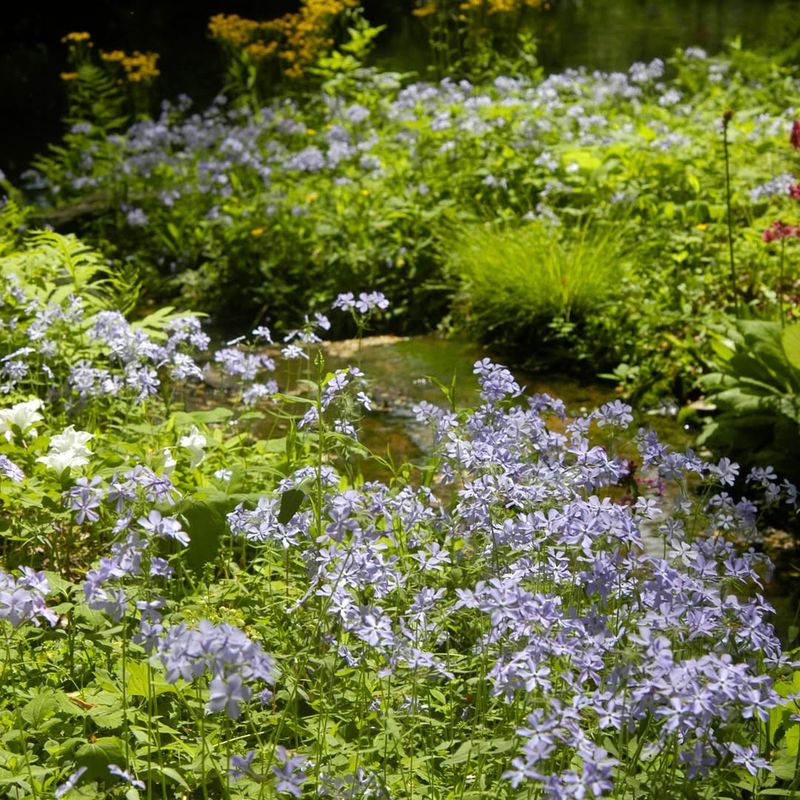
Phlox divaricata blooms in April and May, carpeting shaded garden areas with fragrant blue-lavender flowers. Each bloom measures about one inch across with five rounded petals that create a star-like shape.
The plants grow eight to twelve inches tall and spread gradually through underground stems to form attractive groundcover colonies.
Woodland gardens and shaded borders provide the perfect home for wild blue phlox. It prefers consistently moist soil enriched with organic matter, mimicking its natural forest floor habitat.
Morning sun with afternoon shade creates ideal light conditions in warmer parts of North Carolina.
The sweet fragrance attracts early-season butterflies and native bees when few other flowers offer nectar. Wild blue phlox combines beautifully with spring bulbs, ferns, and other woodland natives like foamflower and columbine.
The semi-evergreen foliage provides winter interest in milder regions.
This native perennial requires minimal maintenance once established in suitable conditions. Light fertilization with compost in early spring supports healthy growth and abundant flowering.
The plants benefit from occasional division every three to four years to maintain vigor and prevent overcrowding. Wild blue phlox naturalizes easily in appropriate settings, creating stunning spring displays that return reliably year after year.
5. Eastern Columbine Attracts Hummingbirds In Spring
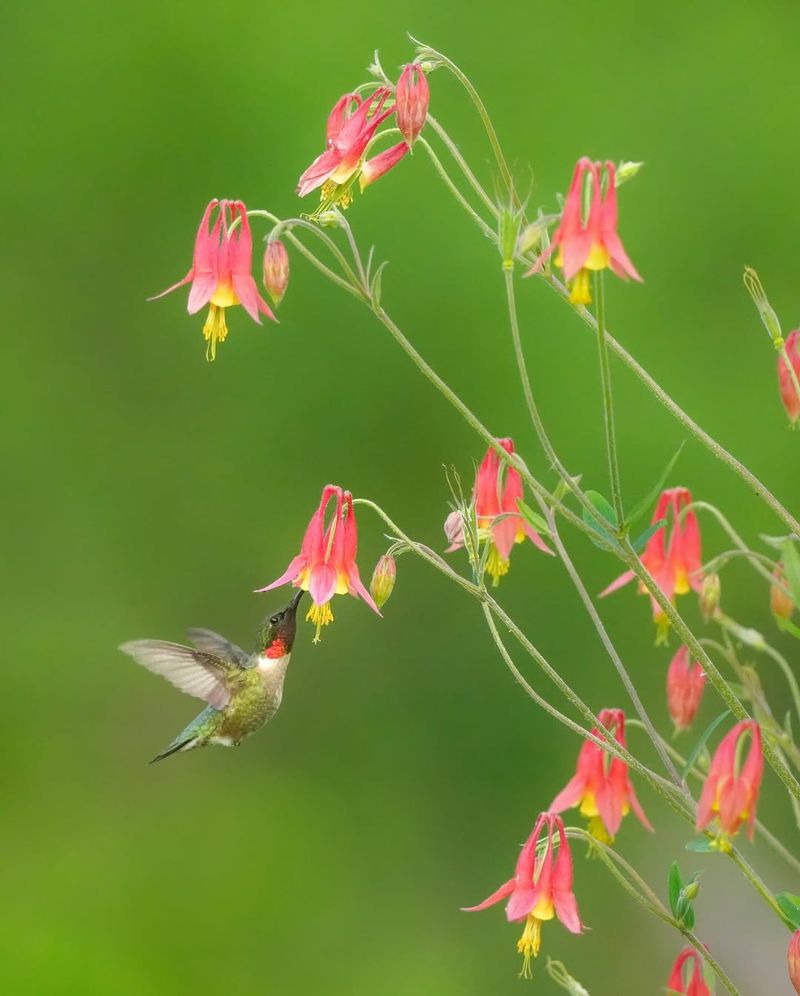
Aquilegia canadensis produces unique red and yellow blooms that dangle gracefully from delicate stems in April and May. The flowers feature distinctive backward-pointing spurs filled with nectar that ruby-throated hummingbirds access with their long bills.
Each plant reaches one to two feet tall with attractive blue-green divided foliage that remains ornamental after flowering ends.
Partial shade to full sun locations work well for eastern columbine in North Carolina gardens. It adapts to various moisture levels but performs best with consistent watering during establishment.
Rocky or gravelly soils with good drainage suit this native perennial perfectly, reflecting its natural habitat preferences.
Hummingbirds returning from migration rely on early-blooming flowers like columbine for vital energy during spring. The nodding flowers also attract long-tongued bees and other specialized pollinators.
After blooming, interesting seed pods develop that add architectural interest to the garden.
Eastern columbine self-seeds moderately, allowing it to naturalize in appropriate garden settings without becoming invasive. The foliage sometimes shows leafminer damage, but this rarely affects plant health or flowering performance.
Removing damaged leaves maintains appearance without harming the plant. This charming native combines wonderfully with ferns, wild ginger, and other shade-tolerant perennials in naturalistic garden designs.
6. Golden Alexander Brings Bright Yellow Spring Blooms
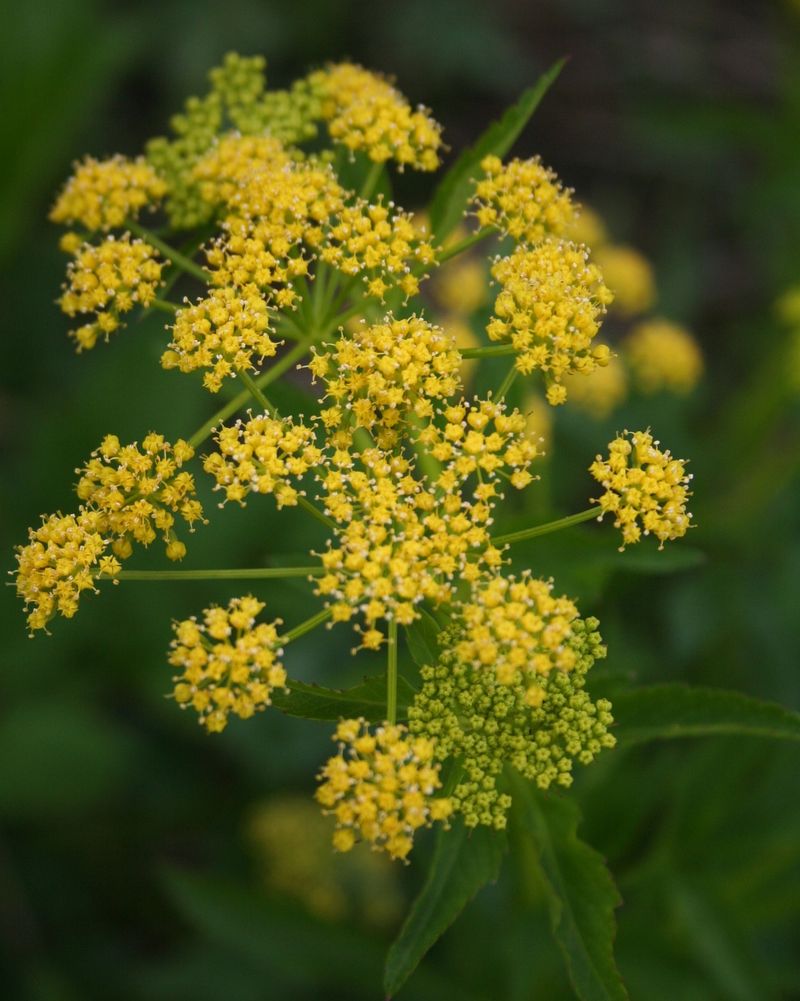
Zizia aurea produces clusters of small bright yellow flowers arranged in flat-topped umbels during April and May. The blooms appear on stems reaching two to three feet tall above attractive compound foliage.
This member of the carrot family provides important early-season nectar for native bees, beneficial wasps, and butterflies including black swallowtails.
Full sun to partial shade locations with average to moist soil conditions suit golden alexander well. It tolerates clay soils better than many native perennials and adapts to both garden beds and naturalized areas.
The plants spread slowly through short rhizomes, forming clumps that gradually expand without aggressive behavior.
Black swallowtail butterflies sometimes use golden alexander as a host plant for their caterpillars, though they prefer other carrot family members. The foliage remains attractive throughout summer, turning golden-bronze in fall before going dormant.
Seed heads develop after flowering and provide food for small birds during late summer.
This underutilized native perennial requires virtually no maintenance once established in appropriate conditions. It combines effectively with blue-flowering perennials like wild blue phlox and spiderwort for striking color contrasts.
Golden alexander works beautifully in rain gardens, meadow plantings, and mixed perennial borders where its bright spring color provides a cheerful display before summer bloomers take center stage.
7. Foamflower Thrives In Shade And Woodland Gardens
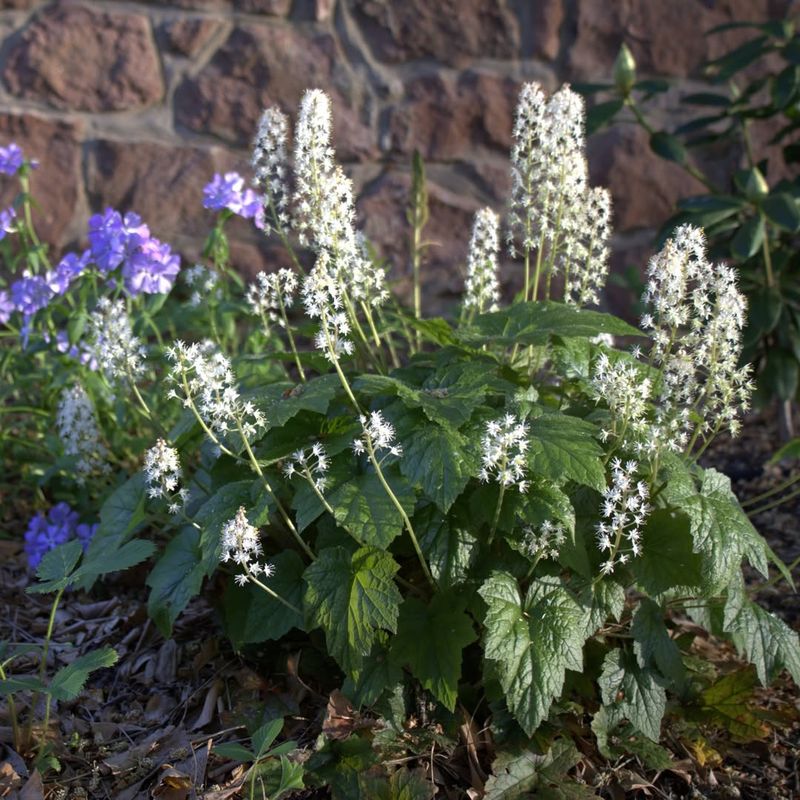
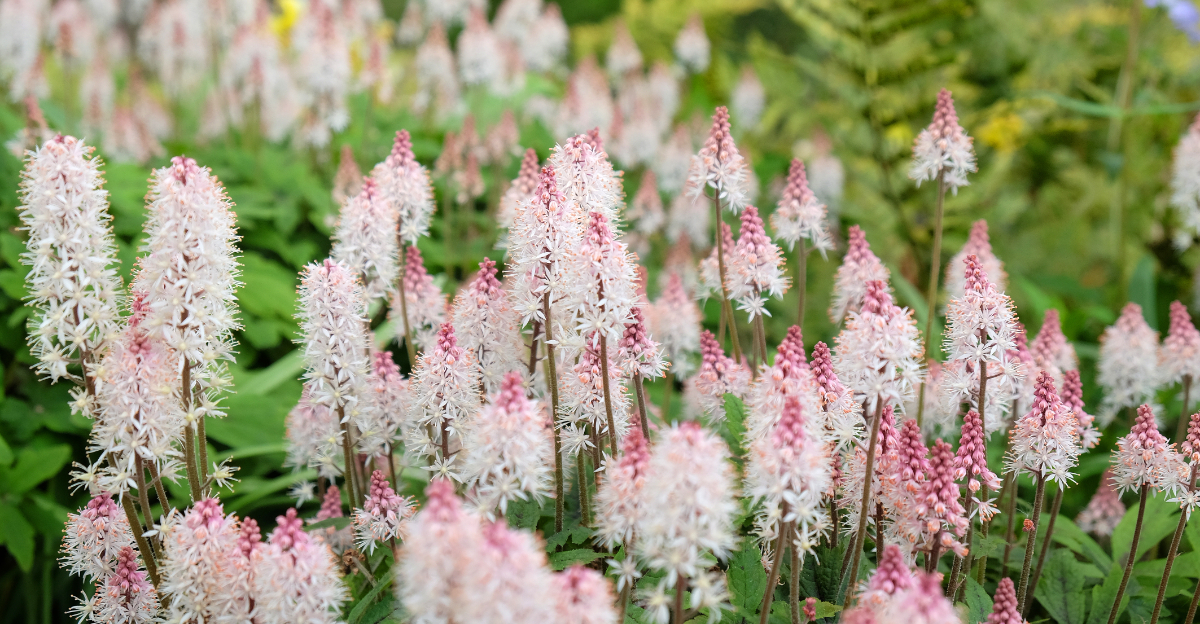
Tiarella cordifolia produces delicate white flower spikes that rise above heart-shaped foliage in April and May. The tiny individual blooms cluster together to create a foamy appearance that gives this plant its common name.
Plants grow six to twelve inches tall with an evergreen or semi-evergreen habit depending on winter severity.
Deep to partial shade locations with consistently moist, humus-rich soil create optimal growing conditions for foamflower. It spreads through stolons to form attractive groundcover patches in woodland settings.
The foliage often develops burgundy tints during cooler months, adding winter interest to shaded garden areas.
Native bees and small butterflies visit the flowers for nectar during spring. Foamflower combines beautifully with ferns, hostas, and other shade-loving perennials in layered woodland plantings.
The low-growing habit makes it excellent for edging shaded paths or filling spaces under trees and shrubs.
This native groundcover requires minimal care once established in suitable conditions. Removing spent flower stalks maintains a tidy appearance but provides no benefit to plant health.
Light fertilization with compost in spring supports vigorous growth and abundant flowering. Foamflower tolerates root competition from trees better than many shade perennials, making it valuable for challenging garden spots where other plants struggle to establish successfully.
8. Coreopsis Adds Long Lasting Blooms To Sunny Gardens
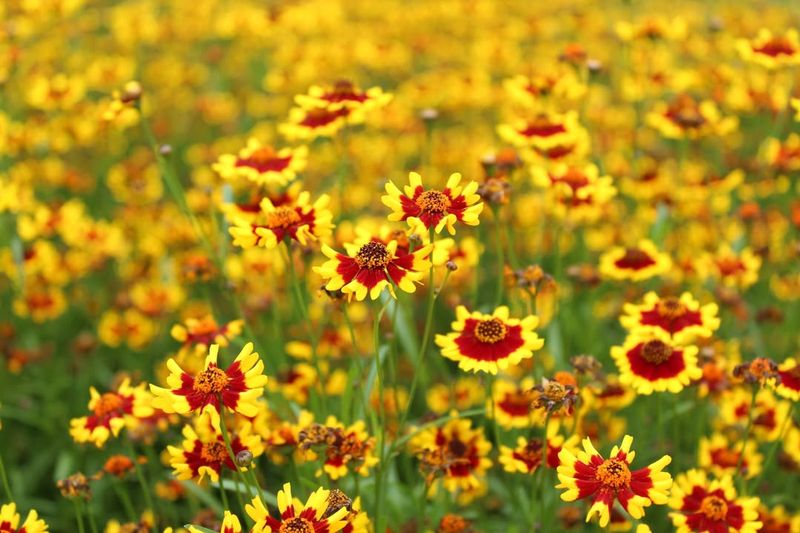
Several native Coreopsis species thrive in North Carolina gardens, producing cheerful yellow blooms from late spring through fall. Threadleaf coreopsis and lanceleaf coreopsis rank among the most popular choices for home landscapes.
The daisy-like flowers appear continuously on plants ranging from one to three feet tall depending on species and variety.
Full sun locations with well-drained soil bring out the best performance in coreopsis plants. They tolerate heat, humidity, and drought once established, making them ideal for low-maintenance sunny borders.
Average to lean soil fertility produces more compact plants with better flowering than rich, heavily fertilized conditions.
Butterflies, bees, and other pollinators visit coreopsis flowers throughout the extended blooming season. Deadheading spent blooms encourages continuous flower production, though many newer varieties bloom reliably without this maintenance.
The fine-textured foliage of threadleaf types provides interesting contrast to broader-leaved perennials.
Coreopsis works wonderfully in cottage gardens, meadow plantings, and contemporary perennial borders. The plants combine effectively with ornamental grasses, purple coneflower, and other sun-loving natives.
Most species prove short-lived but self-seed moderately to maintain their presence in the landscape. Dividing clumps every two to three years keeps plants vigorous and promotes abundant flowering throughout the growing season.
9. Beardtongue Produces Elegant Flowers And Supports Pollinators
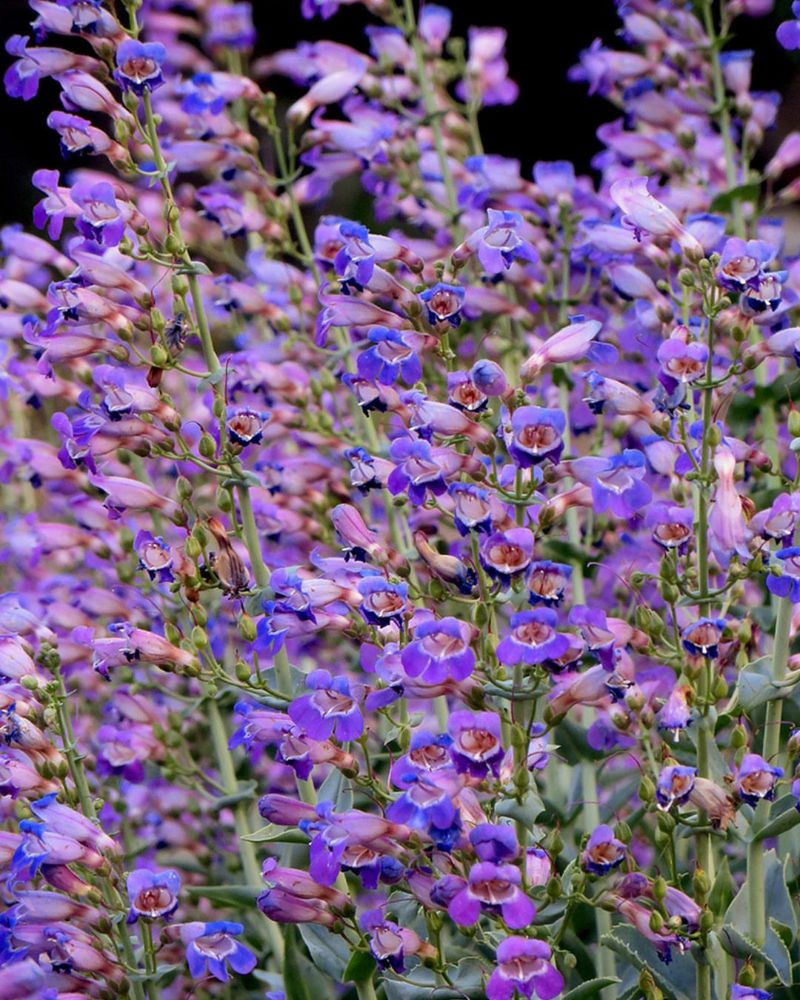
Native Penstemon species produce tubular flowers on upright spikes during late spring and early summer. Flower colors range from white and pink to purple and lavender depending on species.
Plants typically grow one to three feet tall with attractive lance-shaped foliage that remains semi-evergreen in mild winters.
Full sun to partial shade with well-drained soil creates ideal conditions for beardtongue in North Carolina gardens. These perennials tolerate heat and humidity better than many western penstemon species.
Good drainage proves essential, especially during winter months when wet soil can damage plants.
Bumblebees and other large native bees visit beardtongue flowers frequently, crawling inside the tubular blooms to access nectar and pollen. Hummingbirds also feed from the flowers, though they visit less frequently than flowers with red coloration.
The common name comes from a fuzzy staminode inside each flower that resembles a bearded tongue.
Beardtongue requires minimal maintenance once established in appropriate garden conditions. Removing spent flower stalks prevents excessive self-seeding and maintains plant appearance.
These perennials combine beautifully with other native sun-lovers like coreopsis and black-eyed Susan in mixed borders. Their upright form provides valuable vertical interest among lower-growing perennials and helps create dynamic, layered garden compositions that showcase the diversity of native plants.
10. Cardinal Flower Creates Bold Color In Moist Garden Areas
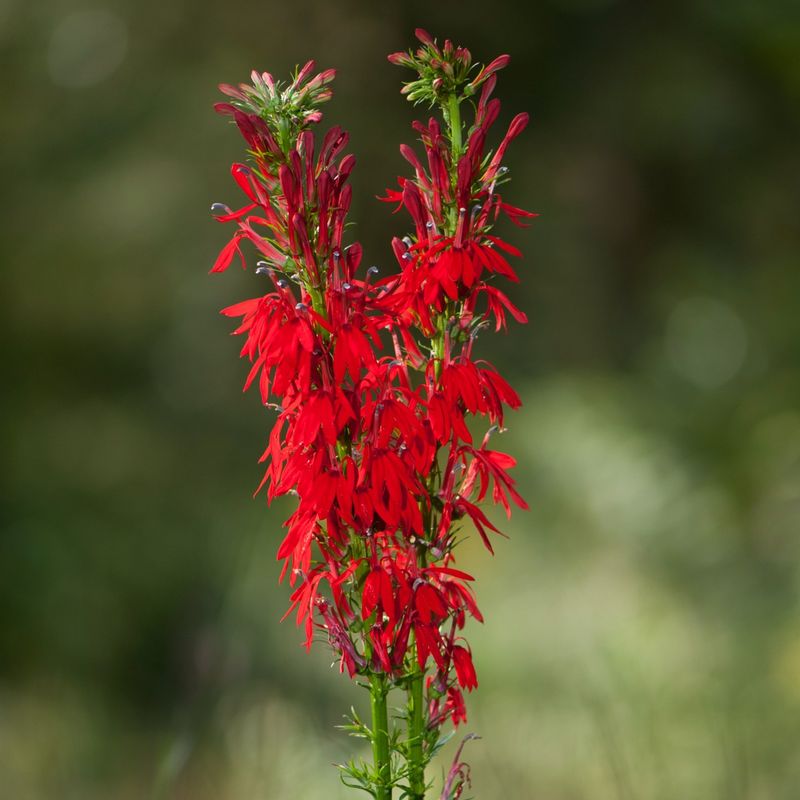
Lobelia cardinalis produces stunning spikes of brilliant red flowers from July through September. The tubular blooms appear on stalks that can reach two to four feet tall in optimal conditions.
Each flower spike contains numerous individual blooms that open progressively from bottom to top, extending the display period.
Consistently moist to wet soil conditions suit cardinal flower perfectly, making it ideal for rain gardens, pond edges, and low-lying garden areas. Partial shade helps prevent moisture stress during hot summers, though full sun works well with adequate water.
The plants grow naturally along stream banks and in wet meadows throughout North Carolina.
Ruby-throated hummingbirds show strong preference for the bright red tubular flowers, visiting frequently throughout the blooming season. The flower shape prevents most insects from accessing nectar, reserving this resource primarily for hummingbirds.
Cardinal flower provides crucial late-summer nectar when hummingbirds prepare for fall migration.
This native perennial forms basal rosettes of foliage that remain evergreen in mild winters. The plants often behave as short-lived perennials but self-seed readily to maintain their presence in appropriate garden settings.
Cardinal flower combines beautifully with ferns, Joe Pye weed, and other moisture-loving natives. Its bold color creates stunning focal points in shaded or partially shaded moist garden areas where few other perennials bloom so vibrantly.