7 Crops Michigan Gardeners Can Plant Before And After The Full Moon
For generations, gardeners have looked up at the night sky, trusting the steady rhythm of the moon to guide their hands in the soil.
In Michigan, this timeless practice continues to shape planting traditions, as many gardeners believe certain crops grow stronger and more productive when sown during specific lunar phases.
Whether you follow moon planting closely or simply enjoy aligning your garden work with natural cycles, this approach adds a thoughtful and almost magical element to the growing season.
Michigan’s changing weather and rich soil provide a wonderful setting for experimenting with time honored techniques while nurturing healthy, reliable crops.
Some plants respond especially well to careful timing, rewarding gardeners with steady growth and satisfying harvests.
These dependable crops have earned a place in many Michigan gardens, each offering unique flavor, beauty, and value while helping you make the most of every phase of the growing season.
1. Leafy Greens Grow Quickly In Cool Michigan Conditions
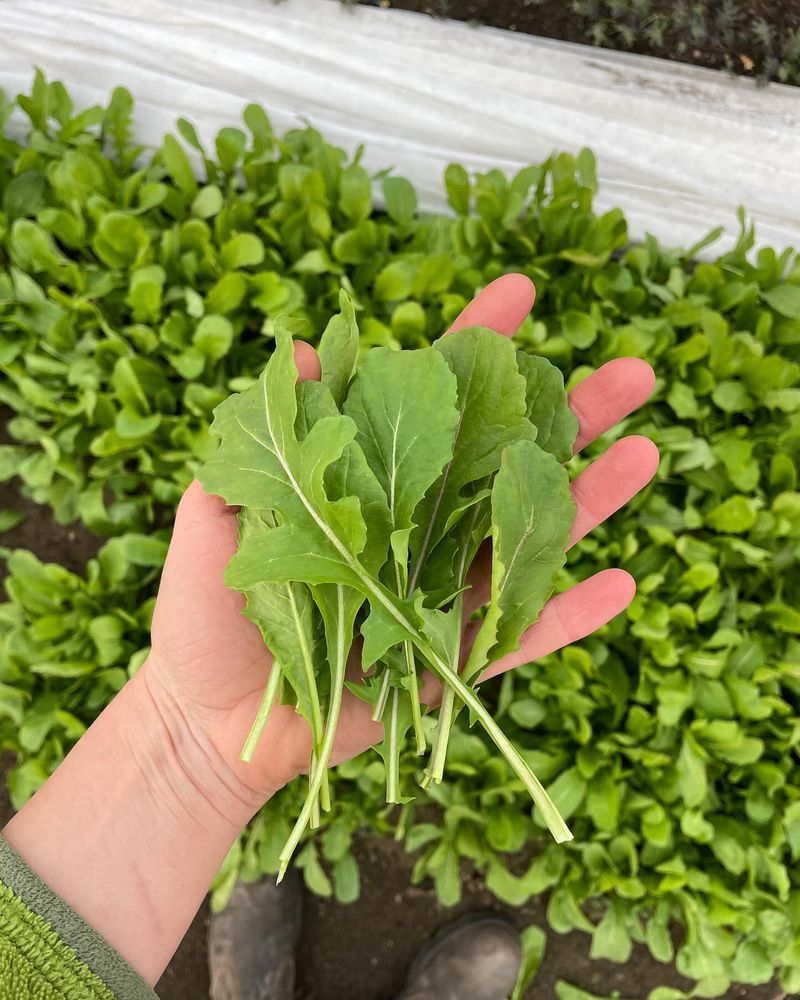
Michigan springs arrive with crisp mornings and mild afternoons that leafy greens absolutely love. Lettuce, spinach, arugula, and kale flourish when temperatures hover between fifty and seventy degrees.
Your garden can produce tender salad leaves just weeks after planting seeds. Loose leaf varieties mature fastest, often ready to harvest in thirty to forty days. Spinach handles cold remarkably well and can tolerate light frosts without any damage.
Many Michigan gardeners plant successive crops every two weeks for continuous harvests through late spring.
Some folks time their plantings with moon phases as a traditional practice passed through generations. However, soil temperature and moisture matter most for successful germination and growth.
Cool soil between forty and sixty degrees triggers leafy green seeds to sprout reliably.
Direct sowing works beautifully in prepared garden beds with loose, fertile soil rich in organic matter. Space rows about twelve inches apart and thin seedlings to proper spacing as they grow.
Regular watering keeps leaves tender and prevents bitter flavors from developing too quickly.
Fall plantings also succeed wonderfully in Michigan, giving you fresh greens when summer crops finish. Plant six to eight weeks before your first expected frost for autumn harvests.
These cool season champions reward minimal effort with maximum flavor and nutrition.
2. Radishes Are Fast Growing And Easy To Time With Planting Cycles
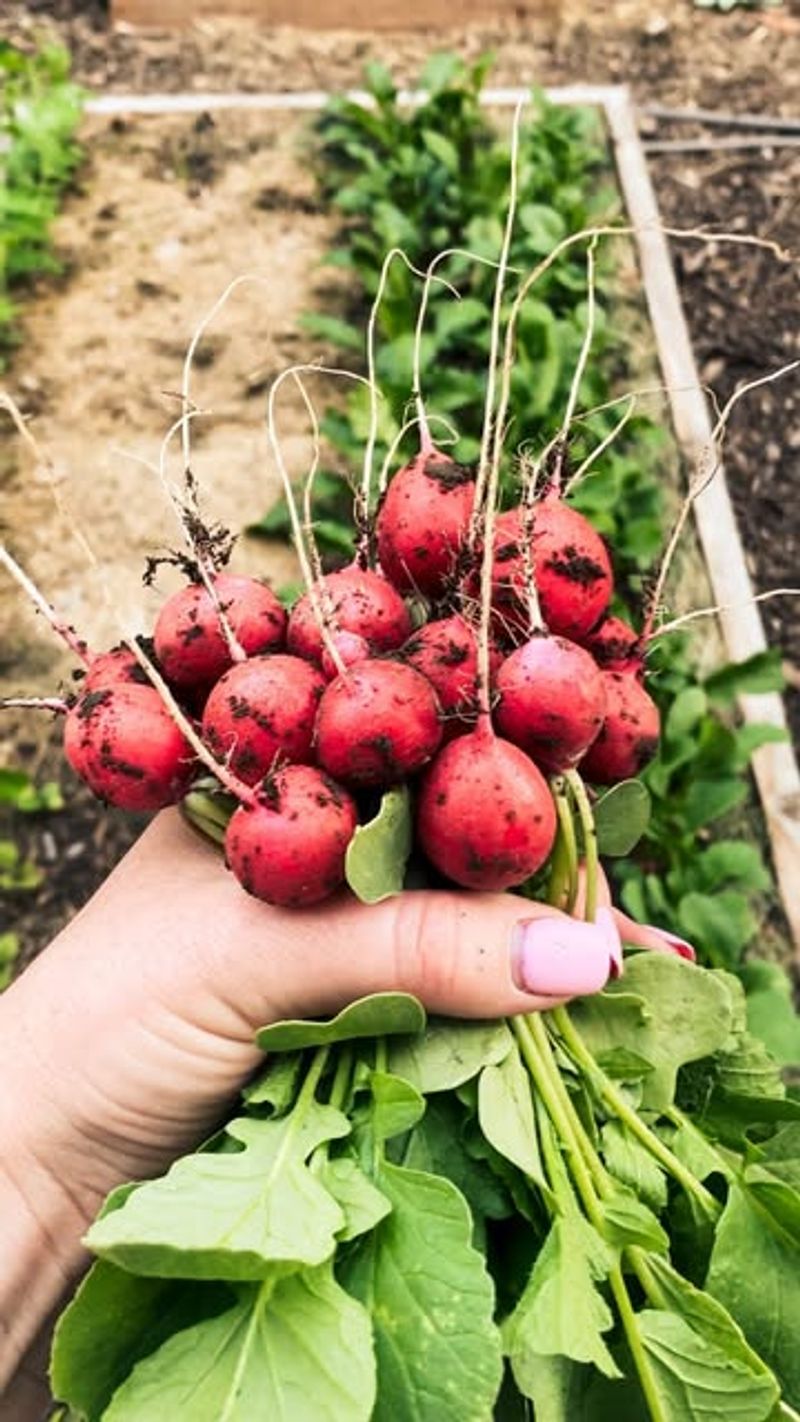
Few vegetables reward patience as quickly as radishes do in Michigan gardens. From seed to table in just three to four weeks, these crunchy roots make perfect succession crops.
Plant a new row every week and enjoy fresh radishes continuously throughout spring and fall.
Cool soil temperatures between forty and seventy degrees create ideal growing conditions for radishes. They prefer loose, well-drained soil that allows roots to expand without resistance.
Heavy clay soils produce misshapen roots, so amending with compost helps tremendously. Spring plantings can begin as soon as you can work the ground in March or April. Radishes handle light frosts without trouble and actually develop better flavor in cooler weather.
Summer heat causes them to bolt quickly and turn woody, so avoid planting during hot months.
Your Michigan Garden Changes Every Week. Your Plan Should Too.
Gardening in Michigan changes quickly throughout the season. Every Friday you’ll receive a simple weekly plan showing exactly what to plant, prune, fertilize, harvest, and protect so you never miss the right timing.
Many gardeners plant radishes between slower growing crops like carrots or lettuce as markers and space fillers. Their quick germination shows you where rows are before other seeds sprout.
Harvest promptly when roots reach marble to golf ball size for best texture and taste. Fall radishes often taste sweeter and grow larger than spring crops because cooler nights develop better flavors. Plant again in late August through September for autumn harvests.
Some traditional gardeners time plantings with lunar cycles, though consistent moisture and cool temperatures matter most for quality roots.
3. Carrots Develop Well In Cool Soil And Loose Garden Beds
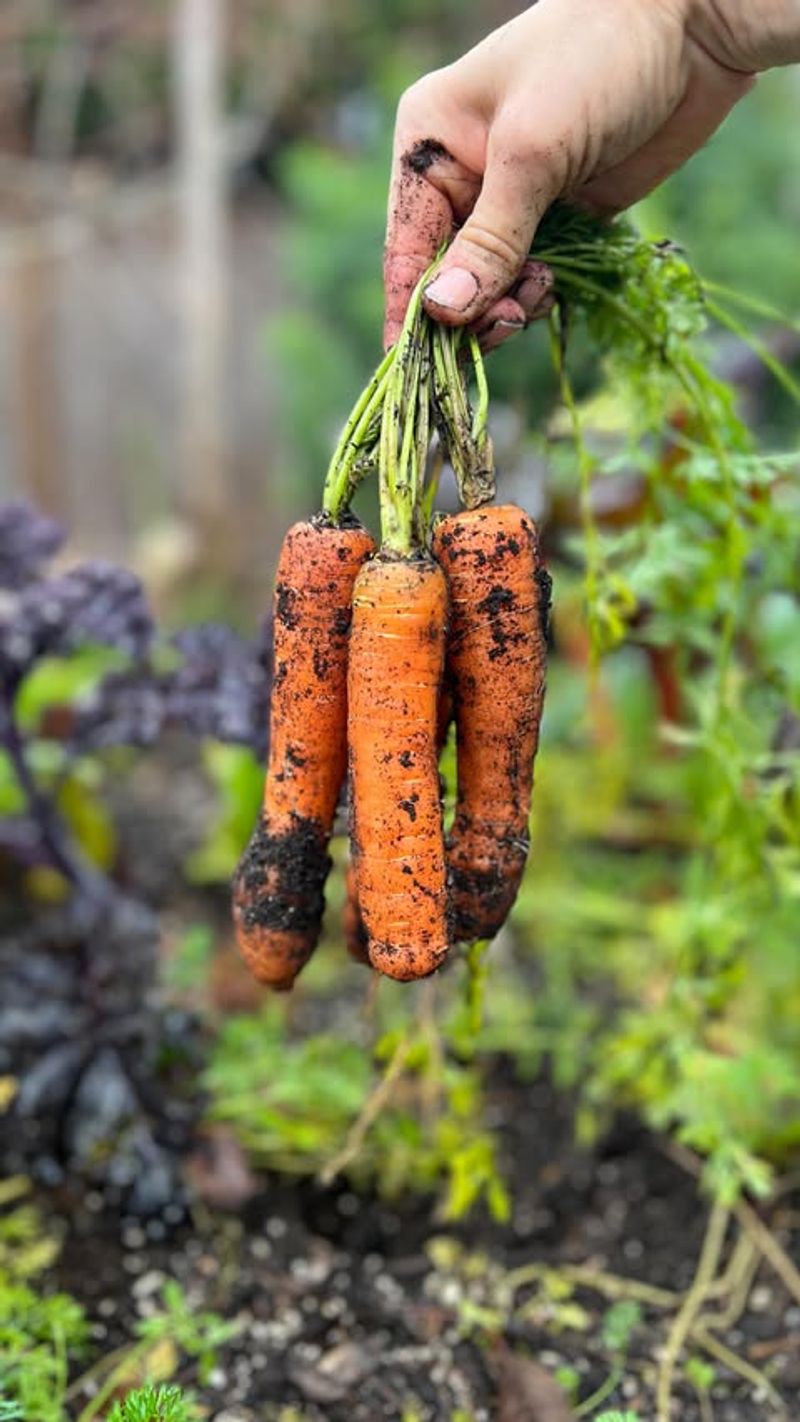
Carrots challenge many gardeners, but Michigan’s climate actually suits them beautifully when conditions are right. These sweet roots need loose, rock-free soil that extends at least twelve inches deep.
Compacted or clay-heavy ground causes forked, twisted carrots that still taste fine but look unusual.
Sandy loam provides the perfect texture for straight, uniform roots to develop properly. Work plenty of finished compost into beds before planting to improve soil structure and drainage.
Remove stones and break up any clumps that might deflect growing roots sideways.
Direct sowing works best since carrots dislike transplanting and develop taproots that resist disturbance. Plant seeds about two weeks before your last spring frost when soil reaches forty-five degrees.
Germination takes ten to twenty days, so patience helps during this waiting period.
Keep soil consistently moist until seedlings emerge, which can test your patience considerably. Thin seedlings to two inches apart once they reach two inches tall for proper root development.
Crowded carrots compete for space and produce skinny, underdeveloped roots.
Michigan gardeners can plant carrots multiple times from April through July for continuous harvests into fall. Cool autumn temperatures actually improve carrot sweetness as plants convert starches to sugars.
Some follow lunar planting traditions, though proper soil preparation and consistent moisture determine success more than moon phases do.
4. Peas Thrive In Early Season Michigan Gardens
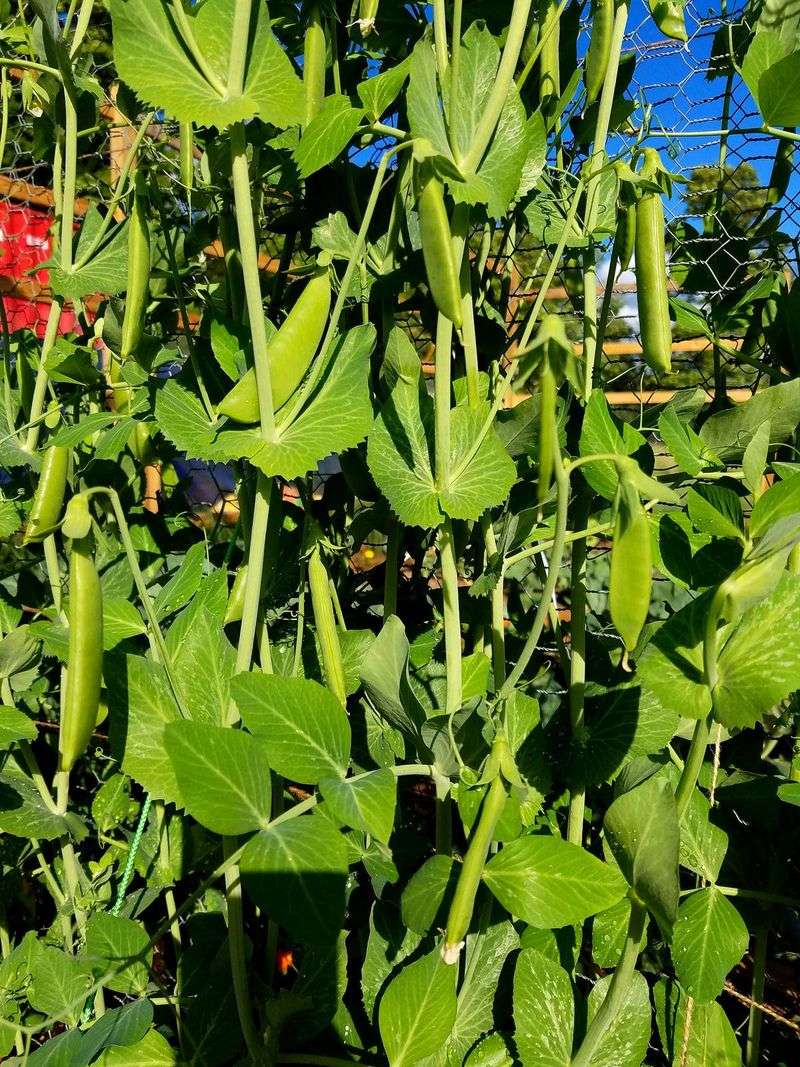
Nothing announces spring in Michigan gardens quite like tender pea shoots climbing their supports. Both shelling peas and snap peas prefer cool weather and can tolerate light frosts beautifully.
Plant them as early as mid-March in southern Michigan or early April up north.
Soil temperatures around forty to seventy degrees suit peas perfectly for germination and growth. They actually struggle once temperatures consistently exceed seventy-five degrees, so early planting ensures good harvests.
Most varieties mature in fifty-five to seventy days from planting.
Peas fix nitrogen in soil through beneficial bacteria on their roots, actually improving your garden beds. This makes them excellent rotation crops before planting heavy feeders like tomatoes or peppers later.
Bush varieties need minimal support while climbing types require sturdy trellises or fencing.
Soak seeds overnight before planting to speed germination, though this step remains optional in moist spring soil. Plant seeds one inch deep and two inches apart in rows or blocks.
Water regularly but avoid overwatering, which can cause seeds to rot before sprouting.
Michigan’s spring weather patterns usually provide enough moisture for healthy pea crops without much supplemental watering. Mulch around plants helps retain soil moisture and keeps roots cool as temperatures warm.
Some gardeners time plantings with moon phases, but cool soil and proper support matter most for productive vines and sweet pods.
5. Beans Grow Best When Soil Warms In Late Spring
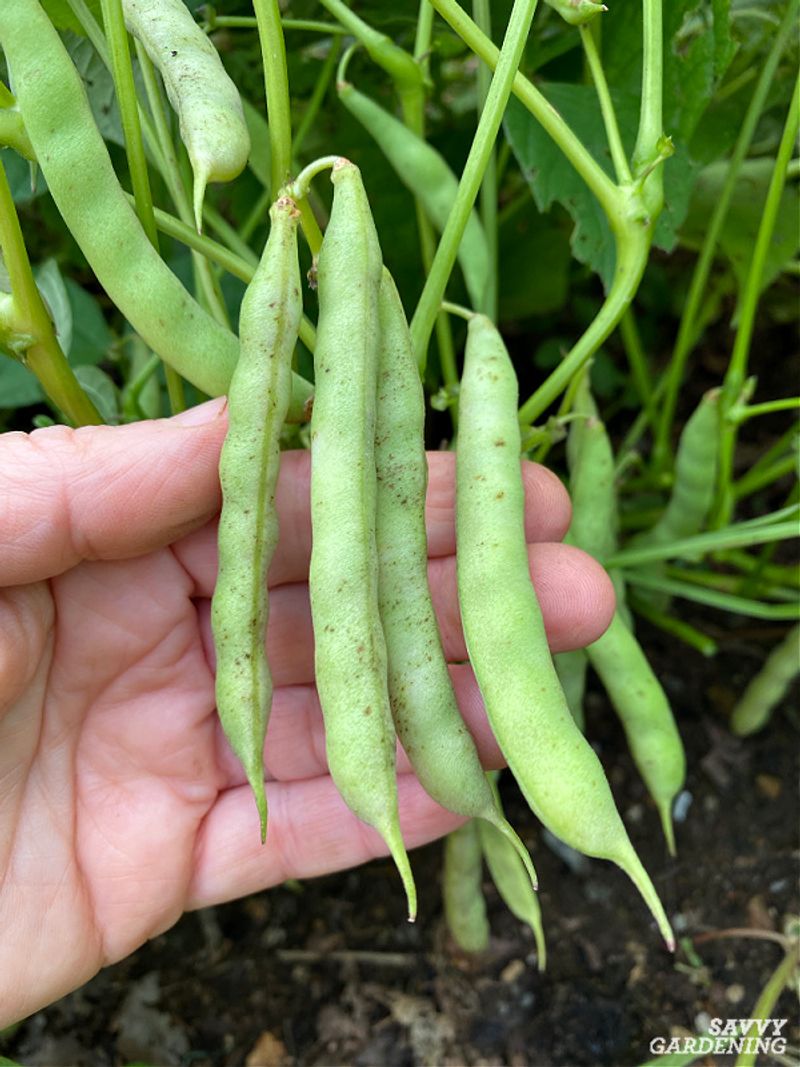
Beans wait patiently for warm soil before they’ll germinate reliably in Michigan gardens. Unlike their cool-loving cousin the pea, beans need soil temperatures above sixty degrees to sprout properly.
Cold, wet soil causes bean seeds to rot rather than germinate, wasting your planting efforts.
Most Michigan gardeners plant beans after the last frost date, typically mid-May in southern areas. Waiting until late May or early June often produces better results than rushing early plantings.
Warm soil and air temperatures help beans germinate quickly and grow vigorously without setbacks.
Bush beans mature faster than pole varieties, usually ready to pick in fifty to sixty days. Pole beans take longer but produce over a longer harvest period on vertical supports.
Both types prefer full sun and consistent moisture throughout the growing season for best production.
Plant seeds one inch deep and three inches apart in rows or blocks for good air circulation. Beans fix nitrogen like peas do, enriching your soil for future crops naturally.
Avoid handling plants when wet, as this can spread bacterial diseases between leaves.
Succession planting every two weeks extends your harvest from July through September in most Michigan locations. Pick beans regularly to encourage continued production and prevent pods from becoming tough and stringy.
Traditional gardeners sometimes follow lunar planting calendars, though warm soil temperature remains the most critical factor for successful bean crops.
6. Cucumbers Produce Well In Warm Sunny Conditions
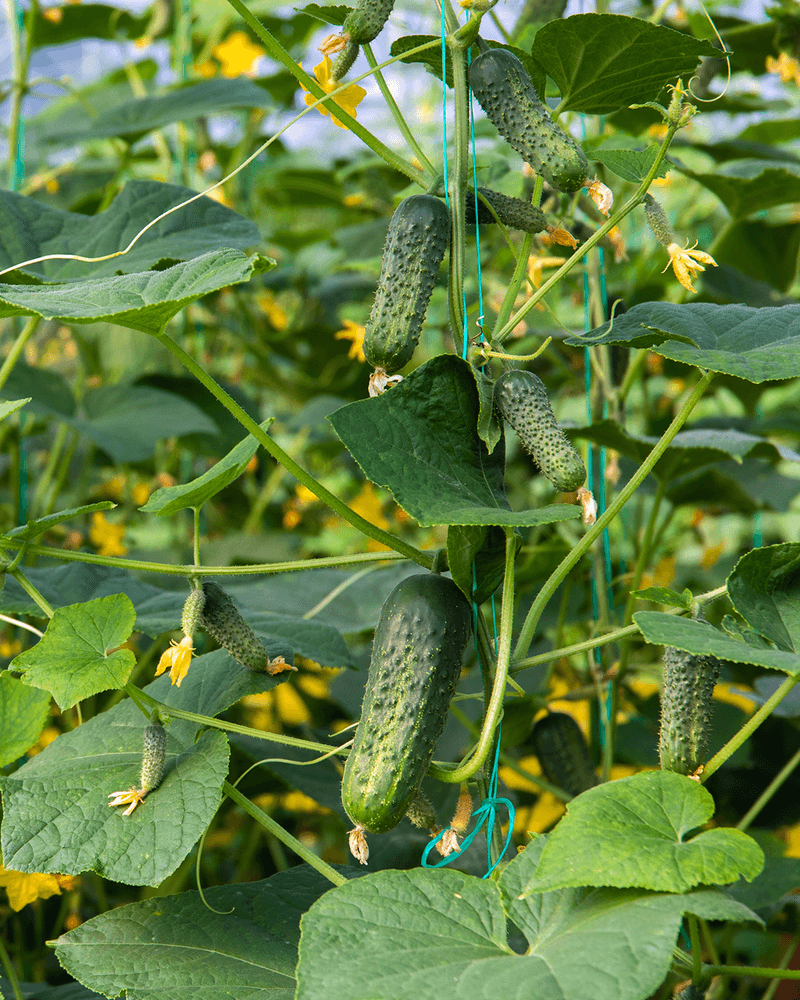
Cucumbers bring tropical origins to Michigan gardens and demand warmth, sunshine, and consistent moisture. These vigorous vines won’t tolerate frost and sulk in cool weather, so patience pays off.
Wait until soil warms to at least sixty-five degrees before planting seeds or transplants outdoors.
Full sun exposure for six to eight hours daily helps cucumbers produce abundantly throughout summer. They need regular, deep watering to prevent bitter flavors and misshapen fruits from developing.
Inconsistent moisture causes cucumbers to become bitter and oddly curved rather than straight.
Bush varieties work well in smaller gardens while vining types need trellises or plenty of ground space. Vertical growing saves garden space and produces straighter, cleaner cucumbers that are easier to harvest.
Most varieties mature in fifty to seventy days from planting to first harvest.
Plant seeds one inch deep after all frost danger passes, usually late May or early June. Space plants eighteen to thirty-six inches apart depending on variety and training method.
Mulch heavily around plants to retain moisture and suppress weeds that compete for water.
Michigan’s summer humidity can encourage fungal diseases, so proper spacing ensures good air circulation between plants. Pick cucumbers frequently when they reach six to eight inches long for continuous production.
Some gardeners follow moon phase planting traditions, but warm soil, adequate water, and full sun determine cucumber success more than lunar cycles do.
7. Root Crops Can Be Planted In Repeating Seasonal Cycles
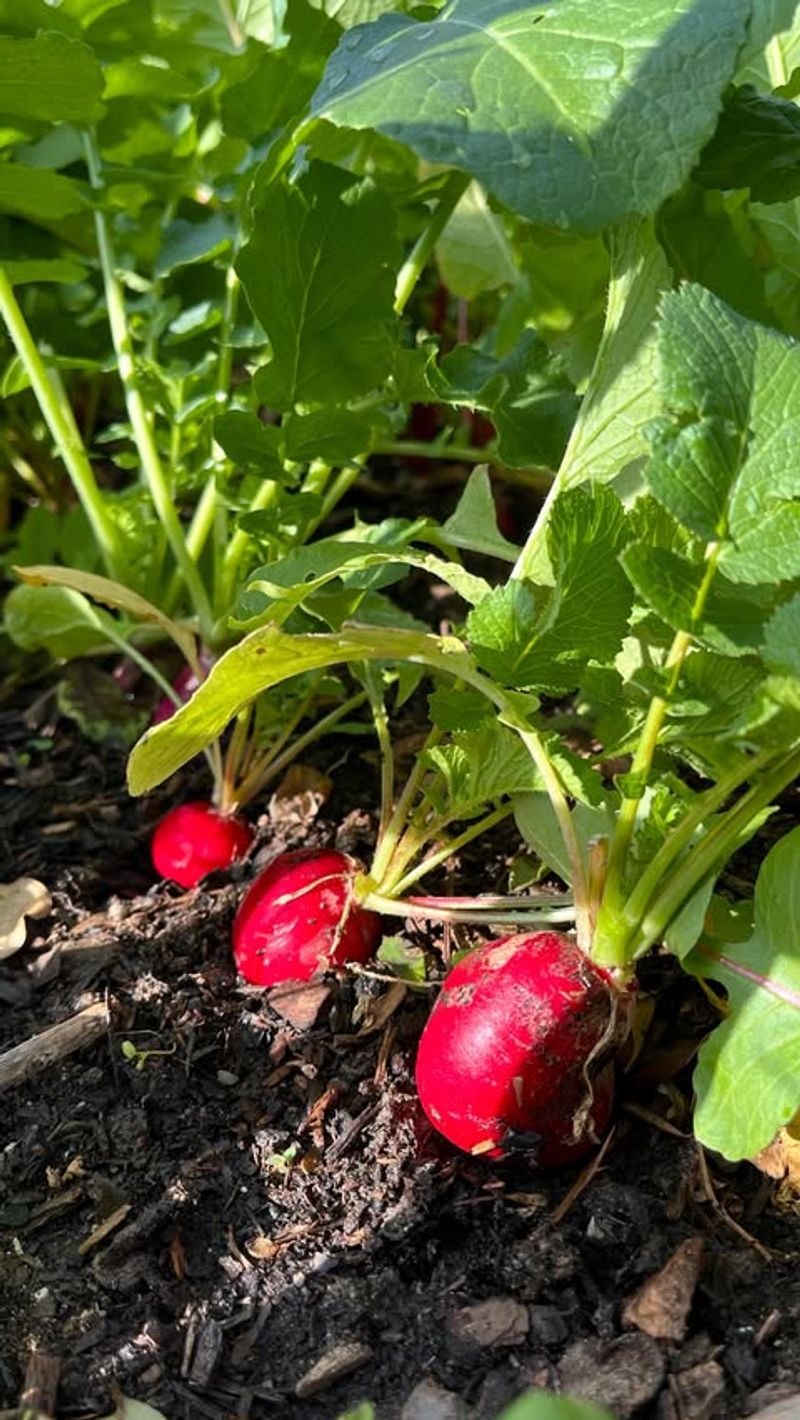
Beets and turnips offer Michigan gardeners reliable crops for spring and fall planting windows. These hardy roots handle cool weather beautifully and mature quickly enough for multiple plantings per season.
Both develop best flavors when grown in moderate temperatures rather than summer heat.
Spring plantings can begin four weeks before the last frost since both crops tolerate cold soil. Beets prefer temperatures between fifty and seventy degrees for optimal growth and sweetness.
Turnips actually taste sweeter after experiencing light frosts, making them perfect for fall gardens.
Loose, fertile soil helps these root crops develop properly without forking or splitting. Work compost into beds before planting and remove rocks that might deflect growing roots.
Plant seeds half an inch deep and thin seedlings to three or four inches apart.
Succession planting every three weeks from April through July provides continuous harvests into autumn. Fall crops often taste better than spring plantings because cooler nights enhance sugar development.
Both beets and turnips store well, making them practical choices for winter eating.
Harvest beets when roots reach two to three inches across for tender texture and sweet flavor. Turnips taste best at two to four inches diameter before becoming woody and strong flavored.
Traditional lunar planting practices suggest timing root crops with certain moon phases, though proper soil preparation and consistent moisture affect quality more than celestial cycles do for these reliable garden vegetables.