7 Ways Oregon Gardeners Can Quietly Protect Nesting Birds This Season
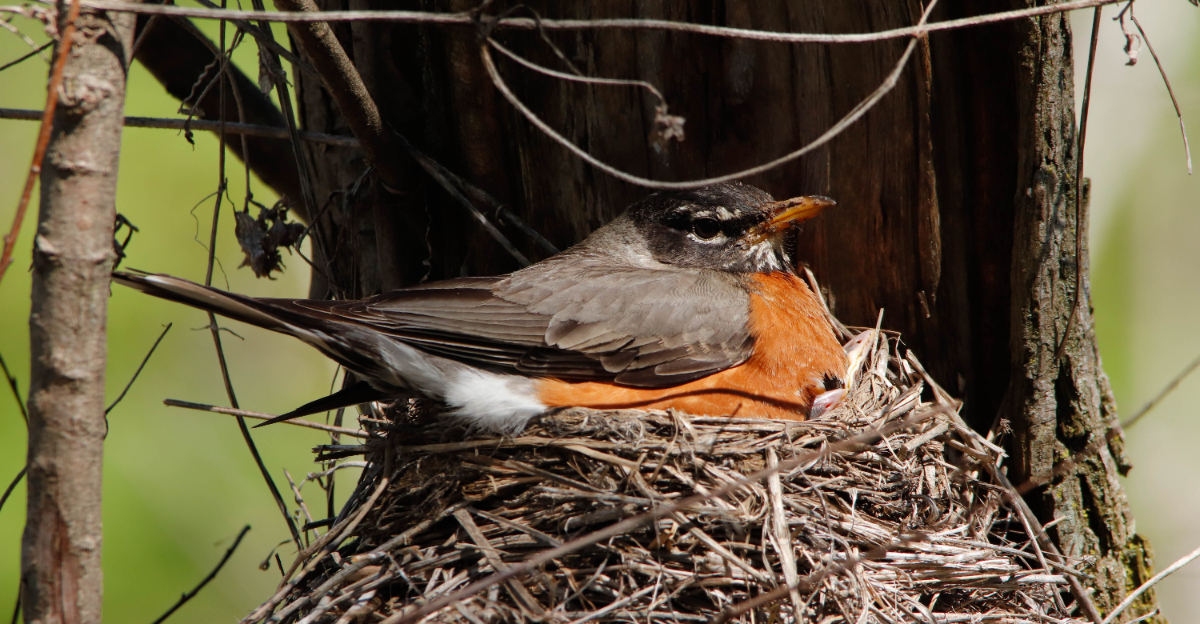
Spring in Oregon is more than fresh blooms and longer days. It is also nesting season, when gardens turn into busy little neighborhoods for robins, finches, chickadees, and other feathered visitors.
While many birds choose trees and shrubs on their own, the way you care for your yard can make a big difference in how safe and peaceful they feel. A few small, thoughtful actions can help protect delicate nests without changing the beauty of your outdoor space.
You do not need special equipment or expert knowledge to make your garden bird friendly. Simple choices like timing your pruning, reducing noise, and being mindful during yard work can give nesting birds a better chance to raise their young safely.
Oregon gardeners already work closely with nature, so adding bird aware habits feels natural and rewarding. Here are some quiet, effective ways to support nesting birds right in your own backyard.
1. Avoid Trimming During Nesting Season
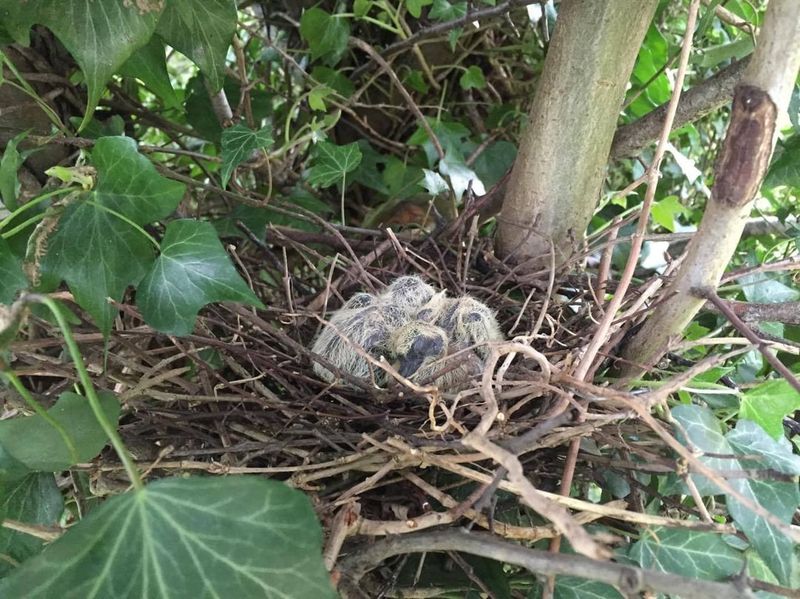
March through August marks the busiest nesting period for Oregon birds. During these months, pruning shears should stay in the shed.
Birds carefully select dense branches and thick foliage to hide their nests from predators.
When you trim hedges or cut back shrubs, you risk exposing hidden nests to danger. Baby birds left vulnerable rarely survive without protective cover.
Parent birds may even abandon nests if they feel the location has become unsafe.
Postponing your trimming schedule gives bird families time to fledge and move on. Most young birds leave the nest within two to three weeks after hatching.
Waiting until late summer or early fall ensures the job gets done without harming wildlife.
Oregon gardens benefit from this patience too. Plants grow vigorously during spring, and delaying cuts allows them to establish stronger root systems.
The temporary wildness adds natural beauty and supports local ecosystems.
Before making any cuts, carefully inspect shrubs for nests. Look for twigs, grass, and feathers woven together.
Listen for chirping sounds that indicate babies inside. If you discover a nest, mark the area and work around it until the family departs naturally.
2. Leave Dense Shrubs Undisturbed
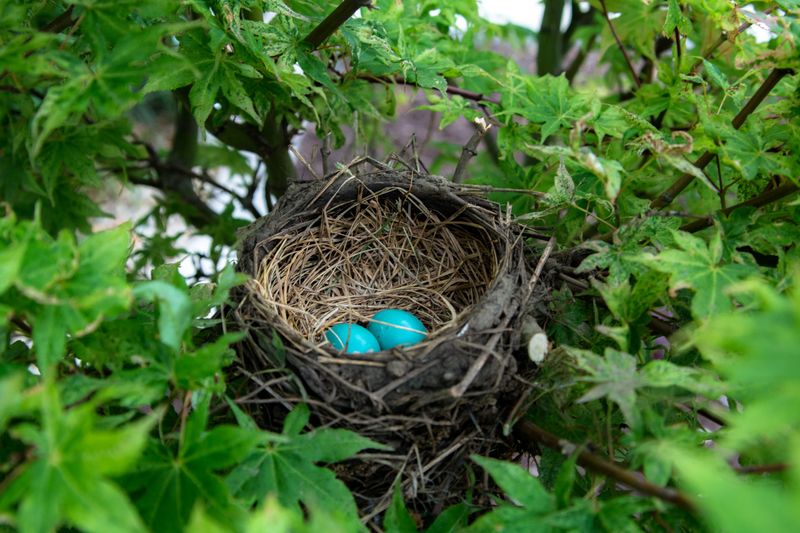
Thick, tangled shrubs might look messy to human eyes, but birds see them as perfect real estate. Dense growth provides the privacy and protection that nesting birds desperately need.
Oregon gardens with overgrown corners become havens for multiple bird species.
Native shrubs like Oregon grape, salal, and snowberry create ideal nesting spots. Their intertwined branches form natural fortresses against wind, rain, and predators.
Birds instinctively seek out these secure locations when choosing where to raise their young.
Resist the urge to thin out these areas during spring and summer. Even if a shrub looks crowded or unkempt, it might be sheltering an active nest.
Parent birds work tirelessly to feed their babies, making dozens of trips daily with insects and seeds.
Creating intentional wild zones in your Oregon garden benefits more than just birds. These undisturbed areas support beneficial insects, provide habitat for small mammals, and reduce your maintenance workload.
Your Oregon Garden Changes Every Week. Your Plan Should Too.
Gardening in Oregon changes quickly throughout the season. Every Friday you’ll receive a simple weekly plan showing exactly what to plant, prune, fertilize, harvest, and protect so you never miss the right timing.
Nature thrives when given space to grow freely.
If aesthetics concern you, place dense shrubs toward the back of your property or along fence lines. This strategy maintains curb appeal while offering birds the seclusion they need.
Remember that natural beauty includes a bit of organized chaos.
3. Skip Pesticides Near Nesting Areas
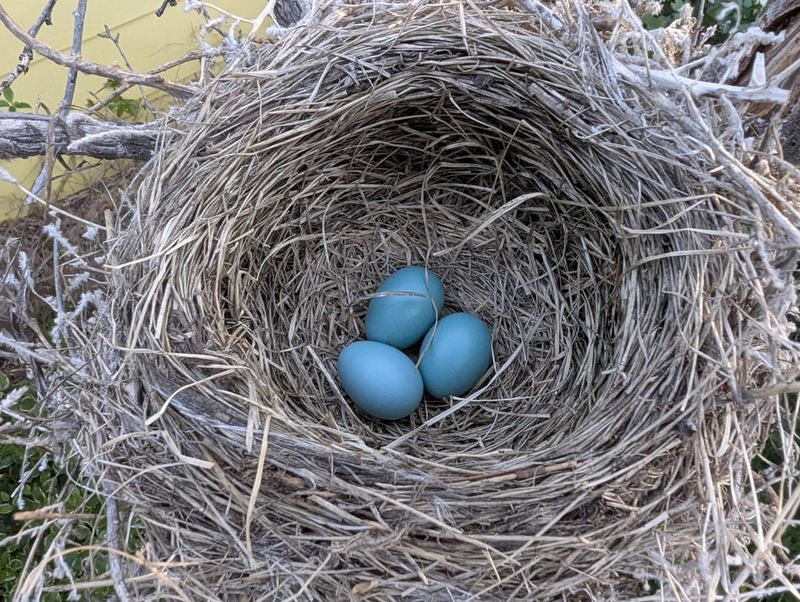
Chemical pesticides eliminate the very food sources that nesting birds depend on. Parent birds feed their babies almost exclusively on insects, caterpillars, and other small creatures.
Without these protein-rich meals, young birds cannot develop properly.
Oregon gardeners who spray pesticides inadvertently create food deserts for hungry nestlings. Even products marketed as safe can reduce insect populations dramatically.
Birds raising families need abundant bugs available within short flying distances from their nests.
Switching to organic pest management protects both birds and your garden. Hand-picking pests, using row covers, and encouraging beneficial insects work without harmful side effects.
These methods require more attention but create healthier ecosystems overall.
Consider that birds themselves are excellent pest controllers. A single family of chickadees can consume thousands of insects during nesting season.
By protecting birds, you gain natural allies in managing garden pests. This partnership benefits everyone involved.
If you must address serious pest problems, choose targeted solutions and apply them far from known nesting sites. Timing matters too.
Early morning or evening applications reduce the chance of affecting birds during their most active feeding hours. Always read labels carefully and follow directions precisely to minimize environmental impact.
4. Provide Fresh Water Sources
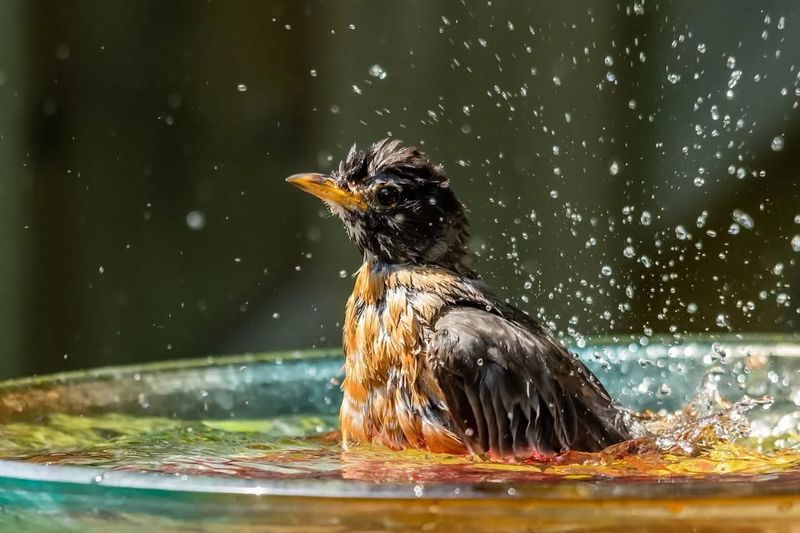
Water ranks just as important as food for birds raising young families. Parent birds need frequent drinks, especially during warm Oregon spring days.
They also bathe regularly to keep their feathers in prime condition for efficient flying.
A simple birdbath transforms your garden into a bird magnet. Place it in a visible spot where you can enjoy watching visitors.
Keep the water shallow, no more than two inches deep, so small birds can wade safely.
Cleanliness matters more than you might expect. Dirty water spreads diseases quickly among bird populations.
Scrub your birdbath every few days and refill it with fresh water. During hot weather, check water levels daily since evaporation happens fast.
Adding a few rocks or branches to your birdbath gives birds stable perching spots. This feature helps nervous parents feel secure while drinking.
It also provides safe landing zones for fledglings learning to navigate the world.
Multiple water sources scattered throughout your Oregon garden serve more birds simultaneously. Some species prefer ground-level basins, while others favor elevated options.
Offering variety accommodates different preferences and reduces competition. Moving water from a fountain or dripper attracts even more attention, as birds hear the splashing sounds from considerable distances.
5. Keep Cats Away From Nesting Zones
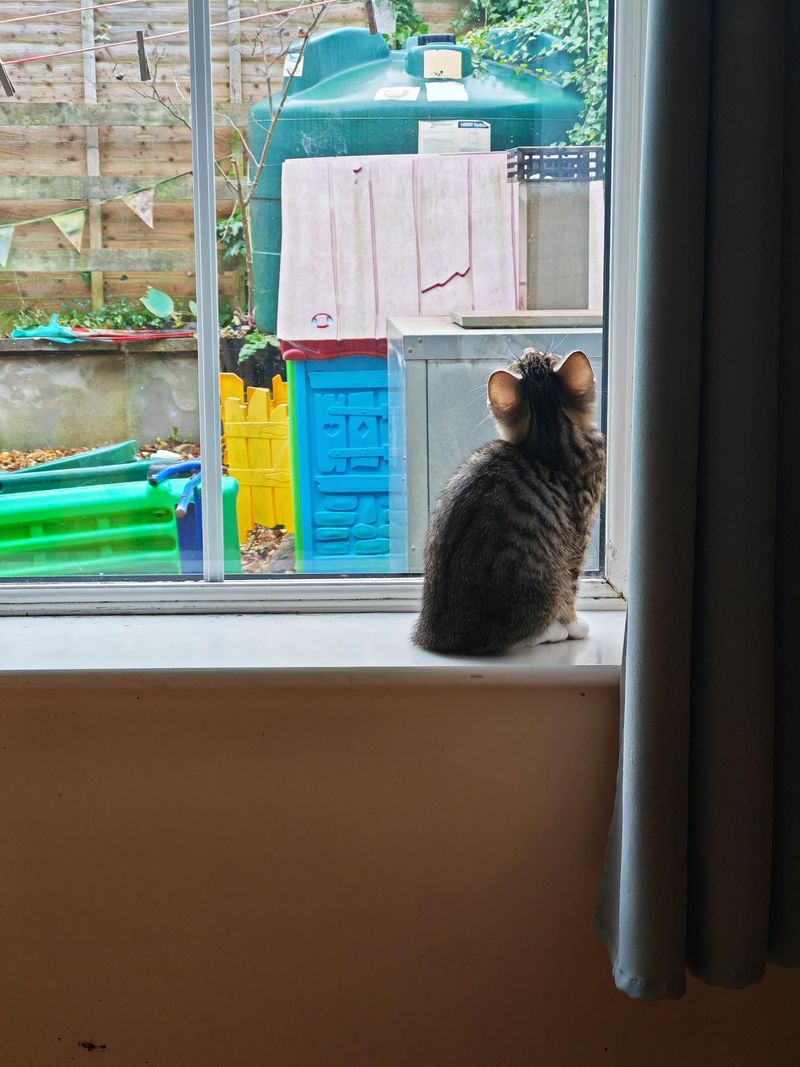
Domestic cats pose the single greatest threat to nesting birds in residential areas. Even well-fed pets retain strong hunting instincts.
Cats patrolling gardens catch millions of birds annually across North America, with fledglings being especially vulnerable targets.
Young birds learning to fly spend several days on or near the ground. During this critical period, they cannot escape quickly from predators.
Parent birds become frantic trying to protect their clumsy offspring from prowling cats.
Keeping your cat indoors during nesting season saves countless bird lives. Indoor cats live longer, healthier lives anyway, avoiding traffic, diseases, and fights with other animals.
Window perches and interactive toys provide stimulation without outdoor access.
If your cat absolutely must go outside, use a leash and harness for supervised adventures. This compromise allows your pet fresh air while preventing hunting behavior.
Time these outings for midday when bird activity naturally decreases.
Oregon gardeners should also discourage neighborhood cats from visiting their yards. Motion-activated sprinklers startle cats without harming them.
Placing bird feeders and baths away from hiding spots reduces ambush opportunities. Talking with neighbors about keeping cats indoors during nesting months builds community awareness.
Remember that protecting birds requires collective effort, and every cat kept inside makes a measurable difference.
6. Delay Heavy Garden Cleanup
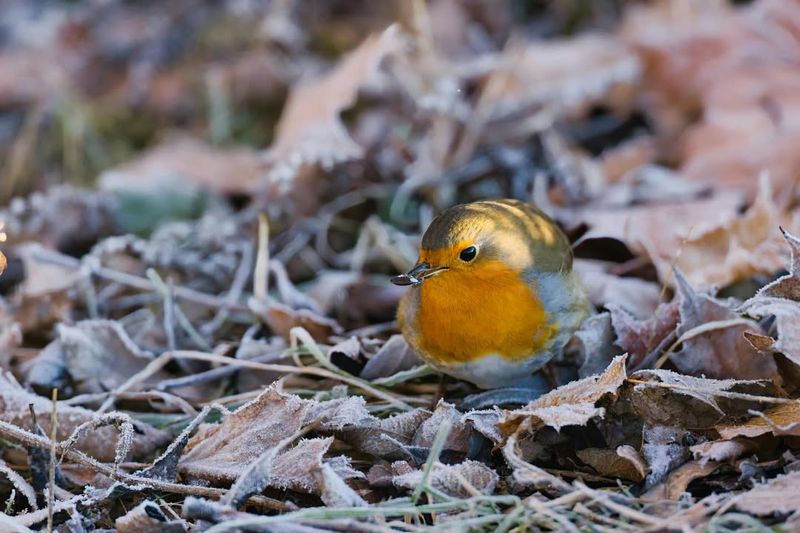
Spring cleaning feels satisfying, but rushing into major garden overhauls disrupts nesting birds. Leaf piles, brush heaps, and standing dead plants all serve important purposes during breeding season.
Birds use these materials for nest building and hunt for insects hiding underneath.
Oregon’s ground-nesting birds, like juncos and towhees, particularly appreciate leaf litter. They scratch through decomposing leaves searching for beetles, spiders, and other tasty morsels.
Removing this layer eliminates their primary feeding grounds right when they need it most.
Dead plant stalks from last year might look untidy, but many contain overwintering insects. These bugs emerge in spring, providing convenient meals for hungry parent birds.
Hollow stems also offer potential nesting cavities for native bees, which pollinate your garden plants.
Save major cleanup projects for late fall after birds finish nesting. This timing allows you to prepare beds for winter while avoiding the sensitive breeding period.
The wait actually improves your soil as organic matter continues breaking down.
Focus spring efforts on gentle maintenance instead of wholesale renovation. Pull aggressive weeds, but leave beneficial native plants alone.
Add mulch around established plants rather than disturbing soil extensively. These lighter tasks keep your Oregon garden looking cared for without creating chaos for wildlife families.
7. Offer Safe, Natural Shelter
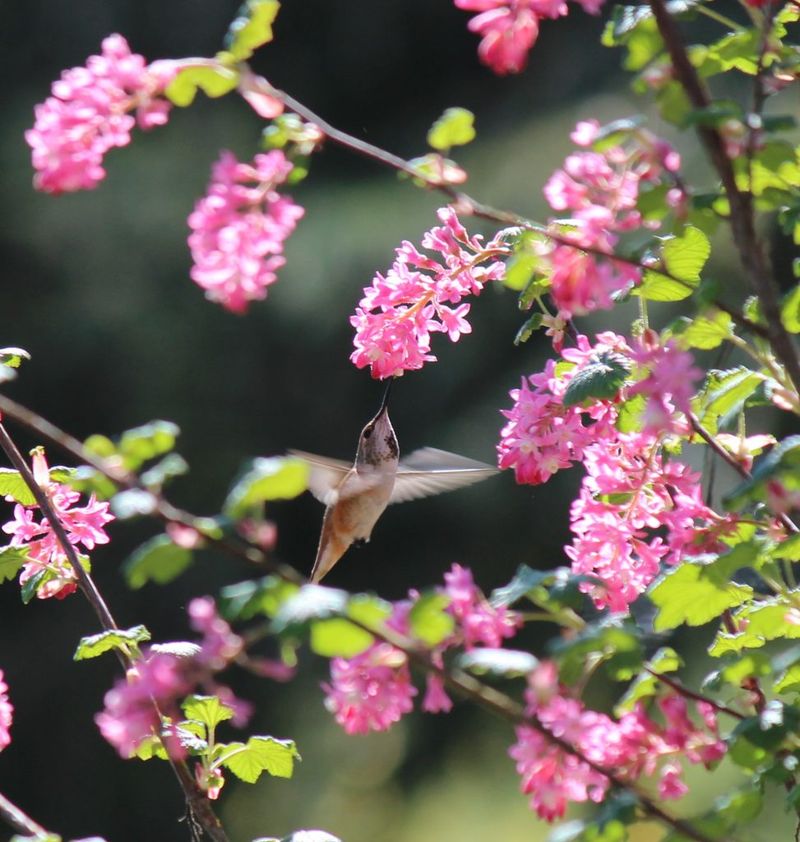
Strategic planting creates the framework for bird-friendly Oregon gardens. Native trees and shrubs evolved alongside local bird species, making them perfect shelter options.
Douglas fir, western red cedar, and vine maple all provide excellent nesting opportunities.
Layered vegetation mimics natural forest edges that birds instinctively prefer. Plant tall trees as a backdrop, medium shrubs in the middle, and low groundcovers in front.
This structure offers nesting sites at various heights, accommodating different species’ preferences.
Evergreen plants deserve special attention for year-round shelter value. They provide protection during harsh weather and concealment for nests.
Mix evergreens with deciduous plants to create diverse habitat that supports birds through all seasons.
Birdhouses supplement natural nesting sites, especially in newer gardens lacking mature trees. Choose designs appropriate for Oregon species like chickadees, wrens, and swallows.
Mount houses at recommended heights facing away from prevailing winds and afternoon sun.
Avoid decorative birdhouses that prioritize human aesthetics over bird needs. Proper ventilation, drainage, and entrance hole size matter far more than cute paint jobs.
Clean houses annually after nesting season ends to remove old nesting material and parasites. Position houses where you can monitor them without disturbing occupants.
With thoughtful placement and maintenance, your Oregon garden becomes a true sanctuary where birds return year after year.