These Native Pennsylvania Shrubs Thrive In Front Yards When Planted In March
March in Pennsylvania brings that first real hint of spring. The air feels softer, the soil begins to loosen, and front yards slowly come back to life.
It is the perfect moment to think about planting something that will last for years, not just one season. Many homeowners want shrubs that look great, handle local weather, and need less fuss once established.
Native Pennsylvania shrubs check all those boxes. They are built for the region’s soil, rainfall, and changing temperatures.
When planted in March, their roots get a head start before summer heat arrives. This early start helps them grow stronger, fuller, and more resilient.
Over time, they reward you with lush greenery, seasonal color, and natural charm right at your doorstep.
These shrubs also support local wildlife, from birds to helpful pollinators. With the right choices, your front yard can stay vibrant, low maintenance, and perfectly suited to Pennsylvania’s natural landscape year after year.
1. Virginia Sweetspire
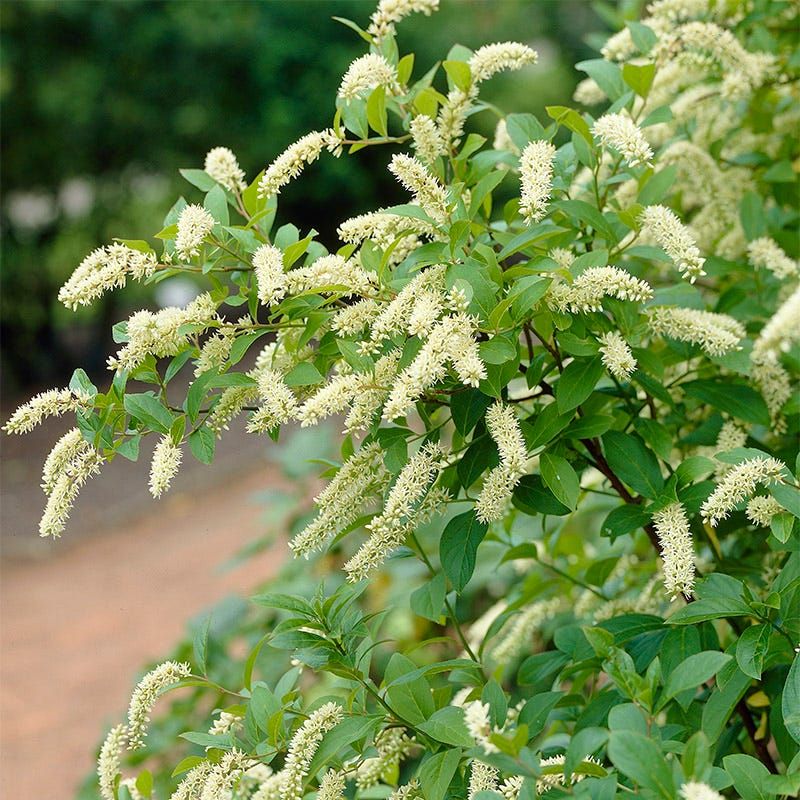
Few native shrubs match the seasonal drama that Virginia Sweetspire brings to Pennsylvania front yards. This adaptable beauty produces cascading white flower clusters in late spring that fill the air with a sweet honey-like fragrance.
Pollinators adore these blooms, creating a buzzing garden spectacle that signals warmer days ahead.
The real showstopper arrives in autumn when the foliage transforms into brilliant shades of red, orange, and burgundy. This fall color display rivals any imported ornamental and lasts for several weeks.
Even after the leaves drop, the graceful arching branches add winter structure to your landscape design.
Planting in March gives Virginia Sweetspire time to develop roots before the growing season kicks into high gear. This Pennsylvania native handles various soil conditions with ease, from consistently moist areas near downspouts to average garden beds.
The shrub typically reaches three to five feet tall, making it perfect for foundation plantings where it won’t block windows or overwhelm smaller spaces.
Maintenance requirements stay minimal once established. The plant tolerates both full sun and partial shade, though flowering proves most abundant with at least four hours of direct sunlight daily.
Deer tend to leave this shrub alone, which solves a common Pennsylvania gardening challenge.
The compact growth habit means less pruning work for you, though light shaping after flowering helps maintain an attractive form. Virginia Sweetspire truly earns its place as a front yard favorite across the state.
2. Inkberry Holly
Gardeners searching for a reliable evergreen alternative to traditional boxwood should look no further than Inkberry Holly.
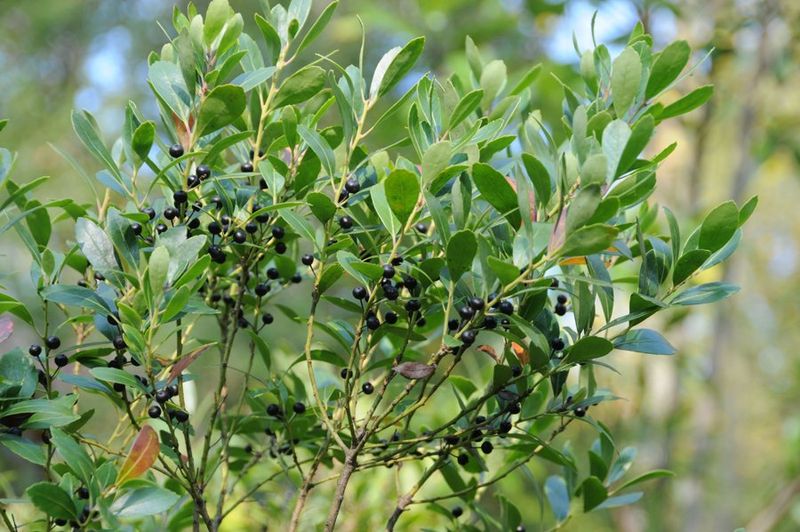
This Pennsylvania native maintains its glossy dark green leaves throughout winter, providing year-round structure and color when most plants fade into dormancy.
The dense branching pattern creates a naturally tidy appearance that suits formal and informal landscape designs equally well.
March planting allows Inkberry Holly to settle in before summer stress arrives. The shrub adapts remarkably well to Pennsylvania’s varied conditions, tolerating wet soil that would doom many other evergreens.
This makes it invaluable for low-lying front yard areas or spots with poor drainage. Partial shade poses no problem either, so north-facing foundations or areas under tree canopies work perfectly.
Female plants produce small black berries that birds appreciate during winter months, adding wildlife value to your landscape. The berries remain inconspicuous to humans but provide important food sources when natural options become scarce.
Cold hardiness rates as exceptional, easily handling Pennsylvania’s harshest winters without browning or damage.
Maintenance demands stay refreshingly low. The slow to moderate growth rate means less frequent pruning compared to faster-growing alternatives.
Inkberry Holly naturally forms a rounded shape reaching three to six feet tall, ideal for creating neat borders along walkways or defining property lines. The plant resists most pests and diseases, saving you time and money on treatments.
For Pennsylvania homeowners wanting evergreen presence without constant fussing, this native shrub delivers reliable performance season after season.
3. Ninebark
Toughness defines Ninebark, making it a champion choice for Pennsylvania front yards that face challenging conditions. This hardy native shrub laughs at drought once its roots take hold, surviving hot summers without constant watering.
The plant also tolerates poor soil, road salt, and urban pollution better than most ornamentals, proving its worth in demanding locations.
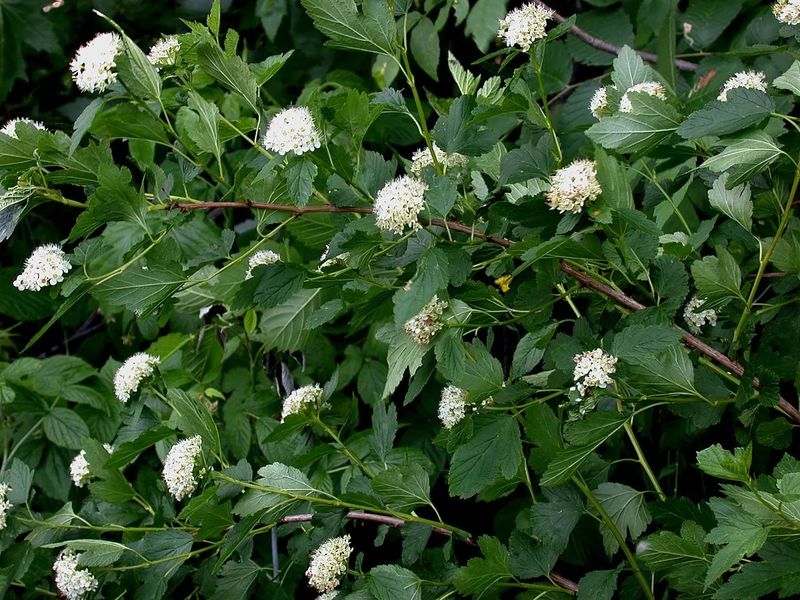
Visual interest extends across multiple seasons. Spring brings clusters of small white or pink flowers that attract beneficial insects.
Summer showcases attractive maple-like leaves that come in shades ranging from deep burgundy to bright chartreuse, depending on the cultivar you select.
The real magic happens in winter when the exfoliating bark peels away in strips to reveal cinnamon-colored inner bark, creating textural interest when other plants offer little.
Planting during March in Pennsylvania gives Ninebark ample time to establish before facing summer heat. The shrub grows quickly, reaching five to eight feet tall and wide, making it suitable as a focal point or informal hedge.
Full sun produces the best flowering and foliage color, though the plant tolerates light shade reasonably well.
Pruning needs remain flexible based on your preferences. You can shear Ninebark into a formal hedge or let it grow naturally for a more relaxed appearance.
The plant responds well to rejuvenation pruning if it becomes overgrown or leggy. Deer rarely bother this shrub, and disease problems stay minimal.
For Pennsylvania gardeners wanting a bold, carefree statement plant that handles neglect gracefully, Ninebark stands ready to impress year after year.
4. American Beautyberry
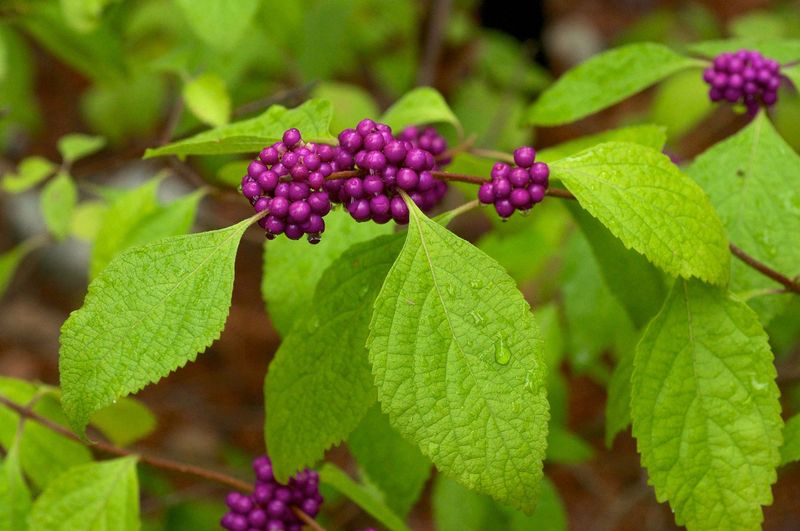
When autumn arrives, American Beautyberry steals the show with clusters of bright purple berries that look almost artificial in their intensity. These jewel-like fruits circle the stems in dense bunches, creating a spectacle that stops passersby in their tracks.
Birds flock to feast on the berries, bringing movement and life to your Pennsylvania front yard during migration season.
The shrub earns its keep throughout the growing season, not just during its famous berry display. Small pink flowers appear in summer, tucked along the stems where leaves meet branches.
These blooms attract butterflies and bees, supporting pollinator populations in your neighborhood. The foliage stays attractive and healthy, providing a lush green backdrop for perennials and other plants.
March planting in Pennsylvania allows American Beautyberry to develop strong roots before producing its spectacular fall show. The plant prefers full sun to partial shade, with more sun generally resulting in heavier berry production.
Average to moist soil suits this native beautifully, and it adapts to various soil types found across the state.
Size stays manageable at three to five feet tall and wide, fitting comfortably in most front yard designs. The somewhat loose, arching growth habit creates an informal cottage garden feel rather than a rigid formal appearance.
Light pruning in late winter helps maintain shape and encourages fresh growth for better flowering and fruiting.
American Beautyberry occasionally experiences some winter twig damage in the coldest Pennsylvania regions, but it rebounds quickly each spring, making it well worth any minor setbacks.
5. Summersweet
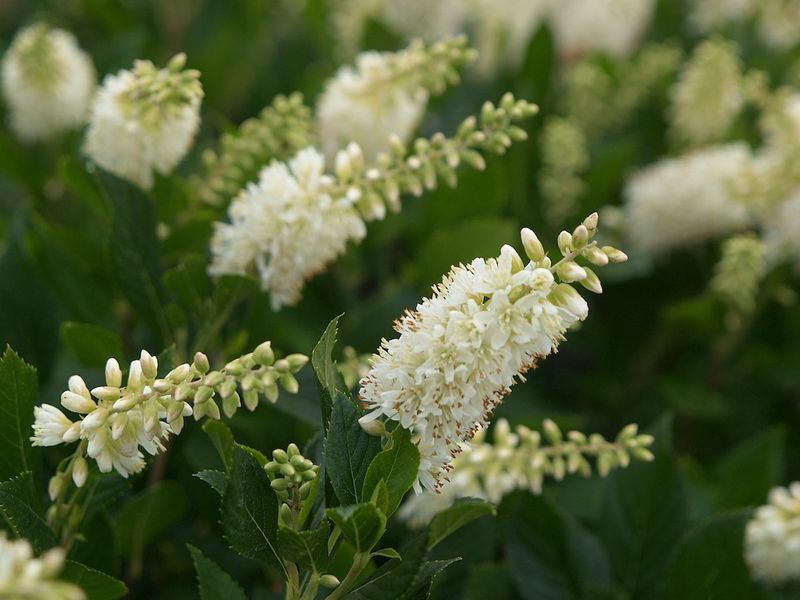
Fragrance lovers celebrate when Summersweet bursts into bloom during the heat of summer. The white bottlebrush-shaped flowers release a sweet, spicy perfume that drifts across your Pennsylvania front yard, greeting visitors before they reach your door.
This scent attracts butterflies, bees, and hummingbirds, turning your landscape into a pollinator paradise during a season when many spring bloomers have finished.
Blooming occurs from July through August, filling a gap when few other shrubs offer flowers. The upright spikes of white blooms stand out beautifully against the dark green foliage, creating a fresh, clean appearance during the dog days of summer.
As autumn approaches, the leaves turn golden yellow, adding another seasonal highlight to your landscape.
Pennsylvania gardeners appreciate how well Summersweet handles moisture. The plant thrives in consistently moist soil, making it perfect for low areas, rain garden edges, or spots that stay damp longer than average.
Despite this moisture preference, the shrub also tolerates average garden conditions once established after March planting.
Shade tolerance sets Summersweet apart from many flowering shrubs. While it performs well in full sun, the plant also blooms reliably with just four to six hours of sunlight, solving the challenge of brightening shady north-facing front yards.
The shrub typically reaches four to six feet tall with a similar spread, forming a rounded shape that needs minimal pruning. Deer resistance rates as good, and the plant rarely suffers from serious pest or disease problems.
For Pennsylvania front yards needing summer interest and wonderful fragrance, Summersweet delivers unforgettable performance.
6. New Jersey Tea
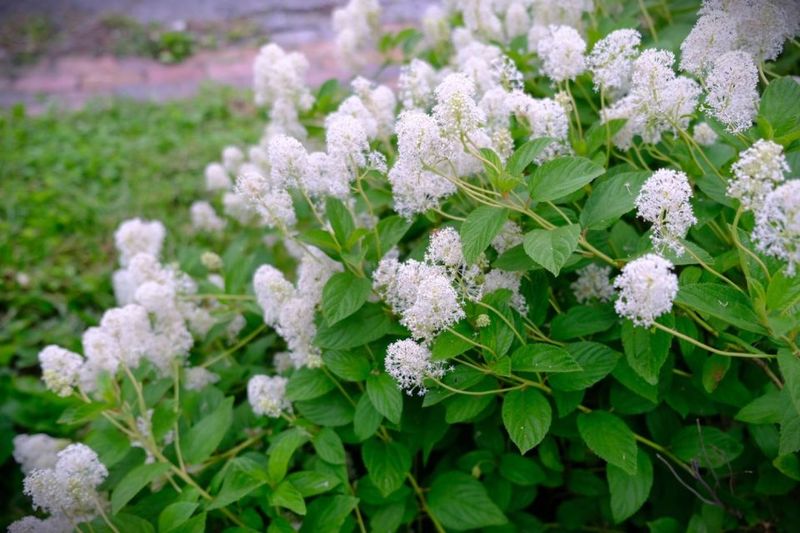
Don’t let the modest size fool you because New Jersey Tea punches well above its weight in garden value.
This compact Pennsylvania native typically stays under three feet tall, making it perfect for smaller front yards or planting beneath windows where larger shrubs would block views. The tidy, rounded form requires almost no pruning to maintain its attractive shape.
Late spring brings clouds of tiny white flowers clustered into fluffy pompoms that cover the plant. These blooms act like pollinator magnets, attracting native bees, butterflies, and other beneficial insects crucial for healthy ecosystems.
The flowers transition into interesting seed capsules that add subtle texture through summer and fall.
Drought tolerance makes New Jersey Tea a smart choice for Pennsylvania gardeners tired of watering. Once established after March planting, the shrub handles dry spells remarkably well thanks to its deep root system.
This native actually prefers lean, well-drained soil over rich, heavily amended beds. Full sun brings out the best flowering, though light shade works in a pinch.
Historical interest adds another layer of appeal. Early colonists used the leaves as a tea substitute during the Revolutionary War, giving the plant its common name.
The deep roots help prevent erosion on slopes while also fixing nitrogen in the soil, improving conditions for neighboring plants. Deer typically avoid browsing this shrub, and it resists most common pests and diseases.
For Pennsylvania front yards needing a compact, tough, pollinator-friendly native, New Jersey Tea checks every box while demanding very little in return for its many contributions to your landscape.
7. Red Chokeberry
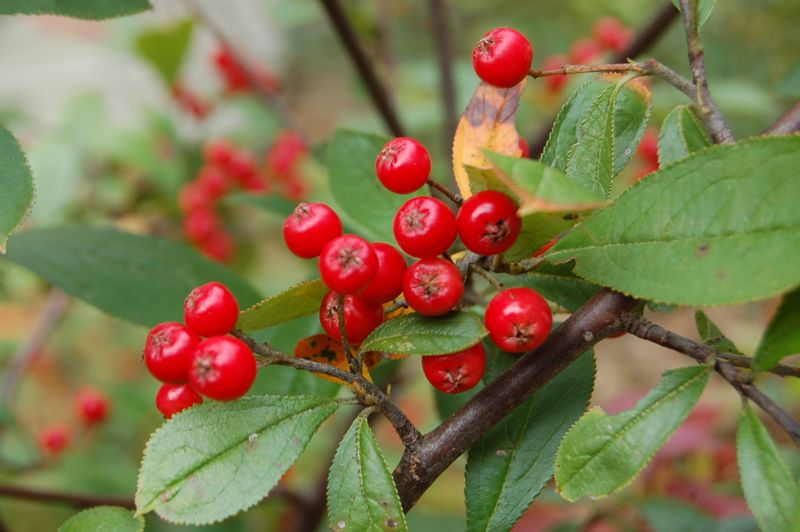
Red Chokeberry delivers a triple threat of seasonal interest that keeps Pennsylvania front yards looking fresh from spring through fall. The show begins in late spring when clusters of small white flowers blanket the branches.
These delicate blooms feature pink-tinged stamens that add subtle color variation. Pollinators visit eagerly, ensuring good fruit set for the coming season.
Summer brings glossy green foliage that stays healthy and attractive without special care. By late summer and fall, bright red berries develop in heavy clusters, persisting well into winter unless birds harvest them first.
These fruits provide crucial food for wildlife during lean months. The finale arrives when autumn transforms the leaves into brilliant shades of red, orange, and burgundy that rival any imported ornamental.
Adaptability makes Red Chokeberry easy to grow across Pennsylvania. The shrub tolerates wet soil, average conditions, and even somewhat dry sites once established after March planting.
Full sun produces the heaviest fruiting and best fall color, but partial shade works fine if your front yard lacks all-day sun exposure. Cold hardiness rates as excellent throughout the state.
Size ranges from six to ten feet tall with a somewhat upright, spreading form that fits naturally into informal landscape designs. The plant works beautifully in groupings for naturalistic plantings or as a specimen where its seasonal changes can shine.
Maintenance stays minimal, with occasional pruning to remove old stems keeping the shrub vigorous.
Red Chokeberry resists most pests and diseases while shrugging off deer browsing, making it a reliable performer for Pennsylvania gardeners seeking native beauty with minimal fuss.