What To Do Before Last Frost In Ohio
Winter still holds Ohio in a cold grip, yet the season is quietly shifting beneath your feet. The stretch before the last frost is not calm.
It is a narrow window where smart moves shape everything that follows. Soil begins to stir, daylight grows stronger, and hidden life prepares to surge, while one late freeze still has the power to undo weeks of progress overnight.
Many gardeners rush, plant too soon, and watch tender growth fall to a single cold snap. Others wait, prepare, and step into spring with strength already built below the surface.
These final weeks before the last frost decide success or struggle, growth or setback, reward or frustration. What you do now matters more than anything that comes later.
Prepare wisely, act at the right moment, and give your Ohio garden the strongest possible start before spring fully awakens.
1. Start Seeds Indoors Before Spring Arrives
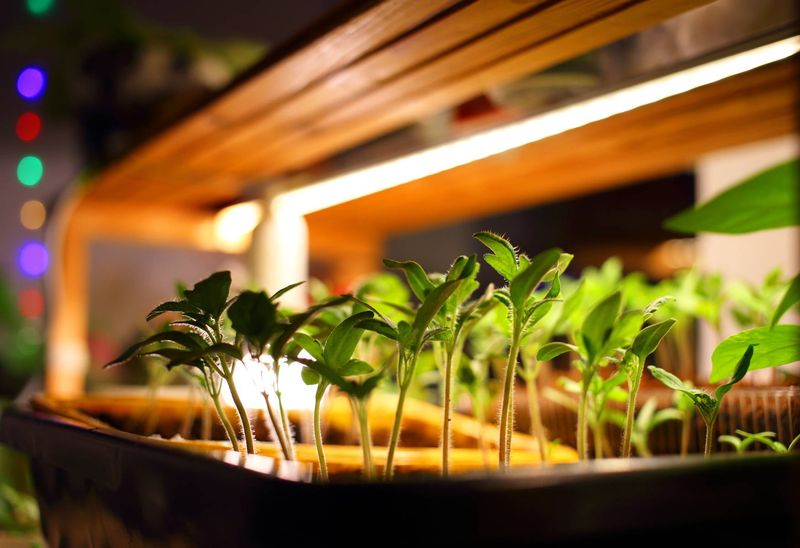
Warm-season crops like tomatoes, peppers, and eggplants need a head start indoors because Ohio’s growing season isn’t long enough for them to mature if planted directly outside. Starting these seeds six to eight weeks before your area’s last frost date gives plants time to develop strong root systems and sturdy stems.
This timing varies slightly across Ohio, with northern counties waiting until early May while southern areas may see their last frost in mid-April.
Using seed starting mix rather than garden soil prevents disease problems and provides the light, fluffy texture young roots need. Place trays near south-facing windows or under grow lights that stay on for 14 to 16 hours daily.
Keep the soil consistently moist but not waterlogged, and maintain temperatures between 65 and 75 degrees for best germination.
Once seedlings develop their first true leaves, thin them to one strong plant per cell and begin weekly feeding with diluted liquid fertilizer. This indoor head start means you’ll have robust transplants ready to go into the ground right after the last frost passes, leading to earlier harvests and healthier plants that can better withstand Ohio’s sometimes challenging summer weather patterns and pest pressures throughout the season.
2. Prepare And Improve Soil Early
Ohio soils vary dramatically from the heavy clay common in many areas to sandier compositions in other regions, but nearly all benefit from early spring amendments. Testing your soil through your local extension office reveals pH levels and nutrient deficiencies that affect plant growth.
Most vegetables prefer slightly acidic to neutral soil, and knowing your baseline helps you make informed decisions about lime or sulfur additions.
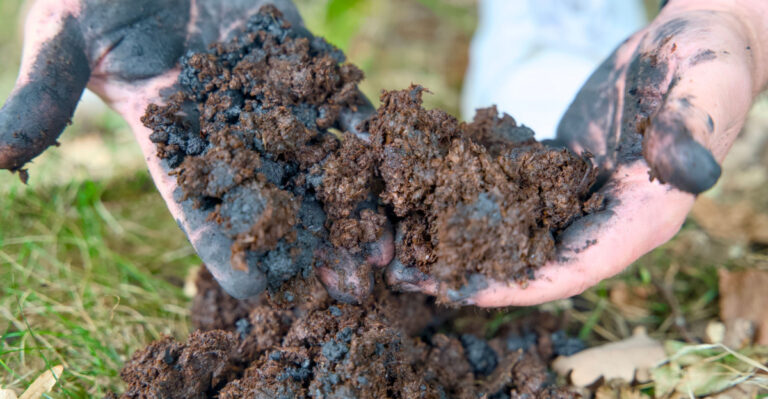
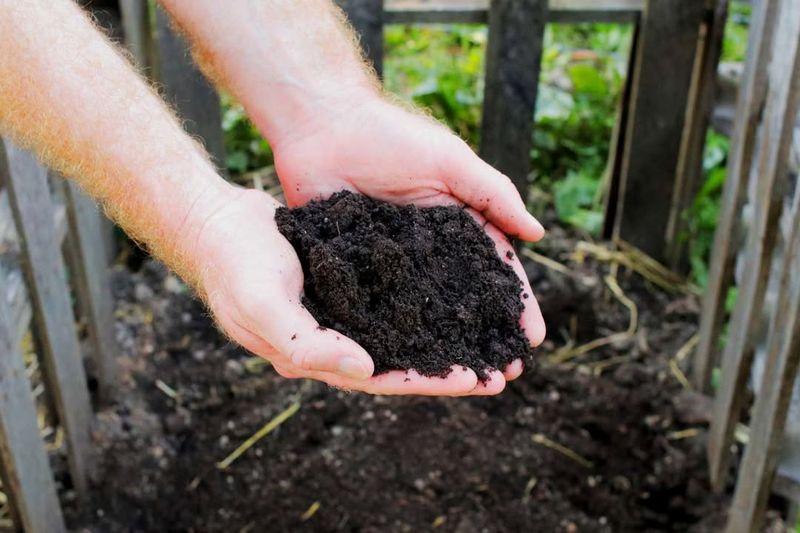
Working the soil when it’s just barely dry enough prevents compaction that damages soil structure. Grab a handful and squeeze it into a ball, then poke it with your finger.
If it crumbles easily, you’re good to go. If it stays in a muddy clump, wait a few more days.
Adding two to three inches of finished compost improves drainage in clay soils while helping sandy soils retain moisture and nutrients. Turn this organic matter into the top six to eight inches using a spading fork or tiller.
Your Ohio Garden Changes Every Week. Your Plan Should Too.
Gardening in Ohio changes quickly throughout the season. Every Friday you’ll receive a simple weekly plan showing exactly what to plant, prune, fertilize, harvest, and protect so you never miss the right timing.
This creates the loose, crumbly texture that roots love and encourages beneficial soil organisms.
Completing this work before the last frost means your beds are ready for immediate planting when weather permits, and the soil has time to settle and microbes have time to begin breaking down organic matter into plant-available nutrients.
3. Clean Garden Beds Before Growth Begins
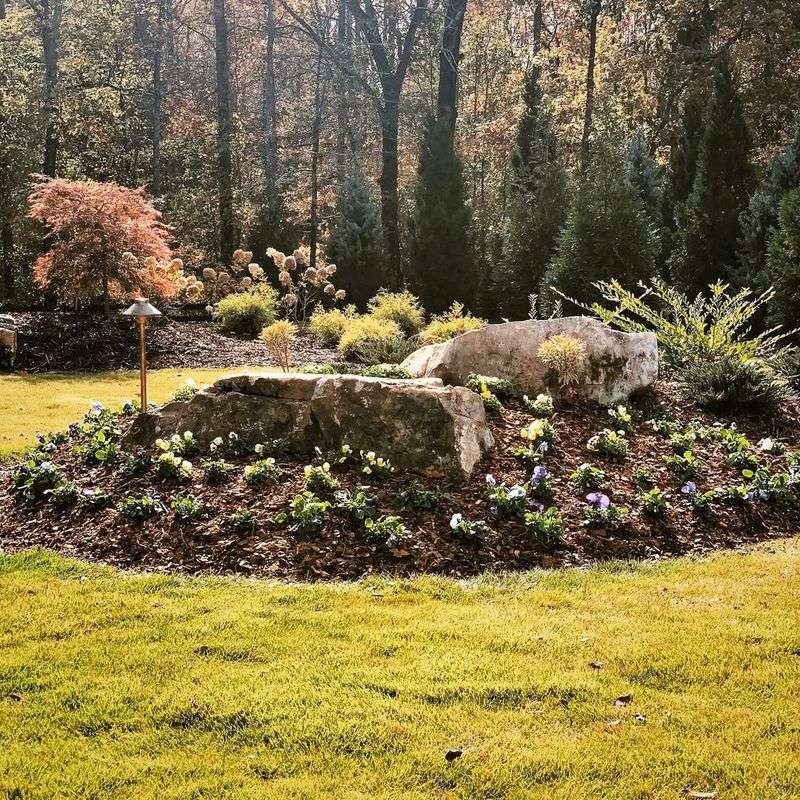
Winter leaves behind a mess of deceased plant material, fallen leaves, and debris that harbor disease spores and insect eggs waiting for spring warmth. Removing this material before new growth starts reduces problems throughout the growing season.
Many fungal diseases overwinter on withered foliage, and clearing it away breaks the disease cycle before it can infect fresh spring growth.
Pull out any remaining withered annuals and cut back perennial stems that you left standing for winter interest or wildlife habitat. Rake up leaves and twigs that accumulated over winter.
Check for any weeds that started growing during warm spells and remove them before they set seed or establish deeper root systems.
Don’t add diseased plant material to your compost pile unless it gets hot enough to eliminate pathogens. When in doubt, bag it for municipal yard waste collection.
Healthy debris makes excellent compost or mulch after it breaks down.
This cleanup work goes quickly when soil is still cool and plants haven’t started active growth. Clean beds also make it easier to see what you’re working with when you begin planting.
Ohio gardens that start the season clean tend to have fewer pest and disease issues because you’ve eliminated many overwintering sites where problems hide and multiply during warmer weather.
4. Prune Trees And Shrubs At The Right Time
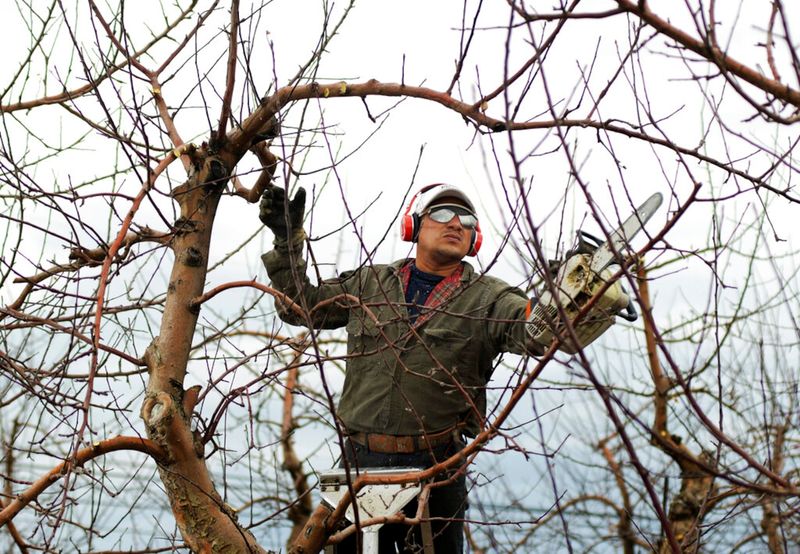
Late winter before buds swell offers the ideal pruning window for many trees and shrubs because you can easily see the branch structure without leaves blocking your view. Wounds also close quickly once spring growth begins.
Ohio’s variable spring weather means watching your plants rather than the calendar determines the best timing.
Fruit trees benefit tremendously from pruning that opens up the canopy for air circulation and sunlight penetration. Remove withered, damaged, or crossing branches first, then shape the tree to encourage productive fruiting wood.
Summer-blooming shrubs like butterfly bush can be cut back hard now because they bloom on new growth.
Avoid pruning spring-blooming shrubs like forsythia, lilac, and azalea before they flower or you’ll remove this year’s flower buds. Wait until right after they finish blooming instead.
Also skip pruning maples, birches, and walnuts until summer because they bleed sap profusely when cut during spring.
Use sharp, clean tools and make cuts just above outward-facing buds at a slight angle. This encourages growth in the right direction and helps water run off the cut surface.
Pruning before Ohio’s last frost while plants are still dormant minimizes stress and sets up better growth patterns for the entire season.
5. Divide Perennials For Stronger Plants
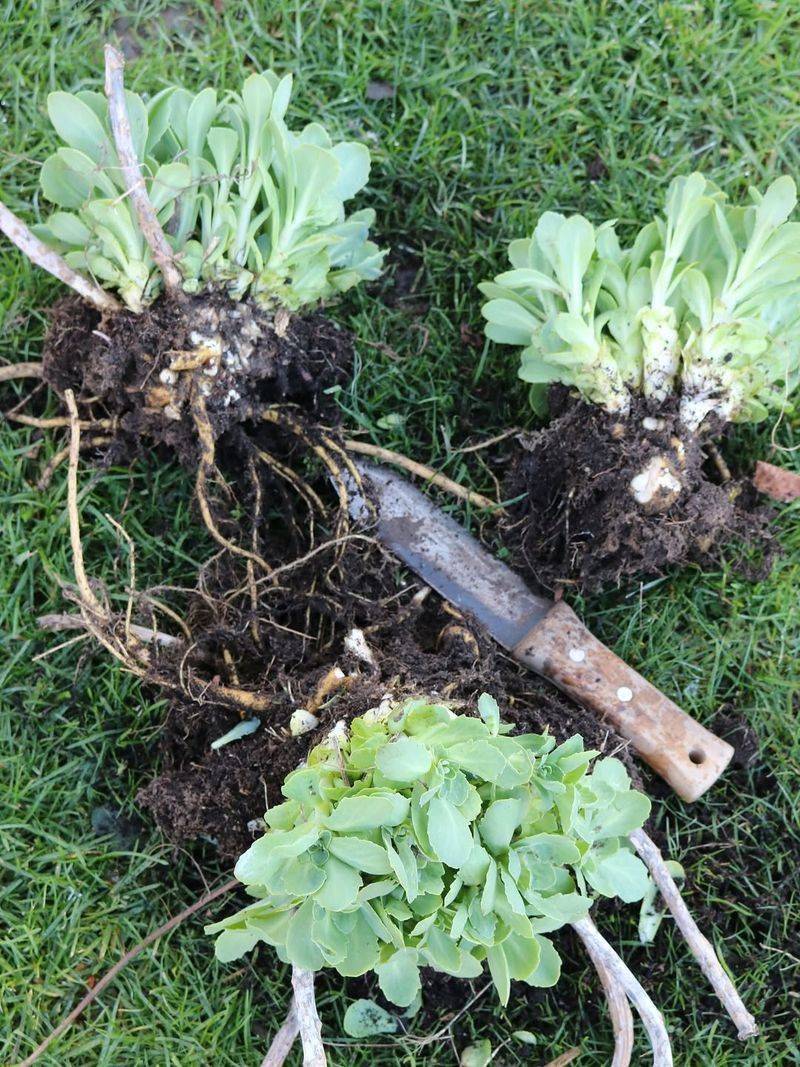
Perennials that have grown in the same spot for several years often develop crowded root systems that reduce flowering and overall vigor. Dividing them before active spring growth begins rejuvenates plants and gives you extras to fill other garden areas or share with friends.
Early spring division works well for summer and fall bloomers, while spring bloomers should wait until after flowering or be divided in fall instead.
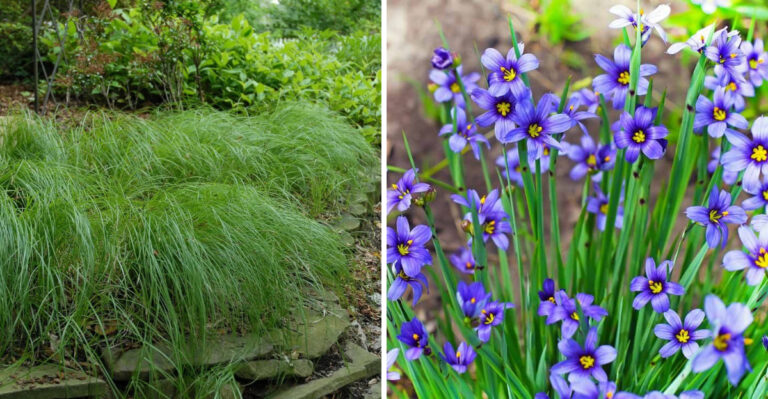
Look for perennials with multiple stems emerging from the ground as candidates for division. Hostas, daylilies, ornamental grasses, and sedums all respond well to this treatment.
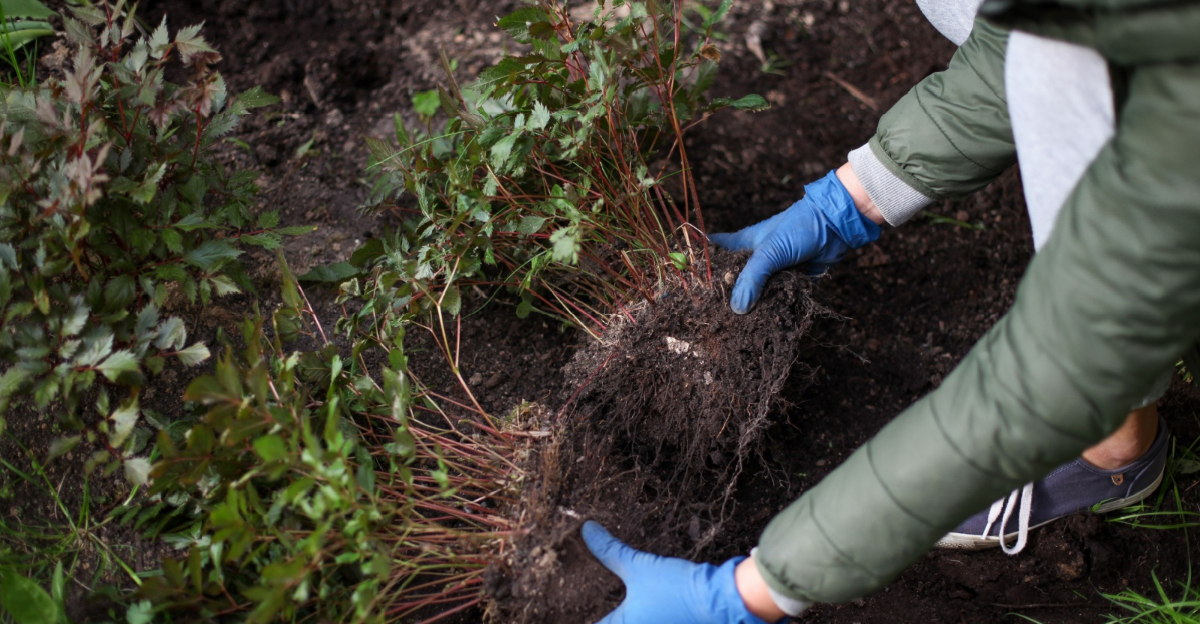
Dig up the entire clump, trying to keep as much root mass intact as possible. Use a sharp spade, knife, or even two garden forks back-to-back to separate the clump into sections.
Each division should have at least three to five healthy shoots and a good portion of roots attached. Replant divisions at the same depth they were growing before, water them thoroughly, and add a layer of mulch.
Timing this work before Ohio’s last frost gives roots time to establish before hot weather arrives.
Divided perennials may look small at first but they’ll quickly fill in with vigorous new growth, often flowering better than the original overcrowded clump did.
6. Plan Crabgrass Prevention Before It Starts
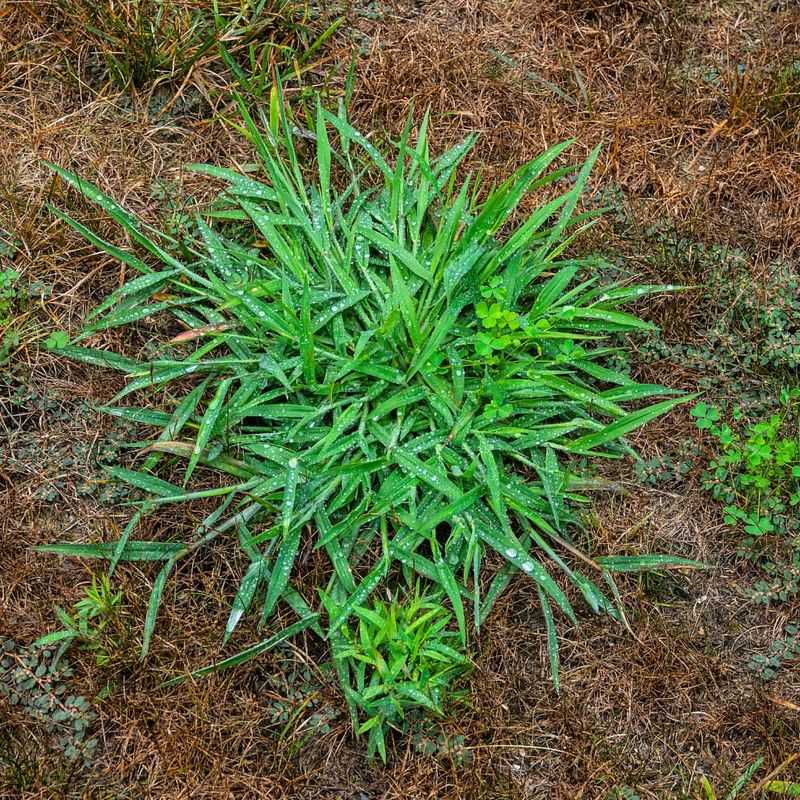
Crabgrass seeds germinate when soil temperatures consistently reach 55 to 60 degrees Fahrenheit for several days, which typically happens a few weeks before Ohio’s last frost date. Applying pre-emergent herbicide before this temperature threshold prevents seeds from sprouting, but timing matters more than calendar dates because spring weather varies significantly from year to year.
Monitor soil temperature using a soil thermometer pushed two inches deep into your lawn, or check local extension office reports that track these temperatures. When readings approach the mid-50s consistently, it’s time to apply pre-emergent products.
Most of Ohio reaches this point in early to mid-April, though northern areas may wait until late April.
Pre-emergent herbicides create a chemical barrier in the top layer of soil that stops crabgrass seeds from developing roots. This barrier breaks down over time, so if your area has extended crabgrass pressure, a second application eight to ten weeks after the first provides season-long control.
Planning this treatment before the last frost ensures you’re ahead of germination rather than reacting after crabgrass appears. Once crabgrass is visible, pre-emergents won’t work and you’ll need different control methods.
Ohio lawns treated proactively stay thick and green all summer without crabgrass taking over bare spots and thin areas.
7. Harden Off Seedlings Before Planting Outside
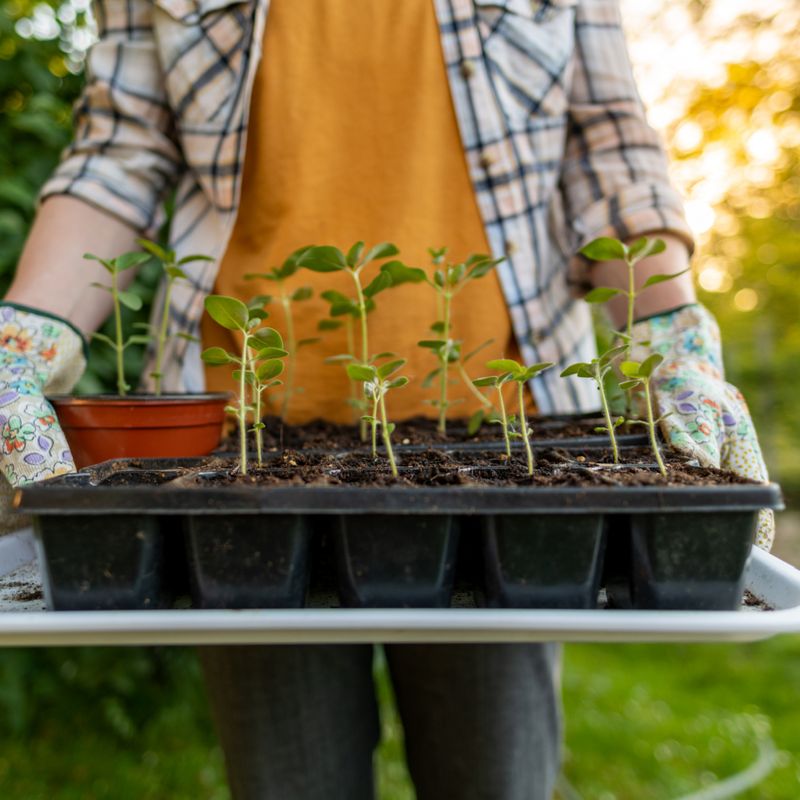
Seedlings grown indoors under controlled conditions need gradual exposure to outdoor weather before transplanting into the garden. This hardening off process toughens up tender plants and prevents transplant shock that can stunt growth or even damage plants beyond recovery.
Start this process about ten days before your planned transplanting date, which should be after your area’s last expected frost for tender crops.
Begin by placing seedlings outside in a sheltered, shaded spot for just an hour or two on the first day. Bring them back inside before temperatures drop in the evening.
Gradually increase outdoor time each day and slowly introduce more direct sunlight. By the end of the week, seedlings can stay out all day in their final light conditions.
Watch for signs of stress like wilting or leaf discoloration and slow down the process if needed. Wind is particularly hard on indoor-grown seedlings, so choose protected locations during early hardening off days.
Water plants carefully during this transition because they’ll dry out faster outdoors than they did inside.
This extra week of preparation makes an enormous difference in how well transplants establish in Ohio gardens. Plants that skip hardening off often struggle, grow slowly, and take much longer to recover, while properly hardened seedlings hit the ground running and quickly adapt to outdoor conditions.