7 Cold-Hardy Vegetables To Plant In Pennsylvania Before March
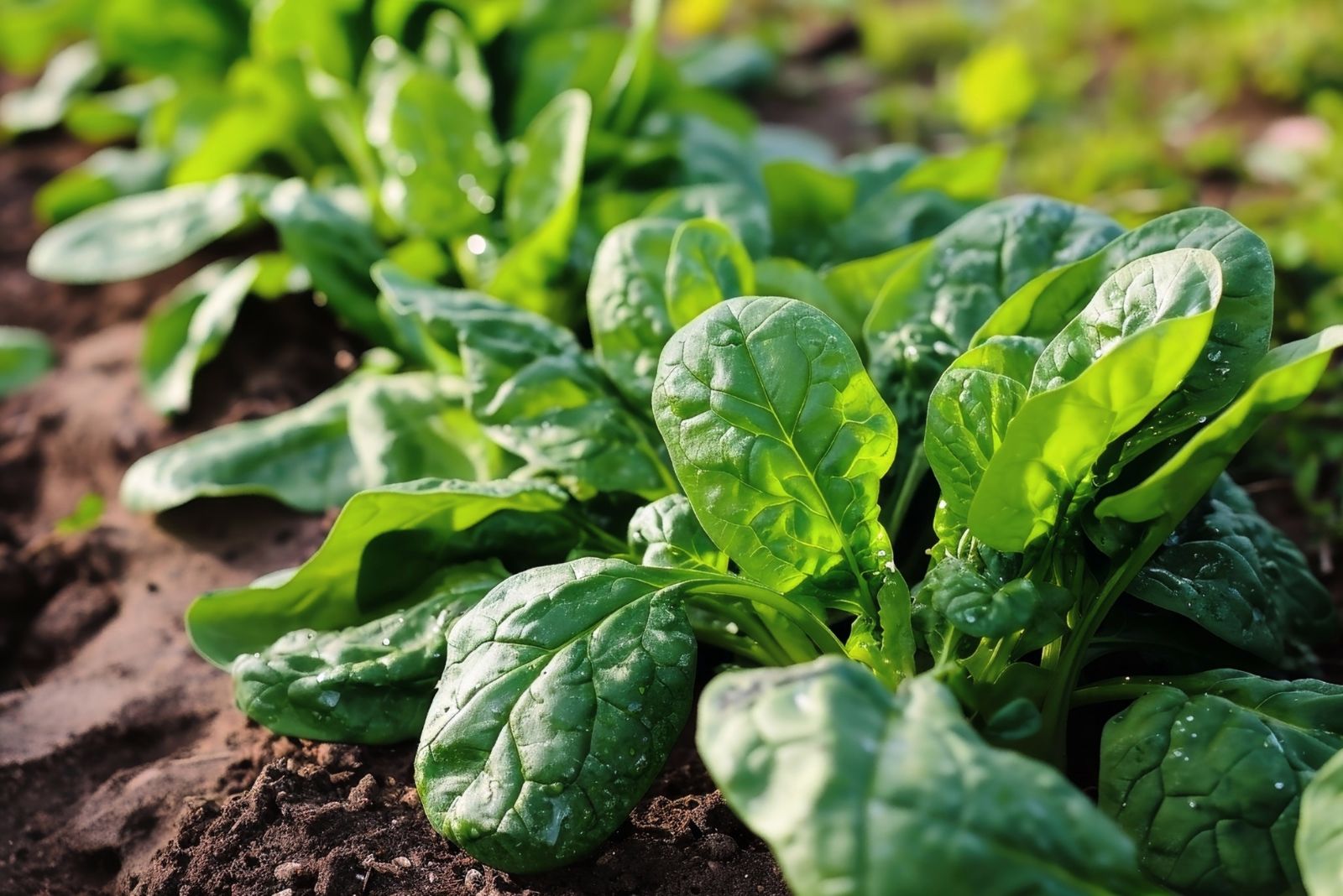
Late winter in Pennsylvania can feel long, but the garden does not have to wait for warm days to come alive. Even while frost still lingers in the soil, some vegetables are ready to grow.
Planting early brings a sense of progress and gives you a jump on the season before most gardens even begin.
Cold hardy vegetables are built for these chilly conditions. They can handle cool soil, light freezes, and short days without slowing down.
Many of them actually grow better in cold weather and develop richer flavor as temperatures stay low. Starting them before March helps roots settle in early and prepares plants for steady growth once spring arrives.
Early planting also spreads out your harvest, giving you fresh produce sooner and for a longer period. With the right vegetable choices, your Pennsylvania garden can stay productive even while winter slowly fades away.
1. Garlic
Garlic stands as one of the toughest vegetables you can grow in Pennsylvania. This hardy bulb actually needs cold weather to develop properly.
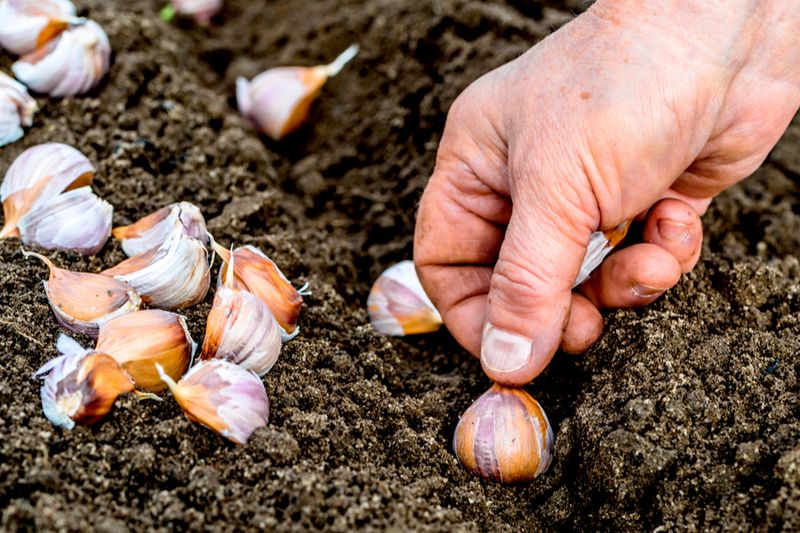
When you plant garlic cloves in late winter or very early spring, they establish strong root systems before the ground fully warms up.
Pennsylvania’s fluctuating winter temperatures don’t bother garlic at all. The cloves sit comfortably underground even when the surface freezes solid.
As long as you can work the soil without it being muddy or frozen like a rock, you can get garlic in the ground.
Each clove you plant becomes a full bulb by summer. Breaking apart a garlic head and planting individual cloves takes just minutes.
Space them about six inches apart and push them two inches deep with the pointy end facing up.
Garlic grows best in well-drained soil with plenty of organic matter mixed in. Adding compost before planting helps the cloves establish quickly. A layer of mulch on top protects them from temperature swings and keeps weeds down.
You’ll see green shoots popping up surprisingly early in Pennsylvania, sometimes even before the last snow melts. These shoots can handle frost without any problems. The cold weather actually helps garlic develop its characteristic strong flavor.
By planting before March, you give your garlic the longest possible growing season. This results in bigger bulbs with better storage quality.
Hardneck varieties work especially well in Pennsylvania’s climate and produce delicious scapes in late spring.
2. Spinach
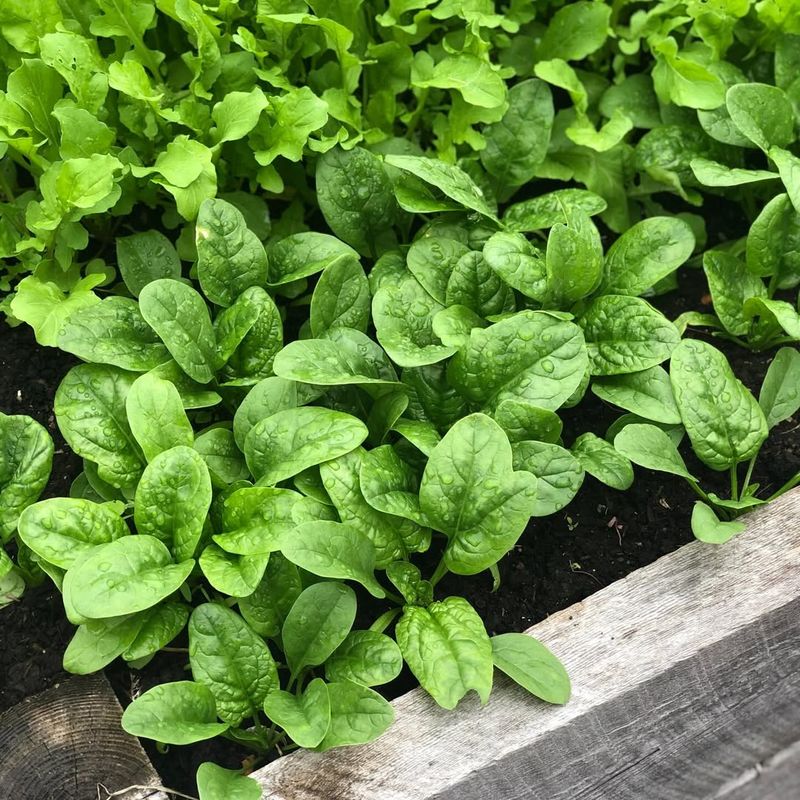
Few vegetables match spinach when it comes to cold tolerance. This leafy green actually performs better in cool weather than in summer heat.
Pennsylvania gardeners can plant spinach seeds directly in the garden as soon as the soil can be worked, often in late February or early March.
Spinach seeds germinate in soil temperatures as low as 35 degrees Fahrenheit. The tiny plants push through the ground even when frost still threatens.
Light snow doesn’t harm established spinach plants at all, and they bounce back quickly after cold snaps.
Planting spinach early in Pennsylvania means you’ll harvest tender leaves before hot weather arrives.
Your Pennsylvania Garden Changes Every Week. Your Plan Should Too.
Gardening in Pennsylvania changes quickly throughout the season. Every Friday you’ll receive a simple weekly plan showing exactly what to plant, prune, fertilize, harvest, and protect so you never miss the right timing.
Warm temperatures make spinach bolt and turn bitter, so getting it in the ground before March is essential for the best crop. The plants grow slowly in cold weather but steadily produce delicious leaves.
Scatter seeds about an inch apart in shallow rows. Cover them with half an inch of soil and keep the area moist.
Germination takes longer in cold soil, sometimes two weeks, but the wait pays off with hardy plants.
Early-planted spinach in Pennsylvania develops thick, dark green leaves packed with flavor. The cold weather concentrates sugars in the leaves, making them sweeter than summer spinach.
You can start harvesting outer leaves when plants reach about four inches tall.
Successive plantings every two weeks ensure a continuous supply of fresh spinach through spring. The crop thrives in Pennsylvania’s cool spring weather and provides fresh greens when few other vegetables are ready.
3. Mâche (Corn Salad)
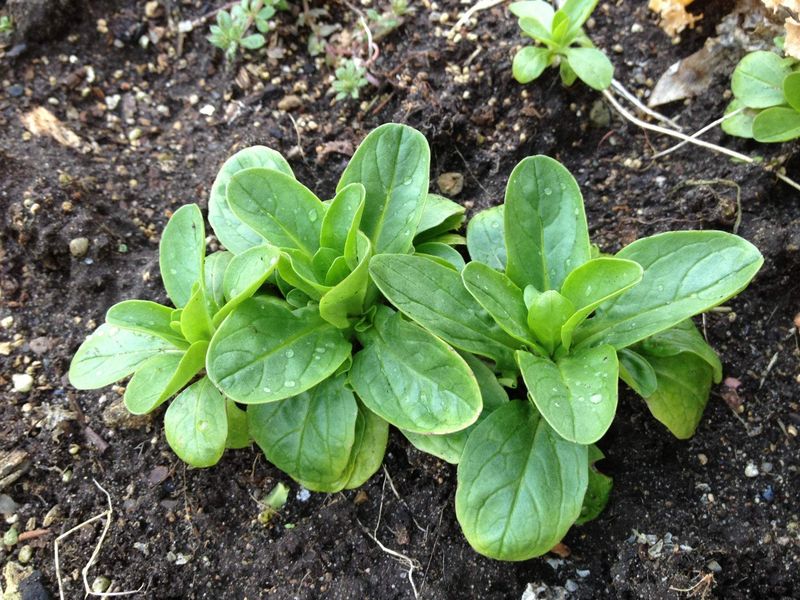
Mâche remains relatively unknown to many American gardeners, but Pennsylvania growers who discover it become instant fans.
This European green tolerates cold better than almost any other salad crop. Some varieties survive temperatures down to 10 degrees Fahrenheit without protection.
The small rosettes of tender leaves form close to the ground and seem unbothered by snow or ice. Mâche actually prefers cold weather and struggles in heat. Planting before March in Pennsylvania gives this green the perfect conditions to thrive.
Seeds germinate slowly in cold soil, taking up to three weeks to sprout. Once established, though, the plants grow steadily throughout late winter and early spring.
The leaves have a mild, slightly nutty flavor that works perfectly in salads or as a sandwich green.
Broadcast seeds over prepared soil and barely cover them with a light dusting of soil or compost. Keep the area consistently moist for best germination.
The tiny seedlings look delicate but prove surprisingly tough once they develop their first true leaves.
Pennsylvania’s late winter weather provides ideal growing conditions for mâche. The plants form attractive rosettes that you can harvest whole or pick individual leaves. New leaves continue growing from the center as you harvest outer ones.
This green rarely suffers from pests or diseases in cold weather. Slugs might nibble it in very wet conditions, but early spring plantings in Pennsylvania usually avoid these problems.
Mâche stores well in the refrigerator and maintains its texture better than lettuce or spinach after picking.
4. Kale
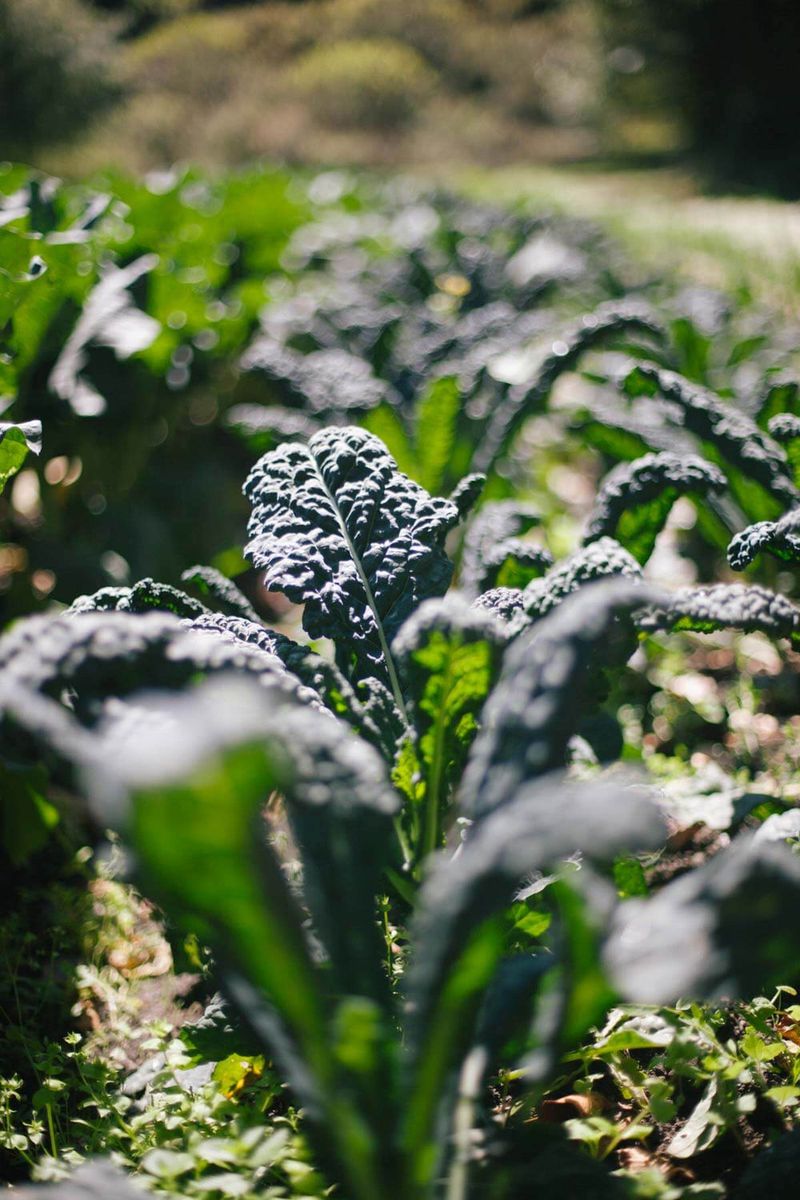
Kale has earned its reputation as one of the toughest vegetables in the garden. Pennsylvania gardeners can count on kale to survive freezing temperatures, heavy frost, and even significant snow.
The leaves actually taste sweeter after exposure to cold weather as the plant converts starches to sugars.
Planting kale before March in Pennsylvania gives the plants time to establish strong root systems. Young kale handles cold better than many people expect.
Seedlings tolerate light frost without damage, and mature plants laugh at temperatures that would devastate tomatoes or peppers.
You can start kale from seeds or transplants. Seeds planted directly in the garden germinate in cool soil, though they take longer than in warm conditions. Transplants give you a head start and can go in the ground as soon as you can dig.
Space kale plants about 18 inches apart to allow for their eventual size. They grow slowly in cold weather but steadily increase in size as days lengthen.
The outer leaves become ready for harvest while the center continues producing new growth.
Pennsylvania’s variable spring weather doesn’t faze kale at all. The plants sit through cold snaps and warm spells without missing a beat. Snow might bend the leaves down, but they pop back up when it melts.
Several varieties work well for early planting in Pennsylvania. Curly types like Winterbor show exceptional cold tolerance.
Lacinato or dinosaur kale also handles cold beautifully and produces tender, flavorful leaves. Regular harvesting encourages more growth and keeps plants productive for months.
5. Claytonia (Miner’s Lettuce)
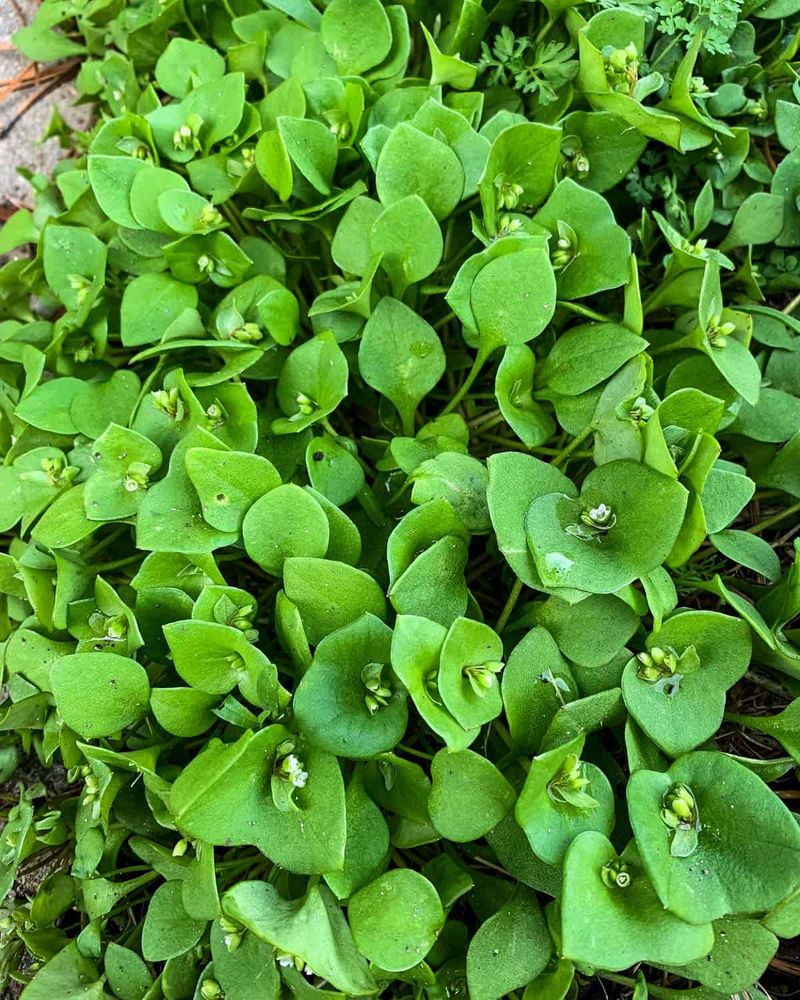
Claytonia brings a unique appearance and exceptional cold hardiness to Pennsylvania gardens. This native North American green features distinctive round leaves that look like tiny lily pads.
The plant earned its common name from gold rush miners who ate it to prevent scurvy during long winters.
Cold weather doesn’t slow claytonia down at all. The plants grow actively in temperatures that send other greens into dormancy.
Pennsylvania gardeners can plant claytonia in late winter and watch it thrive while snow still falls occasionally.
Seeds need light to germinate, so barely press them into the soil surface without covering them. Keep the area moist and be patient, as germination can take two to three weeks in cold conditions. Once sprouted, the plants grow surprisingly fast for a cold-weather crop.
The tender leaves and stems taste mild and slightly tangy, perfect for fresh salads or cooking like spinach. You can harvest whole plants or pick individual leaves.
New growth continues from the base after cutting, giving you multiple harvests from each plant.
Claytonia self-seeds readily in Pennsylvania gardens, often returning year after year without replanting. The plants prefer partial shade and consistent moisture. They grow well under deciduous trees that haven’t leafed out yet in early spring.
This green rarely attracts pests in cold weather and grows quickly enough to outpace most problems. The plants produce small white flowers eventually, but the leaves remain tender even after flowering begins.
Claytonia provides fresh greens at a time when few other vegetables are producing in Pennsylvania gardens.
6. Peas
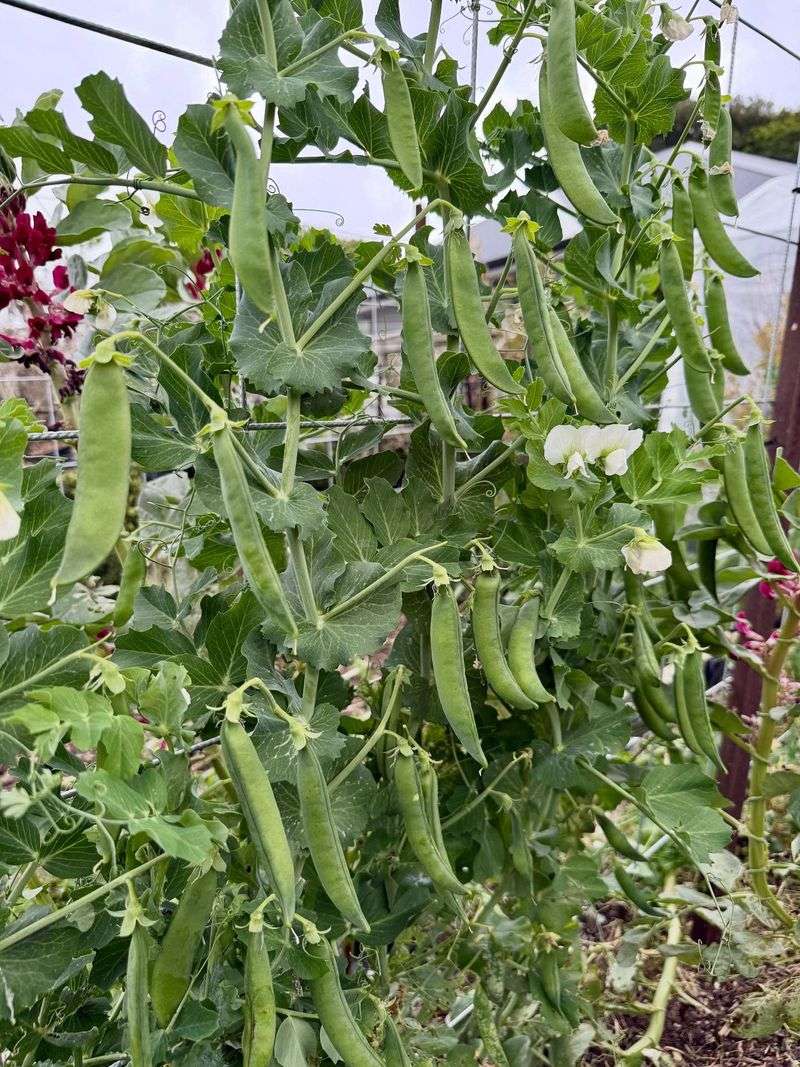
Peas rank among the earliest crops Pennsylvania gardeners can plant each year. These legumes actually prefer cool weather and struggle in heat.
An old gardening saying suggests planting peas on St. Patrick’s Day, which falls right in the early March window perfect for Pennsylvania.
The seeds germinate in cold soil that would rot beans or squash. Pea seedlings emerge even when frost still threatens regularly.
The young plants handle light freezes without damage, making them ideal for early planting in Pennsylvania’s unpredictable spring weather.
Planting peas before March gives them the longest possible harvest period before hot weather arrives. The plants produce best in temperatures between 55 and 65 degrees Fahrenheit. Starting early means you’ll pick pods while conditions remain ideal.
Plant pea seeds about an inch deep and two inches apart. They don’t need fertilizer at planting because they fix their own nitrogen from the air.
The seeds might sit in cold soil for a couple weeks before sprouting, but they’ll emerge when conditions are right.
Pennsylvania gardeners can choose from several pea types. Shelling peas produce pods you open to remove the peas inside.
Sugar snap peas have edible pods you eat whole. Snow peas feature flat pods perfect for stir-fries. All types handle cold weather equally well.
Support structures help peas grow upright and make harvesting easier. Even bush varieties benefit from some support.
The plants produce delicate white or purple flowers before pods form. Regular picking encourages more production and extends your harvest period through late spring in Pennsylvania.
7. Onion Sets
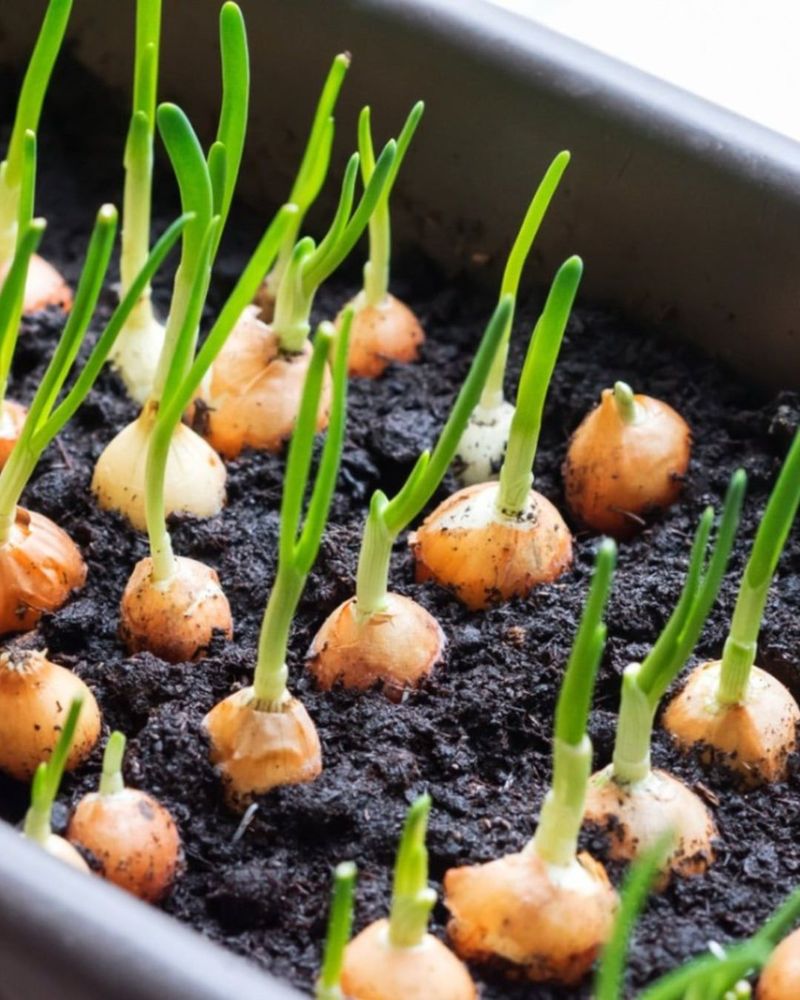
Onion sets give Pennsylvania gardeners a significant advantage for early planting. These small, dormant bulbs tolerate cold soil and establish roots quickly even in chilly conditions.
You can push sets into the ground as soon as the soil is workable, often weeks before the last frost.
The sets sit comfortably in cold soil and start growing roots immediately. Green shoots emerge surprisingly fast, sometimes within days of planting.
These shoots handle frost without problems and continue growing through Pennsylvania’s variable spring weather.
Sets cost more than onion seeds but provide a much faster harvest. Each small bulb grows into a full-size onion by summer.
The head start from early planting means bigger bulbs with better storage quality than onions planted later.
Plant sets about four inches apart with the pointy end facing up. Push them into the soil until just the tip shows above ground.
Deeper planting can cause the bulbs to grow misshapen. Firm the soil around each set to ensure good contact.
Pennsylvania’s cool spring weather provides ideal conditions for onion growth. The plants develop strong root systems and healthy tops before summer heat arrives. Consistent moisture helps sets establish quickly, but avoid overwatering in cold soil.
Choose short-day or intermediate-day varieties for Pennsylvania. Long-day types work best farther north.
Yellow, white, and red sets all grow well when planted early. The green shoots provide fresh onion flavor for cooking while the bulbs develop underground.
By planting before March, you give your onions the longest possible growing season for maximum size and the best storage potential.