Avoid Bringing These Unlucky Plants Indoors In Pennsylvania
A new plant can change the whole feel of a room. Fresh greenery by the window or near the entryway adds warmth and personality in seconds.
Still, in Pennsylvania, some plants carry more than just leaves and stems. Over the years, certain varieties have picked up a reputation for bringing bad luck indoors.
Whether rooted in folklore or family tradition, these beliefs still influence what many homeowners choose to keep inside.
Some plants are said to invite financial strain. Others are believed to stir tension or block positive energy in a home.
You might hear older relatives warn against placing specific greenery near the front door or in the bedroom. Even if you are not deeply superstitious, those stories can stick in your mind.
If you care about symbolism and the mood of your space, it helps to know which plants have these unlucky associations. A thoughtful choice can keep your Pennsylvania home feeling balanced, peaceful, and welcoming.
1. English Ivy
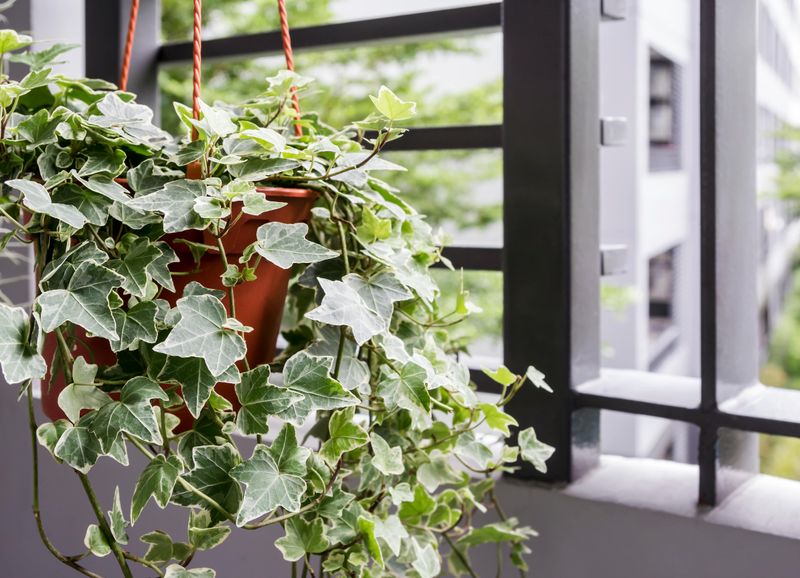
Many people find English ivy beautiful with its trailing vines and glossy leaves. But bringing this plant indoors in Pennsylvania might invite more problems than charm.
Old beliefs suggest ivy represents clinging energy that refuses to let go, which some folks think can make a home feel stuck or stagnant.
Beyond superstition, English ivy has real issues. Spider mites and aphids love this plant, and once they settle in, they spread to your other houseplants quickly.
Pennsylvania winters mean closed windows and dry indoor air, creating perfect conditions for these pests to multiply. You might find yourself battling infestations all season long.
Humidity is another concern. During colder months, many Pennsylvania homes use heating systems that dry out the air.
Ivy prefers moisture, so it often struggles and becomes weak. Weak plants attract even more pests and can develop mold on their soil surface when you try to compensate by overwatering.
The plant also grows aggressively. Those charming vines can take over windowsills, shelves, and walls faster than you expect.
Trimming becomes a constant chore, and the clippings can root easily if they touch moist soil, creating unwanted baby plants everywhere.
If you’re looking for trailing greenery, consider pothos or philodendron instead. These alternatives grow well in Pennsylvania homes without the pest problems or unlucky associations.
They tolerate dry air better and require less fussing. Your indoor garden will stay healthier and happier without English ivy clinging to every surface and bringing its baggage of bad energy and bugs into your living space.
2. Weeping Fig
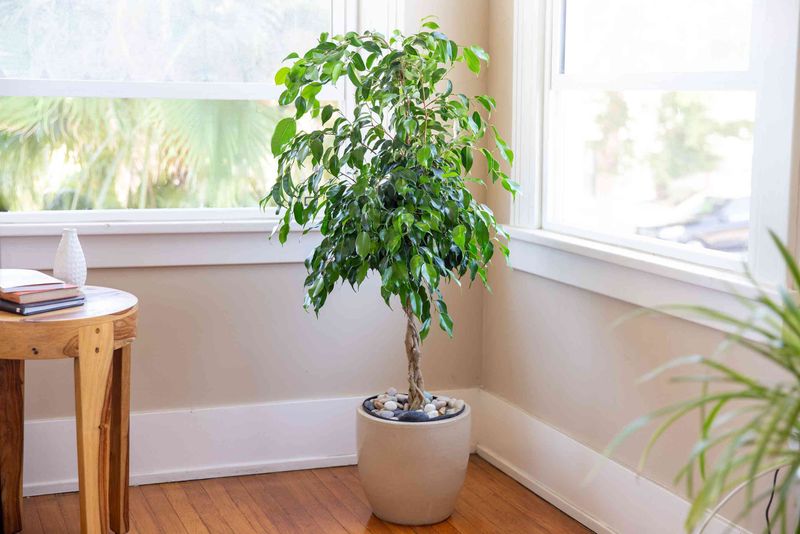
Weeping figs have elegant, arching branches that give them a graceful appearance. Their small leaves create a delicate canopy that looks sophisticated in any room.
However, this tree has a reputation for being extremely moody, and in folklore, sudden leaf drop signals bad luck coming to the household.
Temperature sensitivity is this plant’s biggest weakness. Pennsylvania homes experience significant temperature swings during winter when doors open, heating cycles fluctuate, and drafts sneak through windows.
Weeping figs respond to these changes by dropping leaves dramatically. You might wake up to find dozens of leaves scattered across your floor after a single chilly night. Light changes also upset them. Moving a weeping fig even a few feet can trigger leaf loss.
Your Pennsylvania Garden Changes Every Week. Your Plan Should Too.
Gardening in Pennsylvania changes quickly throughout the season. Every Friday you’ll receive a simple weekly plan showing exactly what to plant, prune, fertilize, harvest, and protect so you never miss the right timing.
Rotating it for even growth becomes impossible. The plant essentially throws a tantrum over the smallest environmental shift, making it feel like you’re walking on eggshells around your own houseplant.
Dry indoor air during Pennsylvania winters adds another layer of difficulty. Weeping figs prefer humidity, and without it, they become stressed and vulnerable.
Brown leaf edges appear, branches look sparse, and the overall appearance becomes scraggly rather than elegant. Misting helps slightly but creates extra work in an already demanding care routine.
The superstition around leaf drop isn’t entirely baseless. When a plant constantly struggles and sheds foliage, it creates a gloomy atmosphere rather than the uplifting presence houseplants should provide.
Choose rubber plants or snake plants instead. They tolerate Pennsylvania’s indoor conditions without the drama or the ominous symbolism of leaves falling like bad omens around your feet.
3. Cotton Plant
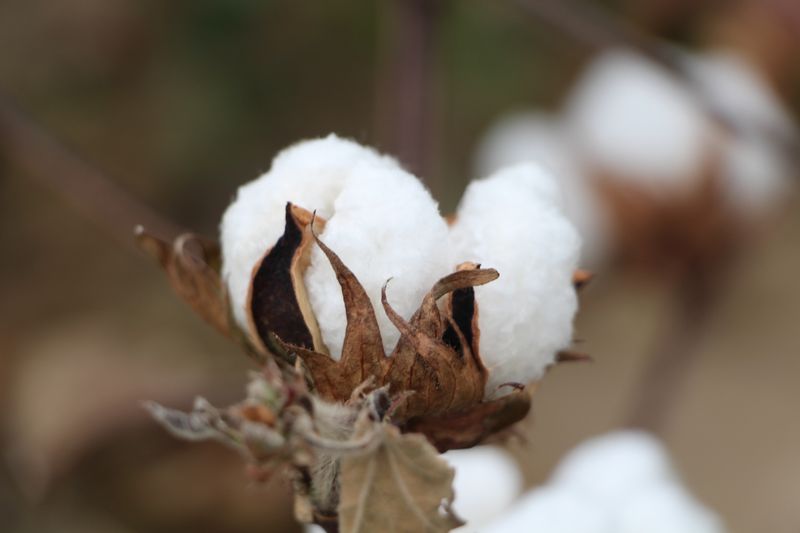
Cotton plants might seem like a unique conversation piece for your Pennsylvania home. After all, seeing actual cotton bolls develop indoors sounds fascinating.
But in various cultural traditions, cotton plants indoors symbolize hardship, labor, and sometimes loss, making them unwelcome in living spaces where positive energy matters.
Growing cotton successfully indoors in Pennsylvania presents enormous challenges. These plants evolved in hot, sunny climates with long growing seasons.
Pennsylvania’s limited winter sunlight cannot provide the intense brightness cotton needs to thrive. Even south-facing windows often fall short, leaving plants weak and spindly.
Warmth requirements create another obstacle. Cotton plants need consistently warm temperatures, but Pennsylvania winters mean fluctuating indoor conditions.
Heating systems cycle on and off, creating temperature drops that stress these tropical natives. Cold drafts from windows can damage leaves overnight, and the plant never quite recovers.
Humidity levels in heated Pennsylvania homes drop too low for cotton plants. They need moisture in the air to develop properly, but dry winter conditions cause leaves to brown and curl.
Without proper humidity, cotton bolls may never form, defeating the entire purpose of growing this novelty plant indoors.
Even if you overcome these environmental hurdles, cotton plants grow quite large and require significant space.
They need regular pruning and attention that most people cannot maintain during busy winter months. The effort required rarely matches the results achieved.
The symbolism alone might make you reconsider. Why invite associations with hardship into your home?
Pennsylvania offers plenty of easier, luckier plant options. Herbs like basil or mint bring positive associations, grow successfully indoors, and provide practical benefits. Skip the cotton plant and choose greenery that brings joy rather than struggle.
4. Hawthorn
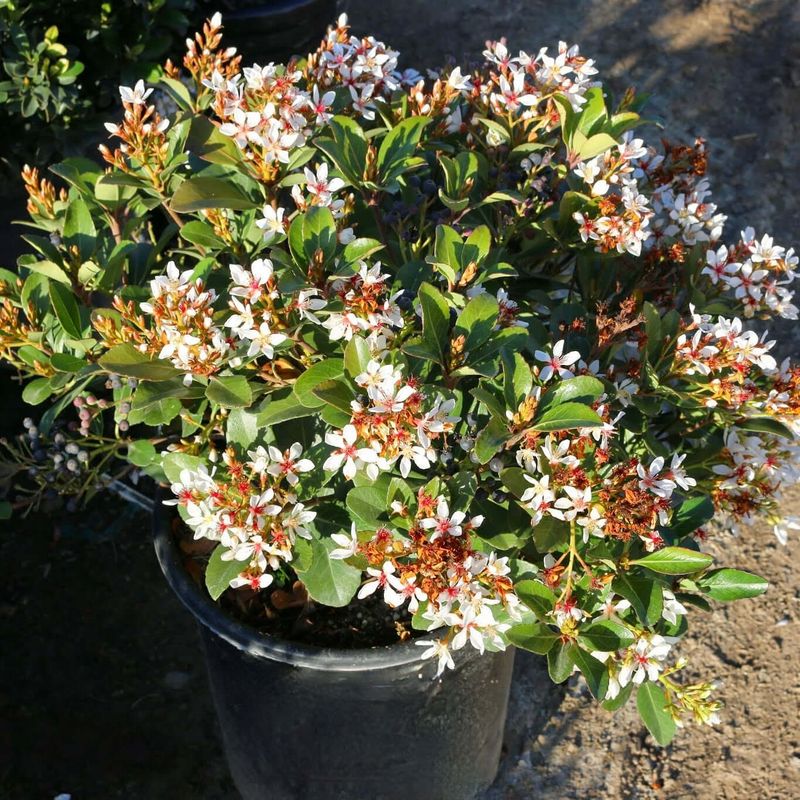
Hawthorn trees have deep roots in folklore, and not all of it is cheerful. Those thorny branches have long been considered unlucky when brought indoors.
Old traditions warn that hawthorn inside the home invites misfortune, illness, or conflict among family members. Whether you believe these tales or not, the thorns alone present practical problems.
Sharp thorns make hawthorn dangerous around children and pets. One brush against a branch can cause painful scratches.
Placing it anywhere in your Pennsylvania home means creating a hazard zone. Even careful adults can accidentally injure themselves while watering or moving the plant.
Hawthorn simply isn’t meant for indoor life. These trees need full outdoor sun, cold winter dormancy, and significant space to spread their roots.
Keeping one in a pot indoors in Pennsylvania means fighting against its natural growth cycle. The plant will struggle constantly, never looking healthy or attractive.
Without proper dormancy during cold months, hawthorn becomes weak and susceptible to problems. Pennsylvania winters provide the chill these trees need, but only outdoors.
Indoor heating prevents the rest period hawthorn requires. The tree becomes confused, exhausted, and unhealthy as it tries to adapt to unnatural conditions.
Limited indoor light compounds the difficulty. Even bright Pennsylvania windows cannot match the full sun hawthorn needs for proper growth.
Leaves become pale, branches stretch awkwardly toward light sources, and the overall form becomes distorted rather than the attractive shape hawthorn displays outdoors.
The negative folklore surrounding indoor hawthorn exists for good reasons. This tree brings genuine difficulties along with its thorny reputation.
Instead of battling superstition and impractical care requirements, choose houseplants that actually enjoy indoor life in Pennsylvania. Jade plants or Christmas cacti offer interesting forms without thorns, bad luck, or impossible growing demands.
5. Tamarind
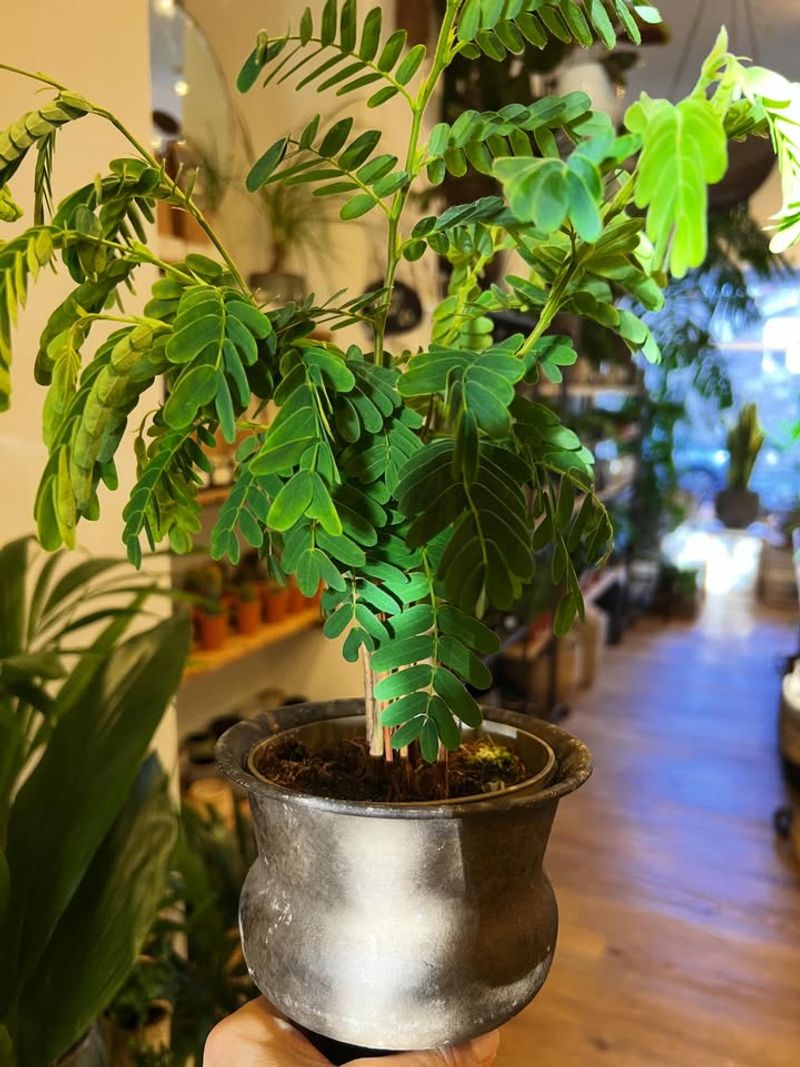
Tamarind trees produce the tangy pods used in cooking across many cultures. But in some of those same traditions, tamarind trees indoors are believed to attract negative energy or restless spirits.
These superstitions have kept tamarind firmly planted outdoors for generations, and practical realities support keeping this tradition alive in Pennsylvania.
Tamarind is a large tropical tree that can reach massive proportions in its natural habitat. Even young specimens need far more space than typical Pennsylvania homes can provide.
The tree’s growth habit involves spreading branches and deep roots that quickly outgrow any container. You’d essentially be fighting constant pruning battles.
Light requirements make indoor tamarind nearly impossible in Pennsylvania. These trees need intense, direct sunlight for many hours daily.
Pennsylvania’s winter days are short and often cloudy. Even summer light through windows cannot match the brightness tamarind needs. Without adequate light, the tree becomes weak, leggy, and unattractive.
Temperature needs present another insurmountable challenge. Tamarind thrives in consistently warm tropical climates.
Pennsylvania’s seasonal temperature variations, even indoors, create stress for these trees. Cold drafts near windows during winter can damage foliage quickly. The tree never acclimates to conditions so different from its native environment.
Humidity levels in heated Pennsylvania homes drop far below what tamarind prefers. Dry air causes leaf edges to brown and curl.
The tree may drop leaves in protest, creating mess and looking increasingly unhealthy. Maintaining tropical humidity indoors requires expensive equipment and constant monitoring that few people can sustain.
Why invite negative energy associations and guaranteed failure into your home? Tamarind belongs outdoors in tropical regions, not struggling in Pennsylvania living rooms.
Choose houseplants adapted to indoor conditions. Citrus trees like Meyer lemons grow better indoors, provide fruit, and carry positive symbolism.
Leave tamarind to its natural habitat and your home to plants that actually want to be there.
6. Pencil Cactus
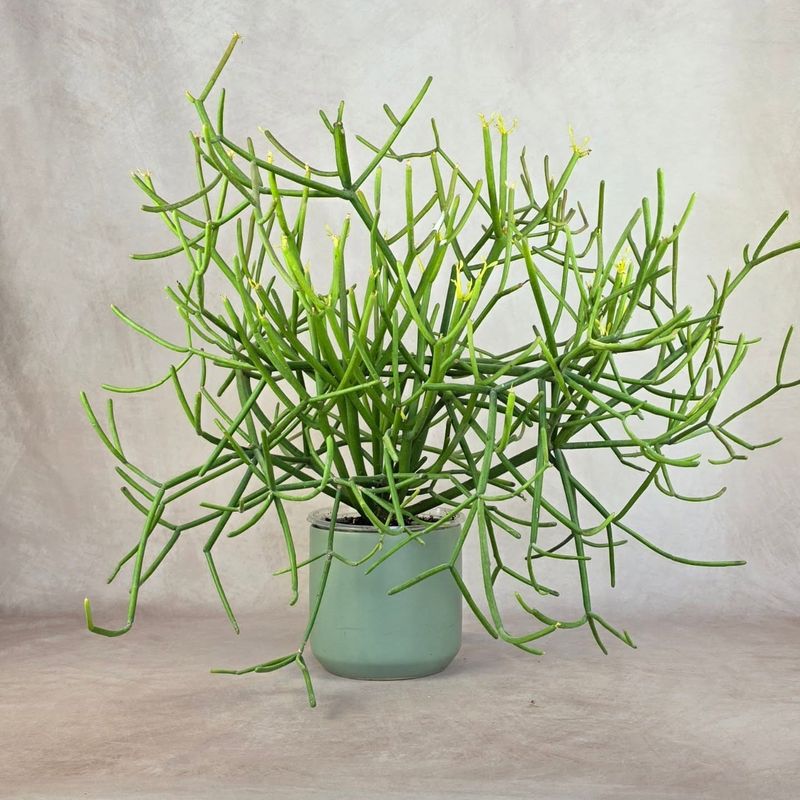
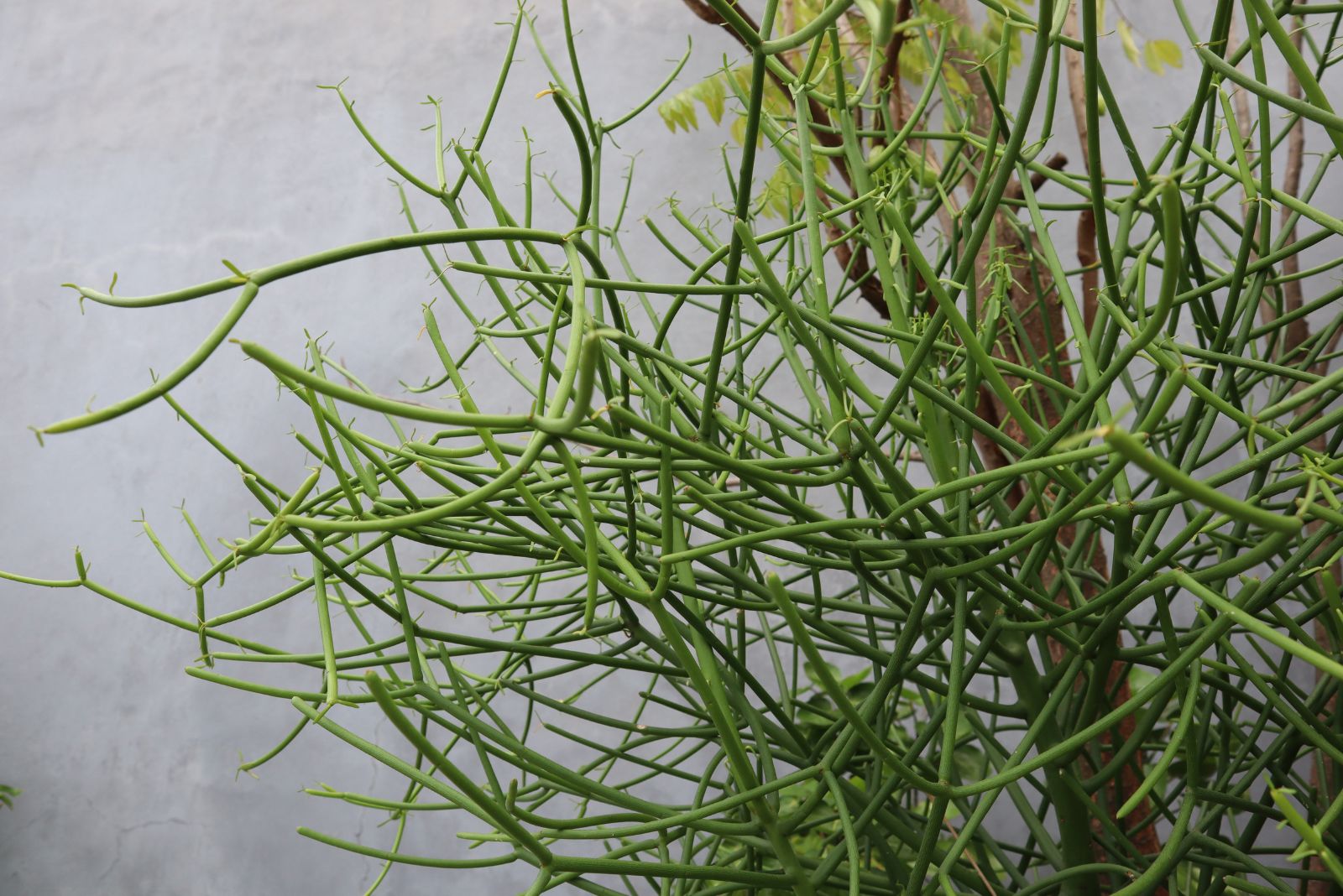
Pencil cactus has an unusual appearance with its thin, pencil-like branches sticking up in all directions. Some people find this architectural look appealing.
But this plant carries both physical dangers and energetic concerns that make it problematic for Pennsylvania homes, especially during darker winter months.
The milky white sap inside pencil cactus is seriously toxic. Breaking even a small stem releases this irritating substance.
It can cause severe skin reactions, burns, and blistering on contact. If it gets in your eyes, the results can be even more serious, requiring immediate medical attention. Homes with curious children or pets face genuine danger.
Some traditions associate the sharp, stick-like growth pattern with harsh or cutting energy. The plant’s aggressive form is thought to create uncomfortable feelings rather than the peaceful atmosphere most people want indoors.
Whether or not you believe in plant energy, the visual impact of all those pointed stems can feel unwelcoming.
Light requirements create practical difficulties in Pennsylvania. Pencil cactus needs extremely bright, direct light to maintain its compact form and healthy green color.
Pennsylvania winters provide limited sunlight, and even south-facing windows often fall short. Without adequate light, the plant becomes pale, weak, and etiolated, losing its distinctive appearance.
The plant also needs warmth. Cold drafts near Pennsylvania windows during winter can damage stems, causing them to shrivel or develop spots.
Maintaining consistently warm temperatures becomes challenging when trying to provide the bright light this cactus demands near windows.
Why risk toxic sap exposure and negative energy in your Pennsylvania home? Safer succulents like jade plants or echeveria provide interesting shapes without danger.
They tolerate lower light better and carry positive associations of prosperity and luck. Pencil cactus belongs in specialized collections, not family living spaces where safety and welcoming energy matter most.