Before You Plant In Central Oregon, Watch For These Frost Pockets
Central Oregon may be famous for sunshine and mountain views, but gardeners know the real surprise comes after the sun goes down.
Cold air loves to settle into low spots, turning certain areas of your yard into hidden frost pockets that can zap tender plants overnight.
You might think spring has fully arrived, then wake up to drooping leaves and blackened seedlings. It is frustrating, but also very common across the region.
The trick is learning how to spot these chilly trouble zones before you plant. Slight dips in the landscape, open areas with no tree cover, and spots that stay shaded late into the morning often collect the coldest air.
Once you know where frost likes to hide, you can plan smarter, protect young plants, and avoid losing weeks of progress. A little awareness now can mean stronger growth, healthier gardens, and far fewer cold weather surprises.
1. Low Spots That Trap Cold Air
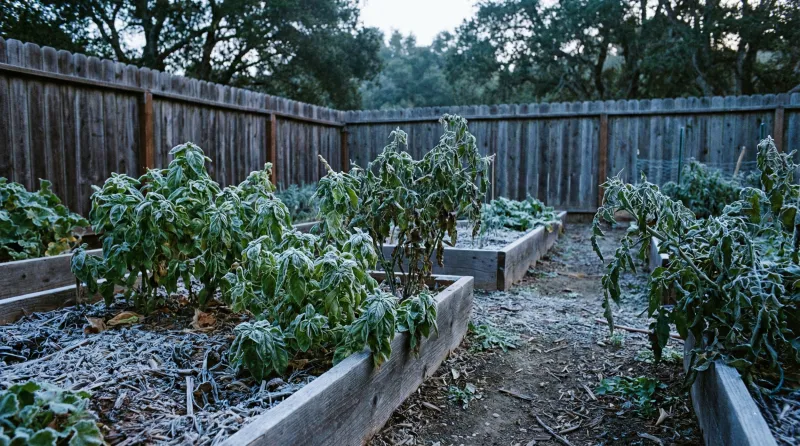
Cold air behaves like water because it’s heavier than warm air. When temperatures drop at night across Central Oregon, that chilly air flows downhill and settles into the lowest spots on your property.
Valleys, depressions, and any ground that sits lower than surrounding areas become natural collection points for freezing temperatures.
Your garden might look perfectly flat, but even a gentle slope of just a few feet makes a difference. Walk your property and notice where water pools after rain.
Those same spots collect cold air during frosty nights, creating temperatures that can be ten degrees colder than areas just uphill.
Plants in these low-lying zones face longer exposure to freezing conditions. The cold air gets trapped and lingers well into morning, extending the danger period for tender growth.
This means your tomatoes or peppers planted in a depression might suffer damage while the same varieties thrive just twenty feet away on higher ground.
Smart gardeners in Central Oregon avoid planting sensitive crops in these natural cold sinks. Save those spots for hardy perennials or cold-tolerant vegetables.
Move your tender annuals to slightly elevated areas where cold air drains away instead of pooling around plant roots and stems.
2. North-Facing Slopes Stay Colder
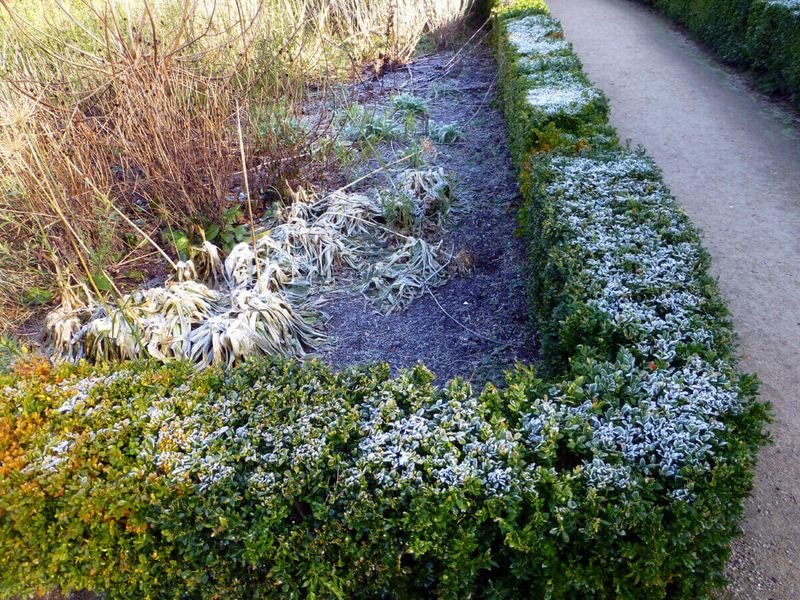
Sunlight makes all the difference when you’re gardening in Central Oregon’s high desert climate. North-facing slopes receive significantly less direct sun throughout the day, which keeps soil temperatures lower and extends frost danger well into spring.
The angle of winter and early spring sun means these areas might stay frozen while south-facing spots are already warming up.
Temperature differences between north and south exposures can reach fifteen degrees or more during critical planting season. Snow lingers longer on northern slopes, and morning frost takes extra hours to melt away.
This creates a microclimate that’s effectively one or two growing zones colder than the rest of your property.
Soil on north-facing areas also warms up slower in spring. Even when air temperatures climb, the ground stays cold and wet, which stresses plant roots and slows growth.
Many vegetables and flowers simply won’t perform well in these conditions, no matter how carefully you tend them.
Your Oregon Garden Changes Every Week. Your Plan Should Too.
Gardening in Oregon changes quickly throughout the season. Every Friday you’ll receive a simple weekly plan showing exactly what to plant, prune, fertilize, harvest, and protect so you never miss the right timing.
Consider these cooler zones for cold-hardy plants that actually prefer less intense sun exposure. Certain perennials, shade-loving herbs, and cool-season crops might thrive where your tomatoes would struggle.
You can also use these areas for plants that bolt quickly in hot sun, extending their productive season by keeping them naturally cooler throughout Central Oregon summers.
3. Areas Near Open Fields Cool Faster
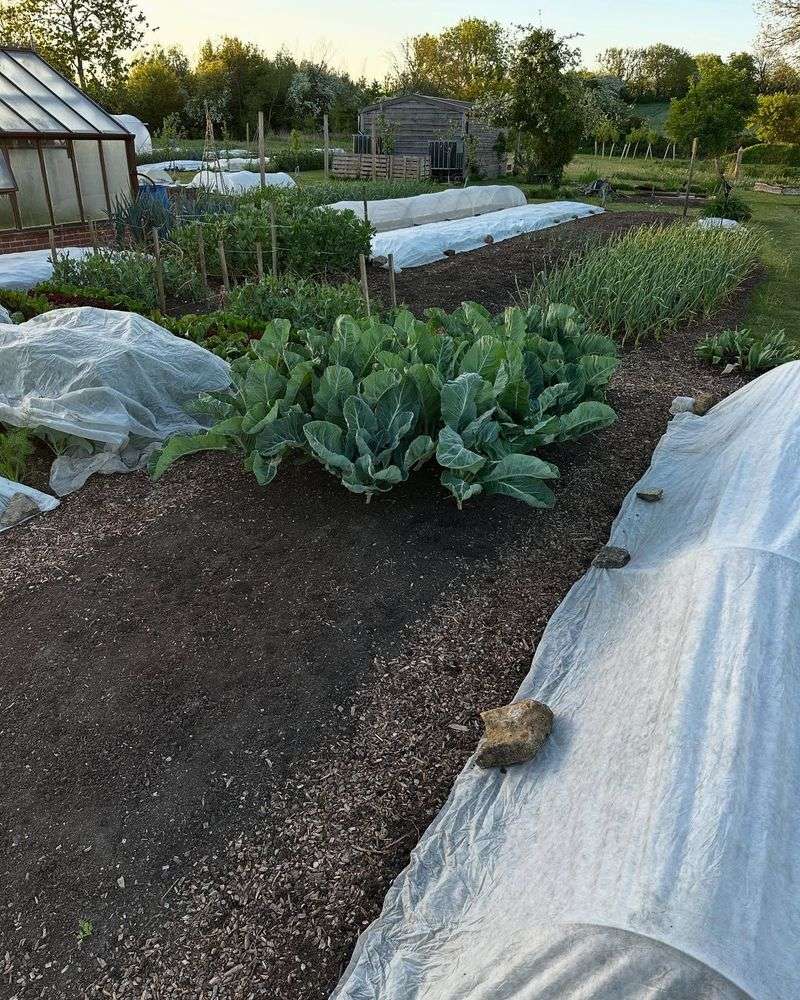
Open fields and pastures lose heat rapidly once the sun goes down. Without trees, buildings, or other structures to hold warmth, these areas radiate heat straight into the clear Central Oregon night sky.
If your garden sits next to an open field, you’re dealing with a significant frost risk that many gardeners overlook.
The cooling effect from nearby open land extends well beyond the field itself. Cold air generated over that open space drifts into adjacent areas, dropping temperatures in your garden beds.
This radiational cooling happens fastest on clear, calm nights when there’s nothing to trap heat near the ground.
Gardens positioned between open fields and higher ground face double trouble. Cold air from the field flows downhill through your planting area, creating a river of frigid temperatures.
This moving cold air prevents any heat from building up around your plants, even when other parts of your property stay warmer.
Protection comes from creating barriers or choosing your planting locations wisely. Hedges, windbreaks, or even temporary covers can block cold air flow from open areas.
Better yet, plant your most sensitive crops farther from field edges, where buildings, trees, or other structures provide some insulation. Central Oregon gardeners who respect these open-field frost pockets save themselves from repeated planting failures and frustration.
4. Cold Air Pools Behind Fences And Walls
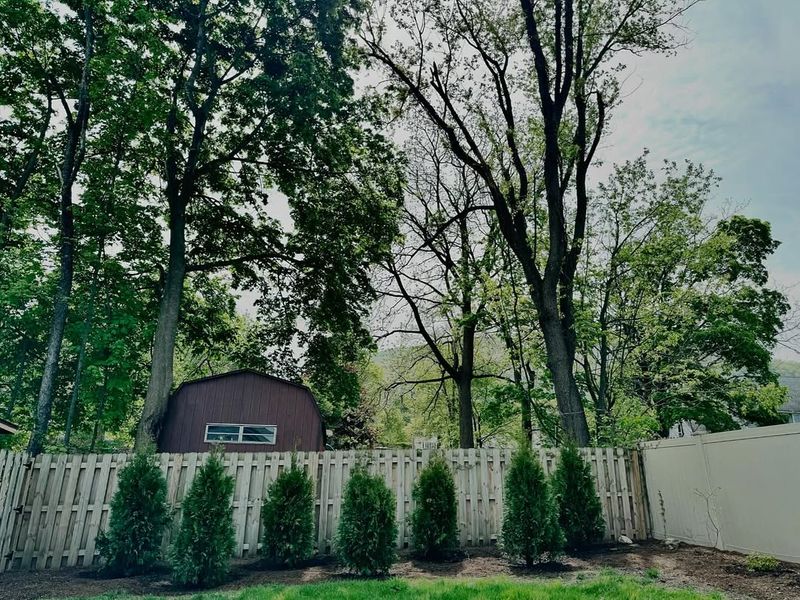
Solid fences and walls create invisible dams that stop cold air from flowing naturally across your property. When that heavy, cold air hits a barrier, it piles up on the uphill side, creating a pool of frigid temperatures right where you might have planted your garden.
This trapped cold air can be several degrees colder than open areas just a few feet away.
Many Central Oregon homes have privacy fences or retaining walls that look perfect for creating sheltered garden spaces. The problem is that these same structures prevent cold air drainage on frosty nights.
Instead of flowing harmlessly downhill and away, freezing air accumulates against the barrier, sitting there for hours and exposing plants to extended cold.
The size and solidity of your fence matters significantly. A solid six-foot privacy fence creates a much bigger cold air dam than a picket fence with gaps.
Chain-link fencing allows cold air to pass through, reducing the pooling effect. Even small walls around raised beds can trap enough cold air to damage plants.
You can work around these frost pockets by installing gaps or vents in solid barriers to allow cold air drainage. Some gardeners cut small openings near ground level in wooden fences.
Others simply avoid planting tender crops directly against solid structures, saving those spots for hardy shrubs that tolerate temperature swings better.
5. Shaded Corners Warm Up Slowly
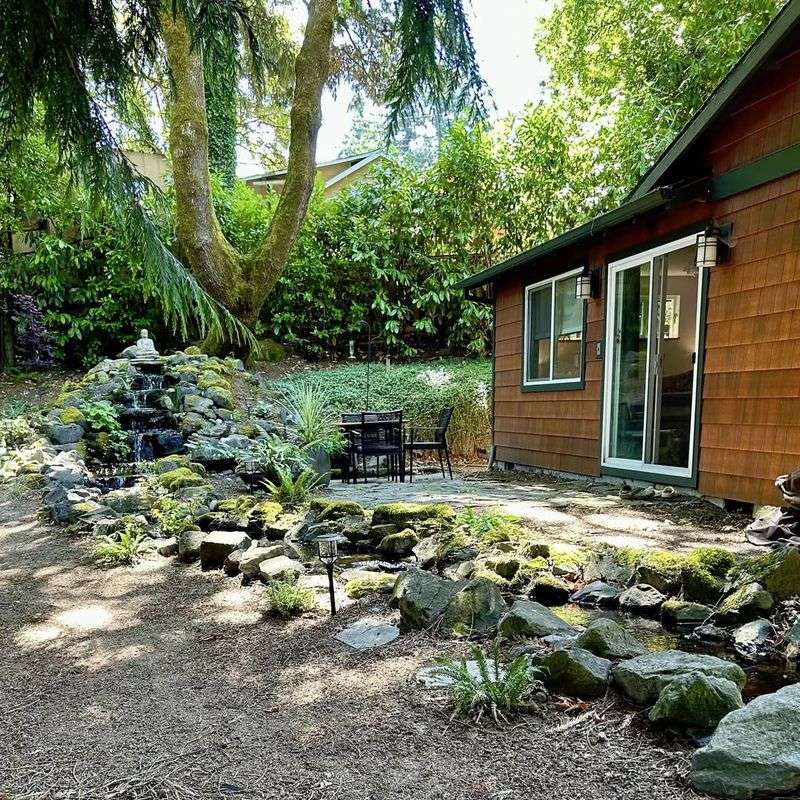
Corners where two structures meet create stubborn cold pockets that persist long after surrounding areas warm up. These spots receive limited sun exposure because buildings or fences block light from multiple directions.
Morning sun might never reach these corners, and afternoon sun arrives late and leaves early, leaving plants in shadow most of the day.
Central Oregon’s high elevation and dry climate mean nighttime temperatures drop quickly. Shaded corners lose what little heat they gain during the day almost immediately after sunset.
The surrounding walls or structures also radiate cold back toward the corner, creating an even chillier microclimate than you’d expect from shade alone.
Soil in these perpetually shaded spots stays cold and often damp. Without sun to warm and dry the ground, roots sit in cold, wet conditions that stress plants and invite disease.
Even tough plants struggle in these environments, and tender vegetables simply won’t produce well.
These challenging spots work better for storage, compost bins, or utility areas rather than productive garden beds. If you must plant in shaded corners, choose woodland plants or shade-loving perennials that naturally thrive in cool, dim conditions.
You might also improve these areas by painting nearby walls white to reflect available light, or by installing light-colored paving that absorbs and radiates heat during the limited sun exposure they receive.
6. Moist Soil Increases Frost Risk
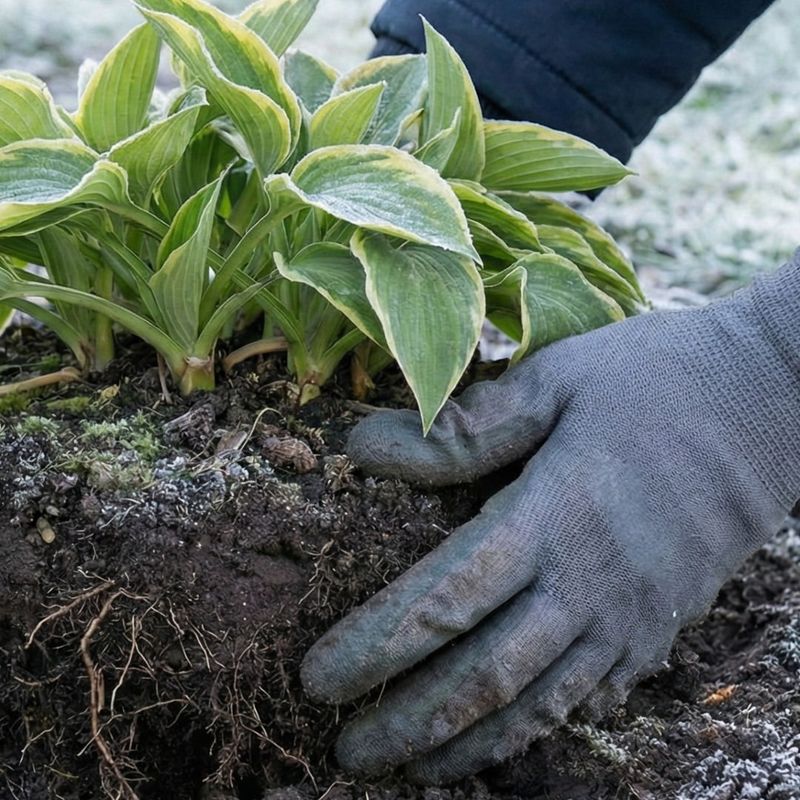
Wet soil holds onto cold much longer than dry soil, creating frost pockets where you might not expect them. Water has high thermal mass, which sounds good but actually works against you during frosty nights in Central Oregon.
That moisture in the soil absorbs cold and releases it slowly, keeping root zones frigid even as air temperatures climb.
Areas with poor drainage face the biggest problems. Low spots where water collects, clay soil that holds moisture, and over-watered beds all create conditions where frost damage happens more easily.
The wet ground actually helps frost form on plant surfaces because it keeps the surrounding air humid and cold.
Morning frost appears heavier and lasts longer over moist soil. You’ll notice plants in wet areas show damage while the same varieties in drier spots survive unscathed.
This happens because the cold, damp conditions at root level stress plants from below while frost attacks from above, creating a double threat.
Improving drainage helps reduce frost risk significantly. Raised beds dry out faster and warm up quicker than ground-level plantings in heavy soil.
Adding organic matter improves drainage in clay soils common around Central Oregon. You should also avoid watering late in the day when frost threatens, giving soil time to dry somewhat before temperatures drop overnight.
Managing moisture levels gives your plants a fighting chance against those sneaky spring freezes.
7. Test Temperatures Before Planting
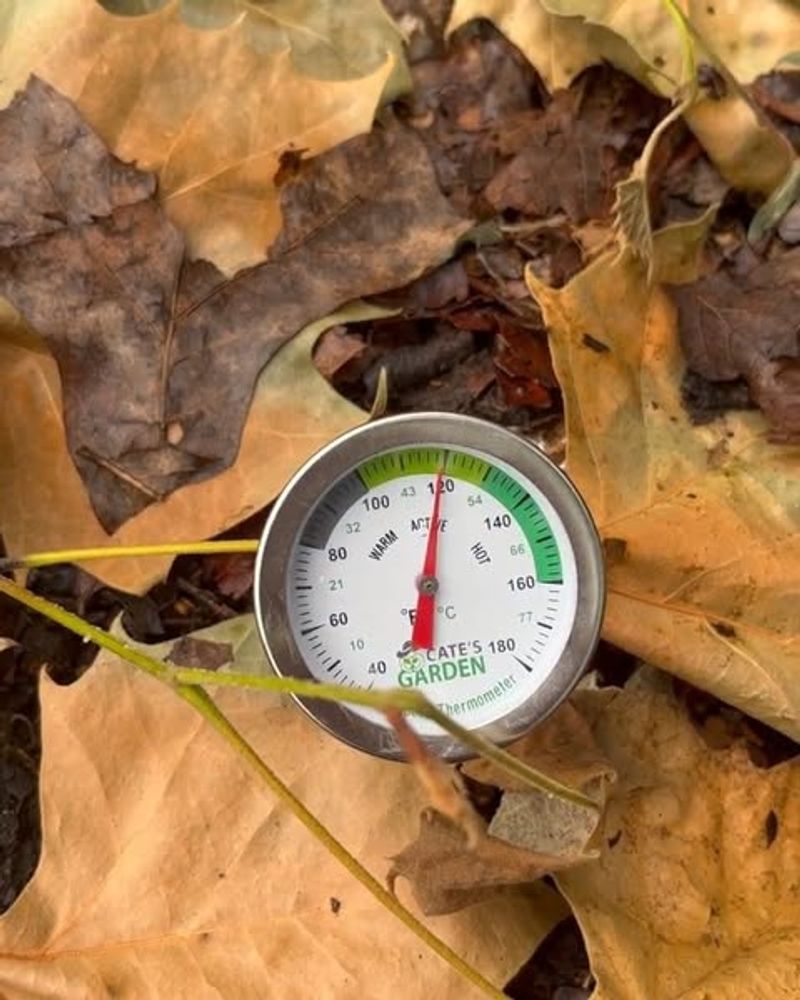
Guessing about frost pockets leads to disappointment and wasted effort. The only reliable way to identify cold spots on your property is measuring actual temperatures over several nights.
Inexpensive outdoor thermometers placed around your yard reveal surprising temperature variations you’d never notice otherwise.
Set up multiple thermometers in different locations before planting season arrives in Central Oregon. Put them at plant height, not on posts or walls, to get accurate readings of the air temperature your seedlings will experience.
Check them early in the morning when temperatures hit their lowest point, and keep a simple log for a week or two.
You’ll discover that some areas consistently read several degrees colder than others. These temperature maps of your property become invaluable planning tools.
They show exactly where frost pockets form and how severe the cold gets, taking the guesswork out of garden placement.
Digital thermometers with memory functions make tracking easier because they record minimum temperatures automatically. Some gardeners use multiple units to monitor several locations simultaneously.
The small investment in temperature monitoring saves money and frustration by preventing planting mistakes.
Once you know where your cold spots are, you can plan accordingly, putting tender plants in the warmest zones and saving frost-prone areas for hardy crops that handle Central Oregon’s unpredictable spring weather without complaint.