9 Ornamental Shrubs That Make Atlanta, Georgia Yards Stand Out
You can mow, edge, and tidy up every week, yet your yard still might not have that wow factor you’re hoping for. That extra spark usually doesn’t come from more grass or another annual flower.
It often comes down to ornamental shrubs. Bold blooms, layered foliage, and strong structure create depth and movement that grass alone simply can’t deliver.
Long summers and steady humidity in Atlanta give many shrubs the chance to grow full and vibrant without demanding constant attention.
Some explode with color in spring, others hold rich greenery through intense heat, and a few carry warm tones deep into fall, keeping the landscape interesting long after flowers fade.
The right shrubs can completely reshape how your yard in Atlanta, Georgia feels from the street, and yes, neighbors will start asking what you planted.
1. Oakleaf Hydrangea Brings Texture And Strong Seasonal Color
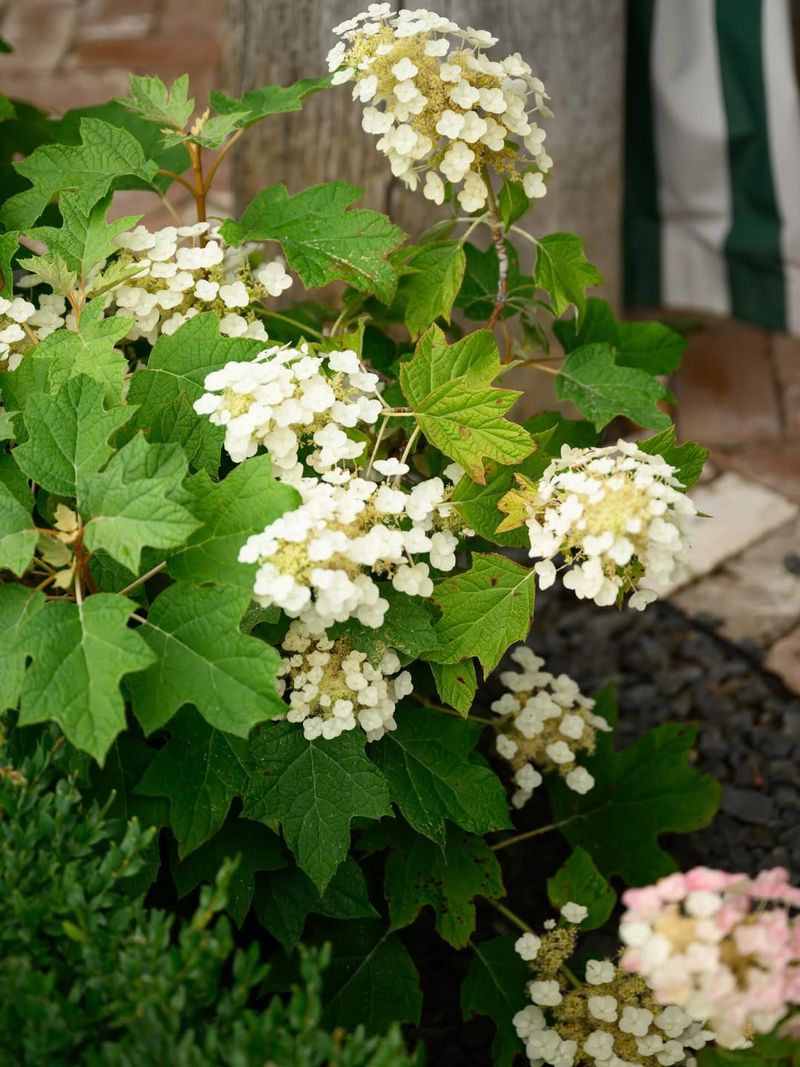
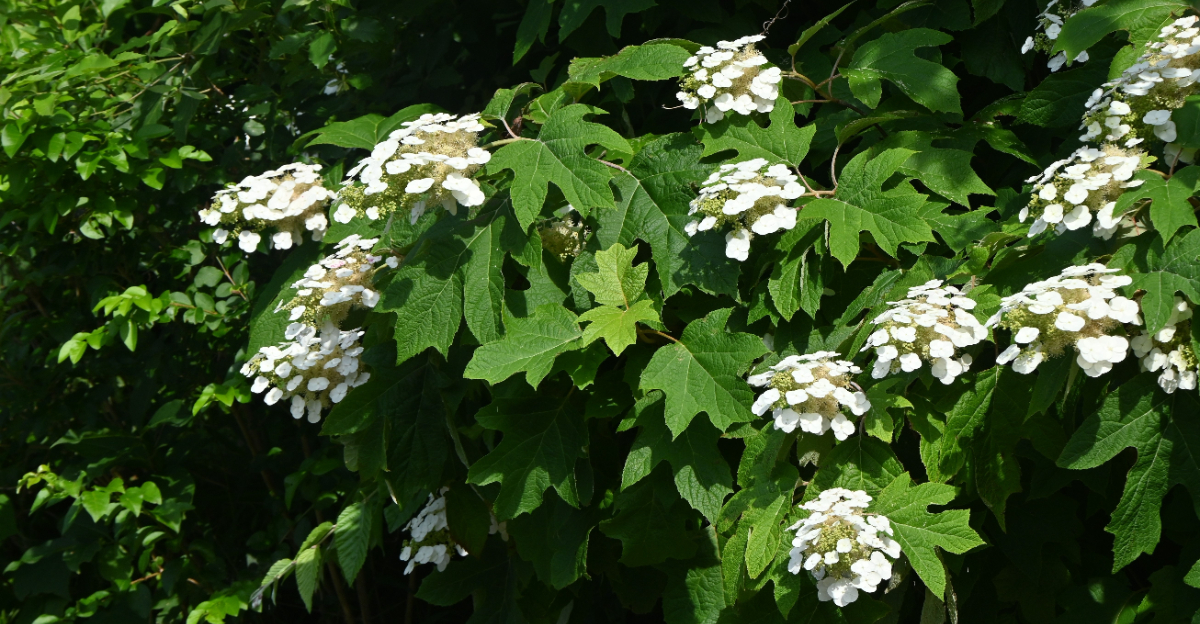
Few shrubs deliver drama quite like oakleaf hydrangea in an Atlanta garden. Native to the Southeast, this beauty starts its show in late spring when massive cone-shaped blooms emerge creamy white, gradually shifting to pink and then russet as summer progresses.
Atlanta gardeners love how the textured, lobed leaves resemble oak foliage, creating visual interest even before flowers appear. Come fall, those same leaves turn brilliant shades of burgundy, orange, and mahogany that rival any Japanese maple.
Peeling cinnamon-colored bark adds winter appeal when everything else looks dormant. Plant yours in partial shade with afternoon protection from Georgia’s intense summer sun.
Morning light keeps blooms coming while preventing leaf scorch.
These shrubs reach six to eight feet tall and equally wide, perfect for foundation plantings or mixed borders throughout Atlanta neighborhoods.
Water regularly during establishment, but mature plants handle summer heat surprisingly well once roots settle in.
Prune right after flowering ends if needed, though many Atlanta homeowners prefer leaving dried flower heads through winter for architectural interest. Oakleaf hydrangeas tolerate clay soil common across metro Atlanta better than most hydrangea varieties.
Pair with hostas, ferns, or coral bells for a lush woodland feel that thrives in Georgia’s humid climate without constant fussing.
2. French Hydrangea Adds Bold Summer Blooms
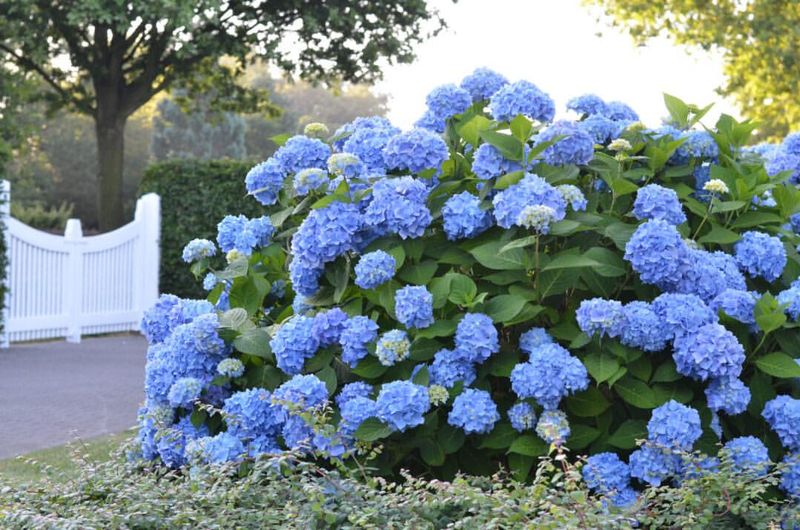
Big, showy blooms make French hydrangeas instant favorites across Atlanta. These classic shrubs produce massive mophead or lacecap flowers in shades of blue, pink, purple, or white depending on your soil chemistry.
Georgia’s naturally acidic soil typically produces blue blooms, while adding lime shifts colors toward pink. Flowers emerge in early summer and hold their color for months, giving Atlanta yards continuous impact through the hottest season.
French hydrangeas prefer morning sun and afternoon shade, especially in Georgia where summer temperatures climb into the 90s regularly. Eastern exposures work perfectly for most Atlanta properties.
These shrubs grow three to five feet tall, ideal for front yards, along fences, or flanking entryways.
Consistent moisture matters during Atlanta’s dry spells, so add mulch around the base to retain water and keep roots cool. Avoid planting in full sun, which bleaches flowers and stresses plants during Georgia summers.
Your Georgia Garden Changes Every Week. Your Plan Should Too.
Gardening in Georgia changes quickly throughout the season. Every Friday you’ll receive a simple weekly plan showing exactly what to plant, prune, fertilize, harvest, and protect so you never miss the right timing.
Late spring freezes occasionally damage flower buds on older varieties, but newer cultivars like Endless Summer rebloom on new wood, ensuring flowers even after cold snaps. Prune sparingly and only right after blooming stops.
Atlanta gardeners often plant several together for mass color or mix them with boxwoods and evergreens for contrast that lasts beyond the flowering season.
3. Mountain Laurel Creates Showy Spring Displays
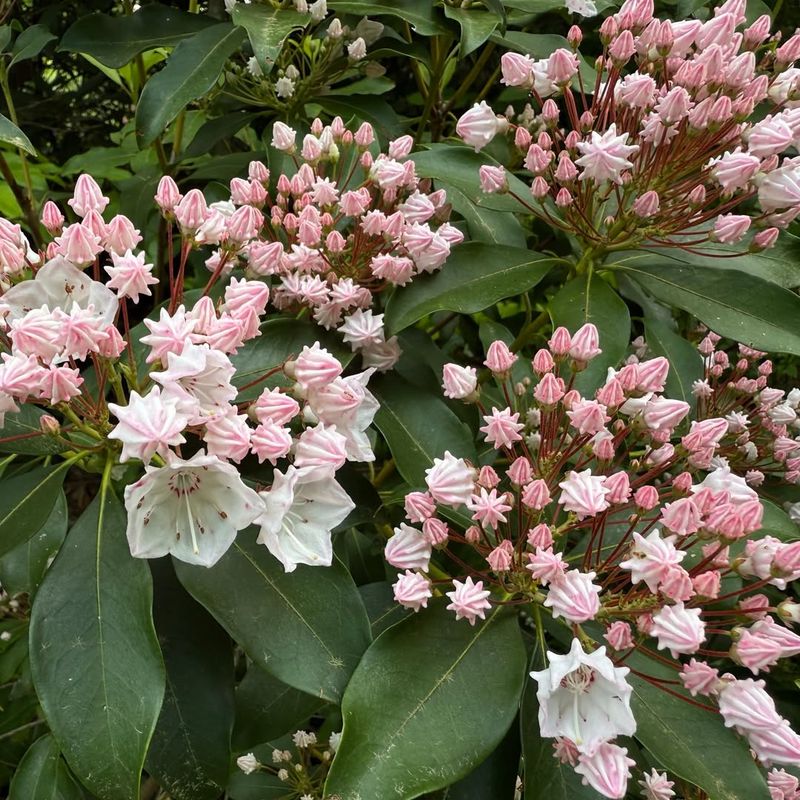
Mountain laurel brings Appalachian beauty straight to Atlanta yards. Native to Georgia’s northern mountains, this broadleaf evergreen produces stunning clusters of pink, white, or bi-colored flowers in May that look almost too perfect to be real.
Each individual bloom resembles a tiny cup with intricate markings inside. Atlanta gardeners appreciate the glossy green leaves that stay attractive year-round, providing structure when other shrubs look bare.
This shrub thrives in acidic soil and dappled shade, making it perfect for wooded Atlanta lots or north-facing beds. Established plants handle Georgia summers well once roots grow deep, though young shrubs need consistent watering during their first two seasons.
Mountain laurels grow slowly, reaching four to eight feet tall depending on variety and conditions. Patience pays off as mature specimens become focal points that neighbors ask about every spring.
Avoid planting where afternoon sun blasts directly, especially in south-facing Atlanta yards. These shrubs prefer the same conditions as azaleas and rhododendrons, making them natural companions in Georgia landscapes.
Remove spent flowers after blooming to keep plants tidy, but major pruning rarely becomes necessary.
Mulch with pine needles or shredded bark to maintain soil acidity and moisture levels. Mountain laurel works beautifully in naturalized areas, along woodland paths, or mixed with ferns and hostas for a lush, layered look throughout Atlanta properties.
In Atlanta, mountain laurel performs best in north-facing or wooded yards with excellent drainage and protection from intense afternoon heat.
4. Green Giant Arborvitae Forms Fast Privacy Screens
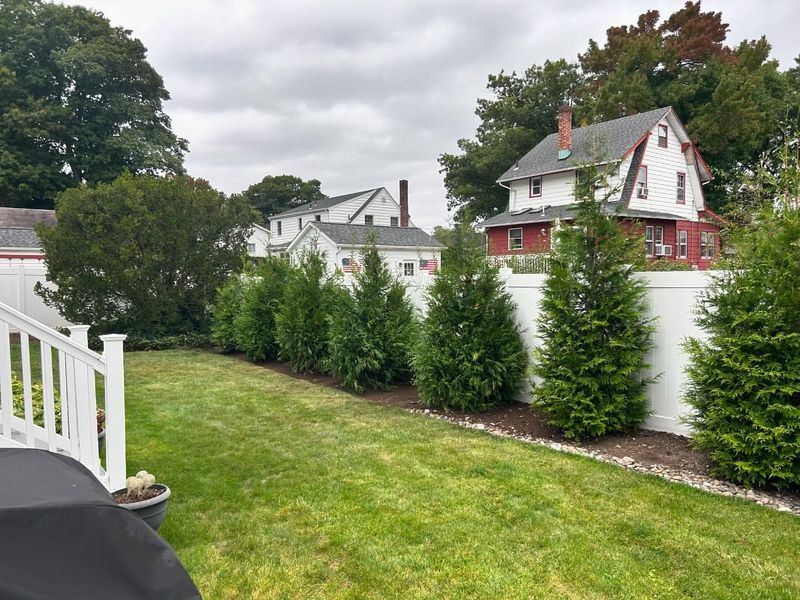
Privacy matters in Atlanta’s growing neighborhoods, and Green Giant arborvitae delivers fast. This evergreen shoots upward at three to five feet per year, creating living walls that block views, muffle noise, and define property lines without waiting a decade.
Rich green foliage stays vibrant through all four seasons, giving Atlanta yards structure even in winter.
Unlike many fast-growing plants, Green Giants maintain dense growth from ground to tip without developing bare spots at the base.
These powerhouse shrubs tolerate Atlanta’s clay soil, summer heat, and humidity better than most evergreens. Plant them in full sun for best growth, spacing individual shrubs five to six feet apart for a solid screen within just a few years.
Green Giants eventually reach 30 to 40 feet tall and 12 to 15 feet wide, though most Atlanta homeowners trim them to desired heights. Deer rarely bother them, a bonus for properties near wooded areas around metro Atlanta.
Water regularly during the first two growing seasons to establish strong roots, but mature plants handle Georgia’s weather swings with minimal attention.
Occasional trimming keeps them shaped, though their naturally pyramidal form looks great without constant pruning.
Green Giants work perfectly along property lines, around pools and patios, or anywhere Atlanta homeowners need quick screening. Pair them with flowering shrubs in front for layered interest, or let them stand alone as elegant evergreen backdrops throughout your Georgia landscape.
5. Camellia Keeps Color In Winter And Early Spring
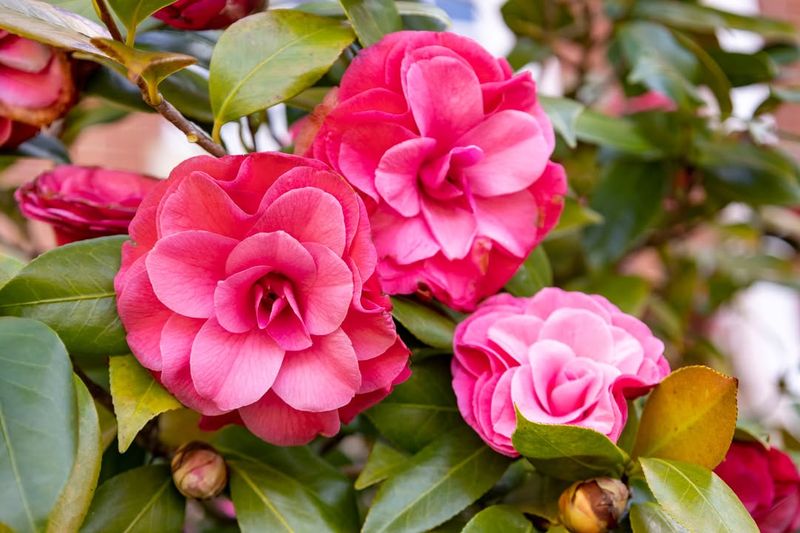
Winter doesn’t mean boring in Atlanta when camellias bloom.
These Southern classics produce gorgeous rose-like flowers in shades of pink, red, white, or variegated combinations right when everything else looks dormant, typically from November through March depending on variety.
Glossy evergreen leaves provide year-round structure, making camellias valuable even when not flowering. Atlanta’s climate sits in the sweet spot for growing these beauties, with enough chill for flower production but rarely cold enough to damage blooms.
Camellias prefer partial shade and acidic soil, conditions common throughout Atlanta yards. Eastern or northern exposures work best, protecting flowers from harsh afternoon sun that can brown petals during warm winter days in Georgia.
These shrubs grow slowly into substantial specimens reaching six to twelve feet tall, though dwarf varieties stay compact for smaller Atlanta spaces.
Plant them near windows, along walkways, or anywhere you’ll appreciate their winter show from inside your home.
Established camellias handle Atlanta summers with minimal water once roots settle in, though young plants need consistent moisture. Mulch around the base with pine straw or shredded bark to maintain soil acidity and keep roots cool during Georgia’s heat.
Prune right after flowering ends if shaping becomes necessary. Camellias pair beautifully with azaleas, ferns, and hellebores for a shade garden that delivers interest across multiple seasons throughout Atlanta landscapes.
6. Forsythia Signals Spring With Bright Yellow Blooms
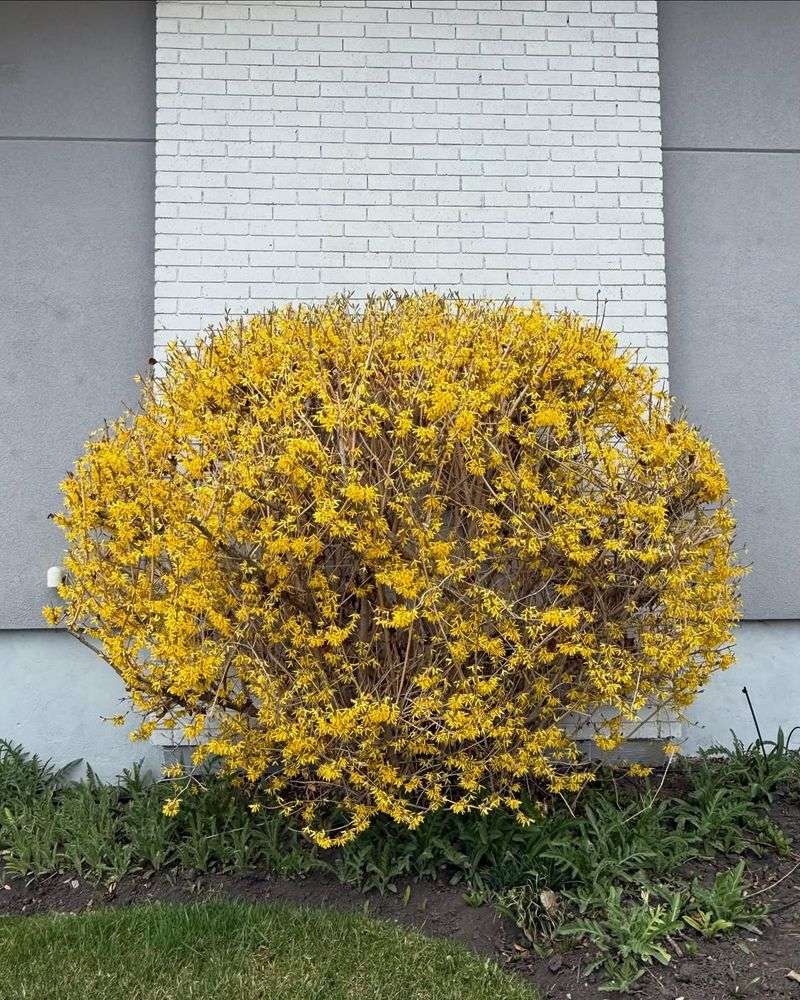
Nothing announces spring quite like forsythia exploding with golden yellow flowers across Atlanta. Bare branches transform seemingly overnight into cascades of bright blooms, usually in March when Georgia gardens desperately need color after winter.
This reliable shrub produces flowers before leaves emerge, creating maximum visual impact that stops traffic in Atlanta neighborhoods.
Blooms last two to three weeks, providing enough time to enjoy the show before green foliage takes over.
Forsythia grows fast and vigorously, reaching eight to ten feet tall and equally wide without much effort. Atlanta gardeners often plant them as informal hedges, along fences, or in back corners where their sprawling nature fits the space.
Full sun produces the heaviest flowering, though forsythia tolerates partial shade in Georgia yards. These tough shrubs handle Atlanta’s clay soil, summer heat, and occasional drought once established, making them practically foolproof for busy homeowners.
Prune right after flowers fade if you want to control size, cutting oldest stems to the ground to encourage fresh growth. Forsythia blooms on old wood, so pruning later in the season removes next spring’s flower buds.
Some Atlanta gardeners cut branches in late winter, bringing them indoors to force early blooms.
These shrubs work well mixed with spring bulbs, which bloom at the same time, or paired with evergreens that provide contrast to forsythia’s deciduous nature throughout the rest of the year in Georgia landscapes.
7. Beautyberry Stands Out With Electric Purple Fall Berries
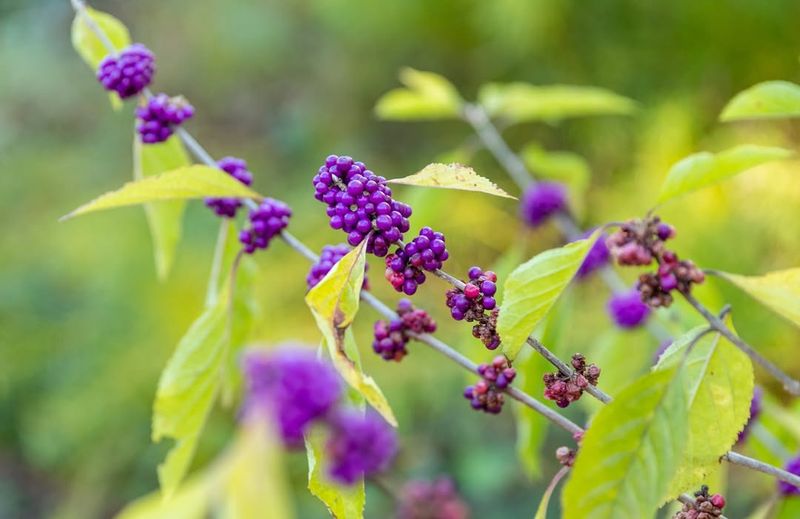
Beautyberry earns its name every fall across Atlanta. This native shrub produces clusters of electric purple berries that circle each stem in late summer and autumn, creating a sight so unusual that first-time viewers often think they’re artificial.
Birds love the berries, bringing wildlife activity to Atlanta yards right when migration peaks. Pale pink flowers bloom in summer but stay subtle compared to the berry show that follows.
Beautyberry thrives in full sun to partial shade, adapting easily to various conditions throughout Atlanta properties. This tough native handles Georgia’s heat, humidity, and occasional drought without complaint once established.
Shrubs grow four to six feet tall with an arching, fountain-like shape that looks graceful in naturalized areas or mixed borders.
Plant beautyberry where you can see it from windows or pathways during fall when berries reach peak color.
Atlanta gardeners often cut the entire shrub back hard in late winter, which sounds drastic but produces fuller growth and heavier berry production. This shrub blooms and fruits on new wood, so aggressive pruning actually helps rather than hurts.
Beautyberry pairs beautifully with ornamental grasses, goldenrod, and asters for a native Georgia garden that supports pollinators and birds.
The berries hold their color well into November across Atlanta, providing interest after most other shrubs finish their show.
Consider planting several together for maximum impact, or use single specimens as unexpected accents throughout your landscape.
8. Abelia Blooms For Months In Warm Weather
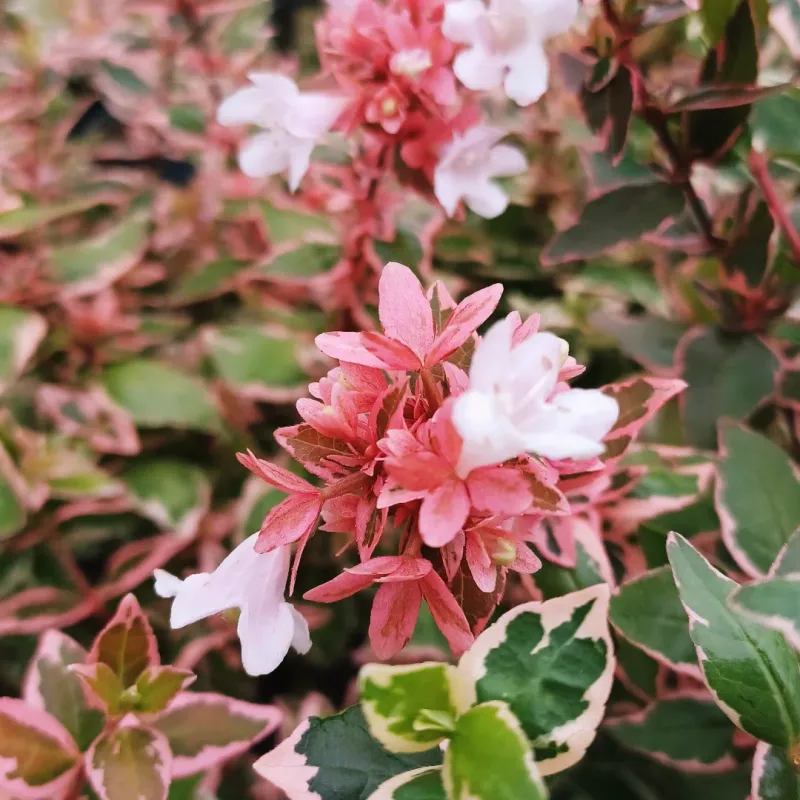
Abelia keeps Atlanta yards colorful from late spring through fall. Small tubular flowers in white or soft pink appear in clusters, attracting butterflies and hummingbirds throughout Georgia’s long growing season.
Glossy leaves emerge bronze in spring, mature to green in summer, then shift to burgundy and orange as fall arrives in Atlanta. This multi-season interest makes abelia valuable beyond just its extended bloom time.
These shrubs grow three to six feet tall depending on variety, with a naturally rounded shape that needs minimal pruning to look good. Compact varieties like ‘Kaleidoscope’ stay smaller, perfect for tight spaces in Atlanta landscapes.
Abelia handles full sun to partial shade, though flowering increases with more light.
These adaptable shrubs tolerate Atlanta’s summer heat and humidity without wilting, staying fresh-looking when other plants struggle during Georgia’s hottest months.
Deer rarely bother abelia, making it smart for Atlanta properties near wooded areas. Established plants handle drought reasonably well, though occasional watering during extended dry spells keeps them looking their best.
Prune in late winter if shaping becomes necessary, cutting oldest stems to the ground to encourage fresh growth.
Abelia works beautifully as foundation plantings, in mixed borders, or as low informal hedges throughout Atlanta yards.
Pair them with coneflowers, salvias, or ornamental grasses for a cottage garden feel, or use them alongside boxwoods and hollies for more formal Georgia landscapes that maintain interest across multiple seasons.
9. Distylium Provides Low-Maintenance Evergreen Structure
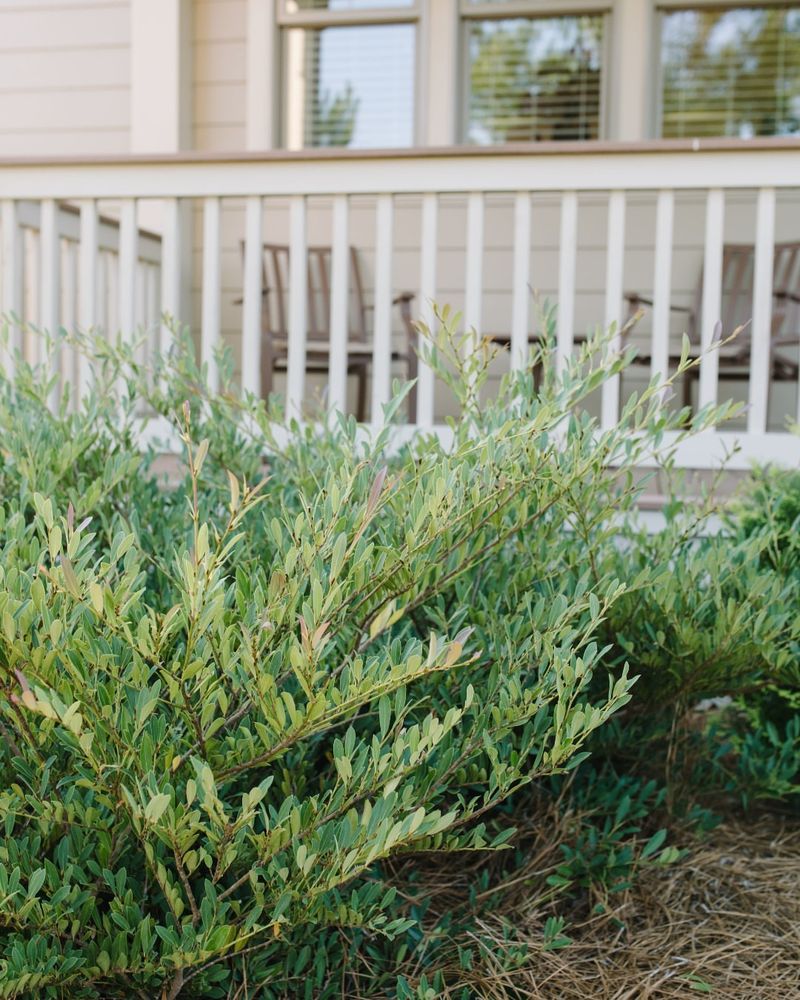
Distylium quietly revolutionizes Atlanta landscaping.
This evergreen shrub brings year-round structure without demanding constant attention, making it perfect for busy Georgia homeowners who want great-looking yards without weekend pruning sessions.
Blue-green foliage stays attractive through all seasons, providing consistent color and texture that anchors mixed plantings throughout Atlanta properties. Small red flowers appear in late winter but stay subtle compared to the foliage display.
Distylium handles Atlanta’s challenging conditions with grace. Clay soil, summer heat, humidity, occasional drought, and even deer browsing rarely slow this tough shrub down once established in Georgia yards.
Varieties range from low, spreading groundcovers to upright types reaching six to eight feet tall, giving Atlanta gardeners flexible landscape options. ‘Vintage Jade’ and ‘Blue Cascade’ are among the most popular choices in Georgia.
These shrubs grow in full sun to partial shade, adapting to different exposures across Atlanta properties.
Natural disease and pest resistance means distylium rarely needs spraying or special treatments, unlike many other ornamental shrubs.
Minimal pruning keeps them shaped, though their naturally neat growth habit looks good without constant trimming.
Distylium works beautifully as foundation plantings, low hedges, mass plantings, or mixed with flowering shrubs that need an evergreen backdrop.
Atlanta gardeners increasingly choose distylium as a modern alternative to overused boxwoods and hollies, appreciating the fresh look and easy care that fits busy lifestyles throughout Georgia’s growing metro area.