The 8 Landscaping Rules Georgia Homeowners Should Never Overlook
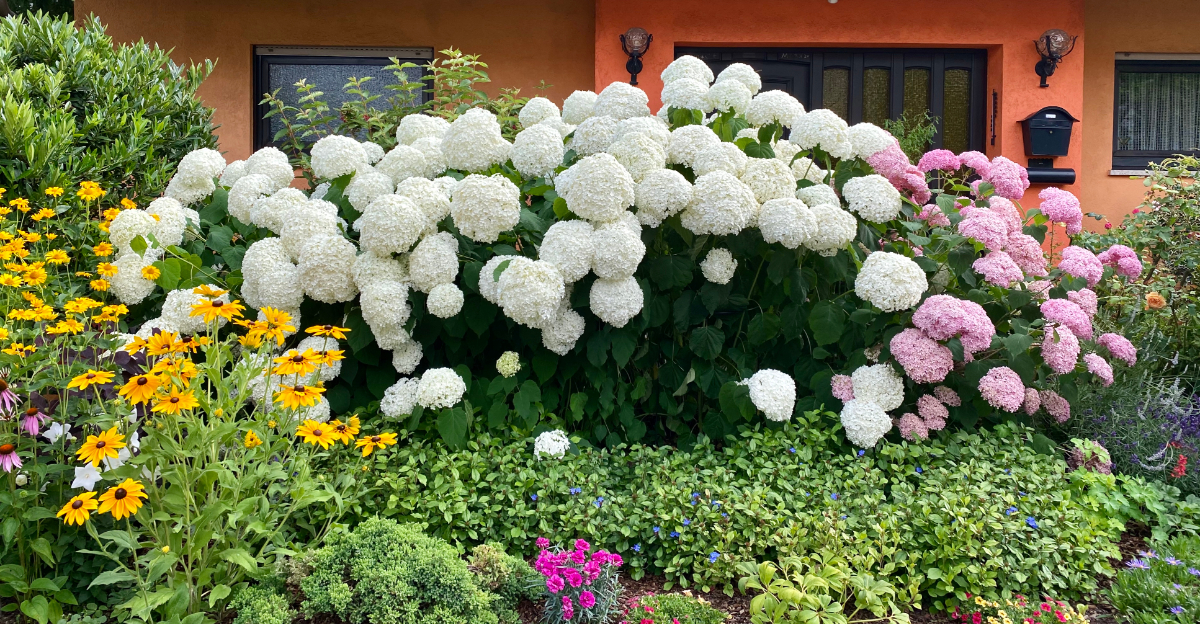
Late winter and early spring quietly decide how a yard in Georgia will look for the rest of the year.
Many landscapes start the season with good intentions, yet small planning mistakes become obvious once heat, humidity, and heavy rain settle in.
Beds begin to crowd, drainage issues show up, and plant choices that seemed fine at planting time struggle to keep their shape.
Landscaping that holds up through Georgia’s climate follows clear, practical rules from the beginning. Layout affects how the eye moves across the yard.
Proper spacing allows plants to mature without fighting each other. Thoughtful grading helps water move away from foundations instead of pooling where it should not.
Understanding these landscaping rules protects both curb appeal and long-term performance, helping a yard grow into something structured, balanced, and easier to maintain season after season.
1. Always Match Plants To Georgia’s Heat And Humidity
Georgia summers push plants to their absolute limits. Temperatures regularly climb into the 90s while humidity levels make the air feel like a wet blanket draped over everything.
Plants that thrive in cooler or drier climates simply cannot handle this combination, no matter how much you water or fertilize them.
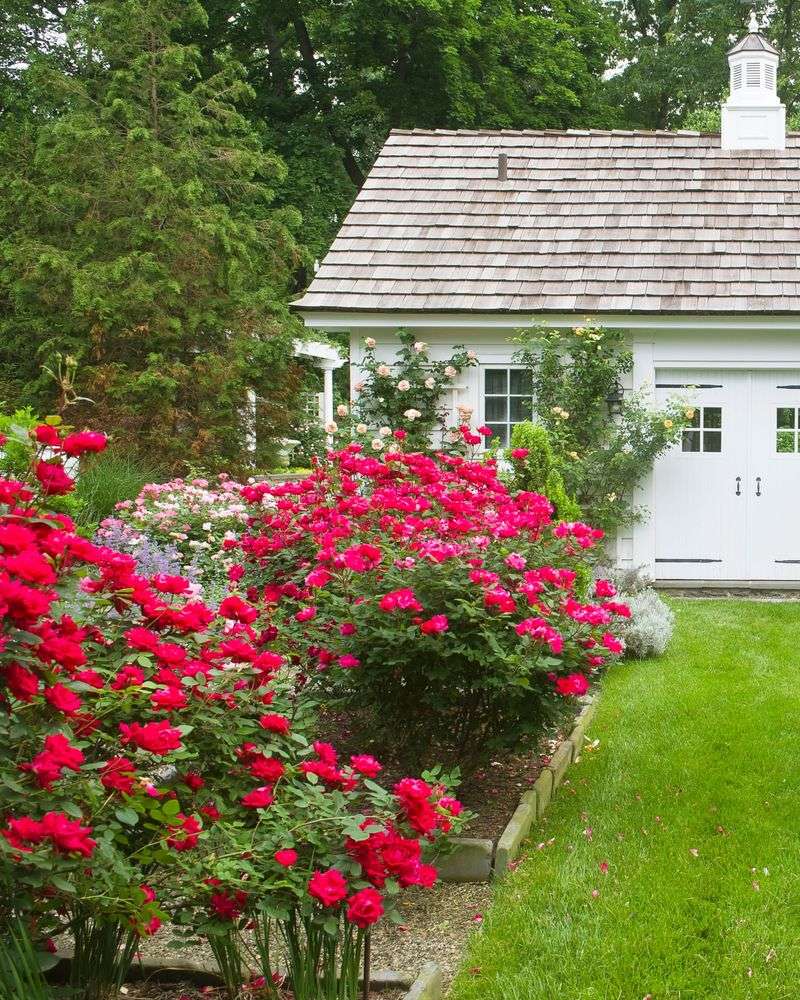
Choosing varieties bred for Southern heat makes all the difference between a struggling garden and one that flourishes. Crape myrtles, knockout roses, and daylilies have evolved to handle Georgia’s intense conditions.
These plants actually perform better when temperatures soar because their internal systems are designed for it.
Your local extension office maintains lists of recommended plants specifically tested for Georgia growing zones. These resources eliminate guesswork and prevent costly mistakes.
Ignoring regional recommendations means watching plants decline slowly while you wonder what went wrong.
Heat-stressed plants become magnets for pests and disease. Weakened foliage invites problems that healthy, well-adapted specimens easily resist.
This creates a cycle of treatments and replacements that drains your wallet and patience.
Visit established Georgia gardens to see what actually thrives rather than relying solely on catalog photos. Real-world examples show you which plants look vibrant in August, not just April.
Your neighbors’ successes and failures provide valuable lessons without the expense of learning everything firsthand.
2. Never Ignore Drainage In Georgia’s Heavy Clay Soil
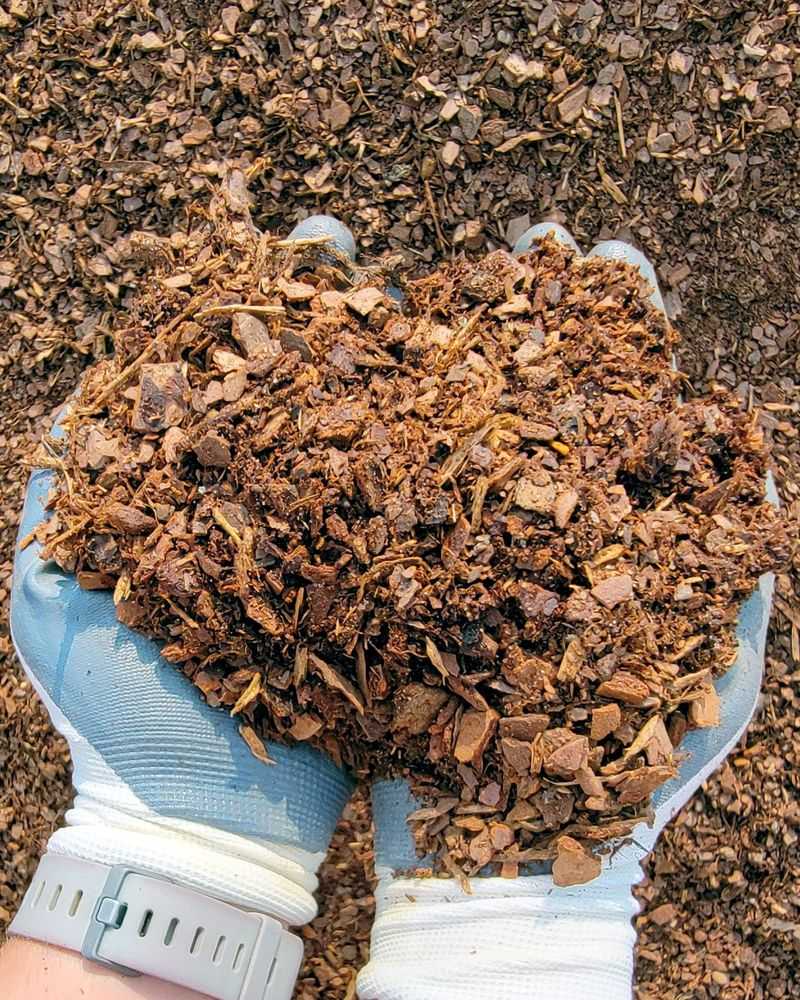
Clay soil dominates most Georgia properties, creating a dense barrier that water struggles to penetrate. After heavy rains, this soil becomes slick and waterlogged while plant roots suffocate in oxygen-depleted conditions.
Poor drainage quietly damages foundations, drowns plants, and creates mosquito breeding grounds.
Amending clay requires commitment but pays dividends for decades. Mixing in several inches of compost, aged pine bark, or expanded shale improves soil structure dramatically.
These materials create air pockets that allow water to move through rather than pool on the surface.
French drains and swales redirect water away from problem areas before it accumulates. Strategic grading ensures water flows toward street drainage rather than toward your house.
Even slight adjustments to yard slope prevent major headaches down the road.
Raised beds offer an immediate solution for areas with terrible drainage. Building up planting areas with quality soil gives roots the environment they need without excavating tons of clay.
Your Georgia Garden Changes Every Week. Your Plan Should Too.
Gardening in Georgia changes quickly throughout the season. Every Friday you’ll receive a simple weekly plan showing exactly what to plant, prune, fertilize, harvest, and protect so you never miss the right timing.
This approach works especially well for vegetable gardens and flower beds.
Testing drainage is simple but revealing. Dig a hole one foot deep, fill it with water, and time how long it takes to drain.
If water remains after four hours, you have a problem requiring attention. Georgia homeowners who address drainage early avoid the expensive foundation repairs and landscape replacements that plague those who ignore it.
3. Avoid Overcrowding Plants In Humid Conditions
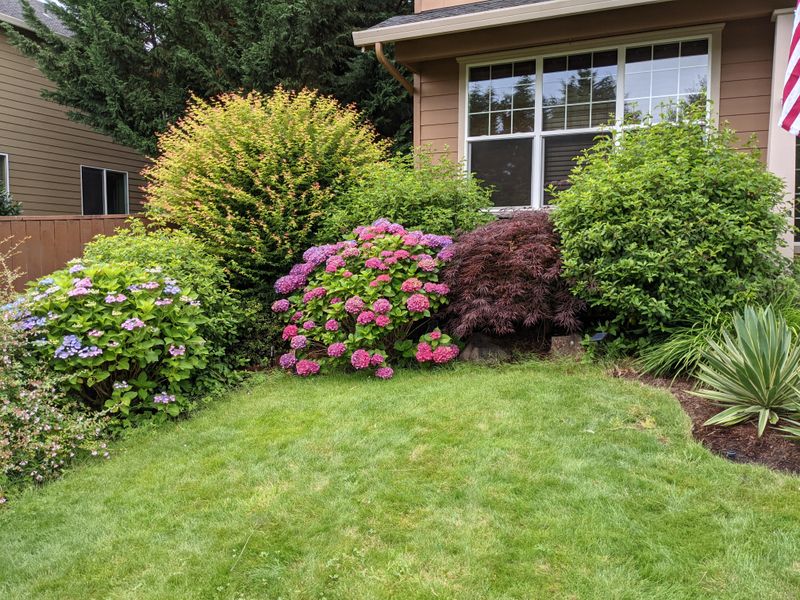
Cramming plants together might create instant fullness, but Georgia’s humidity turns dense plantings into disease incubators. Fungal spores thrive when air cannot circulate freely between leaves and stems.
What looks lush in spring becomes a spotted, moldy mess by mid-summer.
Proper spacing feels sparse initially but prevents countless problems as plants mature. Reading those little nursery tags actually matters because they tell you how wide plants will grow in three to five years.
Ignoring mature sizes means either constant pruning or watching plants choke each other out.
Air circulation does more than prevent disease. It helps foliage dry quickly after rain or morning dew, reducing the window when fungal infections take hold.
Plants spaced correctly also develop stronger root systems because they are not competing intensely for water and nutrients.
Georgia gardeners often underestimate how fast things grow in our long growing season. A shrub labeled as four feet wide will actually reach that size, sometimes faster than expected.
Planning for mature dimensions saves you from the backbreaking work of relocating established plants later.
Strategic spacing also makes maintenance easier. You can actually reach between plants to weed, mulch, and prune without wrestling through a tangled jungle.
This accessibility means you will notice problems early rather than discovering them after they have spread throughout crowded beds. Giving plants room to breathe is not wasting space but investing in their long-term health and your sanity.
Sunlight penetration improves dramatically when plants aren’t packed shoulder to shoulder. Lower leaves receive enough light to stay healthy instead of yellowing and dropping off from constant shade.
Thoughtful spacing also reduces pest outbreaks. When plants aren’t stressed from overcrowding, they’re better able to resist insects that target weak, struggling growth.
4. Group Plants By Similar Water Needs
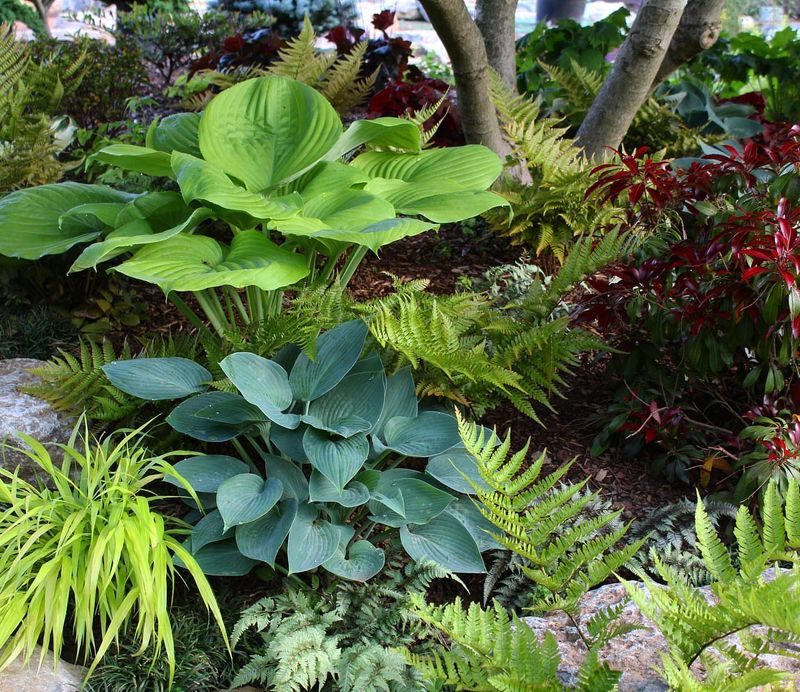
Mixing drought-tolerant plants with water-lovers creates an irrigation nightmare. You either overwater the drought-tolerant specimens or underwater everything else, leaving no one happy.
Grouping plants by water requirements simplifies care and keeps everything healthier.
Hydrozoning transforms random plantings into efficient landscapes. Place thirsty ferns and hostas in shadier areas where soil stays moist naturally.
Reserve sunny, well-drained spots for lavender, sedum, and other plants that prefer drier conditions. This arrangement works with your property’s natural characteristics rather than fighting them.
Irrigation systems work far better when zones contain plants with matching needs. You can water deeply but infrequently in drought-tolerant areas while providing more frequent moisture to thirsty sections.
This precision prevents waste and promotes stronger root development across your entire landscape.
Georgia’s unpredictable rainfall makes water management crucial. We might get three inches in one afternoon followed by weeks of nothing.
Plants grouped by water needs handle these swings better because you can adjust care for each zone rather than compromising with a one-size-fits-all approach.
Pay attention to microclimates within your yard. That sunny slope near the driveway dries out faster than the shaded area behind the garage.
Acknowledging these differences and planting accordingly means less supplemental watering and fewer stressed plants. Smart grouping also reduces your water bill significantly during Georgia’s long, dry stretches between summer storms.
5. Keep Shrubs Properly Spaced From Foundations
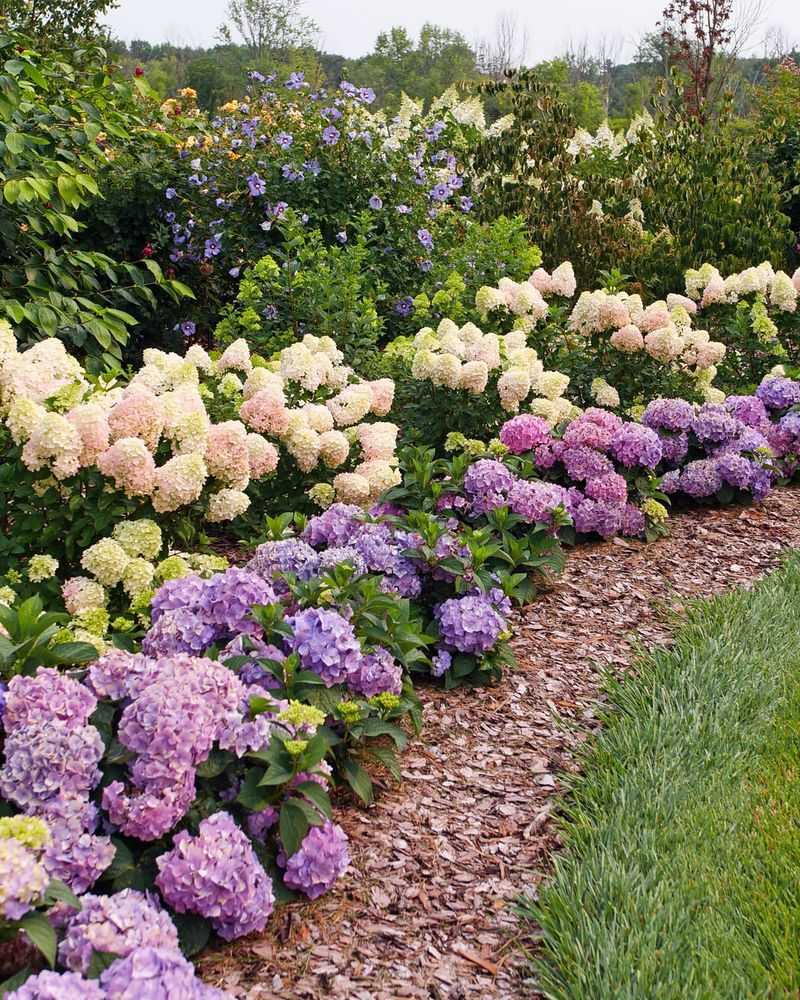
Foundation plantings crammed against house walls cause problems most homeowners never anticipate. Shrubs trap moisture against siding, create highways for insects to enter your home, and block ventilation that prevents mold growth in crawl spaces.
That cozy look comes with serious consequences.
Maintaining at least three feet between mature shrubs and your foundation prevents most issues. This spacing allows air circulation, makes painting and maintenance possible, and keeps roots from interfering with drainage systems.
It also gives you space to inspect your foundation for cracks or termite tubes.
Many Georgia homeowners plant shrubs when they are small, forgetting they will triple in size. A cute little azalea quickly becomes a sprawling mass pressed against your house.
Checking mature sizes before planting saves you from constantly hacking back overgrown shrubs or replacing them entirely.
Proper spacing also protects your investment in pest control. Exterminators need access to spray foundation perimeters effectively.
Dense plantings create sheltered areas where treatments cannot reach, essentially inviting insects to set up camp right against your house.
Consider how you will maintain both plants and home exterior over time. Shrubs jammed against walls make it impossible to clean gutters, wash windows, or inspect siding without damaging plants.
That extra space pays for itself in reduced maintenance headaches and prevents the moisture problems that lead to expensive repairs down the road.
6. Plan For Intense Summer Sun Exposure
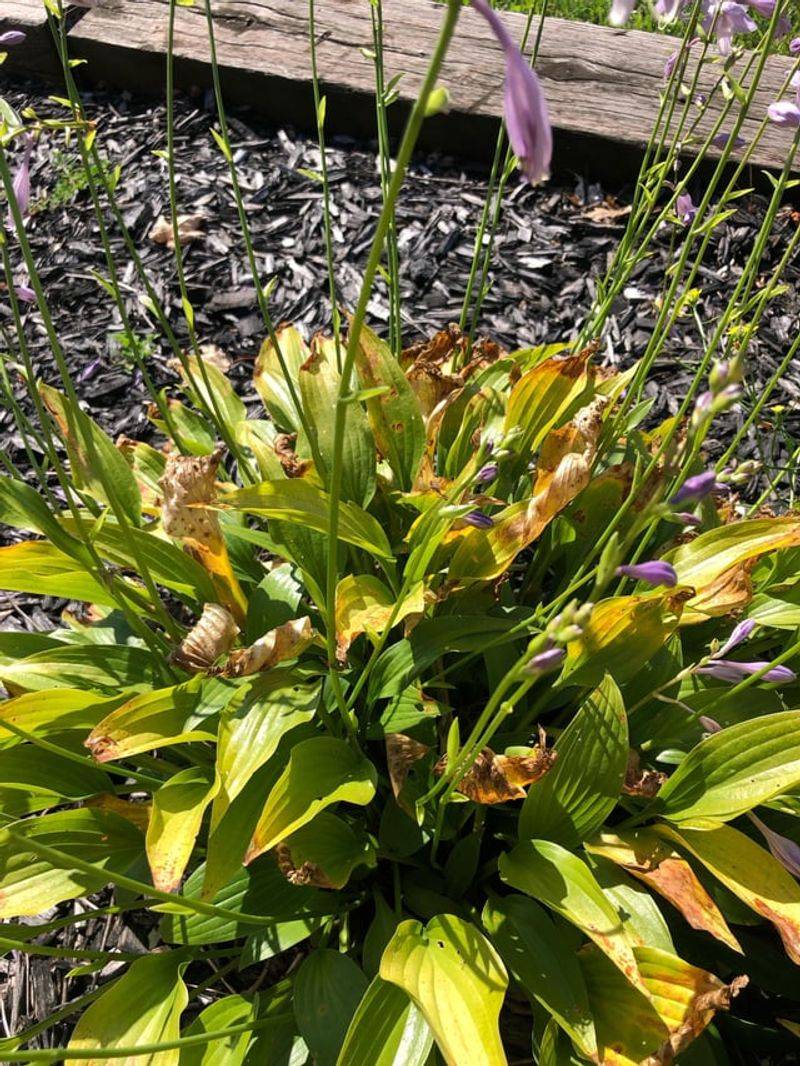
Summer sun in Georgia feels relentless, especially during July and August when shade becomes precious. Plants marketed for full sun in northern climates often struggle here because our sun intensity exceeds what they can tolerate.
Understanding your property’s sun patterns prevents disappointing results.
Afternoon sun hits hardest and causes the most stress. Western exposures turn into blast furnaces that few plants enjoy.
Eastern exposures provide gentler morning sun that many more varieties can handle comfortably. This distinction matters tremendously when selecting plants for different areas of your yard.
Even sun-loving plants appreciate some afternoon relief in Georgia. Dappled shade from tall trees or strategic placement near structures that block late-day rays keeps plants looking their best.
Observing how sun moves across your property throughout the day reveals opportunities you might otherwise miss.
Containers and raised beds heat up faster than in-ground plantings, intensifying sun stress. Plants in pots essentially bake from both above and below.
Choosing heat-tolerant varieties for containers and grouping pots together to create mutual shading helps them survive brutal Georgia summers.
Reflective surfaces like light-colored walls and driveways amplify sun exposure significantly. Plants near these surfaces experience higher temperatures than those in open areas.
Accounting for reflected heat when planning your landscape prevents placing sensitive plants in spots where they will struggle no matter how much care you provide.
7. Mulch Properly Without Covering Trunks
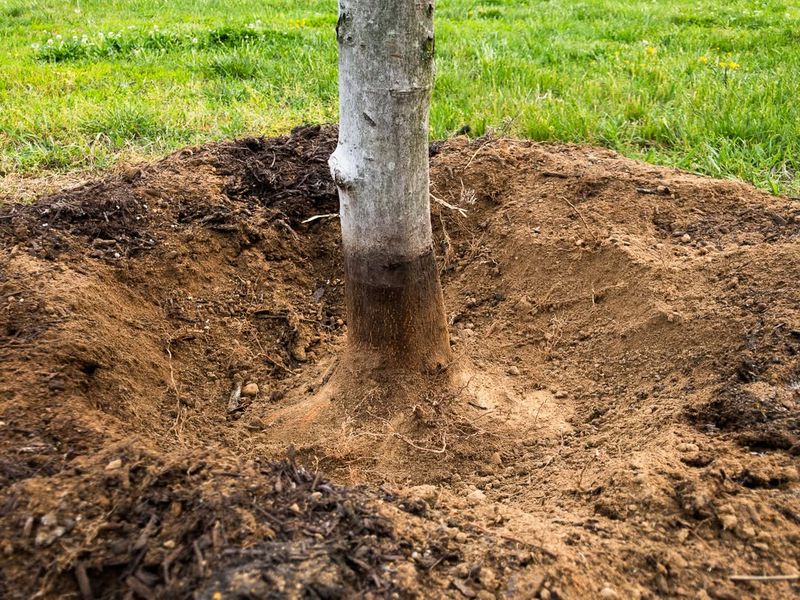
Mulch volcanoes piled high against tree trunks have become epidemic in Georgia landscapes. This practice suffocates roots, encourages rot, and invites pests to burrow into bark.
What people think looks neat actually slowly damages trees while creating perfect conditions for disease.
Proper mulching means pulling material back several inches from trunks and stems. Bark needs exposure to air, and root flares should remain visible at the soil line.
Creating a donut shape rather than a volcano allows mulch to do its job without harming plants.
Two to three inches of mulch provides all the benefits you need. Deeper layers prevent water and oxygen from reaching roots while creating habitat for rodents and insects.
More is definitely not better when it comes to mulch depth, despite what many Georgia homeowners believe.
Refresh mulch annually rather than piling new layers on top of old. Decomposed mulch enriches soil naturally, but excessive buildup creates the same problems as initial over-application.
Raking out old material before adding fresh mulch maintains proper depth and keeps beds looking tidy.
Different mulches serve different purposes. Pine straw works beautifully for acid-loving plants and slopes where it stays put.
Hardwood mulch breaks down slower and looks more formal. Avoid dyed mulches, which can contain chemicals, and never use fresh wood chips that rob nitrogen from soil as they decompose.
Choosing the right mulch and applying it correctly protects your Georgia landscape investment.
8. Choose Native Or Well-Adapted Plants For Long-Term Success
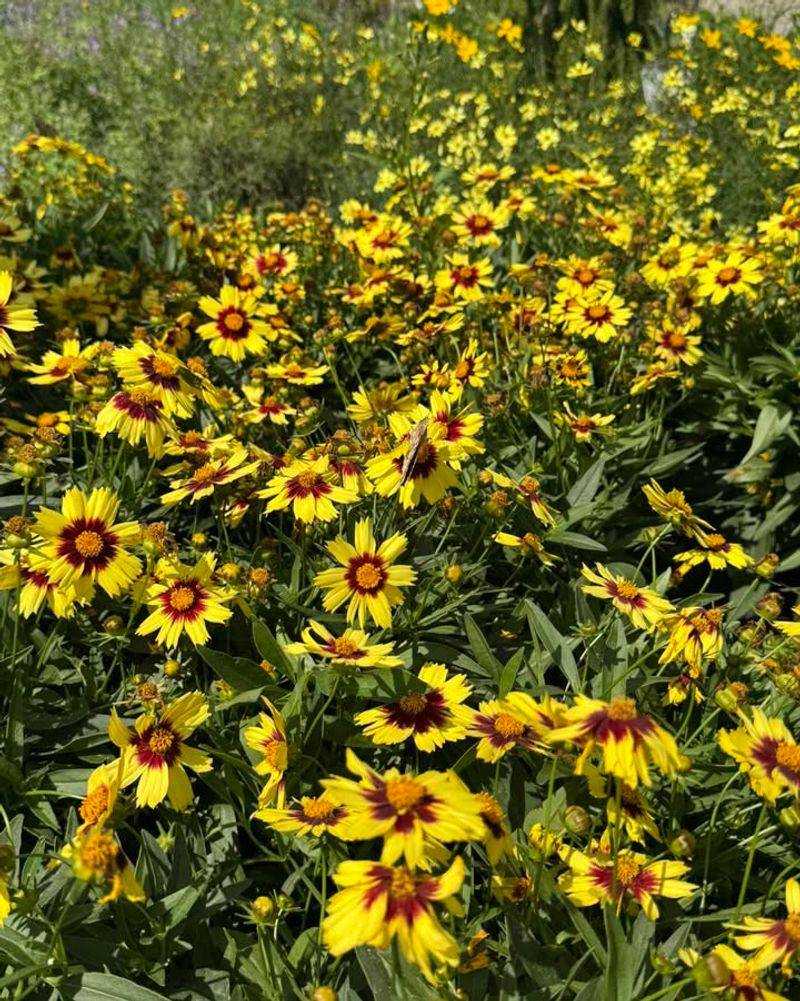
Native plants have spent thousands of years adapting to Georgia conditions. They handle our soil, weather extremes, and local pests without constant intervention.
While not every native works for every situation, they offer resilience that exotic imports rarely match.
Well-adapted non-natives also deserve consideration. Many plants from similar climates perform beautifully here even though they did not originate in Georgia.
The key is choosing varieties proven to thrive rather than gambling on novelties with unknown track records in our region.
Native plants support local wildlife in ways imports cannot. Butterflies, bees, and birds evolved alongside these species and depend on them for food and shelter.
Creating habitat with natives turns your yard into an ecosystem rather than just decoration.
Maintenance requirements drop dramatically with adapted plants. You will spend less time watering, fertilizing, and fighting pests because these plants naturally resist local problems.
This practical benefit matters more than aesthetic preferences when you calculate the true cost of maintaining your landscape.
Georgia native plant sales and specialized nurseries make finding adapted species easier than ever. Extension services provide detailed information about which natives suit different conditions and landscape styles.
Starting with even a few native plants and observing their performance builds confidence for incorporating more over time.
Choosing plants suited to Georgia conditions is not about limiting options but about selecting varieties that will actually thrive and reward your efforts.