Before You Start A Garden In Arizona Make Sure You Know This
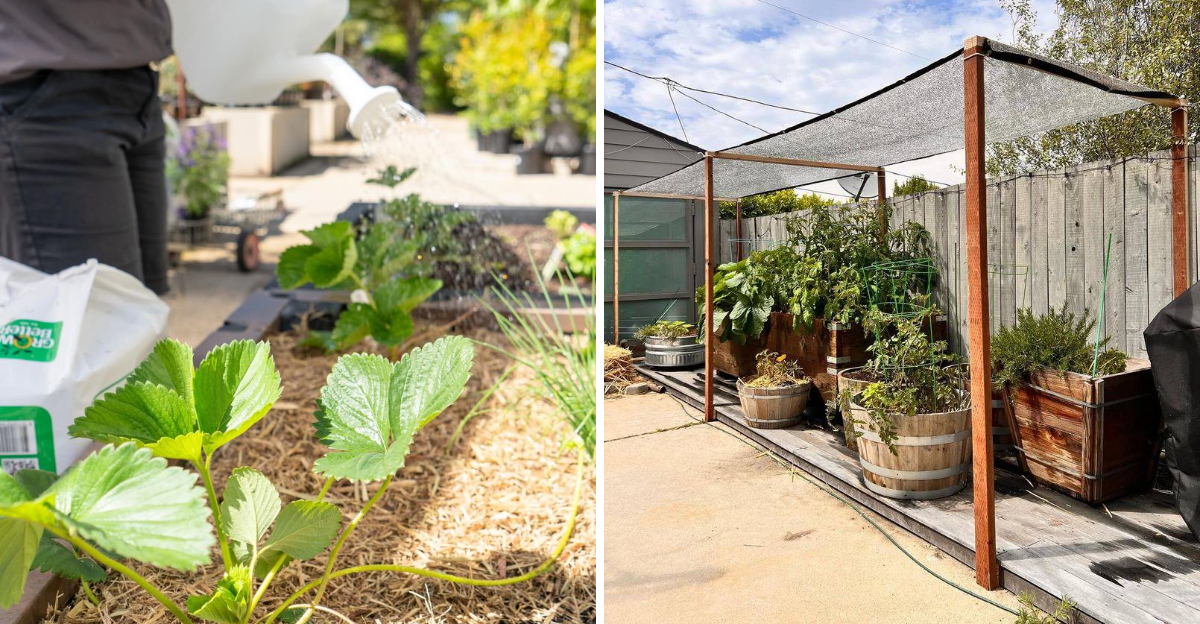
Starting a garden in Arizona feels exciting, especially when the sun is shining and the weather seems perfect for planting. It is easy to think that more sunlight means faster growth and bigger harvests.
That assumption is where many gardens begin to struggle.
Arizona heat is intense, and it arrives quickly. The soil is often alkaline, low in organic matter, and drains differently than people expect.
Water evaporates fast. Planting too late in spring or too early before temperatures stabilize can set everything back.
Even healthy seedlings can fail if timing and soil preparation are off.
Before you start a garden in Arizona, you need to understand how temperature swings, soil conditions, and watering habits work together in this climate.
Once you grasp that, your decisions become smarter, your plants establish more easily, and your garden has a real chance to succeed in the desert.
1. Arizona Has Multiple Growing Climates And They Matter
Phoenix and Flagstaff sit in the same state, yet they might as well be on different planets when it comes to gardening. Low desert areas bake under triple-digit heat for months, while northern regions experience freezing winters and moderate summers.
Central Arizona falls somewhere in between, creating a third distinct growing zone that behaves differently from both extremes.
Your elevation determines everything from frost dates to which vegetables will actually produce food. Tomatoes that thrive in Tucson might struggle in Prescott, where cooler nights change their growing patterns completely.
Even within the Phoenix metro area, microclimates shift dramatically based on urban heat effects and proximity to mountains.
USDA hardiness zones range from 5b in the White Mountains to 10b in Yuma, spanning nearly the entire spectrum of American climates. This massive variation means generic gardening advice rarely applies across Arizona.
What your neighbor grows successfully might not work in your yard if you live at a different elevation or face different sun exposure.
Checking your specific zone before purchasing plants prevents costly mistakes. County extension offices provide detailed climate data for your exact location, including average frost dates and heat patterns.
Many Arizona gardeners learn this lesson the hard way after losing entire gardens to unexpected temperature swings or choosing plants suited for completely different climates within the state.
2. Desert Soil Is Alkaline And Needs Improvement Before Planting
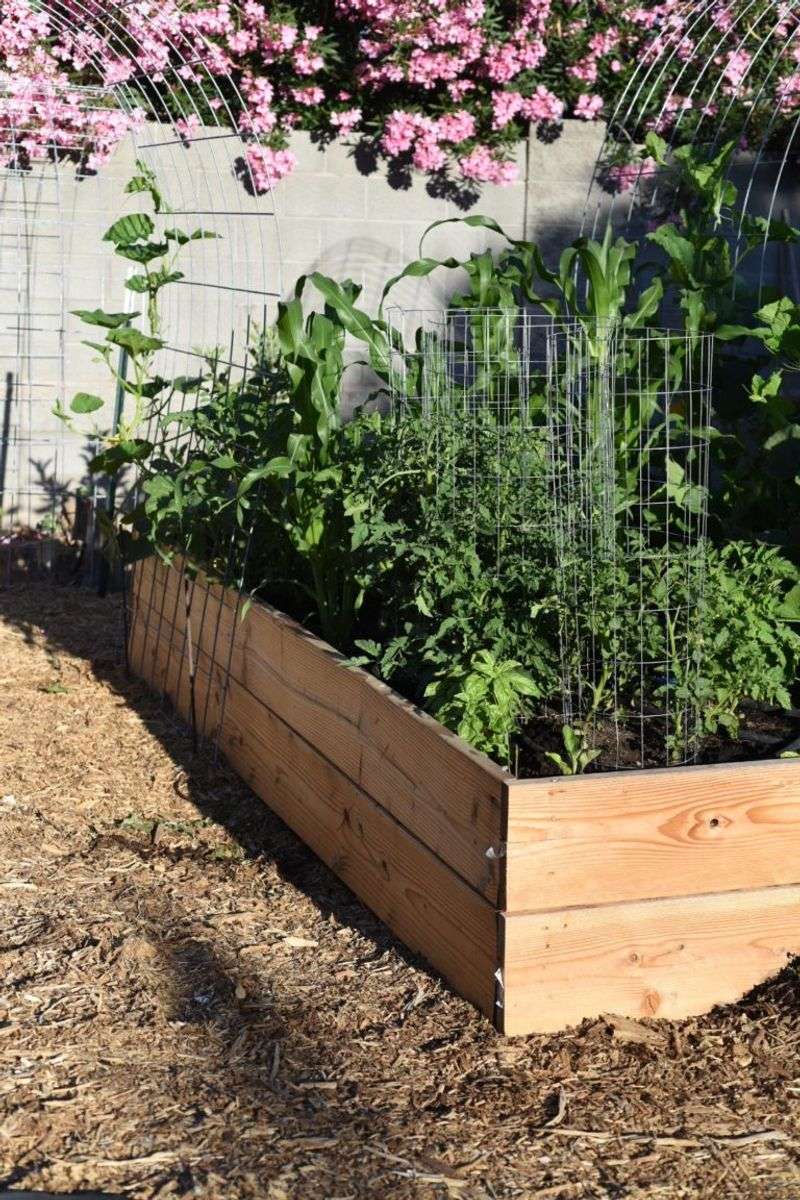
Digging into Arizona ground often feels like hitting concrete, and that caliche layer beneath the surface creates a barrier that stops roots cold.
Native soil here runs extremely alkaline, typically between pH 7.5 and 8.5, which locks up essential nutrients that plants desperately need.
Iron, zinc, and other minerals exist in the soil but remain chemically unavailable to plant roots at these high pH levels.
Clay-heavy texture compounds the alkalinity problem by creating drainage issues that drown roots during monsoon season. Water pools on the surface or runs off entirely instead of soaking in gradually.
Without amendment, this soil bakes into brick-hard chunks during summer, making it nearly impossible for tender roots to penetrate and establish.
Your Arizona Garden Changes Every Week. Your Plan Should Too.
Gardening in Arizona changes quickly throughout the season. Every Friday you’ll receive a simple weekly plan showing exactly what to plant, prune, fertilize, harvest, and protect so you never miss the right timing.
Adding sulfur gradually lowers pH over several months, though maintaining neutral levels requires ongoing effort in Arizona. Compost improves texture and drainage while providing organic matter that desert soil completely lacks.
Gypsum breaks up clay without changing pH, helping water penetrate deeper into the root zone.
Raised beds filled with quality garden soil bypass native ground problems entirely, giving plants the environment they need from day one. This approach costs more initially but eliminates years of soil amendment struggles.
Testing your soil before planting reveals exactly which nutrients are missing and how much pH adjustment your specific location requires for success.
3. Summer Sun Can Stress Plants Faster Than You Expect
June arrives and suddenly your thriving spring garden looks like it went through a furnace. Arizona sun intensity increases dramatically as summer approaches, with UV levels that scorch leaves in hours rather than days.
Even sun-loving plants struggle when temperatures climb above 95 degrees, causing flowers to drop and growth to stall completely.
Leaves develop brown edges and bleached spots as chlorophyll breaks down faster than plants can replace it. Tomatoes stop setting fruit entirely when nighttime temperatures stay above 75 degrees, a common occurrence throughout Arizona summers.
Peppers might continue producing, but their walls thin out and flavor suffers under relentless heat exposure.
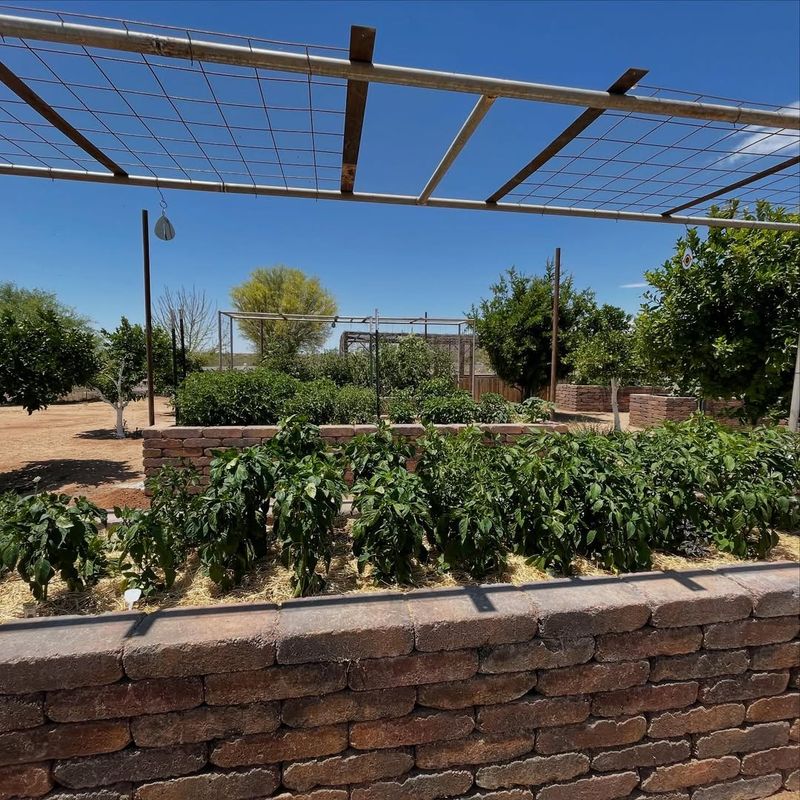
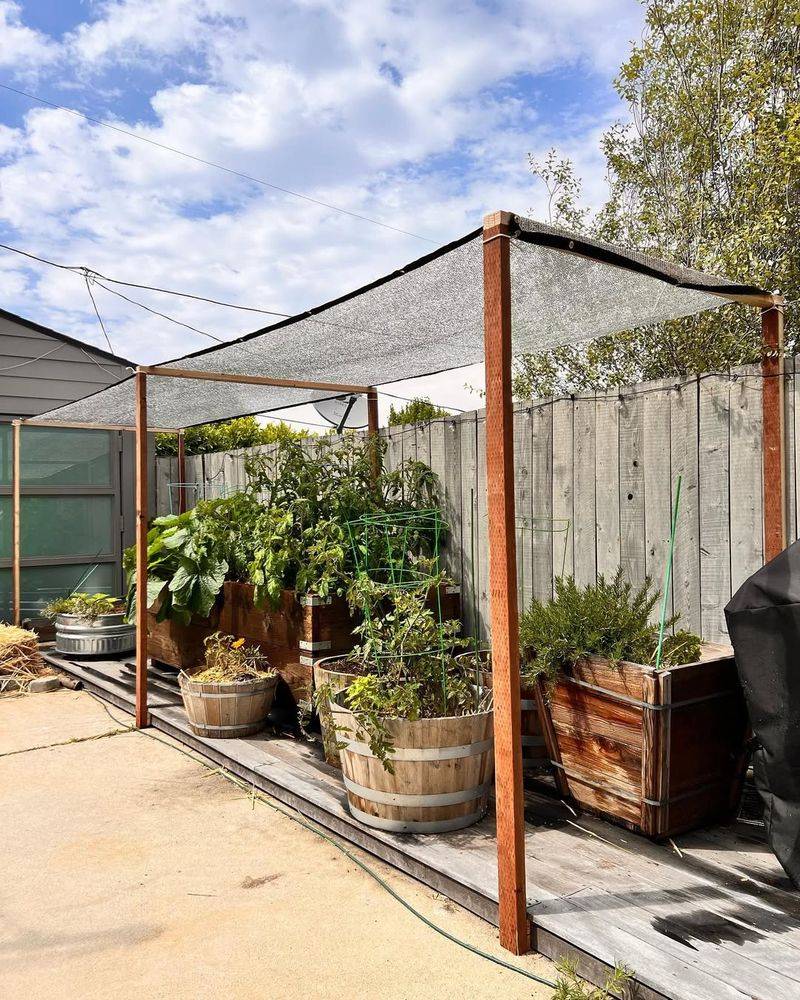
Shade cloth rated at 30 to 50 percent blocks enough sun to lower temperatures by 10 to 15 degrees in the plant canopy. This simple addition extends your growing season by weeks and keeps cool-season crops producing longer into late spring.
Strategic placement matters tremendously, as afternoon sun causes far more damage than gentle morning light.
Many Arizona gardeners transition to shade gardening during peak summer months, growing heat-tolerant herbs and desert-adapted vegetables. Others take a complete summer break, letting gardens rest until fall planting season arrives.
Recognizing that fighting extreme summer conditions often costs more in water and effort than the harvest provides helps you garden smarter rather than harder in this challenging climate.
4. Watering Deeply Is More Important Than Watering Frequently
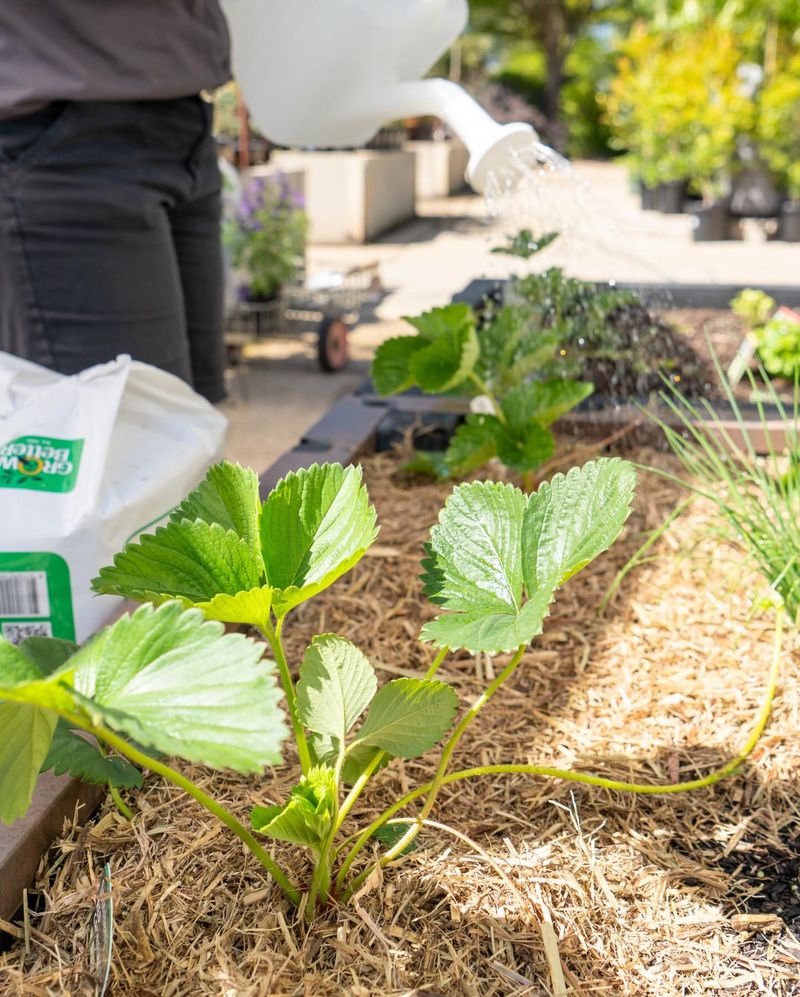
Sprinkling your garden daily creates weak, shallow roots that can’t handle Arizona’s harsh conditions. Plants develop root systems based on where they consistently find moisture, and frequent light watering trains them to stay near the surface.
When you skip a day or temperatures spike, these shallow roots have no reserves to tap into, causing rapid stress.
Deep watering encourages roots to grow downward where soil stays cooler and moisture lasts longer between irrigations. Applying water slowly allows it to soak 12 to 18 inches deep rather than running off the surface.
This deeper moisture zone provides a buffer against heat and helps plants survive longer if you need to be away for several days.
Checking soil moisture at root depth prevents both overwatering and underwatering mistakes that plague Arizona gardens. Stick your finger or a moisture meter down several inches to feel actual conditions where roots live.
Surface soil dries out quickly in Arizona’s low humidity, creating a false impression that plants need water when deeper soil remains adequately moist.
Drip irrigation delivers water precisely where plants need it without waste from evaporation or overspray.
Setting up zones based on plant water needs allows you to give thirsty vegetables more frequent deep soakings while reducing water to drought-tolerant plants.
Most Arizona vegetables need deep watering every three to four days during moderate weather, adjusting based on temperature and plant size.
5. Fall And Winter Are Prime Planting Seasons In Much Of The State
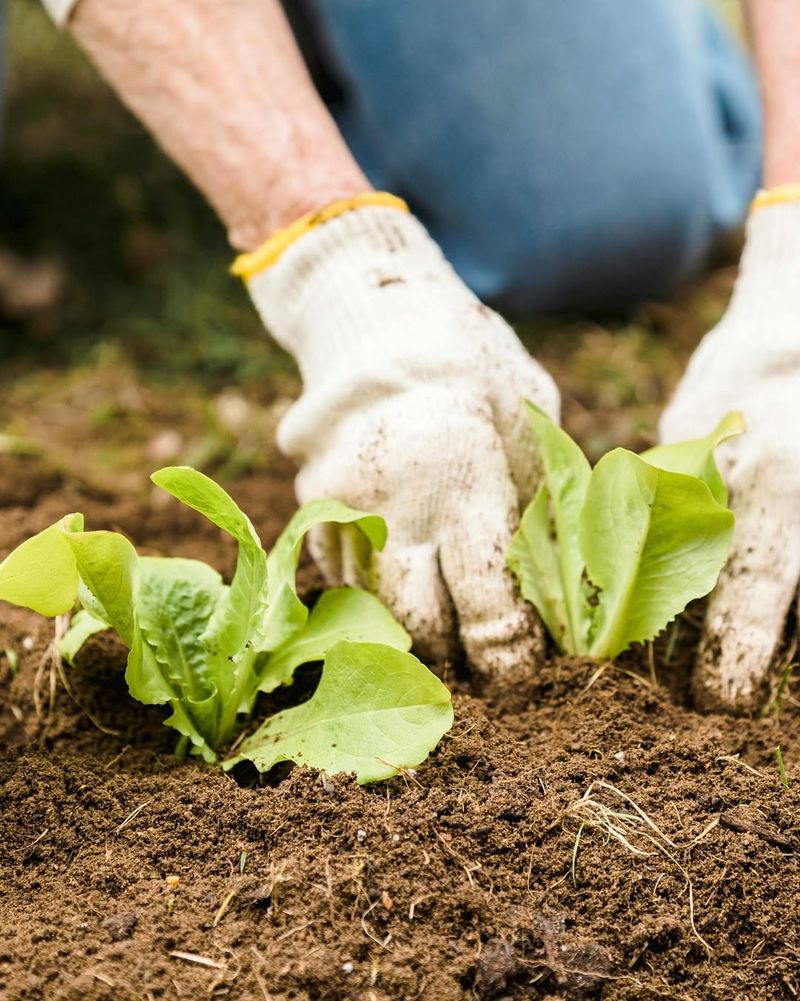
Forget everything you know about spring planting if you want success in Arizona’s low desert regions. September through February offers ideal conditions for growing most vegetables, with mild temperatures that let plants establish without heat stress.
Cool-season crops like lettuce, broccoli, and peas thrive during Arizona winters when other states sit buried under snow.
Planting too early in fall results in heat damage, while waiting too long reduces your harvest window before spring heat returns.
Timing varies by elevation, with low desert areas starting in September and higher elevations beginning in early spring instead.
Tucson and Phoenix gardeners enjoy their most productive growing season from October through April, a complete reversal of traditional gardening calendars.
Frost-sensitive plants still need protection during occasional winter cold snaps, but these events are brief and predictable.
Row covers or frost cloth provide adequate protection for tender seedlings during the handful of nights when temperatures dip below freezing.
Most Arizona winters allow continuous harvest of greens and root vegetables without the season-ending freezes common in other states.
Summer gardening in low desert areas becomes a specialized activity focused on heat-tolerant crops and creative shade solutions. Many experienced Arizona gardeners simply skip June through August entirely, using that time to improve soil and plan for fall planting.
Embracing Arizona’s inverted growing calendar instead of fighting it leads to far more productive and enjoyable gardening experiences throughout the state.
6. Afternoon Shade Can Make The Difference Between Survival And Burn
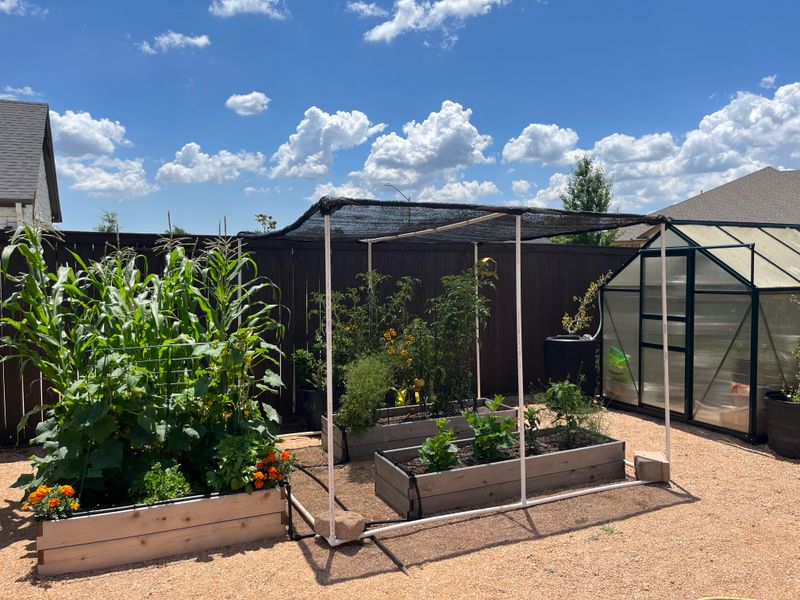
Morning sun energizes plants while afternoon sun often destroys them in Arizona’s intense climate. The angle and intensity of sunlight changes dramatically between 8 AM and 3 PM, with afternoon rays carrying far more heat energy.
Plants that look perfectly happy in morning light can show stress within hours once afternoon sun hits them directly.
West-facing exposures receive the most punishing sun during the hottest part of the day. Positioning gardens on the east side of structures or trees provides natural afternoon protection while capturing gentler morning light.
Even heat-loving plants like peppers and eggplant benefit from afternoon shade during Arizona’s peak summer months.
Temporary shade structures extend your growing season significantly without requiring permanent landscape changes. Shade cloth attached to simple frames can be moved or removed as seasons change and sun angles shift.
Positioning these structures to block western sun while allowing eastern exposure gives plants the best of both worlds throughout the growing season.
Existing landscape elements like walls, fences, and mature trees create microclimates worth exploiting for garden placement. Observing how shadows move across your yard throughout the day reveals prime planting spots you might otherwise overlook.
Northern exposures in Arizona receive adequate light for most vegetables while avoiding the harshest direct sun, making them surprisingly productive locations for gardens that need protection from intense afternoon heat.
7. Native And Desert-Adapted Plants Perform Far Better Long Term
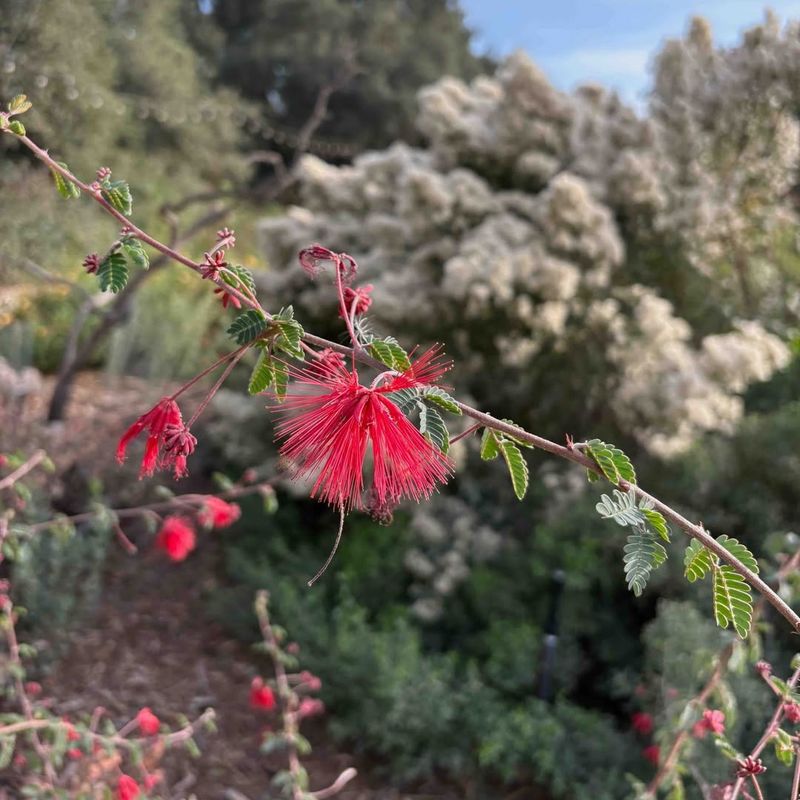
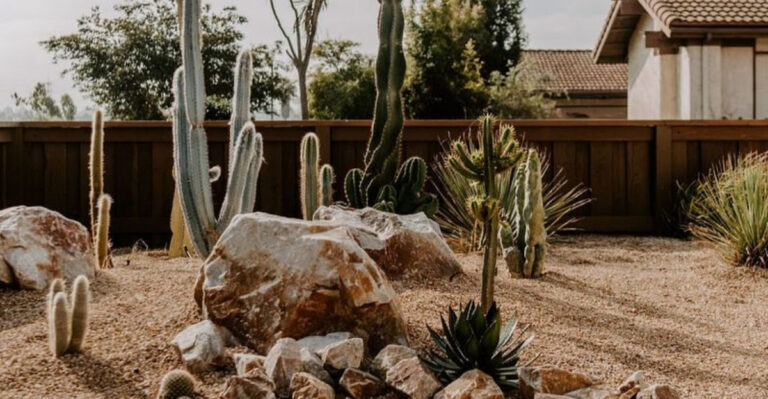
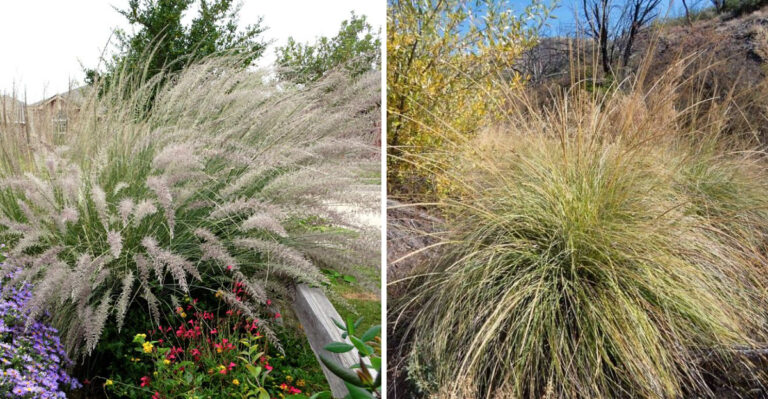
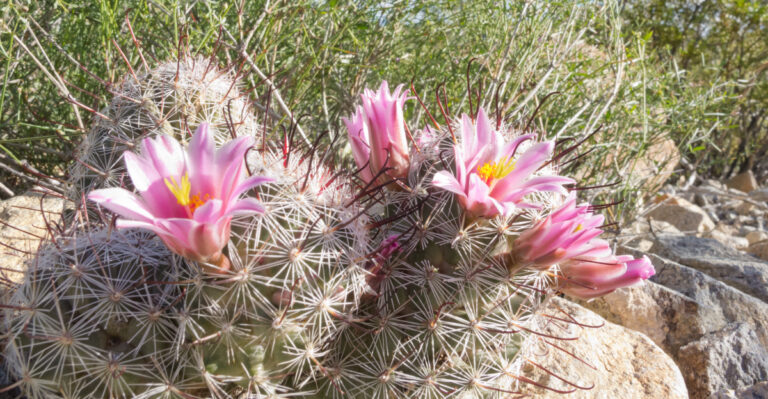
Fighting against Arizona’s natural conditions exhausts both gardeners and gardens unnecessarily. Native plants evolved over thousands of years to handle scorching summers, alkaline soil, and sporadic rainfall without constant intervention.
Desert-adapted species from similar climates around the world also thrive here with minimal fussing once established in your landscape.
Water requirements drop dramatically when you choose plants suited to Arizona conditions rather than forcing non-adapted species to survive.
A native penstemon needs watering once or twice monthly after establishment, while a thirsty exotic might demand water every few days year-round.
This difference adds up significantly on water bills and time spent maintaining your garden.
Pest and disease problems decrease substantially with properly matched plants that aren’t already stressed by unsuitable conditions. Weakened plants attract insects and pathogens, creating endless battles that native plants largely avoid.
Desert marigolds, fairy duster, and autumn sage bloom beautifully throughout Arizona without the constant care that struggling non-natives demand.
Incorporating native plants doesn’t mean abandoning vegetable gardening or colorful flowers entirely.
Strategic combinations work beautifully, with adapted plants providing permanent landscape structure while annual vegetables occupy dedicated growing areas.
Many Arizona gardeners discover that native plants actually provide more consistent beauty with far less effort than traditional landscaping approaches that ignore regional realities and climate constraints.