9 Container Plants That Handle Arizona Heat Without Constant Watering
Constant watering should not be the price of having beautiful containers in Arizona. Once real desert heat settles in, many potted plants begin to struggle, especially when soil dries out within hours under full sun.
Without the right selections, containers quickly turn into high-maintenance projects that demand more time than expected.
Arizona heat calls for plants that tolerate intense light, warm roots, and limited moisture without collapsing.
Certain varieties hold their shape, color, and structure even when watering is not constant, which makes a major difference in patios, entryways, and balconies where pots sit exposed.
With the right container plants in place, your display stays vibrant and manageable instead of becoming a daily rescue mission through the hottest stretch of the season.
1. Elephant’s Food Performs Reliably In Desert Containers
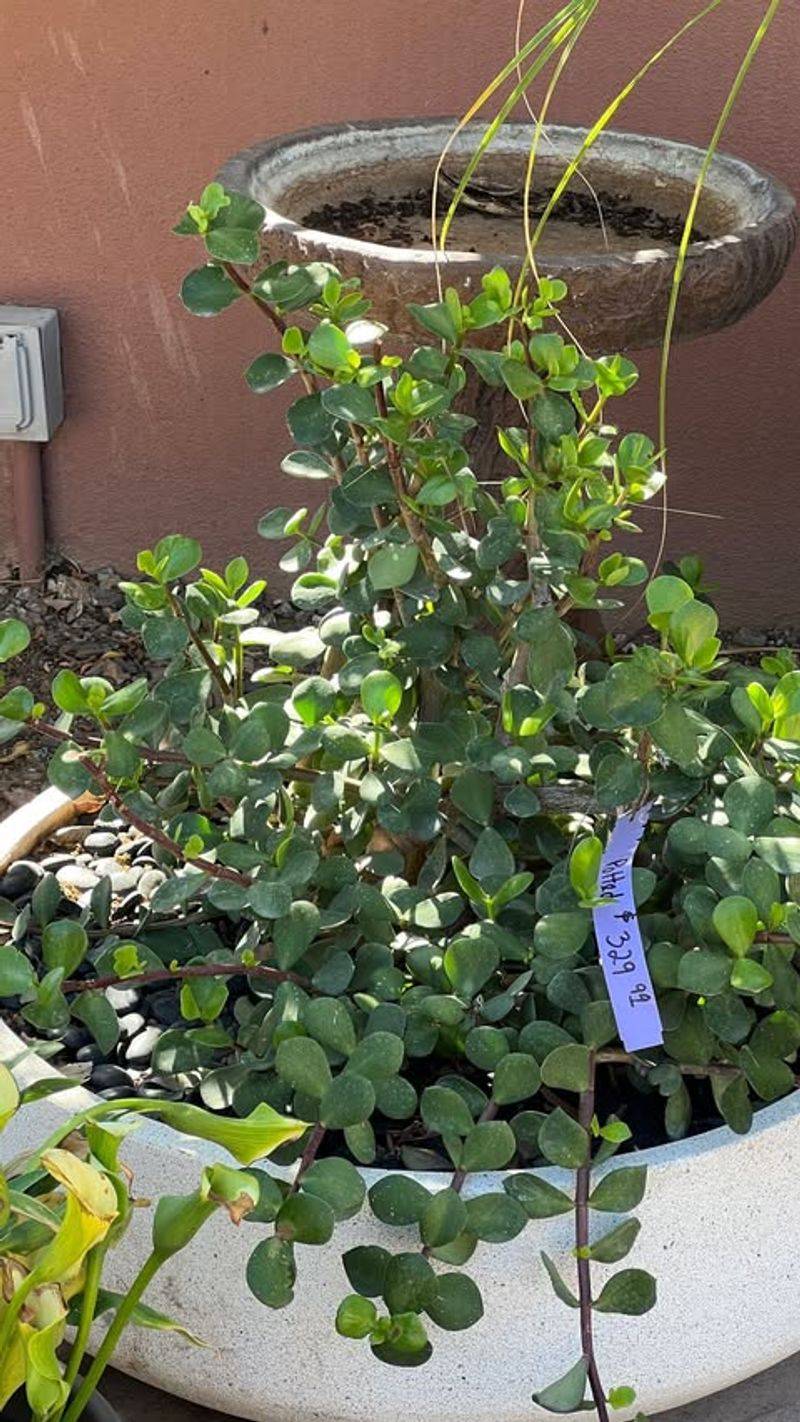
Elephant’s food earns its quirky name from the thick, paddle-shaped leaves that resemble miniature elephant ears in texture and substance.
This South African native brings architectural interest to container displays while demanding almost nothing from Arizona gardeners who appreciate low-maintenance solutions.
The succulent foliage stores remarkable amounts of water, creating a built-in reservoir that sustains plants through extended dry spells common in desert climates.
Growth habits remain compact and manageable in containers, typically reaching eighteen inches tall and spreading slightly wider over time.
Clusters of small yellow flowers emerge during late spring, attracting pollinators to patios and entryways throughout Phoenix, Tucson, and surrounding communities.
The jade-green leaves develop attractive reddish margins when exposed to intense sunlight, adding subtle color variation to the overall presentation.
Container selection should prioritize width over depth since elephant’s food develops shallow, spreading root systems. Wide, low bowls work exceptionally well, creating dramatic focal points on outdoor tables or as ground-level accents.
Unglazed terracotta pots offer ideal conditions by allowing excess moisture to evaporate through porous walls.
Watering requirements drop to once every two weeks during Arizona’s hottest months, with even longer intervals possible during cooler seasons. Soil should dry completely between irrigation sessions to prevent root issues.
This forgiving nature makes elephant’s food perfect for weekend properties or busy households where consistent garden attention proves challenging throughout the year.
2. Portulaca Thrives In Full Sun Pots
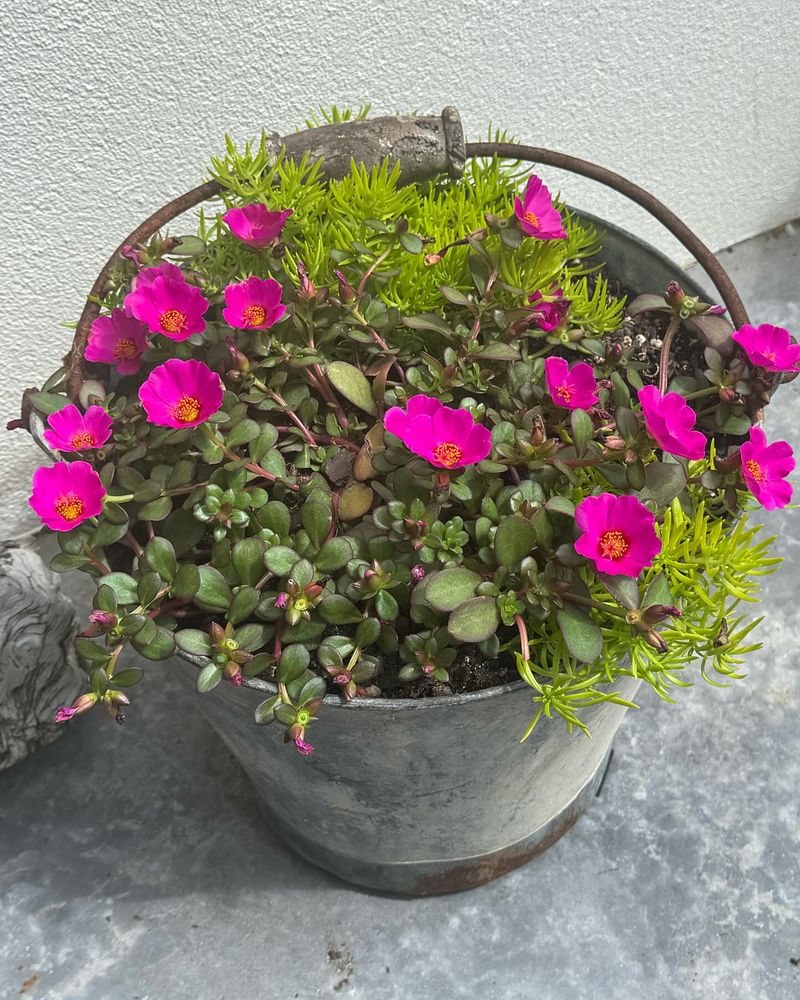
Portulaca transforms even the hottest container into a riot of color that actually intensifies under brutal desert conditions.
Native to South America but perfectly adapted to Arizona’s climate, this succulent annual produces jewel-toned flowers in shades of magenta, orange, yellow, and white that open wide during peak sunshine hours.
The fleshy, cylindrical leaves store moisture efficiently, allowing plants to coast through several days without irrigation even when temperatures soar above 115 degrees.
Container placement matters less with portulaca than almost any other flowering plant.
South-facing walls that reflect additional heat? No problem.
Exposed balconies with zero shade? Perfect conditions.
The more intense the sun exposure, the more profusely these plants bloom throughout summer and fall across Arizona landscapes.
Shallow containers work surprisingly well since portulaca develops relatively modest root systems. A six-inch depth provides adequate space, making this an ideal choice for windowsill planters or tabletop arrangements.
Your Arizona Garden Changes Every Week. Your Plan Should Too.
Gardening in Arizona changes quickly throughout the season. Every Friday you’ll receive a simple weekly plan showing exactly what to plant, prune, fertilize, harvest, and protect so you never miss the right timing.
Watering once weekly during extreme heat keeps plants thriving, though they’ll tolerate longer intervals without complaint.
Drainage becomes absolutely critical for success. Mix standard potting soil with equal parts perlite or coarse sand to prevent waterlogged conditions that cause stem rot.
Once established in well-draining media, portulaca becomes nearly indestructible under Arizona’s demanding conditions, rewarding minimal care with maximum visual impact throughout the growing season.
3. Red Yucca Adapts Well To Deep Outdoor Pots
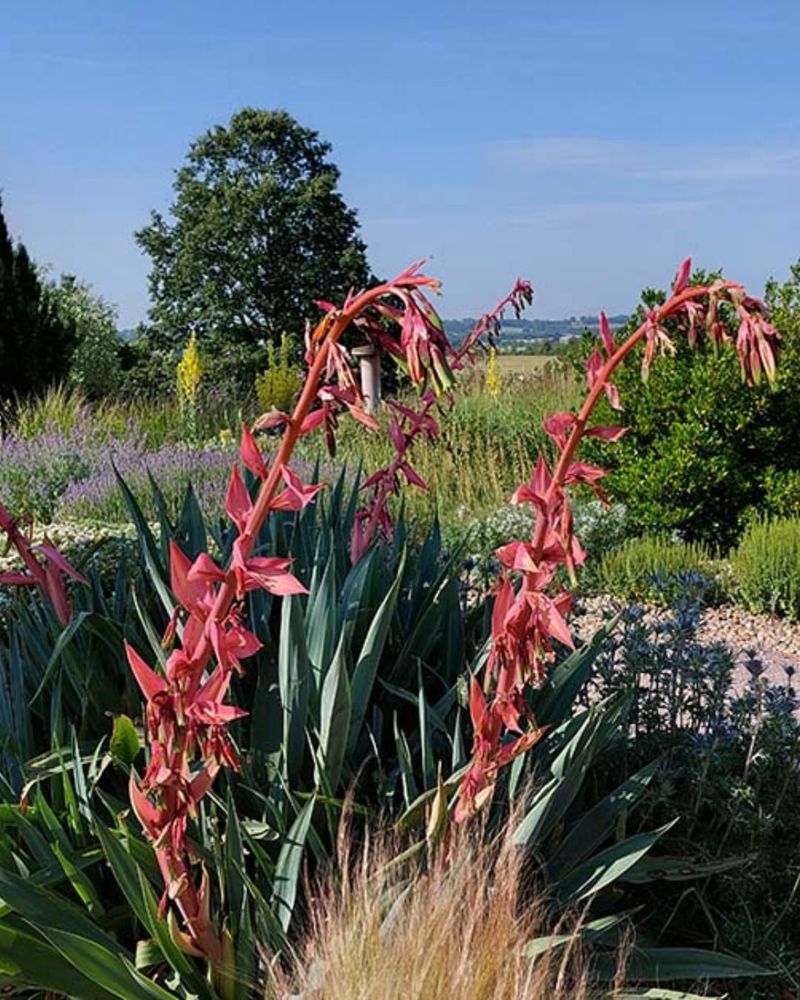
Red yucca sends up spectacular coral-pink flower spikes that tower above fountain-like clumps of narrow, blue-green foliage.
Despite its common name, this Southwest native belongs to the agave family rather than true yuccas, though it shares their legendary toughness under harsh Arizona conditions.
Hummingbirds find the tubular blooms irresistible, creating animated wildlife displays from spring through fall across desert patios and courtyards.
Deep containers become essential for accommodating red yucca’s substantial root system. Choose pots at least eighteen inches deep and equally wide to provide adequate growing space.
Half whiskey barrels work beautifully, as do large ceramic or concrete planters that won’t blow over when tall flower stalks catch desert winds.
The substantial root mass actually helps anchor containers during Arizona’s notorious dust storms and monsoon gusts.
Established plants in containers tolerate watering intervals of ten to fourteen days even during peak summer heat. The thick, fleshy roots store moisture reserves that sustain growth between irrigation sessions.
New transplants require more frequent watering initially, but demands decrease significantly once root systems fill available container space.
Full sun exposure produces the most vigorous growth and heaviest flowering across Arizona locations. Partial shade works acceptably, though bloom production decreases noticeably.
Remove spent flower stalks at the base to maintain tidy appearances and encourage additional blooming cycles. With minimal intervention, red yucca provides years of reliable performance in container settings throughout the Southwest.
4. Angelita Daisy Handles Dry Container Conditions
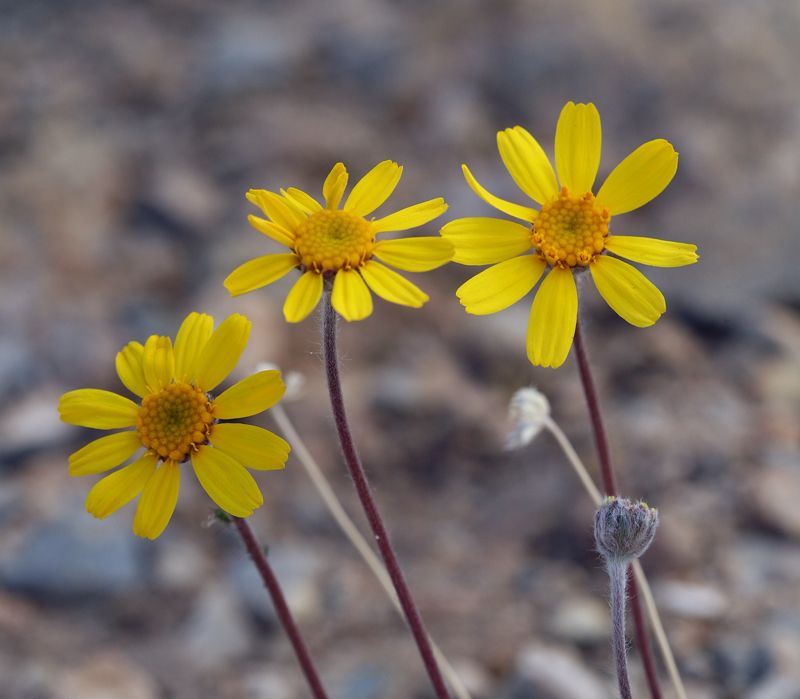
Angelita daisy explodes with golden-yellow button flowers that blanket fine-textured, silver-green foliage from spring through late fall.
This compact Arizona native rarely exceeds twelve inches in height, making it perfect for smaller containers or mixed plantings where space limitations exist.
The cheerful blooms appear in such abundance that foliage nearly disappears beneath waves of color during peak flowering periods.
Heat tolerance reaches exceptional levels with angelita daisy, which actually increases bloom production as temperatures climb throughout Arizona summers.
While many flowering plants struggle or cease blooming when thermometers hit triple digits, this desert specialist kicks into high gear.
The aromatic foliage releases a pleasant scent when brushed, adding sensory interest to container arrangements positioned near walkways or seating areas.
Container size flexibility makes angelita daisy adaptable to various garden situations. Individual plants thrive in eight-inch pots, while larger containers accommodate multiple specimens for fuller displays.
Shallow bowls work well since root systems remain relatively compact and spread horizontally rather than diving deep into soil profiles.
Watering frequency of once weekly sustains healthy growth during extreme heat across Phoenix, Scottsdale, and other Valley locations. Plants tolerate longer dry periods without significant stress, though flowering intensity may decrease slightly.
Deadheading spent blooms encourages continuous flower production, though plants remain attractive even without this maintenance.
Angelita daisy’s combination of drought tolerance, heat resistance, and extended bloom period makes it invaluable for Arizona container gardens seeking reliable, colorful performers.
5. Aloe Vera Tolerates Heat In Well-Drained Pots
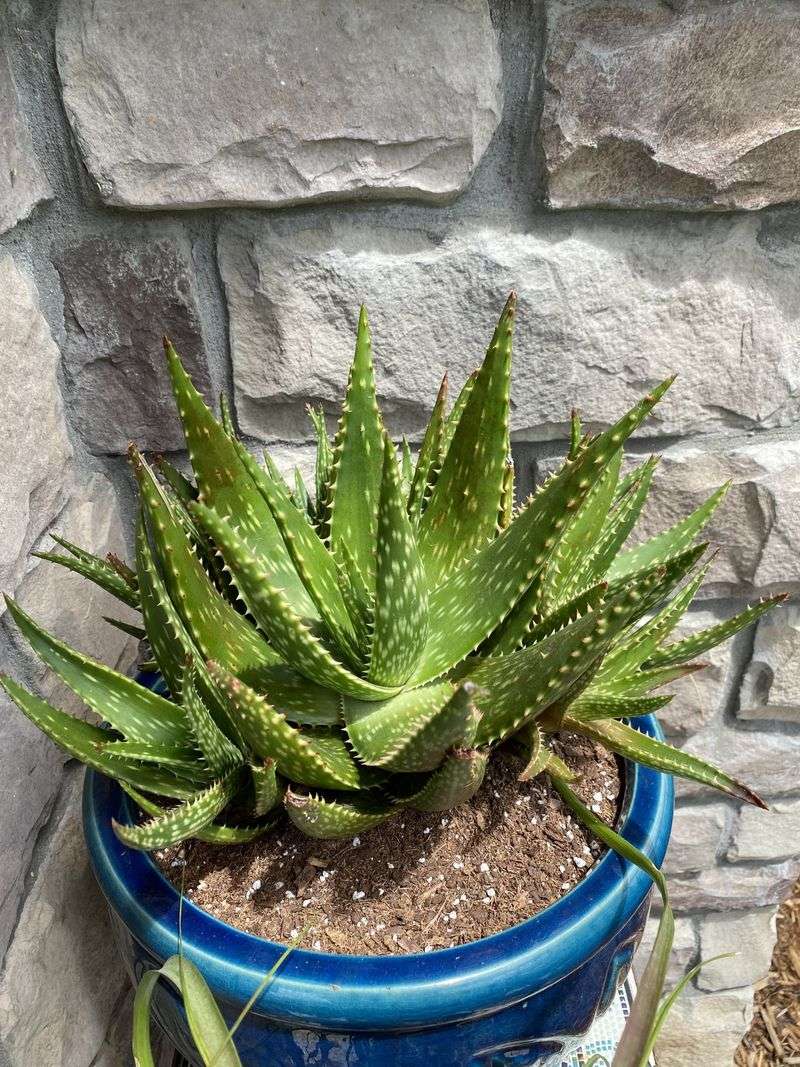
Aloe vera combines practical medicinal properties with impressive heat tolerance that makes it ideal for Arizona container gardening.
The thick, gel-filled leaves provide soothing relief for minor burns and skin irritations, giving this succulent functional value beyond ornamental appeal.
Upright rosettes of blue-green foliage create bold architectural statements on patios, balconies, and entryways throughout desert communities.
Container selection dramatically impacts success with aloe vera. Unglazed terracotta pots work best by allowing moisture to evaporate through porous walls, preventing the waterlogged conditions that cause root rot.
Size matters less than drainage quality, though larger containers provide better stability as plants mature and develop offset pups around the base. Position drainage holes generously to ensure excess water escapes quickly after irrigation.
Soil composition requires careful attention despite aloe’s reputation for toughness. Standard potting mixes retain too much moisture for succulent health.
Blend equal parts cactus mix and perlite to create fast-draining media that mimics natural desert conditions. This combination allows water to penetrate thoroughly during irrigation while preventing prolonged wetness around sensitive roots.
Watering schedules stretch to every two weeks during Arizona summers, with monthly intervals sufficient during cooler months. Allow soil to dry completely between sessions.
Aloe vera actually prefers slight neglect over attentive care, making it perfect for forgetful gardeners or those managing multiple container plantings.
The combination of minimal water needs, extreme heat tolerance, and useful properties makes aloe vera a container gardening staple across the Southwest.
6. Agave Desmettiana Grows Strong In Large Containers
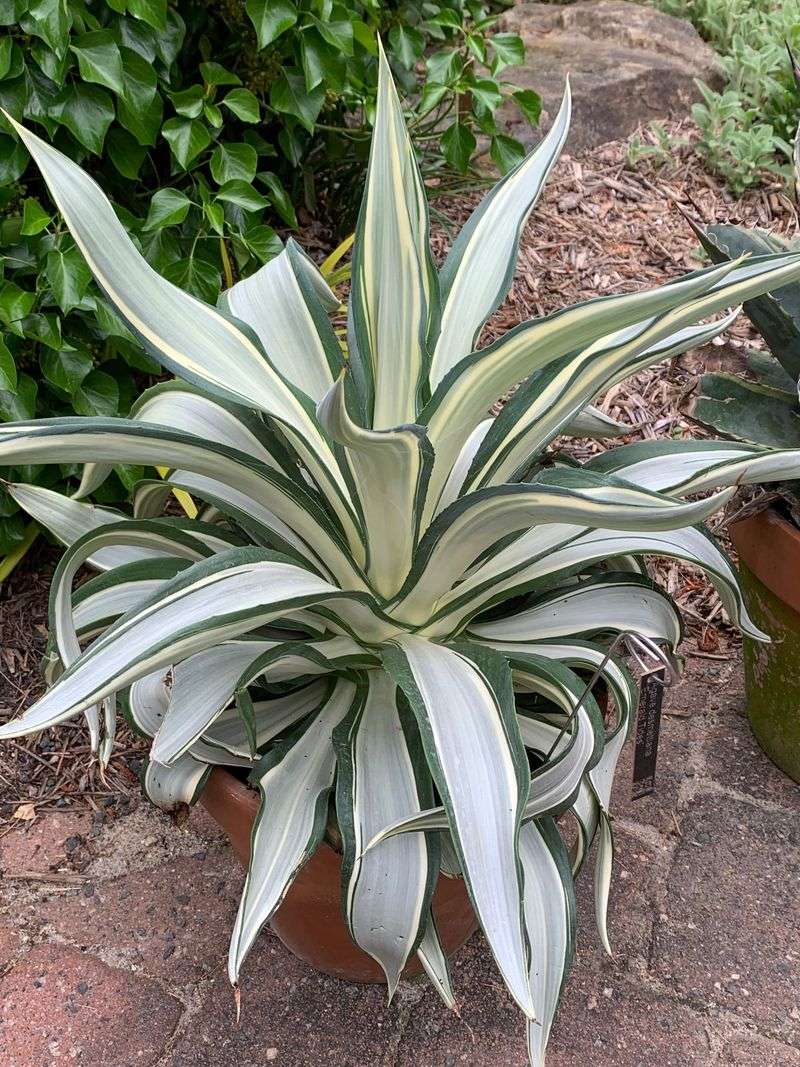
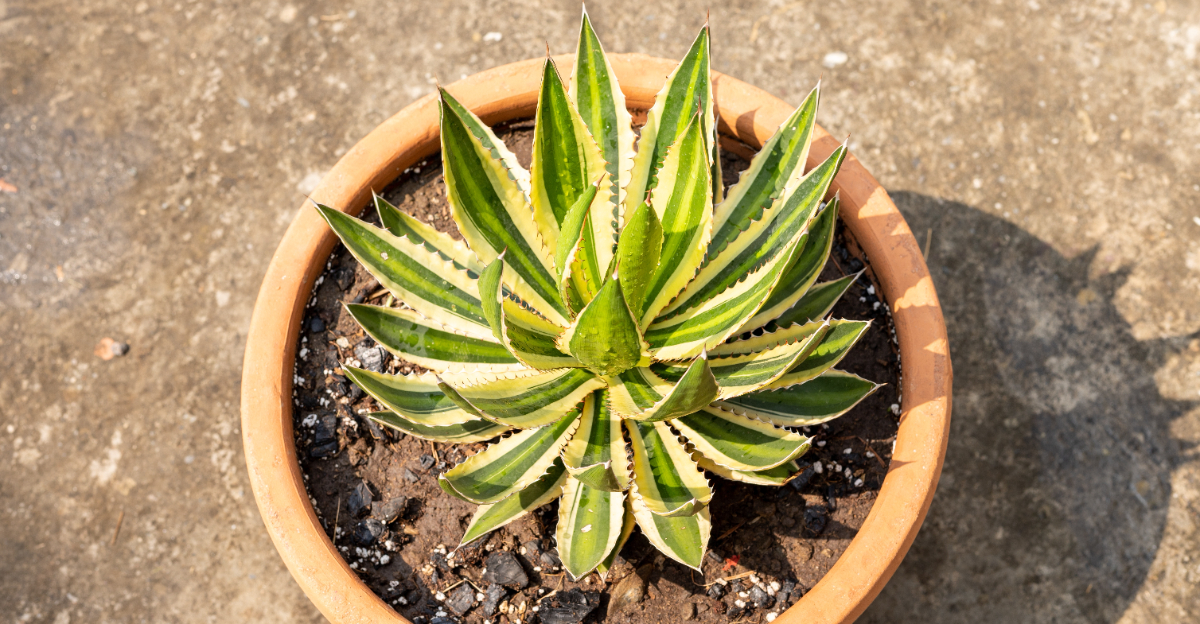
Agave desmettiana breaks the mold of typical spiny agaves by producing smooth-edged leaves that arch gracefully from central rosettes.
This Mexican native brings bold sculptural presence to container plantings without the hazardous needle-tipped leaves that make many agave species problematic near walkways or gathering spaces.
The blue-green foliage develops attractive variegated forms in some cultivars, adding cream or yellow stripes that brighten shaded corners across Arizona properties.
Large containers become necessary as plants mature, with twenty-four inch diameters providing adequate space for established specimens.
Heavy materials like concrete, ceramic, or thick plastic work best since substantial foliage weight can topple lightweight pots.
The smooth agave’s moderate size makes it more manageable than giant century plants while still delivering impressive visual impact in outdoor living spaces.
Root systems adapt well to container restrictions, adjusting growth rates to available space. Plants in smaller pots remain more compact, while those in generous containers develop fuller rosettes over time.
This adaptability allows gardeners to control ultimate size by selecting appropriate pot dimensions for specific locations throughout Arizona landscapes.
Watering needs remain minimal once plants establish in containers. Every two to three weeks during summer heat proves sufficient, with monthly watering adequate during cooler seasons.
Agave desmettiana tolerates complete drought for extended periods, making it ideal for vacation homes or low-maintenance situations.
The combination of smooth, safe foliage, architectural form, and extreme drought tolerance positions this agave as a superior container choice for Arizona’s demanding climate conditions.
7. Damianita Stays Compact And Heat Tolerant In Pots
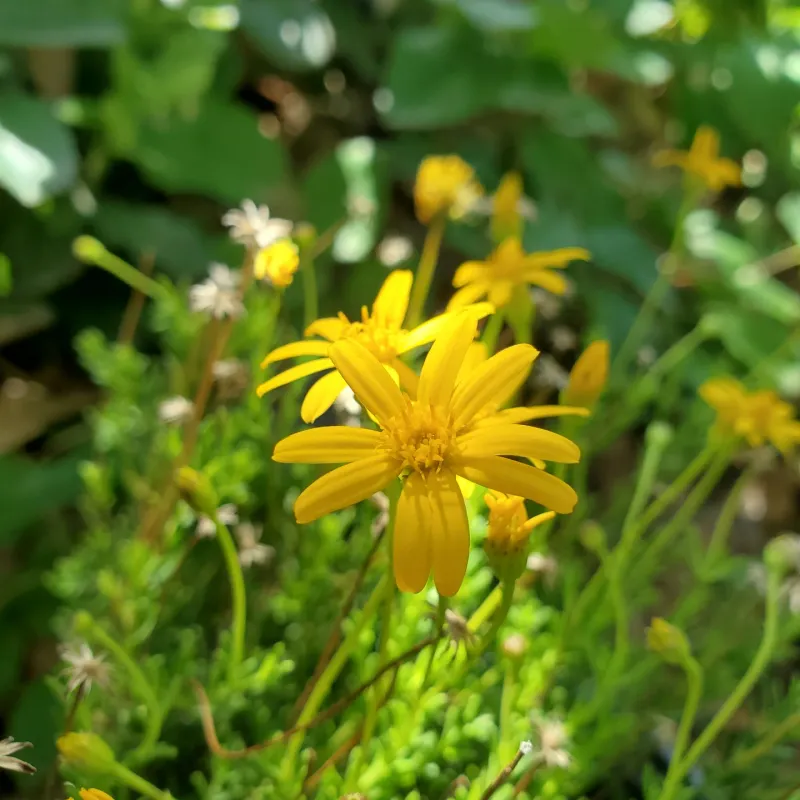
Damianita forms tight, rounded mounds of aromatic foliage that rarely exceed fifteen inches in any direction, making it exceptionally well-suited for container culture.
Native to the Chihuahuan Desert, this compact shrub produces masses of golden-yellow daisy flowers that appear in spring and again during fall across Arizona growing zones.
The resinous leaves release a pleasant, medicinal scent when touched, contributing fragrance to outdoor living areas where containers are positioned within reach.
Container gardening actually enhances damianita’s naturally compact growth habit. Restricted root space encourages dense branching and tighter form compared to ground-planted specimens.
Medium-sized pots between twelve and sixteen inches in diameter provide ample room for healthy development without allowing plants to become leggy or open in structure.
Multiple plants grouped in larger containers create impressive displays of coordinated color during bloom periods.
Heat tolerance reaches exceptional levels, with damianita showing no stress even when container surfaces become too hot to touch during Arizona afternoons.
The small, resinous leaves minimize moisture loss while reflecting excess heat, allowing plants to maintain healthy appearance throughout the most brutal summer conditions.
Full sun exposure produces the most compact growth and heaviest flowering, though plants tolerate partial shade acceptably in locations with afternoon protection.
Watering requirements remain modest, with weekly irrigation sufficient during peak heat across Phoenix, Tucson, and surrounding desert communities. Established plants tolerate longer intervals between watering sessions without visible stress.
The combination of compact size, extended bloom periods, and extreme heat tolerance makes damianita an outstanding choice for Arizona container gardens seeking low-maintenance, reliable performers.
8. Texas Sotol Adds Structure With Very Little Water
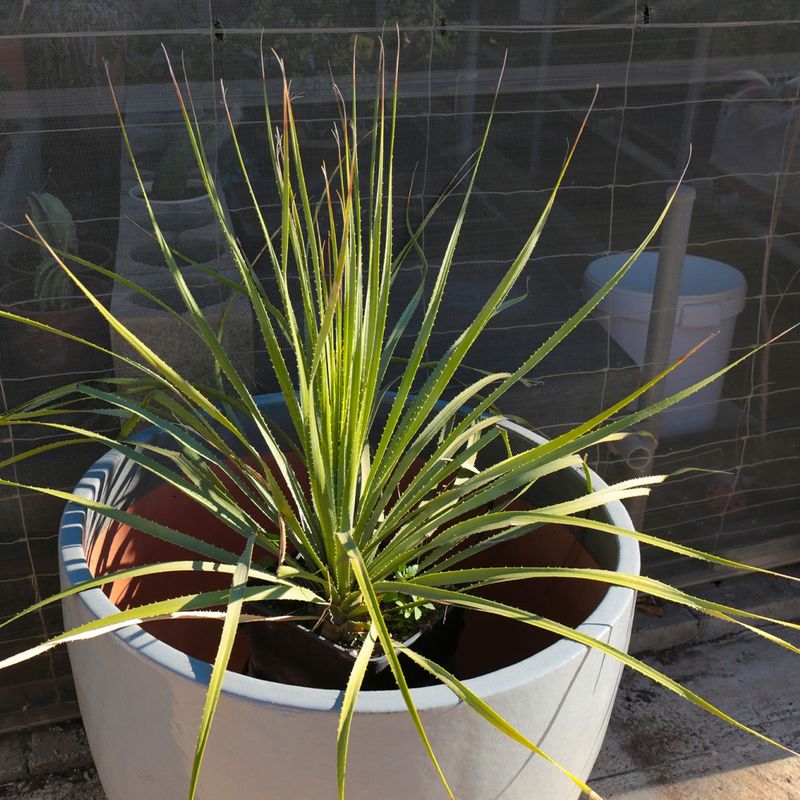
Texas sotol creates dramatic focal points with fountain-like sprays of narrow, gray-green leaves that radiate from central growing points.
This architectural desert native brings bold texture and form to container plantings while requiring virtually no maintenance once established in Arizona landscapes.
The saw-toothed leaf margins add visual interest without posing the serious hazards associated with sharp-tipped agaves, making sotol safer for high-traffic areas around homes and businesses.
Mature specimens develop impressive proportions, reaching four feet tall and equally wide in generous containers. Large pots become essential for accommodating substantial root systems and preventing top-heavy plants from tipping during desert windstorms.
Half whiskey barrels or commercial-grade containers at least twenty-four inches in diameter provide appropriate growing space.
Heavy materials like concrete or thick ceramic offer stability that lightweight plastic cannot match with plants of this size and structure.
Water requirements drop to minimal levels once sotol establishes in containers. Every two to three weeks during summer proves adequate, with monthly watering sufficient during cooler months across Arizona growing seasons.
Plants tolerate complete drought for extended periods, making them ideal for neglectful gardeners or properties that receive only occasional attention throughout the year.
Full sun exposure produces the most compact, symmetrical growth forms. Partial shade results in more open, less dense foliage arrangements.
Sotol’s extreme drought tolerance, bold architectural presence, and minimal maintenance requirements position it as a premier choice for dramatic container plantings throughout the Southwest, particularly in contemporary or desert-themed landscape designs.
9. Trailing Rosemary Handles Arizona Sun With Moderate Irrigation
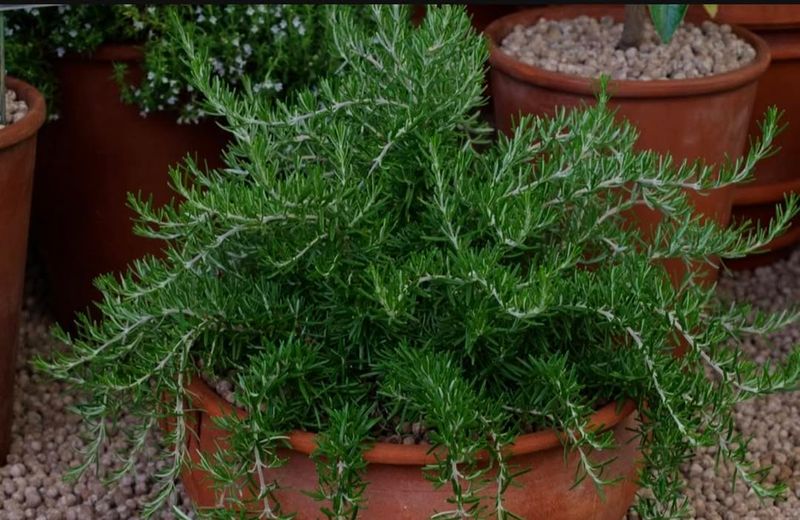
Trailing rosemary cascades gracefully over container edges, creating living curtains of aromatic foliage that serve both ornamental and culinary purposes.
Unlike upright rosemary varieties, this prostrate form spreads horizontally while draping downward, making it perfect for elevated planters, hanging baskets, or containers positioned on walls and ledges throughout Arizona properties.
The needle-like leaves release intense fragrance when brushed, filling outdoor spaces with Mediterranean scent that enhances patios and entryways.
Heat tolerance exceeds expectations with trailing rosemary, which thrives under full Arizona sun that would stress many herb varieties.
The narrow leaves minimize moisture loss while the plant’s Mediterranean origins provide genetic adaptation to hot, dry conditions similar to desert climates.
Small blue flowers appear intermittently throughout the year, attracting beneficial pollinators while adding subtle color to the silver-green foliage cascade.
Container depth matters more than width for rosemary success. Roots prefer to grow downward rather than spreading horizontally, so choose pots at least twelve inches deep even if diameter remains modest.
Excellent drainage becomes absolutely critical since rosemary tolerates drought far better than wet conditions. Amend standard potting soil with extra perlite or coarse sand to ensure rapid water movement through the root zone.
Watering frequency of twice weekly during extreme Arizona heat keeps plants thriving without excessive moisture. Established specimens tolerate longer intervals between irrigation sessions.
Regular harvesting of stem tips for culinary use encourages bushier growth while providing fresh herbs for cooking. This combination of ornamental appeal, practical utility, and heat tolerance makes trailing rosemary invaluable for Arizona container gardens.