The Real Difference Between Metal And Wooden Garden Beds In Arizona Heat
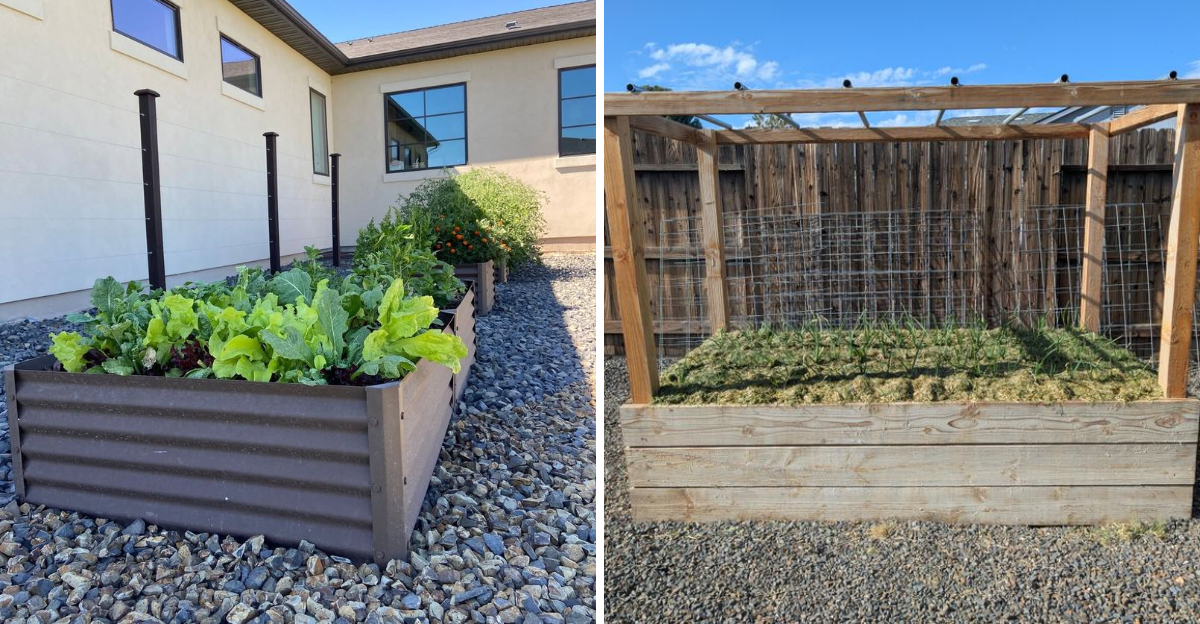
Metal and wooden garden beds may look similar at first glance, yet Arizona heat exposes their differences quickly. Once temperatures climb, materials react in ways that directly affect soil temperature, moisture retention, and root health.
What seems like a simple style choice can influence how well vegetables and flowers perform through the toughest months.
Desert sun does more than warm the surface. It heats the sides of raised beds, impacts internal soil conditions, and changes how quickly water evaporates.
Metal and wood respond very differently under prolonged exposure, which shapes long-term durability as well as plant stress levels.
Understanding how each material behaves in Arizona heat helps you choose a bed that supports stronger roots, steadier growth, and fewer summer setbacks instead of creating new challenges once temperatures peak.
1. Wood Stays Cooler On The Outside But Can Dry And Crack
Cedar and pine feel noticeably cooler to touch than metal, even under direct Arizona sunshine. Wood’s natural insulation properties prevent the rapid temperature spikes you get with metal, keeping the outer surface at temperatures closer to ambient air.
Your hands won’t burn when you lean against wooden beds during midday garden work, making them more comfortable for frequent handling.
However, Arizona’s low humidity creates different problems for wood. Moisture gets pulled from the lumber constantly, causing boards to shrink, warp, and develop cracks over time.
What starts as tight, sealed corners can develop gaps within a year or two as the wood contracts. These openings let soil spill out and make beds look worn faster than in humid climates.
Untreated wood also fades from its original rich color to weathered gray within months of Arizona sun exposure. The intense UV radiation breaks down surface fibers, creating a rougher texture that splinters more easily.
Regular maintenance becomes necessary to keep wooden beds looking good and functioning properly in the desert environment.
Choosing naturally rot-resistant woods like cedar or redwood helps, but even these premium options suffer from Arizona’s harsh conditions.
Applying exterior wood sealant before installation and reapplying every year or two slows moisture loss and UV damage.
Some gardeners embrace the weathered look, accepting that wood will age visibly while still providing years of service.
The cooler surface temperature remains wood’s biggest advantage, especially for gardeners who work with their beds frequently throughout Tucson or Mesa’s extended growing seasons.
2. Metal Beds Absorb And Radiate More Surface Heat
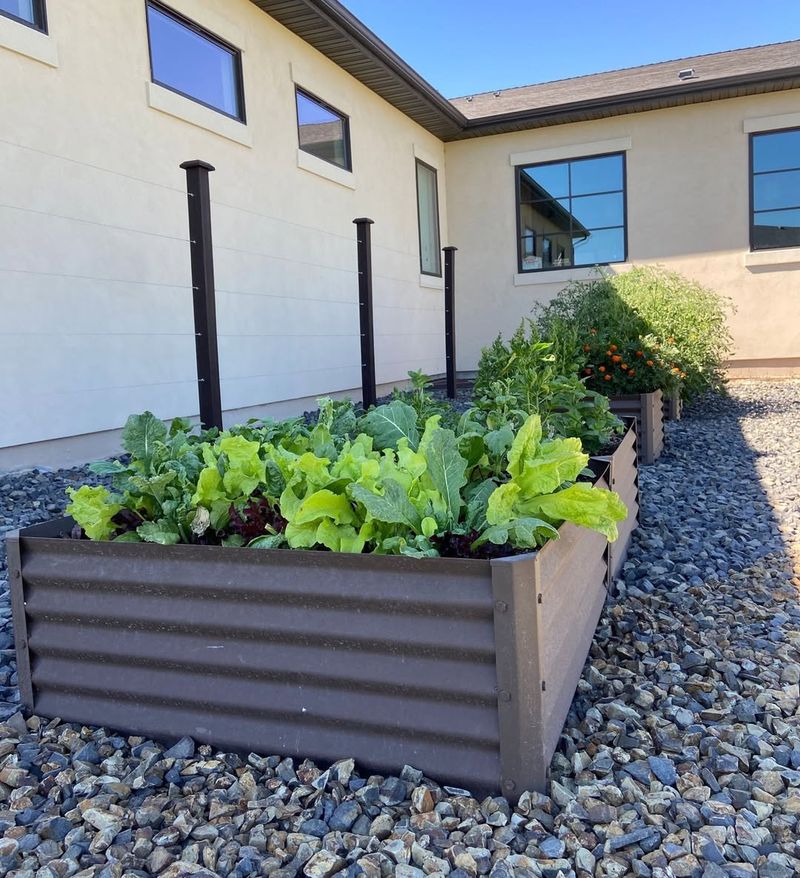
Touch a metal garden bed at noon in Phoenix and you’ll pull your hand back fast. Steel and aluminum absorb solar radiation quickly, turning the outer walls into surfaces that can reach temperatures well above 150 degrees Fahrenheit during summer months.
Direct sunlight heats the material within minutes, creating a hot barrier between your soil and the outside air.
Roots growing near the edges face the biggest challenge. While plants in the center of your bed stay relatively protected, anything within two inches of the metal wall experiences higher temperatures that can stress shallow root systems.
Your Arizona Garden Changes Every Week. Your Plan Should Too.
Gardening in Arizona changes quickly throughout the season. Every Friday you’ll receive a simple weekly plan showing exactly what to plant, prune, fertilize, harvest, and protect so you never miss the right timing.
Lettuce, herbs, and young seedlings planted too close to the sides often wilt faster than those positioned toward the middle.
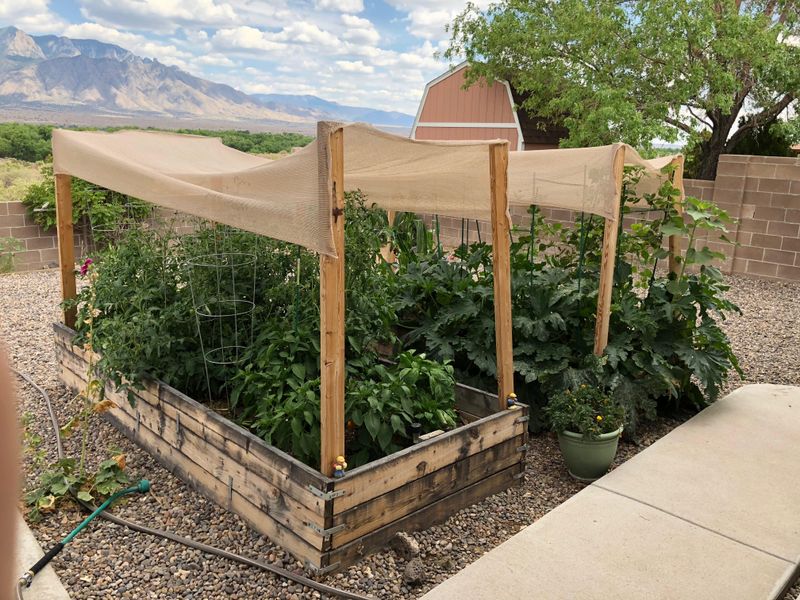
Painting your metal beds white or light colors reduces heat absorption by reflecting more sunlight. Some Arizona gardeners wrap the exterior with shade cloth during peak summer or position beds where afternoon shade falls across the sides.
Evening temperatures bring relief as metal cools down rapidly once the sun sets, releasing stored heat back into the air.
Watering schedules need adjustment with metal beds. Soil near the walls dries out faster, sometimes requiring extra irrigation along the perimeter.
Mulching heavily around the inside edges creates an insulating layer that buffers temperature swings.
Despite the heat challenges, many desert gardeners prefer metal for its durability and modern appearance.
They work around temperature issues through smart planting strategies and careful moisture management throughout Arizona’s long growing season.
3. Soil Temperature Stabilizes With Depth In Both Materials
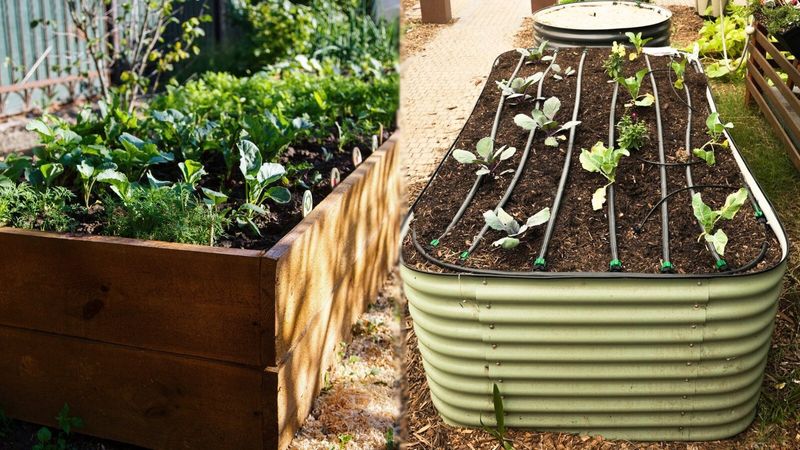
Dig six inches down into any garden bed and temperatures become surprisingly similar regardless of whether the walls are metal or wood. Soil acts as a natural insulator, buffering against surface temperature extremes.
While the outer inch or two near hot metal might stay warmer, the bulk of your root zone maintains relatively stable conditions throughout the day.
Research shows that soil temperature at root depth depends more on factors like mulch coverage, moisture content, and bed orientation than on wall material.
A well-watered bed with three inches of mulch stays cooler in the center than a dry, unmulched bed with wooden sides.
The thermal mass of moist soil absorbs and releases heat slowly, creating consistency that plant roots prefer.
Deeper beds provide better temperature stability. Beds that are twelve inches deep or more protect roots better than shallow six-inch constructions, regardless of material choice.
The extra soil volume resists temperature changes, keeping conditions more constant during Arizona’s dramatic day-to-night temperature swings that can vary by 30 degrees or more.
Smart gardeners focus less on bed material and more on soil management. Adding compost improves soil structure and water retention, which directly impacts temperature regulation.
Drip irrigation keeps moisture levels consistent, preventing the hot, dry conditions that stress plants.
Mulching with straw, wood chips, or shredded leaves creates a protective blanket that moderates soil temperature far more effectively than choosing one bed material over another.
In Scottsdale or Flagstaff gardens, proper soil care matters more than whether you build with metal or wood when it comes to creating ideal root zone conditions.
4. Termites And Rot Are Bigger Risks For Wood In Arizona
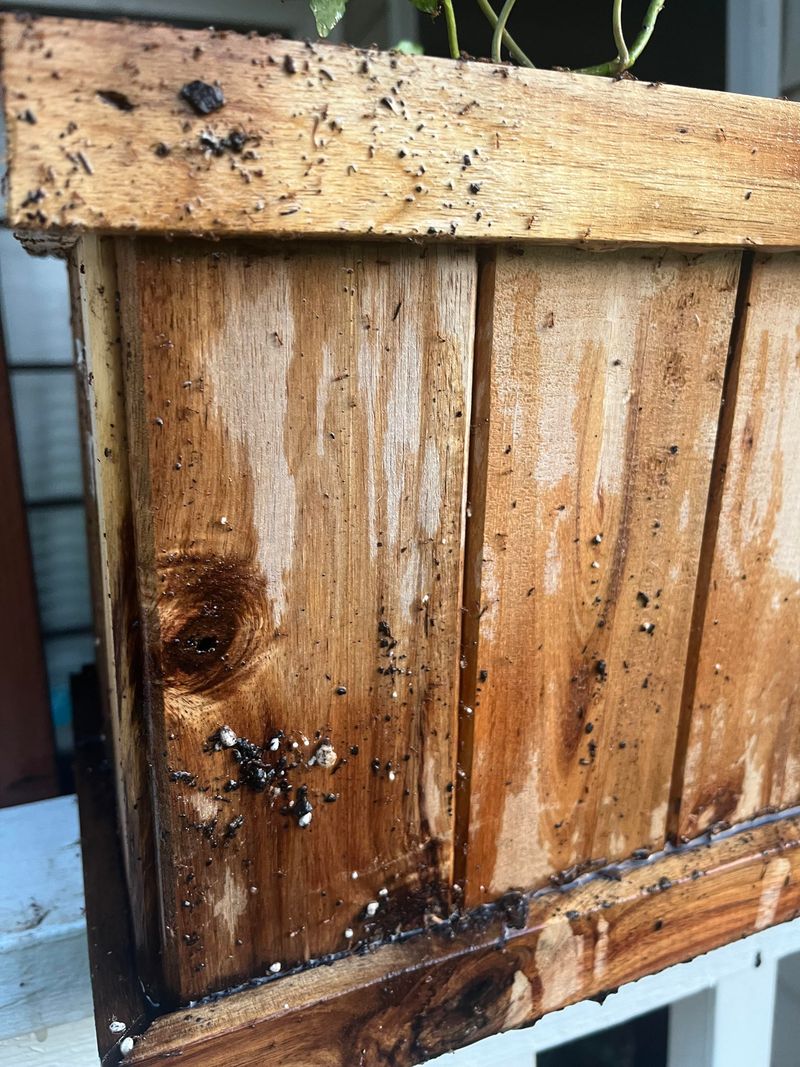
Arizona hosts several termite species that view untreated wood as an all-you-can-eat buffet. Subterranean termites, common throughout the state, build mud tubes from the ground up to wooden garden beds, silently consuming lumber from the inside out.
You might not notice the damage until boards start sagging or crumbling, sometimes after just a few years in termite-heavy neighborhoods.
Desert dampwood termites present another threat, especially in beds that stay moist from regular watering. These insects target wood with higher moisture content, making irrigated garden beds more vulnerable than other yard structures.
Checking for termite activity should be part of your regular garden maintenance if you choose wooden beds.
Rot becomes an issue wherever wood contacts damp soil continuously. Even rot-resistant cedar eventually breaks down when sitting against moist earth, particularly at the base where water pools after irrigation.
The bottom boards typically fail first, requiring replacement while the upper portions remain sound. Lining the inside with landscape fabric helps but doesn’t eliminate the problem entirely.
Pressure-treated lumber resists both termites and rot better than natural wood, but some gardeners worry about chemicals leaching into soil where vegetables grow.
Modern treatments are considered safer than older arsenic-based preservatives, yet concerns remain.
Metal beds eliminate these biological threats completely since insects can’t eat steel and rust progresses much slower than wood decay in Arizona’s dry climate.
Regular inspections catch problems early. Look for mud tubes, hollow-sounding wood, or soft spots that indicate internal damage.
Keeping beds off direct ground contact using gravel bases reduces moisture exposure and termite access throughout communities from Yuma to Prescott.
5. Galvanized Metal Typically Lasts Longer In Dry Climates
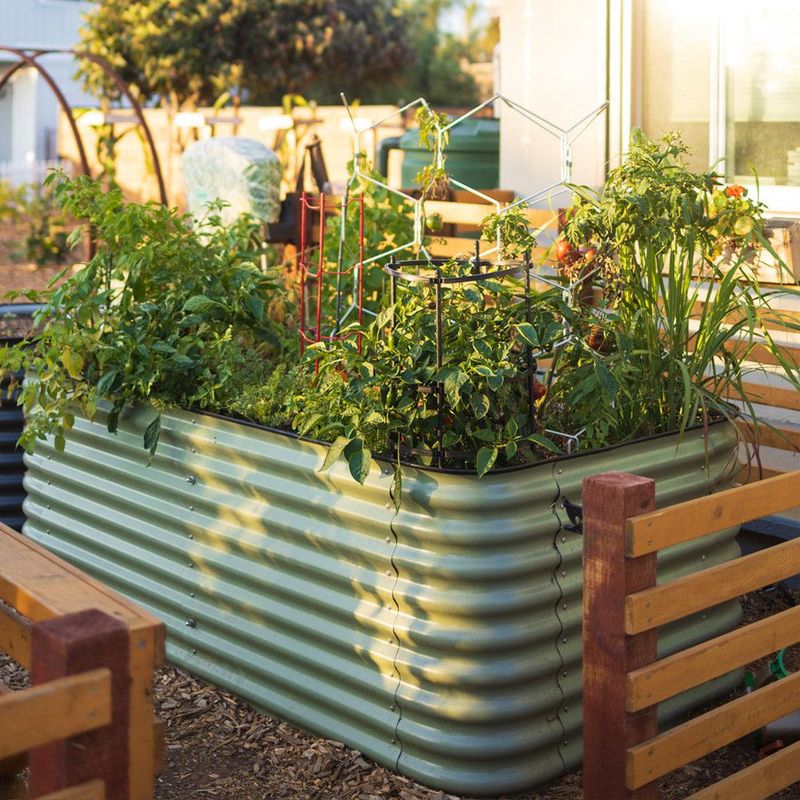
Galvanized steel garden beds can last decades in Arizona’s low-humidity environment. The zinc coating that gives galvanized metal its characteristic silvery appearance protects the underlying steel from oxidation.
Without frequent rain to accelerate corrosion, these beds maintain structural integrity far longer than in humid coastal or tropical regions where rust forms quickly.
Arizona’s dry air works in metal’s favor. Rust requires both oxygen and moisture, and while oxygen is always present, the desert’s low humidity means steel stays dry most of the time.
Garden beds in Tempe or Chandler might show some surface discoloration over years but rarely develop the deep rust-through failures common in wetter climates.
Quality matters significantly with metal beds. Thicker gauge steel and properly applied galvanization last longer than cheap, thin-walled options.
Some manufacturers use aluminum instead of steel, which never rusts but costs more and can dent more easily.
Powder-coated steel adds another protective layer beyond galvanization, extending lifespan even further with color options that complement your landscape design.
Compare this to wood’s typical lifespan. Even cedar or redwood beds usually need replacement or major repairs within ten to fifteen years in Arizona, while quality galvanized metal beds often function well beyond twenty years.
The initial cost difference narrows considerably when you calculate replacement expenses over time.
Scratches in the galvanized coating do expose bare steel to potential rust, especially near irrigation water. Touching up damaged areas with galvanizing repair paint prevents problems from spreading.
Overall, metal’s longevity in Arizona’s climate makes it the more permanent choice for gardeners planning to stay in their homes long-term and wanting beds that require minimal replacement attention.
6. Wood May Require Sealing Or Replacement Over Time
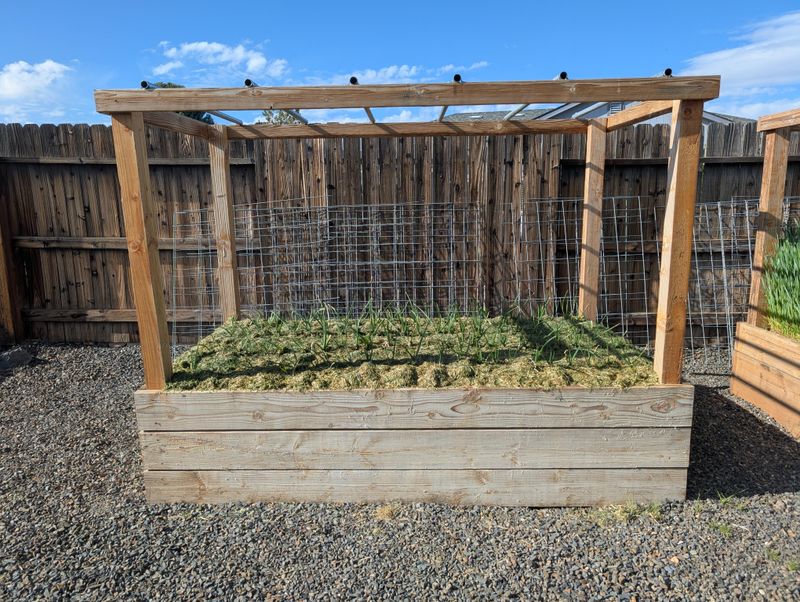
Wooden garden beds demand ongoing attention in Arizona’s punishing climate. Annual or biannual sealing protects against UV damage and moisture loss, but this maintenance adds time and expense to your gardening routine.
Skipping sealant applications accelerates deterioration, turning what could be a ten-year bed into a five-year project.
Choosing the right sealant matters for vegetable gardens. Food-safe, water-based products avoid introducing unwanted chemicals near edible plants.
Oil-based sealants penetrate deeper and last longer but require more careful product selection.
Application timing also matters since sealant works best on clean, dry wood, which means planning around Arizona’s cooler months when you’re not actively watering.
Replacement typically happens in stages rather than all at once. Bottom boards touching soil fail first, followed by corner joints where water collects.
You might replace individual planks rather than rebuilding entire beds, which saves money but creates a patchwork appearance. Finding matching wood that blends with weathered existing boards proves difficult since new lumber looks noticeably different.
Despite these challenges, some Arizona gardeners prefer wood’s natural aesthetic and are willing to accept the maintenance requirements. The material feels more traditional and blends better with certain landscape styles.
Weighing your willingness to perform regular upkeep against your desire for low-maintenance gardening helps determine whether wood makes sense for your Gilbert or Casa Grande garden beds.
7. Proper Irrigation Matters More Than Bed Material
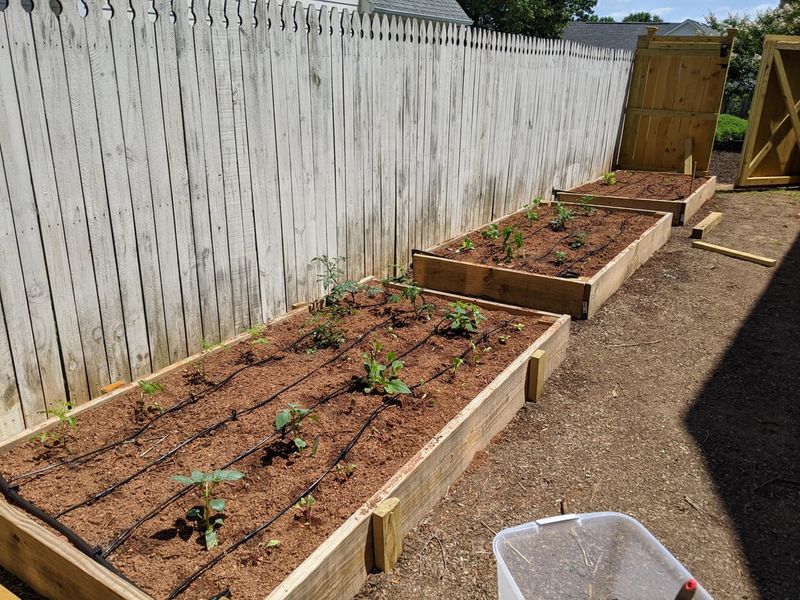
Your watering system influences plant success far more than whether you built with metal or wood. Inconsistent moisture stresses plants regardless of bed construction, while proper irrigation keeps roots healthy in either material.
Arizona’s extreme evaporation rates mean gardens can lose an inch or more of moisture per week during summer, demanding reliable water delivery.
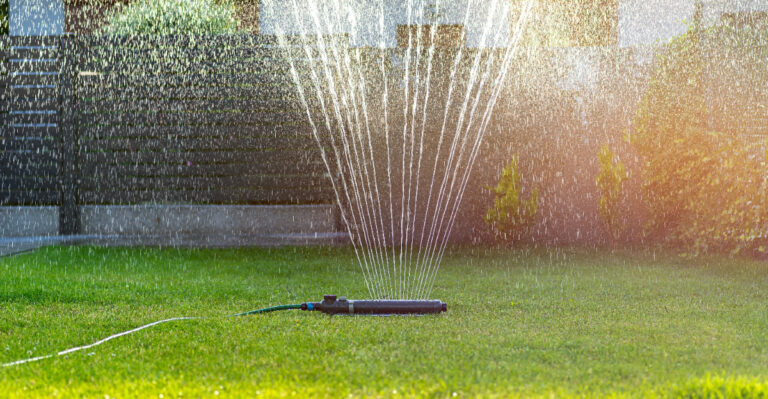
Drip irrigation outperforms overhead sprinklers in raised beds by delivering water directly to root zones. This targeted approach reduces evaporation loss and keeps foliage dry, preventing fungal issues in humid monsoon season.
Emitters spaced every twelve inches ensure even moisture distribution throughout the bed, eliminating dry spots that develop with hand watering.
Timing your irrigation makes a difference too. Early morning watering allows plants to hydrate before afternoon heat peaks, reducing stress.
Evening watering works but can promote fungal growth if foliage stays wet overnight. Automated timers remove the guesswork, running your system at optimal times even when you’re traveling or forget during busy weeks.
Moisture sensors take irrigation precision further by triggering watering only when soil actually needs it. These devices prevent overwatering during cooler periods or after unexpected rain, saving water while maintaining ideal soil conditions.
They’re especially valuable in Arizona where weather patterns vary significantly between seasons and years.
Mulching complements any irrigation system by slowing evaporation and keeping soil cooler. A three-inch mulch layer can reduce water needs by 30 percent or more, making your irrigation more efficient.
Whether you garden in Peoria or Sierra Vista, proper watering setup matters more than bed material choice since consistent moisture keeps plants thriving.