Why Your Azaleas Struggle In North Carolina And How To Fix Them
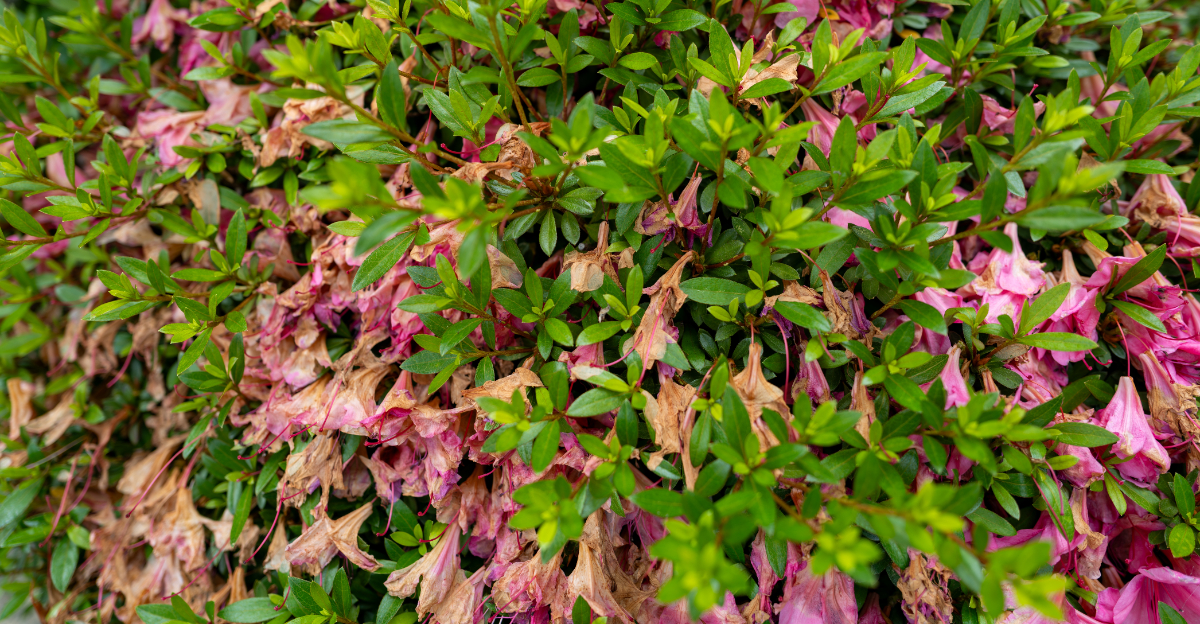
Brilliant bursts of pink, red, and white can transform an ordinary yard into a stunning spring display that captures attention instantly. Few plants create this effect quite like azaleas, treasured for the vibrant color they bring to landscapes across North Carolina.
Yet many gardeners feel frustrated when these shrubs struggle, grow poorly, or produce fewer blooms than expected.
Behind these challenges are a handful of common issues related to soil, light, moisture, and seasonal care that directly influence how well azaleas perform in North Carolina’s climate.
Learning to recognize and address these factors can make a dramatic difference in plant health and flowering success. With the right understanding, azaleas become far easier to grow and maintain, rewarding gardeners with fuller growth and richer blooms each year.
Discover how identifying key problems early can help your North Carolina azaleas flourish, bringing reliable beauty and vibrant seasonal color back to your garden.
1. Too Much Direct Sun Can Stress Azaleas
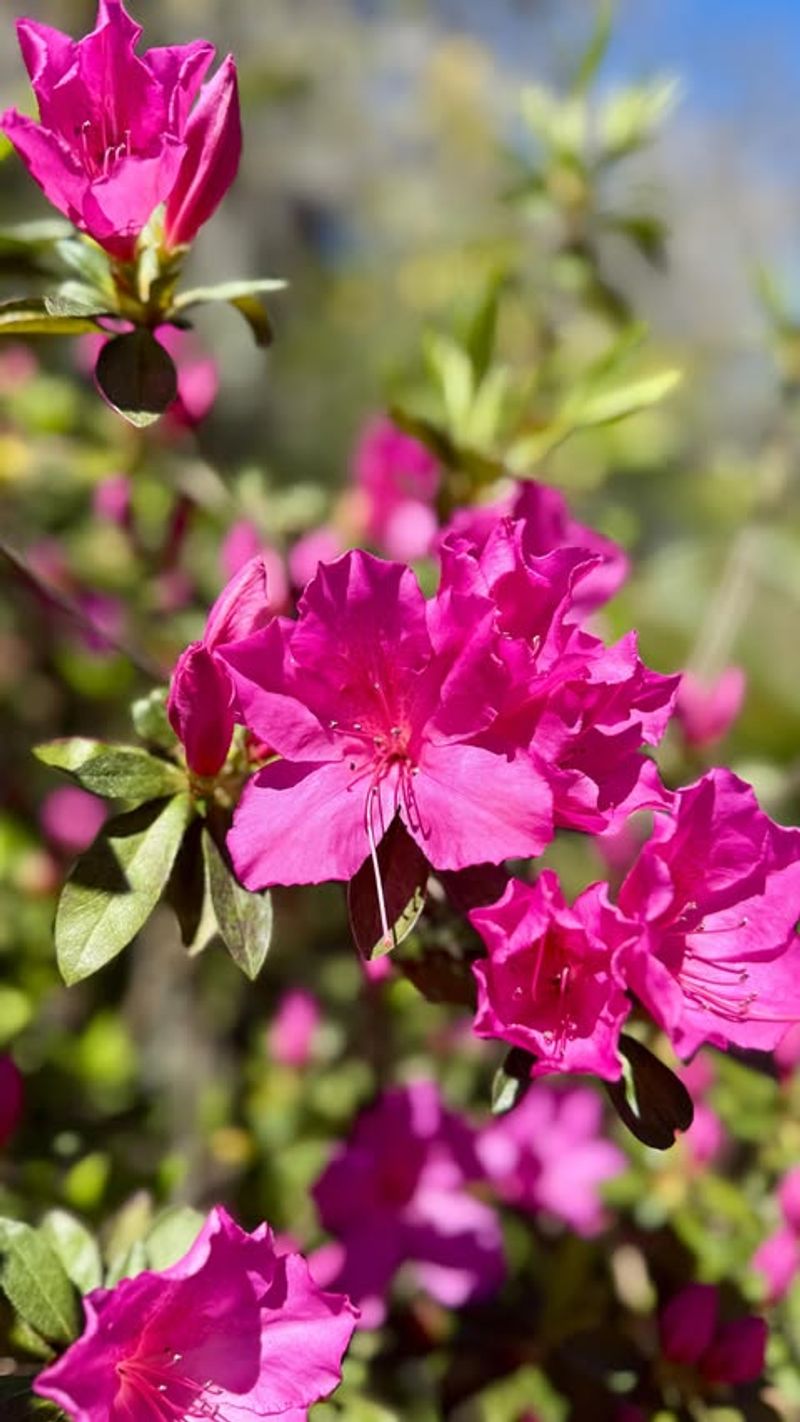
Azaleas naturally grow beneath tall trees in woodland settings where filtered light creates perfect growing conditions. North Carolina summers bring intense heat and bright sunshine that can overwhelm these shade-loving shrubs.
When azaleas receive too much direct sun, their leaves often develop brown edges and bleached spots that signal distress.
The afternoon sun proves especially harsh during our hot summer months. Leaves may curl inward to protect themselves from excessive light exposure.
Flowering can diminish significantly when plants redirect energy toward survival rather than bloom production.
Moving established azaleas can stress them further, so creating shade works better than transplanting. Plant tall perennials or install shade cloth on the south and west sides of struggling plants.
Deciduous trees make excellent companions because they provide summer shade while allowing winter sunlight through bare branches.
Morning sun with afternoon shade creates ideal conditions for most azalea varieties. This pattern gives plants the light they need for photosynthesis without the scorching intensity of midday heat.
Container-grown azaleas offer flexibility because you can relocate them to shadier spots as seasons change.
Watch your garden throughout the day to identify the sunniest areas. Observing light patterns helps you choose better planting locations for future azaleas.
Strategic placement prevents sun stress before it starts and supports long-term plant health.
2. Poor Soil Drainage Can Damage Roots
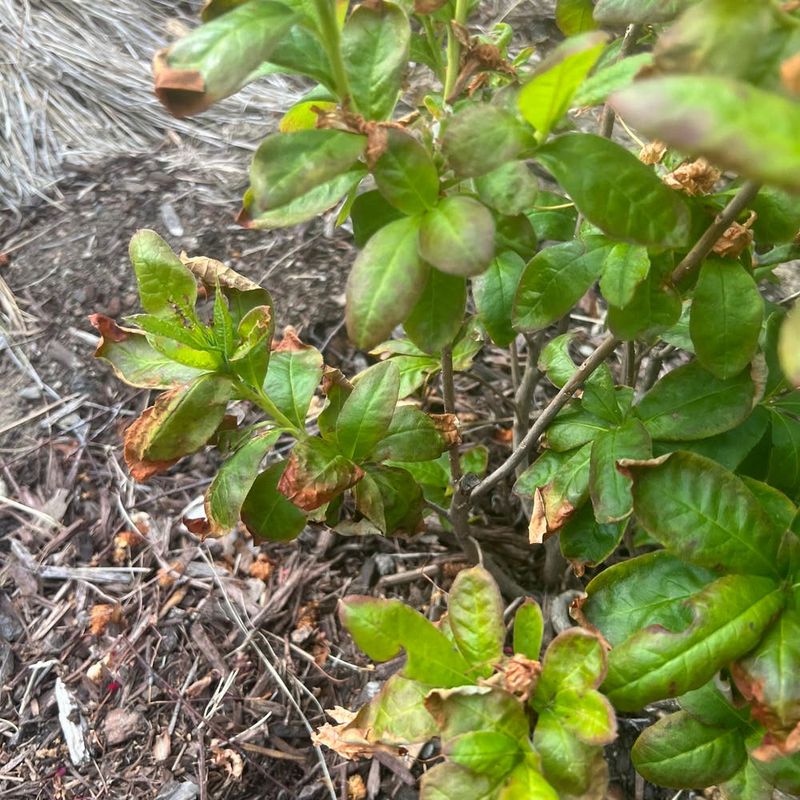
Azalea roots need oxygen just as much as they need water to function properly. Clay-heavy soils common throughout North Carolina hold moisture for extended periods, creating soggy conditions that suffocate roots.
Without adequate oxygen, roots struggle to absorb nutrients and water efficiently despite being surrounded by moisture.
Standing water after rainfall signals drainage problems that require immediate attention. Roots sitting in waterlogged soil become vulnerable to rot and fungal infections.
Plants may show yellowing leaves and wilting even when soil feels wet to the touch.
Amending existing soil with organic matter improves drainage naturally over time. Mix aged compost, pine bark fines, or leaf mold into the planting area to create air pockets.
These materials break up heavy clay while adding beneficial nutrients that support healthy root development.
Your North Carolina Garden Changes Every Week. Your Plan Should Too.
Gardening in North Carolina changes quickly throughout the season. Every Friday you’ll receive a simple weekly plan showing exactly what to plant, prune, fertilize, harvest, and protect so you never miss the right timing.
Raised beds offer an excellent solution for areas with persistent drainage issues. Building beds twelve to eighteen inches high ensures roots stay above problematic wet zones.
Fill raised beds with a custom blend of topsoil, compost, and pine bark for optimal drainage and nutrition.
Installing French drains or creating berms redirects excess water away from planting areas. Simple grading changes can prevent water from pooling around azalea roots.
Testing drainage before planting saves frustration and helps azaleas establish strong root systems from the start.
3. Soil pH May Be Too High For Healthy Growth
Azaleas belong to a plant family that thrives in acidic conditions similar to their native forest habitats. North Carolina soils vary widely in pH, and some areas naturally lean toward neutral or alkaline levels.
When pH climbs above 6.5, azaleas cannot access iron and other essential nutrients even when these elements exist in the soil.
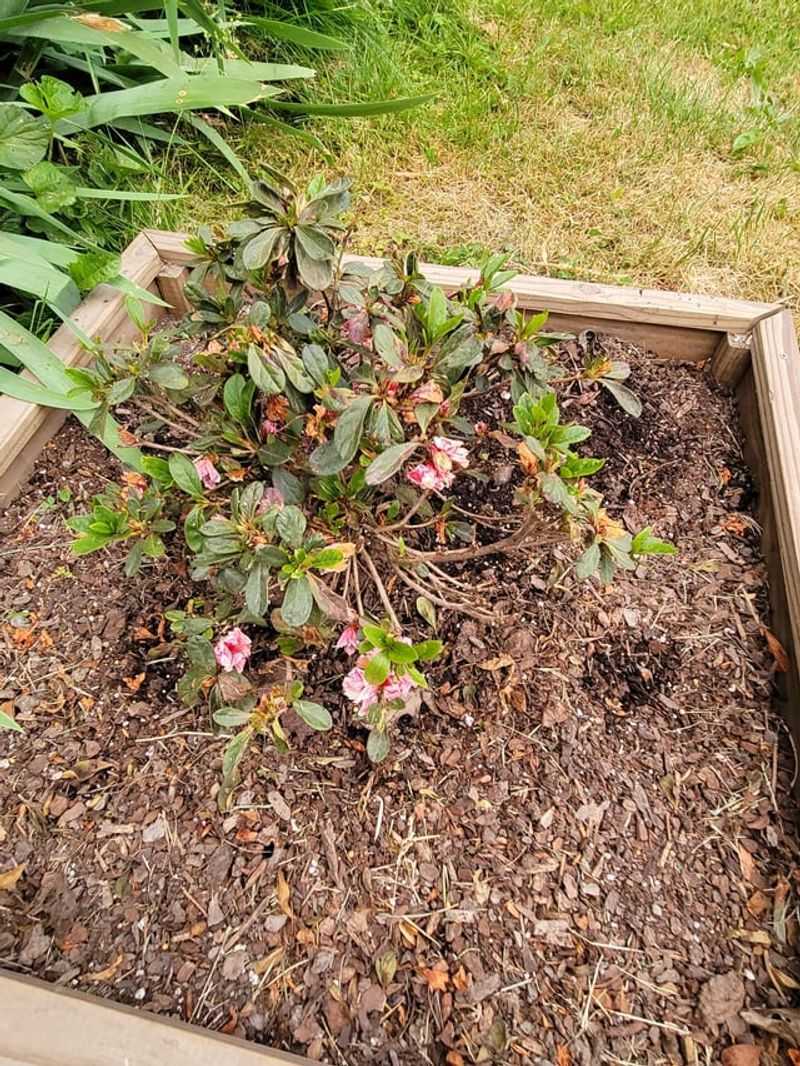
Yellowing leaves with green veins create a distinctive pattern called chlorosis that signals pH problems. New growth often shows symptoms first because young leaves have higher nutrient demands.
Without correction, plants gradually weaken and produce fewer blooms each season.
Testing soil pH takes the guesswork out of garden care and costs very little. Home test kits provide quick results, or you can send samples to your local extension office for detailed analysis.
Testing every two to three years helps you track changes and adjust amendments accordingly.
Sulfur products lower pH gradually and safely when applied according to package directions. Elemental sulfur works slowly but provides long-lasting results that benefit plants for months.
Organic options like coffee grounds and pine needles also contribute acidity as they decompose naturally in garden beds.
Specialty azalea fertilizers often include sulfur to maintain proper pH levels throughout the growing season. These formulations address both nutrition and acidity in one application.
Regular monitoring and gentle adjustments keep soil conditions within the ideal range of 4.5 to 6.0 for optimal azalea health.
4. Improper Watering Can Stress The Plant
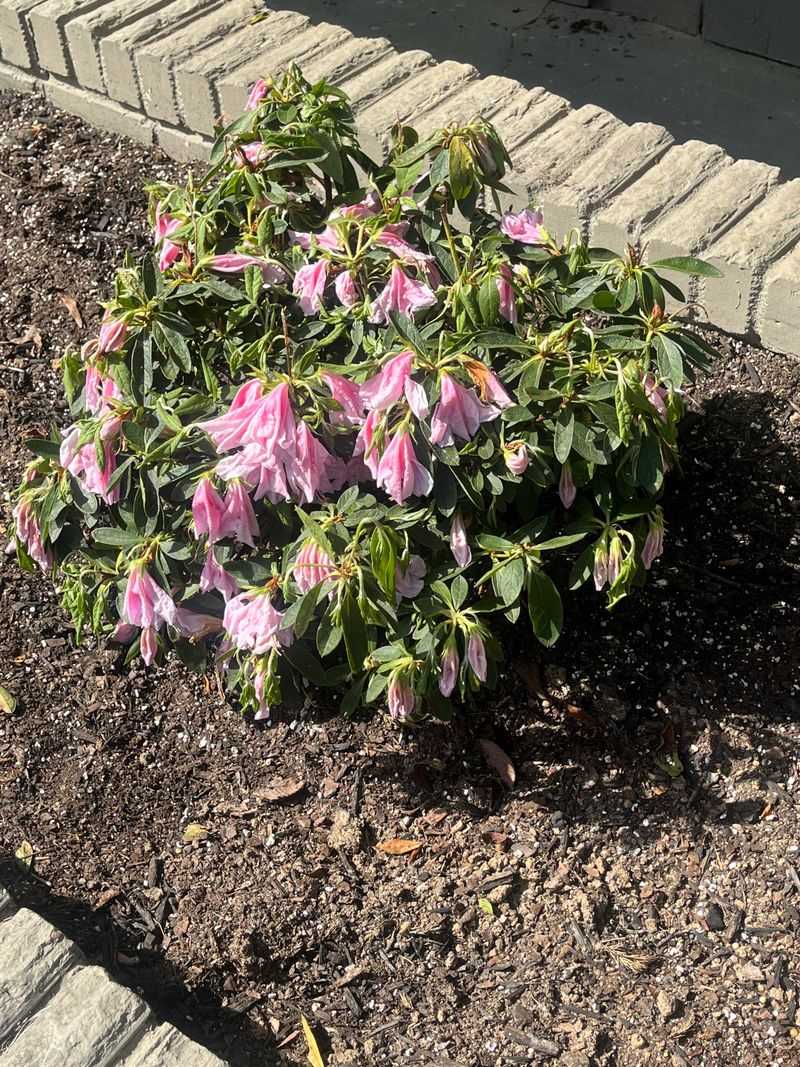
Finding the right watering balance challenges many gardeners because azaleas need consistent moisture without waterlogged conditions. North Carolina weather swings between rainy springs and dry summer stretches that complicate watering schedules.
Azaleas suffer when soil alternates between bone-dry and soaking wet rather than maintaining steady moderate moisture.
Shallow roots dry out quickly during hot weather, especially for newly planted shrubs. Wilting leaves and drooping stems indicate water stress that can weaken plants permanently if ignored.
However, overwatering causes just as many problems by promoting root rot and fungal diseases.
Checking soil moisture before watering prevents both extremes and supports healthy root growth. Push your finger two inches into the soil near the plant base.
If soil feels dry at that depth, water thoroughly until moisture reaches the entire root zone.
Drip irrigation or soaker hoses deliver water directly to roots without wetting foliage unnecessarily. These systems reduce disease risk while conserving water through efficient delivery.
Running irrigation early in the morning allows any splashed foliage to dry quickly during the day.
Mulch helps regulate soil moisture by slowing evaporation during hot weather. A two to three inch layer of pine bark or shredded leaves keeps roots cool and moist.
Adjust watering frequency based on rainfall, temperature, and plant size rather than following a rigid schedule that ignores changing conditions.
5. Planting Too Deep Can Harm The Root System
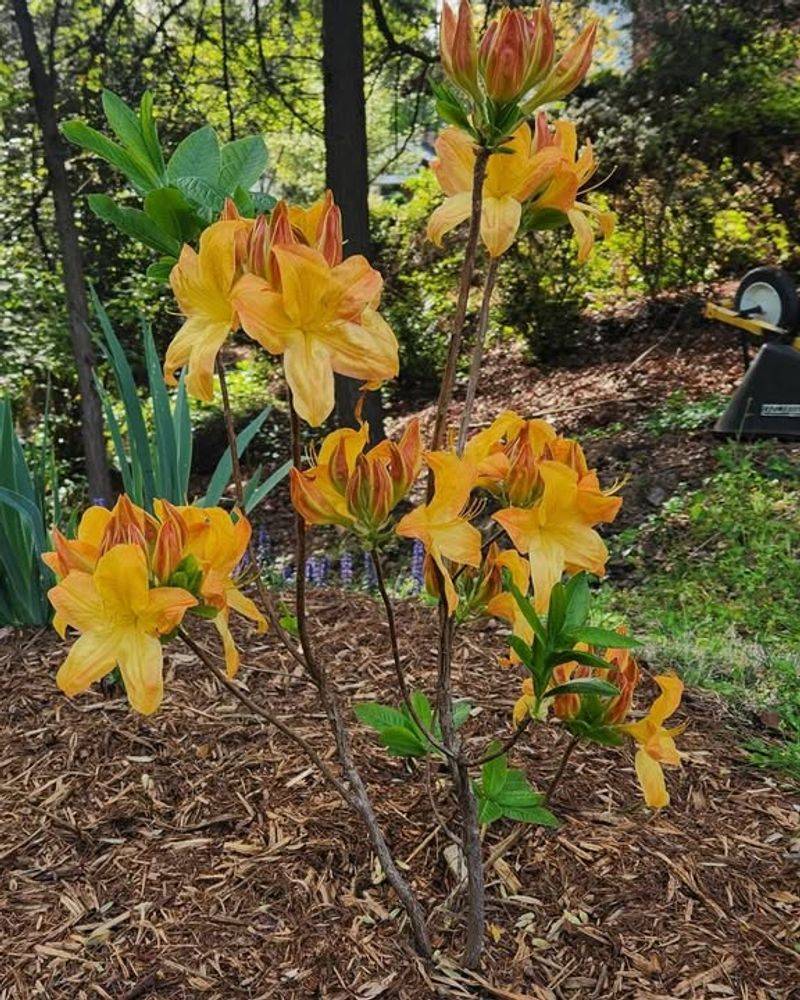
Azaleas develop fibrous root systems that spread horizontally near the soil surface rather than growing deep like tap-rooted plants. These shallow roots need access to oxygen and moisture in the upper soil layers.
Burying the root crown too deep cuts off oxygen supply and can slowly suffocate the entire plant over months or years.
Many gardeners instinctively dig deep holes and plant shrubs at the same depth as their containers. However, container soil often settles below the true root crown, making it easy to plant too deep accidentally.
The root flare where roots meet the trunk should always remain visible above the soil line.
Examining your azalea carefully before planting reveals the proper depth for placement. Brush away potting mix to locate where roots begin spreading from the main stem.
This transition point belongs at or slightly above ground level to ensure adequate oxygen reaches the root system.
Digging wide shallow holes works better than deep narrow ones for azalea planting. A hole twice as wide as the root ball but no deeper than the container allows roots to spread easily.
Loosening soil on the sides encourages roots to grow outward into surrounding garden soil.
Correcting planting depth on established azaleas requires careful excavation around the base. Remove excess soil gently until the root flare becomes visible again.
Adding fresh mulch maintains the proper level while protecting exposed roots from temperature extremes and moisture loss.
6. Lack Of Mulch Can Lead To Root Stress
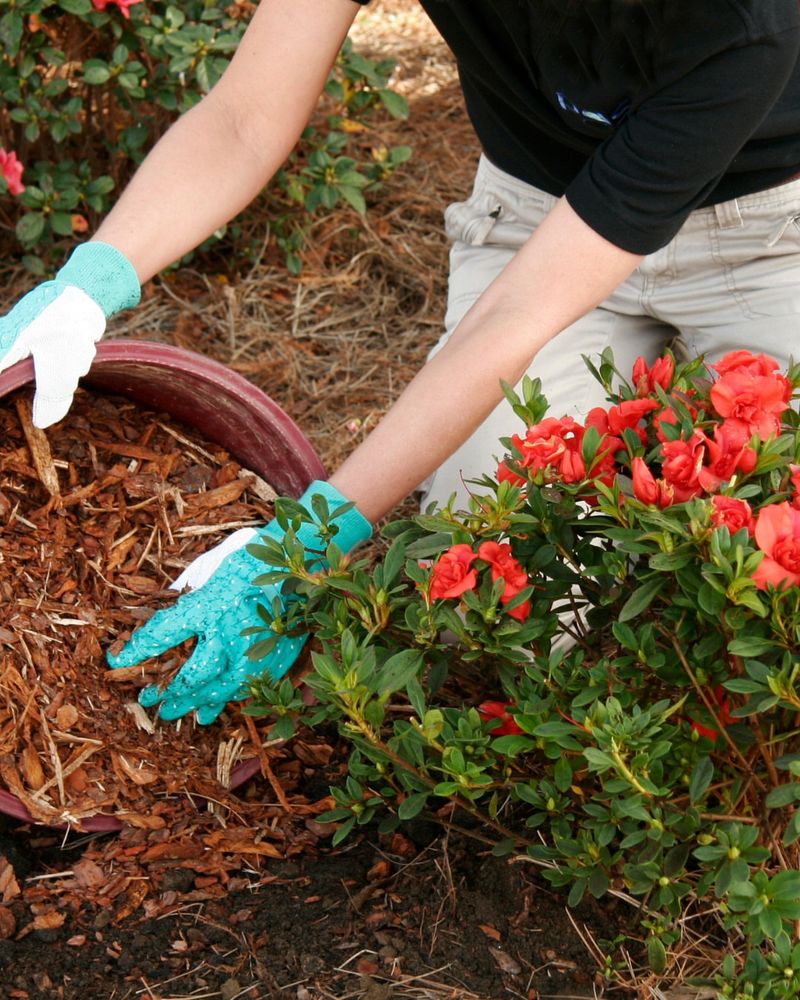
Mulch acts like a protective blanket that shields shallow azalea roots from temperature swings and moisture loss. North Carolina experiences significant temperature fluctuations between seasons and even within single days.
Bare soil heats up quickly under summer sun and freezes harder during winter cold snaps, stressing roots that prefer stable conditions.
Unmulched soil loses moisture rapidly through evaporation, forcing you to water more frequently. Exposed roots also face competition from weeds that steal nutrients and water.
These combined stresses weaken azaleas gradually and reduce their ability to produce abundant blooms.
Organic mulches like pine bark, wood chips, or shredded leaves provide multiple benefits beyond temperature regulation. As mulch decomposes, it adds organic matter to soil and slowly releases nutrients.
This natural fertilization process supports beneficial microorganisms that improve soil health over time.
Applying a two to three inch layer of mulch creates optimal conditions without smothering roots. Spread mulch in a wide circle extending beyond the branch tips but keep it pulled back several inches from the trunk.
This doughnut pattern prevents moisture from sitting against bark where it can encourage rot.
Refreshing mulch annually maintains proper depth as older material breaks down and incorporates into soil. Spring application works well because it prepares plants for summer heat stress.
Pine products work particularly well for azaleas because they contribute slight acidity as they decompose naturally.
7. Nutrient Imbalance Can Reduce Flowering
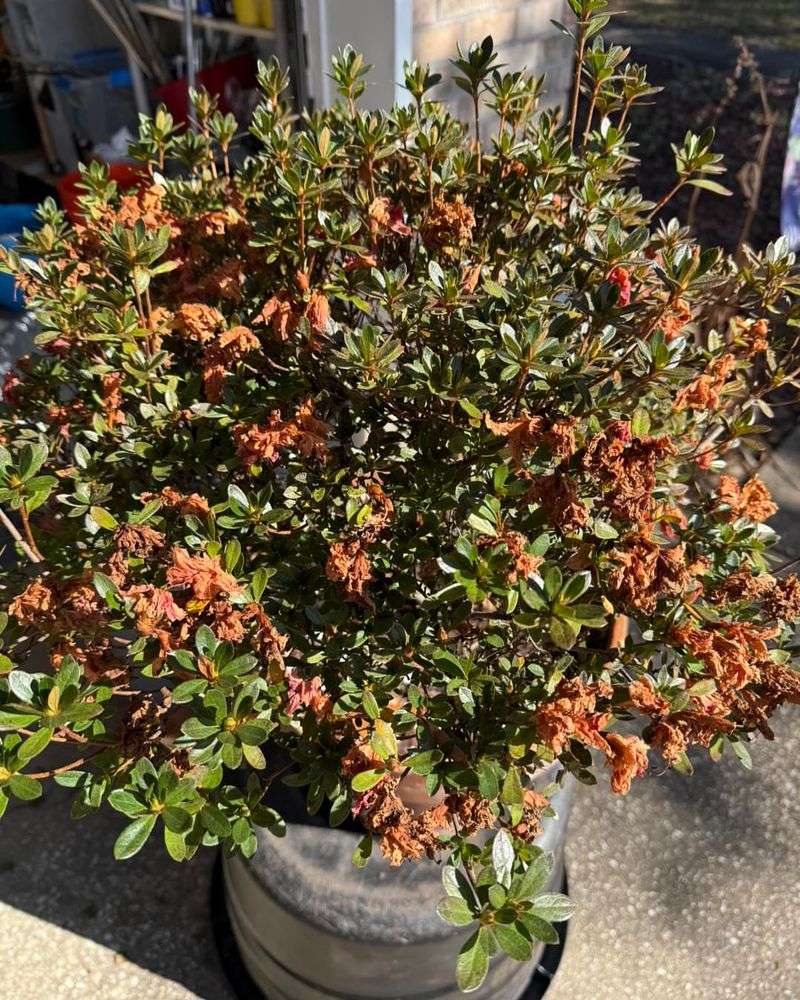
Azaleas require specific nutrients in balanced proportions to support healthy foliage and abundant flowering. Nitrogen promotes lush green growth, phosphorus supports root development and blooming, while potassium strengthens overall plant health.
Too much nitrogen creates leafy plants with disappointing flower production, while deficiencies cause pale foliage and weak growth.
North Carolina soils often lack sufficient nutrients for optimal azalea performance without supplemental feeding. Heavy spring rains leach nutrients from soil, leaving plants hungry during their active growing season.
Observing foliage color and flowering patterns helps identify nutritional problems before they become severe.
Specialty fertilizers formulated for acid-loving plants provide nutrients in ratios that suit azalea needs. These products typically include sulfur to maintain proper soil pH while delivering balanced nutrition.
Reading labels carefully ensures you choose appropriate formulations rather than general-purpose products that may contain unsuitable nutrient ratios.
Timing fertilizer applications correctly maximizes benefits and minimizes waste or plant damage. Feed azaleas in early spring as new growth emerges and again after flowering finishes.
Avoid fertilizing late in summer because tender new growth may not harden off before winter, leaving plants vulnerable to cold damage.
Organic options like composted manure or fish emulsion release nutrients slowly and improve soil structure simultaneously. These gentle fertilizers reduce the risk of burning roots with excessive chemical salts.
Combining organic and synthetic fertilizers often provides the best results by addressing both immediate and long-term nutritional needs effectively.
8. Pruning At The Wrong Time Can Remove Flower Buds
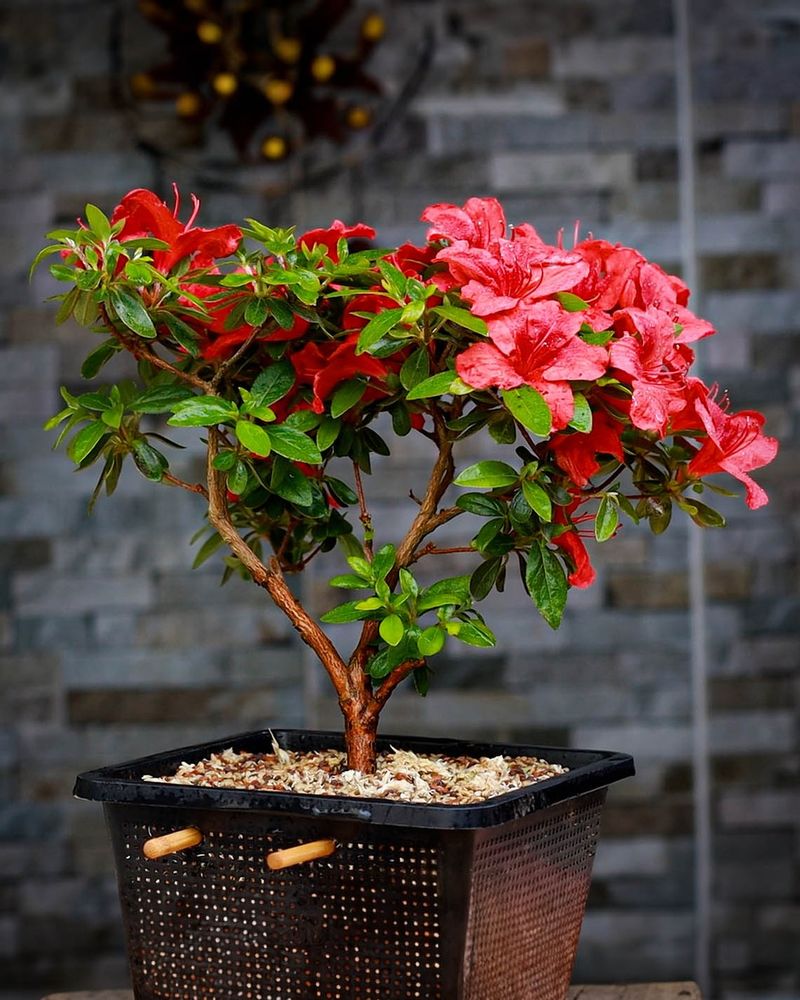
Azaleas set flower buds for next spring soon after current blooms fade in late spring or early summer. These tiny buds develop slowly throughout summer and fall, remaining dormant until warm spring weather triggers flowering.
Pruning after mid-summer removes these developing buds along with branches, resulting in disappointing bloom displays the following year.
Many gardeners prune shrubs in fall as part of garden cleanup or in early spring before growth begins. While this timing works for many plants, it spells disaster for azaleas that have already formed next season’s flowers.
Understanding bloom cycle timing prevents accidental bud removal and ensures spectacular spring displays.
The ideal pruning window opens immediately after flowers fade and closes by early July in most North Carolina locations. This narrow timeframe allows you to shape plants while giving them adequate time to set new buds.
Light pruning during this period removes spent blooms and controls size without sacrificing future flowering.
Azaleas rarely need heavy pruning if planted in appropriately sized locations with adequate space to reach mature dimensions. Selective branch removal maintains natural shape better than shearing, which creates unnatural forms and dense outer growth.
Step back frequently while pruning to evaluate overall shape and avoid removing too much material.
Rejuvenating overgrown or neglected azaleas requires patience and strategic timing over multiple years. Remove one-third of the oldest stems each year right after flowering to gradually renew plants.
This approach maintains some flowering while encouraging fresh growth that will bloom abundantly once established.
9. Heat And Drought Stress Can Weaken Plants
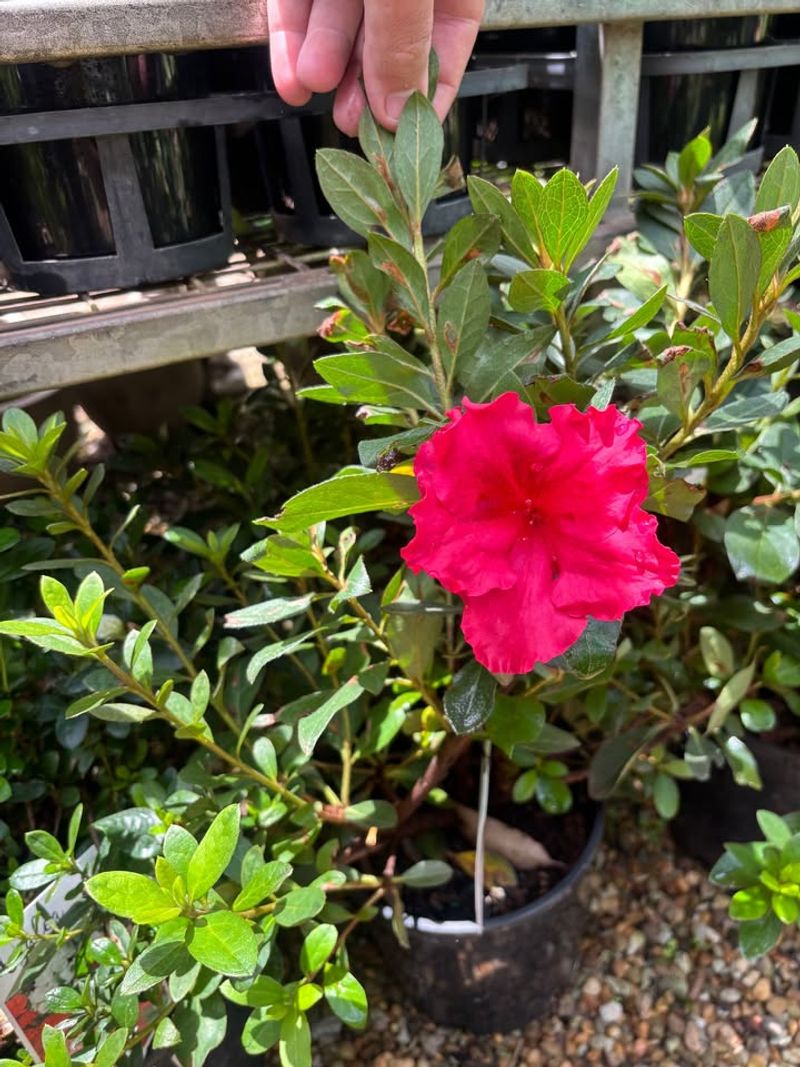
North Carolina summers bring extended periods of high temperatures and limited rainfall that challenge even well-established azaleas. Heat stress compounds drought stress when plants lose moisture through leaves faster than roots can absorb replacement water.
Azaleas respond by wilting, dropping leaves, and diverting energy away from growth and bud formation.
Plants growing in full sun or reflected heat from buildings and pavement suffer most during hot dry spells. Shallow roots cannot access deeper soil moisture that sustains tap-rooted plants during drought.
Without intervention, repeated stress cycles weaken azaleas progressively and make them vulnerable to pests and diseases.
Providing supplemental water during dry periods keeps plants healthy and supports continued growth. Deep watering once or twice weekly works better than frequent shallow watering that encourages roots to stay near the surface.
Applying water slowly allows it to penetrate deeply rather than running off hard dry soil.
Temporary shade cloth installed during the hottest months reduces heat stress significantly. Draping lightweight fabric over struggling plants or constructing simple frames creates relief during afternoon heat.
This protection proves especially valuable for azaleas planted before you recognized their shade requirements.
Mulch becomes even more critical during hot weather because it insulates roots and conserves precious soil moisture. Refreshing mulch layers before summer heat arrives prepares plants for challenging conditions.
Combining proper watering, shade, and mulch creates a comprehensive strategy that helps azaleas survive and thrive through difficult weather patterns.
10. Pests And Diseases Can Affect Plant Health
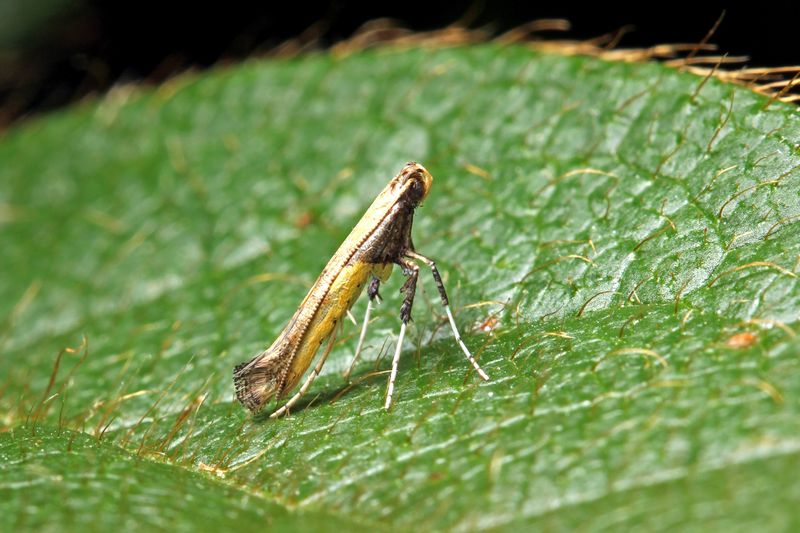
Healthy azaleas resist pests and diseases more effectively than stressed plants, making proper cultural care your first line of defense. However, even well-maintained shrubs occasionally face challenges from insects or fungal problems common in North Carolina gardens.
Lace bugs, spider mites, and azalea caterpillars rank among the most frequent pest problems gardeners encounter.
Lace bugs create stippled yellow or white spots on leaf surfaces as they feed on plant sap from below. Heavy infestations cause leaves to appear bleached and can weaken plants over time.
Checking leaf undersides regularly helps catch problems early when control measures work most effectively.
Fungal diseases like petal blight and leaf spot thrive in humid conditions that characterize North Carolina springs and summers. Good air circulation around plants reduces disease pressure by allowing foliage to dry quickly after rain or irrigation.
Spacing plants appropriately at planting time prevents crowding that traps moisture and promotes fungal growth.
Removing affected leaves promptly stops disease spread to healthy plant parts. Dispose of diseased material in trash rather than compost to prevent reinfection.
Cleaning up fallen leaves and debris eliminates hiding places where pests and disease organisms overwinter.
Encouraging beneficial insects creates natural pest control without chemical interventions. Ladybugs, lacewings, and predatory wasps feed on common azalea pests and help maintain balanced garden ecosystems.
Avoiding broad-spectrum pesticides protects these helpful insects while targeting specific problems with less disruptive treatments when necessary for severe infestations.