Host Plants That Attract Different Butterfly Species In North Carolina Gardens
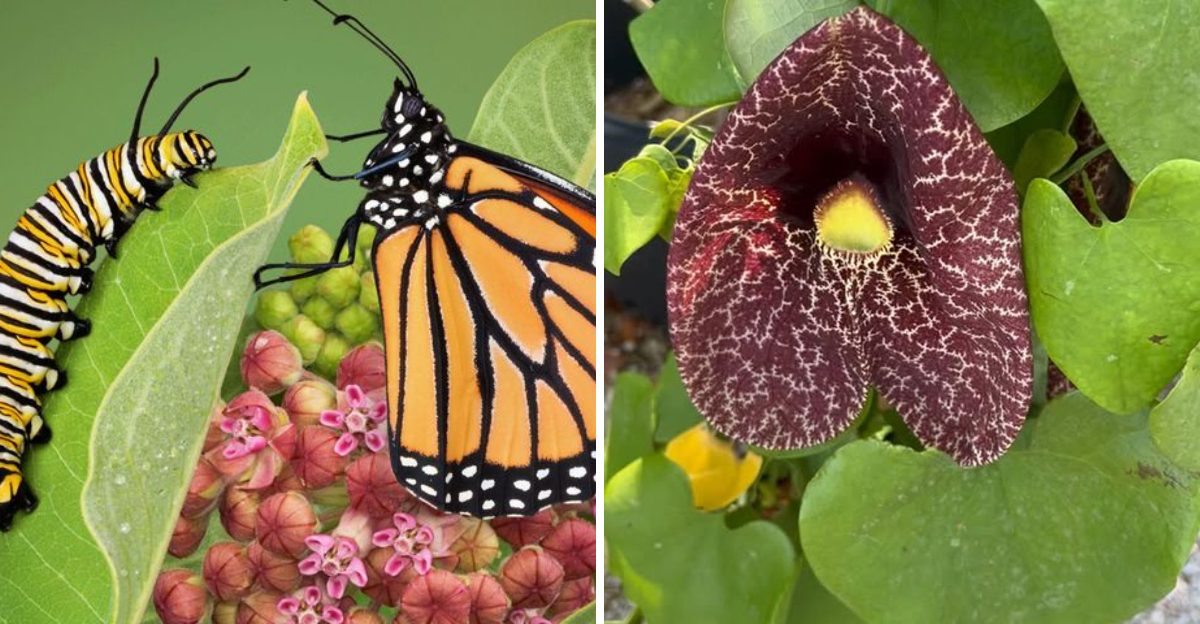
Imagine stepping into your yard and watching bright wings flutter from bloom to bloom, turning your outdoor space into a living tapestry of motion and color.
North Carolina gardens provide ideal conditions for creating these vibrant butterfly habitats, especially when you include the right host plants.
While nectar rich flowers draw adult butterflies, host plants are what truly sustain them, offering essential nourishment for caterpillars to grow and develop. Without these foundational plants, a butterfly garden cannot reach its full potential.
Choosing species that naturally thrive in North Carolina ensures stronger growth and a steady presence of diverse butterflies throughout the season. When you understand which plants support specific butterflies, your garden becomes more than decorative.
It transforms into a purposeful sanctuary that encourages each stage of the butterfly life cycle. With thoughtful planning, your North Carolina landscape can fill with colorful wings, gentle movement, and the quiet beauty of nature unfolding right outside your door.
1. Milkweed Supports Monarch Butterfly Caterpillars
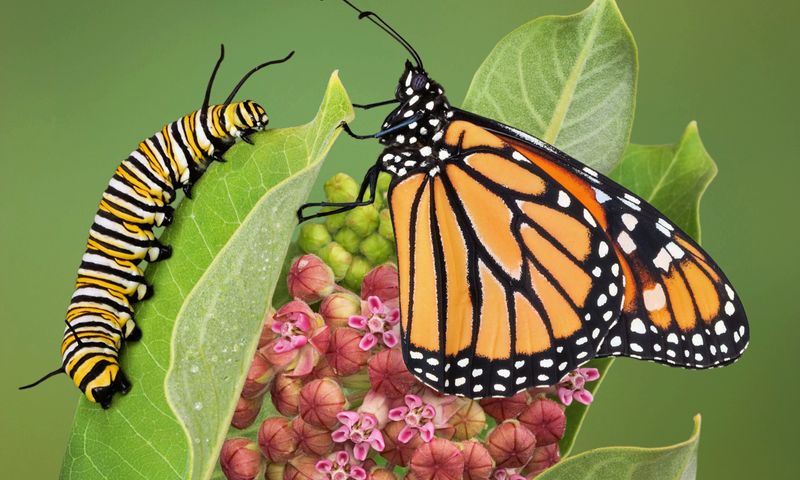
Monarch butterflies depend entirely on milkweed plants for their survival. Female monarchs search specifically for milkweed to lay their eggs because their caterpillars can only eat this plant.
Without milkweed in your garden, you simply cannot support monarch populations in North Carolina.
Native species like butterfly weed (Asclepias tuberosa) display brilliant orange blooms that catch every gardener’s eye. Swamp milkweed (Asclepias incarnata) produces clusters of pink flowers and thrives in moist soil conditions.
Both species grow well throughout North Carolina and provide excellent habitat for monarch caterpillars from spring through fall.
The relationship between monarchs and milkweed goes beyond simple food preference. Milkweed contains compounds called cardenolides that make monarch caterpillars taste unpleasant to predators.
This chemical defense protects the caterpillars and continues protecting them even after they transform into butterflies.
Growing milkweed requires minimal effort once established in your garden beds. These perennials return year after year, spreading gradually to create larger patches.
Plant them in full sun with well-drained soil for best results. You’ll notice monarch caterpillars appearing within weeks of the first butterflies arriving in spring.
Adding multiple milkweed species extends the blooming season and provides continuous resources. Your garden becomes a vital stopover for migrating monarchs traveling thousands of miles.
Watching striped caterpillars munch through milkweed leaves brings incredible satisfaction to any butterfly gardener.
2. Parsley Dill And Fennel Support Black Swallowtail Butterflies
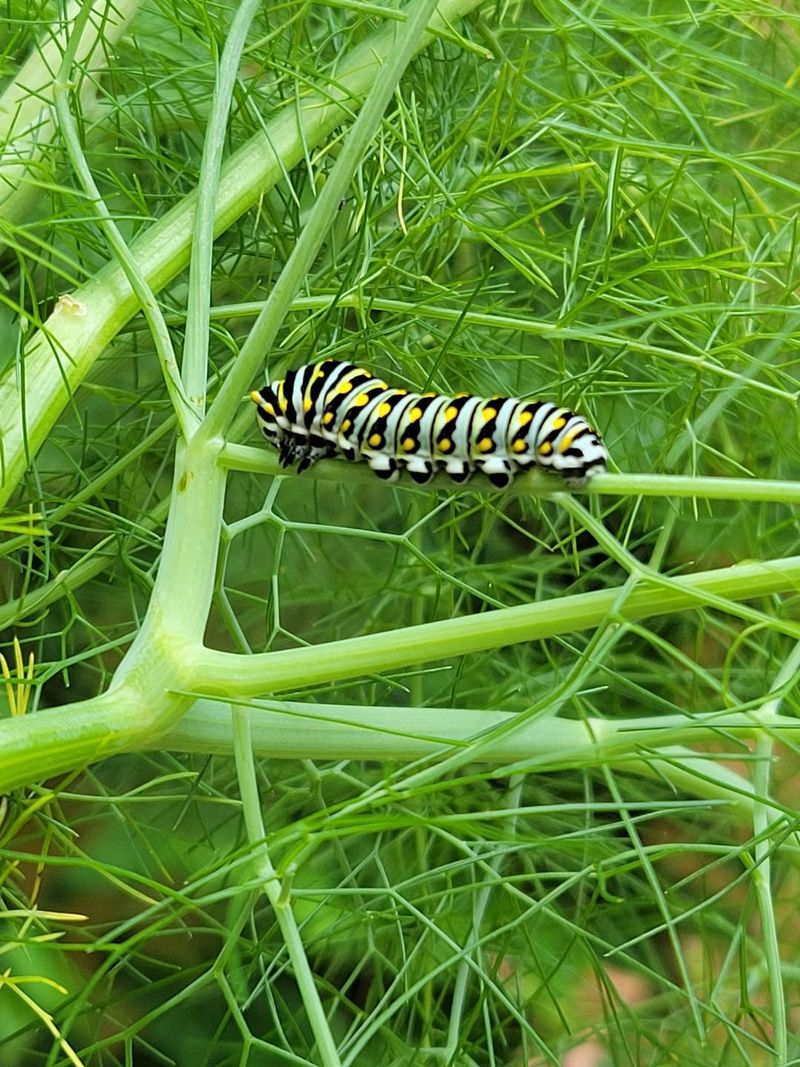
Black Swallowtail butterflies lay their eggs exclusively on plants from the carrot family. Parsley, dill, and fennel rank among their favorite choices for raising caterpillars.
These common garden herbs double as butterfly nurseries when you let them grow freely in your landscape.
The distinctive caterpillars sport green bodies with black bands and bright yellow or orange spots. They start tiny but grow rapidly when feeding on fresh herb foliage.
Many gardeners plant extra herbs specifically to share with these beautiful caterpillars.
Fennel produces feathery foliage that Black Swallowtails find irresistible throughout the growing season. Dill offers similar appeal with its delicate leaves and yellow flower clusters.
Parsley, both curly and flat-leaf varieties, provides excellent caterpillar food from spring through frost.
Your North Carolina Garden Changes Every Week. Your Plan Should Too.
Gardening in North Carolina changes quickly throughout the season. Every Friday you’ll receive a simple weekly plan showing exactly what to plant, prune, fertilize, harvest, and protect so you never miss the right timing.
You might notice your herbs looking a bit chewed when caterpillars arrive in summer. This signals success rather than a problem in your butterfly garden.
The caterpillars consume surprisingly large amounts of foliage before forming their chrysalids.
Planting these herbs in sunny spots ensures vigorous growth that supports both your kitchen and butterflies. Group several plants together to create a substantial food source.
Black Swallowtail butterflies will find your garden and return year after year. Their elegant black wings marked with blue and orange make them worth every nibbled leaf.
3. Pawpaw Tree Supports Zebra Swallowtail Butterflies
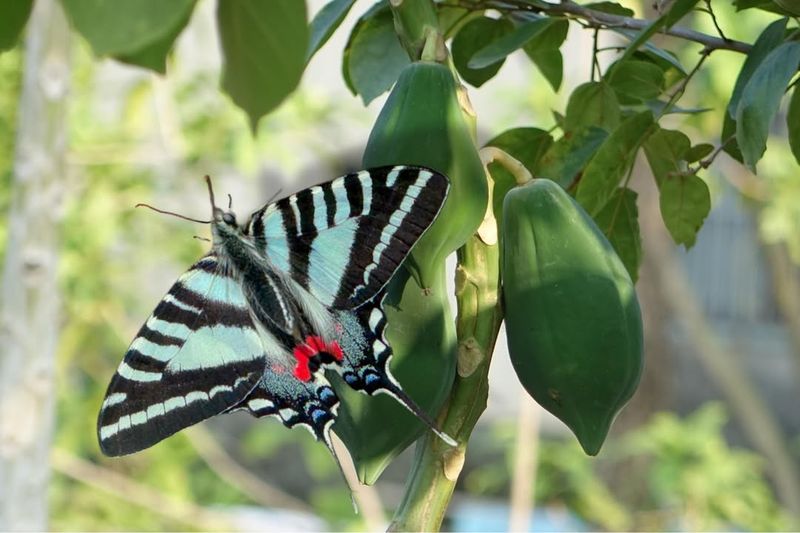
Zebra Swallowtail butterflies show remarkable loyalty to pawpaw trees as their only host plant. This native tree (Asimina triloba) grows naturally in North Carolina woodlands and adapts beautifully to home landscapes.
Without pawpaw trees, Zebra Swallowtails simply cannot complete their life cycle in your area.
The connection between these butterflies and pawpaw trees demonstrates nature’s intricate relationships. Female Zebra Swallowtails seek out pawpaw leaves with incredible precision for egg-laying.
Their caterpillars feed exclusively on pawpaw foliage, gaining protection from the tree’s natural compounds.
Pawpaw trees offer multiple benefits beyond supporting butterflies in your garden space. They produce delicious tropical-flavored fruits in late summer that taste like banana-mango custard.
The trees grow as understory plants, tolerating partial shade while reaching heights of fifteen to twenty feet.
Planting pawpaws requires some patience as they establish slowly during their first years. They prefer rich, moist soil and benefit from mulch around their roots.
Once settled, pawpaws become low-maintenance additions that support local butterfly populations for decades.
Zebra Swallowtails display stunning black and white striped wings with distinctive tail extensions. They appear in multiple generations from spring through fall wherever pawpaws grow.
Adding pawpaw trees to your property creates essential habitat for these specialized butterflies while providing unique fruit for your family.
4. Passionflower Vine Supports Gulf Fritillary Butterflies
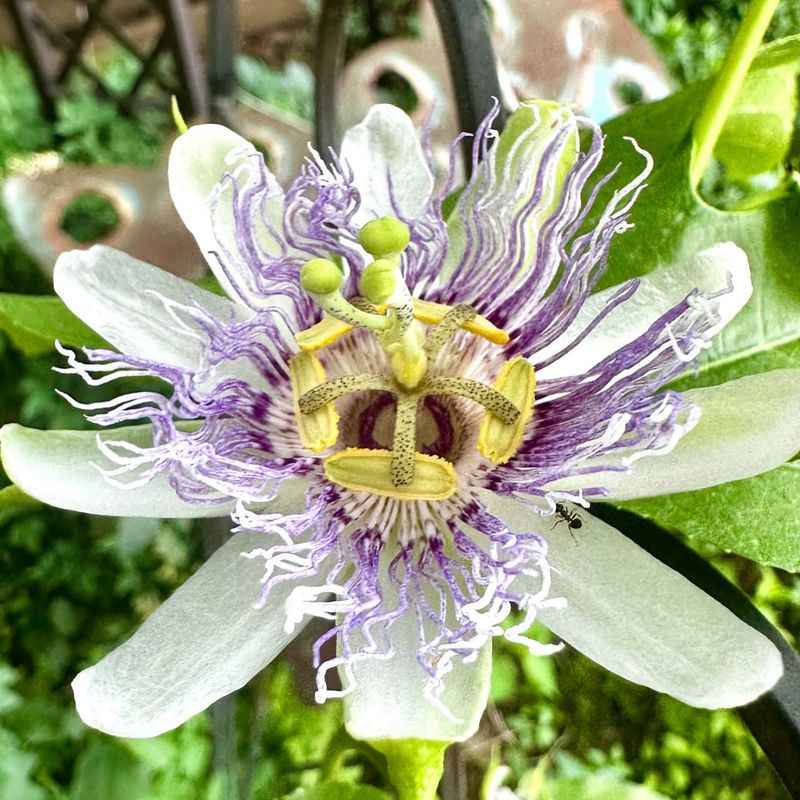
Gulf Fritillary butterflies create spectacular displays with their bright orange wings marked with silver spots. These butterflies depend completely on passionflower vines for raising their caterpillars.
Native passionflower (Passiflora incarnata) grows vigorously throughout North Carolina, producing exotic purple and white blooms.
The spiny orange and black caterpillars feed eagerly on passionflower foliage throughout warm months. They can consume impressive amounts of vine growth, which regenerates quickly in favorable conditions.
This fast-growing vine easily keeps pace with hungry caterpillars from spring until frost.
Passionflower vines climb fences, trellises, and arbors with curling tendrils that grasp any support. The intricate flowers look almost alien with their complex structure and sweet fragrance.
These blooms attract various pollinators while providing nectar for adult butterflies visiting your garden.
Growing passionflower requires full sun and well-drained soil for optimal performance and flower production. The vine spreads through underground runners, potentially becoming aggressive in ideal conditions.
Many gardeners contain it in specific areas or grow it in large containers.
Gulf Fritillaries produce multiple generations each season, with populations building as summer progresses. Their chrysalids hang like small brown ornaments from various surfaces around the vine.
Watching these butterflies emerge with crumpled wings that slowly expand creates magical moments. Your passionflower vine becomes a living classroom demonstrating complete butterfly metamorphosis.
5. Pipevine Supports Pipevine Swallowtail Butterflies
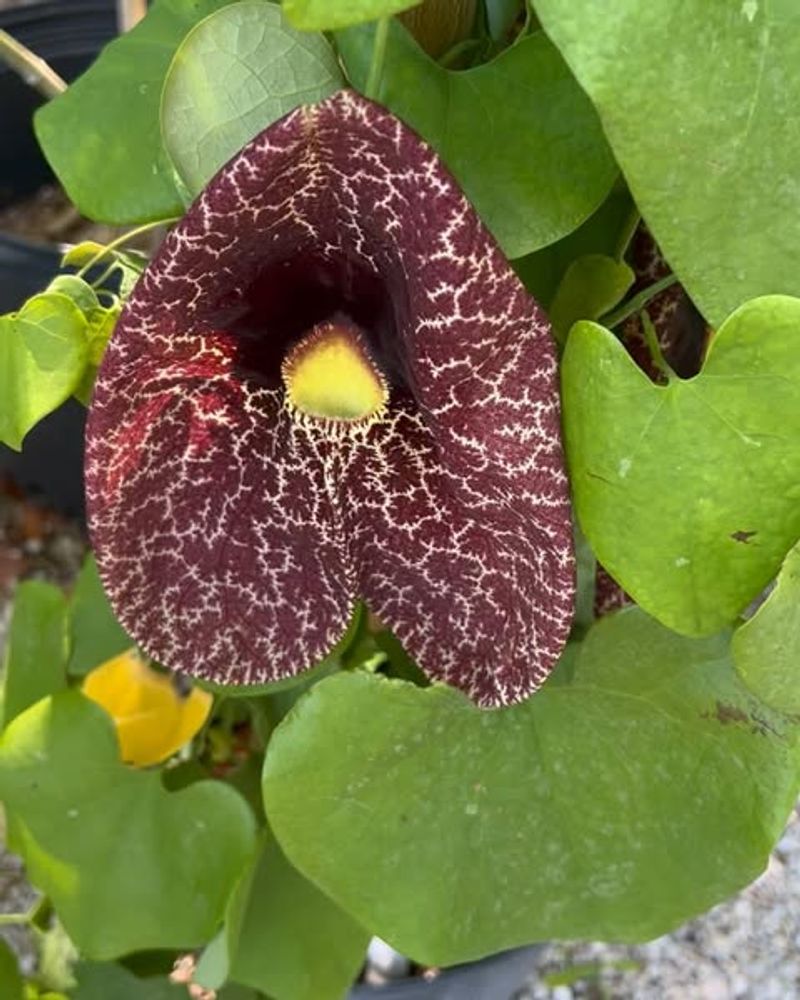
Pipevine Swallowtail butterflies shimmer with iridescent blue-green wings that catch sunlight beautifully. These stunning insects rely exclusively on native pipevine (Aristolochia macrophylla) for their caterpillar stage.
The relationship provides mutual benefits, with caterpillars gaining chemical protection from compounds in pipevine leaves.
Native pipevine grows as a vigorous climbing vine with large heart-shaped leaves throughout North Carolina. The unusual pipe-shaped flowers hide beneath foliage, attracting small flies for pollination.
This woody vine can cover substantial areas, providing ample food for multiple caterpillar generations.
Pipevine caterpillars appear dark with fleshy tubercles projecting from their bodies in rows. They feed in groups when young, spreading out as they grow larger.
The toxic compounds they absorb from pipevine make them unpalatable to most predators.
Establishing pipevine in your landscape requires sturdy support structures for the heavy mature vines. Plant in partial shade to full sun with consistently moist, rich soil.
The vine tolerates various conditions once established but grows most vigorously with regular moisture.
Pipevine Swallowtails serve as models for butterfly mimicry, with several other species copying their appearance. Their toxic nature, derived from pipevine compounds, protects them from bird predation.
Growing pipevine creates habitat for these magnificent butterflies while adding unique architectural interest. The large leaves provide excellent screening for fences or unsightly areas.
6. Wild Cherry Supports Eastern Tiger Swallowtail Caterpillars
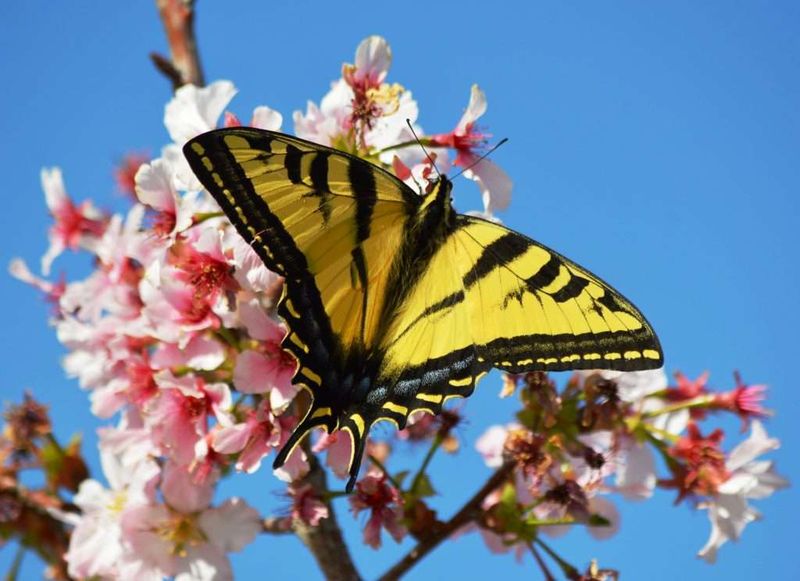
Eastern Tiger Swallowtail butterflies rank among North Carolina’s most recognizable and beloved butterfly species. Their large yellow wings marked with black stripes float gracefully through gardens and woodlands.
Native wild cherry trees, particularly black cherry (Prunus serotina), provide essential food for their caterpillars.
The relationship between Tiger Swallowtails and cherry trees spans the entire growing season. Female butterflies lay eggs on cherry leaves, where caterpillars develop through several distinctive stages.
Young caterpillars resemble bird droppings, providing camouflage protection from hungry predators.
Wild cherry trees grow naturally throughout North Carolina in various soil types and conditions. They reach impressive heights of fifty to eighty feet at maturity, providing shade and wildlife value.
Spring brings clusters of fragrant white flowers that attract numerous pollinators before producing small cherries.
Older Tiger Swallowtail caterpillars develop large eyespots that make them look like small green snakes. This remarkable adaptation startles potential predators when the caterpillar rears up defensively.
They also possess a special organ that releases foul-smelling chemicals when threatened.
Planting wild cherry trees creates habitat for multiple butterfly species and countless other wildlife. The trees tolerate various conditions but prefer full sun and well-drained soil.
Birds feast on the cherries in summer, spreading seeds that may produce new trees. Your cherry trees become central features supporting entire ecosystems while attracting magnificent Tiger Swallowtails.
7. Hackberry Tree Supports Hackberry Emperor Butterflies
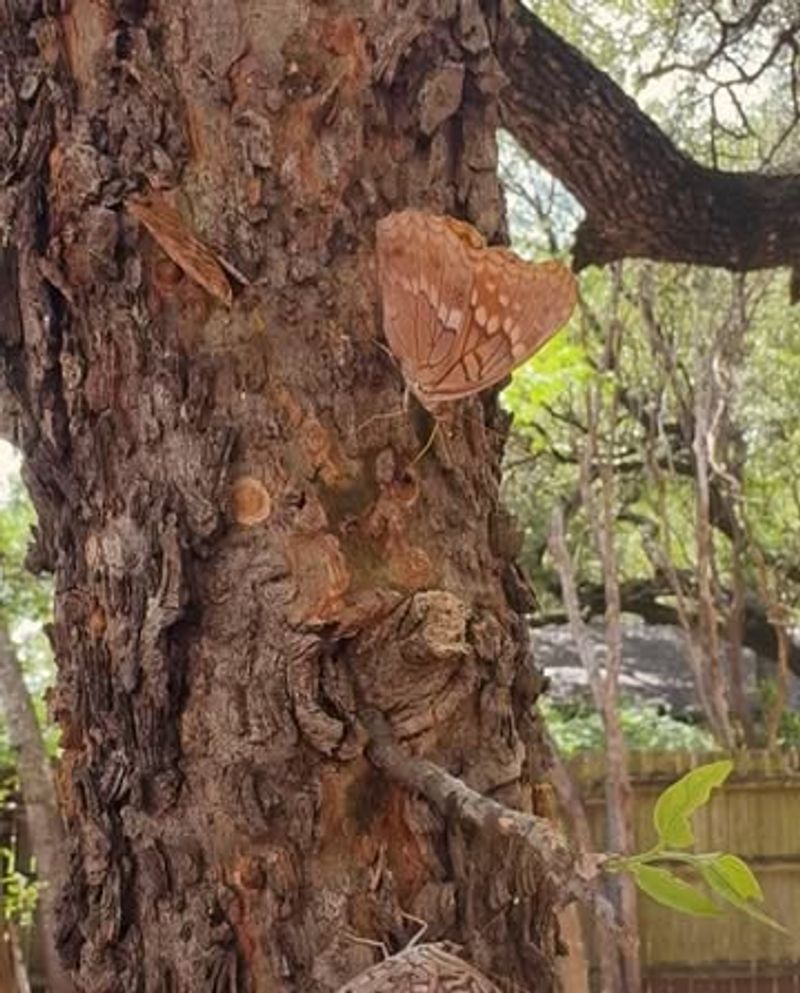
Hackberry Emperor butterflies demonstrate specialized relationships with their namesake trees throughout North Carolina. These medium-sized butterflies wear subtle brown wings marked with distinctive eyespots and delicate patterns.
Common hackberry trees (Celtis occidentalis) serve as their exclusive host plants for caterpillar development.
The butterflies show remarkable site fidelity, returning to the same hackberry trees year after year. Males establish territories on tree trunks, defending their spots from rivals throughout warm afternoons.
They often land on people, attracted by salts in human perspiration.
Hackberry trees grow as tough, adaptable natives that tolerate urban conditions and various soil types. They reach heights of forty to sixty feet with spreading canopies that provide excellent shade.
The trees produce small orange-red berries that birds consume eagerly in fall and winter.
Hackberry Emperor caterpillars feed on hackberry leaves, blending in with their green coloration and subtle markings. They overwinter as partially grown caterpillars, resuming feeding when spring warmth returns.
This strategy allows them to emerge early as adult butterflies.
Growing hackberry trees supports not only Hackberry Emperors but also related Tawny Emperor butterflies. The trees require minimal maintenance once established in sunny to partially shaded locations.
Their corky, warty bark adds textural interest to landscapes year-round. Hackberry Emperors become friendly garden companions, often landing on gardeners working near their host trees.
8. False Indigo Supports Clouded Sulphur Butterflies
Clouded Sulphur butterflies flutter through North Carolina gardens as cheerful yellow visitors from spring through fall. These small, active butterflies belong to the widespread sulphur and white butterfly family.
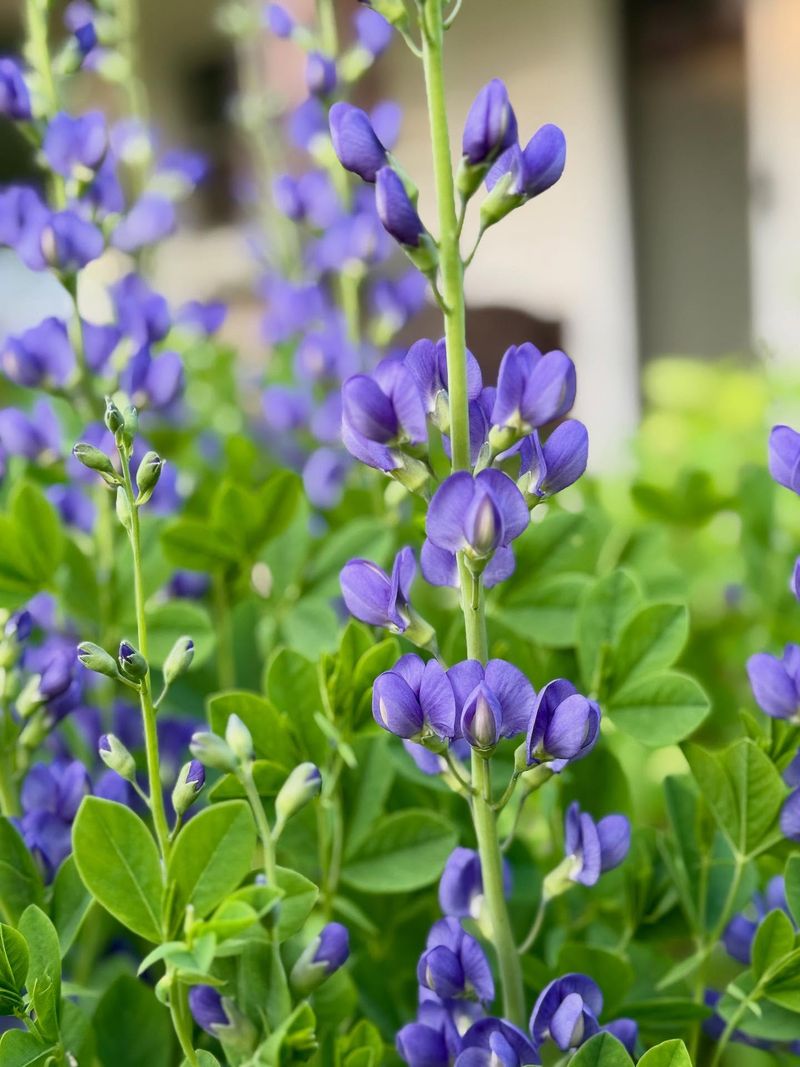
Native false indigo plants (Baptisia species) provide crucial host plant resources for their caterpillars.
False indigo grows as attractive perennials with blue-green foliage and tall spikes of flowers. Blue false indigo (Baptisia australis) produces stunning indigo-blue blooms in late spring.
White false indigo (Baptisia alba) offers elegant white flower spikes that brighten shaded garden areas.
The caterpillars of Clouded Sulphurs blend remarkably well with false indigo’s compound leaves. They feed along leaf edges, growing steadily through several molts before pupating.
Their green coloration provides excellent camouflage against the plant’s similar-colored foliage.
False indigo plants develop deep taproots that make them drought-tolerant once established in gardens. They prefer full sun to partial shade and well-drained soil conditions.
These long-lived perennials return reliably each spring, forming increasingly larger clumps over years.
Growing false indigo adds nitrogen-fixing benefits to your soil through root nodules containing beneficial bacteria. The plants require virtually no maintenance after their first season of establishment.
Interesting seed pods develop after flowering, adding architectural interest through fall and winter. Clouded Sulphurs appreciate the reliable food source, often producing multiple overlapping generations.
Your false indigo becomes both ornamental feature and butterfly nursery.
9. Willow Trees Support Viceroy Butterfly Caterpillars
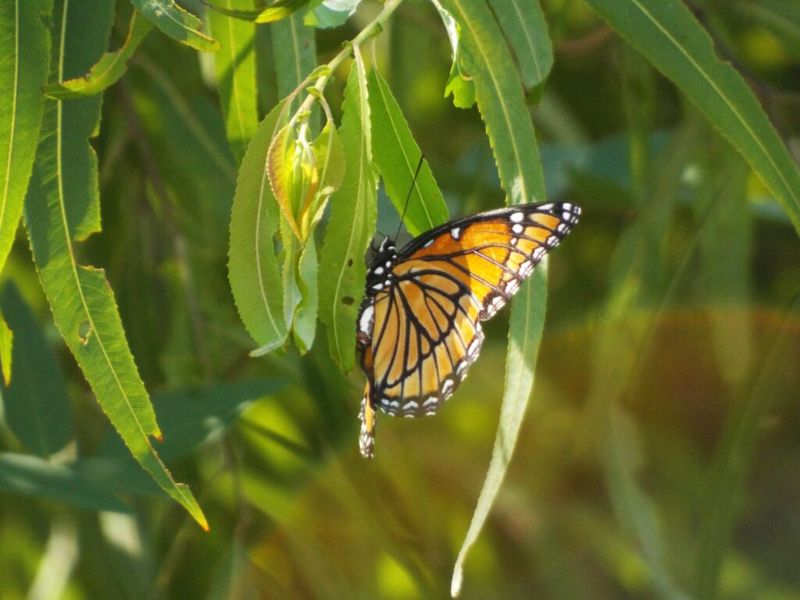
Viceroy butterflies famously mimic Monarch butterflies with their orange and black wing patterns. Close observation reveals the Viceroy’s smaller size and distinctive black line crossing its hindwings.
Native willow trees provide essential host plants for Viceroy caterpillars throughout their development in North Carolina.
Several willow species grow naturally across the state, particularly in moist areas near streams and ponds. Black willow (Salix nigra) and Carolina willow (Salix caroliniana) both support Viceroy populations effectively.
These fast-growing trees adapt to wet soil conditions that challenge many other species.
Viceroy caterpillars display mottled brown and white coloring that resembles bird droppings on leaves. They construct shelters by rolling willow leaves and securing them with silk strands.
These leaf rolls provide protection while caterpillars rest between feeding sessions.
Willow trees offer multiple ecological benefits beyond supporting Viceroys in your landscape design. Their extensive root systems stabilize stream banks and prevent erosion along waterways.
The trees provide early spring pollen for bees when few other flowers bloom.
Planting willows near water features or in consistently moist areas ensures their success and vigor. They grow quickly, sometimes adding several feet of height each season.
Willows require full sun and tolerate periodic flooding that would harm other trees. Watching Viceroys patrol your willows creates opportunities to observe their fascinating mimicry of Monarchs up close.
10. Little Bluestem Grass Supports Skipper Butterflies
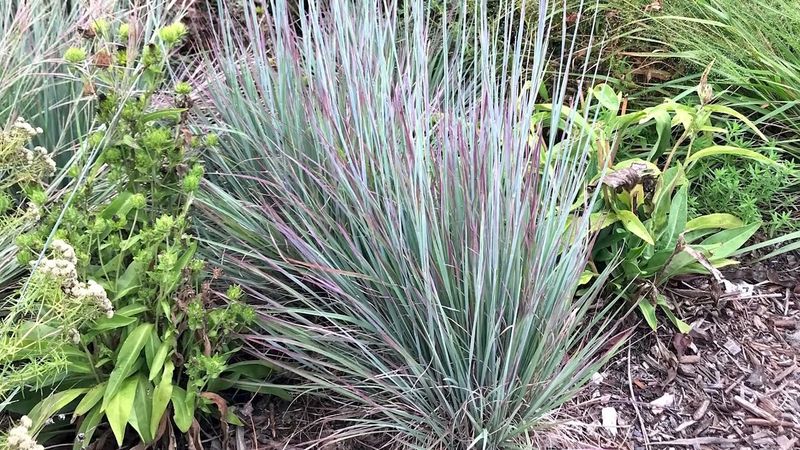
Skipper butterflies often get overlooked despite their abundance and diversity in North Carolina gardens. These small, fast-flying butterflies resemble moths with their thick bodies and rapid, darting flight patterns.
Native grasses, particularly little bluestem (Schizachyrium scoparium), serve as essential host plants for numerous skipper species.
Little bluestem grows as a clump-forming warm-season grass with fine-textured blue-green foliage. The grass transforms to stunning bronze, orange, and burgundy colors in fall.
Fluffy white seed heads catch afternoon light beautifully, adding winter interest to garden beds.
Skipper caterpillars hide within rolled grass blades that they secure with silk threads. These shelters protect them from predators while they feed on grass tissue.
Different skipper species use various native grasses, but little bluestem supports several common types.
Growing native grasses creates habitat for skippers while adding movement and texture to landscapes. Little bluestem thrives in full sun with well-drained soil and tolerates drought once established.
This grass works beautifully in prairie-style gardens, naturalized areas, or as ornamental specimens.
Skippers include species like Delaware Skipper, Crossline Skipper, and Least Skipper in North Carolina. Their populations remain strong where native grasses grow abundantly in gardens and natural areas.
The adults visit flowers for nectar, often perching with wings held at distinctive angles. Adding little bluestem and other native grasses ensures skipper butterflies find everything they need in your garden.
11. Oak Trees Support Many Hairstreak Butterfly Species
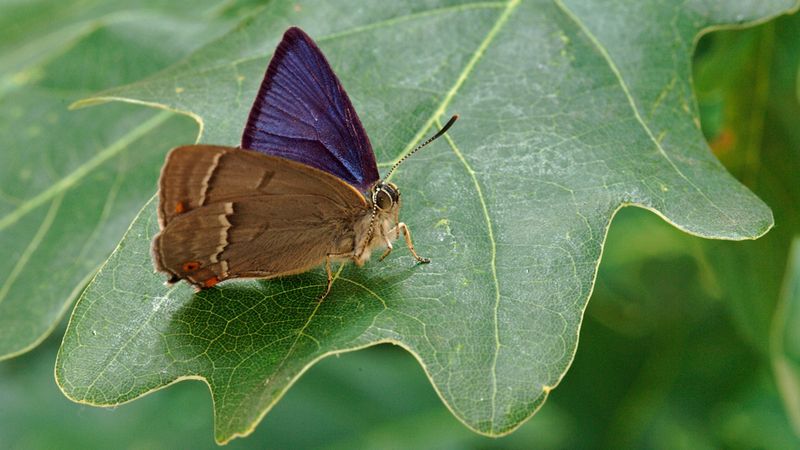
Oak trees stand as keystone species supporting incredible biodiversity in North Carolina ecosystems and gardens. These magnificent native trees host caterpillars of numerous butterfly species, including several hairstreak varieties.
Banded Hairstreak, Striped Hairstreak, and White M Hairstreak all depend on oaks for reproduction.
Hairstreak butterflies display subtle beauty with their small size and intricate wing patterns. Most species show gray or brown coloring with delicate lines and spots.
Tiny tail-like projections on their hindwings resemble antennae, possibly confusing predators about which end is the head.
Oak trees provide food for hairstreak caterpillars from spring through summer across multiple generations. The caterpillars feed on oak leaves, often working at night to avoid daytime predators.
Their small size and excellent camouflage make them difficult to spot among foliage.
Native oaks include white oak, red oak, willow oak, and many other species suited to different site conditions. These long-lived trees develop into landscape anchors that increase in ecological value for decades.
Oaks support hundreds of caterpillar species, making them unmatched for wildlife gardening.
Planting oak trees represents a long-term investment in your property and local butterfly populations. Young oaks grow steadily, eventually providing shade, beauty, and immeasurable wildlife benefits.
Hairstreak butterflies visit flowers for nectar but need oaks to complete their life cycles. Your oak trees become living monuments supporting entire communities of butterflies and other creatures.
12. Violet Plants Support Fritillary Butterfly Caterpillars
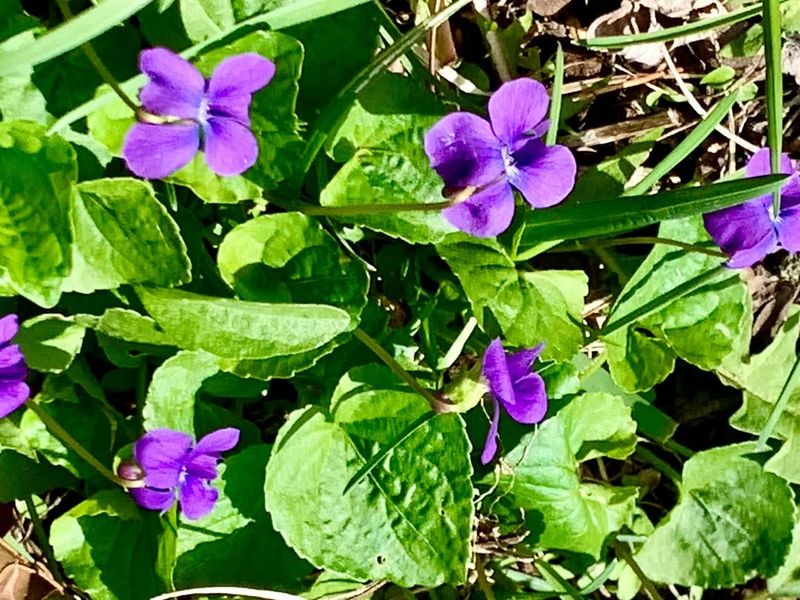
Fritillary butterflies bring spectacular orange and black patterns to North Carolina gardens throughout summer months. Great Spangled Fritillary, Variegated Fritillary, and other species share dependence on violet plants.
Native violets (Viola species) grow as low groundcovers in shaded and partially shaded areas.
The relationship between fritillaries and violets demonstrates fascinating ecological timing and adaptation. Female fritillaries lay eggs near violet patches in late summer and fall.
The tiny caterpillars hatch but immediately enter dormancy without feeding, overwintering in leaf litter.
Spring warmth triggers the caterpillars to begin feeding on fresh violet leaves emerging from dormancy. They grow rapidly through several molts, consuming violet foliage before pupating in early summer.
This strategy synchronizes caterpillar development with violet growth and butterfly emergence timing.
Native violets spread gradually through gardens, forming attractive groundcovers with heart-shaped leaves and delicate flowers. Common blue violet (Viola sororia) and other native species thrive in partial shade.
These plants tolerate various soil conditions and require minimal maintenance once established.
Fritillary butterflies patrol gardens with powerful flight, visiting flowers for nectar throughout their active period. Males emerge first, followed by females who mate and then search for violet patches.
Leaving some areas of your garden a bit wild with violets growing naturally creates perfect fritillary habitat. These gorgeous butterflies reward your efforts with their striking appearance and graceful flight patterns.