Here’s What To Plant In A Herb Spiral If You Live In North Carolina
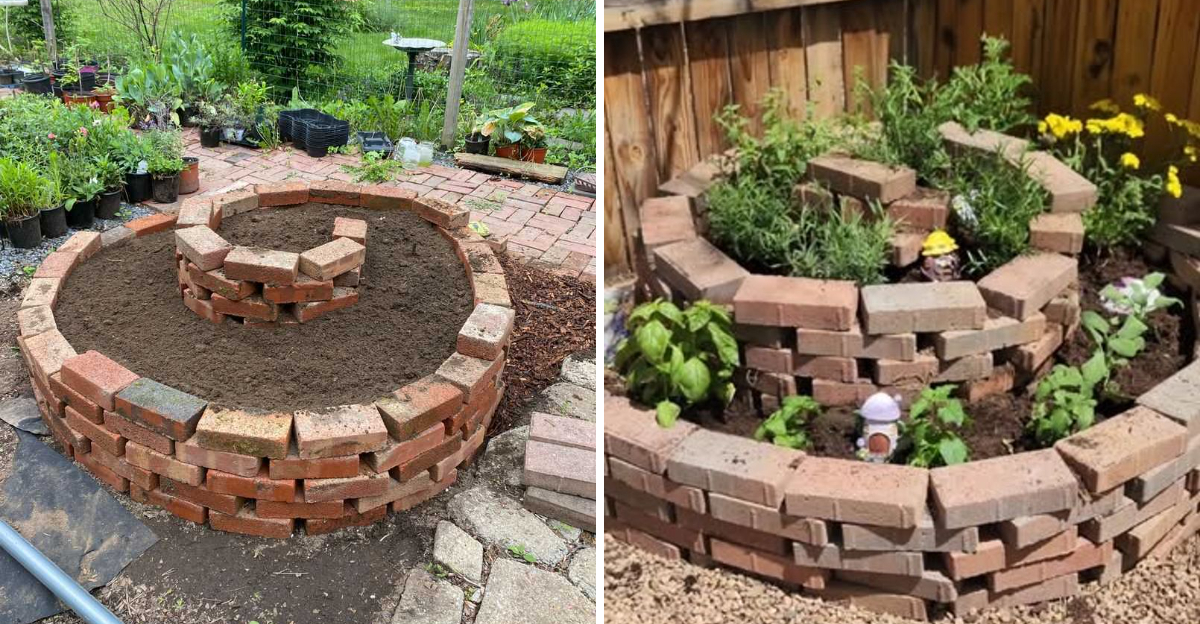
A simple swirl of stone and soil can turn an ordinary garden corner into a striking and highly productive feature. In North Carolina, herb spirals are gaining popularity for their ability to combine beauty, efficiency, and smart growing in one compact design.
By stacking plants in a gentle upward curve, this structure creates natural zones where herbs can thrive according to their needs for sunlight, shade, and moisture.
Warm, humid summers often challenge traditional herb beds, yet a well built spiral improves drainage and air flow while keeping roots comfortable and healthy.
Gardeners across North Carolina appreciate how this design keeps fresh herbs within easy reach while adding texture and visual interest to the landscape. Even a small space can support a wide variety of flavorful plants when arranged thoughtfully.
With the right setup, a herb spiral becomes both a practical growing solution and a charming garden centerpiece that produces season after season.
A Herb Spiral Is A Space Saving Vertical Garden Design
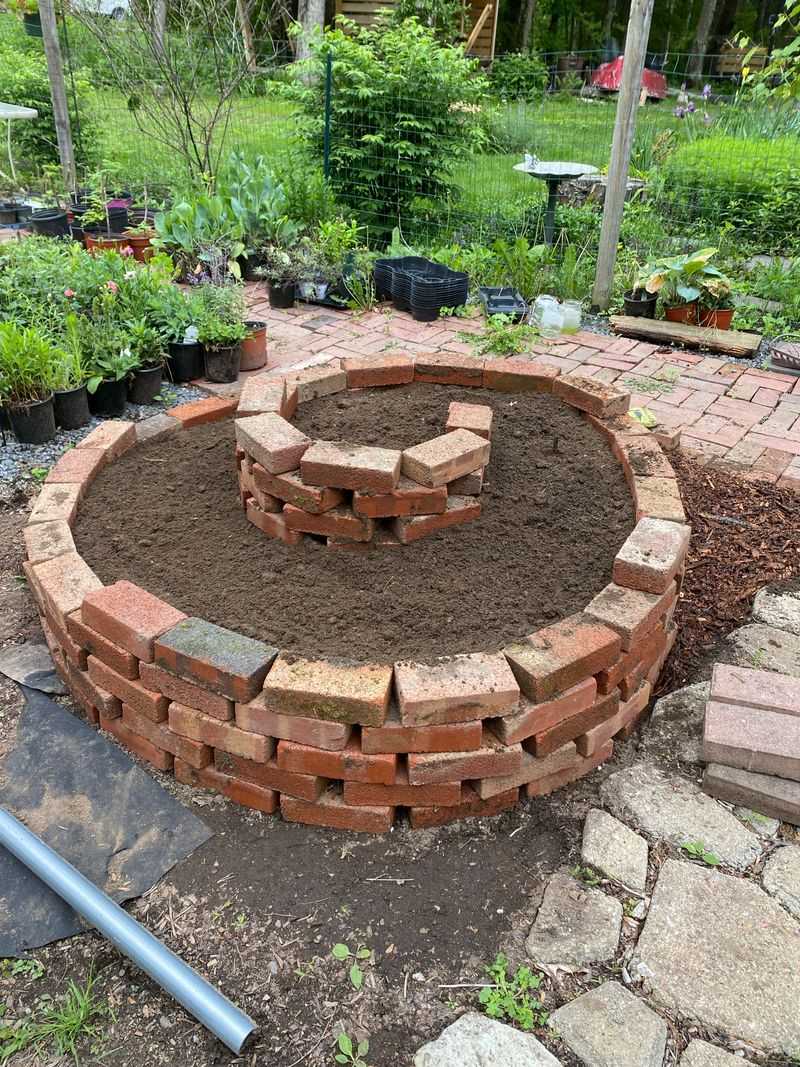
Herb spirals stand out as one of the most innovative garden designs for growing multiple plants in a small footprint. The structure rises in a spiral pattern, typically three to four feet tall, creating a cone-shaped raised bed that winds upward.
Gardeners build these spirals using stones, bricks, or other sturdy materials that hold soil in place.
The vertical nature of this design means you can plant dozens of herb varieties in just a few square feet of ground space. Each level of the spiral provides a different growing environment, making efficient use of every inch.
This approach works beautifully for urban gardeners with limited yard space or anyone wanting to maximize their planting area.
North Carolina gardeners appreciate how herb spirals fit into various landscape styles, from cottage gardens to modern outdoor spaces. The raised structure also makes harvesting easier because you can reach herbs without bending down as much.
Building a spiral takes a weekend project and some basic materials, but the result lasts for many growing seasons.
The compact design concentrates your herb collection in one accessible spot rather than spreading plants throughout the yard. This concentration makes watering, maintenance, and harvesting more convenient for busy home cooks who want fresh herbs nearby.
The Spiral Shape Creates Natural Sun And Shade Zones
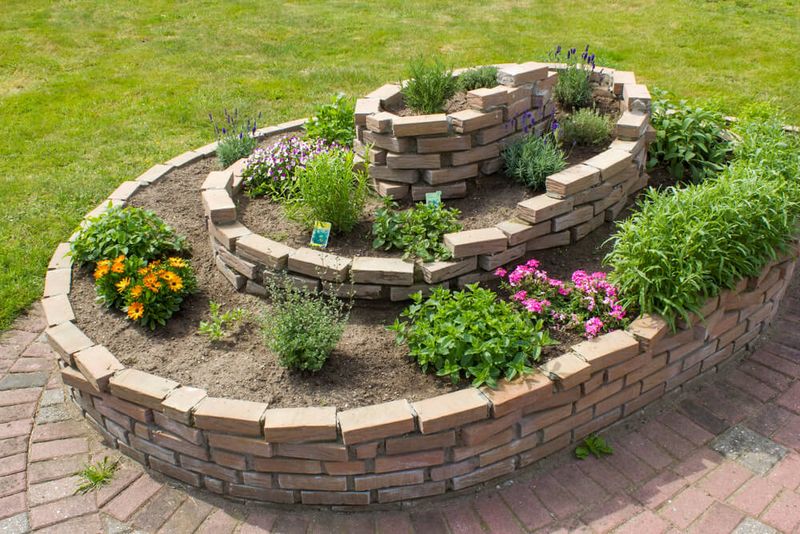
The genius of a herb spiral lies in how its shape naturally creates different light conditions around the structure. The south-facing side receives the most direct sunlight throughout the day, while the north side stays shadier and cooler.
This variation happens automatically because of the spiral’s three-dimensional design and height differences.
As the sun moves across the sky, different sections of the spiral receive varying amounts of light exposure. The top catches full sun from morning until evening, making it perfect for Mediterranean herbs that crave bright conditions.
Meanwhile, the lower portions and shaded sides get filtered light or partial shade during parts of the day.
North Carolina’s intense summer sun makes these shade zones particularly valuable for herbs that might otherwise struggle in full heat. The spiral’s design provides protection without requiring additional structures or shade cloth.
Your North Carolina Garden Changes Every Week. Your Plan Should Too.
Gardening in North Carolina changes quickly throughout the season. Every Friday you’ll receive a simple weekly plan showing exactly what to plant, prune, fertilize, harvest, and protect so you never miss the right timing.
Gardeners can position their spirals to take advantage of existing landscape features like trees or buildings for even more shade variation.
This natural zoning eliminates the need to create separate garden beds for sun-loving and shade-tolerant herbs. Everything grows together in one cohesive structure, yet each plant receives appropriate light levels.
The spiral’s curves and angles work with nature rather than against it, creating microclimates that benefit plant health and growth throughout the growing season.
Different Heights Help Control Moisture And Drainage
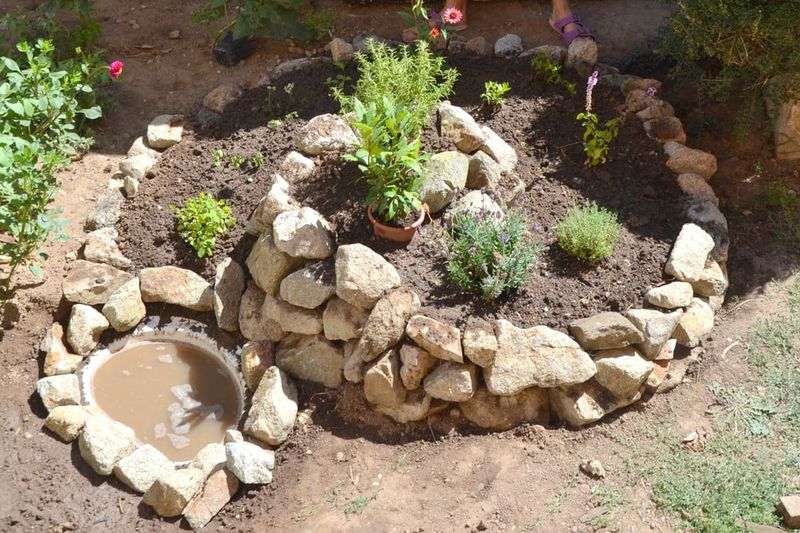
Water naturally flows downward through a herb spiral, creating distinct moisture zones from top to bottom. The peak drains quickly after rain or watering, staying relatively dry between moisture applications.
Gravity pulls water through the soil layers, moving it toward the base where it collects and saturates the ground.
This gradient happens because the top sits several feet higher than the bottom, creating significant elevation change in a small area. Sandy or gravelly soil at the peak enhances drainage for plants that prefer drier roots.
The middle section holds moderate moisture as water passes through but doesn’t pool excessively.
At the spiral’s base, soil stays consistently moist because water accumulates there from the entire structure above. This zone mimics the conditions near streams or in low-lying garden areas where moisture lingers.
North Carolina’s summer thunderstorms can dump several inches of rain quickly, and the spiral’s design prevents waterlogging at the top while providing steady moisture below.
Gardeners can adjust drainage by adding more or fewer rocks in the spiral’s foundation and choosing appropriate soil mixes for each level. The height differences work constantly to manage water distribution without pumps or complex irrigation systems.
This passive water management suits our climate’s pattern of heavy rain followed by hot dry periods, giving each herb variety the moisture level it needs naturally.
Herb Spirals Work Well In North Carolina Climates
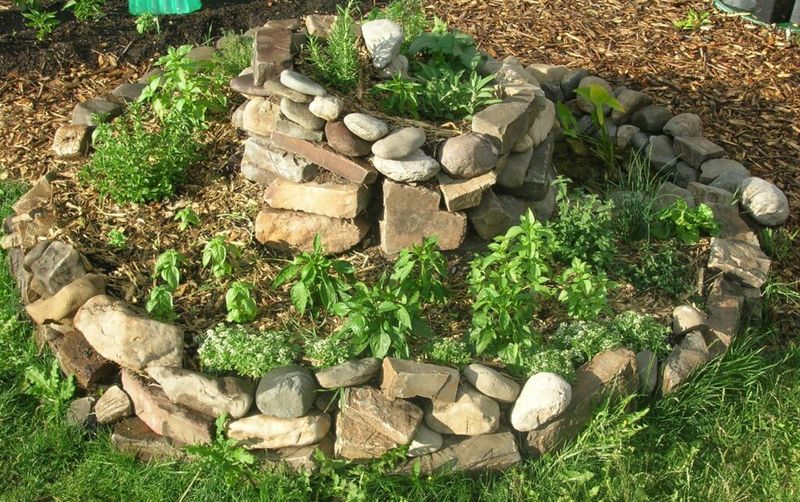
North Carolina’s climate zones range from the mountains to the coast, but herb spirals adapt well across all regions. Our warm growing season stretches from April through October in most areas, giving herbs plenty of time to establish and produce.
The spiral’s design handles our humidity levels effectively because good air circulation prevents fungal problems that plague flat herb beds.
Summer temperatures often climb into the 90s, and the spiral’s varying moisture zones help herbs cope with heat stress. Plants at the top stay cooler through faster evaporation, while those at the bottom access consistent moisture during hot spells.
Our winters rarely bring extended hard freezes in the Piedmont and Coastal regions, allowing many perennial herbs to survive year-round in spirals.
The raised structure of a herb spiral also provides excellent drainage during our spring and fall rainy periods. North Carolina receives 40 to 50 inches of annual rainfall, and poor drainage causes root problems in traditional gardens.
Herb spirals shed excess water naturally, preventing the soggy conditions that harm Mediterranean herbs.
Gardeners in mountain areas can position spirals to capture maximum southern exposure, extending the growing season in cooler microclimates. Coastal gardeners benefit from the spiral’s ability to handle sandy soil and salt-influenced conditions.
The versatile design accommodates our state’s diverse growing conditions while providing herbs with the specific environments they need to flourish throughout our long growing season.
Many Gardeners Build Herb Spirals Near The Kitchen
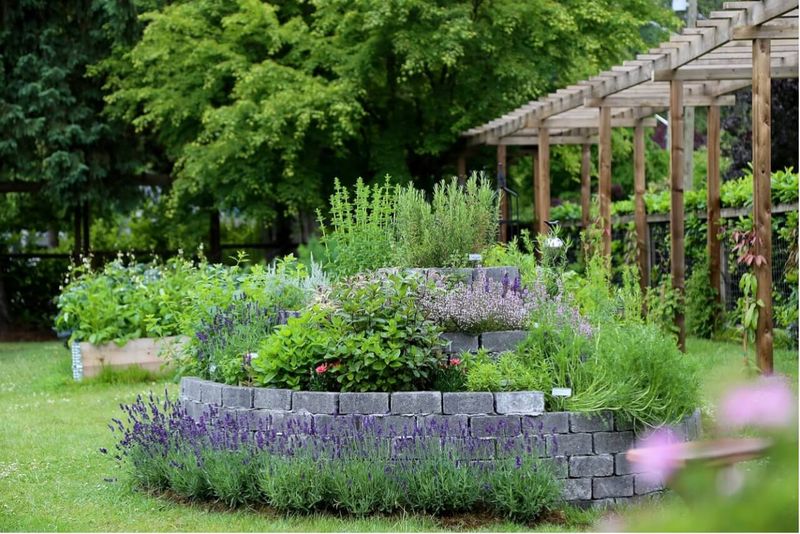
Placing a herb spiral within easy reach of your kitchen door transforms how you cook with fresh ingredients. Most gardeners position their spirals 10 to 20 feet from the house, close enough to grab herbs quickly during meal preparation.
This proximity means you’ll actually use your herbs rather than letting them grow untouched in a distant garden bed.
Rainy evenings or busy weeknight cooking become simpler when fresh basil, parsley, or thyme sit just outside your door. You can step out in slippers to snip what you need without walking through wet grass or across the yard.
The convenience factor makes a huge difference in how often home cooks incorporate fresh herbs into their recipes.
North Carolina’s outdoor living culture means many homes have patios or decks near the kitchen, creating perfect spots for herb spirals. The structure adds visual interest to these spaces while serving a practical purpose.
Guests often admire the spiral’s appearance and enjoy learning about the different herbs growing at various levels.
The proximity also helps with daily maintenance since you’ll notice when plants need water or harvesting as you pass by. This casual monitoring prevents problems before they become serious and keeps your herbs producing abundantly.
A well-placed spiral becomes part of your daily routine rather than a separate gardening task requiring dedicated time and effort to visit.
Herbs That Prefer Dry Sunny Conditions Grow Best At The Top
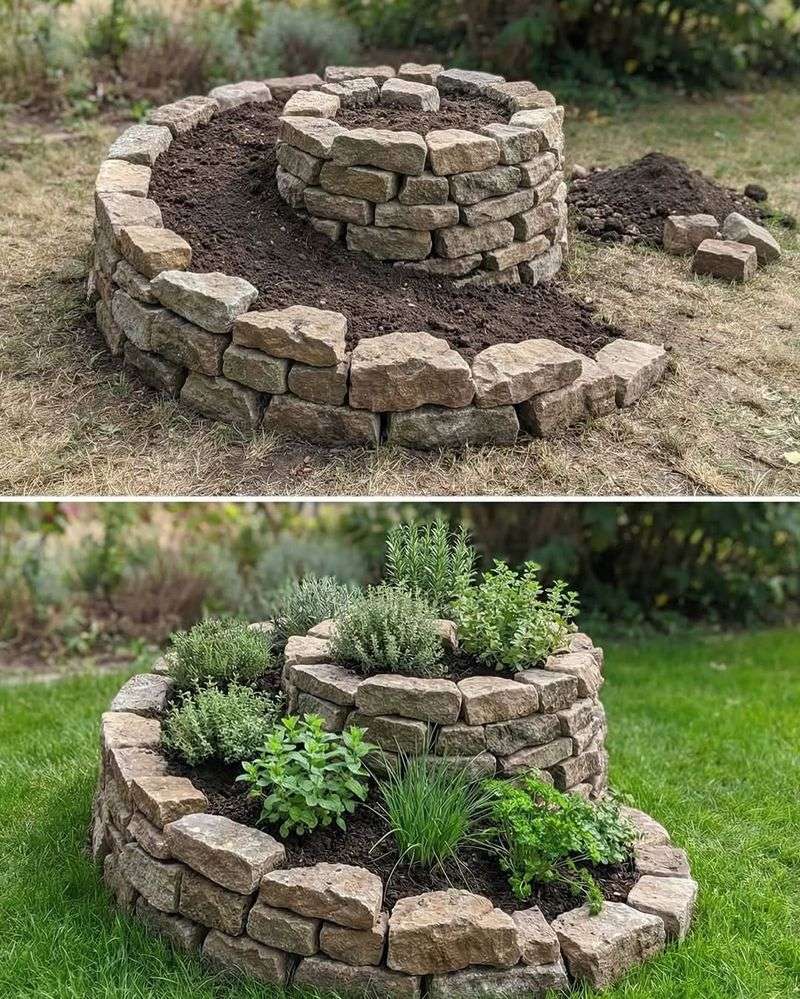
Rosemary thrives at the spiral’s peak where soil drains rapidly and sunshine beats down all day long. This woody perennial originates from Mediterranean coastlines where rocky slopes and bright skies create harsh growing conditions.
The top zone of your North Carolina herb spiral mimics those environments perfectly, allowing rosemary to develop its characteristic aromatic oils.
Thyme varieties also flourish in the driest, sunniest position available on the spiral. These low-growing herbs spread across the top surface, creating a fragrant carpet that tolerates heat and drought.
Common thyme, lemon thyme, and creeping thyme all perform well when planted near the summit where water never pools.
Oregano joins rosemary and thyme as another Mediterranean native that demands excellent drainage and full sun exposure. This herb grows vigorously in the spiral’s top zone, producing flavorful leaves throughout the growing season.
Greek oregano and Italian oregano both suit North Carolina gardens when given the dry conditions they prefer.
Sage represents another excellent choice for the upper levels, though it tolerates slightly more moisture than the others. Its gray-green leaves handle our summer heat well when roots stay dry between waterings.
Lavender can occupy the sunniest spots if you choose varieties suited to our humidity levels, though it remains more challenging than other top-zone herbs in our climate.
The Middle Zone Supports Herbs With Balanced Moisture Needs
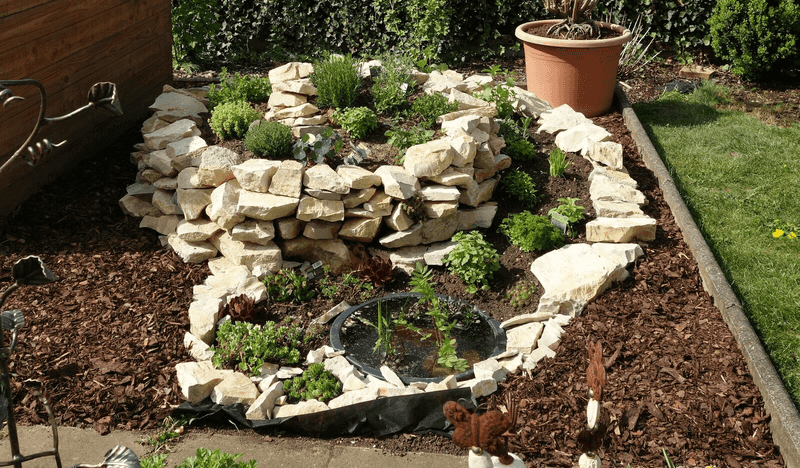
Basil claims the middle territory of herb spirals where soil stays moderately moist and sunlight remains plentiful but not scorching. This tender annual needs consistent moisture to produce tender leaves but suffers when roots sit in waterlogged soil.
The middle zone provides exactly the right balance for varieties like sweet basil, purple basil, and Thai basil to flourish.
Parsley grows beautifully in these moderate conditions, sending up curly or flat leaves that tolerate partial shade during the hottest afternoon hours. This biennial herb appreciates regular moisture without becoming soggy, making the spiral’s midsection ideal for both Italian flat-leaf and curly parsley varieties.
North Carolina’s climate suits parsley well, and plants often survive mild winters to produce again the following spring.
Cilantro finds a happy home in the middle zone, especially during spring and fall when temperatures stay moderate. This fast-growing herb bolts quickly in summer heat, but the spiral’s middle level provides some afternoon shade that extends the harvest period.
Succession planting every few weeks keeps fresh cilantro available for longer periods.
Chervil and tarragon also perform well in the balanced conditions of the middle zone. These less common culinary herbs appreciate protection from extreme conditions while still receiving adequate sunlight.
The moderate moisture and temperature fluctuations in this section create environments where many popular kitchen herbs reach their full potential throughout North Carolina’s extended growing season.
The Lower Zone Is Ideal For Moisture Loving Herbs
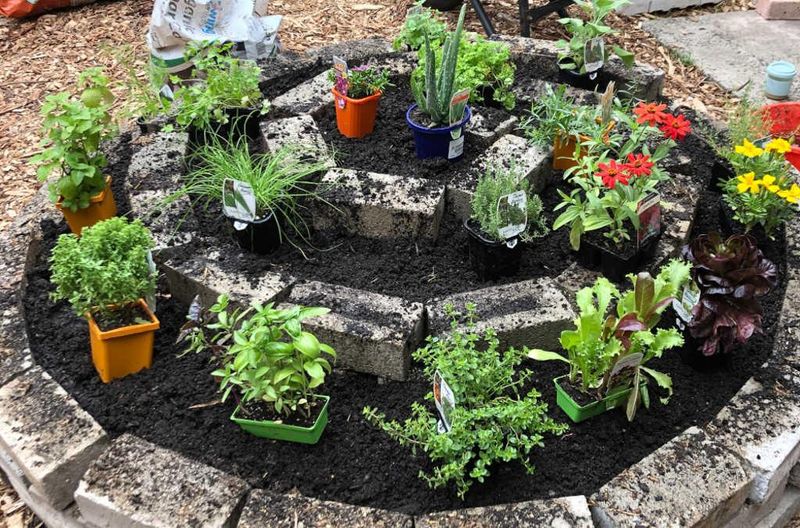
Mint varieties absolutely thrive in the spiral’s base where moisture accumulates and soil stays consistently damp. These vigorous spreaders can become invasive in traditional gardens, but the spiral’s contained structure helps manage their growth.
Spearmint, peppermint, and chocolate mint all appreciate the wetter conditions found at ground level where water naturally collects.
The lower zone’s moisture retention perfectly suits mint’s preference for damp soil that never completely dries out. North Carolina summers can stress herbs that need consistent water, but the spiral’s base maintains moisture even during hot spells.
This zone often receives afternoon shade from the structure itself, keeping temperatures slightly cooler for plants that struggle in full sun.
Chives grow well in the moister lower sections, producing their mild onion-flavored leaves and attractive purple flowers throughout the season. These hardy perennials tolerate a wide range of conditions but perform best with regular moisture.
Both common chives and garlic chives suit the spiral’s base, providing steady harvests for cooking.
Lemon balm finds an excellent home in the lower moisture zone, spreading readily in the damp soil conditions. This member of the mint family shares similar growing requirements and benefits from the contained environment.
Other moisture-appreciating herbs like Vietnamese coriander or watercress can occupy the very bottom if you create a small water feature or keep that area especially moist through regular watering.
Herb Spirals Are Popular In Small And Efficient Gardens
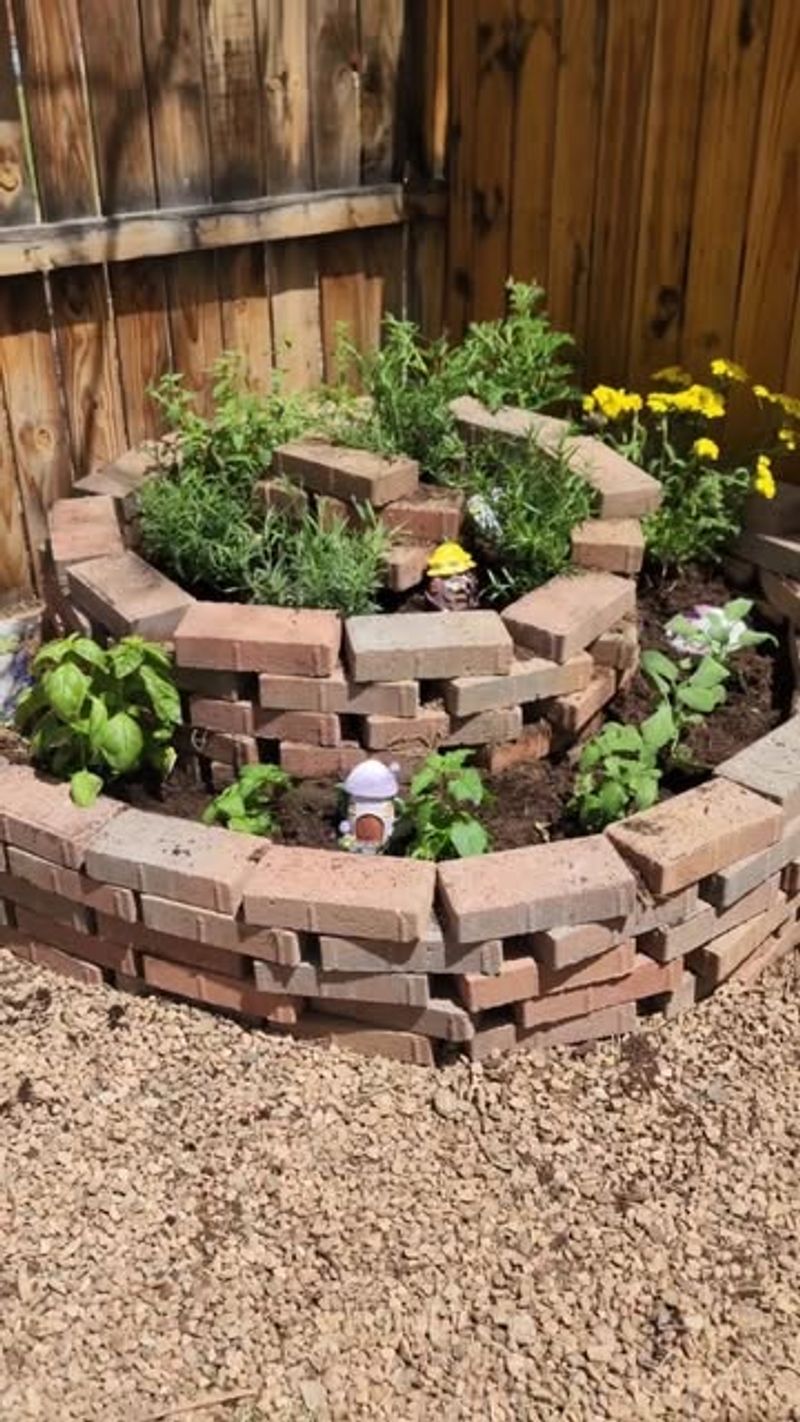
Urban and suburban gardeners with limited yard space embrace herb spirals as efficient growing solutions. A typical spiral occupies only 4 to 6 feet of diameter at its base yet provides growing space equivalent to a much larger traditional bed.
This vertical approach to herb gardening makes sense when every square foot of yard space counts.
The spiral’s design creates approximately 20 to 30 feet of planting edge in a small footprint, maximizing the growing area available. Traditional flat herb gardens require much more ground space to accommodate the same number of plants.
North Carolina homeowners with compact lots or those dedicating only a small area to edibles find spirals particularly appealing.
Apartment dwellers with patios or balconies can build scaled-down versions using containers or small raised beds arranged in spiral patterns. Even a modest spiral provides enough herbs to supply a household’s cooking needs throughout the growing season.
The efficient use of space allows gardeners to grow culinary herbs, medicinal plants, and decorative varieties all within easy reach.
Community gardens often feature herb spirals as demonstration projects that inspire members to maximize their plot space. The structure’s visual appeal and practical benefits make it a conversation starter and educational tool.
Gardeners appreciate how spirals combine beauty with function, creating attractive focal points that produce useful crops while taking up minimal ground area in increasingly crowded residential neighborhoods.
A Herb Spiral Combines Beauty Function And Fresh Herbs
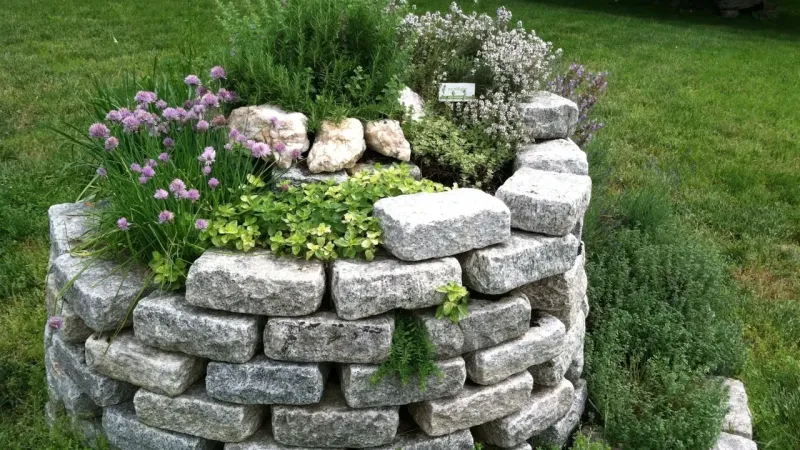
Herb spirals serve as striking garden features that catch the eye while providing practical benefits for home cooks. The stone or brick construction creates architectural interest in the landscape, adding vertical dimension to flat yards.
As herbs mature and fill the spiral’s curves, the structure becomes increasingly attractive with cascading plants and varied textures.
The combination of different herb varieties creates a tapestry of colors, shapes, and heights throughout the growing season. Purple basil contrasts with silvery sage, while flowering chives add pops of color against green parsley.
This diversity makes the spiral visually appealing even to visitors who don’t garden or cook with fresh herbs.
North Carolina gardeners value features that look good year-round, and established herb spirals maintain structure even during winter months. Evergreen rosemary and thyme provide color when annual herbs have finished, while the stone construction remains attractive.
The spiral becomes a permanent landscape element that enhances curb appeal and provides enjoyment beyond the harvest.
Fresh herbs from your own spiral elevate everyday meals with flavors that dried herbs cannot match. The satisfaction of stepping outside to gather ingredients connects you with your food in meaningful ways.
Beyond the practical harvest, herb spirals support beneficial insects, create habitat diversity, and contribute to sustainable gardening practices that benefit the broader environment while beautifying your outdoor space with purposeful design.