10 Tough Plants That Thrive In North Carolina Heat And Humidity With Almost No Effort
By the time July settles in, North Carolina gardens can feel the full force of blazing sun and heavy humidity that tests even seasoned green thumbs. Prolonged heat often leaves delicate plants drooping and landscapes looking worn long before summer ends.
Yet not every plant struggles under these conditions. Some varieties actually flourish in North Carolina’s warm, moisture rich climate, producing bold color and vigorous growth when others fade.
Choosing heat tolerant, humidity loving plants transforms your yard from stressed to stunning, even during the hottest weeks of the season. Once established, these resilient selections require far less attention, freeing you from constant watering and upkeep.
Instead of battling the weather, you can work with it by planting species naturally suited to thrive in North Carolina’s summer extremes.
The result is a landscape that stays vibrant, full, and inviting, delivering reliable beauty while allowing you to enjoy the season rather than spend it managing tired plants.
1. Lantana Handles Heat And Humidity With Ease
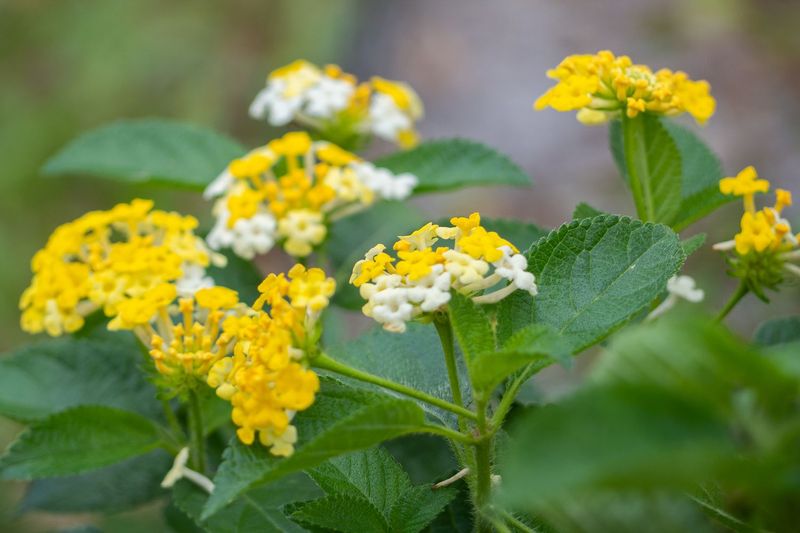
Butterflies flock to lantana like kids to ice cream trucks on hot summer days. This tropical beauty actually gets stronger as temperatures climb, producing more flowers when other plants start to struggle.
The clusters of tiny blooms come in eye-catching color combinations that shift as they mature, creating a rainbow effect across each flower head.
Lantana grows quickly once planted in well-drained soil with plenty of sunshine. Water it regularly during the first few weeks to help roots establish, then back off and let nature take over.
This tough plant handles drought surprisingly well once settled in, making it perfect for those weeks when you forget to water or go on vacation.
Hummingbirds and butterflies visit lantana constantly throughout the growing season. The plant spreads nicely to fill spaces without becoming invasive in most North Carolina gardens.
Deadheading spent blooms encourages more flowers, but even without this extra care, lantana keeps blooming from late spring through the first frost.
Choose trailing varieties for containers and hanging baskets or upright forms for garden beds. Both types tolerate the humid conditions common across North Carolina without developing fungal problems.
This reliable performer gives you maximum color with minimum effort, making it a smart choice for hot, sunny spots where other plants struggle to survive.
2. Black Eyed Susan Thrives In Tough Summer Conditions
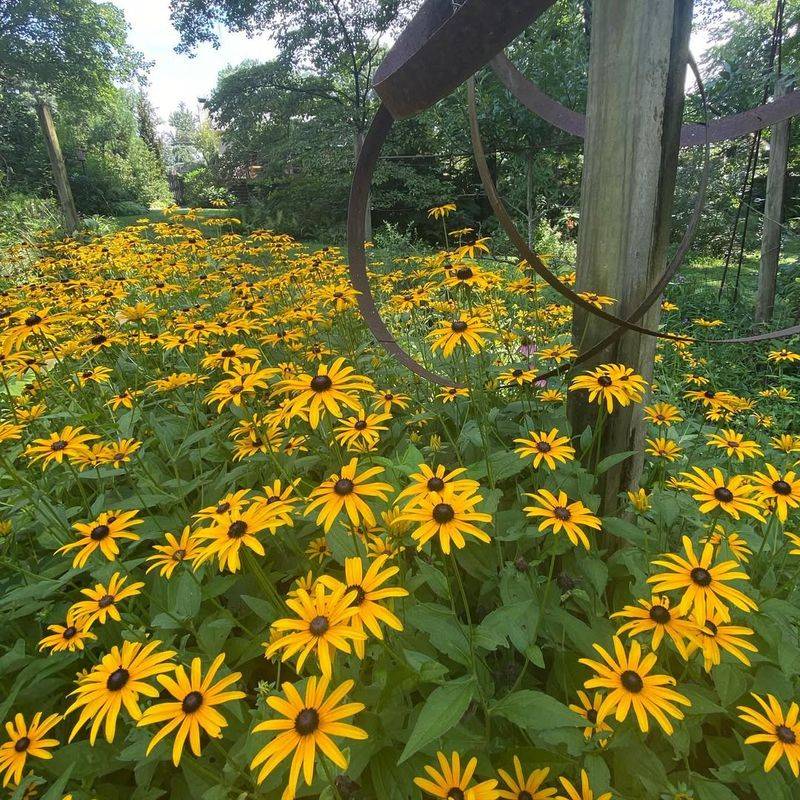
Golden petals radiating around chocolate-brown centers make black-eyed Susans instantly recognizable across North Carolina landscapes. These cheerful natives evolved to handle the heat and humidity of southern summers without missing a beat.
Rudbeckia species grow wild along roadsides and in meadows, proving their ability to thrive with absolutely zero pampering from gardeners.
Plant black-eyed Susans in spring or fall, giving them average soil and full sun exposure. They adapt to clay, sand, or loamy conditions without complaint, making them ideal for problem areas where other flowers refuse to grow.
Water new plants until established, then step back and watch them flourish on rainfall alone during most North Carolina summers.
Your North Carolina Garden Changes Every Week. Your Plan Should Too.
Gardening in North Carolina changes quickly throughout the season. Every Friday you’ll receive a simple weekly plan showing exactly what to plant, prune, fertilize, harvest, and protect so you never miss the right timing.
Each plant produces dozens of cheerful blooms from early summer through fall. The flowers attract bees, butterflies, and goldfinches who love eating the seeds in autumn.
Black-eyed Susans spread gradually through self-seeding, creating naturalized drifts that look better each year without any extra work from you.
These tough perennials resist deer browsing and tolerate periods of drought remarkably well. Cut stems back after blooming finishes to encourage a second flush of flowers before frost.
Black-eyed Susans pair beautifully with ornamental grasses and purple coneflowers, creating low-maintenance combinations that look professionally designed while requiring almost no care beyond occasional weeding.
3. Purple Coneflower Survives Heat With Minimal Care
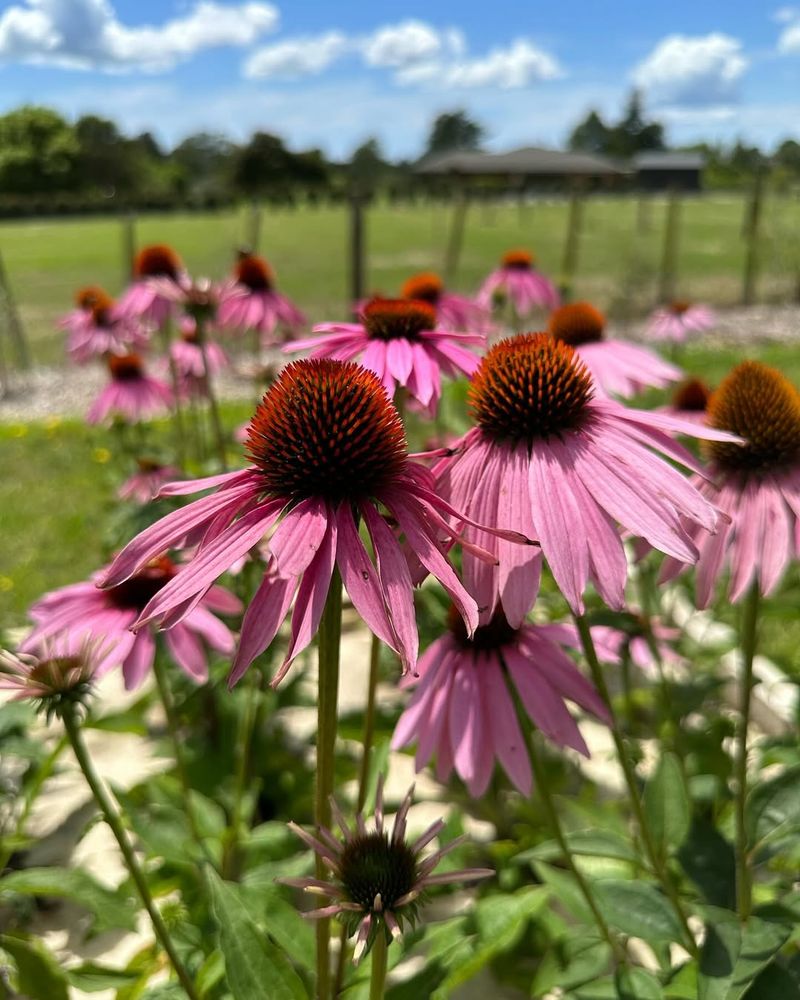
Spiky orange cones surrounded by drooping purple petals give echinacea its distinctive prairie-style charm. Native Americans used this plant medicinally for centuries, and modern gardeners appreciate how it laughs at summer heat waves.
Purple coneflowers actually prefer hot, sunny conditions and perform better during challenging weather than in pampered garden settings.
Echinacea establishes quickly in well-drained soil with full sun exposure. These plants tolerate clay soil better than many perennials, making them suitable for typical North Carolina garden conditions.
Water newly planted coneflowers regularly for the first month, then reduce watering frequency as roots grow deeper and stronger.
Mature plants reach two to four feet tall and bloom from June through September. Goldfinches perch on the seed heads in late summer, providing entertainment while helping with natural reseeding.
The sturdy stems rarely need staking, even during thunderstorms and high winds common across the region.
Purple coneflowers resist most pests and diseases naturally, eliminating the need for chemical treatments. They tolerate humid conditions without developing powdery mildew or fungal issues that plague less adapted plants.
Leave seed heads standing through winter to feed birds and add architectural interest to dormant gardens, then cut them back in early spring before new growth emerges for another season of reliable blooms.
4. Daylilies Perform Reliably In Hot Humid Climates
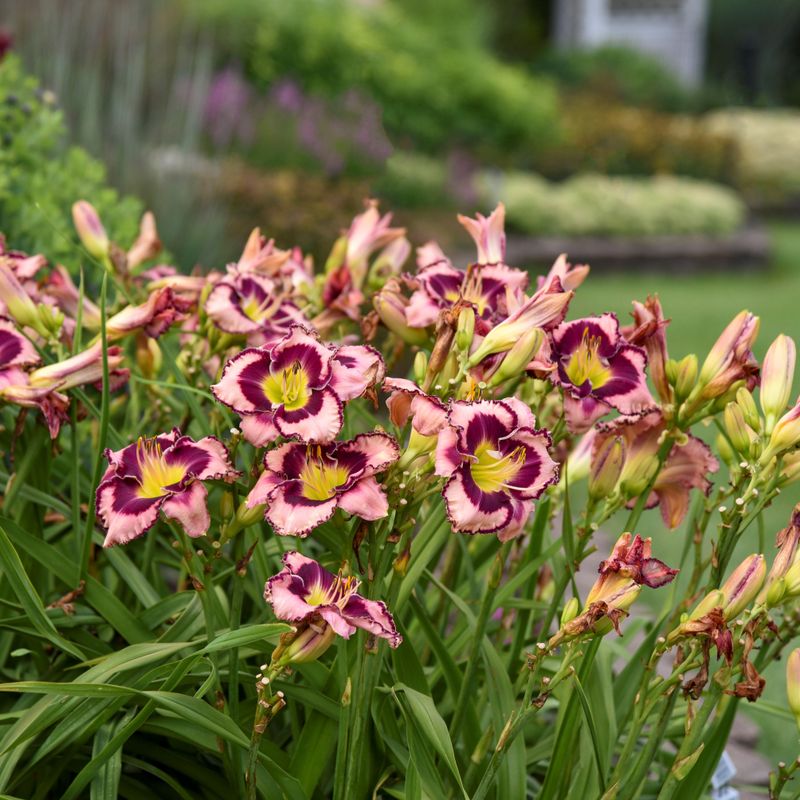
Each daylily bloom lasts just 24 hours, but plants produce so many buds that the show continues for weeks without interruption. These workhorses of southern gardens handle heat, humidity, poor soil, and neglect with equal grace.
Thousands of varieties exist, offering every color except true blue, so you can find options to match any landscape design.
Daylilies grow from fleshy roots that store water and nutrients efficiently. Plant them in spring or fall, spacing clumps about two feet apart to allow for growth.
They tolerate full sun to partial shade, though flowering improves with at least six hours of direct sunlight daily during the growing season.
The grass-like foliage remains attractive even when plants are not blooming. Daylilies multiply quickly, forming dense clumps that suppress weeds naturally without spreading aggressively like some groundcovers.
Divide crowded clumps every three to five years to maintain vigor and share extras with neighbors or expand your own plantings.
These tough perennials rarely suffer from pest or disease problems in North Carolina gardens. They bounce back quickly after drought, storms, or accidental damage from lawn equipment.
Daylilies require no deadheading since spent blooms drop cleanly on their own, making them truly low-maintenance performers that deliver reliable color throughout summer without demanding constant attention from busy gardeners.
5. Crepe Myrtle Thrives In Southern Summers
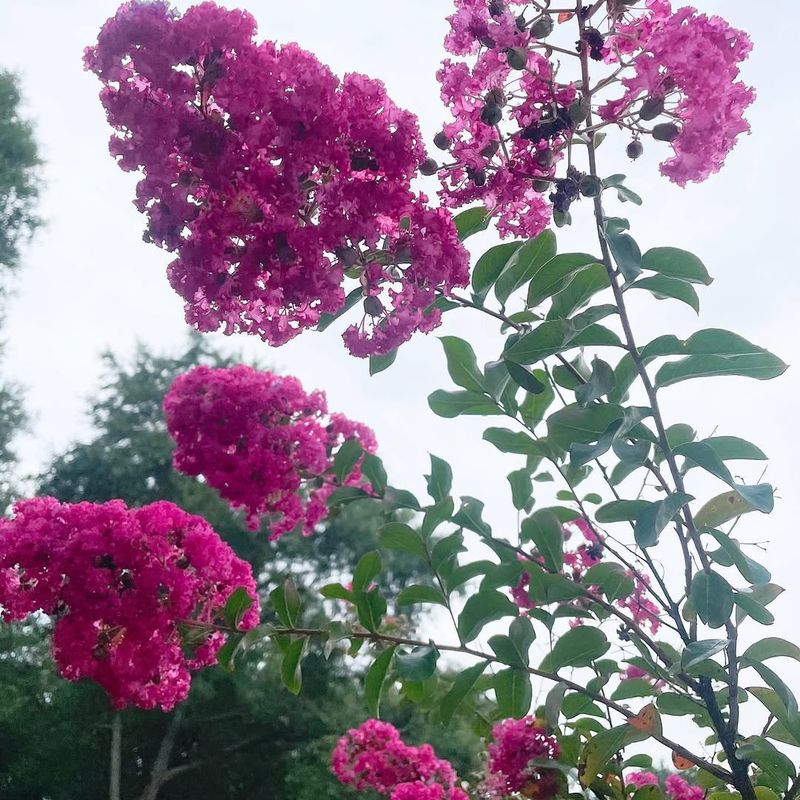
Crinkled tissue-paper blooms cover crepe myrtles for months each summer, earning them the nickname “lilac of the south.” These small trees or large shrubs define southern landscapes with their spectacular flower displays and attractive peeling bark. Crepe myrtles actually bloom better during hot weather, producing more flowers as temperatures rise rather than shutting down like many ornamentals.
Choose from varieties ranging from dwarf shrubs to 30-foot trees, selecting sizes appropriate for your space. Plant crepe myrtles in full sun with well-drained soil for best results.
They tolerate clay and adapt to various pH levels, making them suitable for most North Carolina garden conditions without soil amendments.
Flower colors include white, pink, red, lavender, and deep purple shades. Blooms appear on new growth, so prune in late winter if desired, though many gardeners skip pruning entirely.
The smooth, mottled bark provides winter interest after leaves turn orange-red and drop in autumn.
Crepe myrtles resist drought once established and rarely need supplemental watering after the first growing season. They tolerate urban pollution, heat reflection from pavement, and poor soil without complaint.
Newer varieties resist powdery mildew better than older selections, eliminating the white coating that once plagued these plants during humid summers. With proper variety selection, crepe myrtles provide four seasons of interest while requiring almost no maintenance beyond occasional cleanup of fallen blooms.
6. Salvia Handles Heat And Dry Conditions Well
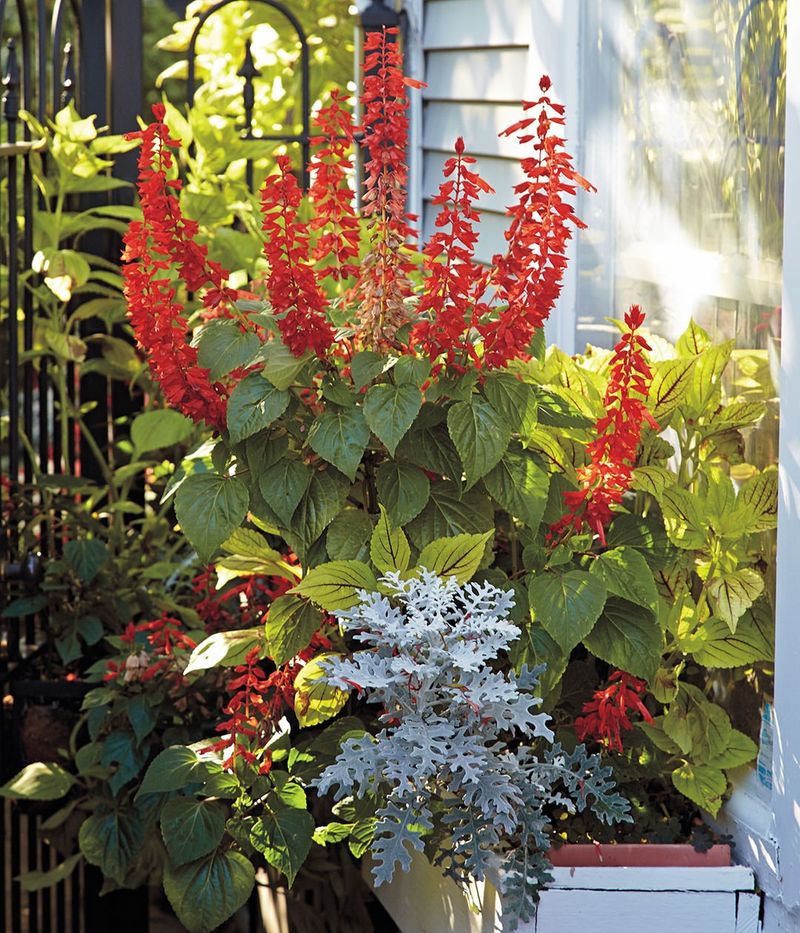
Bees zoom around salvia spikes like tiny helicopters, drawn by nectar-rich flowers that keep producing all summer long. Many salvia varieties love heat and actually sulk in cool, damp conditions, making them perfect matches for North Carolina’s challenging summer climate.
The tubular flowers come in shades of blue, purple, red, pink, and white, adding vertical interest to garden beds.
Salvias prefer full sun and well-drained soil, thriving in conditions that stress less adapted plants. Most varieties tolerate drought remarkably well once roots establish, though occasional deep watering during extended dry spells helps maintain peak blooming.
Space plants according to mature size, as good air circulation prevents any potential fungal issues during humid weather.
Different species offer various heights and growth habits for diverse garden uses. Some salvias grow as compact mounds while others reach several feet tall with airy flower spikes.
The aromatic foliage deters deer and rabbits naturally, protecting your investment without chemical repellents or fencing.
Deadhead spent flower spikes to encourage continuous blooming through fall frost. Salvias require no fertilizer in average soil and actually bloom better with lean growing conditions.
These reliable performers attract hummingbirds and butterflies while providing months of color with minimal care, making them smart choices for hot, sunny locations where you want maximum impact with minimum effort throughout the entire growing season.
7. Zinnias Grow Easily In Warm Weather
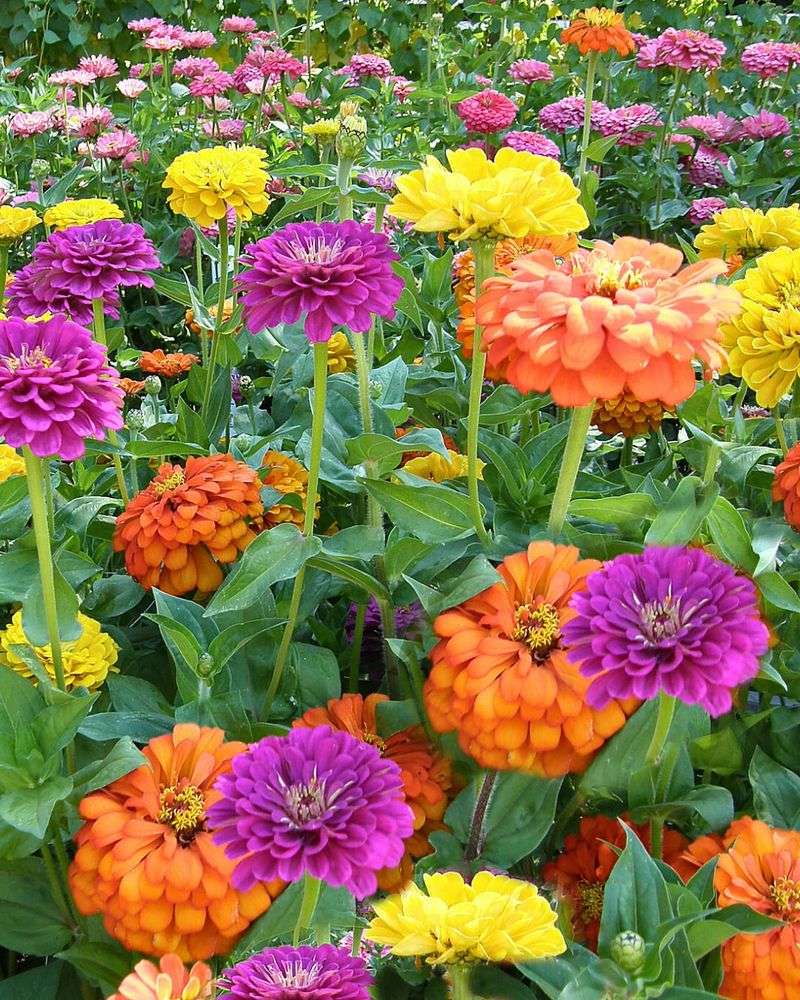
Few flowers match zinnias for pure summer color and easy-care performance in hot climates. These Mexican natives actually prefer temperatures above 80 degrees and produce their best growth during the hottest months.
Zinnias come in every color except blue, with flower forms ranging from small buttons to giant dinner-plate blooms that make spectacular cut flowers.
Sow zinnia seeds directly in garden beds after the last frost date, or start them indoors a few weeks earlier for earlier blooms. Seeds germinate quickly in warm soil and plants grow rapidly once established.
Space them according to variety size, providing six to twelve inches between plants for good air circulation.
Zinnias bloom continuously from early summer until frost without deadheading, though removing spent flowers encourages even more blooms. They tolerate poor soil and require minimal fertilizer, making them budget-friendly options for filling large spaces with color.
Water at soil level rather than overhead to reduce potential powdery mildew issues during humid weather.
Butterflies adore zinnia flowers and visit gardens planted with these cheerful annuals constantly throughout summer. Taller varieties make excellent cut flowers that last a week or more in vases.
Zinnias reseed reliably in North Carolina gardens, often returning the following year without replanting. Their ability to thrive in heat while providing continuous color makes zinnias perfect choices for beginning gardeners or anyone wanting maximum results with minimum effort.
8. Rosemary Thrives In Warm Sunny Gardens
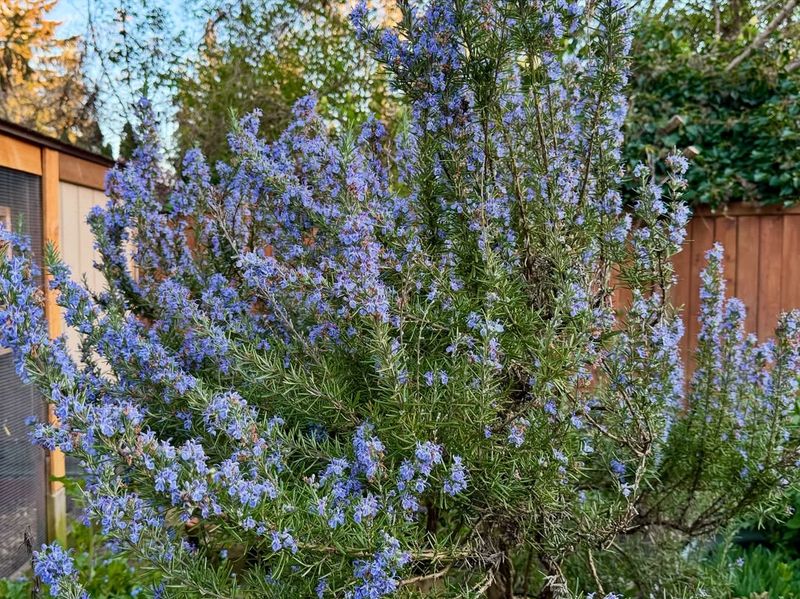
Brushing against rosemary releases its distinctive piney fragrance that instantly transports you to Mediterranean hillsides.
This woody herb loves hot, dry conditions and struggles more with excessive moisture than heat, making it surprisingly well-suited to North Carolina’s warmest, sunniest spots.
Rosemary provides fresh herbs for cooking while serving as an attractive evergreen landscape plant.
Plant rosemary in well-drained soil with full sun exposure, preferably in raised beds or slopes where water drains quickly. Heavy clay soil often causes root rot, so amend planting areas with sand or gravel to improve drainage.
Once established, rosemary tolerates drought exceptionally well and rarely needs supplemental watering except during extreme dry spells.
Different varieties grow as upright shrubs or trailing groundcovers, offering options for various landscape uses. The needle-like leaves remain green year-round in most North Carolina locations, providing winter interest when many other plants look dormant.
Small blue, pink, or white flowers appear in late winter or early spring, attracting early-season bees.
Rosemary requires no fertilizer and actually prefers lean soil conditions that promote essential oil production. Harvest stems regularly for cooking to encourage bushier growth and prevent plants from becoming woody and sparse.
This versatile herb resists deer browsing and tolerates salt spray in coastal areas, making it useful for challenging locations where other plants struggle to survive and thrive reliably.
9. Coreopsis Performs Well In Hot Sunny Locations
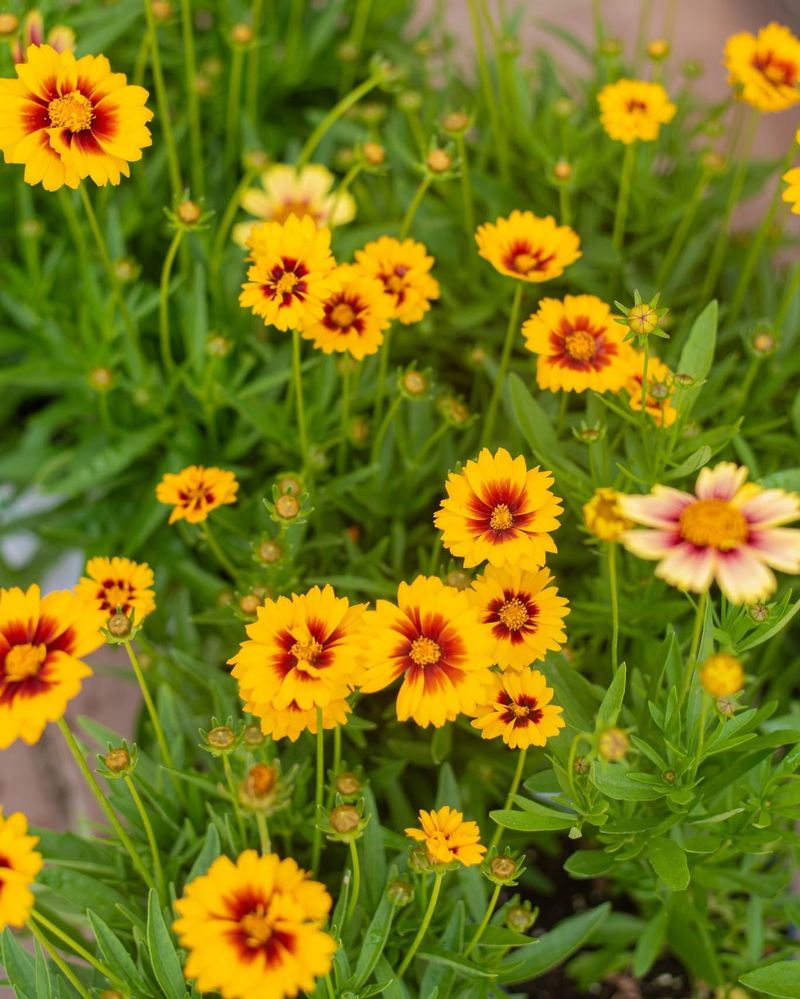
Cheerful yellow blooms dance on wiry stems above neat foliage mounds throughout summer. Native coreopsis species evolved across North Carolina and surrounding states, adapting perfectly to local heat and humidity patterns.
These carefree perennials self-sow gently without becoming weedy, gradually naturalizing to create drifts that look more beautiful each year.
Coreopsis grows easily from seed or nursery plants, establishing quickly in average to poor soil. They actually bloom more profusely in lean soil conditions than in rich, heavily fertilized beds.
Full sun produces the most flowers, though plants tolerate light afternoon shade in the hottest regions without significantly reducing bloom production.
The daisy-like flowers attract butterflies and native bees while providing long-lasting cut flowers for indoor arrangements. Deadheading extends the blooming period, but even without this extra attention, coreopsis flowers for months.
The tidy foliage remains attractive between bloom cycles, never looking messy or overgrown like some perennials.
Several native species and many cultivated varieties offer options from six inches to three feet tall. Threadleaf coreopsis provides fine-textured foliage and abundant small flowers, while lanceleaf types produce larger blooms on sturdier stems.
All coreopsis varieties tolerate drought, resist deer browsing, and require virtually no maintenance beyond occasional division every few years.
Their reliable performance in hot, sunny conditions makes them valuable additions to low-maintenance North Carolina gardens seeking continuous summer color.
10. Sedum Survives Heat With Minimal Water
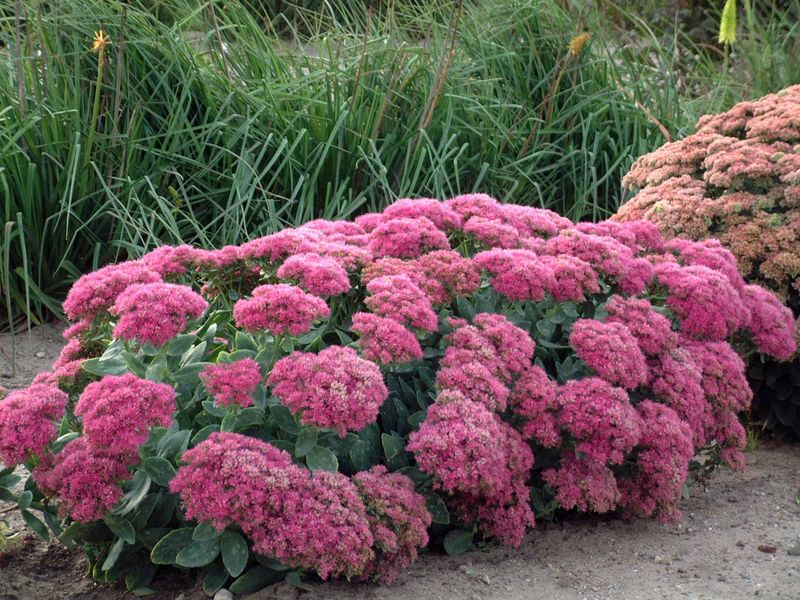
Thick, fleshy leaves store water like tiny reservoirs, allowing sedum to laugh at drought and heat waves. These succulent perennials come in hundreds of varieties ranging from tiny groundcovers to substantial border plants with architectural presence.
Sedums ask almost nothing from gardeners while providing months of interest through changing foliage colors and late-season flowers beloved by pollinators.
Plant sedums in well-drained soil with full sun for best results, though most tolerate partial shade and various soil types. They establish quickly and spread gradually without becoming invasive or requiring division for many years.
Water new plantings until roots establish, then forget about them except during extreme drought lasting several weeks.
Low-growing varieties create living mulch that suppresses weeds while adding texture to rock gardens and between stepping stones.
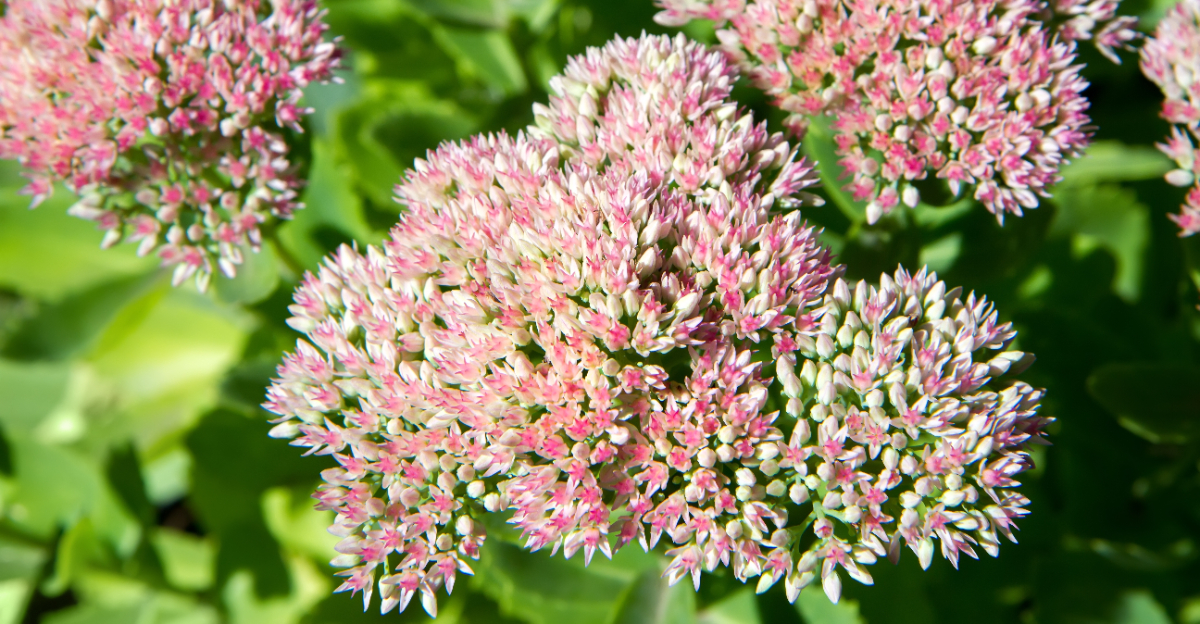
Upright types like autumn joy sedum provide structure in perennial borders, with flower heads that transition from green buds through pink blooms to rusty seed heads that remain attractive all winter.
Sedum tolerates poor soil, reflected heat from pavement, and neglect that would eliminate less adapted plants. The succulent foliage resists deer and rabbit browsing naturally.
These tough perennials rarely suffer from pest or disease problems and require no fertilizer or special care.
Simply plant them in appropriate locations and enjoy years of reliable performance with virtually zero maintenance required throughout changing seasons and challenging weather conditions.