The One Plant You Will Almost Always Spot In Old North Carolina Homes And Why It Is Still So Loved
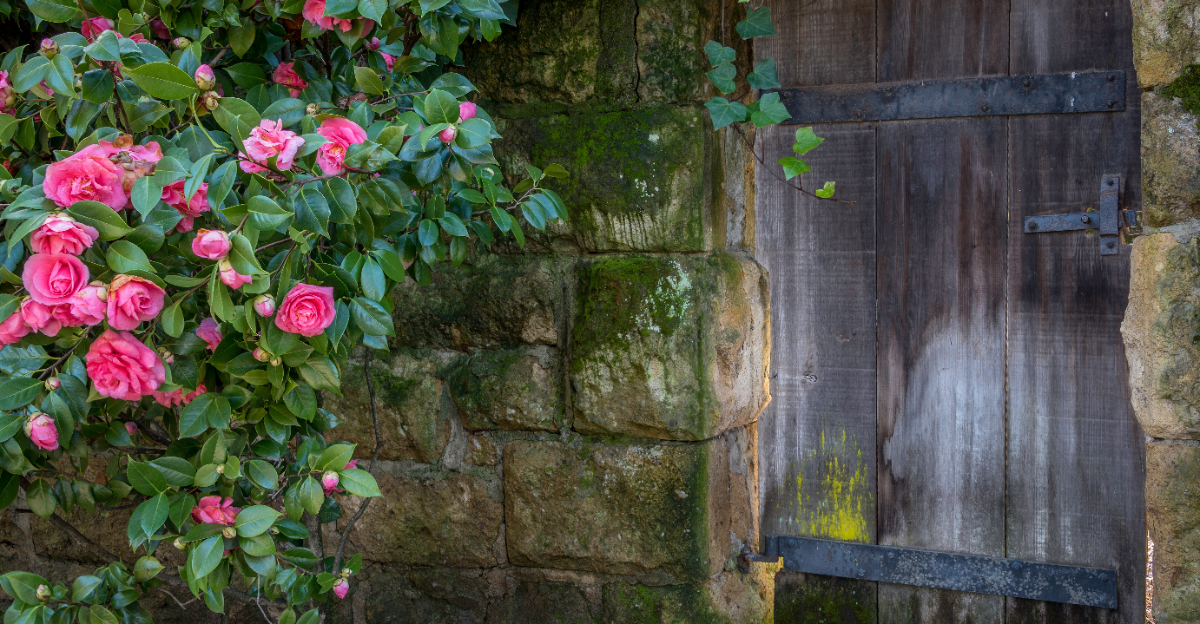
Stroll past a century old home in North Carolina and you are likely to spot glossy green leaves framing elegant blooms that seem to glow against brick and wood.
Camellias have become woven into the visual story of historic neighborhoods across the state, standing proudly beside wide front porches and timeworn chimneys.
Their presence is no accident. These flowering shrubs earned lasting admiration through a rare blend of refined beauty, dependable resilience, and an ability to thrive in North Carolina’s often humid and variable climate.
While many ornamentals struggle with shifting temperatures or heavy soils, camellias adapt gracefully, rewarding gardeners with rich color when much of the landscape feels quiet.
Generations of homeowners planted them not only for their charm but also for their reliability and longevity.
Exploring why camellias became such treasured fixtures reveals why today’s North Carolina gardeners continue to embrace them, ensuring these timeless blooms remain a defining feature of southern landscapes for years to come.
Camellias Thrive In The Climate Of North Carolina
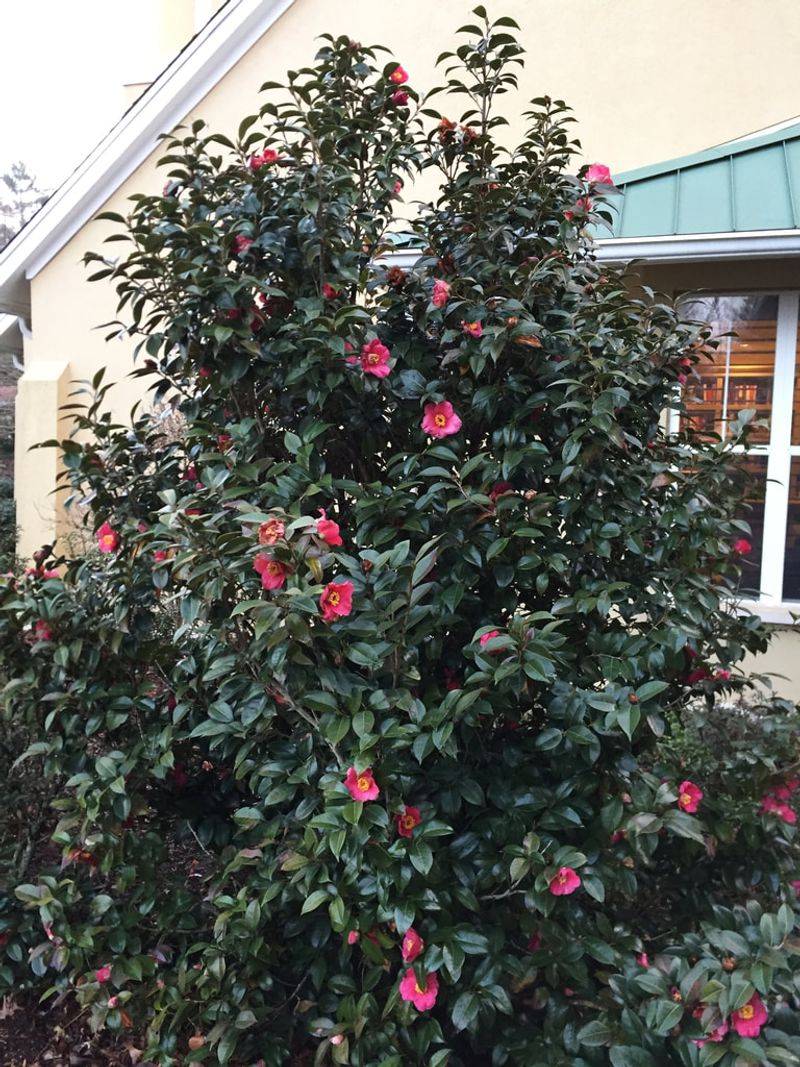
North Carolina offers nearly perfect growing conditions for camellias throughout much of the state. The mild winters provide just enough chill without the harsh freezing temperatures that damage these plants in northern regions.
Humidity levels stay consistently high, creating an environment where camellias can absorb moisture through their leaves and maintain their lush appearance year after year.
The acidic soil found naturally in many parts of North Carolina suits camellias beautifully. These shrubs prefer a pH between 5.5 and 6.5, which matches the soil composition in much of the Piedmont and Coastal Plain regions.
Homeowners rarely needed to amend their soil extensively, making camellias an easy choice for early gardeners who lacked access to modern soil treatments and fertilizers.
Temperature ranges across the state allow different camellia varieties to flourish in different areas. Coastal regions with warmer winters can support more tender varieties, while the cooler mountain foothills accommodate hardier types.
This adaptability meant that almost any North Carolina homeowner could find a camellia variety suited to their specific microclimate.
Rainfall patterns in the state also benefit these evergreen shrubs. Spring and summer rains provide consistent moisture during the growing season, while drier fall weather allows flower buds to develop properly.
This natural irrigation pattern reduced the need for constant watering, making camellias practical for busy households managing large properties without modern irrigation systems or garden hoses.
Evergreen Foliage Provided Year Round Beauty
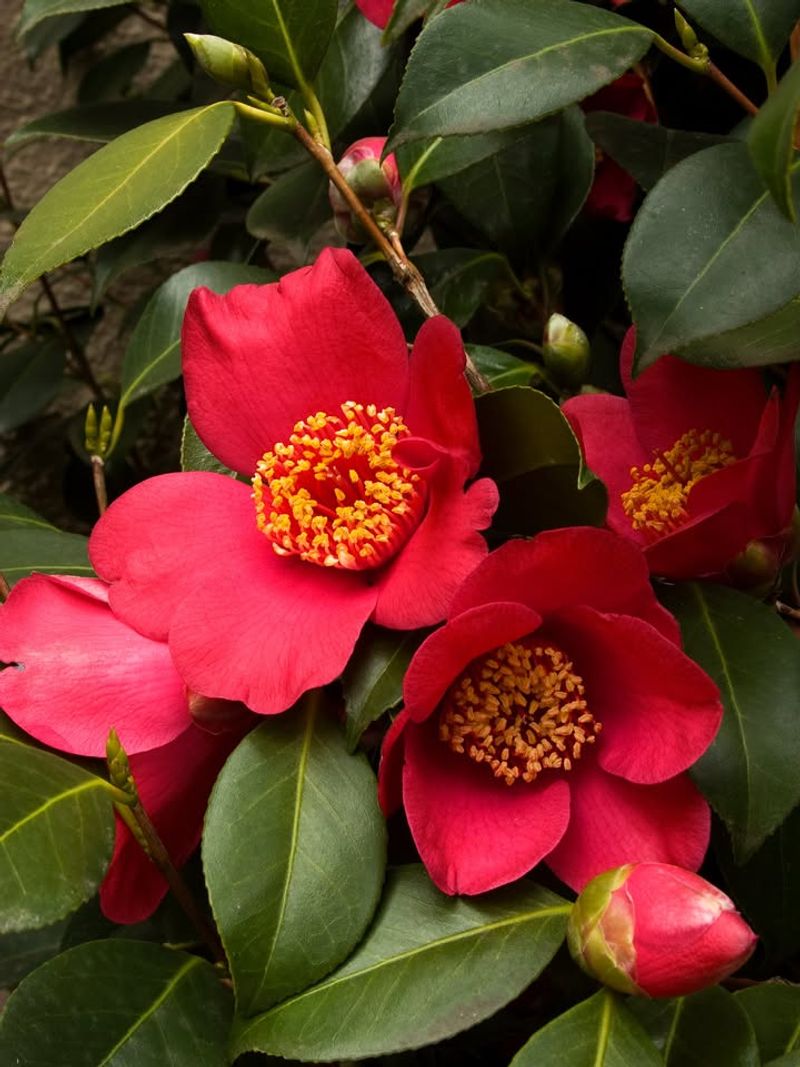
Unlike deciduous shrubs that lose their leaves each autumn, camellias maintain their deep green foliage throughout every season. This characteristic made them invaluable for homeowners wanting to keep their properties attractive during the bare months of winter.
The glossy leaves catch sunlight beautifully, creating visual interest even when flowers are absent and other plants have turned brown and dormant.
Historic homes often featured camellias as foundation plantings specifically because of their evergreen nature. Placing these shrubs near the house provided a year-round screen that softened the transition between building and landscape.
The dense foliage also offered privacy, blocking views into lower windows without requiring homeowners to install fences or other barriers that might seem unwelcoming to neighbors and visitors.
Your North Carolina Garden Changes Every Week. Your Plan Should Too.
Gardening in North Carolina changes quickly throughout the season. Every Friday you’ll receive a simple weekly plan showing exactly what to plant, prune, fertilize, harvest, and protect so you never miss the right timing.
The leaves themselves possess an attractive texture that adds dimension to garden designs. Each leaf displays a thick, waxy coating that reflects light and creates subtle variations in shade and tone.
This natural shine gave gardens an elegant, well-maintained appearance that required no polishing or special care to achieve.
Gardeners appreciated how camellia foliage provided a backdrop for other seasonal plantings. Spring bulbs, summer perennials, and fall chrysanthemums all looked more vibrant when displayed against the dark green leaves of established camellia shrubs.
This versatility allowed homeowners to change their garden color schemes seasonally while maintaining a consistent structural element that tied everything together visually throughout the changing year.
Winter And Early Spring Flowers Added Seasonal Color
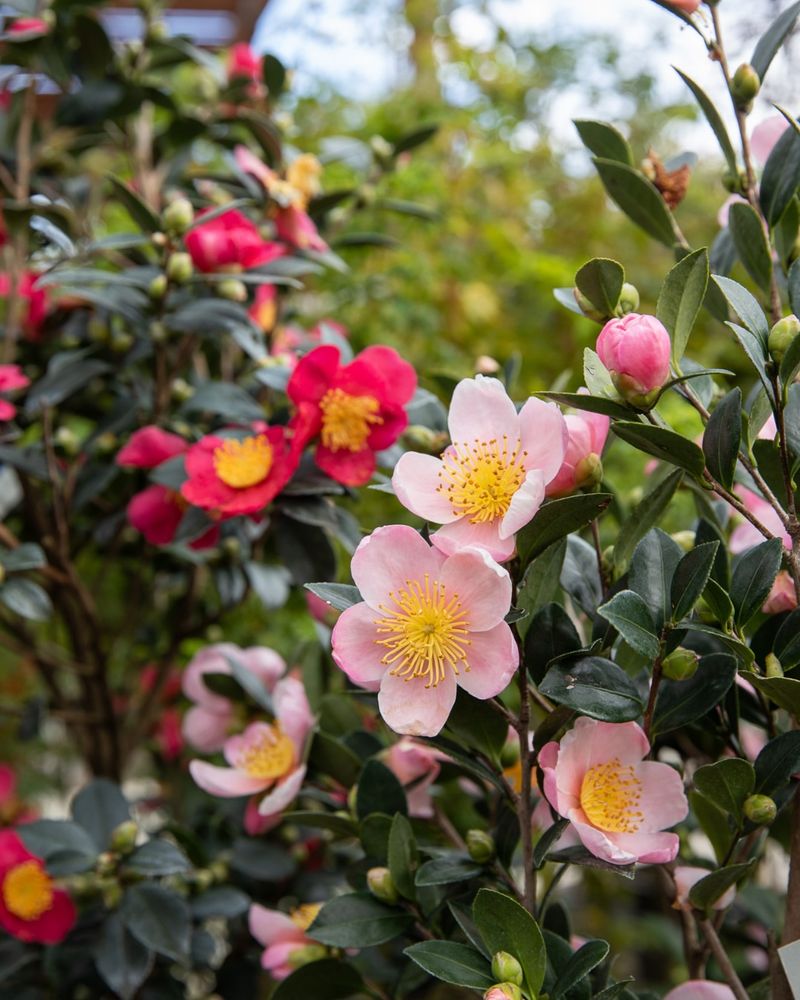
Camellias bloom during the coldest months when most other flowering shrubs remain dormant and flowerless. Varieties begin opening their buds as early as October and continue through April, depending on the specific cultivar and local conditions.
This extended blooming period provided homeowners with fresh flowers during months when gardens typically looked bare and uninviting to visitors approaching the front door.
The flowers themselves range from simple single forms to elaborate doubles with dozens of petals. Colors span from pure white through every shade of pink to deep red, offering options for every taste and garden color scheme.
Early settlers and later homeowners could select varieties that matched their home’s exterior paint or complemented other landscape features, creating cohesive designs that enhanced property values and neighborhood appeal.
Each bloom can last several weeks on the plant, giving homeowners an extended display from each flower bud. This longevity meant that even a modest-sized camellia could provide continuous color throughout its blooming season.
Unlike spring bulbs that fade quickly or summer annuals that require constant deadheading, camellias delivered reliable beauty with minimal intervention from busy property owners.
The timing of camellia blooms also held cultural significance in southern communities. Flowers appeared during the holiday season and early new year, when families gathered and wanted their homes to look especially welcoming.
Having fresh blooms available for cutting and bringing indoors added to the festive atmosphere without requiring trips to town for purchased flowers that might not be readily available in rural areas.
Long Lifespan Made Them A Lasting Garden Investment
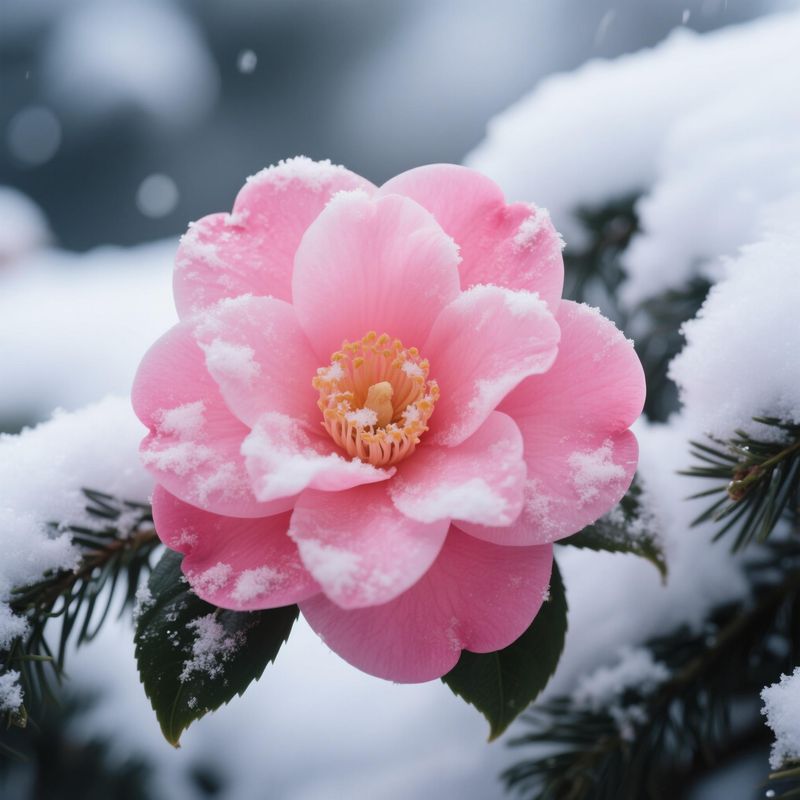
Camellias can live for many decades when planted in suitable locations with proper soil conditions. Some specimens in historic southern gardens have survived for over a century, outliving the original homeowners and several generations of their descendants.
This remarkable longevity made camellias a wise investment for families planning to remain in their homes for extended periods and wanting to establish permanent landscape features.
The slow but steady growth rate of camellias meant that once a shrub reached maturity, it maintained its size and shape for years without requiring replacement. Homeowners avoided the expense and effort of replanting that other shorter-lived shrubs demanded.
A single camellia purchased and planted properly could serve the same landscape function for an entire human lifetime, making it one of the most economical plant choices available.
Mature camellias develop thick trunks and strong branch structures that withstand storms and heavy snow loads. This durability protected the investment that homeowners made when purchasing and planting young specimens.
Unlike fragile plants that might suffer damage from a single harsh weather event, established camellias proved resilient through countless seasonal challenges and occasional extreme conditions that tested their strength.
The ability to pass camellias down through family generations created emotional connections between plants and people. Grandchildren played beneath the same shrubs that shaded their grandparents decades earlier.
These living links to family history gave camellias value beyond their ornamental qualities, transforming them into cherished heirlooms that families protected and maintained with special care and pride.
They Tolerate Partial Shade Around Older Homes
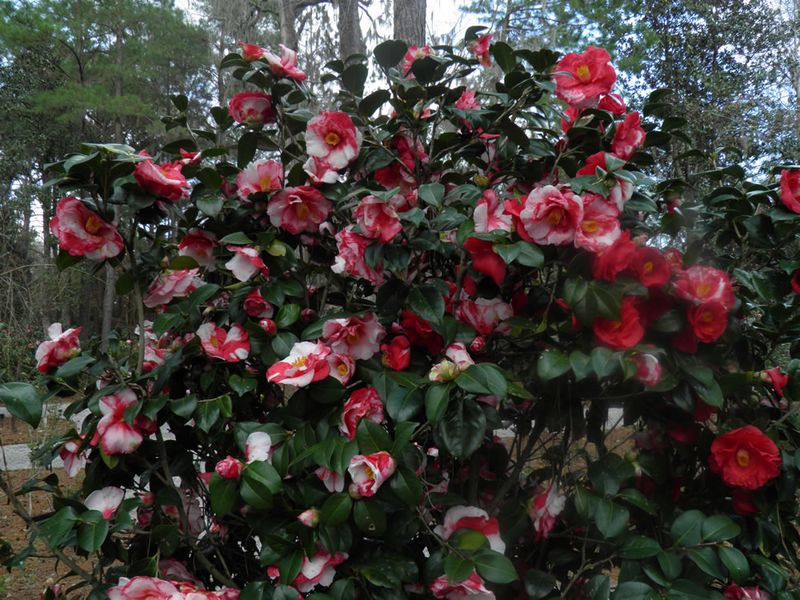
Many historic homes feature mature shade trees and deep porches that create filtered light conditions. Camellias adapted perfectly to these shaded environments, thriving in locations where sun-loving plants struggled to produce flowers or maintain healthy foliage.
This shade tolerance made them ideal for filling difficult spots in established landscapes where tree roots and limited light challenged other ornamental options.
The natural habitat of wild camellias includes forested areas where they grow as understory plants. This evolutionary background prepared them for the dappled sunlight found around older properties with established tree canopies.
Homeowners could plant camellias knowing they would flourish rather than merely survive in spots that received only morning sun or bright indirect light throughout the day.
Porches and overhanging eaves created specific microclimates that camellias found favorable. The shelter from harsh afternoon sun prevented leaf scorch while still providing enough light for photosynthesis and flower production.
These protected locations also offered some defense against damaging winds and heavy rains that could strip petals from more exposed plantings in open garden beds.
Planting camellias in partial shade also helped regulate soil moisture levels. Direct sun can dry soil quickly, requiring frequent watering that busy homeowners might not always provide.
Shaded locations retained moisture longer, reducing the irrigation demands that other foundation shrubs placed on household water supplies and family schedules. This practical advantage made camellias especially suitable for large properties where maintaining every planting area required significant time and effort from residents.
Low Maintenance Once Established
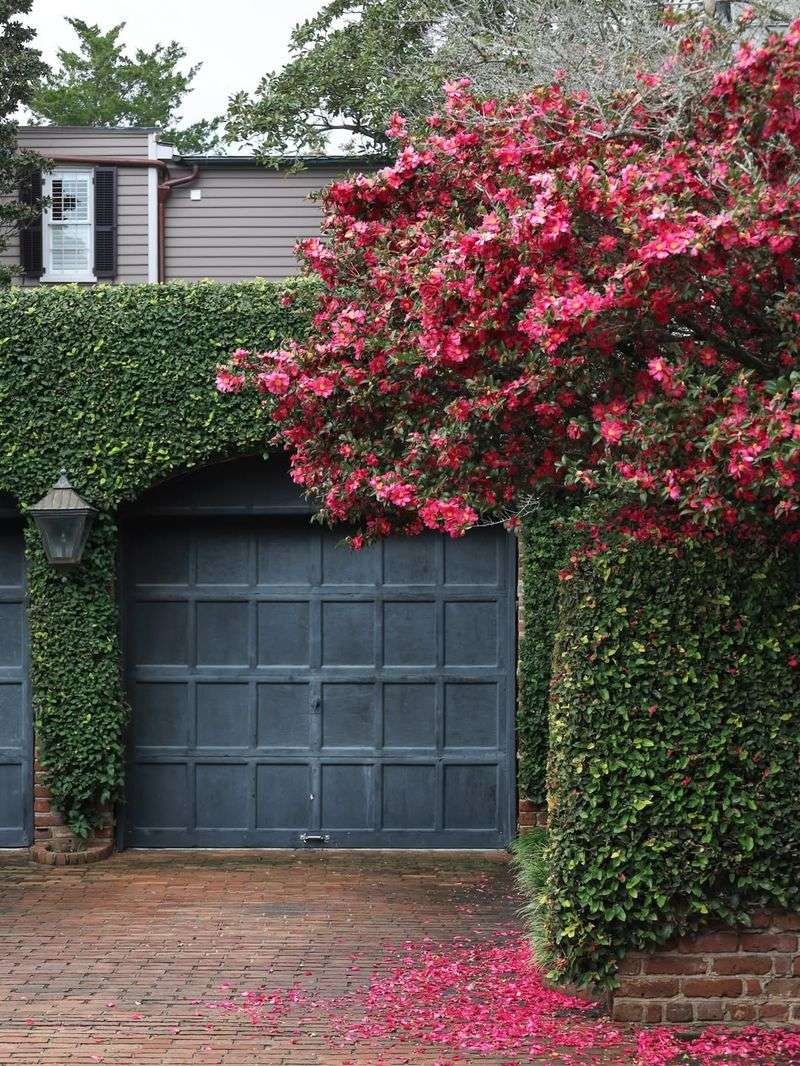
Camellias require relatively little attention once their roots establish in the surrounding soil. Early homeowners lacked the time and resources for high-maintenance plants, making these self-sufficient shrubs particularly valuable.
After the first few years of occasional watering during dry spells, mature camellias typically thrive on rainfall alone in most North Carolina locations with adequate natural precipitation.
Pruning needs remain minimal compared to many other flowering shrubs. Camellias naturally develop attractive shapes without constant trimming and shaping.
Homeowners could simply remove any branches damaged by storms or growing in unwanted directions, a task requiring only basic garden tools and minimal horticultural knowledge. This simplicity allowed even inexperienced gardeners to maintain handsome specimens without hiring professional help or spending hours learning complex pruning techniques.
Fertilizer requirements also stay modest for established plants. While young camellias benefit from annual feeding, mature specimens often perform well with only occasional applications of acidic fertilizer or a top dressing of compost.
This low nutrient demand reduced costs for homeowners and eliminated the need for frequent trips to purchase and apply specialized plant foods that other ornamentals required for good performance.
Pest and disease problems rarely reach serious levels on healthy camellias grown in appropriate conditions. The thick, waxy leaves resist many common insect pests, while good air circulation around properly spaced plants helps prevent fungal issues.
Homeowners could enjoy beautiful blooms without constantly monitoring for problems or applying treatments that required special equipment or protective gear to use safely around family members and pets.
Symbol Of Southern Garden Tradition
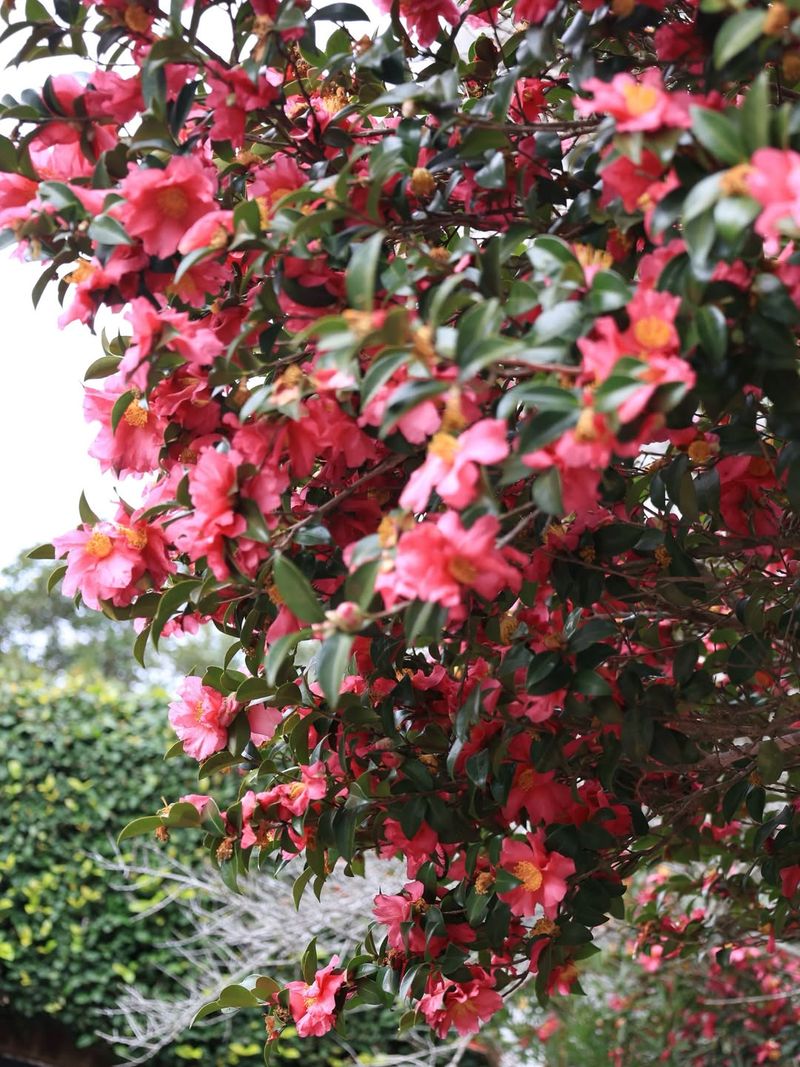
Camellias became deeply woven into the cultural fabric of southern gardening traditions. Their presence in historic landscapes created associations between these plants and concepts of hospitality, refinement, and connection to place.
Visitors arriving at homes with established camellia plantings immediately recognized the care and attention that homeowners devoted to maintaining their properties and upholding regional aesthetic standards.
Garden clubs throughout the South championed camellias during the twentieth century, organizing shows and competitions that celebrated exceptional specimens. These social organizations elevated camellia cultivation from a simple gardening activity to a respected hobby that brought communities together.
Homeowners took pride in growing varieties that earned recognition at local exhibitions, and successful growers gained reputations as skilled horticulturists within their neighborhoods.
The association between camellias and traditional southern landscapes also influenced plant selection for historic preservation projects.
When restoring old homes and gardens, landscape architects and historians often included camellias to maintain historical accuracy and authentic period character.
This practice reinforced the connection between these shrubs and southern heritage, ensuring that new generations would continue recognizing camellias as essential elements of regional garden design.
Literature and art from the region frequently featured camellias as symbols of southern beauty and grace. Writers described gardens filled with blooming shrubs, while painters captured their elegant flowers in still life compositions and landscape scenes.
These cultural references strengthened public perception of camellias as quintessentially southern plants that belonged in every proper garden, further cementing their status in regional horticultural traditions that persist today.
Adaptable To Many Landscape Styles
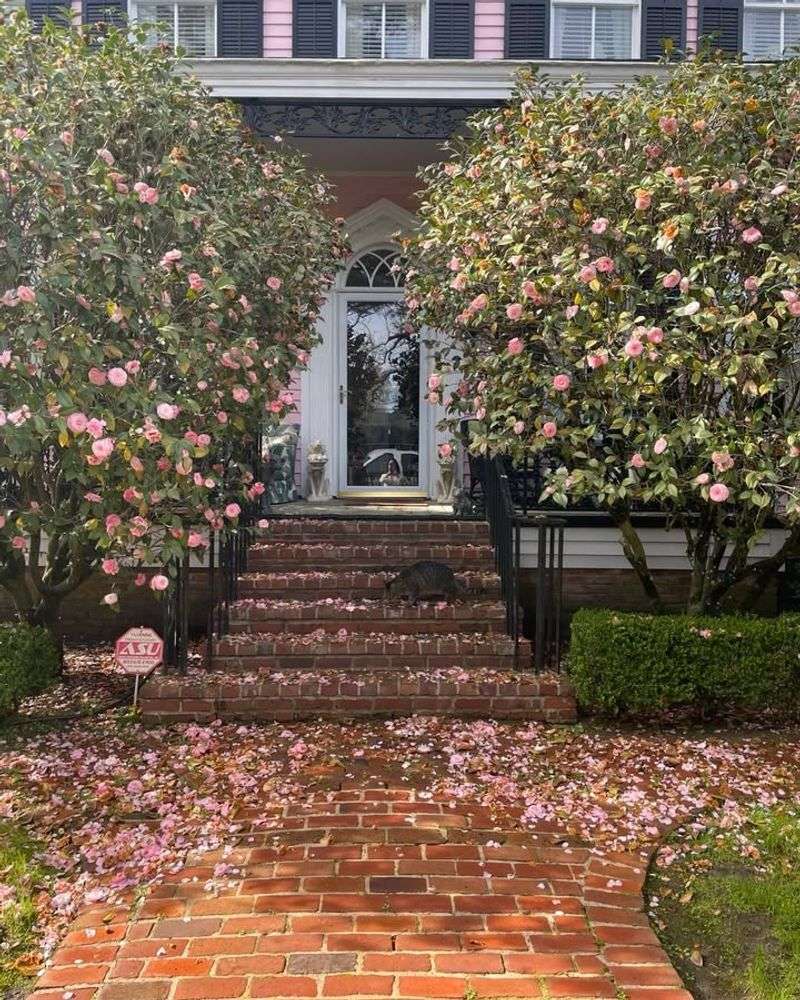
Camellias serve multiple functions in residential landscapes, adapting to various design roles with equal success. Their versatility allowed homeowners to use the same plant type throughout their property while creating different visual effects in each location.
Foundation plantings around house perimeters provided structure and softened architectural lines, while the same species planted in rows created effective hedges that defined property boundaries and garden rooms.
Specimen planting showcased particularly attractive camellia varieties in prominent locations where their form and flowers received maximum attention. A single well-placed shrub could serve as a focal point in a front yard or anchor a corner planting bed.
This flexibility meant that homeowners could purchase camellias knowing they would find suitable locations regardless of their specific landscape design preferences or property layout constraints.
The range of sizes among camellia varieties further enhanced their adaptability. Compact cultivars fit into small urban gardens and narrow spaces between buildings, while larger varieties provided substantial presence in expansive rural landscapes.
Homeowners could select plants scaled appropriately for their available space, ensuring that camellias enhanced rather than overwhelmed their surroundings as they matured over time.
Camellias also combined well with other traditional southern plants in mixed borders and cottage garden designs. Their evergreen foliage provided structure among looser perennial plantings, while their winter blooms complemented spring bulbs and summer annuals.
This compatibility with diverse planting styles meant that camellias fit into both formal landscapes with geometric beds and informal gardens with naturalistic arrangements, making them suitable for homeowners with varying aesthetic preferences and design philosophies.
Resistant To Many Common Garden Problems
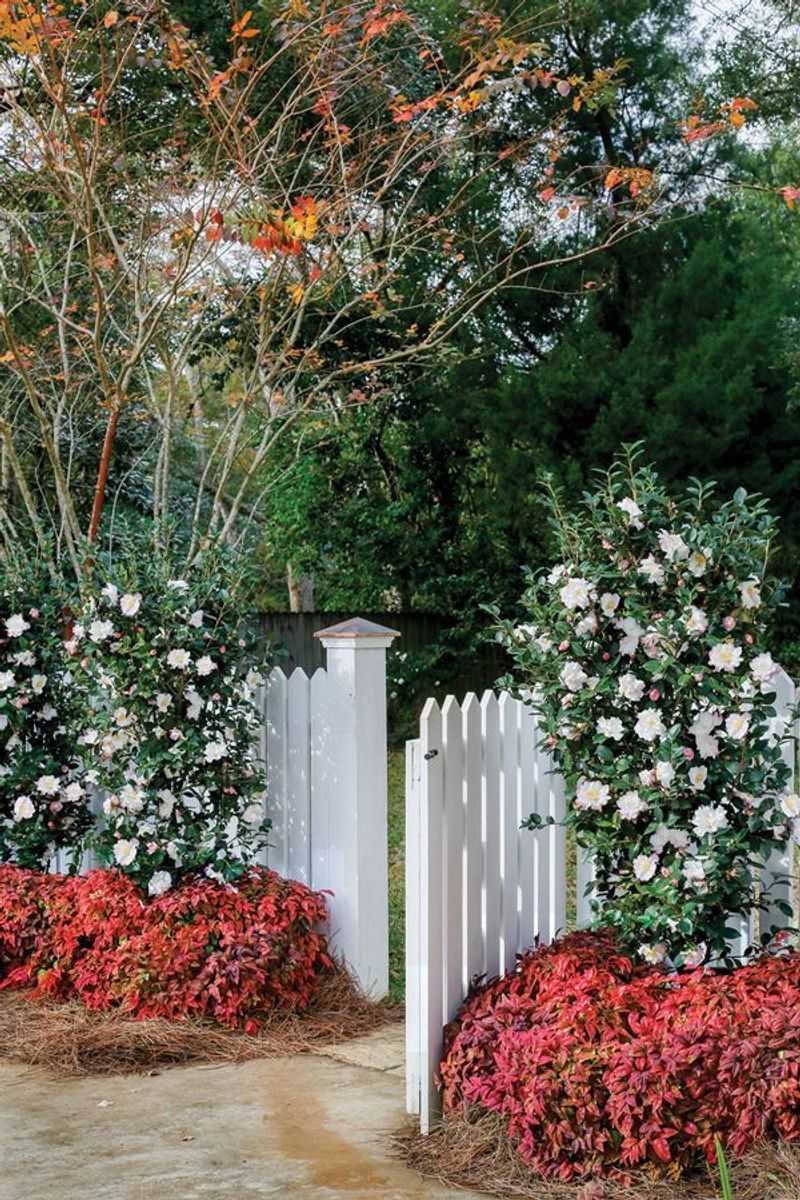
Camellias demonstrate natural resistance to many issues that plague other ornamental shrubs. Their tough leaves discourage browsing by deer and rabbits, protecting them from the wildlife damage that ruins so many garden plants.
This resistance proved especially valuable for rural homeowners whose properties bordered forests and fields where hungry animals constantly searched for tender vegetation to consume during lean winter months.
Root systems develop in ways that help camellias withstand both drought and occasional flooding. The fibrous roots spread widely to capture available moisture during dry periods, while their structure also allows excess water to drain away during heavy rains.
This adaptability to varying moisture conditions meant that camellias survived weather extremes that stressed or damaged less resilient plants in the same garden beds.
The natural acidity that camellias prefer also discourages certain soil-borne diseases that affect plants requiring neutral or alkaline conditions. Growing in their preferred pH range, camellias avoid many root rot problems that develop when plants struggle in unsuitable soil chemistry.
This natural disease avoidance reduced the need for soil treatments and fungicide applications that required expense and effort from homeowners.
Proper placement in partial shade and well-draining soil further enhanced the natural hardiness of camellia plantings. When sited correctly, these shrubs rarely experienced serious pest infestations or disease outbreaks that required intervention.
Homeowners enjoyed reliable performance year after year without the constant vigilance and treatment schedules that other flowering shrubs demanded for maintaining acceptable appearance and health throughout the growing season and bloom period.
Passed Down Through Generations Of Gardeners
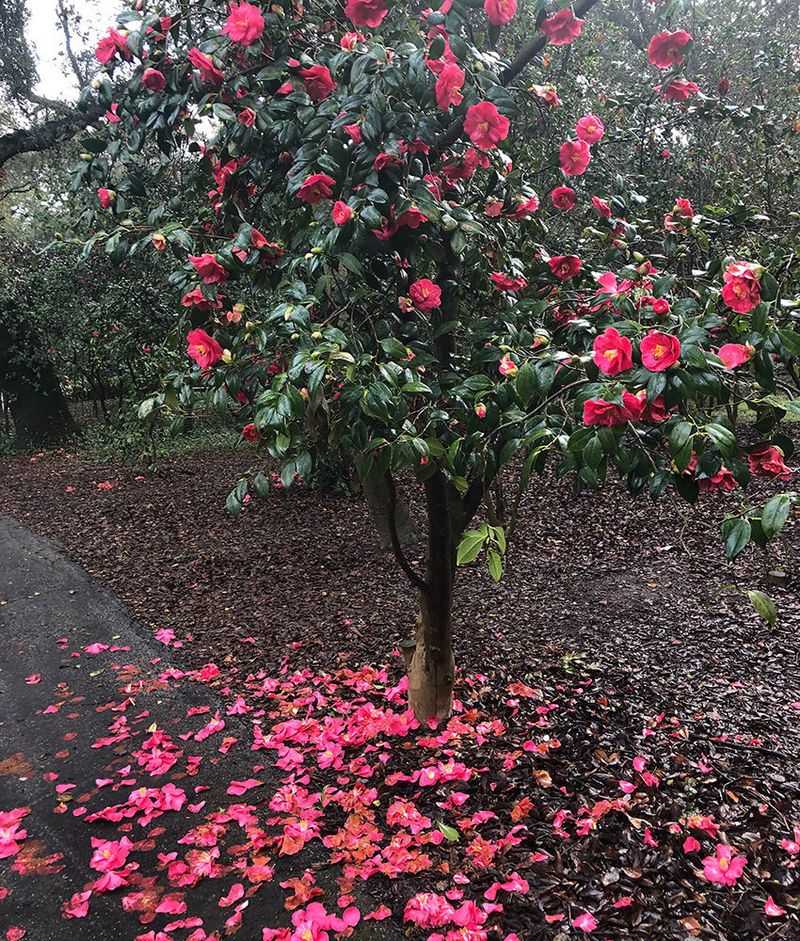
Many camellia plantings in North Carolina trace their origins back several generations within single families. Grandparents planted shrubs that their grandchildren now tend, creating living connections across decades of family history.
These inherited plants carry emotional significance that transcends their ornamental value, becoming cherished links to ancestors and earlier times that family members work to preserve and protect.
The practice of sharing camellia cuttings and rooted plants between family members and neighbors spread favorite varieties throughout communities.
A particularly beautiful specimen might produce offspring that appeared in gardens across an entire neighborhood as friends exchanged rooted cuttings.
This sharing tradition created botanical family trees where modern gardeners could trace their plants back to specific source shrubs that grew decades earlier in nearby yards.
Knowledge about camellia care also passed between generations through oral tradition and hands-on demonstration.
Grandparents taught children and grandchildren when to prune, how to recognize healthy growth, and which varieties performed best in local conditions.
This transfer of horticultural wisdom ensured that traditional gardening practices continued even as printed resources became more widely available and gardening trends shifted toward newer plant introductions.
The longevity of individual camellia plants meant that they witnessed and survived major family events and historical moments.
A shrub might have been planted to commemorate a wedding, survived through wars and economic hardships, and bloomed through countless family celebrations and gatherings.
These accumulated memories transformed camellias from simple landscape plants into family treasures that current owners felt obligated to maintain for future generations who would inherit both property and plants.