Delicious Native Fruits You Can Easily Grow In Your North Carolina Backyard In 2026
There is something deeply satisfying about stepping into your yard and picking sun ripened fruit grown just a few steps from your kitchen. In North Carolina, cultivating native fruits offers more than convenience.
It creates a lasting connection to the land, the seasons, and the natural rhythms that shape the state’s landscapes.
These plants have adapted over thousands of years to North Carolina’s soil, rainfall patterns, and shifting temperatures, making them naturally resilient and easier to manage than many imported varieties.
Because they belong here, they often require less intervention while standing strong against common regional challenges. Native fruiting plants also support birds, pollinators, and other wildlife, strengthening the health of your entire garden ecosystem.
The reward is a harvest rich with distinctive flavors rooted in local history and place. By choosing native fruits, North Carolina gardeners gain dependable growth, meaningful environmental benefits, and produce that truly reflects the character of the region.
1. Highbush Blueberry Is A Native Backyard Favorite
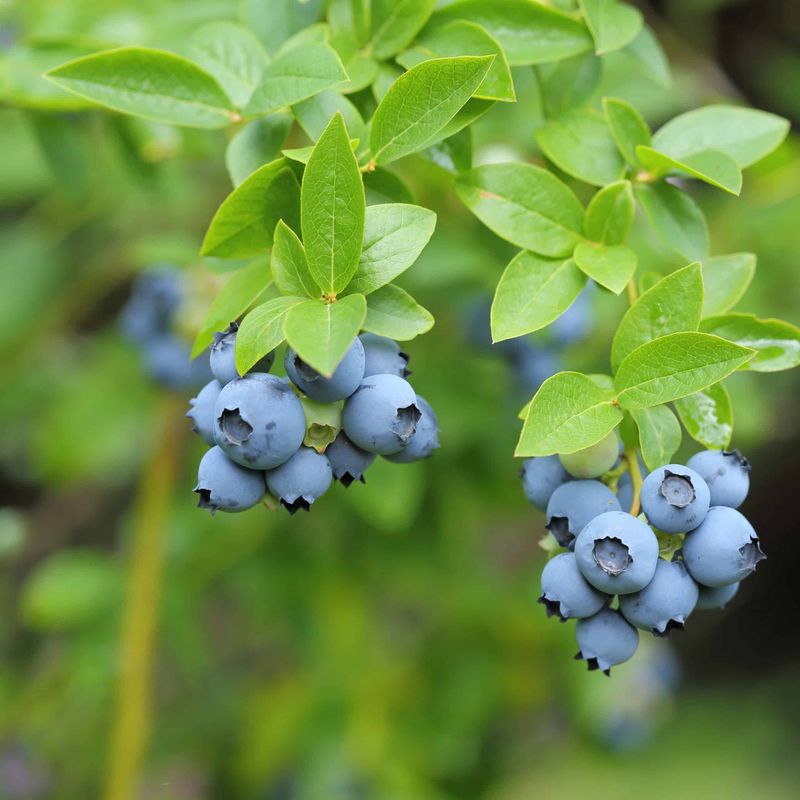
Vaccinium corymbosum stands as one of the most reliable fruiting shrubs you can plant in a North Carolina garden. This native species produces plump berries that ripen from late spring through midsummer depending on the variety you choose.
Gardeners appreciate how well these shrubs adapt to local conditions without demanding constant attention.
Acidic soil between pH 4.5 and 5.5 creates the ideal environment for vigorous root development and abundant fruit production. Adding sulfur or composted pine bark helps lower pH levels if your soil tests too alkaline.
Consistent moisture during the growing season supports berry development, though established plants tolerate brief dry spells better than many other fruit crops.
Planting at least two different cultivars ensures excellent cross-pollination, which leads to larger berries and heavier yields. Bees visit the bell-shaped flowers in early spring, transferring pollen between plants and setting the stage for summer harvests.
Each mature shrub can produce several pounds of fruit annually once fully established.
Highbush blueberries reach heights between four and six feet, making harvest easy without ladders or special equipment. The bushes also provide ornamental value with white spring blooms, summer fruit, and brilliant red fall foliage.
North Carolina gardeners find these shrubs fit beautifully into edible landscapes while delivering nutritious berries year after year with minimal intervention.
2. Muscadine Grapes Thrive In North Carolina Heat
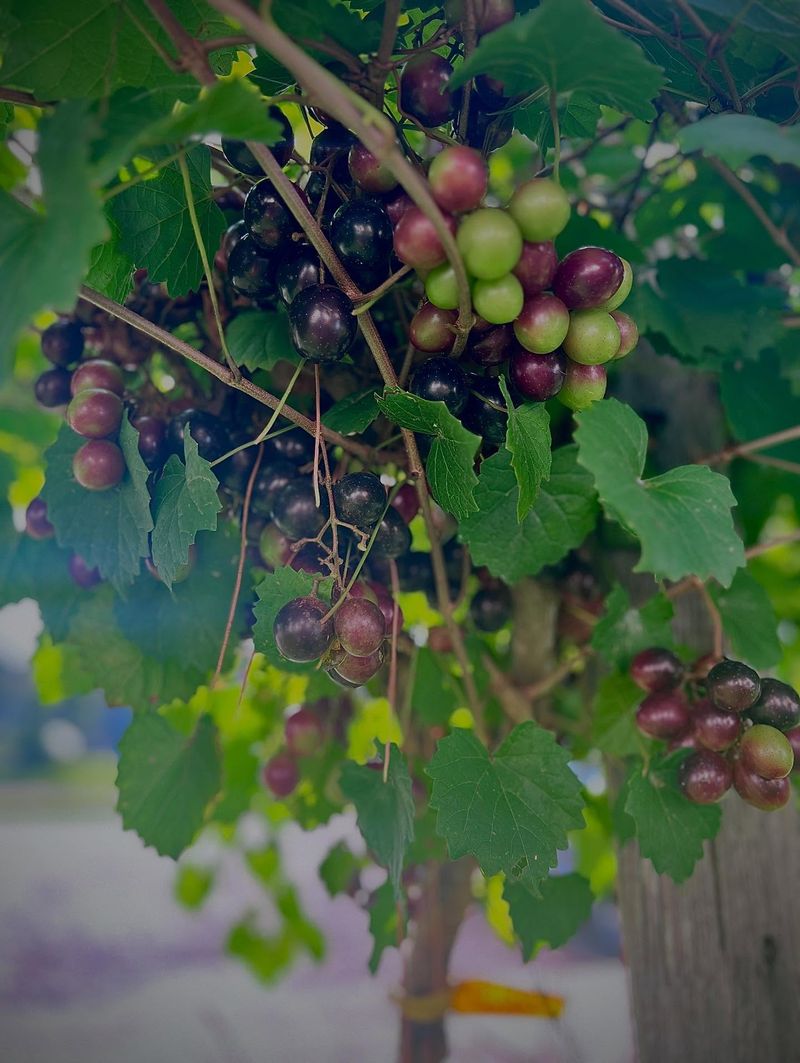
Vitis rotundifolia represents the true grape of the southeastern United States, with roots deep in North Carolina’s agricultural heritage. Unlike European grape varieties that struggle with humidity and fungal diseases, muscadines evolved to flourish in hot, muggy summers.
These vines produce loose clusters of large, thick-skinned grapes that ripen from late summer into early autumn.
Full sun exposure for at least eight hours daily ensures optimal fruit production and sugar development in the berries.
Muscadines need strong support structures such as sturdy arbors, trellises, or fence lines because mature vines grow vigorously and produce heavy fruit loads. The vines climb using tendrils and can cover substantial areas once established.
Bronze and purple varieties each offer distinct flavors, with bronze types typically tasting sweeter and purple ones providing richer, more complex notes.
Your North Carolina Garden Changes Every Week. Your Plan Should Too.
Gardening in North Carolina changes quickly throughout the season. Every Friday you’ll receive a simple weekly plan showing exactly what to plant, prune, fertilize, harvest, and protect so you never miss the right timing.
Self-fertile cultivars simplify planning for small gardens, though planting multiple varieties often increases overall yields.
The thick skins contain beneficial compounds but require you to slip the pulp out when eating fresh.
Muscadines resist Pierce’s disease and other grape ailments that plague other species, making them remarkably low-maintenance fruit producers. Annual pruning in late winter helps manage growth and encourages productive new wood.
North Carolina gardeners value these vines for their resilience, productivity, and the unique flavor that captures the essence of southern summers.
3. Pawpaw Produces Large Custard Like Native Fruit
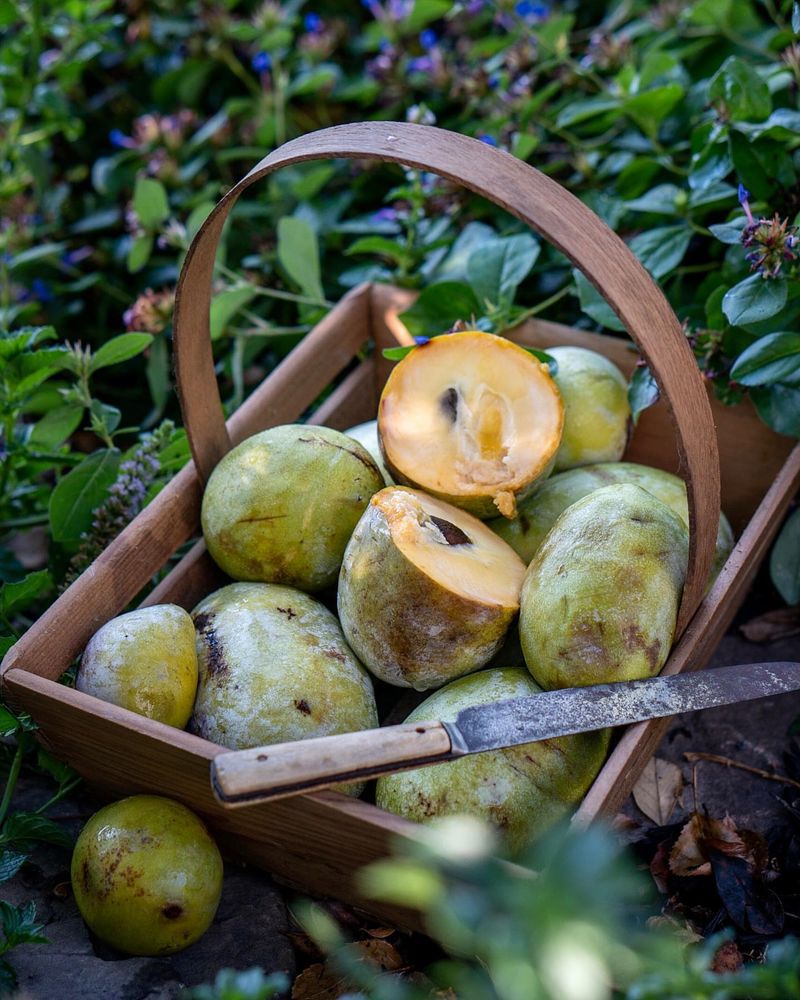
Asimina triloba creates an unexpected tropical feeling in North Carolina landscapes despite being completely native to the region.
This understory tree produces the largest edible fruit indigenous to North America, with individual specimens sometimes weighing over a pound.
The creamy flesh tastes like a blend of banana, mango, and custard, offering flavors unlike any other temperate climate fruit.
Pawpaws naturally grow in woodland settings where they receive filtered sunlight and protection from harsh afternoon rays. Young trees benefit from partial shade, though mature specimens can tolerate more direct sun once established.
Rich, well-drained soil with consistent moisture supports the best growth and fruiting.
The unusual maroon flowers appear in early spring before leaves fully emerge, but they require specific pollinators for fruit set. Flies and beetles naturally pollinate pawpaw blooms, though hand pollination increases success rates in garden settings.
Planting at least two genetically different trees ensures cross-pollination and reliable fruit production.
Fruits ripen in September and October, turning from green to yellowish-green and softening slightly when ready to harvest. The flesh spoils quickly after picking, which explains why pawpaws rarely appear in grocery stores.
Trees begin bearing fruit around five to seven years after planting, with yields increasing as the trees mature and develop more extensive root systems throughout the woodland floor.
4. American Persimmon Offers Sweet Fall Harvests
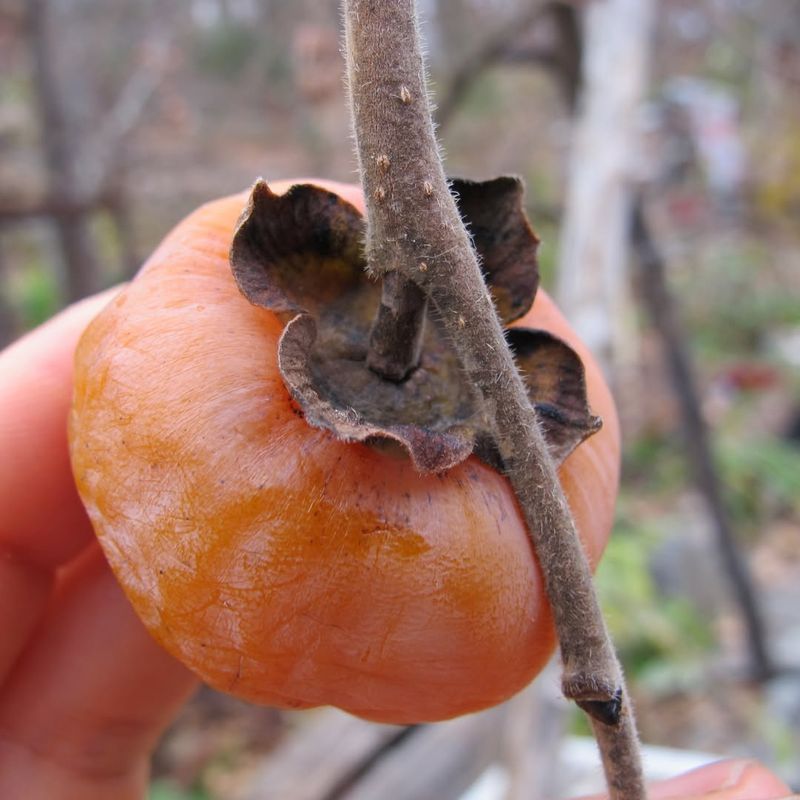
Diospyros virginiana transforms from an unremarkable tree into a garden treasure each autumn when its bright orange fruits ripen to perfection. This native species grows wild throughout North Carolina, yet cultivated varieties offer improved fruit size and flavor.
The fruits hang on the branches well into winter, providing food for wildlife and patient gardeners who wait for perfect ripeness.
American persimmons demand full sun and adapt to various soil types, from sandy loam to heavy clay. The trees tolerate drought once established and rarely suffer from serious pest or disease problems.
Their deep taproot makes transplanting mature specimens challenging, so starting with younger nursery plants leads to better establishment success.
Astringent varieties must ripen completely before eating, as unripe fruits contain high tannin levels that create an unpleasant puckering sensation. Waiting until after the first hard frost ensures the fruits have converted their tannins to sugars.
The ripe flesh becomes soft, sweet, and incredibly flavorful with notes of honey and apricot.
Female trees produce fruit only when a male pollinator grows nearby, though some improved cultivars offer self-fertile characteristics. The trees grow slowly but eventually reach heights of thirty to sixty feet in ideal conditions.
North Carolina gardeners who plant persimmons enjoy decades of reliable harvests from these long-lived native trees that require virtually no special care once established.
5. Maypop Passionfruit Is A Native Fruiting Vine
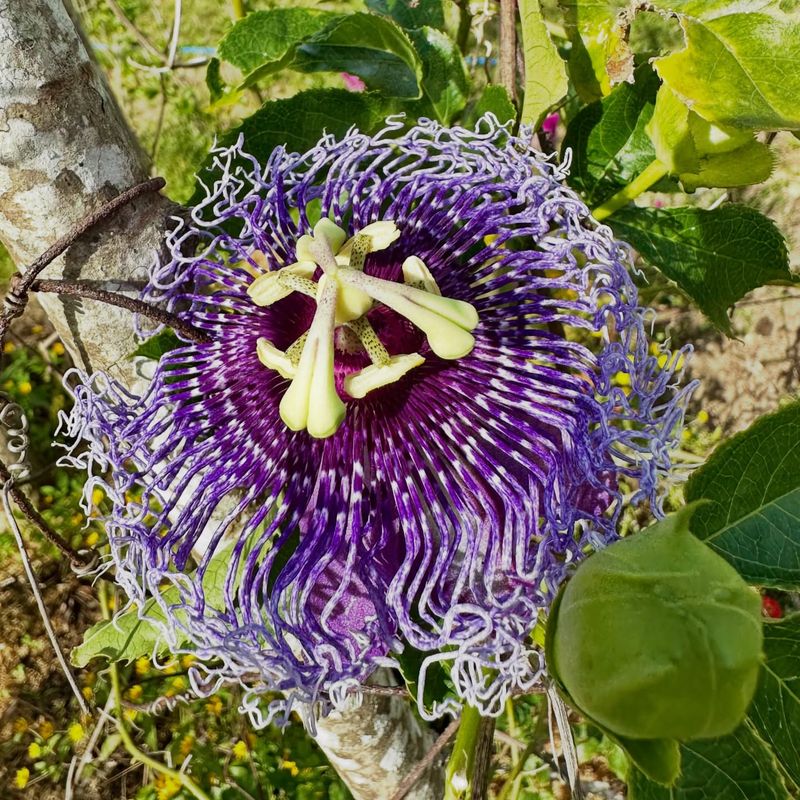
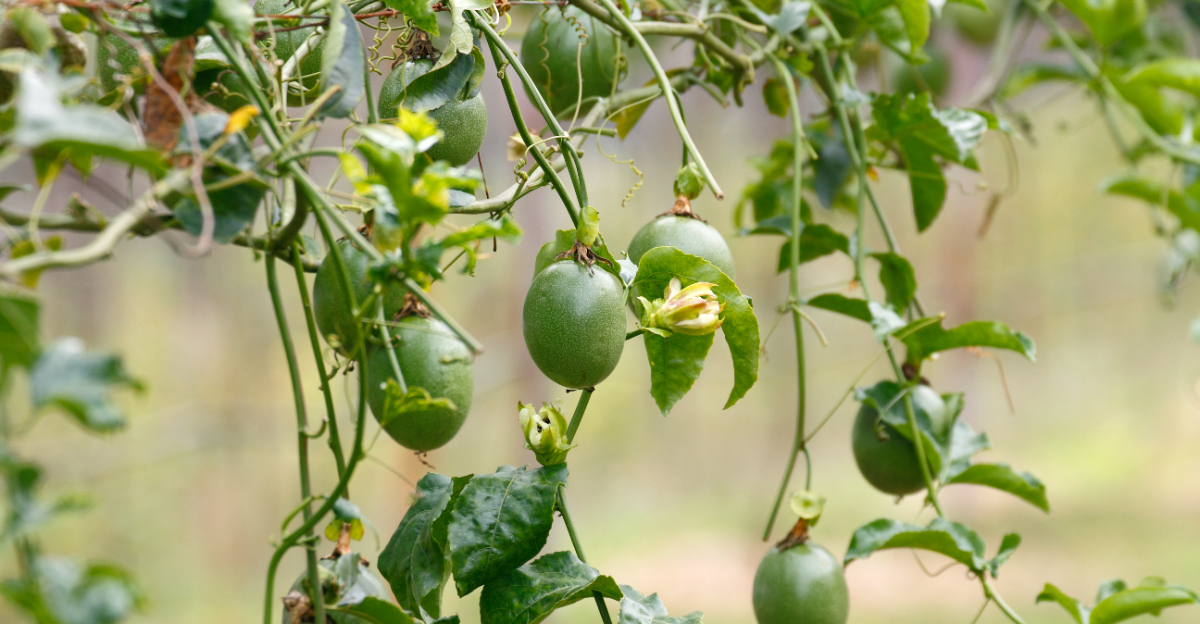
Passiflora incarnata surprises many gardeners who assume passion fruit only grows in tropical regions. This vigorous native vine produces intricate flowers that look like they belong in a rainforest, followed by egg-sized fruits filled with aromatic pulp.
The common name “maypop” comes from the sound fruits make when stepped on, though most gardeners prefer harvesting them for eating.
Full sun and well-drained soil create ideal growing conditions for maypop vines to flourish and produce abundant fruit. The plants climb using tendrils and quickly cover fences, trellises, or arbors during the growing season.
In North Carolina, the vines act as herbaceous perennials, growing back from the roots each spring after winter cold cuts down the top growth.
The spectacular flowers bloom throughout summer, attracting butterflies and other pollinators with their complex structure and sweet fragrance. Fruits ripen from green to yellowish-purple in late summer and early fall.
The pulp inside contains numerous seeds surrounded by tangy, tropical-flavored juice that works beautifully in beverages, desserts, or eaten fresh.
Maypop vines spread through underground runners and can become enthusiastic growers in favorable conditions. Providing a designated growing area prevents the plants from wandering into unwanted spaces.
North Carolina gardeners value this native for its ornamental flowers, wildlife benefits, and the unexpected treat of homegrown passion fruit in a temperate climate garden.
6. Red Mulberry Is A True Native Fruit Tree
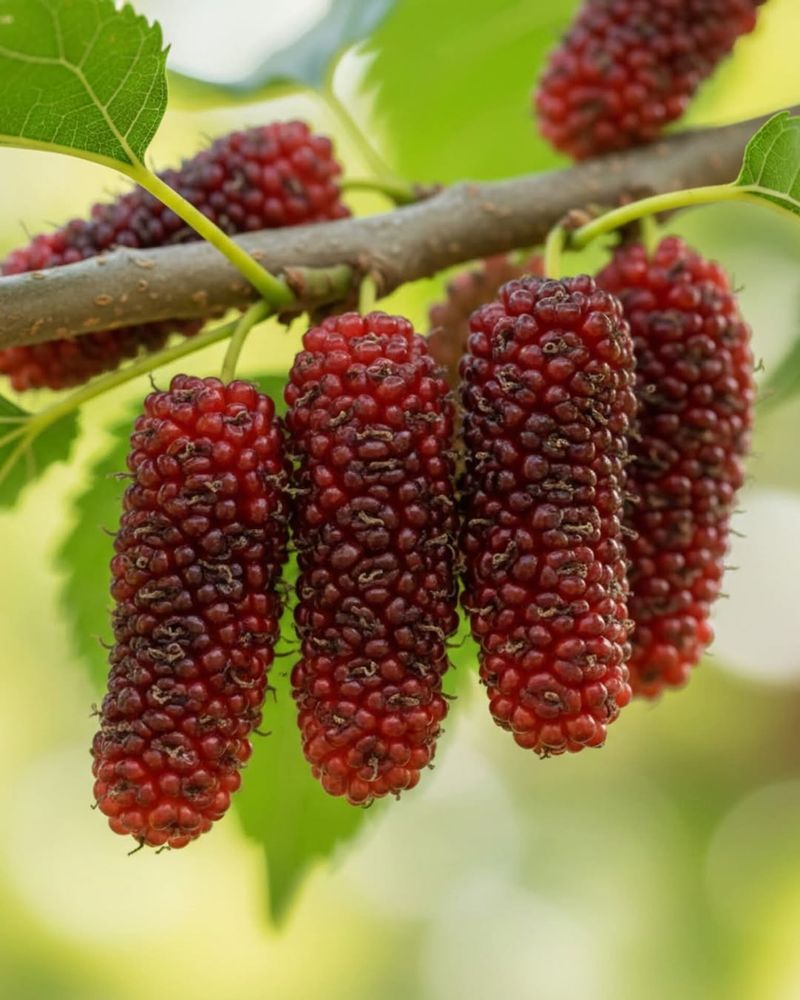
Morus rubra stands as the only mulberry species truly native to North Carolina, offering sweet berries without the invasive tendencies of introduced Asian species.
These trees produce elongated fruits that resemble blackberries but grow on branches rather than canes.
The berries ripen progressively over several weeks, providing an extended harvest period through late spring and early summer.
Red mulberries adapt to various soil conditions and tolerate both full sun and partial shade, though fruit production peaks with more direct sunlight. The trees grow at a moderate pace and eventually reach heights between forty and seventy feet in ideal conditions.
Their spreading canopy provides excellent shade while producing abundant fruit.
Fruits start out white or pale pink, turning red and finally deep purple-black when fully ripe and sweetest. Birds adore mulberries, so netting may help protect your harvest if you want berries for yourself.
The soft, juicy fruits stain easily, making tree placement an important consideration away from patios, walkways, or parked vehicles.
Both male and female flowers can appear on the same tree, ensuring fruit production without requiring a pollinator partner. The berries contain no pits or hard seeds, making them pleasant for fresh eating, baking, or preserving.
North Carolina gardeners who plant red mulberries enjoy generous harvests from these low-maintenance native trees that support local ecosystems while providing delicious fruit for human enjoyment.
7. American Elderberry Produces Abundant Berry Clusters
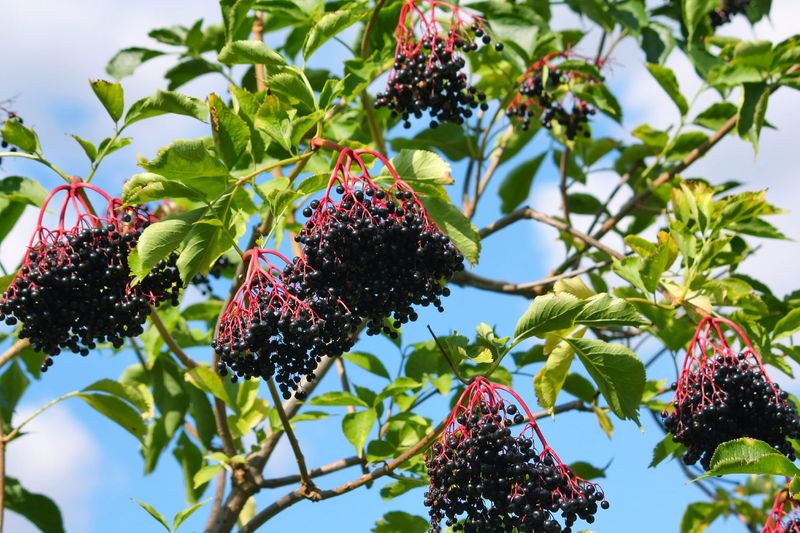
Sambucus canadensis grows vigorously throughout North Carolina, producing massive clusters of tiny berries that ripen to deep purple-black in late summer.
This native shrub reaches heights of eight to twelve feet and spreads through suckers to form attractive multi-stemmed clumps.
The flat-topped white flower clusters in early summer attract numerous beneficial insects before transforming into heavy fruit heads.
Full sun and consistently moist soil support the most vigorous growth and heaviest berry production. Elderberries tolerate a wide range of soil types and even grow well in areas with seasonal wetness that would challenge many other fruiting plants.
The shrubs require minimal care once established and rarely suffer from serious pest problems.
Raw elderberries contain compounds that can cause digestive upset, so cooking the berries before consuming makes them safe and enhances their flavor. The cooked berries make exceptional jelly, syrup, wine, and pie filling with a rich, complex taste.
Each cluster can contain hundreds of individual berries, and mature shrubs produce numerous clusters for impressive total yields.
Planting multiple elderberry shrubs increases pollination and fruit set, though single plants still produce reasonably well. The berries ripen over a relatively short period, requiring prompt harvest before birds consume the entire crop.
North Carolina gardeners appreciate elderberries for their productivity, adaptability, and the traditional preserves made from these nutritious native berries that have sustained people for countless generations.
8. Serviceberry Provides Early Summer Native Fruit
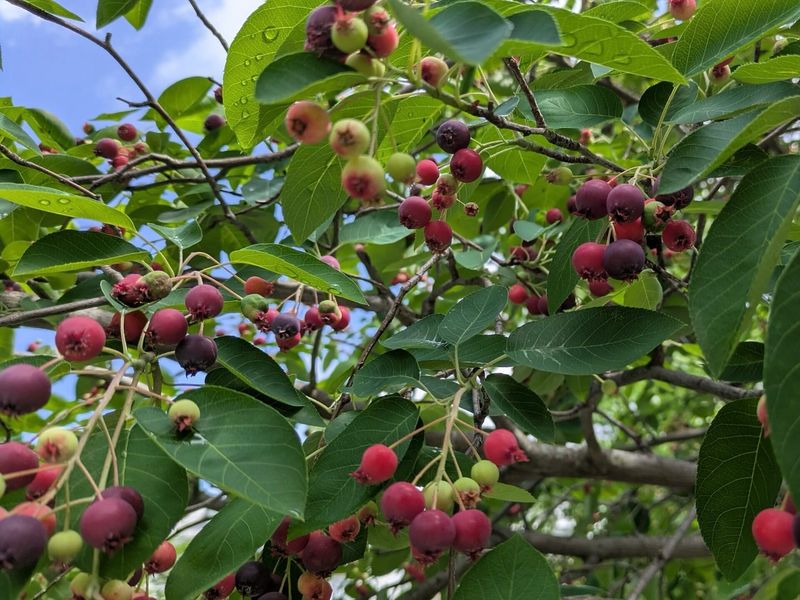
Amelanchier species bring four-season beauty to North Carolina gardens while producing sweet berries that ripen earlier than most other fruits. These small trees or large shrubs bloom with clouds of white flowers in early spring before leaves fully emerge.
The fruits develop quickly and ripen to purple-red by late May or early June, providing the first significant fruit harvest of the season.
Serviceberries adapt to full sun or partial shade and tolerate various soil conditions, though they prefer well-drained sites with adequate moisture.
The plants naturally grow with multiple stems, creating an attractive, rounded form that works well as a specimen plant or incorporated into mixed borders.
Their moderate size, typically fifteen to twenty-five feet tall, fits comfortably in most residential landscapes.
The fruits resemble small blueberries and taste sweet with subtle almond notes when fully ripe. Birds compete enthusiastically for serviceberries, so covering plants with netting or harvesting promptly ensures you get a share.
Each tree produces several quarts of fruit annually once mature, providing enough for fresh eating and preserving.
Fall foliage ranges from yellow to orange-red, adding seasonal color to the landscape. The smooth gray bark provides winter interest, and the early spring flowers offer nectar when few other plants bloom.
North Carolina gardeners value serviceberries as multi-purpose native plants that combine ornamental appeal with practical fruit production in a compact, manageable package.
9. Chickasaw Plum Produces Small Sweet Plums
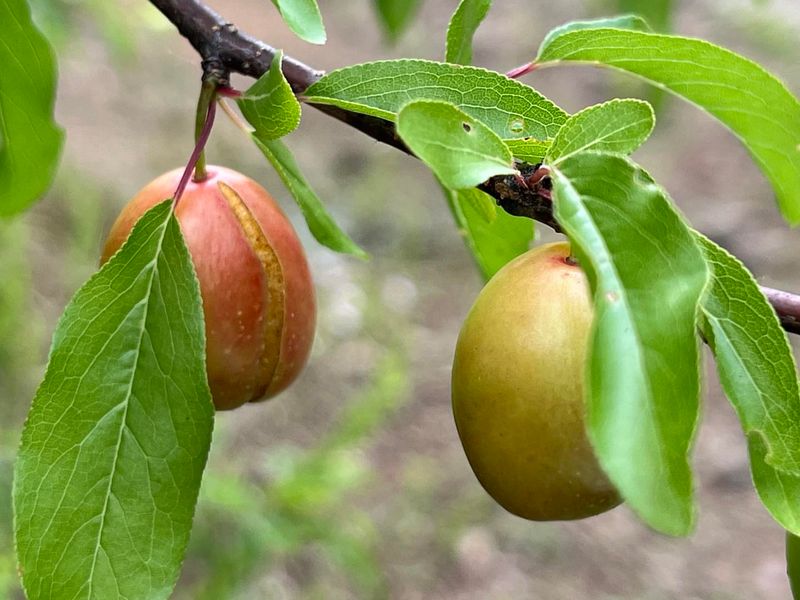
Prunus angustifolia creates dense thickets of thorny stems covered in early spring with fragrant white blossoms that announce the season’s arrival.
This native plum species produces small fruits, typically about an inch in diameter, that ripen to red, yellow, or purple depending on the variety.
The fruits taste tart when first colored but develop sweetness as they fully ripen in early to midsummer.
Chickasaw plums thrive in full sun and tolerate poor, dry soils better than most other fruit-bearing plants. The shrubs spread through root suckers, gradually forming colonies that provide excellent wildlife habitat and erosion control on slopes.
Their thorny nature makes them useful as natural barriers or hedge plants with the bonus of edible fruit.
The fruits work beautifully for jelly, preserves, and sauces where their natural tartness creates balanced flavors. Fresh eating becomes more enjoyable when fruits ripen to full sweetness, though some tartness typically remains.
Each thicket can produce substantial quantities of fruit when conditions favor good pollination and fruit set.
Planting multiple genetically different plants enhances cross-pollination and increases fruit production across the planting. The shrubs require little maintenance beyond occasional pruning to manage their spreading habit.
North Carolina gardeners in the southern and eastern parts of the state find Chickasaw plums particularly well adapted, offering a taste of wild fruit heritage that connects modern gardens to the region’s natural bounty.
10. Wild Strawberry Adds Native Ground Level Sweetness
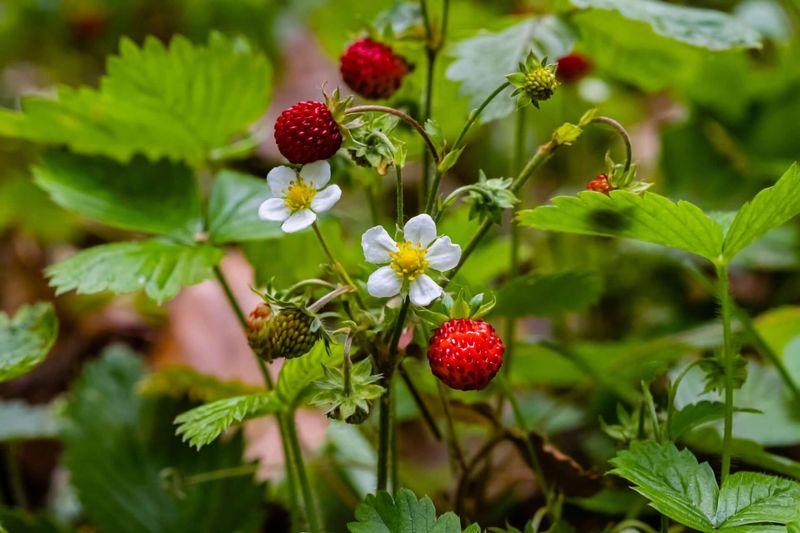
Fragaria virginiana carpets the ground with attractive foliage while producing tiny berries that pack intense strawberry flavor into each small package. This native species bears fruit much smaller than cultivated strawberries, typically no larger than a fingertip.
What the berries lack in size, they more than compensate for with concentrated sweetness and aromatic intensity that surpasses any supermarket variety.
Wild strawberries prefer full sun to light shade and adapt to various soil types as long as drainage prevents waterlogging. The plants spread through runners, gradually forming attractive groundcover mats that suppress weeds and require little maintenance.
Their low growth habit, typically just four to six inches tall, makes them suitable for planting in areas where taller plants would obstruct views or pathways.
White flowers appear in spring, followed by berries that ripen sporadically through late spring and early summer. Harvesting requires patience since gathering enough tiny berries for a serving takes more time than picking conventional strawberries.
The exceptional flavor makes the effort worthwhile, especially for garnishing desserts or adding to breakfast dishes where their taste truly shines.
The plants remain evergreen in mild winters, providing year-round foliage interest in the landscape. Wild strawberries require no fertilization and rarely suffer from pest problems that plague commercial strawberry varieties.
North Carolina gardeners who incorporate these native plants into edible landscapes enjoy their ornamental qualities, easy care, and the special treat of truly wild strawberry flavor from their own backyard.