Here’s Why Oregon Songbirds Love Native Gardens
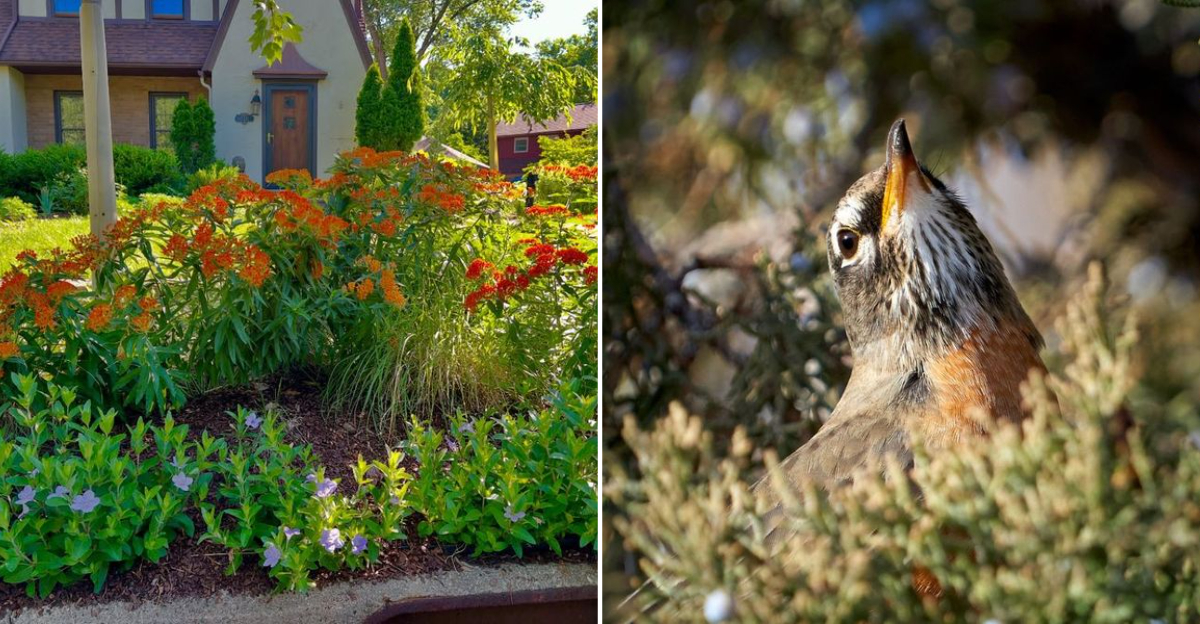
Step outside on an Oregon morning and you might hear the cheerful chatter of chickadees, the bright whistle of a towhee, and the sweet trills of finches. Songbirds are everywhere, and native gardens are one of their favorite hangouts.
Packed with local plants, berries, seeds, and buzzing insects, these gardens serve up the perfect menu while offering safe places to nest and rest. Even better, they need less water, fewer chemicals, and far less fuss than traditional yards.
That means more birds, more color, and more life right outside your window. Curious why your feathered neighbors flock to native spaces?
Get ready to discover how simple plant choices can turn any yard into a lively bird paradise filled with music, motion, and nonstop backyard magic.
Plant once, watch seasons change, and enjoy a front row seat to nature bringing daily joy and surprising visits all year long for you too.
Native Plants, Natural Food Sources
Oregon’s native plants evolved alongside local songbirds over thousands of years. This long relationship means native plants produce exactly the kinds of seeds, berries, and nectar that Oregon birds need to stay healthy.
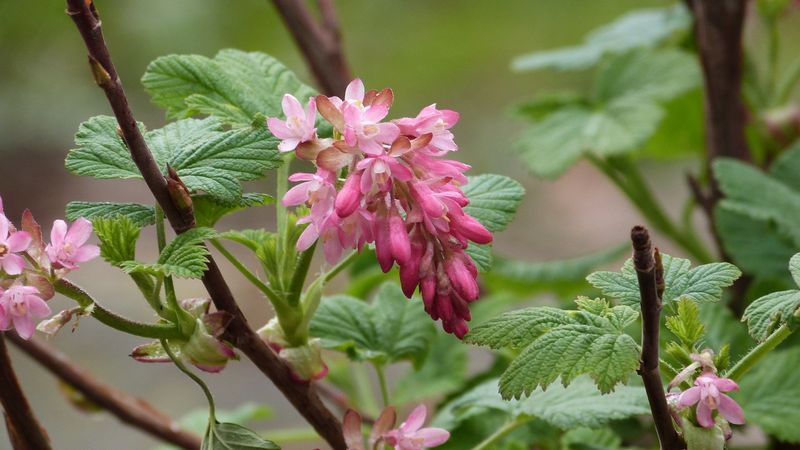
When you plant natives like Oregon grape, salal, or red-flowering currant, you’re serving up a feast that birds recognize and love.
Many popular garden plants from other parts of the world don’t provide the nutrition Oregon songbirds require. Their berries might look pretty, but they often lack the fats and proteins that help birds survive cold winters and raise healthy chicks.
Native plants pack the nutritional punch that local birds have relied on for generations.
Different native plants produce food at different times of year. Serviceberries ripen in early summer when parent birds are feeding hungry babies.
Elderberries come later in the season when birds need to fatten up for migration or winter. By planting a variety of native species, you create a year-round buffet that keeps songbirds coming back to your Oregon garden season after season.
Year-Round Shelter In Local Greenery
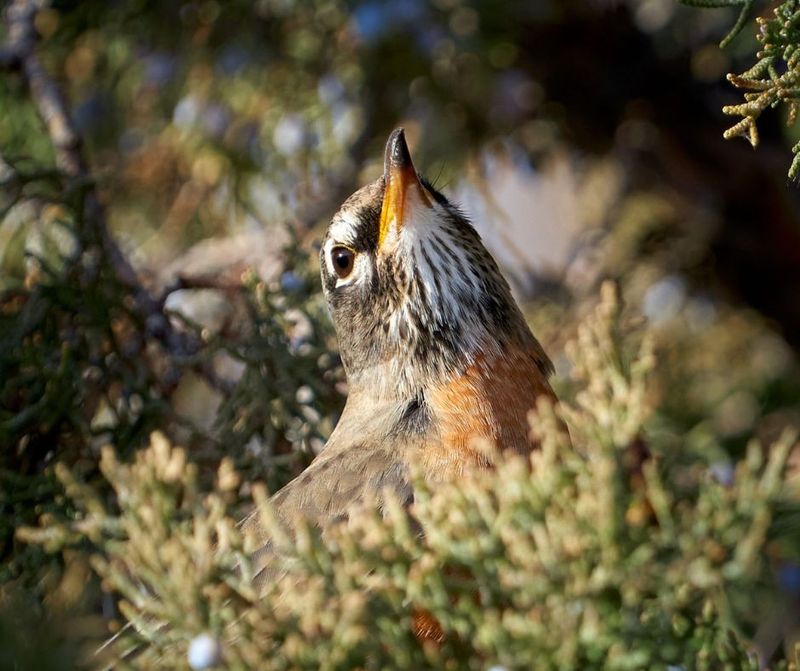
Harsh weather hits Oregon throughout the year, from winter storms to summer heat waves. Native plants offer songbirds the perfect hiding spots and weather protection they instinctively seek.
Dense evergreen shrubs like Pacific wax myrtle and tall Oregon grape create cozy spaces where birds can escape wind, rain, and snow.
The branching patterns of native trees and shrubs developed to withstand Oregon’s weather, which makes them sturdy and reliable shelters. Birds know they can count on these plants to stay standing during storms.
Exotic ornamental plants often have weaker branches that break easily, leaving birds exposed when they need protection most.
Layered plantings work best for providing shelter at different heights. Tall native trees like Douglas fir offer high perches for singing and watching for danger.
Mid-level shrubs provide nesting sites and escape routes. Low groundcovers give small birds places to forage safely.
When you combine these layers with native plants, you create the complex habitat structure that Oregon songbirds need throughout every season of the year.
Your Oregon Garden Changes Every Week. Your Plan Should Too.
Gardening in Oregon changes quickly throughout the season. Every Friday you’ll receive a simple weekly plan showing exactly what to plant, prune, fertilize, harvest, and protect so you never miss the right timing.
Insects Thrive, Birds Feast
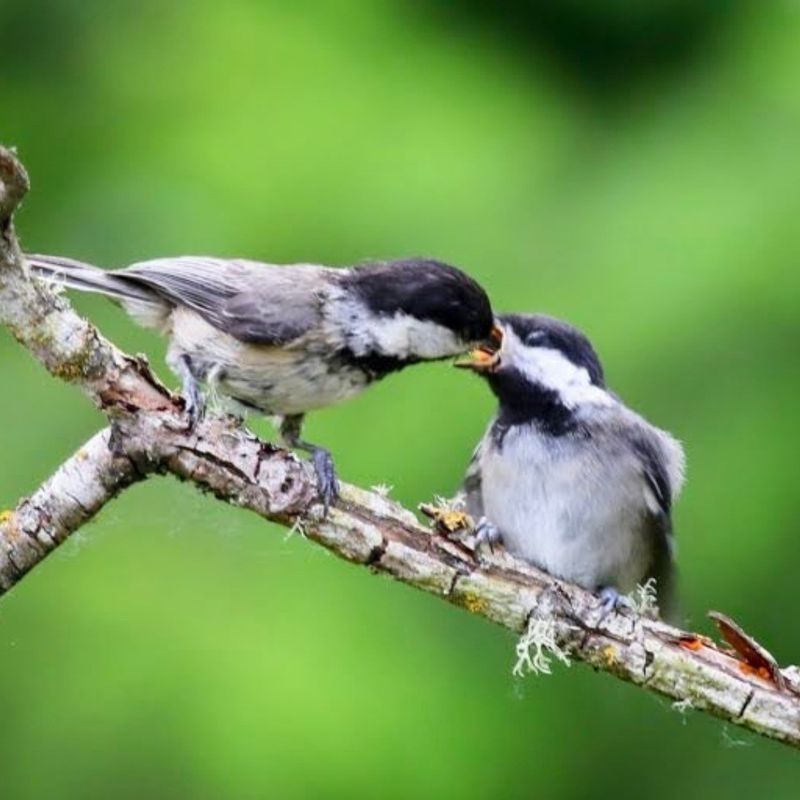
Baby songbirds need protein to grow strong and healthy. Most parent birds feed their chicks soft-bodied insects like caterpillars, spiders, and aphids rather than seeds or berries.
Native Oregon plants host hundreds of native insect species that birds depend on for raising their young successfully.
Research shows that native oak trees alone can support over 500 species of caterpillars. Compare that to non-native trees that might host fewer than 50 species.
When you plant natives in your Oregon garden, you’re creating an insect nursery that feeds countless hungry baby birds. A single chickadee family needs thousands of caterpillars to raise one brood of chicks.
Many gardeners worry about insects eating their plants, but native plants evolved to handle this pressure. They bounce back quickly from insect damage.
The birds visiting your garden will keep insect populations balanced naturally. You’ll notice fewer pest problems overall because songbirds patrol your native plants daily, picking off bugs before they become a nuisance.
This natural pest control makes gardening easier while supporting Oregon’s incredible bird diversity.
Perfect Fit For Oregon’s Climate
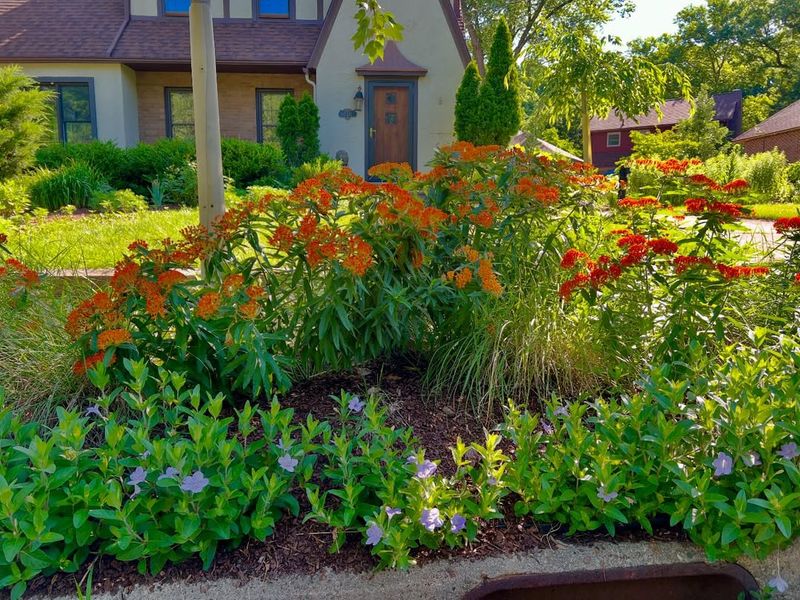
Oregon’s climate brings wet winters and dry summers, which challenges many garden plants. Native plants already know how to handle these conditions because they’ve been doing it for thousands of years.
Once established, they need little extra water or care, making them perfect for busy people who want to help birds without spending every weekend gardening.
Exotic plants often struggle with Oregon’s seasonal extremes. They might need constant watering during summer or suffer damage from winter cold and wet.
When non-native plants look stressed or fail completely, they can’t provide reliable food and shelter for songbirds. Native plants stay healthy and productive through Oregon’s weather cycles, giving birds consistent resources they can count on.
Climate change is making Oregon’s weather more unpredictable, with hotter heat waves and more intense storms. Native plants show greater resilience to these extremes compared to plants from other regions.
By choosing natives adapted to Pacific Northwest conditions, you’re building a bird habitat that will continue supporting songbirds even as our climate shifts. Your native garden becomes a stable island of resources in an increasingly uncertain world.
Safe Nesting In Familiar Habitat
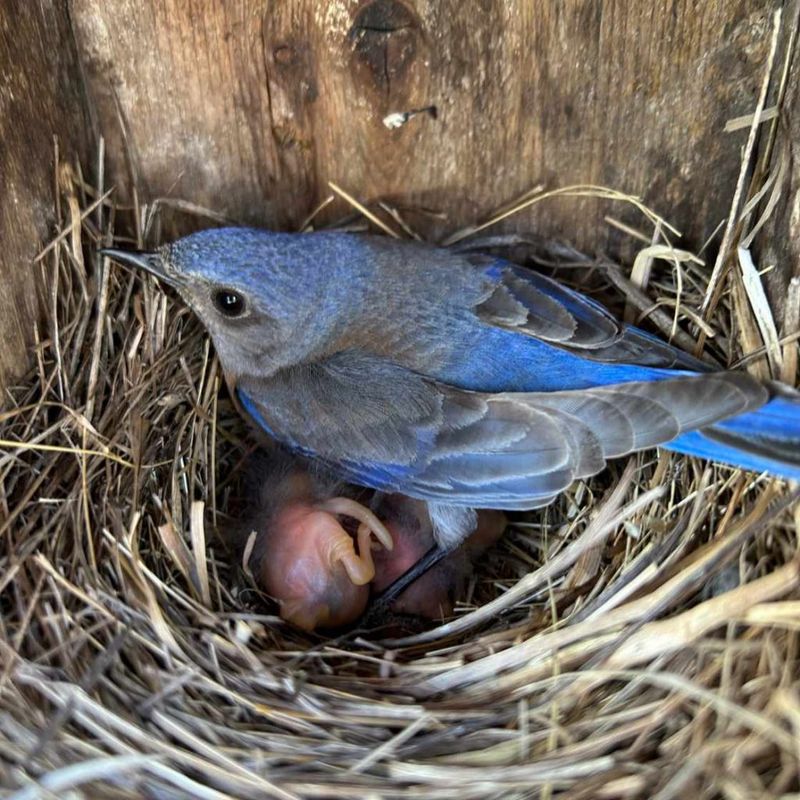
Finding safe nesting sites has become harder for Oregon songbirds as development replaces wild areas. Native plants offer the familiar branch structures and foliage density that birds instinctively recognize as good nesting spots.
Species like song sparrows and spotted towhees actively seek out native shrubs when choosing where to raise their families.
The timing matters too. Many native plants leaf out early in spring, providing cover right when birds start building nests.
Non-native plants might wait weeks longer to develop leaves, leaving early nests exposed to predators and weather. Native Oregon shrubs like osoberry and red-flowering currant green up quickly, giving birds the concealment they need when they need it most.
Native plants also provide natural nesting materials that birds gather and use. Moss, lichen, spider silk, and soft plant fibers all grow abundantly on and around native plants. Birds weave these materials into sturdy nests that protect eggs and chicks.
When your Oregon garden includes diverse native plants, you’re supplying both the building site and the construction materials that songbirds require for successful nesting throughout the breeding season.
Water-Wise Gardens Attract More Birds
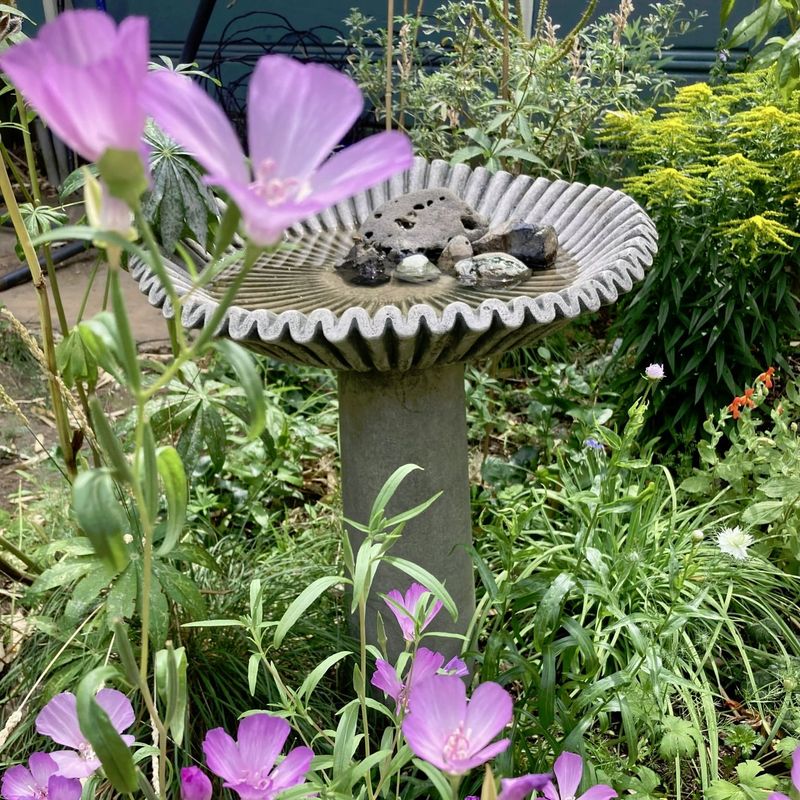
Water scarcity affects Oregon during summer months, especially in recent years. Native gardens naturally conserve water because the plants evolved to survive on rainfall alone after their first year.
This efficiency means you can add water features for birds without feeling guilty about wasting this precious resource.
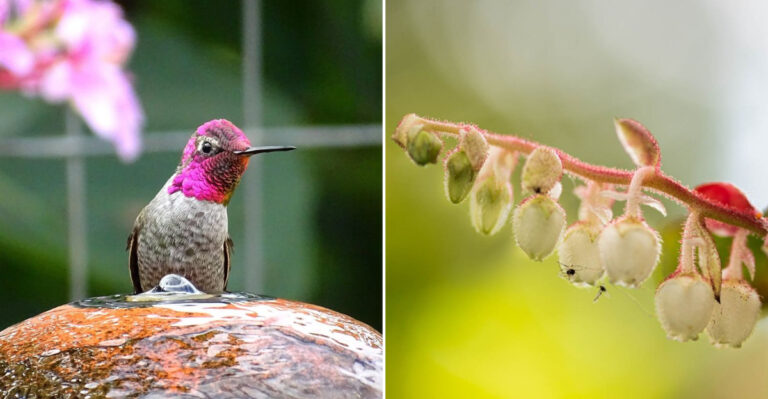
Every bird needs water for drinking and bathing. A simple shallow dish or small fountain becomes a magnet for songbirds when placed among native plants.
The surrounding vegetation makes birds feel safe approaching the water, and they’ll visit throughout the day. You’ll see species that rarely visit feeders stopping by for a refreshing drink or quick bath.
Native gardens also capture and hold rainwater better than lawns or traditional landscapes. The deep roots of native plants create channels in the soil that absorb water instead of letting it run off.
This means small puddles and moist soil persist longer after rain, providing natural water sources for ground-feeding birds.
By combining water-wise native plants with a dedicated bird bath, you create the perfect Oregon oasis that songbirds will return to again and again, especially during hot summer days.
Fewer Chemicals, Healthier Songbirds
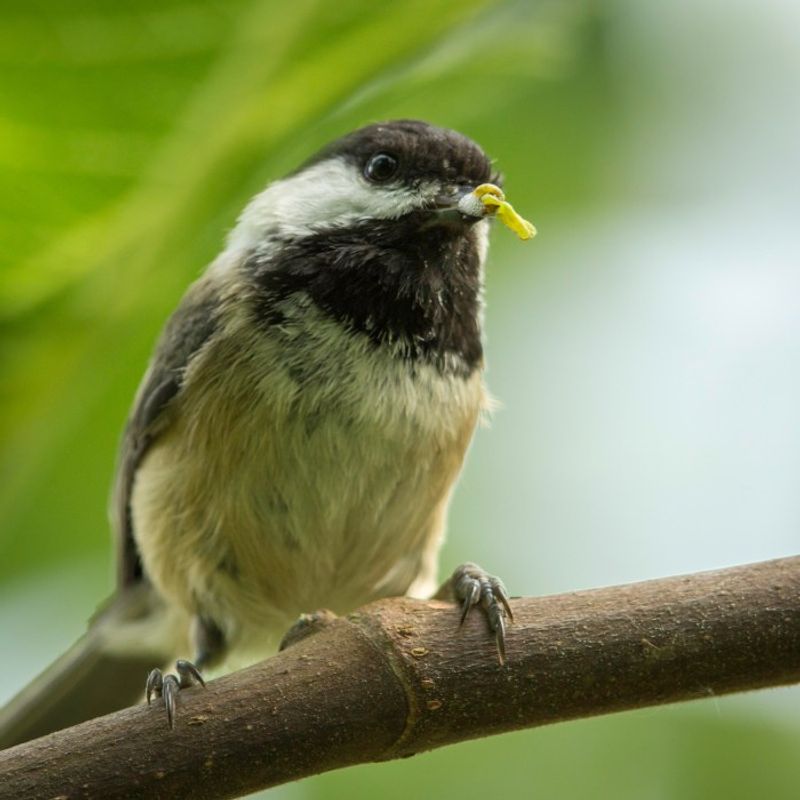
Traditional lawns and exotic gardens often require pesticides, herbicides, and synthetic fertilizers to stay looking good. These chemicals harm songbirds directly when they eat contaminated insects or seeds.
They also reduce the insect populations that birds need for feeding their young. Native Oregon gardens eliminate the need for most chemicals because the plants naturally resist local pests and diseases.
Songbirds are especially vulnerable to pesticide poisoning. Their small bodies process toxins poorly, and even low-level exposure can affect their ability to navigate during migration, sing to attract mates, or produce healthy eggs.
When you garden with natives and skip the chemicals, you create a truly safe space where birds can eat, rest, and raise families without exposure to harmful substances.
Native plants have built-in defenses against Oregon’s pests and diseases. They developed these protections over countless generations of natural selection.
This means you won’t see the devastating pest outbreaks that sometimes hit exotic plants. Your native garden stays naturally balanced, supporting healthy populations of both insects and the songbirds that eat them.
This chemical-free approach protects Oregon’s environment while giving birds the clean habitat they desperately need.
Biodiversity Brings The Chorus Back
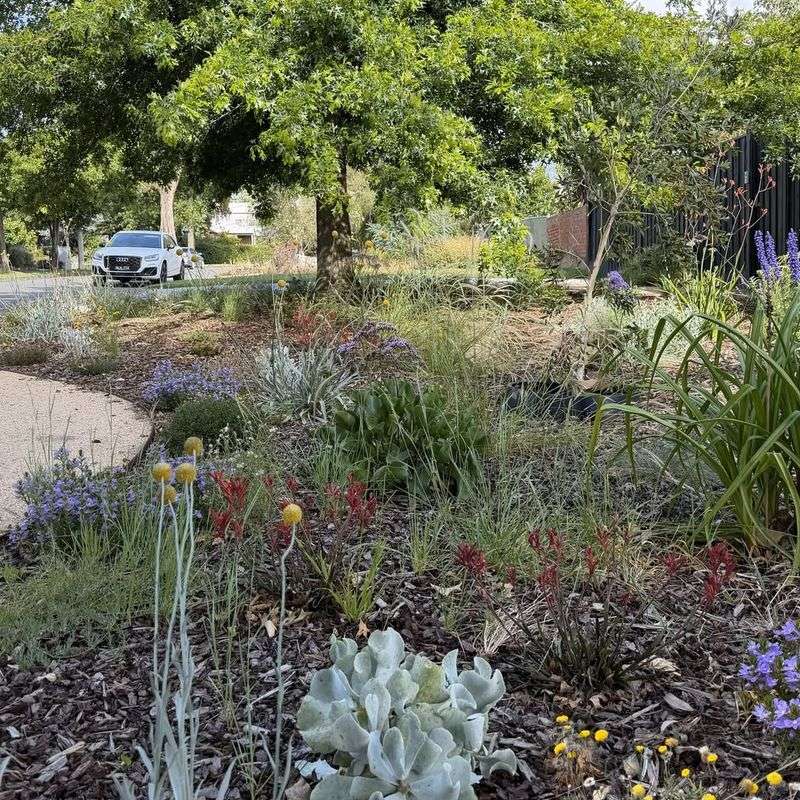
Variety creates resilience in nature. When you plant many different native species in your Oregon garden, you support a wider range of songbirds.
Each bird species has slightly different preferences for food, nesting sites, and foraging areas. A diverse native garden meets all these different needs, turning your yard into a hotspot for bird activity and beautiful morning songs.
Some Oregon songbirds prefer open areas with scattered shrubs, while others like dense thickets. Certain species feed high in trees, and others scratch through leaf litter on the ground.
By including native plants of different heights, densities, and types, you create microhabitats that attract everyone from tiny bushtits to larger robins and thrushes. More bird species means more singing, which makes your garden a joyful place to spend time.
The overall health of Oregon’s bird populations depends on having many connected habitat patches across the landscape. Your native garden becomes part of a larger network that helps songbirds survive and thrive.
As more people create native gardens, we’re rebuilding the habitat web that once covered our region. This collective effort is already bringing back bird species that had become rare in urban and suburban Oregon neighborhoods.