The Bird That Signals Spring Has Arrived In Oregon
There is a moment every year when Oregon shifts. The air softens, buds swell on bare branches, and a familiar bright song rings out at dawn.
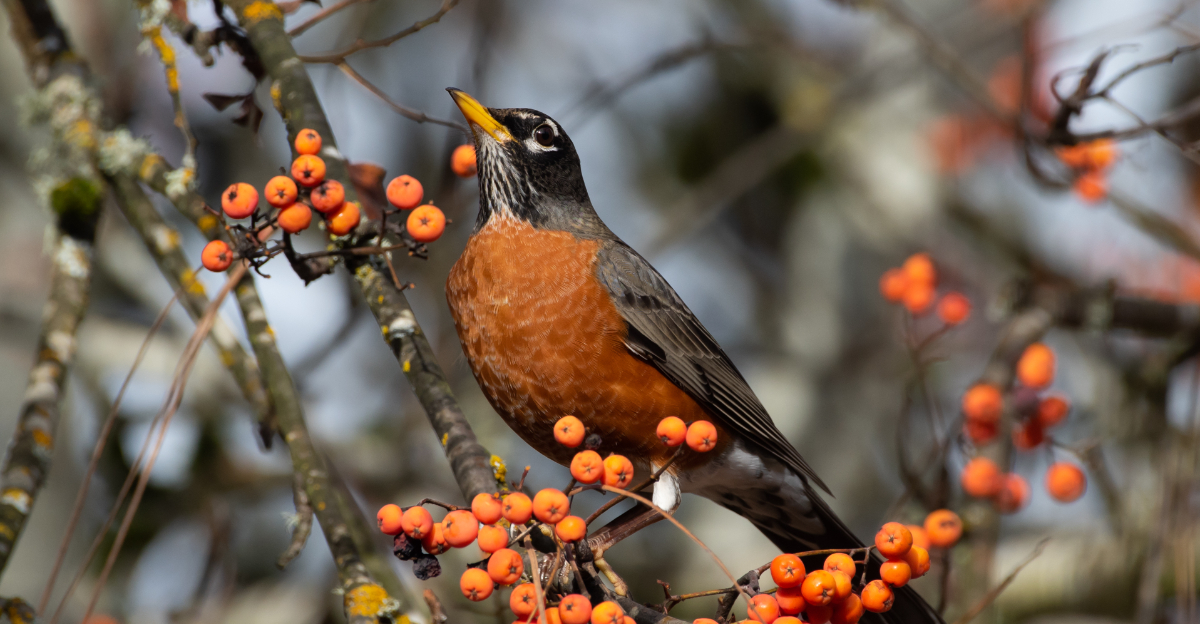
That cheerful voice belongs to the American robin, the unofficial herald of spring across neighborhoods, forests, and open fields. Spot that bold orange chest hopping across your lawn and you know the seasons are changing for real.
Robins return to busy yards in search of worms, insects, and nesting spots, filling quiet winter mornings with confident, bubbly notes. Their arrival feels like a promise that longer days and blooming gardens are just ahead.
Kids notice them tugging at the grass, gardeners see them scouting mulch beds, and early risers hear them before sunrise.
When robins take center stage again, Oregon shakes off its gray skies and leans into a brighter, greener stretch of the year that invites everyone back outside.
Meet Oregon’s Classic Sign Of Spring
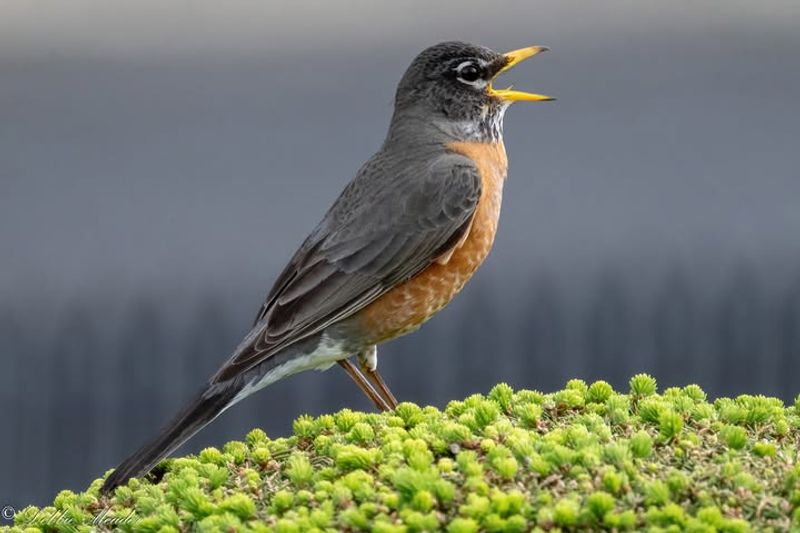
Spotting your first robin of the season feels like getting a personal invitation to spring. These medium-sized birds with their distinctive orange-red breasts become impossible to miss once they start appearing in greater numbers across Oregon.
Their dark gray backs and cheerful demeanor make them stand out against the fresh green grass they love to explore.
Robins actually stay in Oregon throughout the winter, but their behavior changes dramatically when spring arrives. During colder months, they tend to gather in wooded areas and stay relatively quiet.
Once temperatures rise and daylight hours increase, they move into open spaces like lawns, parks, and gardens where food becomes more abundant.
The timing of their increased visibility usually happens between late February and early March in most parts of Oregon. Coastal regions might notice them slightly earlier, while higher elevations see their spring activity a bit later.
This variation depends on local weather conditions and food availability.
What makes robins such reliable spring indicators is their sudden shift from hidden winter survival mode to highly visible spring behavior. They become bold, active, and impossible to ignore.
Their presence on your lawn searching for worms or singing from tree branches signals that Oregon’s landscape is waking up from its winter rest.
Why The American Robin Steals The Spotlight
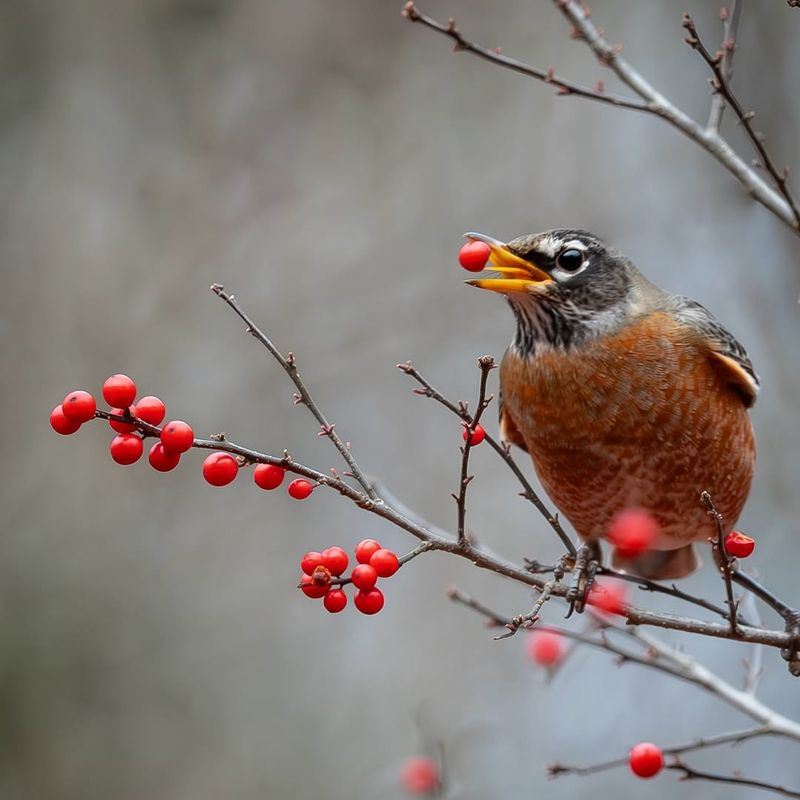
Among all the birds returning or becoming active in Oregon during spring, the robin commands the most attention. Part of this comes from their size and bold coloring, which makes them easy to identify even for people who aren’t bird enthusiasts.
Their red breast acts like a beacon, catching your eye as they hop across yards and parks.
Robins also have a confident personality that sets them apart from shyer species. They don’t hesitate to explore open areas where people can easily watch them.
While other birds might hide in dense bushes or high in trees, robins march right across your lawn in broad daylight, searching for their next meal.
Their abundance throughout Oregon contributes to their fame as spring symbols. From urban neighborhoods in Portland to rural communities in eastern Oregon, robins appear in impressive numbers.
Your Oregon Garden Changes Every Week. Your Plan Should Too.
Gardening in Oregon changes quickly throughout the season. Every Friday you’ll receive a simple weekly plan showing exactly what to plant, prune, fertilize, harvest, and protect so you never miss the right timing.
This widespread presence means nearly everyone in the state can witness their spring activity firsthand.
Cultural associations also play a role in the robin’s special status. Generations of Oregonians have learned to associate these birds with the end of winter.
Parents point them out to children, gardeners welcome them as helpful pest controllers, and nature lovers celebrate their return as confirmation that warmer days have finally arrived in the Pacific Northwest.
The Song That Signals Warmer Days
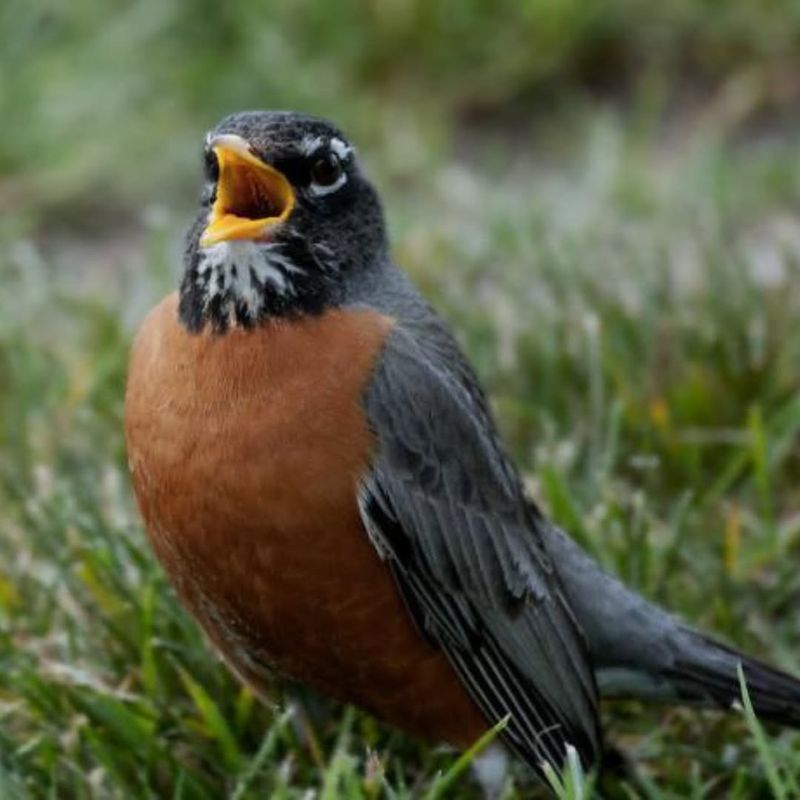
Before you even see a robin, you might hear one announcing spring’s arrival. Their song is one of the most recognizable bird calls across Oregon, described as a cheerful series of phrases that sound like “cheerily, cheer-up, cheerio.”
This melodious tune carries across neighborhoods during early morning and evening hours.
Male robins are the primary singers, using their voices to establish territory and attract mates. As spring progresses, the dawn chorus in Oregon becomes increasingly dominated by robin songs.
Multiple males might sing from different locations, creating a layered soundtrack that defines the season.
The intensity and frequency of robin singing increases dramatically as temperatures warm. On mild March mornings, you might hear just a few scattered songs.
By April, the chorus becomes almost constant in areas with healthy robin populations. This vocal activity serves as an audible thermometer, reflecting the advancing season.
Listening for robin songs can help you track spring’s progression even without looking outside. When you start hearing their distinctive calls before sunrise, you know Oregon has truly entered its spring phase.
The songs continue throughout the breeding season, providing a pleasant natural soundtrack to daily life across the state for several months.
From Winter Quiet To Spring Chorus
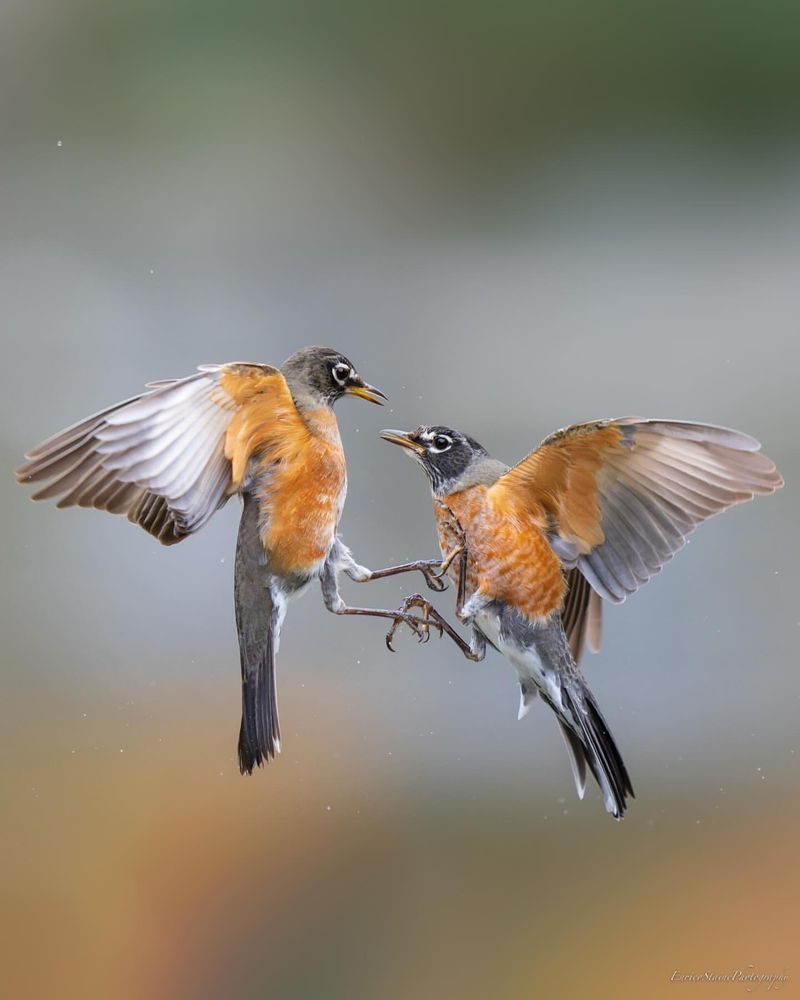
The transformation in robin behavior between winter and spring is remarkable to witness. During Oregon’s coldest months, these birds form loose flocks and spend time in wooded areas eating berries from trees and shrubs.
They remain relatively quiet and inconspicuous, conserving energy while food sources are limited.
As daylight hours lengthen and temperatures begin climbing, hormonal changes trigger dramatic behavioral shifts. Robins break away from winter flocks and become territorial.
Males start singing to claim space, and both males and females become much more active throughout the day.
This transition doesn’t happen overnight but unfolds gradually across Oregon from south to north and from lower to higher elevations.
Southern Oregon communities might notice increased robin activity in late February, while northern and mountain areas see the change in March or early April. The progression mirrors the state’s diverse climate zones.
The switch from berry-eating winter behavior to worm-hunting spring behavior is particularly noticeable. Robins suddenly appear on lawns, cocking their heads and listening for earthworms moving beneath the soil.
This dietary shift requires different habitats, which is why they move from forests to open spaces.
Watching this seasonal transformation offers a fascinating lesson in how birds adapt to changing environmental conditions throughout Oregon.
Backyard Sightings On The Rise
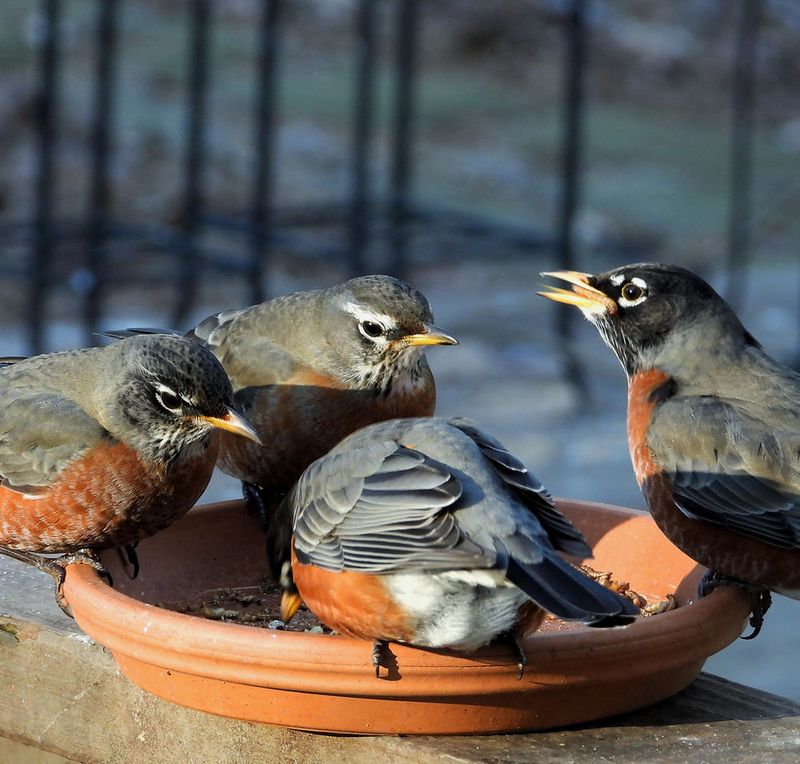
Once spring arrives, Oregon backyards become prime robin-watching locations. These birds prefer short grass where they can easily spot and catch earthworms, making residential lawns ideal hunting grounds.
Homeowners across the state often notice several robins working their yards simultaneously, each bird claiming a section to patrol.
The increase in backyard sightings happens because robins shift their diet from winter berries to protein-rich invertebrates needed for breeding season. Earthworms, insects, and grubs become their primary food sources.
Freshly watered lawns and garden beds attract these food items closer to the surface, making them easier for robins to find.
You can encourage robin visits by maintaining some areas of natural lawn rather than replacing everything with hardscaping. Avoiding pesticide use helps ensure healthy populations of the insects and worms robins need.
Providing a birdbath offers drinking and bathing opportunities, which robins use frequently during warmer weather.
Peak backyard activity typically occurs during morning and late afternoon hours when robins are most actively feeding.
Watching them hunt is entertaining because they use a distinctive technique, running a few steps, pausing, cocking their head, then suddenly stabbing their beak into the ground to pull up a worm.
This behavior becomes a common sight throughout Oregon neighborhoods from March through summer.
Nesting Season Begins Across Oregon
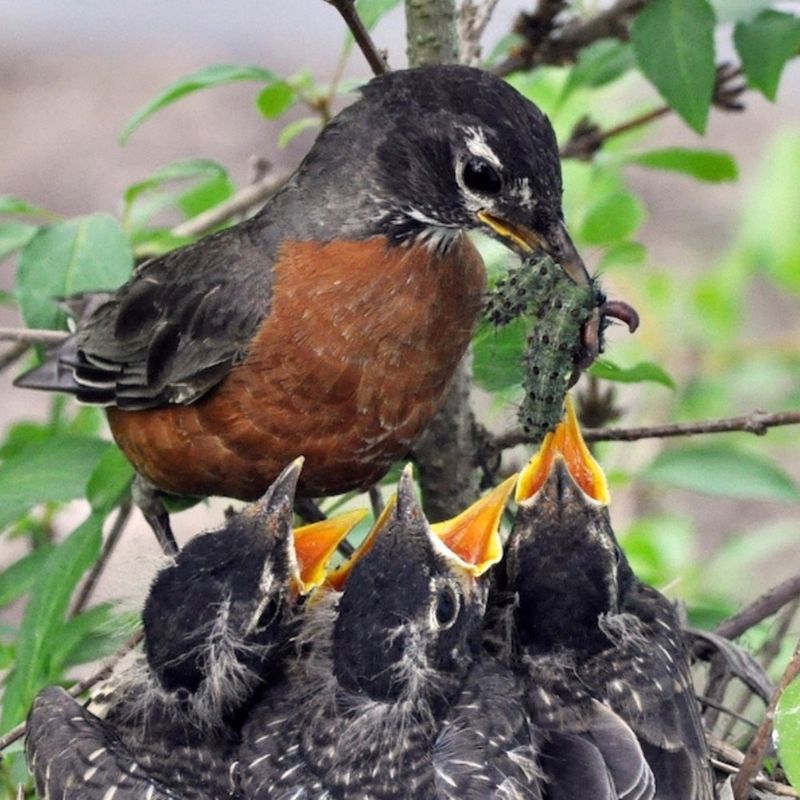
Spring’s arrival brings nesting activity that transforms robins from casual visitors into dedicated parents. Female robins construct cup-shaped nests using grass, twigs, and mud, typically placing them in tree branches, shrubs, or even on protected ledges of buildings.
The construction process takes several days, with the female doing most of the work.
Oregon’s robins usually begin nesting in March or April, depending on local conditions. The female lays three to five bright blue eggs, which have become iconic symbols of spring in their own right.
She incubates them for about two weeks while the male guards the territory and brings her food.
Finding a robin nest in your yard is exciting, but it’s important to observe from a distance. Robins can be protective parents and may abandon nests if they feel threatened.
Keeping pets away and avoiding pruning or yard work near active nests helps ensure successful breeding.
Many Oregon robins raise multiple broods during a single season, sometimes producing three sets of offspring between spring and summer. This high reproductive rate contributes to their abundance across the state.
Baby robins leave the nest about two weeks after hatching, though parents continue feeding them for several more weeks.
Spotting recently fledged young robins with their spotted breasts confirms that spring has progressed into full breeding season.
What Robins Tell Us About Seasonal Change
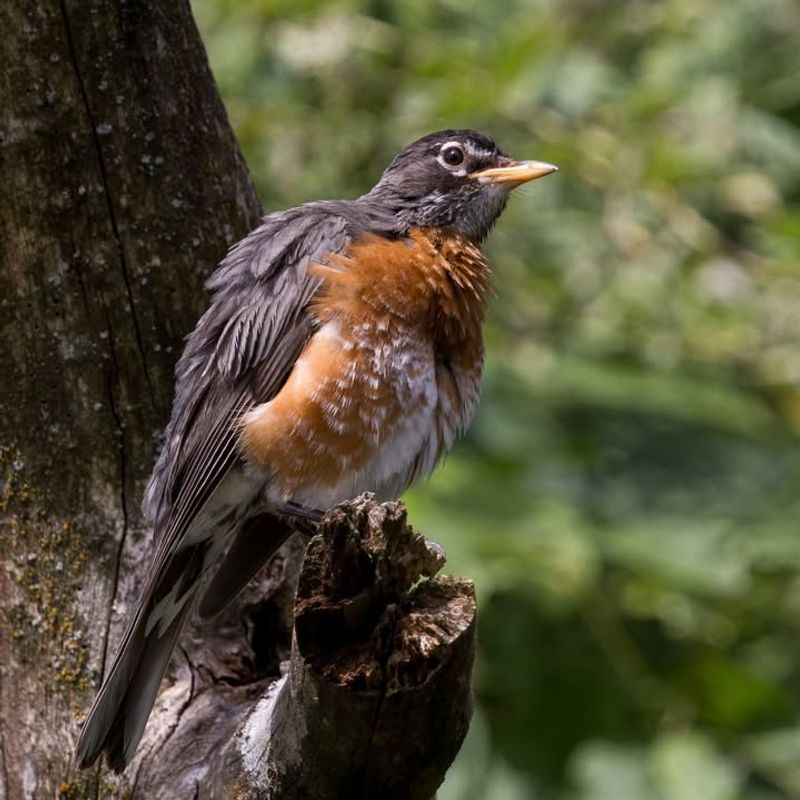
Robins serve as excellent biological indicators of seasonal progression throughout Oregon. Their behavior reflects environmental changes that might be less obvious to casual observers.
When robins suddenly appear on lawns, it signals that soil temperatures have warmed enough for earthworms to become active near the surface.
Scientists and naturalists use robin activity patterns to track phenological events, which are recurring natural phenomena tied to seasonal changes.
The timing of increased robin visibility, singing, and nesting correlates with other spring events like plant flowering, insect emergence, and amphibian breeding.
Monitoring robins provides insights into how Oregon’s ecosystems respond to yearly weather variations.
Climate change has affected some aspects of robin behavior in recent decades. Warmer winters mean some robins remain more visible year-round in certain Oregon regions, though their spring behavioral shift still occurs.
The timing of nesting may begin slightly earlier in some years when temperatures warm sooner than historical averages.
Paying attention to robins can help you connect with broader environmental patterns happening across Oregon. Their presence indicates that the complex web of seasonal interactions involving plants, insects, soil organisms, and weather has reached a critical threshold.
Understanding these connections deepens appreciation for how interconnected natural systems function and how individual species like robins fit within larger ecological communities throughout the Pacific Northwest.
How Weather Triggers Their Spring Activity
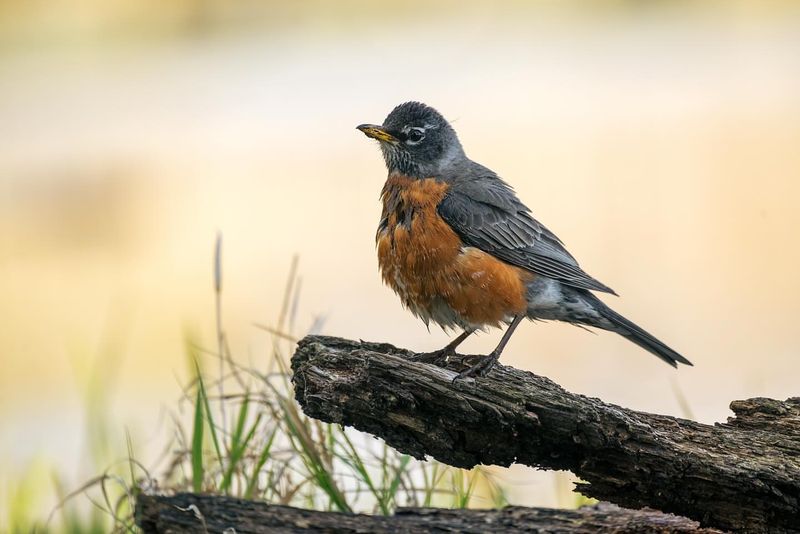
Temperature and daylight are the primary weather factors that trigger spring behavior changes in Oregon’s robins. As days lengthen after the winter solstice, increasing light exposure affects robin hormones, preparing them for breeding season.
This photoperiod response is consistent year to year, though temperature variations influence the exact timing of behavioral changes.
Warming soil temperatures are particularly important because they determine when earthworms and other invertebrates become accessible near the surface. Robins seem to sense these changes and adjust their foraging locations accordingly.
A stretch of mild, rainy weather in late winter often precedes increased robin activity on lawns across Oregon.
Robins can detect subtle weather patterns that humans might overlook. They respond to barometric pressure changes and may increase feeding activity before storms arrive.
After rainfall, they become especially active on lawns because wet conditions bring worms closer to the surface where they’re easier to catch.
Oregon’s variable spring weather sometimes creates false starts, where warm spells trigger increased robin activity followed by cold snaps. Robins are adaptable and can shift back to winter behaviors temporarily if conditions require it.
However, once consistent warming trends establish themselves, usually by mid-March in most of the state, robins fully commit to their spring routines.
This flexibility helps them survive Oregon’s sometimes unpredictable seasonal transitions.
Welcoming Spring With Oregon’s Favorite Bird
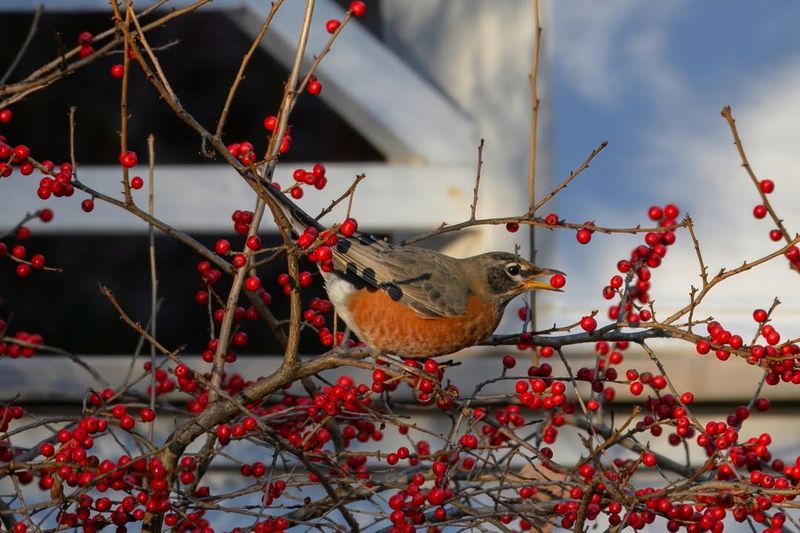
Creating robin-friendly spaces in your yard enhances both your viewing opportunities and helps these birds thrive. Leaving some leaf litter provides habitat for the insects robins eat.
Planting native shrubs and trees offers nesting sites and winter berry sources. A simple birdbath becomes a hub of activity once robins discover it.
Teaching children to recognize robins and understand their connection to seasonal change creates lasting appreciation for nature’s rhythms. Kids can help watch for the first robins, listen for their songs, and carefully observe nesting activities from respectful distances.
These experiences build environmental awareness and connection to Oregon’s natural heritage.
The robin’s role as Oregon’s spring messenger reminds us that we’re part of larger natural cycles that continue year after year. Despite modern life’s distractions, the simple appearance of a red-breasted bird on your lawn can reconnect you with timeless seasonal patterns.
Welcoming robins each spring acknowledges our place within Oregon’s ecosystem and celebrates the renewal that each new season brings to the Pacific Northwest.