Plant These 11 Native Perennials For An Easier Oregon Garden
Great gardens in Oregon do not have to be high maintenance. The secret is working with nature, not against it.
Native perennials already know how to handle local rain, summer dry spells, and changing soils, so they grow stronger with less watering, less fuss, and fewer problems.
Even better, they bring your yard to life with color, texture, and a steady parade of pollinators and songbirds.
Imagine blooms that return each year, plants that thrive without constant care, and a landscape that feels naturally Oregon. Smart plant choices can save time, cut work, and create a space that looks beautiful in every season.
Ready to make gardening simpler and more rewarding? These dependable native perennials are tough, gorgeous, and perfectly suited for an easier, more relaxed Oregon garden that practically takes care of itself while you enjoy the view.
1. Meadow Checkermallow (Sidalcea campestris)
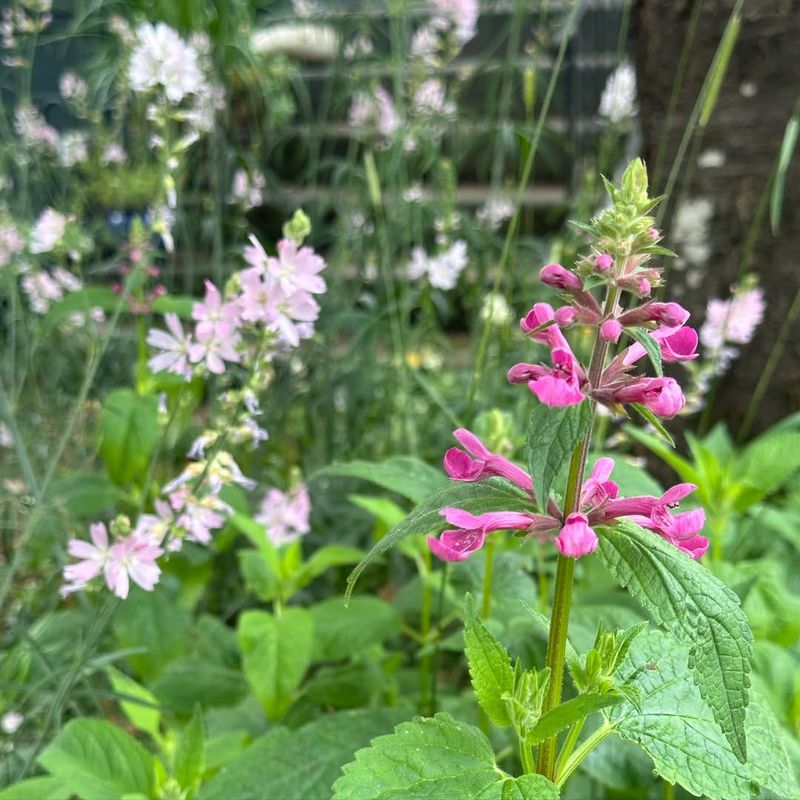
Bright pink flowers that look like tiny hollyhocks make this plant a showstopper from late spring through summer. Meadow Checkermallow grows wild in Oregon’s valleys and foothills, so it feels right at home in gardens across the state.
The blooms attract bumblebees and butterflies, turning your yard into a buzzing haven for pollinators.
This perennial reaches about two to three feet tall and spreads slowly to form neat clumps. It prefers full sun but can handle a bit of afternoon shade, especially in hotter areas.
The soil should drain well because soggy roots can cause problems. Once established, it tolerates dry summers without constant watering.
Planting Meadow Checkermallow is simple. Dig a hole twice as wide as the root ball, place the plant inside, and fill with soil.
Water deeply after planting, then reduce watering as it settles in. Deadheading spent flowers encourages more blooms and keeps the plant looking tidy.
Pair it with grasses or other native wildflowers for a natural meadow look. It works beautifully in cottage gardens, pollinator gardens, or even large containers.
Deer usually leave it alone, which is a bonus for gardeners dealing with hungry wildlife. This cheerful perennial brings color and easy care to any Oregon landscape.
2. Oregon Sunshine (Eriophyllum lanatum)
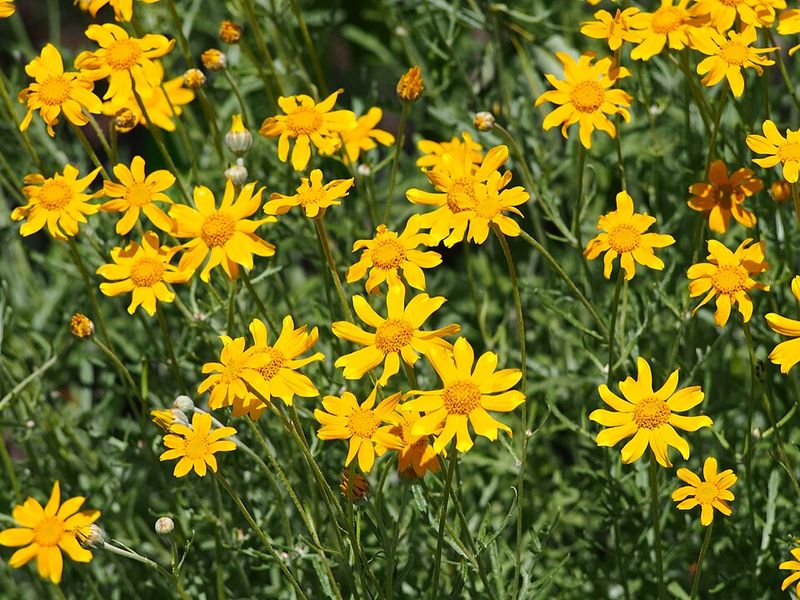
Golden yellow blooms that shine like little suns cover this compact perennial from late spring into summer. Oregon Sunshine grows naturally along rocky slopes and dry meadows throughout the Pacific Northwest.
Its fuzzy, silver-green leaves add texture even when flowers fade, making it a year-round garden treasure.
Reaching only six to twelve inches tall, this low-growing plant spreads slowly to create a soft carpet of color. It thrives in full sun and rocky or sandy soil that drains quickly.
Once roots take hold, it laughs at drought and heat, making it perfect for water-wise gardens. Overwatering can actually harm it, so less is truly more with this tough native.
Planting is straightforward. Choose a sunny spot with well-draining soil.
Dig a shallow hole, set the plant in, and backfill gently. Water lightly after planting, then let nature take over.
Your Oregon Garden Changes Every Week. Your Plan Should Too.
Gardening in Oregon changes quickly throughout the season. Every Friday you’ll receive a simple weekly plan showing exactly what to plant, prune, fertilize, harvest, and protect so you never miss the right timing.
It needs almost no supplemental water once established, especially in Oregon’s climate.
Oregon Sunshine works beautifully in rock gardens, along pathways, or cascading over retaining walls. Butterflies and native bees visit the cheerful flowers regularly.
Deer and rabbits usually avoid it because of the fuzzy leaves. This perennial proves that low-maintenance doesn’t mean boring.
Its sunny disposition brightens any garden corner without demanding constant attention.
3. Blue-Eyed Grass (Sisyrinchium idahoense)
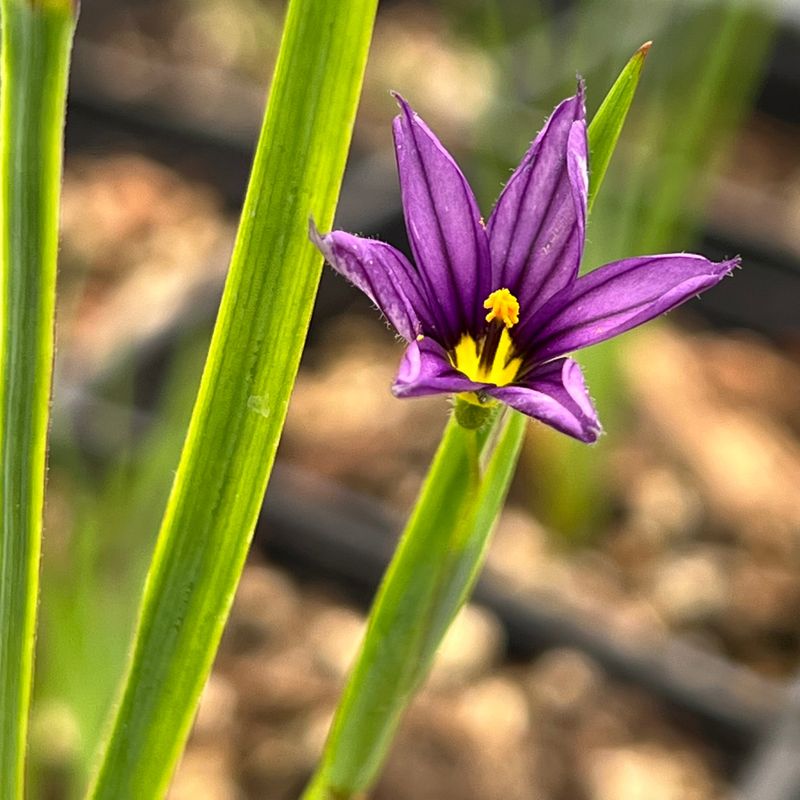
Delicate blue flowers with bright yellow centers peek out from grass-like foliage in spring and early summer. Blue-Eyed Grass isn’t actually a grass at all.
It belongs to the iris family and grows wild in meadows and open forests across Oregon. Each bloom lasts just one day, but new ones keep appearing for weeks, creating a constantly changing display.
This petite perennial grows only four to twelve inches tall, making it ideal for front borders or tucking between larger plants. It prefers full sun to partial shade and adapts to various soil types as long as they drain reasonably well.
Blue-Eyed Grass tolerates some moisture during spring but appreciates drier conditions in summer, matching Oregon’s natural rainfall patterns perfectly.
Planting is easy. Space small clumps about six inches apart in a sunny or partly shaded spot.
Water regularly during the first growing season to help roots establish. After that, it mostly takes care of itself, self-seeding gently to fill in gaps without becoming invasive.
Use Blue-Eyed Grass along pathways, in rock gardens, or mixed with other low-growing natives. Its small size and charming flowers add whimsy without overwhelming other plants.
Pollinators appreciate the blooms, and the grass-like leaves provide cover for tiny beneficial insects. This undemanding native brings delicate beauty to Oregon gardens year after year.
4. Fringecups (Tellima grandiflora)
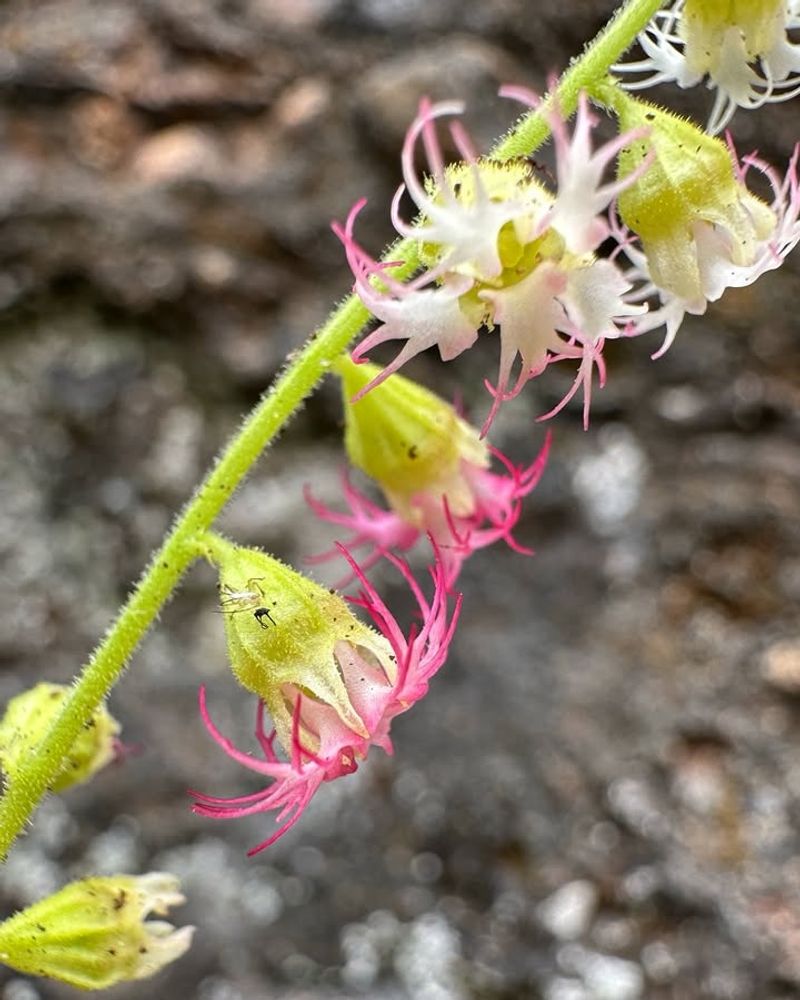
Tiny fringed flowers dangle from tall stems like miniature bells in late spring. Fringecups grows naturally in shady Oregon forests, thriving under trees where many other plants struggle.
The blooms start out creamy white and gradually turn pink as they age, creating a soft gradient of color. Even without flowers, the rounded, heart-shaped leaves form attractive ground cover that stays green through winter.
This shade-loving perennial reaches twelve to thirty inches tall when blooming. It prefers moist, rich soil and partial to full shade, making it perfect for woodland gardens or the north side of buildings.
Fringecups tolerates dry shade once established, though it looks happiest with occasional summer watering during prolonged dry spells.
Planting is simple. Choose a shady spot with decent soil.
Dig a hole slightly larger than the root ball, place the plant inside, and fill with soil. Water well after planting and keep the soil lightly moist during the first season.
Mulch around the base to retain moisture and suppress weeds.
Fringecups pairs beautifully with ferns, hostas, and other shade perennials. It naturalizes easily, spreading slowly to form colonies without becoming aggressive.
Hummingbirds sometimes visit the flowers, and the foliage provides shelter for ground-dwelling insects. This understated native brings quiet elegance to shady corners throughout Oregon gardens.
5. Cascade Penstemon (Penstemon serrulatus)
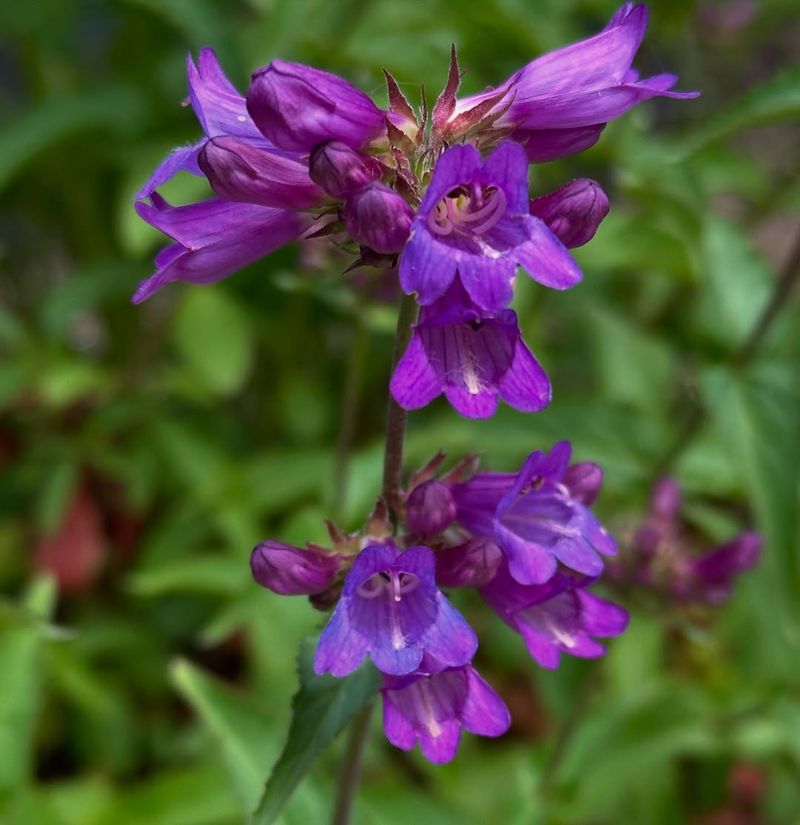
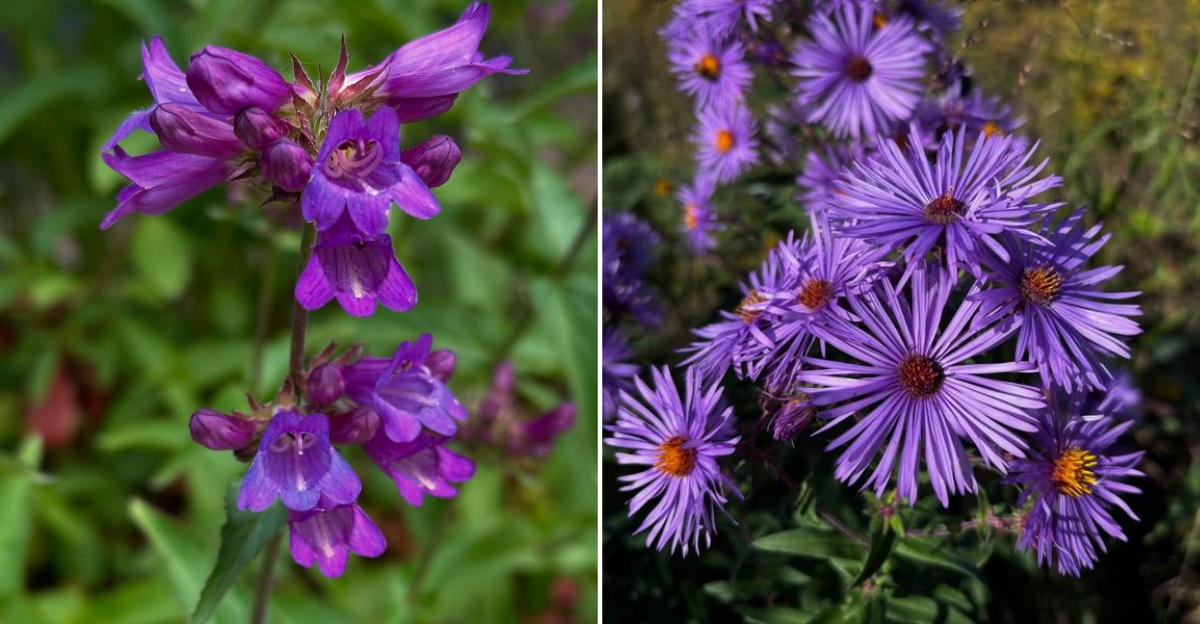
Tubular blue to purple flowers cluster along upright stems from late spring through summer, creating vertical interest in the garden. Cascade Penstemon grows wild in mountain meadows and forest edges throughout Oregon’s Cascade Range.
Hummingbirds can’t resist the nectar-rich blooms, making this plant a magnet for these tiny aerial acrobats. Bumblebees also visit frequently, adding movement and life to the garden.
This perennial typically reaches twelve to twenty-four inches tall with a spreading habit. It prefers full sun to partial shade and moist, well-draining soil.
Unlike some penstemons that demand dry conditions, Cascade Penstemon appreciates regular moisture, especially during Oregon’s dry summer months. It handles cooler temperatures well, making it ideal for higher elevations or cooler microclimates.
Planting is straightforward. Select a spot with good drainage and adequate sunlight.
Dig a hole deep enough to accommodate the roots comfortably. Place the plant inside, backfill with soil, and water thoroughly.
Mulch lightly around the base to conserve moisture and regulate soil temperature.
Cascade Penstemon works beautifully in mixed borders, cottage gardens, or naturalized wildflower plantings. Pair it with other natives like asters or columbines for a vibrant display.
Deadheading encourages additional blooms and keeps plants looking neat. Deer occasionally nibble it but usually move on to tastier options.
This colorful native brings vertical drama and wildlife appeal to Oregon landscapes.
6. Large-Leaved Avens (Geum macrophyllum)
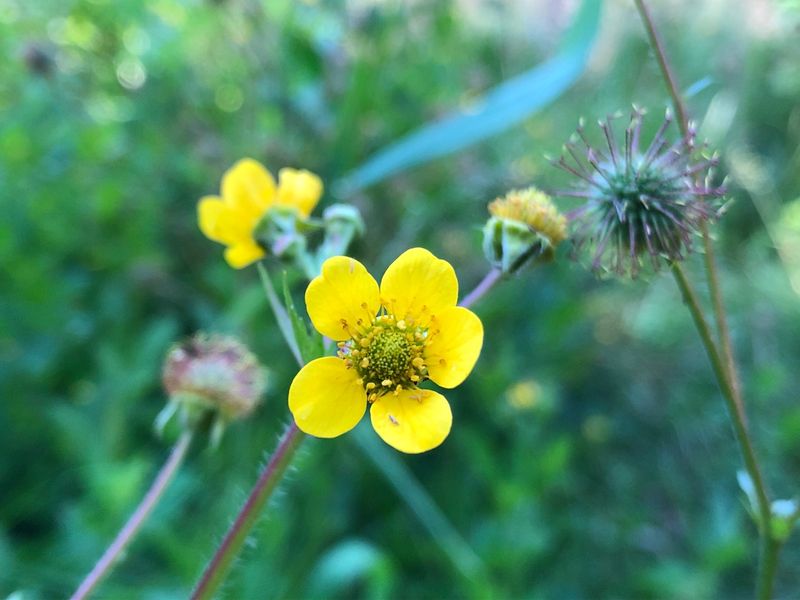
Cheerful yellow flowers brighten shady spots from late spring through summer. Large-Leaved Avens grows naturally along stream banks and moist forest edges throughout Oregon.
The blooms have five rounded petals that resemble miniature wild roses. After flowering, the plant develops small hooked seed heads that catch on clothing and animal fur, helping it spread naturally.
This adaptable perennial grows twelve to thirty inches tall depending on conditions. It tolerates a wide range of light levels, from full sun to partial shade, though it performs best with some afternoon protection.
Large-Leaved Avens prefers moist soil rich in organic matter but adapts to drier conditions once established. It’s one of those forgiving natives that thrives with minimal fuss.
Planting is easy. Choose a location with decent soil and some moisture.
Dig a hole slightly larger than the root ball. Set the plant inside, fill with soil, and water well.
Keep the soil evenly moist during the first growing season to encourage strong root development.
Large-Leaved Avens works well in woodland gardens, rain gardens, or along shaded borders. It naturalizes easily without becoming aggressive.
The flowers attract small bees and other pollinators. Deer usually leave it alone, making it a reliable choice for gardens with wildlife pressure.
This unassuming native offers consistent color and easy care for Oregon gardeners seeking low-maintenance beauty.
7. Barestem Biscuitroot (Lomatium nudicaule)
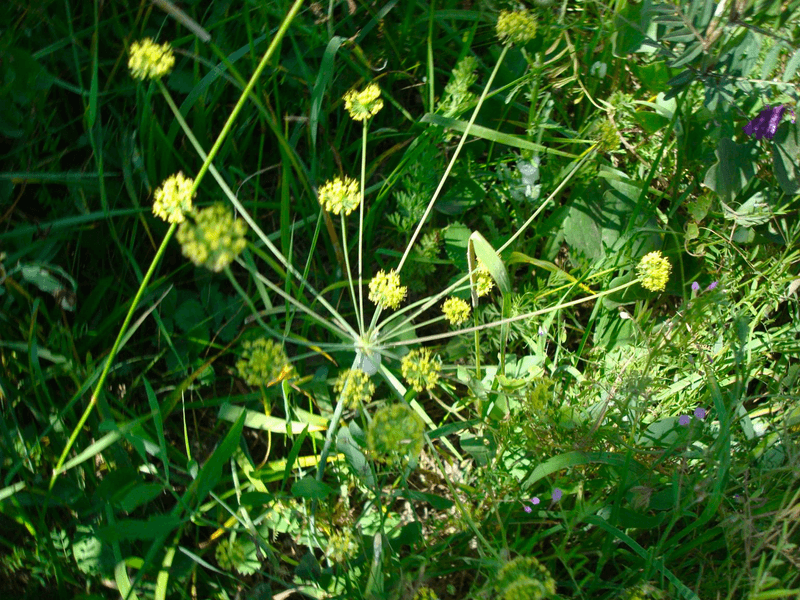
Clusters of tiny yellow flowers arranged in flat-topped umbels appear on leafless stems in early spring. Barestem Biscuitroot is one of the first natives to bloom in Oregon, often flowering while other plants are still waking up.
The fern-like leaves emerge from the base and disappear by midsummer as the plant goes dormant. This early bloom time makes it valuable for pollinators emerging from winter.
This perennial grows six to twenty-four inches tall during its active season. It thrives in full sun and well-draining soil, especially in rocky or gravelly areas.
Once established, it handles drought beautifully and requires no supplemental watering during Oregon’s dry summers. The plant stores energy in a deep taproot, allowing it to survive tough conditions.
Planting requires patience. Barestem Biscuitroot develops a long taproot and dislikes transplanting once mature.
Start with small plants or seeds in their permanent location. Dig a deep hole to accommodate the taproot.
Place the plant carefully, backfill with soil, and water lightly. Avoid overwatering, which can cause root problems.
Use Barestem Biscuitroot in rock gardens, dry borders, or naturalized areas. It pairs well with other drought-tolerant natives.
The flowers attract early-season butterflies and native bees. After the foliage fades, mark the spot to avoid accidental digging.
This spring ephemeral brings early color and supports pollinators when food sources are scarce across Oregon landscapes.
8. Common Madia (Madia elegans)
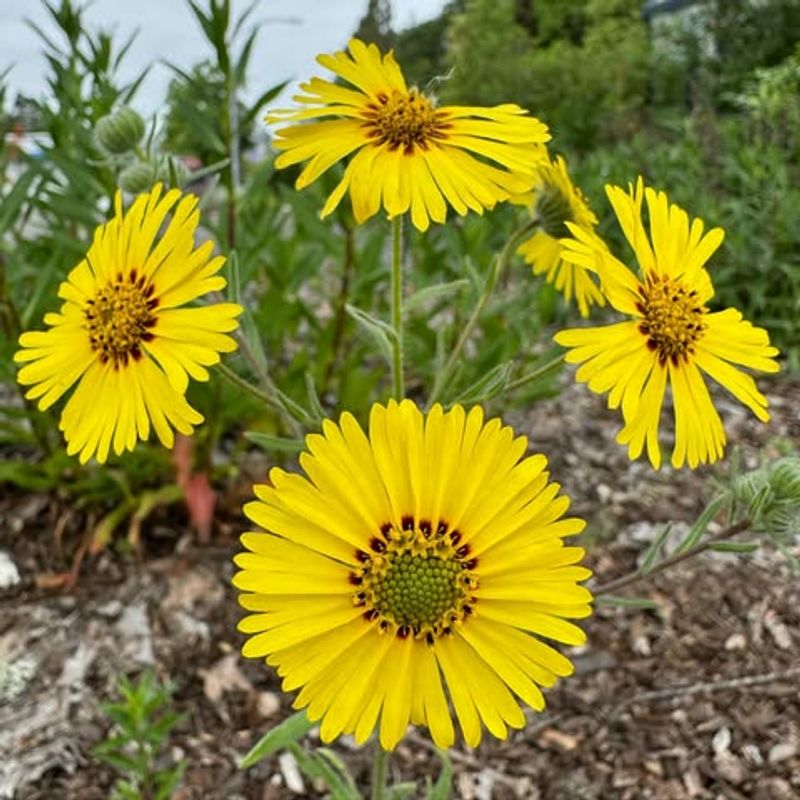
Bright yellow flowers with dark centers bloom from midsummer into fall, providing color when many other natives have finished flowering. Common Madia grows wild in open meadows and disturbed areas throughout Oregon.
The blooms open in late afternoon and close by midday, making them most showy during evening hours. This unusual timing attracts nocturnal pollinators like moths along with daytime visitors.
This annual or short-lived perennial reaches twelve to thirty-six inches tall. It prefers full sun and tolerates poor, dry soil with ease.
Common Madia self-seeds readily, returning year after year without replanting. The stems and leaves feel sticky to the touch, which helps protect the plant from some pests.
It thrives in Oregon’s dry summer conditions without any supplemental watering.
Planting is simple. Scatter seeds directly in the garden in fall or early spring.
Press them lightly into bare soil but don’t bury deeply. Water gently after sowing, then let nature take over.
Seeds germinate when conditions are right, usually with spring rains.
Common Madia works beautifully in wildflower meadows, naturalized areas, or informal borders. It fills gaps between perennials and provides late-season color when gardens need a boost.
Bees and butterflies visit the flowers regularly. The plant’s reseeding habit means you’ll have blooms year after year with zero effort.
This cheerful native brings sunny color and wildlife appeal to low-maintenance Oregon gardens.
9. Western Columbine (Aquilegia formosa)
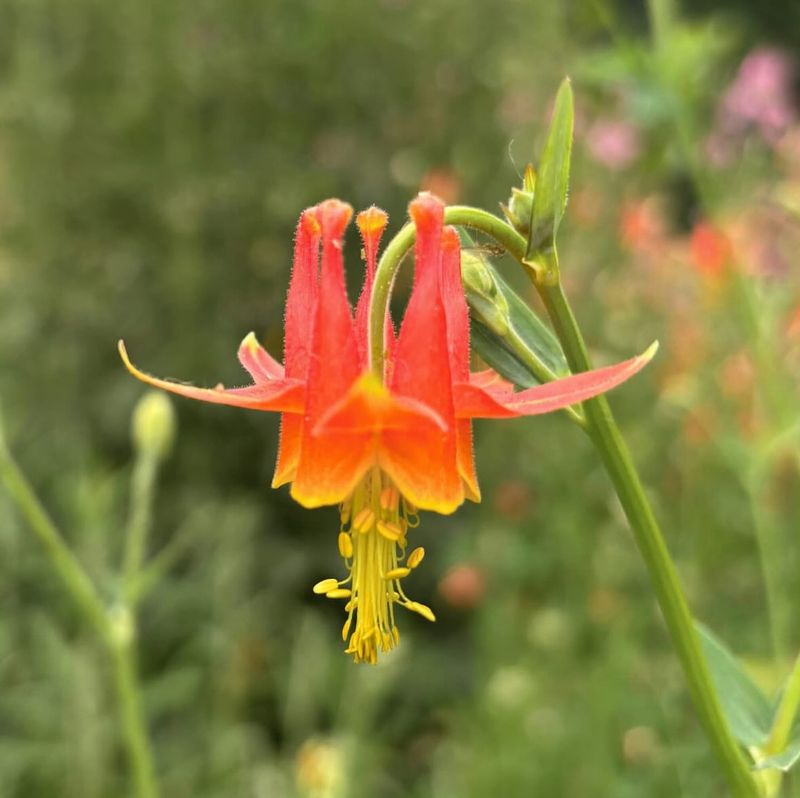
Nodding flowers in brilliant red and yellow dangle from delicate stems in late spring and early summer. Western Columbine grows naturally in moist forests and shaded stream banks across Oregon.
The unique spurred blooms look like tiny lanterns and are perfectly designed for hummingbirds, which visit constantly throughout the blooming season. Even when not flowering, the lacy blue-green foliage adds texture and interest.
This graceful perennial reaches eighteen to thirty-six inches tall. It prefers partial shade and moist, well-draining soil rich in organic matter.
Western Columbine tolerates full sun in cooler areas but appreciates afternoon shade in warmer regions. It handles Oregon’s climate beautifully, thriving with minimal care once established.
Planting is easy. Choose a partly shaded spot with decent soil.
Dig a hole large enough for the roots. Place the plant inside, fill with soil, and water thoroughly.
Keep the soil evenly moist during the first season. Mulch around the base to retain moisture and keep roots cool.
Western Columbine shines in woodland gardens, shaded borders, or near water features. It self-seeds gently, creating natural drifts without becoming invasive.
Hummingbirds depend on the nectar-rich flowers, making this plant essential for wildlife gardens. The foliage sometimes attracts leaf miners, but they rarely harm the plant seriously.
This elegant native brings color, movement, and wildlife magic to shaded Oregon gardens throughout the growing season.
10. Pacific Aster (Symphyotrichum chilense)
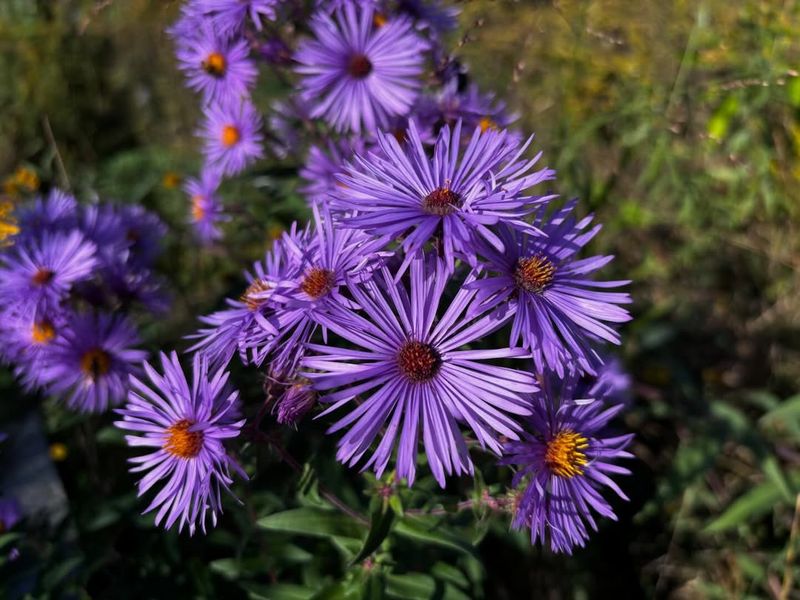
Purple daisy-like flowers with yellow centers bloom abundantly from late summer through fall, providing crucial food for pollinators preparing for winter. Pacific Aster grows wild along Oregon’s coast and in moist inland areas.
The blooms appear when most other natives have finished flowering, making this plant especially valuable. Butterflies, bees, and other beneficial insects visit constantly, creating a lively garden scene.
This perennial reaches twelve to forty-eight inches tall depending on growing conditions. It prefers full sun to partial shade and adapts to various soil types, from sandy to clay, as long as moisture is adequate.
Pacific Aster appreciates regular water during the growing season but tolerates brief dry periods once established. It spreads slowly by rhizomes to form attractive clumps.
Planting is straightforward. Select a sunny or partly shaded location with decent soil.
Dig a hole twice as wide as the root ball. Place the plant inside, backfill with soil, and water deeply.
Keep the soil evenly moist during the first season to encourage strong root growth.
Pacific Aster works beautifully in mixed borders, rain gardens, or naturalized meadows. Pair it with grasses or other late-blooming natives for extended color.
The plant sometimes needs staking in rich soil where it grows especially tall. Deer occasionally browse it but usually leave enough for a good show.
This reliable native brings vibrant fall color and essential pollinator support to Oregon gardens when it matters most.
11. Self-Heal (Prunella vulgaris var. lanceolata)
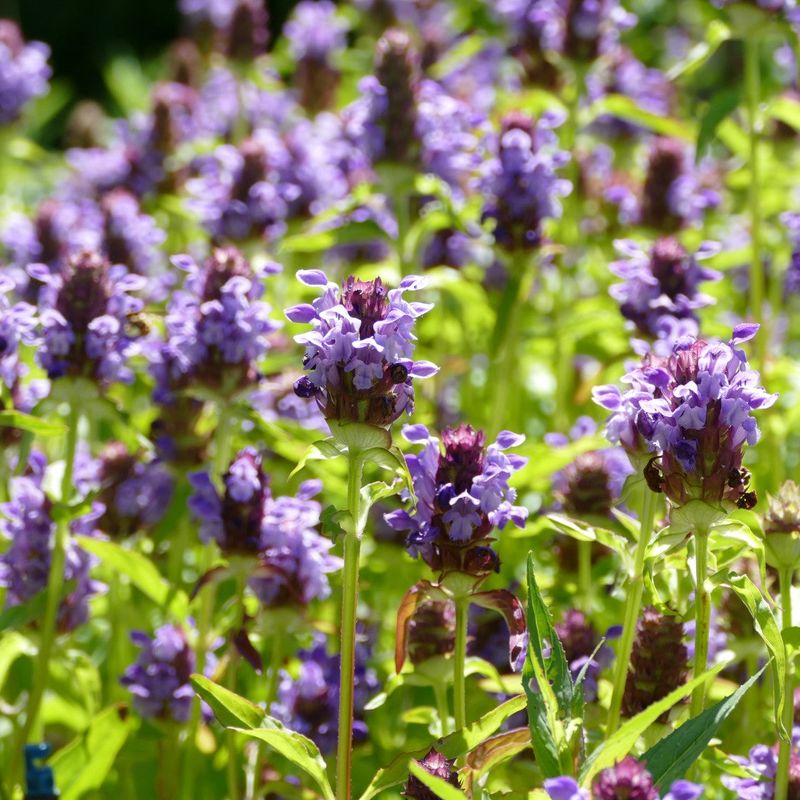
Clusters of small purple flowers form dense spikes from late spring through summer. Self-Heal grows naturally in meadows and open forests throughout Oregon.
The blooms attract bees, butterflies, and other pollinators, while the low-growing foliage creates a living carpet. Historically, people used this plant for medicinal purposes, though today it’s valued mainly for its garden toughness and wildlife benefits.
This low-growing perennial reaches only four to twelve inches tall and spreads to form thick mats. It tolerates full sun to partial shade and adapts to various soil conditions, from dry to moderately moist.
Self-Heal even handles light foot traffic, making it useful as a lawn alternative or between stepping stones. It thrives throughout Oregon with minimal care once established.
Planting is simple. Space small plants six to twelve inches apart in the desired location.
Water regularly during the first growing season to help roots establish. After that, it mostly takes care of itself, spreading slowly to fill in gaps.
Self-Heal works beautifully as a groundcover, in meadow gardens, or mixed with other low-growing natives. It tolerates mowing, so you can include it in naturalized lawn areas.
The plant self-seeds gently without becoming aggressive. Deer usually ignore it, and it requires almost no maintenance beyond occasional watering during prolonged droughts.
This adaptable native brings low-maintenance beauty and pollinator support to diverse Oregon garden settings year after year.