10 Stunning Orange Flowers That Will Light Up Your Michigan Garden This Spring
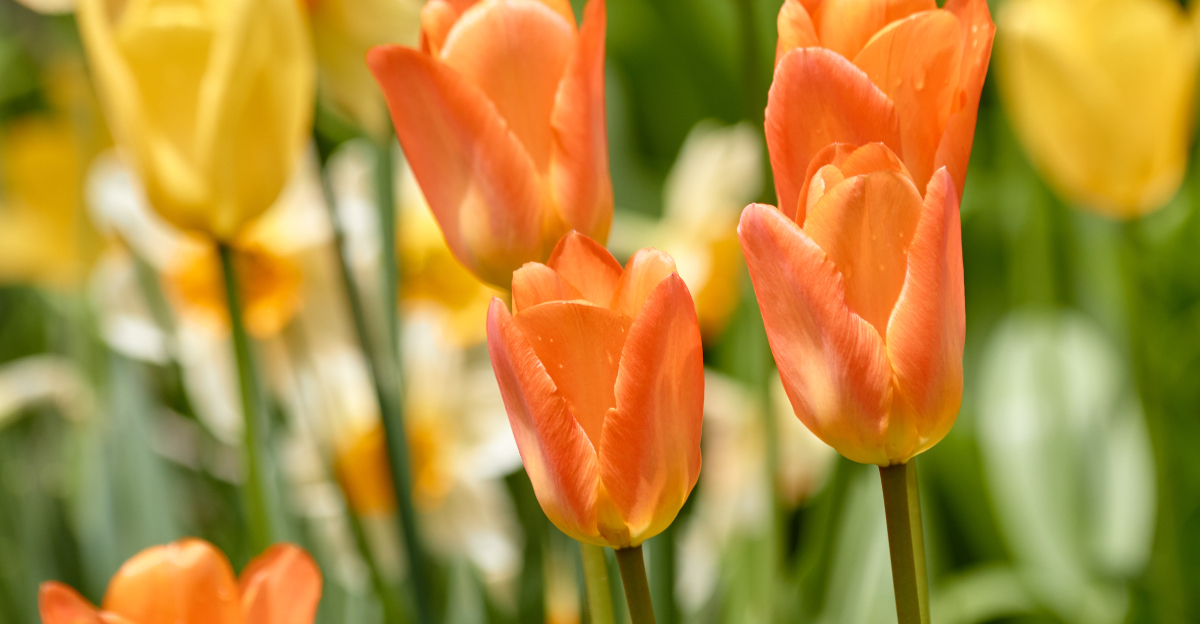
After months of gray skies and quiet beds, nothing announces spring in Michigan quite like a burst of brilliant orange rising from the soil. These fiery blooms bring instant warmth and optimism to landscapes just waking from winter’s grip.
When thoughtfully chosen, orange flowers do more than brighten borders. They draw butterflies and hummingbirds, add depth to mixed plantings, and create eye catching contrast against fresh green growth.
Michigan’s climate offers excellent opportunities to layer early bulbs with hardy perennials and native wildflowers, ensuring color unfolds from the first mild days through the height of summer. The result is a garden that feels lively, welcoming, and full of movement.
Whether you prefer tidy beds or a more natural look, incorporating bold orange tones can completely transform your outdoor space.
These standout plants are perfectly suited for Michigan gardens and promise to make your landscape vibrant, energetic, and truly unforgettable this season.
1. Orange Tulips Bring Bright Early Spring Color
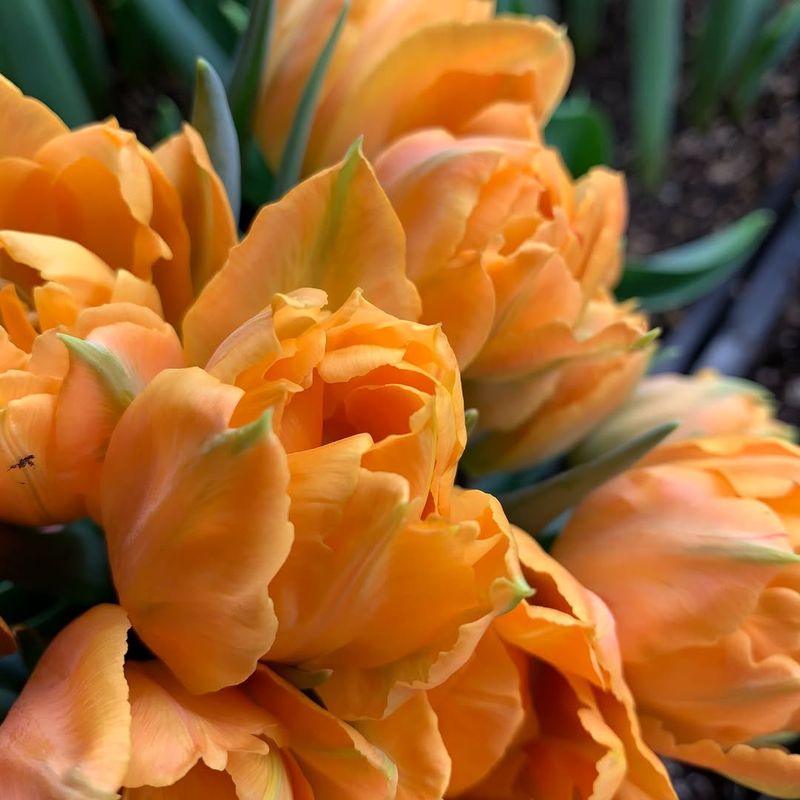
Few spring bulbs match the cheerful punch of orange tulips when they burst through the soil in March and April. Varieties like ‘Orange Emperor’ and ‘Ballerina’ create stunning displays that brighten even the grayest Michigan mornings.
These hardy bulbs tolerate cold temperatures exceptionally well and often bloom when snow still lingers in shaded areas.
Plant your tulip bulbs in October or early November before the ground freezes completely solid. Choose a spot with excellent drainage and full sun for the most impressive blooms.
Dig holes about six to eight inches deep and space bulbs four to six inches apart for a natural look.
Orange tulips need minimal care once established in your garden beds or containers. Water them during dry spells in spring but avoid overwatering which causes bulb rot.
After flowers fade, let the foliage turn yellow naturally because leaves feed the bulbs for next year’s display.
These spring beauties pair wonderfully with blue grape hyacinths or white daffodils for eye-catching combinations. Squirrels and deer sometimes nibble tulips, so consider planting them near the house or using protective netting.
With proper care, orange tulips return year after year to announce spring’s arrival in spectacular fashion.
2. Calendula Adds Natural Orange Blooms In Cool Spring Weather
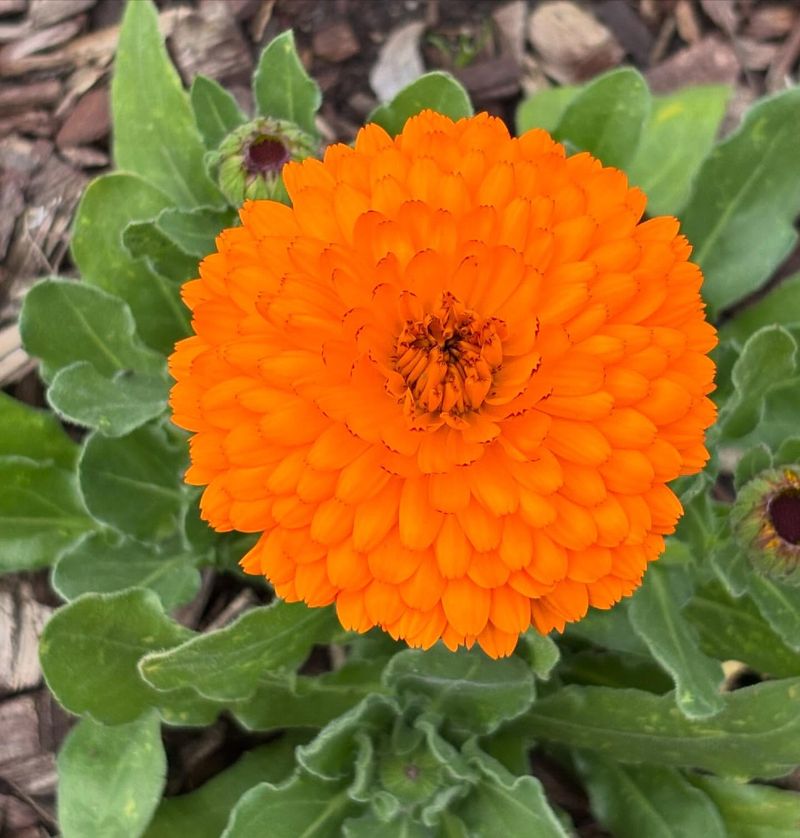
Calendula thrives when temperatures hover between forty and sixty degrees, making it perfect for Michigan’s unpredictable spring weather. This cheerful annual produces continuous orange blooms from late April through early June without any fuss.
Gardeners appreciate how calendula keeps flowering even when unexpected cold snaps surprise the region.
Direct sow calendula seeds outdoors in early April as soon as you can work the soil easily. These tough plants germinate quickly in cool conditions that would discourage many other flowers.
Scatter seeds about six inches apart in well-drained soil and barely cover them with a thin layer of earth.
Calendula flowers attract beneficial insects like ladybugs and lacewings that control garden pests naturally. The bright orange petals are also edible and add peppery flavor to salads or garnish plates beautifully.
Your Michigan Garden Changes Every Week. Your Plan Should Too.
Gardening in Michigan changes quickly throughout the season. Every Friday you’ll receive a simple weekly plan showing exactly what to plant, prune, fertilize, harvest, and protect so you never miss the right timing.
Deadhead spent blooms regularly to encourage more flowers and prevent the plants from going to seed too early.
These versatile plants grow well in containers, raised beds, or traditional garden borders throughout Michigan. Calendula tolerates partial shade but produces more abundant blooms in full sun locations.
Water moderately during dry periods and watch these cheerful orange flowers brighten every corner of your spring landscape effortlessly.
3. Iceland Poppy Produces Bright Orange Flowers In Cool Climates
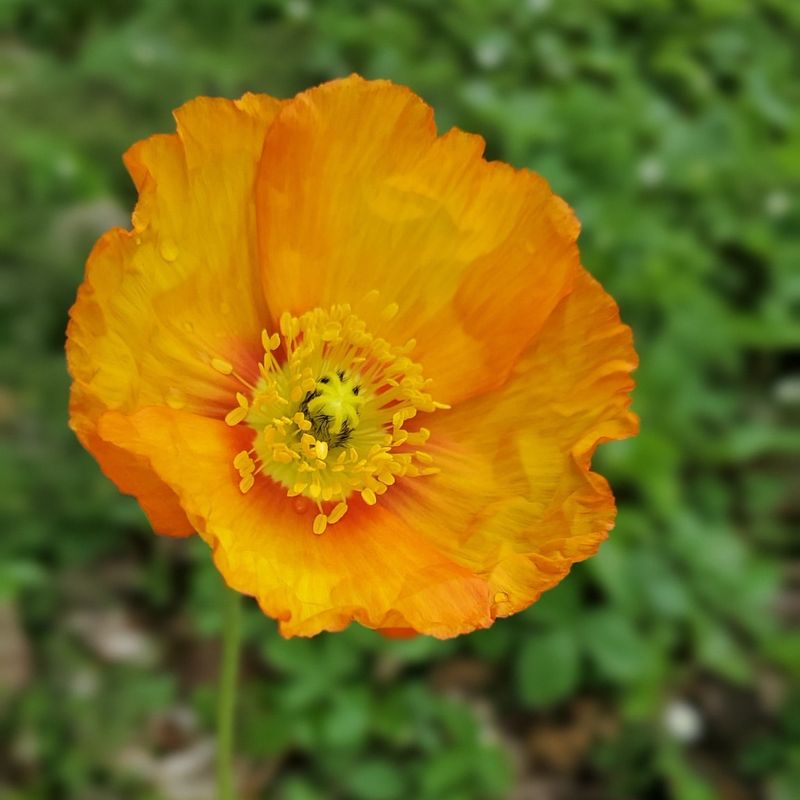
Iceland poppies look fragile but handle Michigan’s cool spring temperatures better than most flowering plants. Their tissue-paper petals in brilliant orange shades dance on wiry stems above ferny foliage.
These charming flowers bloom from May through June when conditions stay comfortably cool for extended periods.
Start Iceland poppy seeds indoors in late February or direct sow them outdoors in early April. These plants dislike root disturbance, so use biodegradable pots if starting seeds indoors for easier transplanting.
Choose a sunny location with excellent drainage because soggy soil quickly damages the delicate root systems.
Iceland poppies make spectacular cut flowers that last surprisingly well in vases despite their delicate appearance. Pick blooms early in the morning when they first open for the longest vase life possible.
The flowers close at night and reopen each morning, creating an enchanting display in your home.
These cool-season beauties struggle when summer heat arrives, so enjoy them while spring lasts in Michigan. Deadheading encourages more blooms and extends the flowering period by several weeks in favorable conditions.
Iceland poppies self-sow readily, so you might find volunteer plants appearing in your garden next spring without any extra effort.
4. Geum Brings Warm Orange Tones In Late Spring
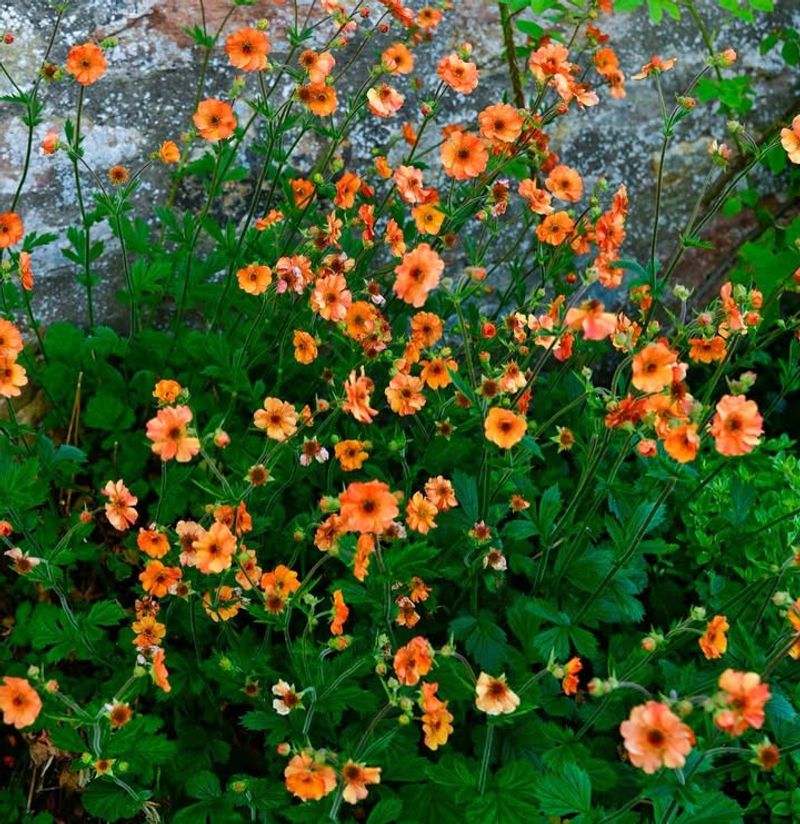
Geum varieties like ‘Totally Tangerine’ create waves of warm orange blooms just as tulips finish their show. This tough perennial handles Michigan winters without protection and returns stronger each year with minimal attention.
The cheerful flowers appear on sturdy stems above attractive evergreen foliage that looks good all season long.
Plant geum in spring or early fall in locations with morning sun and afternoon shade. These adaptable perennials tolerate full sun in northern Michigan but appreciate some relief from intense afternoon heat.
Amend your soil with compost before planting because geum prefers rich, moisture-retentive conditions for best performance.
Geum flowers attract bees and butterflies while providing excellent cut flowers for small arrangements and bouquets. The blooming period extends from late May through June, with occasional repeat blooms in cooler summers.
Divide established clumps every three to four years to maintain vigor and encourage abundant flowering.
These reliable perennials pair beautifully with blue catmint, purple salvia, or yellow coreopsis in mixed borders. Geum resists most pests and diseases, making it an excellent choice for low-maintenance Michigan gardens.
Water regularly during establishment and mulch around plants to conserve moisture and suppress weeds throughout the growing season.
5. Crown Imperial Creates Bold Orange Spring Blooms
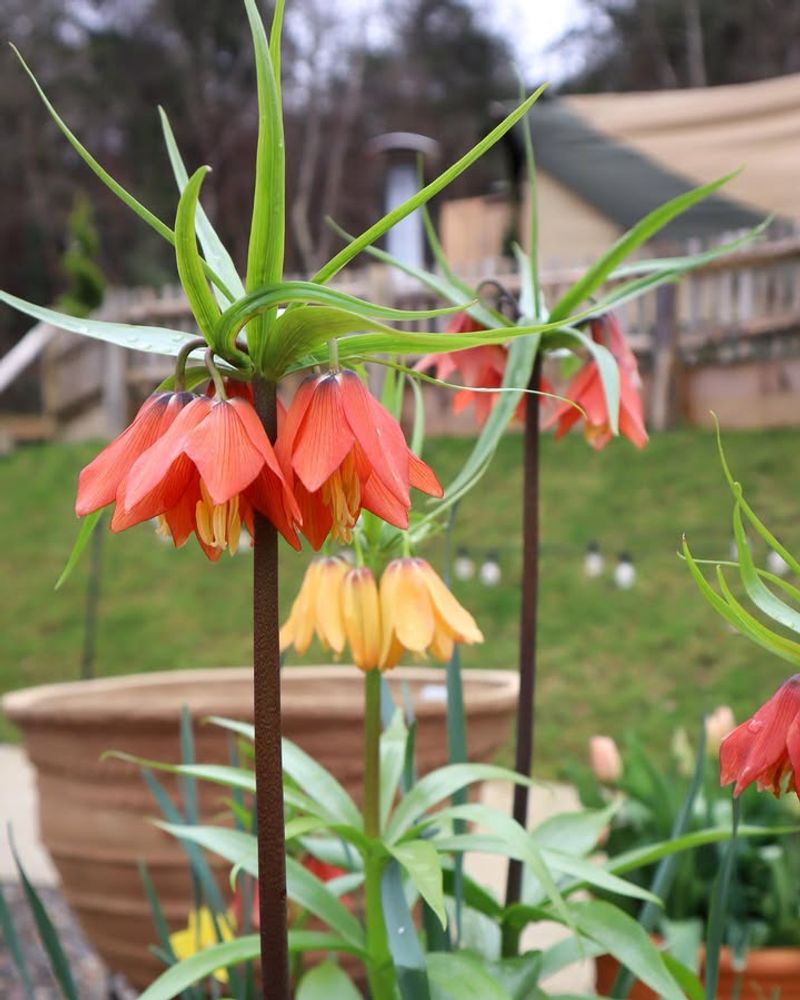
Crown imperial makes an unforgettable statement with its dramatic orange bells dangling beneath a topknot of glossy leaves. This architectural bulb reaches two to three feet tall and commands attention in any spring garden setting.
The unique musky scent reportedly deters rodents and deer from browsing nearby plants, offering unexpected benefits beyond beauty alone.
Plant crown imperial bulbs in September or early October before temperatures drop too low for comfortable digging. Set bulbs on their sides in holes eight inches deep to prevent water from collecting in the hollow centers.
Choose locations with excellent drainage because these bulbs absolutely cannot tolerate wet winter conditions without rotting.
Crown imperial blooms appear in late April or early May, lasting about two to three weeks in cool weather. The striking flowers combine beautifully with grape hyacinths, early tulips, and forget-me-nots for spectacular spring combinations.
After blooming finishes, the foliage remains attractive for several weeks before naturally yellowing and disappearing.
These impressive bulbs prefer undisturbed locations where they can naturalize and multiply slowly over many years. Full sun to partial shade works well, though flowering may be slightly reduced in shadier spots.
Crown imperial adds vertical interest and exotic flair that few other spring bulbs can match in Michigan landscapes.
6. Eastern Columbine Shows Natural Red Orange Spring Flowers
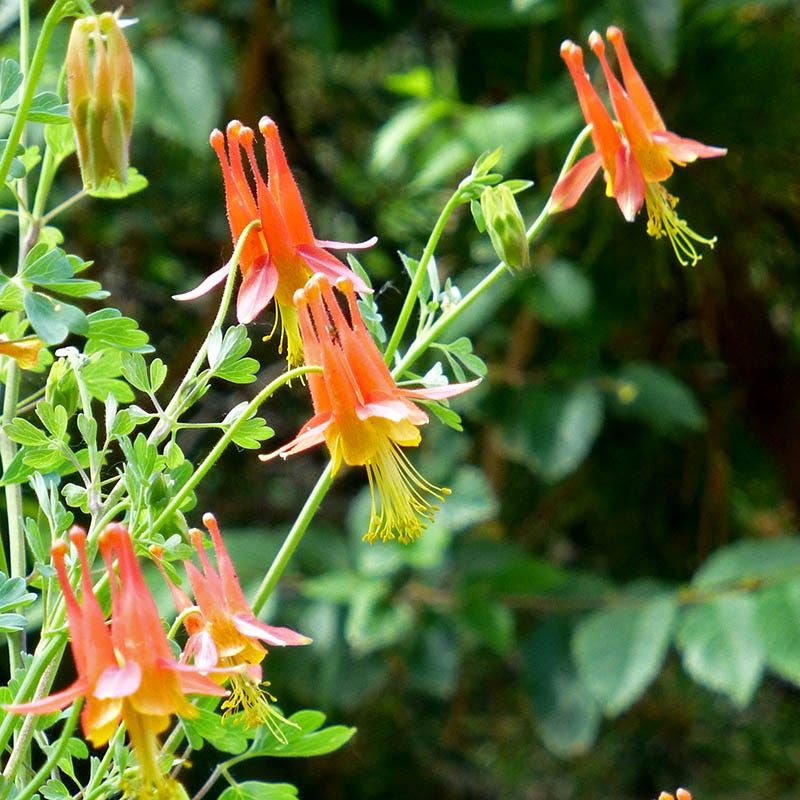
Eastern columbine brings native beauty to Michigan gardens with its distinctive red-orange flowers that hummingbirds absolutely adore. This graceful wildflower thrives in woodland settings or partial shade where many other plants struggle to bloom.
The unique spurred flowers nod on delicate stems above attractive blue-green foliage from May through early June.
Grow eastern columbine from seed sown directly outdoors in fall or start plants from nursery containers in spring. This native perennial adapts to various soil types but performs best in well-drained locations with organic matter.
Eastern columbine tolerates dry shade once established, making it perfect for challenging spots under trees or along north-facing walls.
The nectar-rich flowers provide essential food for ruby-throated hummingbirds during spring migration through Michigan. Butterflies and native bees also visit the blooms frequently throughout the flowering period.
Eastern columbine self-sows modestly, creating natural drifts that enhance rather than overwhelm your garden over time.
This tough native perennial resists most common garden pests and diseases without any chemical treatments needed. Leaf miners sometimes create cosmetic damage on foliage but rarely harm the plant’s overall health or flowering.
Cut back damaged leaves if their appearance bothers you, and fresh growth will emerge quickly to replace them.
7. Oriental Poppy Produces Strong Orange Blooms In Late Spring
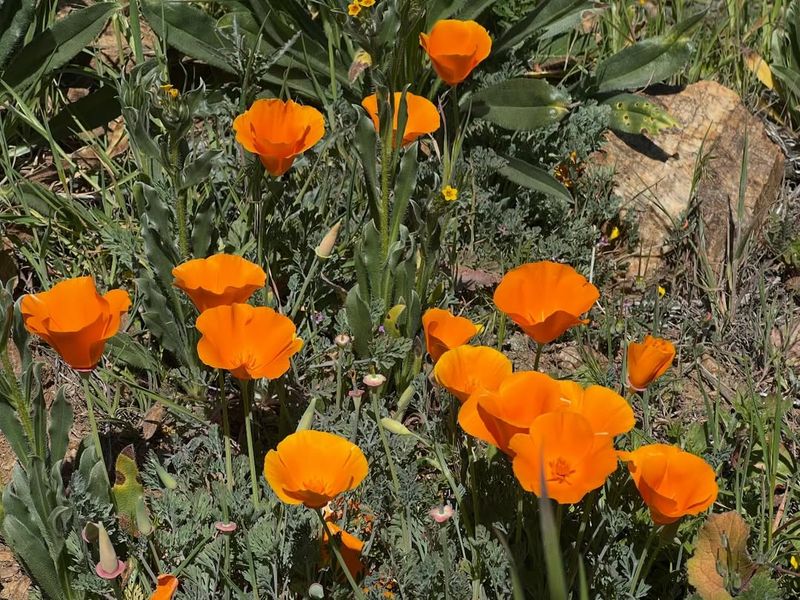
Oriental poppies stop garden visitors in their tracks with dinner-plate-sized orange blooms that glow like flames. These hardy perennials return reliably each spring in Michigan gardens despite harsh winter conditions.
The spectacular flowers appear in late May and early June on sturdy stems that rarely need staking support.
Plant oriental poppies in late summer or early fall when they enter their active growth phase. These perennials have a quirky growth cycle, going dormant in summer heat and resuming growth in autumn.
Choose a permanent location with full sun and excellent drainage because established plants resent being moved.
Oriental poppy foliage disappears completely by midsummer, leaving gaps in your garden beds temporarily. Plant them behind later-blooming perennials like catmint or baby’s breath that fill in and hide the empty spaces.
The dramatic spring display more than compensates for this brief period of summer dormancy.
These striking perennials need minimal care once established in appropriate locations throughout Michigan. Water moderately during spring growth and flowering, then reduce watering as foliage yellows naturally.
Oriental poppies rarely suffer from serious pest or disease problems and can thrive for decades without division or special attention.
8. Orange Daylilies Begin Blooming From Late Spring Into Summer
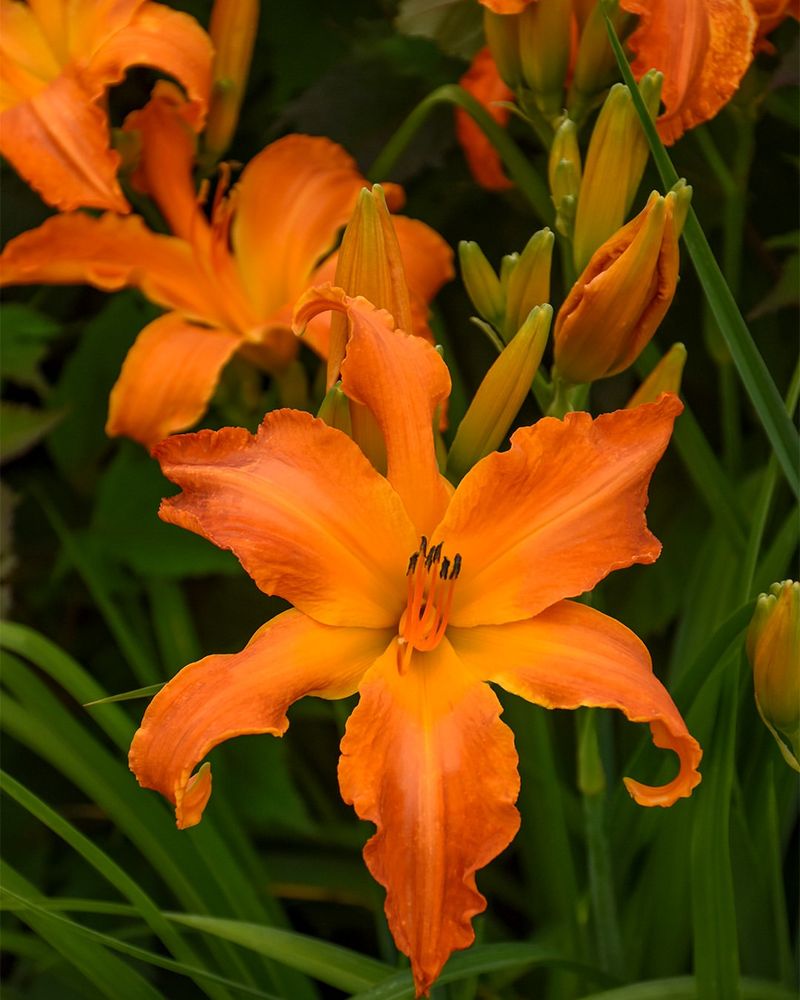
Orange daylilies rank among the toughest and most reliable perennials for Michigan gardens of any experience level. Varieties like ‘Kwanso’ and ‘Orange Crush’ produce abundant blooms starting in late May and continuing into July.
Each flower lasts only one day, but plants produce so many buds that the show continues for weeks.
Plant daylilies in spring or fall in locations receiving at least six hours of direct sunlight daily. These adaptable perennials tolerate a wide range of soil conditions but bloom most abundantly in fertile, well-drained ground.
Space plants eighteen to twenty-four inches apart to allow for their spreading habit over time.
Daylilies require almost no maintenance once established in your Michigan landscape. They tolerate drought, resist deer browsing, and rarely suffer from serious pest or disease issues.
Deadhead spent blooms to keep plants looking tidy, though this doesn’t significantly affect the overall flowering performance.
The bold orange flowers combine beautifully with purple coneflowers, yellow coreopsis, or blue Russian sage in mixed borders. Daylilies also make excellent groundcovers on slopes where mowing is difficult or erosion control is needed.
Divide crowded clumps every few years to maintain vigor and share extras with friends and neighbors who admire your garden.
9. Butterfly Weed Produces Bright Native Orange Flowers
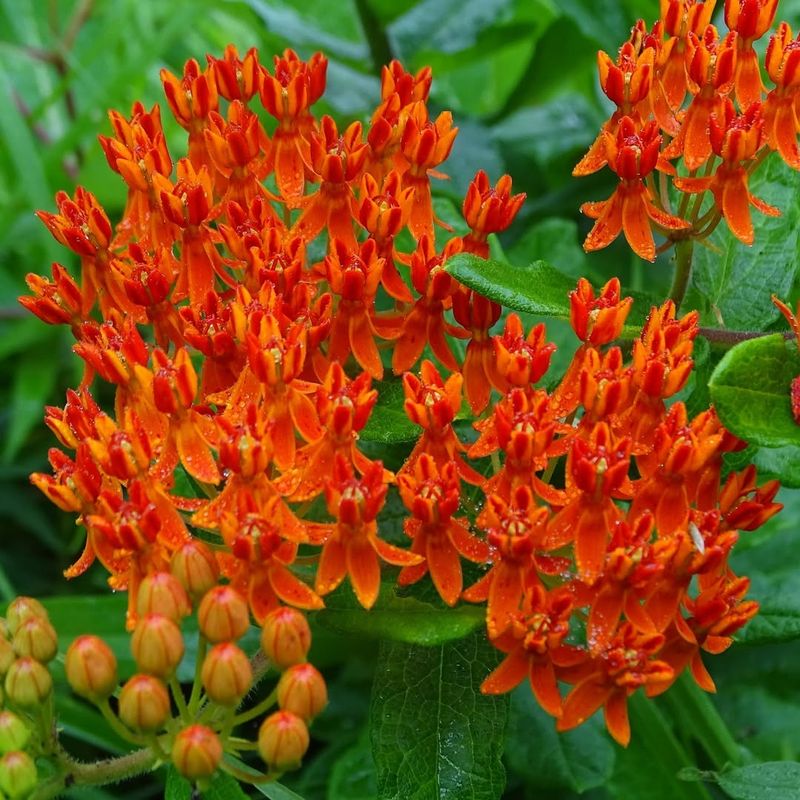
Butterfly weed earns its name by attracting monarchs and other butterflies in astonishing numbers throughout its blooming period. This native perennial produces flat-topped clusters of brilliant orange flowers from June through August in Michigan gardens.
The sturdy plants tolerate heat, drought, and poor soil better than almost any other flowering perennial available.
Start butterfly weed from seed or purchase small plants from native plant nurseries in your area. This deep-rooted perennial dislikes transplanting, so choose its permanent location carefully before planting.
Full sun and excellent drainage are essential because butterfly weed struggles in shade or consistently moist conditions.
Butterfly weed grows slowly its first year while establishing extensive root systems underground. Be patient because second-year plants bloom abundantly and increase in size and flower production each season.
The nectar-rich flowers also provide essential food for bees, wasps, and hummingbirds throughout the summer months.
This tough native perennial serves as a host plant for monarch butterfly caterpillars, making it ecologically valuable. The seedpods that follow flowering split open to release silky seeds that float on the wind.
Butterfly weed self-sows modestly in appropriate conditions, gradually creating natural colonies that enhance your garden’s biodiversity and beauty over time.
10. Orange Pansies Provide Reliable Early Spring Color
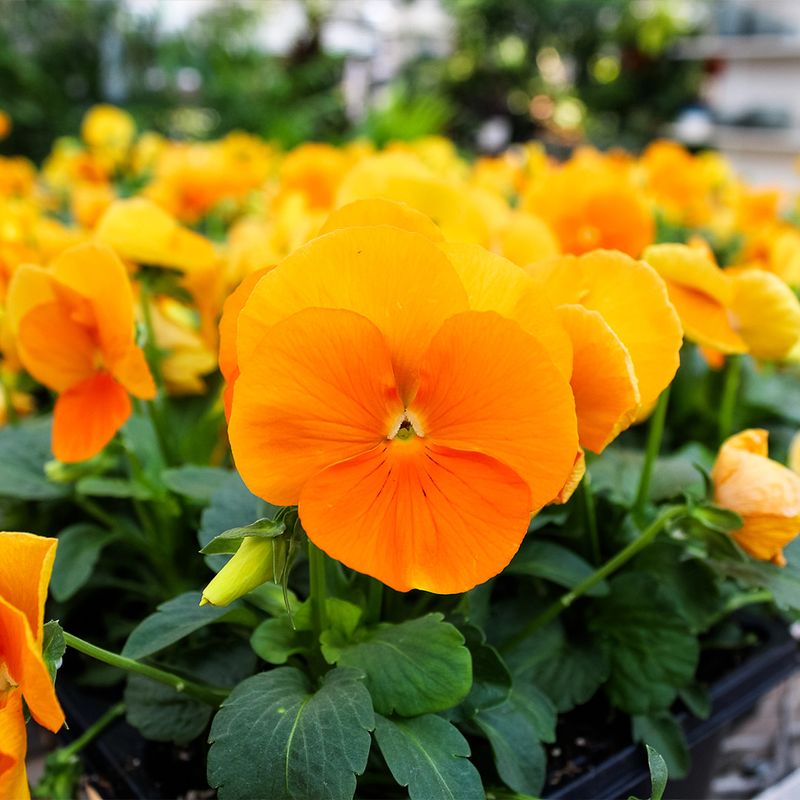
Orange pansies bring instant cheer to Michigan gardens when planted in early April or even late March. These cold-hardy annuals tolerate frost and light freezes without damage to flowers or foliage.
The cheerful blooms appear continuously from planting time through June, providing reliable color during unpredictable spring weather.
Purchase pansy transplants from local garden centers or start seeds indoors eight to ten weeks before your last frost. Plant pansies in well-drained soil enriched with compost for best growth and flowering performance.
Space plants six to eight inches apart in beds, containers, or window boxes for a full, lush appearance.
Pansies prefer cool temperatures and may slow their blooming when summer heat arrives in Michigan. Deadhead spent flowers regularly to encourage continuous blooming and prevent plants from setting seed prematurely.
Water consistently during dry periods because pansies wilt quickly when soil becomes too dry.
These versatile annuals work beautifully in mixed containers with white alyssum, purple violas, or trailing ivy. Orange pansies also make excellent edging plants along walkways or at the front of perennial borders.
The cheerful flowers attract early-season pollinators and brighten your outdoor spaces when you need color most after a long Michigan winter.