This Beautiful Detroit Garden Is A Must See The Next Time You Visit Michigan
Hidden within one of Detroit’s most beloved island parks lies a garden that redefines what a modern landscape can be.
On Belle Isle, Oudolf Garden Detroit introduces a fresh vision of planting design that blends natural beauty with thoughtful ecological balance, creating a living work of art in the heart of Michigan.
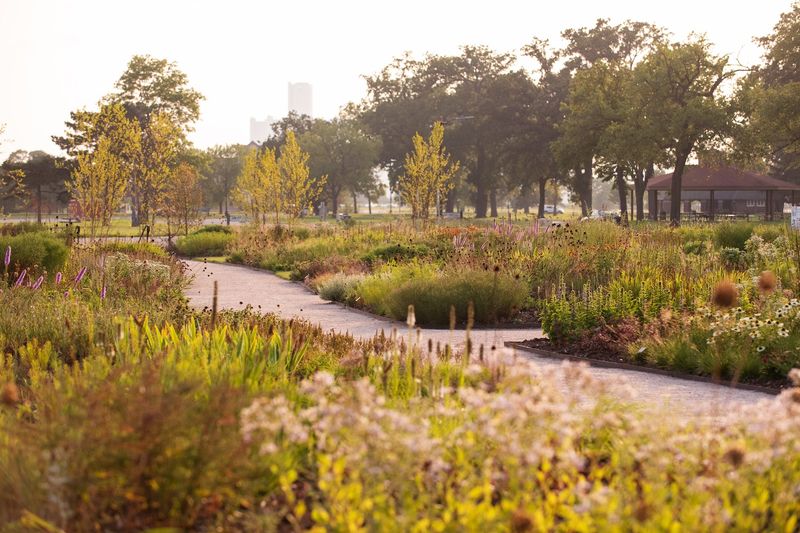
Instead of formal layouts, this remarkable space embraces flowing grasses, textured perennials, and seasonal change, allowing the garden to evolve gracefully throughout the year.
Visitors experience shifting colors, movement, and structure that highlight nature’s rhythms rather than control them.
Garden enthusiasts find endless inspiration, while first time guests are often surprised by the quiet power of this naturalistic style. Every visit reveals something new as the garden changes with the seasons.
Oudolf Garden Detroit stands as a striking example of innovative landscape design, inviting everyone to experience a deeper, more meaningful connection to Michigan’s urban green spaces.
A World Class Naturalistic Garden Designed By Piet Oudolf
Piet Oudolf stands among the most influential garden designers working today. His vision reshapes how we understand garden beauty and plant relationships.
The Dutch designer brought his signature style to Detroit, creating spaces that honor natural plant communities.
Oudolf Garden Detroit represents his philosophy perfectly through carefully chosen perennials and grasses. Each plant placement considers texture, structure, and how species interact across months.
His designs reject traditional flower beds in favor of flowing, dynamic plantings that mimic wild meadows.
The garden demonstrates his belief that beauty extends beyond peak bloom periods. Winter seed heads and autumn foliage receive equal attention in his planning process.
Oudolf considers how plants age and fade, finding elegance in every stage of growth. Visitors witness firsthand what makes his work so celebrated worldwide. The High Line in New York and Lurie Garden in Chicago share this design DNA.
Detroit joins an exclusive list of cities hosting his transformative garden artistry. His approach emphasizes sustainability and ecological function alongside visual appeal. Native and adapted species create habitat while reducing maintenance needs.
The garden proves that naturalistic design can thrive in urban settings while inspiring deeper connections to nature.
Located On Scenic Belle Isle In The Detroit River
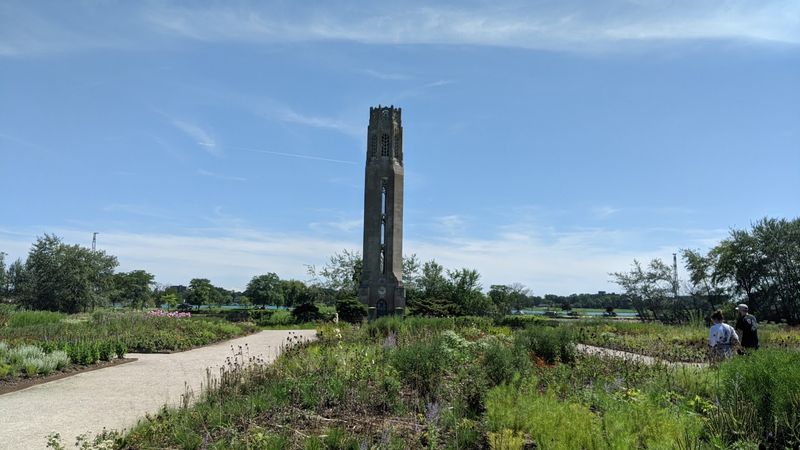
Belle Isle offers 982 acres of parkland surrounded by the Detroit River. This island park sits between Detroit and Windsor, Ontario, creating a unique geographic setting.
Its location at Loiter Way &, Picnic Way, Detroit, MI 48207, provides visitors with stunning water views and a sense of escape from urban surroundings.
Getting to the island requires crossing the MacArthur Bridge from downtown Detroit. Once there, you discover beaches, trails, and historic buildings alongside natural areas.
The island has served as a beloved recreation spot for generations of Detroit families.
Oudolf Garden Detroit occupies a special corner near the Anna Scripps Whitcomb Conservatory. This placement connects the naturalistic garden with other botanical attractions on the island.
Visitors can easily combine multiple destinations during a single Belle Isle trip. The river setting adds dramatic backdrops to garden views throughout the seasons. Large ships pass remarkably close to the garden, creating memorable visual contrasts.
Your Michigan Garden Changes Every Week. Your Plan Should Too.
Gardening in Michigan changes quickly throughout the season. Every Friday you’ll receive a simple weekly plan showing exactly what to plant, prune, fertilize, harvest, and protect so you never miss the right timing.
These waterfront vistas enhance the experience of exploring the perennial plantings.
Belle Isle became a Michigan state park in 2014, ensuring its preservation and improvement. The island welcomes walkers, cyclists, and drivers who come to enjoy its diverse attractions.
A day pass provides access to everything Belle Isle offers, making it an affordable family destination.
A Living Perennial Meadow That Changes Through The Seasons
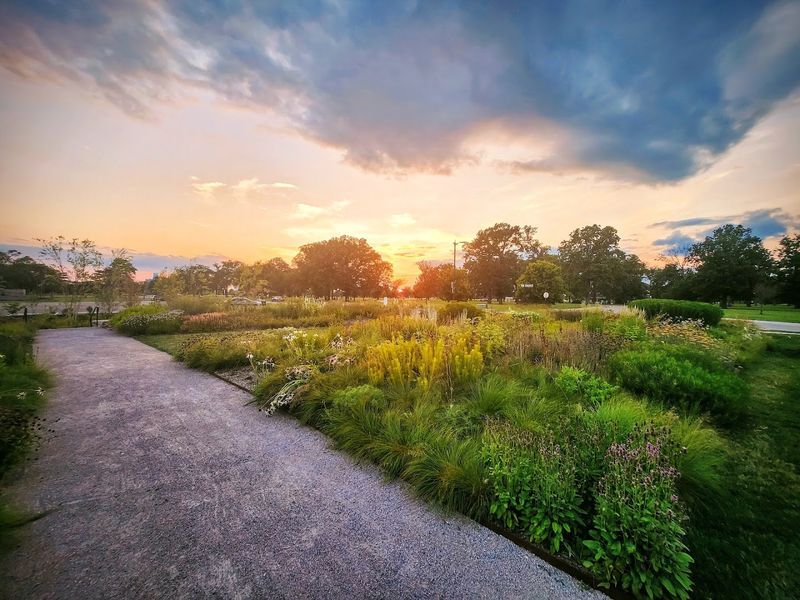
Spring arrives at the garden with early bulbs pushing through warming soil. Daffodils and tulips create the first waves of color among emerging perennial foliage.
These early bloomers fade as irises and salvias take center stage in late spring.
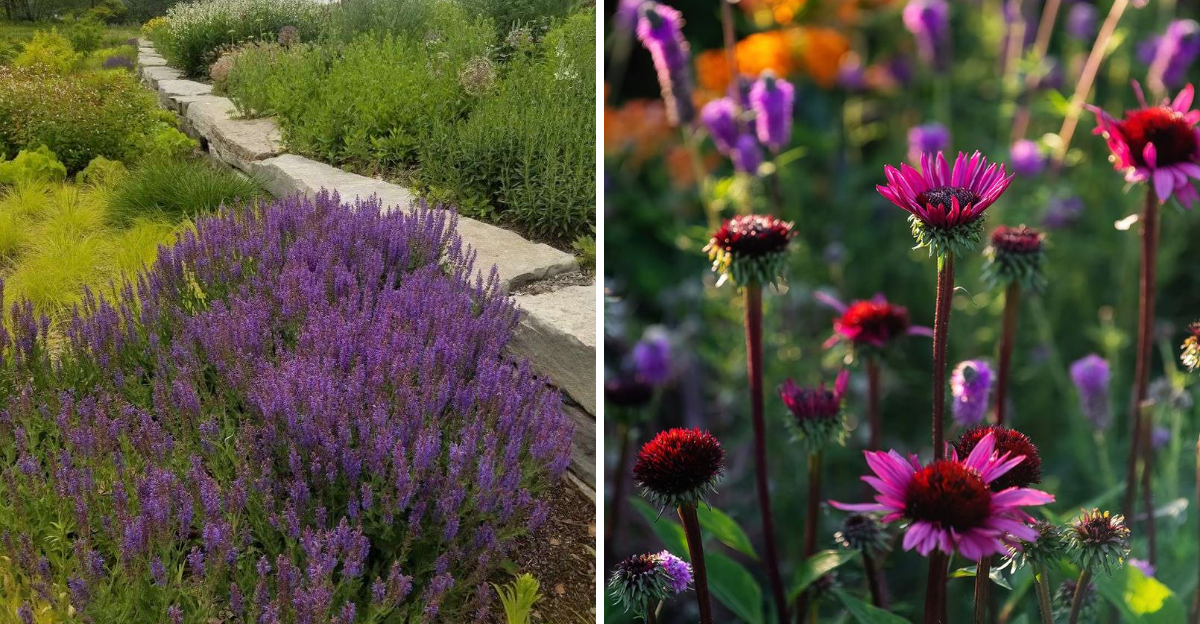
Summer brings the garden to its fullest expression with layered textures and heights. Grasses begin their upward growth while perennials like coneflowers and bee balm attract pollinators.
The meadow hums with activity as butterflies and bees move through flowering drifts. Autumn transforms the palette into rich golds, russets, and deep purples. Seed heads develop architectural beauty as flowers transition toward dormancy.
Grasses catch afternoon light, creating a warm glow across the entire planting. Winter reveals the garden’s structural bones through standing stems and seed heads. Snow dusts the dried foliage, creating unexpected beauty in the coldest months.
This season proves that gardens offer interest year round when designed thoughtfully. Each visit reveals something different depending on when you arrive. The garden never looks exactly the same twice throughout the calendar year.
This constant evolution keeps regular visitors engaged and curious about what changes await their next walk through the paths.
Designed To Highlight Native And Climate Adapted Plants
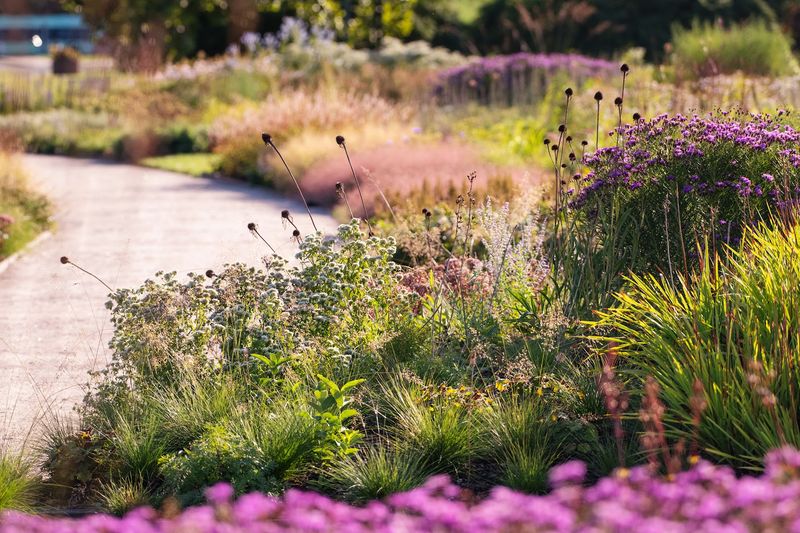
The Midwest climate presents specific challenges for gardeners and landscape designers. Cold winters and warm summers require plants that handle temperature extremes with resilience.
Oudolf selected species proven to thrive in these demanding conditions without excessive intervention.
Many plantings feature native species that evolved alongside local ecosystems. These plants naturally support regional wildlife while requiring minimal supplemental care.
Native grasses form the backbone of many planting areas, providing structure and movement.
Climate adapted plants from similar regions worldwide join the native selections. This approach expands the palette while maintaining ecological functionality and hardiness.
The combinations demonstrate how diverse plantings can coexist when properly matched to site conditions.
Drought tolerance factors into plant choices, reducing irrigation needs once established. Deep rooted perennials access moisture that shallow rooted annuals cannot reach.
This practical consideration makes the garden more sustainable and easier to maintain long term.
The plant selections inspire home gardeners seeking reliable performers for Midwest conditions. Visitors observe which species handle heat, cold, and variable moisture successfully.
These lessons translate directly to residential landscapes, making the garden an educational resource for practical gardening knowledge and encouraging experimentation with naturalistic planting styles in private spaces.
A Unique Example Of Modern Naturalistic Garden Design In The US
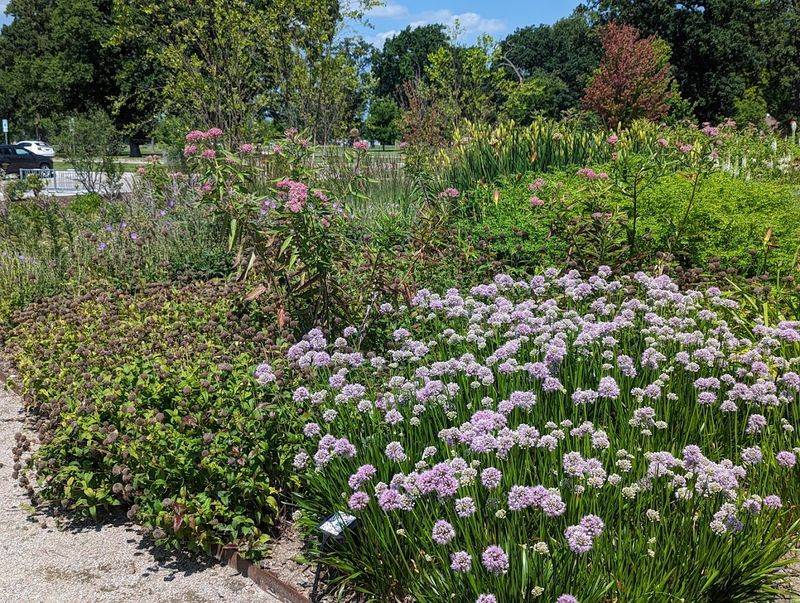
Traditional garden design often emphasizes formal beds, manicured edges, and seasonal color rotations. Naturalistic design breaks from these conventions by embracing how plants grow in wild communities.
The movement toward this style represents a significant shift in landscape thinking.
Oudolf pioneered techniques that prioritize plant structure and seasonal transitions over constant bloom. His matrix planting approach layers species at different heights and densities.
This creates visual depth while allowing plants to intermingle naturally rather than staying in rigid groupings.
Few American gardens showcase this design philosophy as successfully as the Detroit installation. The garden serves as a teaching landscape for designers studying naturalistic principles.
Professionals travel specifically to observe plant combinations and spatial relationships in person.
The design challenges conventional ideas about tidiness and garden maintenance practices. Seed heads remain standing through winter instead of being cut down.
This approach celebrates the full lifecycle of plants rather than just their flowering moments.
Visitors see an alternative to high maintenance landscapes that demand constant intervention. The garden demonstrates that beauty and ecological function can coexist harmoniously.
This example encourages broader adoption of naturalistic design in public and private landscapes across the country, showing what becomes possible when we rethink our relationship with cultivated outdoor spaces.
A Peaceful Space For Walking Reflection And Nature Observation
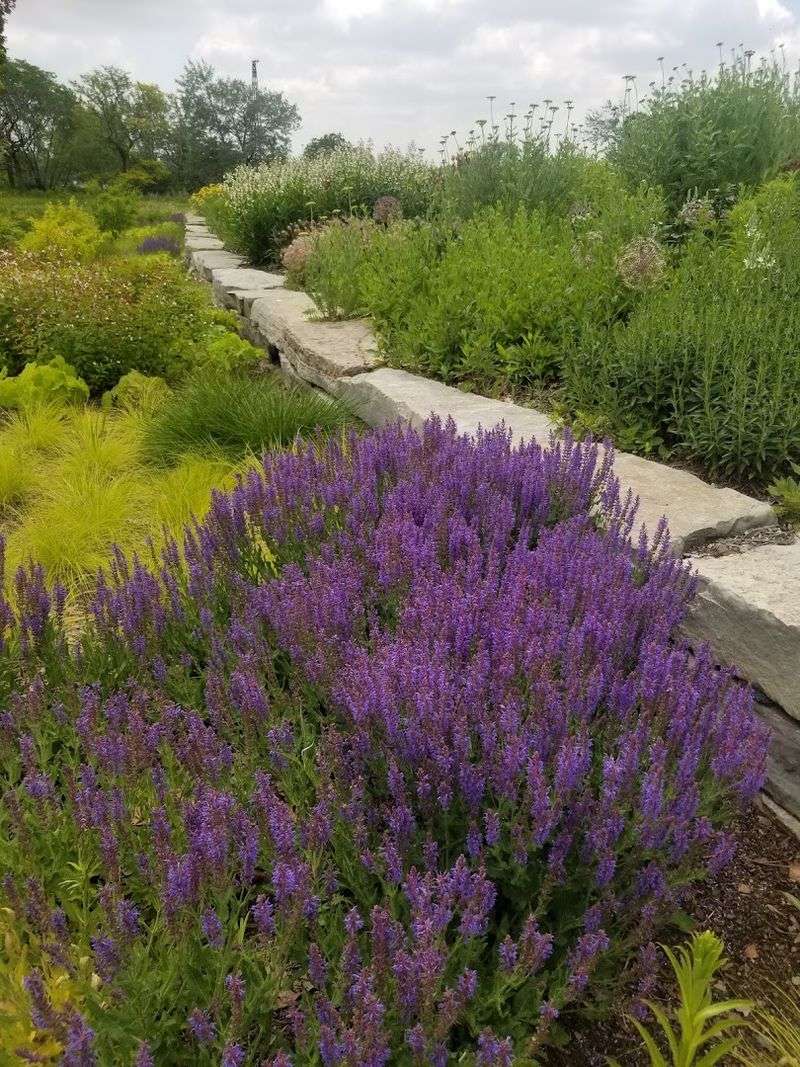
Urban life often leaves little room for quiet contemplation and connection with natural rhythms. The garden provides a sanctuary where visitors slow down and engage their senses.
Well maintained paths wind through the plantings, inviting leisurely exploration without rushing.
The sound of wind moving through grasses creates a subtle, calming soundtrack. River breezes add gentle motion to the landscape, making the entire garden feel alive.
These sensory experiences help visitors relax and shift away from daily stresses. Benches positioned throughout the space offer spots to sit and simply observe. You might watch pollinators work their way through flowers or notice how light changes plant colors.
These moments of stillness become increasingly valuable in our fast paced world.
The garden remains accessible from early morning until evening, accommodating different schedules and preferences. Early visitors enjoy quieter conditions and morning light on dewy foliage.
Late afternoon brings golden hour illumination that transforms the entire landscape.
Families find the space welcoming for children to explore nature safely and freely. The open design allows supervision while kids discover insects, seed heads, and seasonal changes.
This accessibility makes the garden valuable for multiple generations seeking outdoor experiences together in a beautiful setting that encourages curiosity and wonder.
Supports Pollinators And Urban Biodiversity
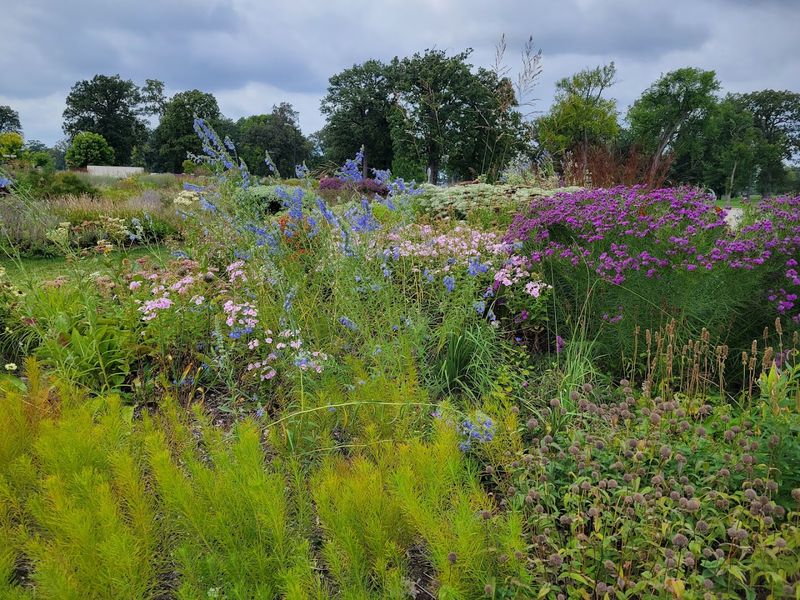
Pollinators face increasing challenges as habitat disappears from urban and agricultural landscapes. Gardens like this one provide essential resources that support struggling populations.
The perennial plantings offer nectar and pollen throughout the growing season rather than just brief windows.
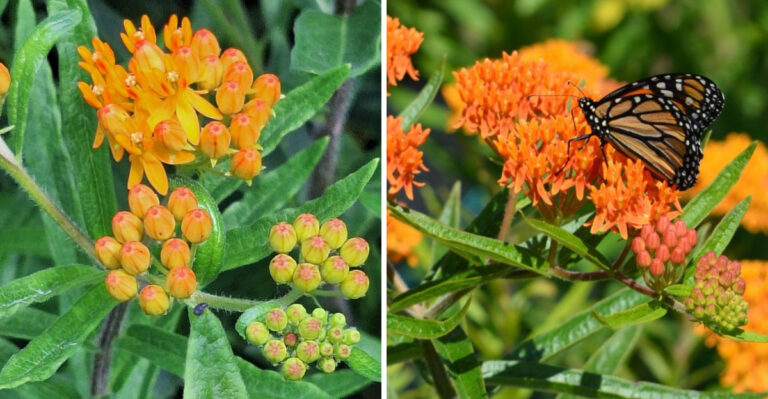
Monarch butterflies appear in impressive numbers during their migration periods. Visitors report seeing dozens at once moving through the flowering plants.
This spectacle demonstrates how designed landscapes can function as wildlife corridors and feeding stations.
Native bees, butterflies, and other beneficial insects find homes within the garden ecosystem. The diversity of plant species supports a corresponding diversity of insect life.
Each plant attracts different pollinators, creating a complex web of ecological relationships.
Leaving seed heads and stems standing through winter provides overwintering habitat for insects. Many beneficial species spend cold months in hollow plant stems or leaf litter.
This practice supports complete lifecycles rather than just active season needs.
Bird species increase in areas with healthy insect populations and seed producing plants. The garden attracts numerous bird species that visitors can observe and identify.
Birding apps pick up surprising variety in just short visits, proving the space functions as genuine urban habitat rather than purely ornamental landscape, contributing meaningfully to regional biodiversity conservation.
A Must Visit Destination For Garden Lovers And Designers

Horticulture enthusiasts recognize the garden as a pilgrimage site worth traveling to experience. The quality of design and execution sets standards that inspire professionals and hobbyists alike.
Photographers capture plant combinations and seasonal moments to study and share with wider audiences.
Landscape designers visit to understand how Oudolf translates his vision into actual plantings. Seeing the work in person reveals details that photographs cannot fully convey.
The spatial relationships and scale become clear only through direct experience walking the paths.
The garden joins an elite group of Oudolf projects that define contemporary naturalistic design. Comparing it to his other works helps visitors understand his evolving approach.
Each installation responds to specific site conditions while maintaining recognizable design principles.
Garden clubs and horticultural societies organize group visits to study the plantings together. These educational trips foster discussion about plant selection, maintenance, and design philosophy.
The garden functions as an outdoor classroom for continuing horticultural education.
Social media has amplified the garden’s reputation, drawing visitors from across the country. Beautiful images shared online inspire others to plan their own trips.
This growing recognition benefits Detroit while celebrating excellent public garden design that demonstrates what American cities can achieve when they invest in thoughtful green infrastructure and innovative landscape approaches.
Offers Inspiration For Natural Style Home Gardens
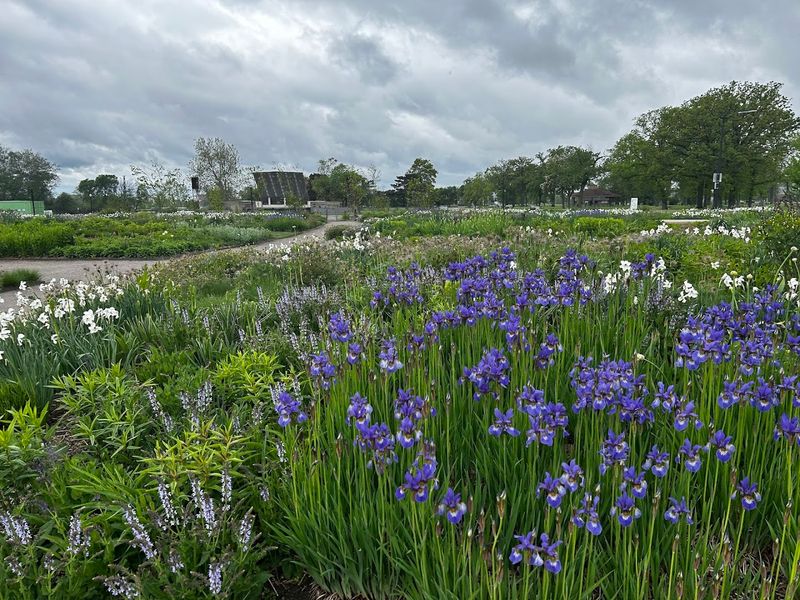
Home gardeners struggle with translating design ideas from large public spaces to residential scales. This garden demonstrates plant combinations that work equally well in smaller settings.
Observing successful pairings helps visitors imagine possibilities for their own yards.
The drifting planting style adapts beautifully to gardens of any size. Even small spaces can incorporate the layering principles Oudolf employs throughout.
Repeating a few key plants in flowing patterns creates cohesion without requiring extensive square footage.
Visitors take mental notes or photographs of specific plant partnerships they want to recreate. Seeing how salvias thread through irises with grasses as backdrop provides concrete examples.
These observations become shopping lists for local nurseries and planting plans for home projects.
The garden proves that naturalistic design requires less maintenance than traditional perennial borders. Allowing plants to self sow and intermingle reduces weeding and replanting needs.
This practical advantage appeals to gardeners seeking beauty without endless upkeep demands.
Seasonal interest becomes achievable when selecting plants with structure beyond bloom periods. The garden teaches visitors to value seed heads, autumn color, and winter architecture.
These lessons transform how people approach plant selection and garden enjoyment throughout the entire year rather than focusing solely on summer flowers and peak bloom seasons.
A Growing Community Supported Garden Project
The garden began with community vision and fundraising efforts that brought the project to reality. Local supporters recognized the value of adding world class design to Belle Isle.
Their commitment secured funding and generated momentum for the ambitious undertaking.
Volunteers contribute ongoing maintenance and care that keeps the garden thriving. These dedicated individuals weed, plant, and monitor conditions throughout the growing season.
Their presence adds a welcoming human element as they happily answer visitor questions.
The garden continues evolving as new areas receive plantings and features. Wetland restoration work adjacent to the main garden expands ecological benefits.
A rain garden demonstrates stormwater management techniques using beautiful plantings that serve practical purposes.
Educational programming connects community members with the garden through workshops and events. These activities build horticultural knowledge while strengthening bonds between people and place.
The garden becomes a gathering spot that fosters social connections alongside environmental appreciation.
Long term plans ensure the garden will mature and improve over coming years. Perennial gardens reach their full potential after several growing seasons of establishment.
The community’s ongoing support guarantees that this landscape legacy will benefit Detroit residents and visitors for generations to come, creating lasting value that extends far beyond initial installation and demonstrating the power of collaborative public garden projects.