When You Can Finally Stop Worrying About Hard Frost In Michigan
Few moments feel more hopeful than preparing young plants for the garden, yet in Michigan spring always carries a lingering question about frost.
A single cold night can undo weeks of careful planning, which is why knowing when hard frost truly ends is essential for every gardener.
Because Michigan spans several climate zones, frost dates can differ greatly from one region to another, influenced by local temperatures, elevation, and proximity to the Great Lakes.
These variations make timing especially important when deciding when to move seedlings outdoors or begin planting tender crops.
Careful attention to regional patterns helps protect fragile growth while giving plants the best possible start. Michigan gardeners who understand these seasonal shifts gain confidence and avoid common setbacks that come with planting too early.
By learning how frost behaves in your area, you can plan wisely, safeguard your seedlings, and set the stage for a strong, productive growing season.
Southern Michigan Usually Sees Its Last Hard Frost In Late April
Gardeners living in the southern tier of Michigan counties can typically expect their last hard frost to arrive during the final two weeks of April.
This timing reflects decades of climate records that show consistent patterns across cities like Ann Arbor, Monroe, and Adrian. Warmer air masses from the south reach these areas earlier than northern regions.
Most years bring the final freeze somewhere between April 15th and April 30th in this zone. Planning your planting schedule around these dates gives tender vegetables and flowers the best chance to thrive.
Southern Michigan benefits from its proximity to Lake Erie and its southern latitude.
Local extension offices track frost data carefully and provide county-specific guidance for gardeners. Checking these resources helps you make informed decisions about when to transplant tomatoes or set out pepper plants.
Historical averages serve as reliable guides for most growing seasons. Warmer microclimates near urban areas or large bodies of water may experience their last frost even earlier.
Paying attention to your specific neighborhood conditions adds another layer of precision to your planning. Southern Michigan gardeners enjoy one of the longest growing seasons in the state.
Central Michigan Typically Reaches Its Final Hard Frost In Early May
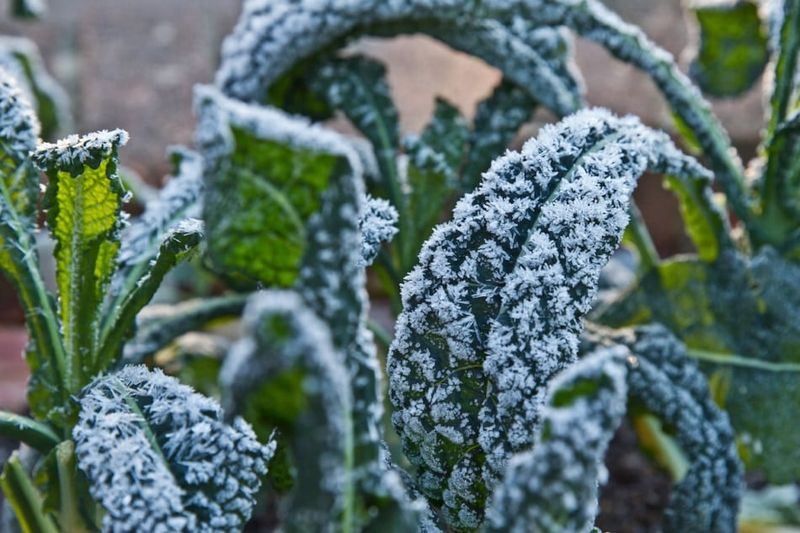
Central Michigan counties including Ingham, Eaton, and Clinton generally see their last hard frost between the final days of April and the first week of May. Long-term weather data confirms this pattern holds true across most years.
The region sits far enough north that spring warmth arrives a bit later than in southern counties.
Lansing and surrounding communities use May 1st as a common reference point for frost-free gardening. This date represents a statistical average rather than a guarantee for any specific year.
Central Michigan benefits from relatively flat terrain that allows air masses to move freely.
Experienced gardeners in this zone often wait until after the Kentucky Derby weekend to plant warm-season crops. This traditional timing coincides closely with the historical last frost dates.
Central Michigan orchards and farms rely on these patterns for commercial crop planning. The transition from spring to early summer happens quickly once temperatures stabilize. Soil warms up rapidly during early May, making it an ideal time for planting.
Your Michigan Garden Changes Every Week. Your Plan Should Too.
Gardening in Michigan changes quickly throughout the season. Every Friday you’ll receive a simple weekly plan showing exactly what to plant, prune, fertilize, harvest, and protect so you never miss the right timing.
Central Michigan gardeners balance caution with the desire to get plants in the ground early.
Northern Lower Michigan Often Has Hard Frost Into Mid May
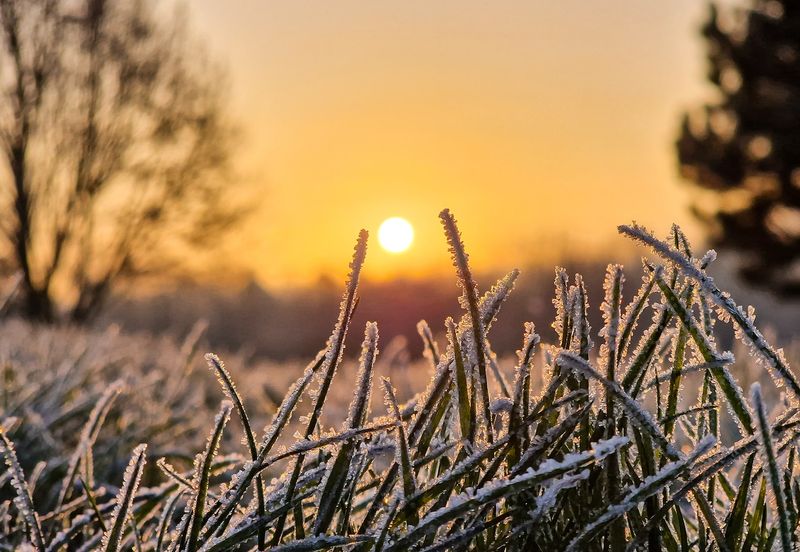
Counties in the northern portion of Michigan’s Lower Peninsula frequently experience hard frosts continuing through the middle of May. Cities like Traverse City, Cadillac, and Gaylord all fall into this later frost zone.
Cooler temperatures persist longer this far north, pushing back the safe planting window. Average last frost dates in this region cluster around May 10th through May 20th depending on exact location.
Elevation changes and proximity to Lake Michigan create additional variation within the northern zone. Gardeners here learn patience as they watch southern neighbors planting weeks earlier.
The beautiful spring scenery in northern Michigan comes with a tradeoff of shorter growing seasons. Hardy crops like peas, lettuce, and spinach thrive with early spring planting, while tomatoes must wait.
Northern gardeners make the most of their season by choosing varieties bred for cooler climates.
Lake Michigan moderates temperatures along the western shoreline, sometimes extending the frost-free period in coastal areas. Inland locations away from the lake typically see colder conditions and later frosts.
Understanding these local patterns helps northern Michigan gardeners succeed.
The Upper Peninsula Commonly Experiences Hard Frost Until Late May
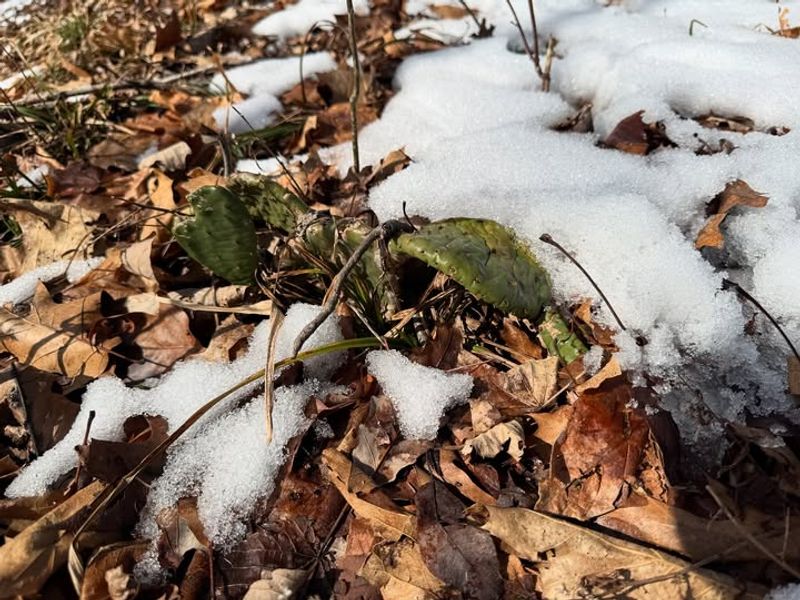
Michigan’s Upper Peninsula faces the shortest growing season in the state with hard frosts commonly occurring through the end of May. Communities like Marquette, Sault Sainte Marie, and Houghton all contend with this extended frost risk.
The combination of northern latitude and Lake Superior’s cooling influence creates unique challenges.
Many Upper Peninsula locations don’t reach their average last frost date until May 25th or even later. Some inland valleys and higher elevations remain frost-prone well into early June.
Gardeners in the UP develop special skills for maximizing their brief but intense growing season.
Cool-season crops perform beautifully in Upper Peninsula gardens once the soil warms enough to work. Root vegetables, brassicas, and leafy greens all thrive in the region’s climate.
Short-season varieties of warm-season crops allow determined gardeners to grow tomatoes and peppers successfully.
The stunning natural beauty and clean air of the Upper Peninsula make gardening there deeply rewarding. Season extension techniques like row covers and cold frames help overcome the frost challenge.
Upper Peninsula gardeners form tight communities where knowledge sharing about local conditions proves invaluable.
Some Northern Locations Can Still See Frost In Early June
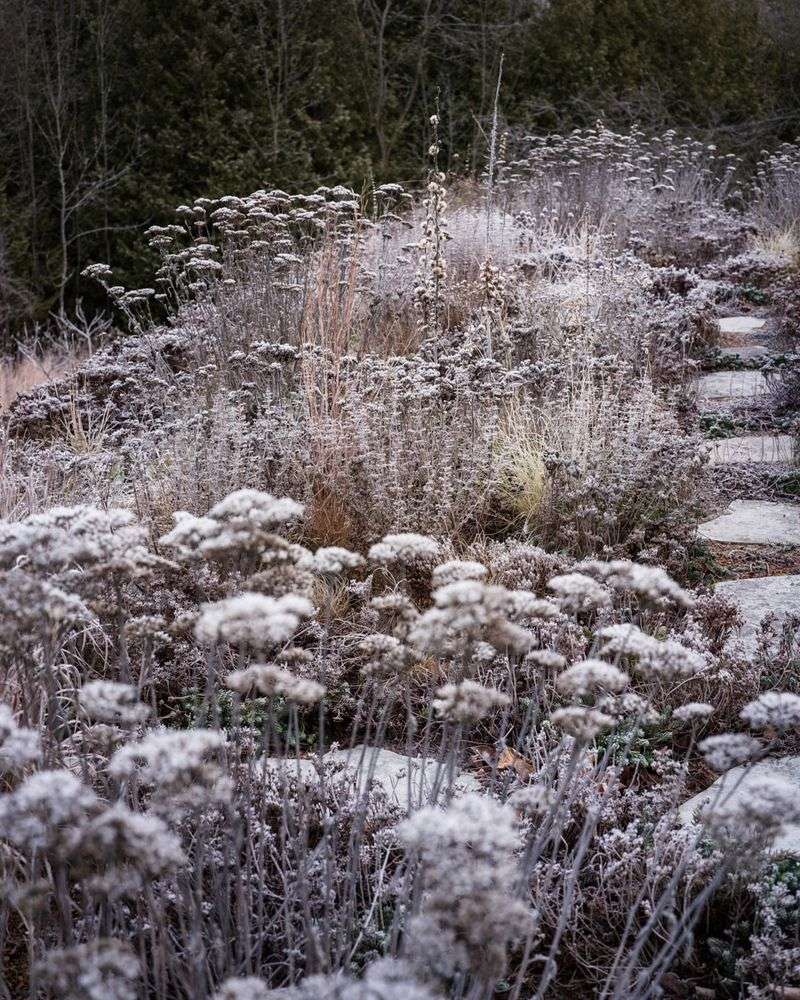
Certain inland valleys and elevated areas in northern Michigan can experience surprise frosts even in early June. These locations represent the extreme end of Michigan’s frost date spectrum.
Cold air drainage patterns and local topography create conditions where frost forms later than surrounding areas.
Weather records show occasional June frosts occurring in parts of the Upper Peninsula and the highest elevations of the northern Lower Peninsula. These events remain relatively rare but happen often enough that cautious gardeners prepare for them.
Frost pockets in low-lying areas prove especially vulnerable. Gardeners in these coldest zones often rely heavily on season extension tools and techniques.
Hoop houses, cold frames, and protective covers become essential equipment rather than optional extras. Many choose to focus on crops that tolerate or even prefer cooler temperatures.
The risk of early June frost doesn’t mean gardening becomes impossible in these areas. It simply requires different strategies and realistic expectations about what grows well.
Hardy perennials, cool-season annuals, and quick-maturing vegetables all perform admirably in these challenging climates.
Soil Temperature Matters More Than Calendar Dates
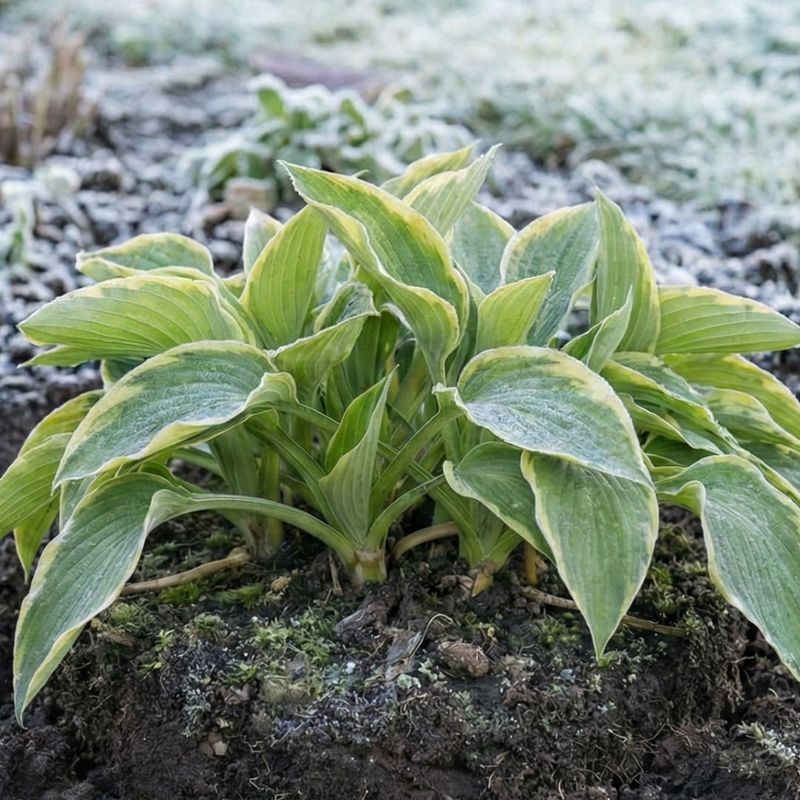
Smart gardeners pay more attention to soil temperature than calendar dates when deciding planting times. Different crops require specific soil temperatures to germinate and grow successfully.
A soil thermometer provides more useful information than any frost date chart.
Tomatoes and peppers need soil temperatures above 60 degrees Fahrenheit to thrive, while cool-season crops germinate in much cooler soil. Taking morning soil temperature readings at planting depth gives you accurate data for decision-making.
Many garden centers sell inexpensive soil thermometers that last for years. Cold soil slows seed germination dramatically and can cause seeds to rot before sprouting. Transplants placed in cold soil experience shock and may struggle or fail entirely.
Waiting for proper soil warmth leads to healthier plants that quickly outpace those planted too early.
Soil temperature lags behind air temperature, especially in spring when the ground slowly warms after winter. A week of warm days doesn’t necessarily mean the soil has caught up yet.
Patient gardeners who wait for proper soil conditions see much better results than those who rush.
Clear Calm Nights Increase Frost Risk Even In Spring
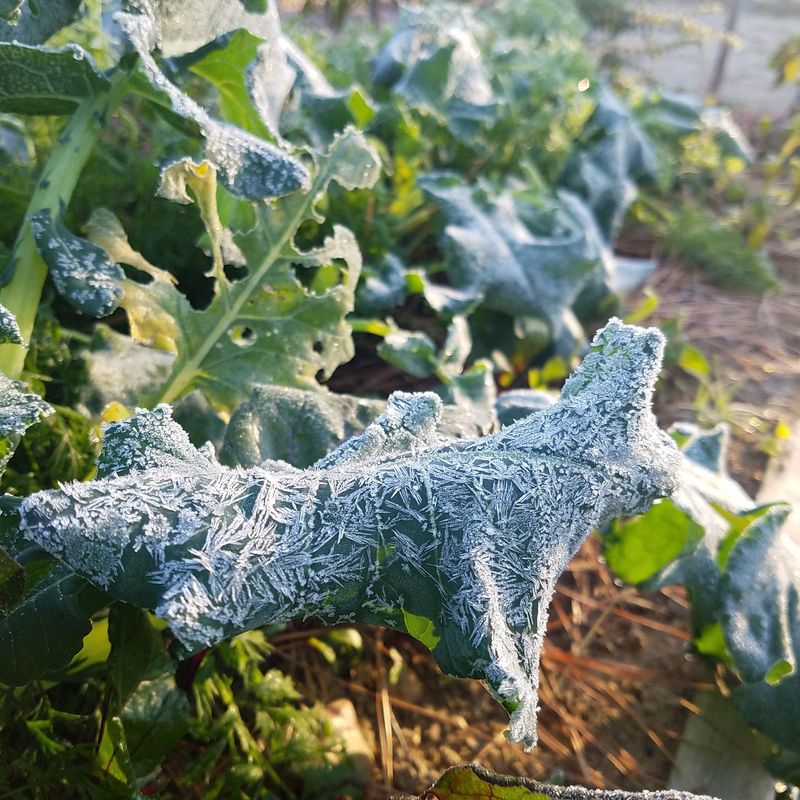
Frost forms most readily on clear nights when clouds don’t trap heat near the ground. Calm conditions without wind allow cold air to settle and temperatures to drop rapidly.
Understanding these weather patterns helps you predict frost risk better than calendar dates alone.
Cloud cover acts like a blanket, reflecting heat back toward the earth and keeping overnight temperatures warmer. Clear skies allow that heat to escape into space, causing temperatures to plummet.
Spring nights with clearing skies after a cold front passes represent high-risk frost situations.
Wind mixes the air and prevents the coldest air from settling at ground level where plants grow. Still air allows stratification with the coldest temperatures right at the surface.
Checking weather forecasts for both cloud cover and wind speed helps you anticipate frost danger.
Experienced gardeners learn to recognize dangerous weather patterns and take protective action.
Covering tender plants, running sprinklers, or using other frost protection methods can save crops during unexpected cold snaps. Weather awareness becomes second nature after a few growing seasons in Michigan.
Low Lying Areas Frost Later Than Surrounding Ground
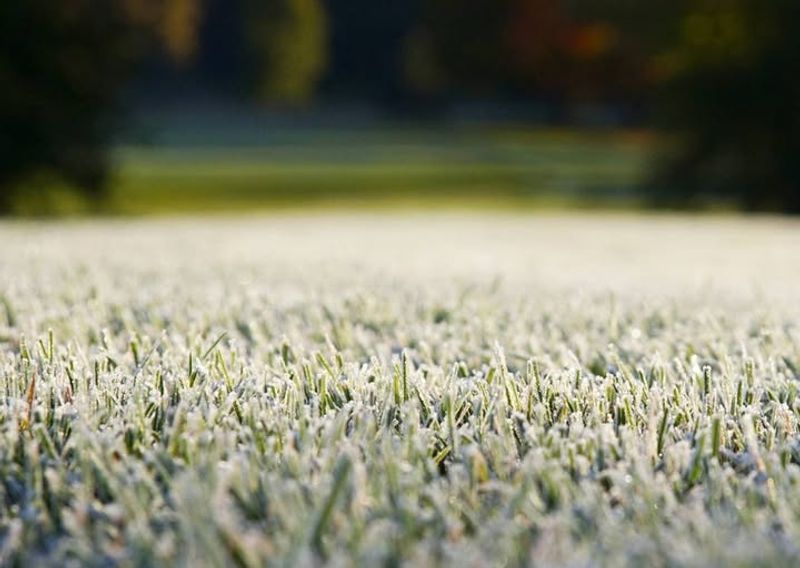
Cold air behaves like water, flowing downhill and collecting in valleys and depressions. These frost pockets experience lower temperatures than surrounding higher ground.
Gardeners with property in low-lying areas face extended frost risk compared to neighbors on hillsides.
The difference in temperature between a valley bottom and a slope just 20 feet higher can be several degrees. This variation often determines whether frost forms or not on any given night.
Understanding your property’s topography helps you identify vulnerable areas. Frost pockets remain colder throughout the growing season and experience both later spring frosts and earlier fall frosts.
Locating gardens on slopes or raised areas whenever possible provides natural frost protection. Many farmers and orchardists specifically avoid valley bottoms for this reason.
If your only gardening space sits in a frost pocket, you can still succeed with careful plant selection and protection strategies. Hardy crops and cold-tolerant varieties become your best friends.
Some gardeners embrace the challenge and specialize in cool-season crops that thrive in these conditions.
Tender Plants Should Wait Until After Local Average Last Frost
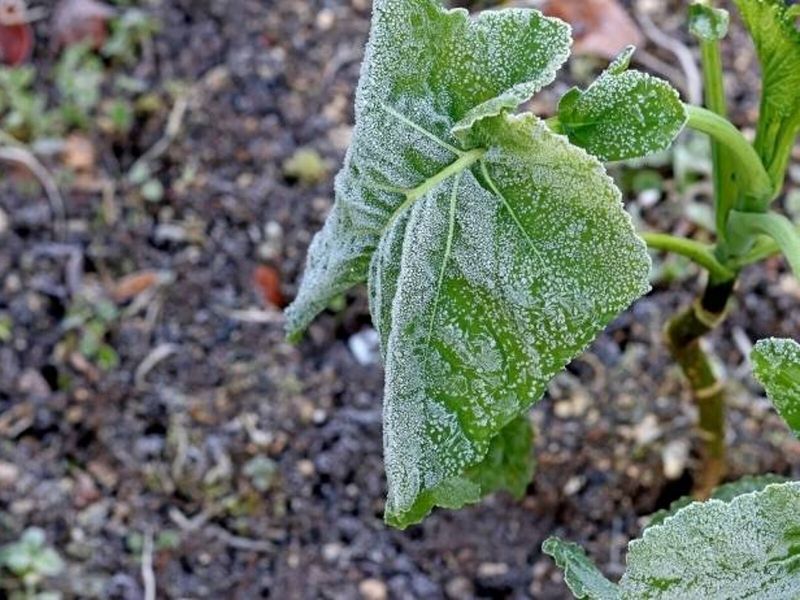
Warm-season vegetables like tomatoes, peppers, cucumbers, and squash all suffer damage or perish when exposed to frost. These tender plants should never go into the garden until after your area’s average last frost date.
Rushing to plant early rarely pays off with these frost-sensitive crops. Annual flowers including impatiens, begonias, and coleus also fall into the tender category requiring frost-free conditions.
Waiting until the proper time protects your investment in plants and seeds. A single unexpected frost can wipe out an entire planting of tender crops.
Local cooperative extension offices provide county-specific frost date information based on decades of weather records. These averages represent the date by which 90 percent of years have seen their last frost.
Consulting these resources gives you science-based guidance for your specific location. Some adventurous gardeners push the envelope by planting a week or two early with protection plans ready.
This strategy can extend the harvest season but requires vigilance and preparedness. Most gardeners find that waiting for the recommended date produces the most reliable results with less stress.
Even After The Average Date Sudden Frost Can Still Happen
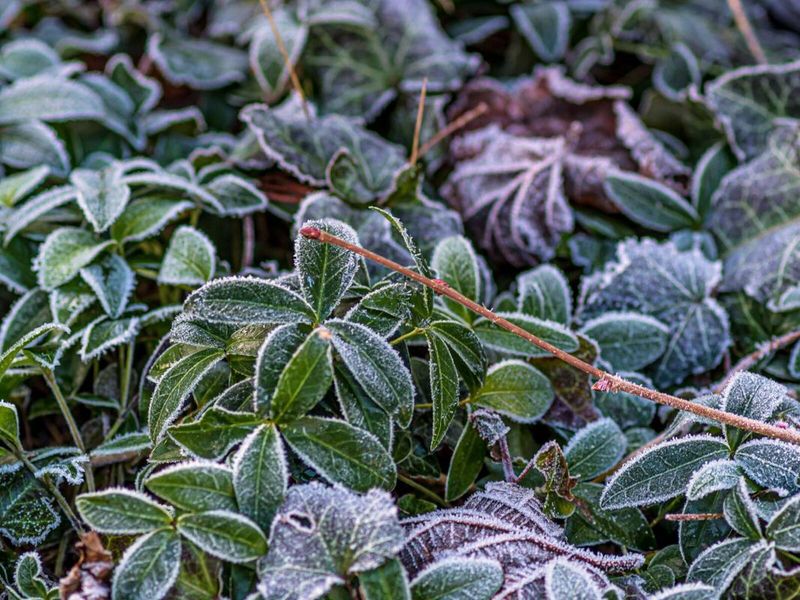
Average last frost dates represent statistical probabilities rather than guarantees for any specific year. Weather remains variable, and unusual cold snaps can bring frost after the typical last frost date has passed.
About one year in ten sees a frost occurring after the average date. Climate records show rare late frosts happening in Michigan as late as early June in some locations.
These outlier events catch gardeners by surprise and can damage or destroy tender plants. Keeping row covers, sheets, or other protection materials handy throughout May makes good sense.
Weather forecasting has improved dramatically, giving gardeners advance warning of potential frost events. Monitoring forecasts during late spring allows you to take protective action when needed.
A few hours of preparation can save weeks of growing time and significant plant investment.
Understanding that risk never completely disappears helps you make informed decisions about your garden. Some gardeners accept occasional losses as part of the growing experience.
Others maintain vigilance and protection readiness until early summer truly arrives and overnight temperatures stay consistently warm.