Birds That Overwinter In Michigan And Exactly What To Feed Them In March
Snow may still line the edges of your yard, but listen closely and you will hear the first lively songs of the season drifting through the cold Michigan air.
March marks a turning point across Michigan, when resident birds grow more active and vocal as daylight lengthens and spring slowly approaches.
Cardinals, chickadees, woodpeckers, and other year round neighbors begin establishing territories and preparing for nesting season, even while winter’s chill lingers. During this transitional time, reliable food sources become especially important.
Natural supplies can still be limited, and late season storms may briefly cover feeding grounds again. Offering high energy foods such as seeds, suet, and nuts helps birds build the strength they need for breeding and survival.
Thoughtful feeding not only supports local wildlife but also brings vibrant activity right to your window. With a little care, your Michigan backyard can become a lively sanctuary filled with song, motion, and the unmistakable promise of spring.
1. Black Capped Chickadee And Their Love Of Sunflower Seeds
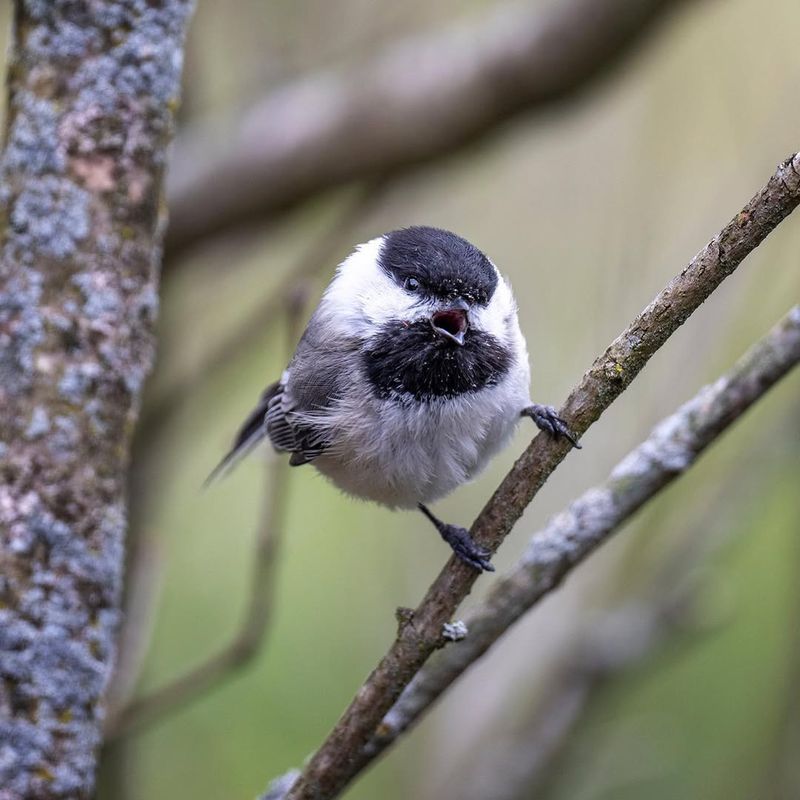
Michigan winters would feel empty without the cheerful presence of Black Capped Chickadees. These tiny acrobats remain active throughout the coldest months, flitting through backyards with remarkable energy.
Their distinctive black cap and bib make them easy to identify, while their friendly chick-a-dee-dee-dee call brings life to quiet winter days.
Black oil sunflower seeds rank as their absolute favorite feeder food. The high fat content provides essential calories that help them maintain body temperature during frigid nights.
Chickadees have a fascinating habit of grabbing one seed at a time, flying to a nearby branch, and holding it with their feet while pecking it open.
Suet cakes offer another excellent nutrition source for these birds in March. The combination of rendered fat and seeds gives them concentrated energy when natural insect populations remain scarce.
You can hang suet feeders from tree branches or specialized wire cages designed for woodpeckers and small songbirds.
These birds cache food throughout their territory, hiding seeds in bark crevices and other hiding spots. This behavior means they visit feeders frequently during March, taking seeds to store for later consumption.
Providing consistent food sources helps support their territorial establishment before nesting season begins in April.
2. Northern Cardinal And High Energy Winter Foods
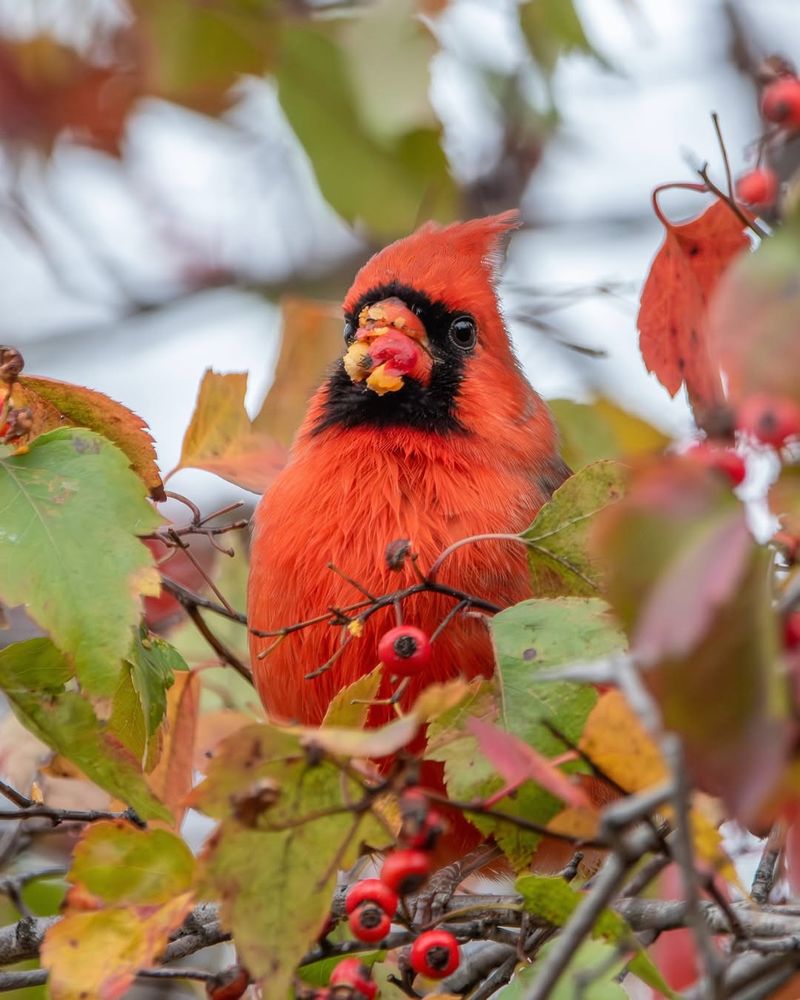
Brilliant red males and subtle tan females make Northern Cardinals one of Michigan’s most recognizable year round residents. March finds these birds actively defending territories and beginning courtship behaviors.
Males sing from prominent perches while females choose nesting sites, making this an exciting time to observe their social dynamics.
Sunflower seeds form the backbone of a cardinal’s feeder diet throughout winter and early spring. Their powerful cone shaped beaks crack open even the toughest hulls with ease.
Cardinals prefer feeding on platform feeders or ground level stations where they can comfortably perch while eating.
Safflower seeds provide an excellent alternative that cardinals readily accept. These white seeds have slightly bitter taste that squirrels and blackbirds often avoid, making them strategic choices for dedicated cardinal feeding.
Your Michigan Garden Changes Every Week. Your Plan Should Too.
Gardening in Michigan changes quickly throughout the season. Every Friday you’ll receive a simple weekly plan showing exactly what to plant, prune, fertilize, harvest, and protect so you never miss the right timing.
The nutritional profile closely matches sunflower seeds, offering similar caloric benefits during energy demanding March weather.
Cracked corn scattered on the ground attracts cardinals who naturally forage at low levels. This inexpensive option supplements their diet with carbohydrates and fats.
Cardinals often feed in pairs during March, with males sometimes offering seeds to females as part of bonding rituals. Providing varied food options supports their transition from winter survival mode to breeding condition.
3. Blue Jay And Their Preference For Peanuts And Seeds
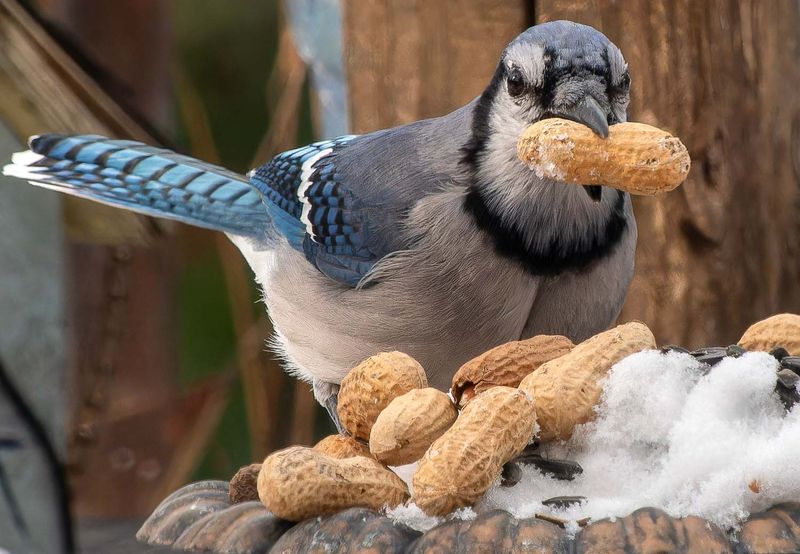
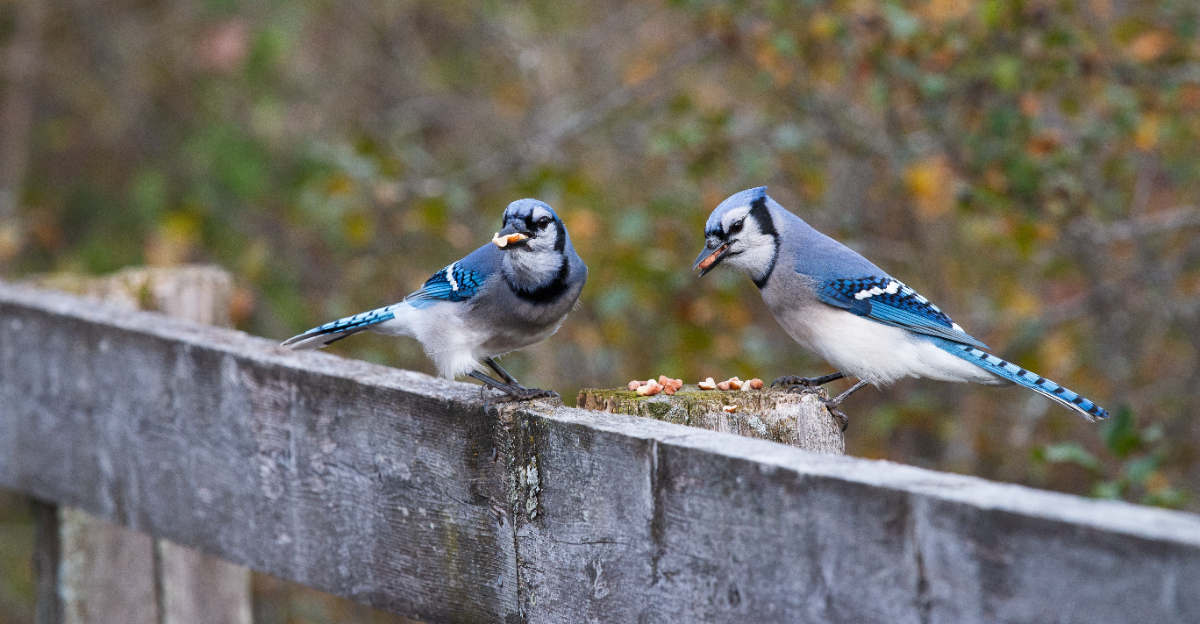
Bold and intelligent Blue Jays command attention with their striking cobalt plumage and assertive personalities. These year round Michigan residents become especially active in March as they prepare for nesting season.
Their loud jay jay calls echo through neighborhoods, announcing their presence at feeders and warning other birds of potential threats.
Peanuts in the shell represent gourmet treats for Blue Jays. They grasp whole peanuts with their feet and hammer them open with powerful beaks.
Watching a Blue Jay work through a peanut demonstrates their remarkable problem solving abilities and physical strength. Offering raw unsalted peanuts provides protein and healthy fats crucial for early spring energy demands.
Sunflower seeds serve as another staple food that Blue Jays consume enthusiastically. Their strong beaks make quick work of striped or black oil varieties.
Blue Jays often carry multiple seeds away from feeders, storing them in various locations throughout their territory for future meals.
Acorns attract Blue Jays naturally, as oak trees provide their preferred wild food source. If you have oak trees on your property, leaving some fallen acorns benefits these birds.
Blue Jays actually help forest regeneration by caching acorns and forgetting some locations, allowing new oak seedlings to sprout. Platform feeders work best for accommodating their larger size and feeding style.
4. Downy Woodpecker And The Importance Of Suet
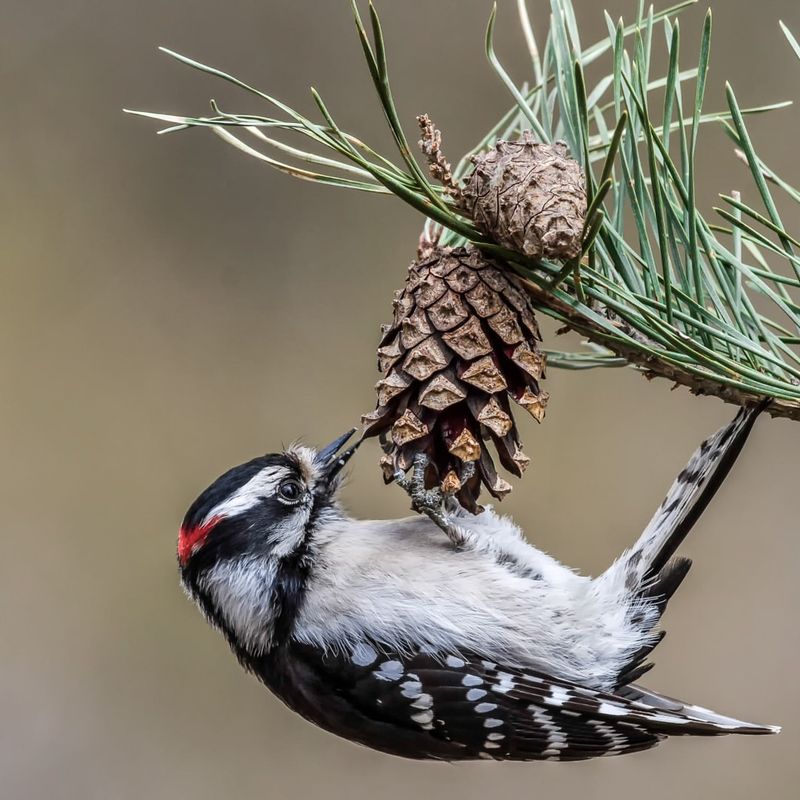
Downy Woodpeckers bring woodpecker charm to Michigan backyards in compact packages. These smallest North American woodpeckers stay active throughout winter, tapping on tree bark in search of dormant insects.
Males sport a distinctive red patch on the back of their heads, while females show pure black and white plumage patterns.
Suet provides essential nutrition that closely mimics their natural insect based diet. The rendered animal fat offers concentrated calories that help them maintain energy during cold March mornings.
Downy Woodpeckers cling to suet feeders with their stiff tail feathers pressed against the surface for support, showcasing their specialized anatomy.
Commercial suet cakes often include seeds, nuts, or dried insects that increase nutritional diversity. Choose products without artificial colors or excessive fillers for healthiest options.
Downy Woodpeckers visit suet feeders multiple times daily, taking small amounts during each visit rather than gorging like some larger species.
Black oil sunflower seeds supplement their diet when offered in appropriate feeders. These woodpeckers can cling to tube feeders or extract seeds from bark butter spread directly on tree trunks.
March feeding supports their increased metabolic needs as they establish nesting territories. Providing fresh suet regularly prevents rancidity and ensures birds receive maximum nutritional benefit from this high value food source.
5. Hairy Woodpecker And Bark Feeding Behavior
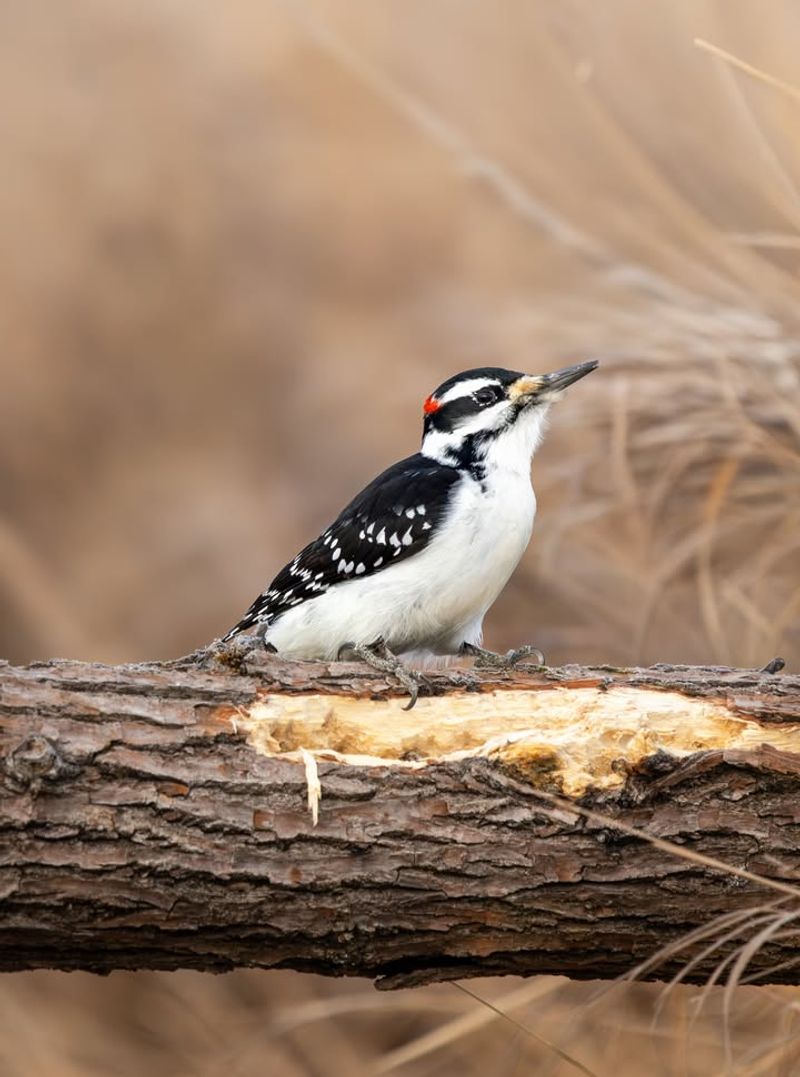
Hairy Woodpeckers resemble their Downy cousins but measure noticeably larger with longer chisel like bills. These permanent Michigan residents excavate nest cavities in mature trees and hunt wood boring beetle larvae beneath bark.
Their distinctive white backs and spotted wings flash through wooded areas as they move between feeding sites.
Suet feeders attract Hairy Woodpeckers reliably throughout March when natural insect availability remains limited.
Their powerful beaks allow them to access suet from various feeder styles, though they prefer vertical surfaces that accommodate their climbing posture. Position suet feeders on tree trunks or sturdy posts for best results.
These woodpeckers demonstrate fascinating bark feeding behavior by spiraling up tree trunks while tapping and listening for hollow sounds. When they detect insect galleries beneath bark, they excavate precisely to reach their prey.
This same behavior translates to feeder visits where they methodically work through suet offerings.
Peanut pieces and sunflower chips appeal to Hairy Woodpeckers as supplementary foods. They sometimes visit platform feeders but show strong preference for clinging to vertical surfaces while eating.
March brings increased territorial drumming as males establish breeding territories. Consistent food availability supports their energy intensive activities during this crucial period.
Offering multiple suet feeding stations reduces competition and allows subordinate birds access to nutrition.
6. American Goldfinch And Their Shift To Seed Based Diets
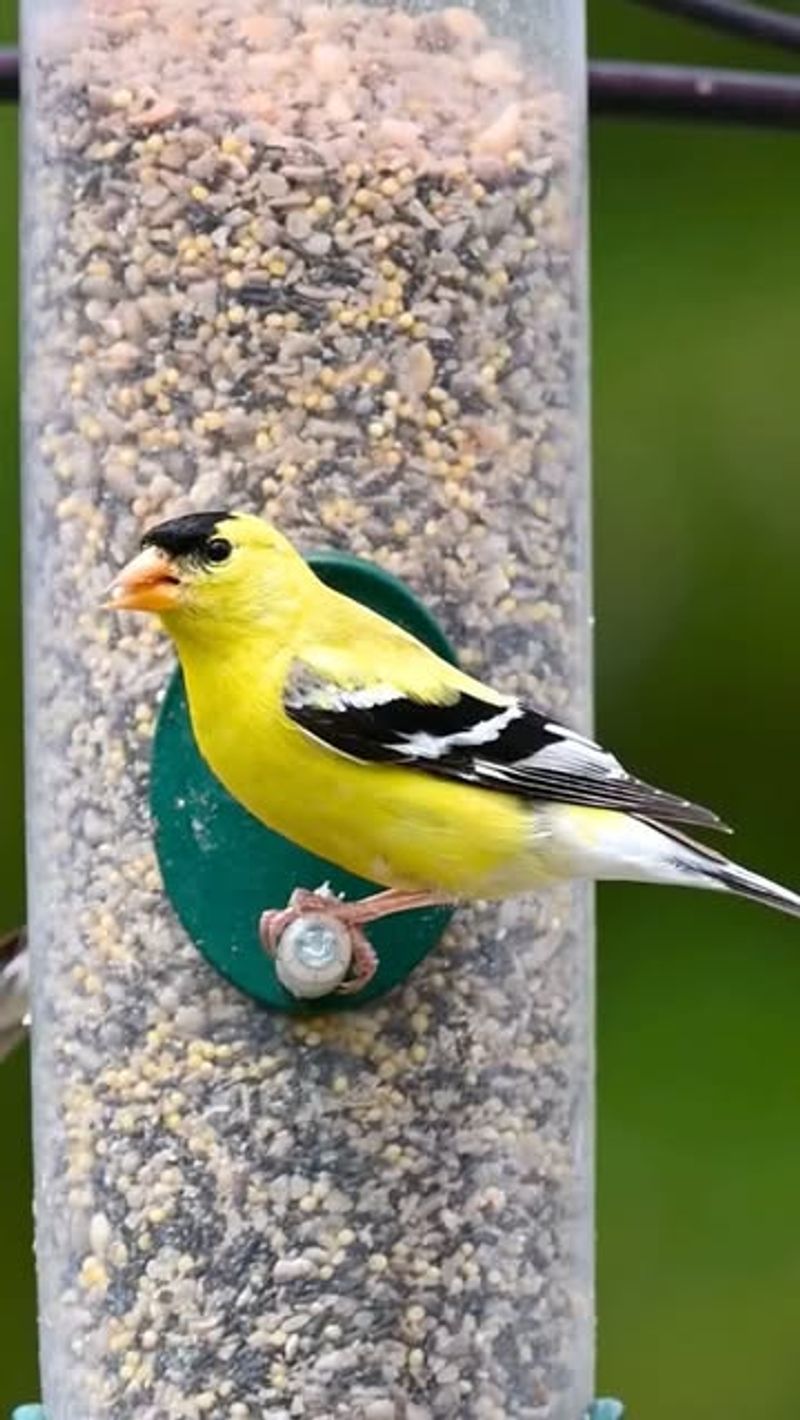
American Goldfinches transform dramatically between seasons, wearing dull olive plumage during Michigan winters before molting into brilliant yellow breeding colors.
March represents a transitional period when you might spot birds showing patches of bright yellow emerging through drab winter feathers. These cheerful birds travel in small flocks, chattering with distinctive potato chip flight calls.
Nyjer seeds remain the gold standard for attracting goldfinches to feeders throughout late winter. These tiny black seeds from Africa provide oil rich nutrition that goldfinches extract by crushing each seed and consuming the kernel inside.
Specialized tube feeders with small ports prevent larger birds from depleting supplies while accommodating goldfinch feeding techniques perfectly.
Black oil sunflower chips offer another excellent food choice that goldfinches readily accept. The dehulled seeds eliminate mess beneath feeders while providing easy access to nutritious kernels.
Goldfinches perch comfortably on tube feeder ports, sometimes feeding for extended periods while flock mates wait their turn nearby.
March feeding supports goldfinches as they prepare for their unusually late breeding season. Unlike most songbirds that nest in spring, goldfinches wait until July when thistle and other composite flowers produce abundant seeds for feeding nestlings.
Building energy reserves through consistent seed availability helps ensure successful reproduction later in the season. Keep nyjer seed fresh by purchasing smaller quantities and storing in cool dry conditions.
7. White Breasted Nuthatch And Their Seed Caching Habits
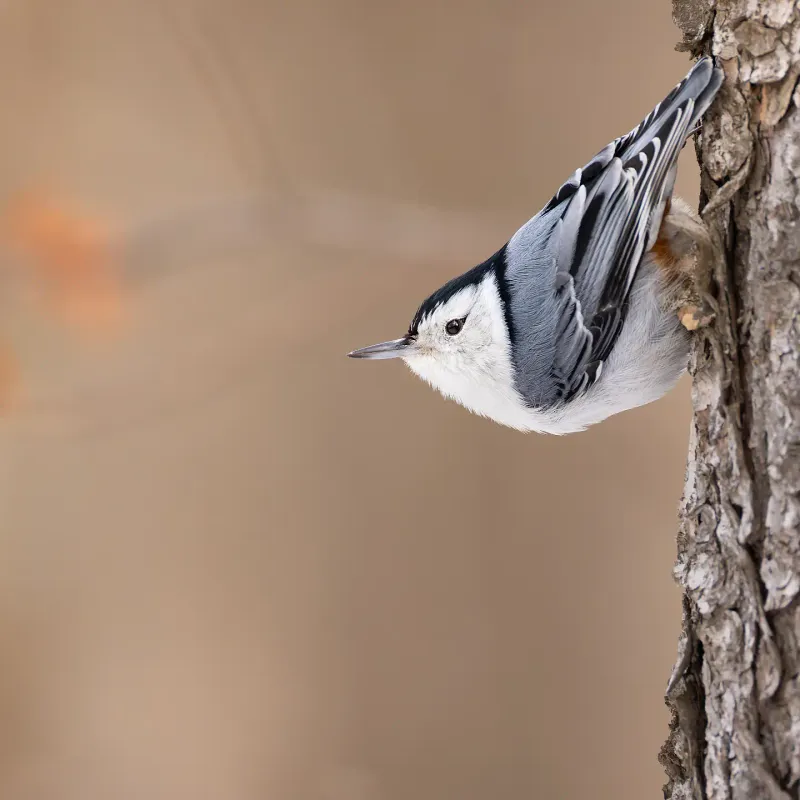
White Breasted Nuthatches defy gravity by walking headfirst down tree trunks, a unique behavior among Michigan birds. Their nasal yank yank calls announce their presence in wooded yards and parks.
These compact birds with blue gray backs and rusty undertail coverts remain active throughout winter, inspecting bark crevices for hidden insects and cached seeds.
Sunflower seeds attract nuthatches who wedge individual seeds into bark cracks before hammering them open with their sharp bills. This hatching behavior gives the bird family its common name.
Nuthatches visit feeders frequently during March, often taking seeds away for immediate consumption or future storage rather than eating at the feeder itself.
Suet provides important supplementary nutrition when insect populations remain dormant. White Breasted Nuthatches cling to suet feeders in typical upside down postures, pecking away small portions.
Their strong feet and long hind claws give them exceptional gripping ability on various surfaces.
Seed caching behavior intensifies during March as nuthatches prepare for breeding season. They hide hundreds of seeds throughout their territory, remembering locations with remarkable spatial memory.
This behavior means providing consistent feeder access benefits nuthatches even when they seem to take more than they immediately consume.
Offering both sunflower seeds and suet supports their varied nutritional needs during this energetically demanding period before nesting begins.
8. Dark Eyed Junco And Ground Feeding Preferences
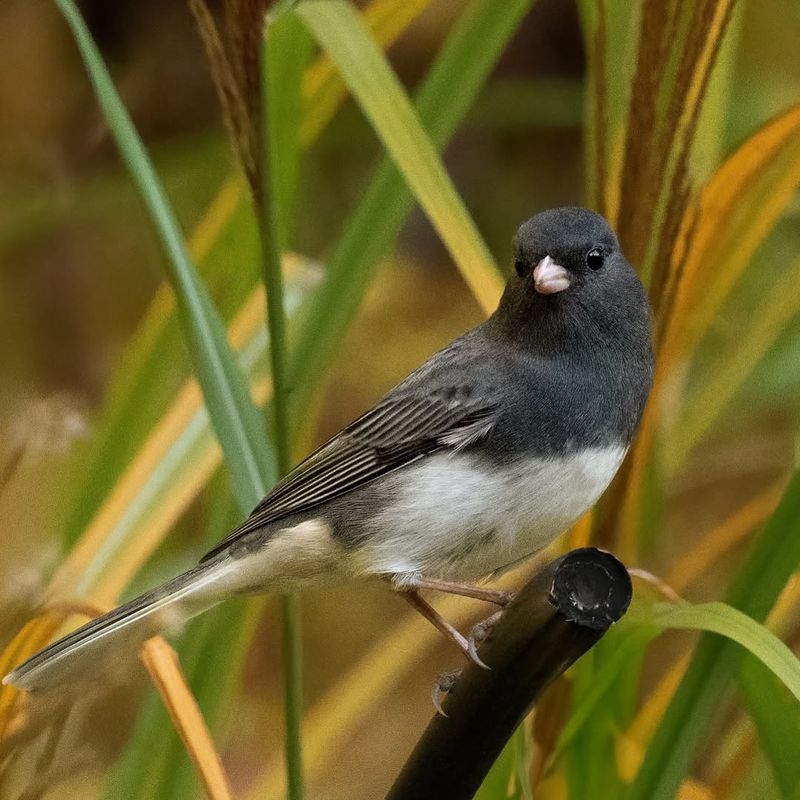
Dark Eyed Juncos arrive in Michigan each fall from northern breeding grounds, earning them the nickname snowbirds among backyard birders. These sparrow sized birds flash white outer tail feathers when they fly, creating distinctive visual signals.
Males typically show darker slate gray coloring while females appear browner, though regional variation exists across their widespread range.
Ground feeding represents the natural foraging strategy for juncos throughout their winter stay. They hop along the ground beneath feeders, scratching through leaf litter and snow to uncover fallen seeds.
Rather than competing at elevated feeders, juncos clean up spillage that other birds drop, making them excellent feeder companions.
Cracked corn scattered directly on the ground or in low platform trays appeals strongly to junco feeding preferences. The smaller kernel pieces suit their bill size perfectly and provide carbohydrate energy for maintaining body temperature.
Juncos often feed in small flocks during March, with multiple birds working the same area peacefully.
White proso millet and sunflower chips round out ideal junco foods for late winter feeding. These seeds offer protein and fat content that supports their preparation for spring migration back to northern forests.
By late March, juncos begin showing restless behavior as migration urges build. Providing consistent ground level food sources helps them build fat reserves necessary for their journey northward to breeding territories in Canada and Alaska.
9. House Sparrow And Common Backyard Grain Foods
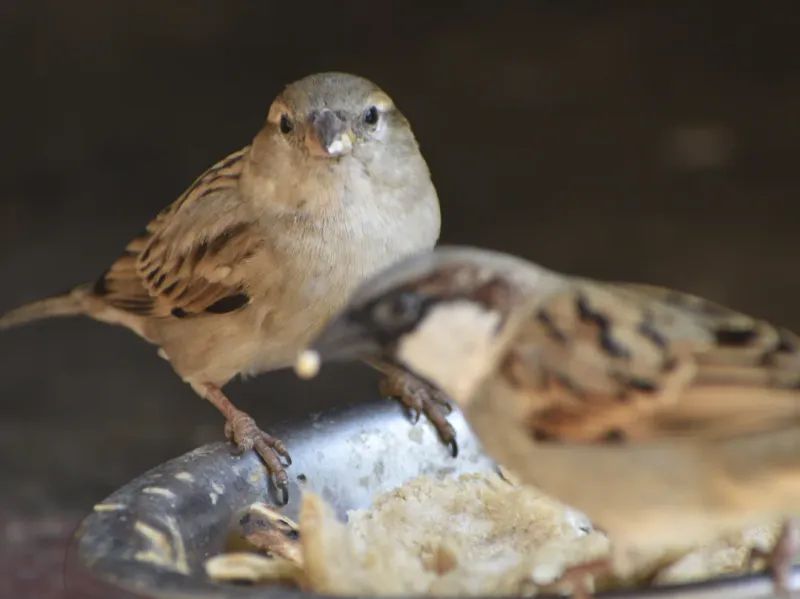
House Sparrows thrive in Michigan’s urban and suburban environments year round, living in close association with human structures.
Males display handsome chestnut brown backs and gray crowns with black bibs, while females show more subdued tan and brown streaking. These social birds gather in noisy flocks around feeders, chirping constantly while they eat.
Mixed grain blends containing millet, cracked corn, and wheat appeal to House Sparrow preferences. They consume various seed types readily, making them adaptable feeder visitors.
Platform feeders or ground feeding stations accommodate their foraging style better than tube feeders designed for smaller finches.
Cracked corn serves as an economical staple food that House Sparrows accept enthusiastically. Scatter it on the ground or offer it in open trays where multiple birds can feed simultaneously.
House Sparrows exhibit social feeding behavior, with flock members often feeding together rather than taking turns like some territorial species.
White proso millet provides another grain option that House Sparrows consume readily. These small round seeds suit their bill structure and digestive systems well.
March finds House Sparrows already engaged in breeding activities, with males chirping persistently to attract mates and defend nest sites. Providing adequate food sources supports their high energy demands during this active period.
While some birders consider House Sparrows less desirable than native species, they remain established residents deserving consideration in backyard feeding programs.