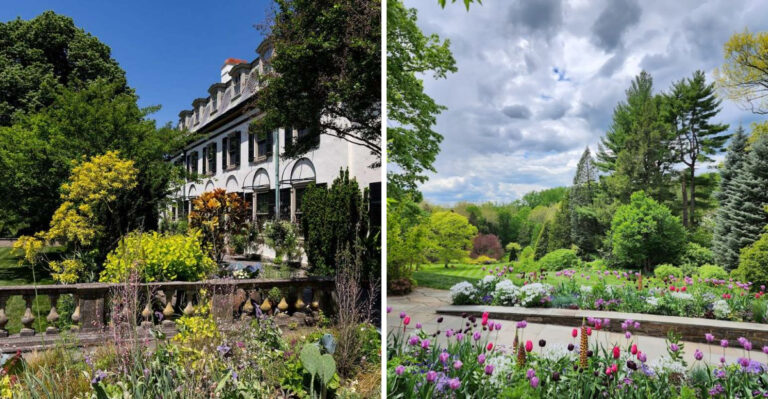
Visiting This Pennsylvania Garden Feels Like Stepping Inside A Claude Monet Painting
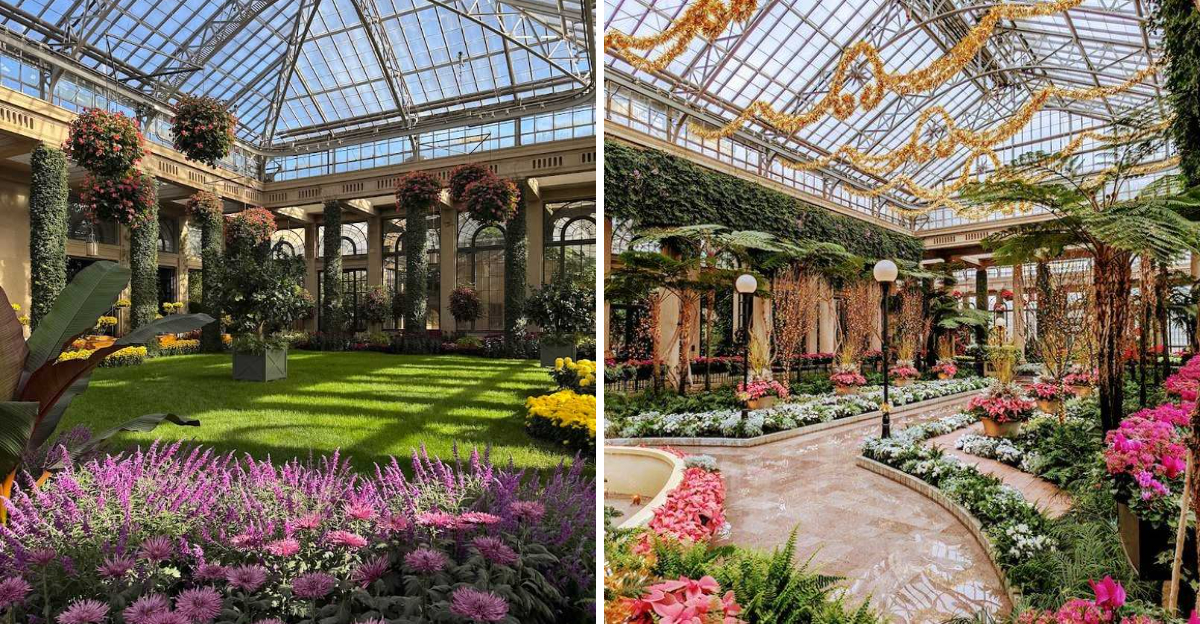
Some places feel almost unreal the moment you arrive. Colors blend softly, flowers spill across the landscape, and light reflects off the water in a way that feels calm and dreamlike.
Walking through a garden like this does not feel ordinary. It feels like stepping into a living painting where every path reveals another beautiful scene.
At Longwood Gardens, located at 1001 Longwood Rd, Kennett Square, PA 19348, that feeling comes to life in every season.
Inspired by natural beauty and artistic design, the gardens are filled with flowing flower beds, peaceful ponds, and graceful bridges that echo the charm of a classic Claude Monet masterpiece.
Visitors wander through vibrant blooms, shaded walkways, and carefully shaped landscapes that seem almost too perfect to be real.
The experience is both relaxing and inspiring. Each turn offers new colors, soft reflections, and picture worthy views.
A visit here is not just a walk through a garden. It is a gentle escape into beauty, art, and nature blended together.
1. A Garden That Looks Like Living Art
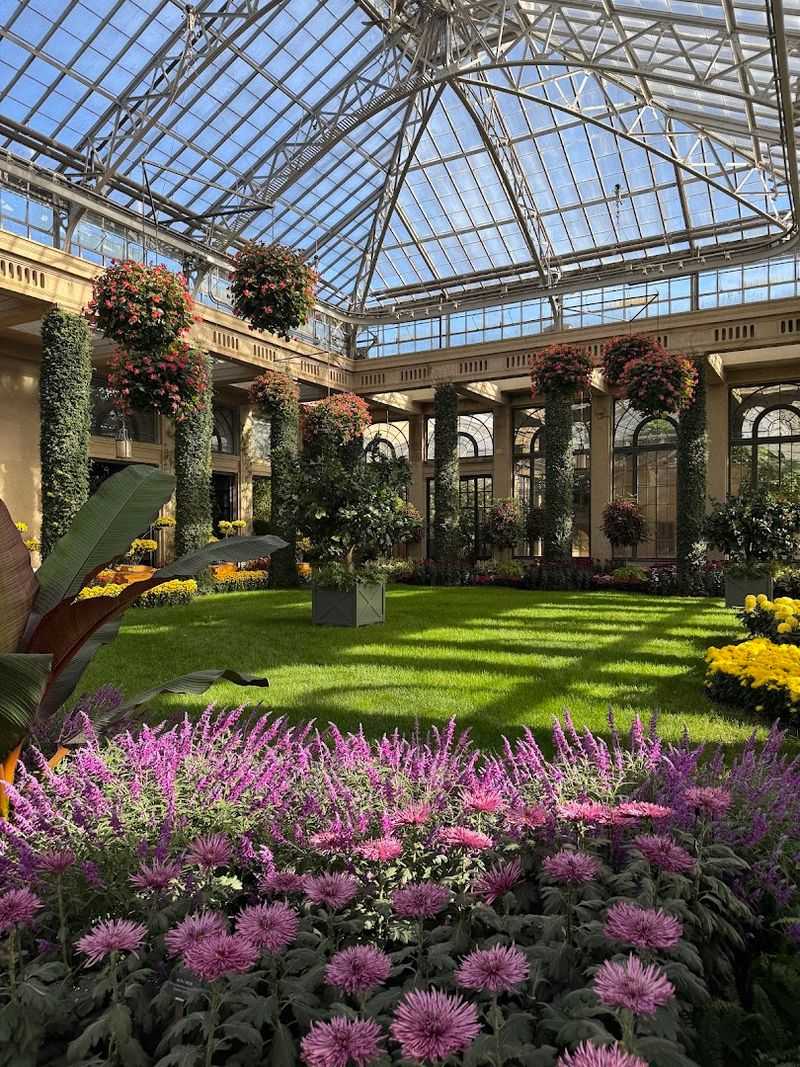
Walking through Longwood Gardens feels different from visiting typical botanical spaces. The colors blend together like watercolor paints on canvas, creating scenes that could have been lifted straight from Monet’s studio.
Soft pinks melt into lavenders, while creamy whites dance alongside buttery yellows, all arranged with an artist’s eye for composition.
Pierre S. du Pont founded this remarkable garden in 1906, transforming a former Peirce family farm into one of America’s premier horticultural displays.
Located at 1001 Longwood Road in Kennett Square, Pennsylvania, the garden spans over 1,000 acres of carefully designed landscapes.
Du Pont’s vision combined European garden traditions with American innovation, creating spaces that feel both grand and intimate.
The impressionist quality comes from how plants are arranged in drifts and masses rather than rigid rows. Colors transition gradually across garden beds.
Seasonal changes bring new palettes throughout the year, ensuring every visit reveals fresh artistic combinations.
Light plays a starring role here, filtering through tree canopies and reflecting off water surfaces.
Morning mist adds a mysterious quality, while afternoon sun illuminates flower petals from behind, making them glow like stained glass.
Even the architecture blends seamlessly into the landscape, never competing with nature’s artistry.
Visitors often pause mid-path, struck by how perfectly elements align to create picture-perfect moments.
The garden’s design encourages slow wandering, allowing time to appreciate subtle color shifts and textural contrasts. This isn’t just horticulture; it’s poetry written in petals, leaves, and light.
2. The Water Gardens – A True Monet Scene
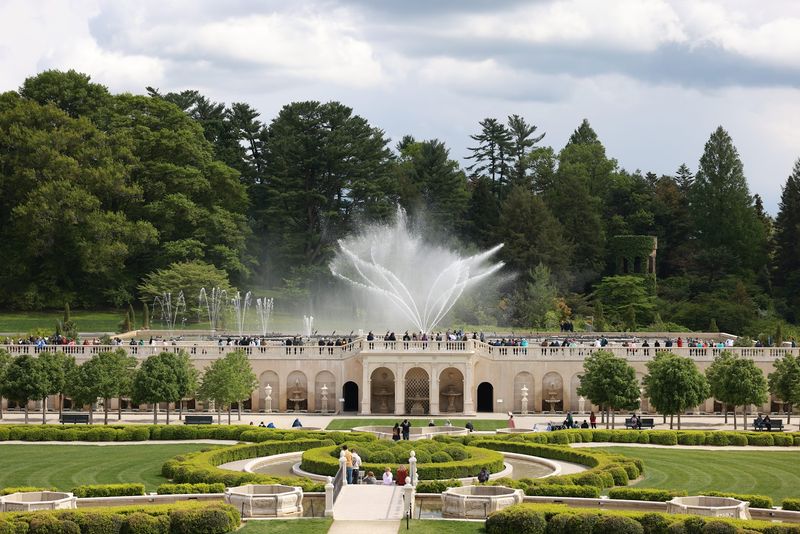
Longwood’s water gardens channel that same tranquil magic, with lily pads drifting across calm pools that mirror the sky above.
The Main Fountain Garden features a massive display with jets reaching 175 feet high, but the quieter water lily displays steal hearts.
Smaller ponds throughout the property showcase different aquatic plant combinations, from tropical varieties in the conservatory to hardy specimens outdoors.
Reflections create double images, blurring the line between reality and its mirror image just as impressionist paintings blur precise details.
Your Pennsylvania Garden Changes Every Week. Your Plan Should Too.
Gardening in Pennsylvania changes quickly throughout the season. Every Friday you’ll receive a simple weekly plan showing exactly what to plant, prune, fertilize, harvest, and protect so you never miss the right timing.
Bridges arch gracefully over water, inviting visitors to pause and observe from different angles.
Symmetry plays beautifully here, with plantings carefully balanced to create harmonious compositions.
Water lilies bloom from late May through September, with peak display typically occurring in July and August when temperatures warm the water.
Early morning offers the most painterly views, when mist rises gently and light remains soft and golden.
Golden hour before sunset bathes everything in warm amber tones, transforming ordinary scenes into extraordinary moments.
Photographers flock here during these magical times, capturing images that could hang beside Monet’s originals.
The stillness of these water gardens provides peaceful contrast to busier display areas. Birds visit to drink and bathe, adding gentle movement and life to the scene.
Sitting beside these ponds, watching light shift across water and petals, transports visitors into a timeless, meditative state.
3. Sweeping Flower Displays Like Brushstrokes Of Color
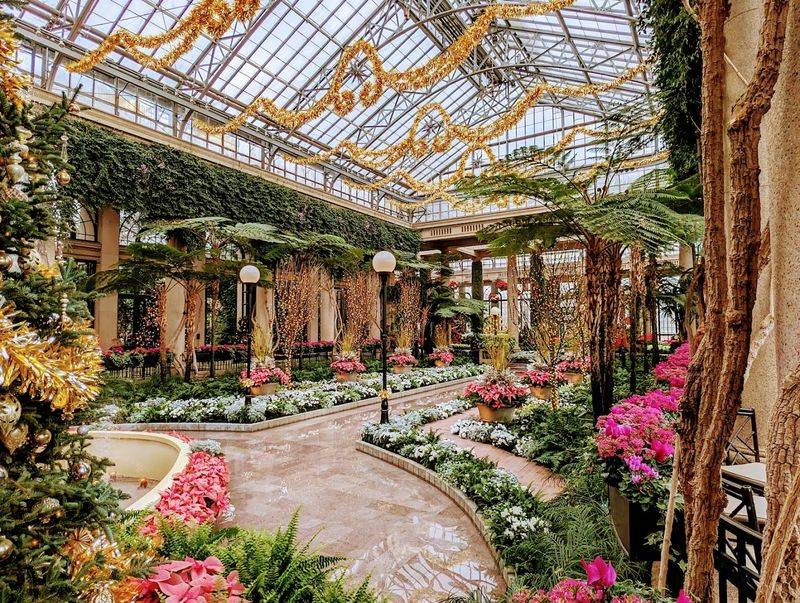
Longwood’s horticultural team designs displays using this same philosophy, planting thousands of bulbs and perennials in flowing drifts that blend and transition like painted brushstrokes.
The effect creates movement across the landscape, drawing the eye naturally from one color zone to the next.
Spring explodes with over 600,000 tulips in carefully orchestrated combinations of pastels and jewel tones. Pale pinks nestle against soft lavenders, while coral shades transition into creamy yellows.
These aren’t arranged in formal patterns but planted to suggest natural meadows, though every placement involves careful artistic consideration.
Summer brings perennial borders packed with textures and heights that create depth and dimension.
Airy grasses sway behind mounded salvias, while spiky veronicas rise through clouds of catmint.
The color palette shifts toward cooler blues and purples with accents of white and soft yellow, evoking the peaceful quality of Monet’s summer garden scenes. Autumn transforms the gardens into warm tapestries of burgundy, bronze, and gold.
Ornamental grasses catch afternoon light, glowing like spun copper against darker evergreen backgrounds.
This approach to planting creates emotional impact rather than showcasing individual specimens.
Visitors feel surrounded by color and beauty without being overwhelmed by botanical details.
The garden becomes an experience of pure visual pleasure, exactly what impressionist art strives to achieve through paint on canvas.
4. Light, Reflection, And Atmosphere
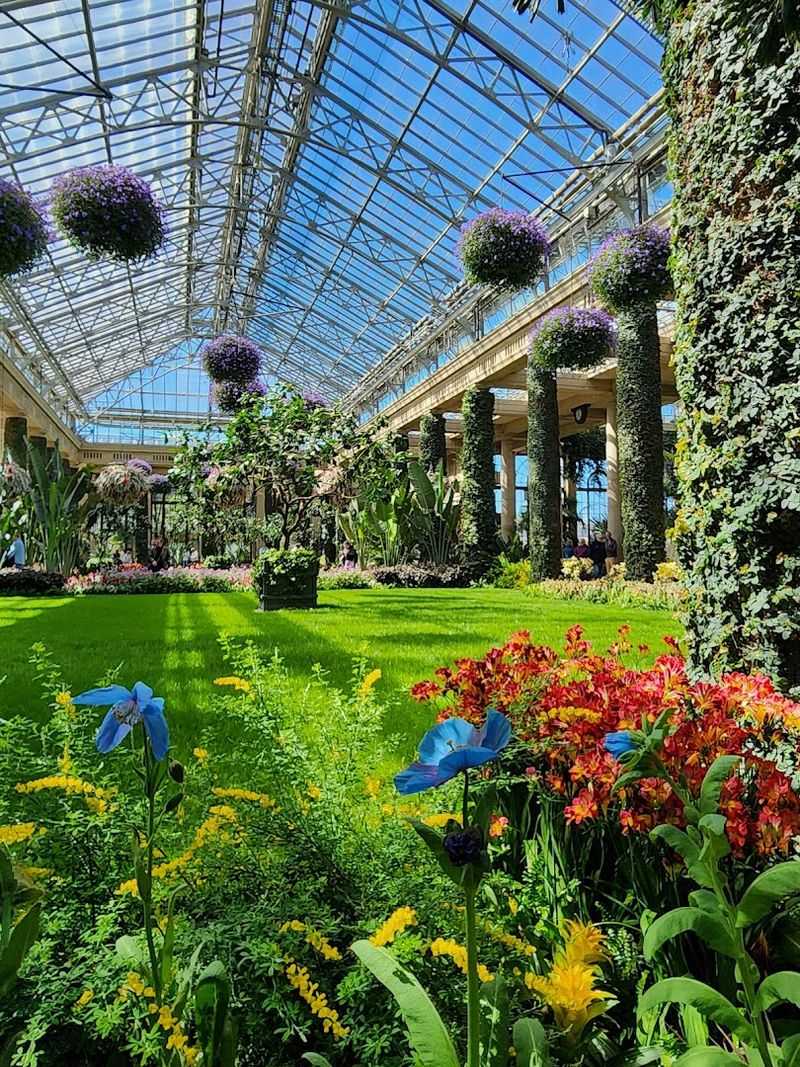
Longwood Gardens offers endless opportunities to observe this phenomenon, with sunlight creating completely different moods throughout the day.
Morning light arrives cool and clear, emphasizing fresh greens and bringing crispness to white flowers.
Midday sun can feel harsh in summer, but the garden’s mature trees provide dappled shade that softens everything beneath their canopy.
This filtered light creates patterns on pathways and lawn areas, adding visual interest beyond the plantings themselves.
Conservatory glass diffuses sunlight beautifully, creating gentle illumination that flatters tropical plants and orchids inside.
Afternoon brings warmer tones as the sun lowers, bathing western-facing gardens in amber and gold.
Flower colors intensify during these hours, with reds glowing like embers and yellows seeming to generate their own light.
Reflections on water surfaces become more pronounced, creating shimmering effects that change with every ripple.
Shaded areas maintain cool mystery while sunny spots burst with warmth, creating dramatic contrasts within single views.
Glasshouse surfaces reflect surrounding gardens, multiplying colors and creating kaleidoscopic effects.
Photographers and artists visit repeatedly, chasing specific lighting conditions that bring their vision to life.
Some prefer overcast days when colors appear saturated and even, while others wait for dramatic storm light or rainbow moments.
This ever-changing quality ensures no two visits feel identical, keeping the garden fresh and inspiring across seasons and years.
Just as Monet returned to his haystacks and cathedral facades, garden lovers return to Longwood seeking new perspectives on familiar beauty.
5. The Conservatory – A Living Canvas Year-Round
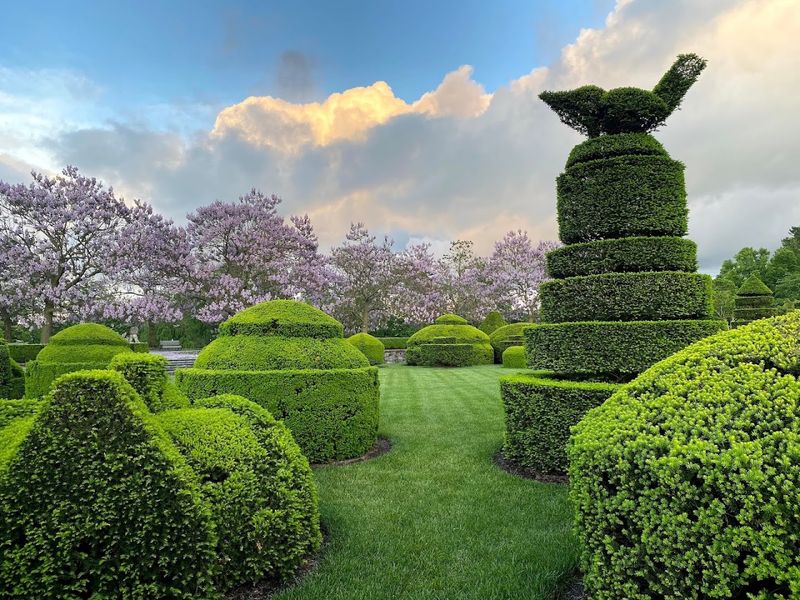
When winter strips outdoor gardens bare, Longwood’s massive conservatory keeps the painterly magic alive under four acres of glass.
This isn’t a simple greenhouse but a series of interconnected rooms, each presenting different climatic zones and design themes.
Tropical areas burst with lush foliage in every shade of green, while orchid displays showcase delicate blooms in arrangements worthy of any art gallery.
Seasonal displays transform the conservatory into themed wonderlands throughout the year.
Holiday presentations feature thousands of poinsettias arranged in cascading color gradients from deep red through coral to creamy white.
Spring brings forced bulbs and early bloomers that preview the outdoor season, while summer showcases exotic tropicals that thrive in humid warmth.
The design feels natural despite being completely controlled, with plants arranged to suggest wild abundance rather than rigid formality.
Paths curve gently through these indoor landscapes, revealing new vistas around each turn.
Water features add sound and movement, enhancing the sensory experience beyond pure visual appeal.
Winter displays particularly capture that painted quality, with frost outside contrasting dramatically with vibrant life inside. Condensation on glass creates soft-focus effects, diffusing light like a photographic filter.
Bonsai collections demonstrate how artistic principles apply across horticultural traditions, with miniature trees shaped over decades into living sculptures. Orchid chandeliers hang overhead, their blooms seeming to float in mid-air.
Every room offers Instagram-worthy moments, though no photograph quite captures the immersive experience of standing surrounded by such carefully orchestrated beauty.
The conservatory proves that gardens can inspire wonder twelve months yearly, not just during traditional growing seasons.
6. Why Longwood Gardens Feels Like A Monet Masterpiece?
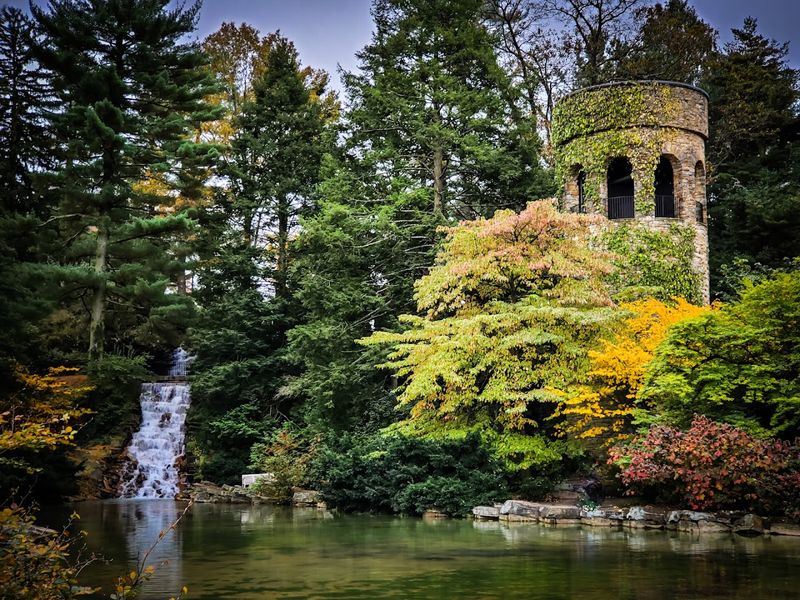
Longwood Gardens achieves this emotional resonance through the same elements that made Monet’s paintings timeless: harmony, natural beauty presented artistically, and an immersive quality that transports viewers beyond their everyday concerns.
The garden succeeds not through individual spectacular plants but through how everything works together as a unified whole.
Water, flowers, and landscape design interact here with the balance of a symphony, each element supporting the others.
Fountains provide movement and sound, flowers contribute color and fragrance, while trees and lawns offer structure and breathing space.
Nothing competes; everything collaborates to create experiences greater than the sum of individual parts.
Natural beauty gets presented artistically rather than left wild, yet the human hand never overwhelms nature’s inherent grace. Visitors feel they’re experiencing something authentic, not artificial or forced.
The emotional experience stays with people long after they leave, creating memories characterized by calm, immersion, and timelessness. Stress melts away as visitors wander paths designed to slow modern life’s frantic pace.
Many describe feeling transported, as if they’ve stepped temporarily out of regular time into something more peaceful and beautiful.
Spring’s pastel romance gives way to summer’s lush abundance, then autumn’s warm nostalgia, and finally winter’s crystalline magic.
With over 4.9 stars from more than 31,000 Google reviews, Longwood Gardens clearly touches hearts across generations.
This Pennsylvania treasure proves that gardens, like great paintings, can elevate the human spirit and remind us of beauty’s power to transform ordinary moments into extraordinary memories.