10 Sun-Loving Flower Bed Designs California Gardeners Love
Bright sunshine, bold color, and nonstop blooms are the heart of a classic California garden. When a flower bed loves the sun, it rewards you with vibrant petals, lively pollinators, and eye-catching texture that lasts through long, warm seasons.
The trick is choosing designs that thrive in intense light while still looking fresh, balanced, and full of life. Think sweeping drifts of color, sculpted layers of drought-friendly plants, and smart layouts that keep your garden glowing even during the hottest days.
A well planned sun loving bed can transform a plain yard into a cheerful outdoor retreat buzzing with butterflies and hummingbirds. If your garden gets plenty of sunshine, you are in the perfect position to create something truly stunning.
These inspiring flower bed ideas bring together beauty, resilience, and that relaxed California charm gardeners cannot get enough of.
1. Colorful Wildflower Bed
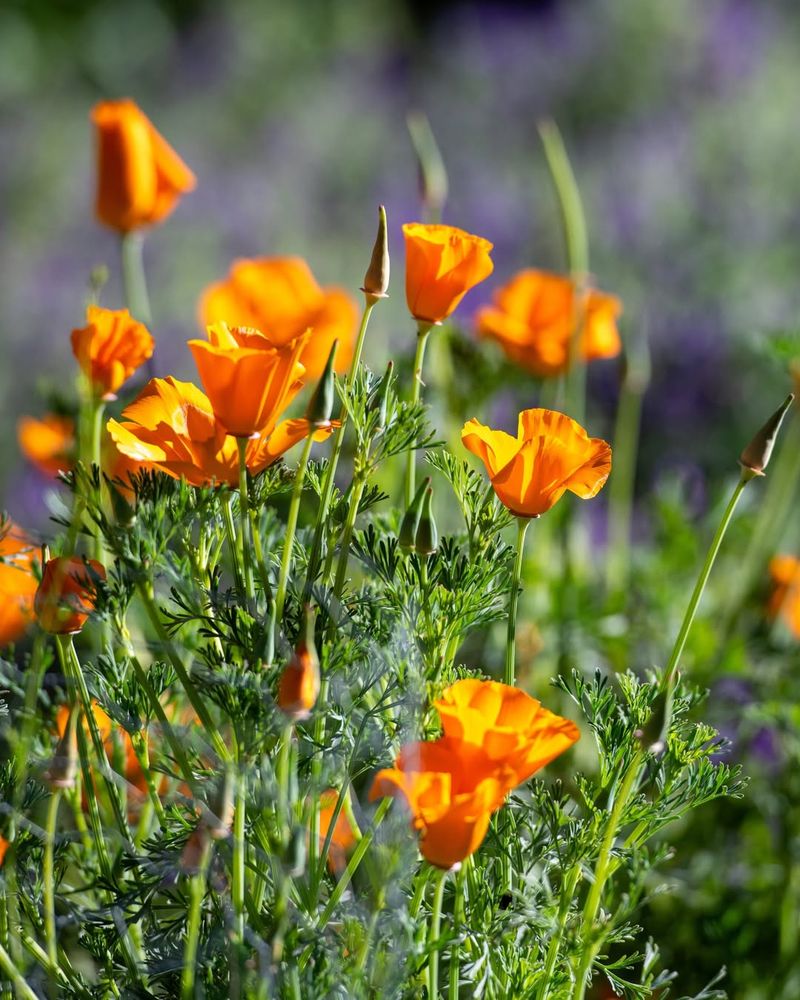
California poppies, lupines, and baby blue eyes create a natural look that feels right at home in the Golden State. These native flowers have adapted to local conditions over thousands of years, making them incredibly easy to grow.
Once established, they need very little care and come back year after year with minimal effort.
Wildflower beds work beautifully in front yards, along driveways, or anywhere you want a casual, meadow-like appearance. The seeds germinate quickly after fall or early spring planting, especially if you scatter them before a rainy period.
Within weeks, you’ll see green shoots popping up, and by late spring, the colors explode across your garden.
Water needs drop significantly once these plants mature, which makes them perfect for California’s dry summers. Birds and beneficial insects love wildflower beds, turning your yard into a mini nature preserve.
You can let the flowers go to seed naturally, which means they’ll reseed themselves for next year’s display.
Many California gardeners mix different wildflower species to extend the blooming season from early spring through summer. This approach keeps your garden interesting and colorful for months.
The natural, unstructured look pairs well with both modern and traditional home styles throughout the state.
2. Low-Water Flower Bed
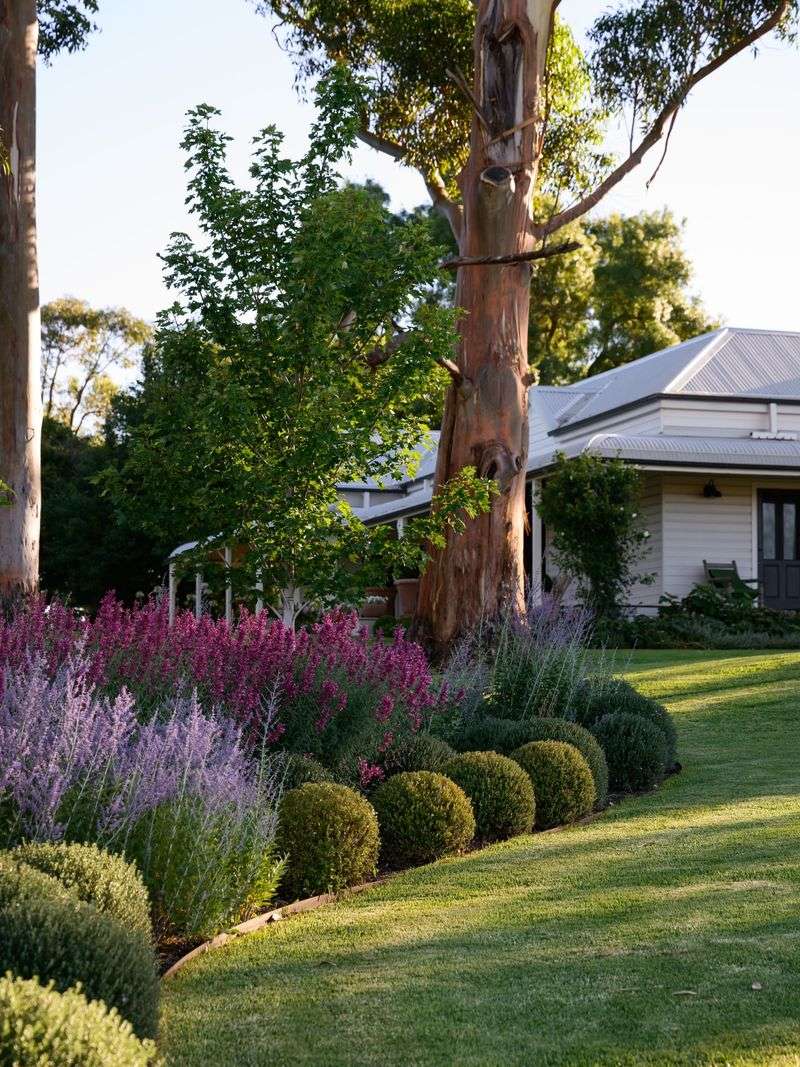
Lavender, yarrow, and salvia bring gorgeous colors while sipping water instead of guzzling it. These Mediterranean plants thrive in California’s climate because they originally come from similar environments.
Their deep root systems help them access moisture far below the surface, reducing your need to water constantly.
Setting up a low-water bed starts with improving your soil drainage and adding a thick layer of mulch. Drip irrigation works much better than sprinklers for these plants, delivering water directly to the roots where it’s needed most.
Once your plants settle in after the first season, you might only need to water every two to three weeks during summer.
Purple and silver foliage from lavender creates beautiful contrast against the golden yellows of yarrow blooms. Salvia adds tall spikes of color that attract hummingbirds throughout the growing season.
These plants also release wonderful scents when you brush against them or when the sun warms their leaves.
Your California Garden Changes Every Week. Your Plan Should Too.
Gardening in California changes quickly throughout the season. Every Friday you’ll receive a simple weekly plan showing exactly what to plant, prune, fertilize, harvest, and protect so you never miss the right timing.
Many California cities offer rebates for removing lawns and installing water-wise gardens, making this design choice financially smart too. The plants look tidy and intentional rather than neglected, which keeps your yard looking great while conserving precious water resources.
This style works especially well in inland valleys and Southern California regions.
3. Succulent Garden Bed
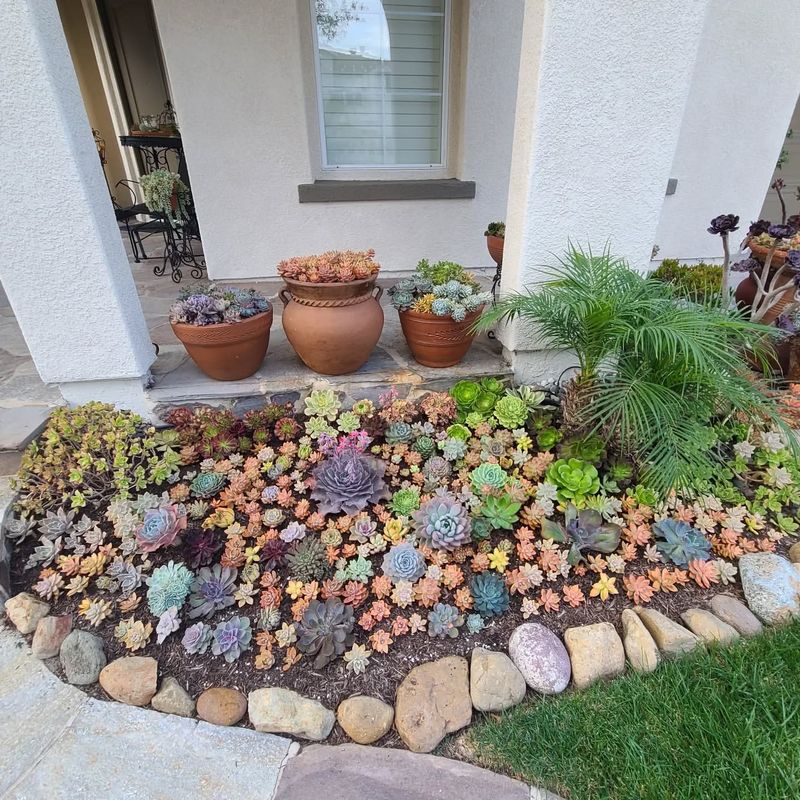
Echeveria, sedum, and small agaves create living sculptures that need almost no water once established. Their thick, fleshy leaves store moisture for weeks, making them perfect for California’s long dry spells.
The variety of shapes, sizes, and colors available means you can design truly unique patterns and combinations.
Succulent beds look especially striking when planted in geometric patterns or color-coordinated groups. You can create waves of blue-green echeveria flowing into burgundy sedum, or arrange plants by height for a layered effect.
The key is ensuring excellent drainage by mixing sand or pumice into your soil before planting.
These gardens stay attractive year-round since succulents don’t go dormant like many other plants. Some varieties even produce surprising flower stalks in spring and summer, adding unexpected pops of orange, pink, or yellow.
The architectural quality of succulents works beautifully in modern California landscapes and complements contemporary home designs.
Maintenance involves mostly removing dead leaves and occasional division when plants outgrow their space. Overwatering causes more problems than underwatering, so it’s better to err on the dry side.
Coastal areas and inland valleys both provide excellent conditions for succulent beds, though extreme desert heat might require some afternoon shade.
4. Tropical Flower Bed
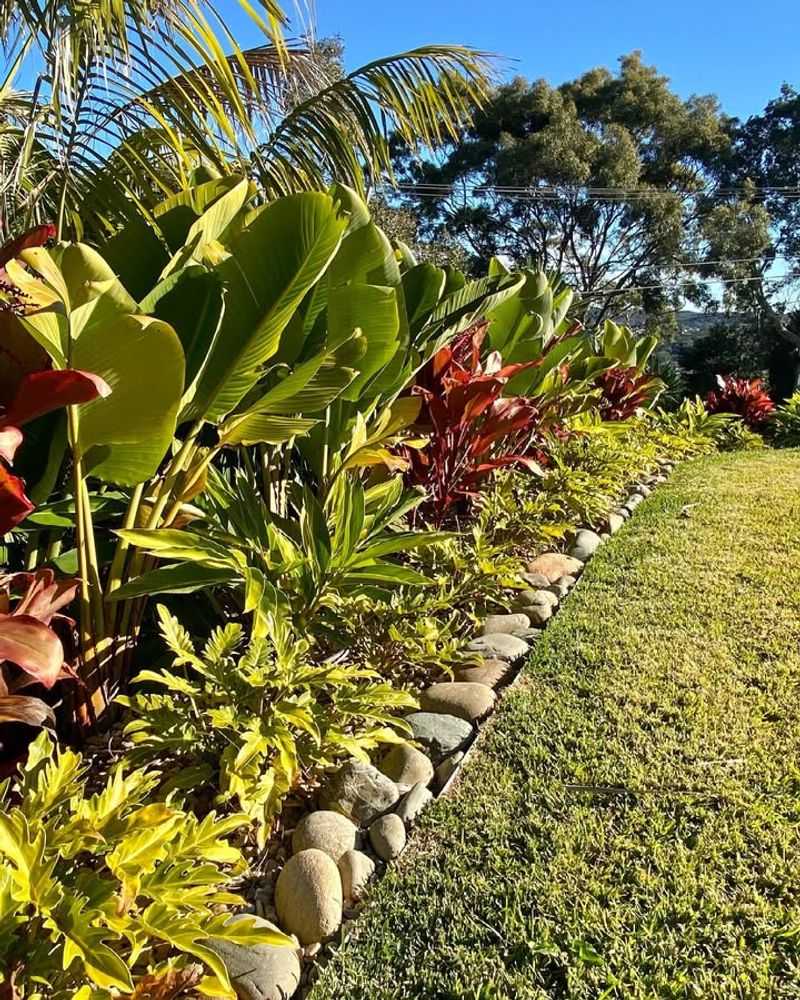
Bird of paradise, hibiscus, and canna lilies transform your yard into a vacation destination right at home. These bold, dramatic plants bring that resort feeling to California gardens, especially in coastal and Southern regions.
Their large leaves and bright blooms create instant visual impact that makes neighbors stop and stare.
Tropical beds need more water than native or Mediterranean plants, but they reward you with non-stop color and lush growth. Morning watering helps prevent fungal issues while giving plants moisture for the hot afternoon sun.
Adding organic compost regularly keeps the soil rich and helps retain moisture between waterings.
The orange and blue flowers of bird of paradise look almost artificial because they’re so perfectly shaped and vibrant. Hibiscus blooms open fresh each morning in shades of red, pink, yellow, and coral, creating a constantly changing display.
Canna lilies shoot up tall stalks covered in tropical-looking flowers that last for weeks.
This design works best in frost-free areas of California or spots protected from cold winter winds. Grouping these plants together creates a microclimate that holds humidity and warmth, helping them thrive even better.
The bold foliage provides structure and interest even when flowers take a break during cooler months.
5. Butterfly-Friendly Bed
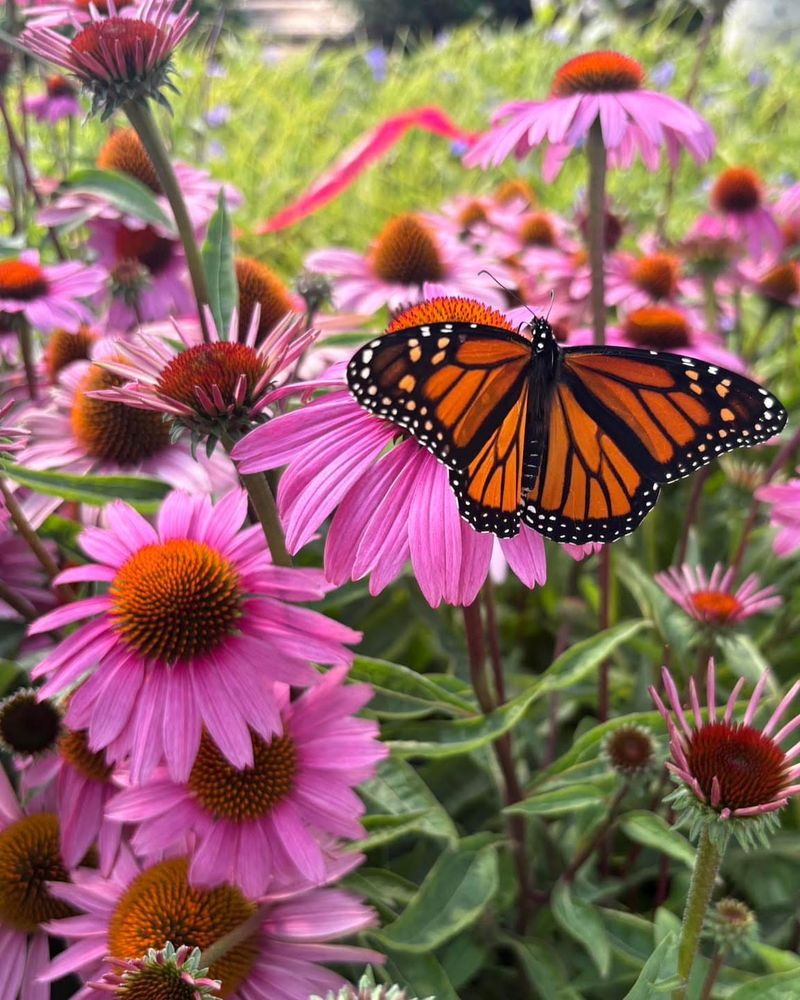
Milkweed, lantana, and butterfly bush turn your garden into a flutter zone that brings nature up close. Monarchs, swallowtails, and painted ladies visit throughout the warm months, creating living artwork that changes daily.
Watching butterflies feed and dance between flowers brings joy that goes way beyond typical gardening rewards.
Planting in clusters rather than single specimens gives butterflies easier targets to spot from the air.
Different flower heights create landing zones for various butterfly species, with some preferring low-growing lantana while others seek out taller butterfly bush blooms.
Avoid pesticides completely in these beds since chemicals harm the very creatures you’re trying to attract.
Milkweed serves double duty as both a nectar source and the only plant where monarch butterflies lay their eggs. California gardeners play an important role in supporting monarch migration by providing these essential plants.
Lantana blooms continuously in warm weather, offering reliable food sources when other flowers fade.
Sunny spots with some wind protection work best since butterflies prefer calm conditions for feeding. Including flat stones in your design gives butterflies places to bask and warm their wings in morning sunshine.
This garden style teaches kids about nature and life cycles while creating a peaceful outdoor space for the whole family to enjoy.
6. Modern Gravel Flower Bed
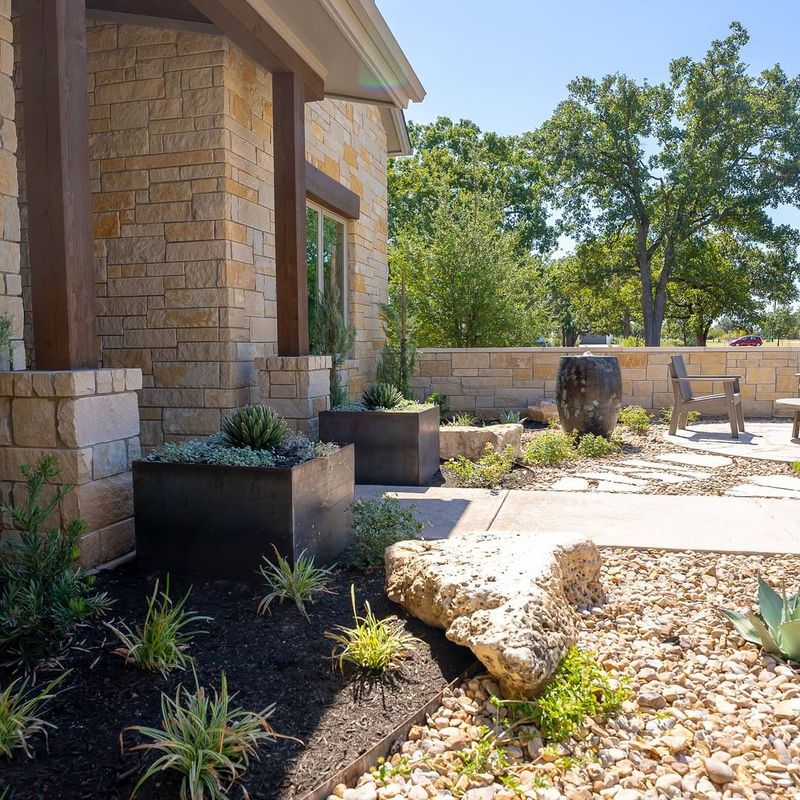
Ornamental grasses, agapanthus, and Russian sage float above gravel surfaces for a clean, contemporary look. This style embraces negative space and simplicity, letting each plant stand out as an individual specimen.
The gravel mulch reflects California’s natural landscapes while keeping weeds down and moisture in.
Decomposed granite in warm tones creates a cohesive base that ties the whole design together. Grasses add movement and sound as breezes rustle through their blades, bringing life to the stillness.
Blue agapanthus globes rise on tall stems in summer, providing dramatic vertical punctuation marks throughout the bed.
Russian sage contributes silvery foliage and purple flower spikes that blur into soft clouds of color. The see-through quality of these plants maintains sight lines and prevents the garden from feeling crowded or heavy.
This approach works especially well in modern California neighborhoods where clean lines and intentional design reign.
Installation is straightforward with landscape fabric beneath the gravel preventing weeds while allowing water to penetrate. Spacing plants farther apart than traditional beds emphasizes their individual forms and reduces competition.
The low maintenance requirements appeal to busy California homeowners who want beauty without constant weekend gardening chores. Occasional trimming and dividing every few years keeps everything looking sharp and intentional.
7. Bright Summer Bloom Bed
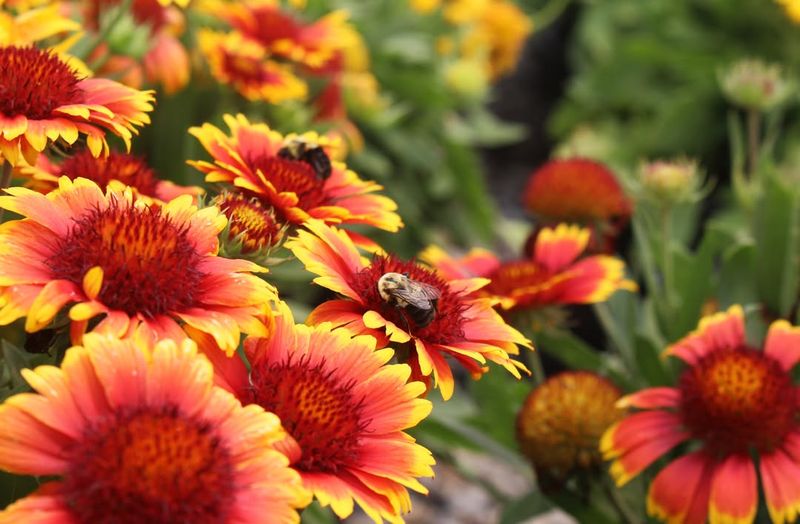
Coreopsis, gaillardia, and verbena pack your garden with hot summer colors that celebrate California sunshine. These tough performers keep blooming through heat waves that would flatten less resilient plants.
Their cheerful faces turn toward the sun, creating a constantly shifting display as light moves across your yard throughout the day.
Deadheading spent blooms encourages these plants to produce even more flowers, extending the show from late spring into fall. The process takes just minutes each week and makes a huge difference in overall flower production.
Yellow coreopsis forms dense mounds covered in daisy-like flowers that attract beneficial insects to your garden.
Gaillardia brings sunset colors of red, orange, and yellow, often combined in the same bloom for a fiery effect. Verbena trails along the ground or spills over edges, softening hard lines and filling gaps between taller plants.
Together, these three create a riot of color that embodies the California summer spirit.
Full sun locations work best, with at least six hours of direct light daily for maximum flowering. These plants tolerate poor soil better than many flowers, though adding compost at planting time gives them a strong start.
The bright colors work beautifully against California’s typical stucco homes and blue skies, creating picture-perfect curb appeal all season long.
8. Layered Perennial Bed
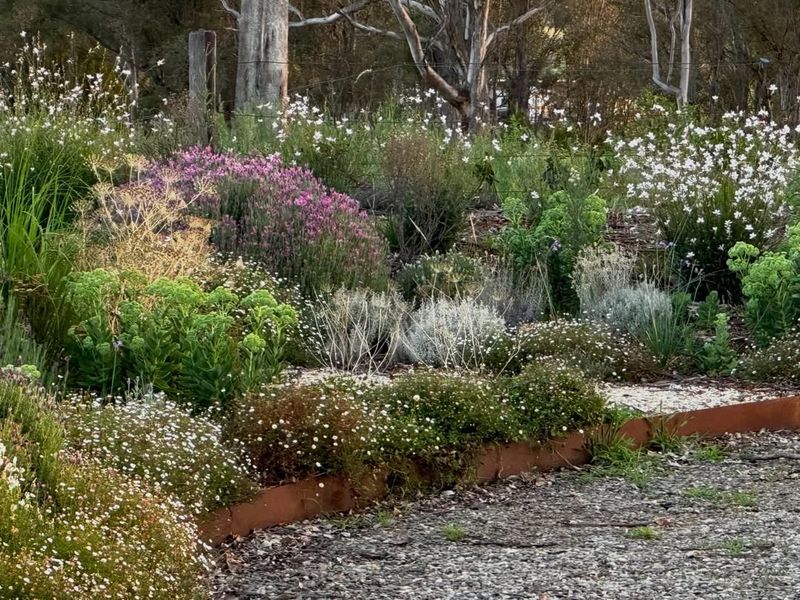
Daylilies, coneflowers, and creeping thyme create depth through strategic height placement. Tall daylilies anchor the back, mid-height coneflowers fill the middle, and low thyme carpets the front in perfect proportion.
This classic design approach has worked for generations because it lets every plant shine without hiding behind its neighbors.
Planning your layers starts with understanding mature plant sizes rather than how they look at planting time. Baby plants grow quickly in California’s favorable climate, filling in gaps within one or two seasons.
Spacing them properly from the start prevents overcrowding later and reduces the need for frequent division.
Daylilies come in hundreds of colors and bloom at different times depending on variety. Mixing early, mid, and late-season types keeps your bed interesting for months.
Coneflowers add structure with their bold centers and petals that goldfinches love to feast on when seeds form in late summer.
Creeping thyme releases a wonderful scent when stepped on and tolerates light foot traffic along bed edges. The layered approach works in both large and small California gardens by creating the illusion of more space.
Perennials return year after year, making this design choice economical over time compared to replanting annuals. Cutting back spent flower stalks and dividing overcrowded clumps every few years maintains the tidy layered appearance.
9. Desert-Style Flower Bed
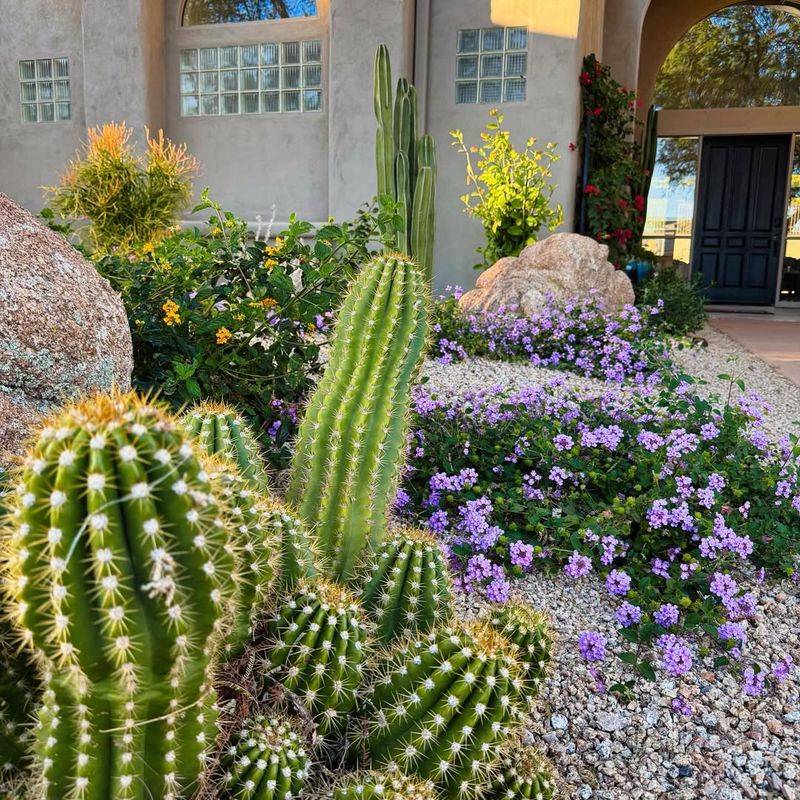
Penstemon, desert marigold, and red yucca bring desert beauty to any California garden location. These plants evolved in harsh conditions, making typical garden settings feel like luxury resorts to them.
Their ability to handle intense sun, poor soil, and little water makes them heroes for California’s toughest growing spots.
Desert plants often surprise people with their generous flowering displays when conditions are right. Penstemon shoots up tall spikes covered in tubular flowers that hummingbirds can’t resist.
Desert marigolds bloom cheerfully in golden yellow, often continuing through winter in mild California climates.
Red yucca isn’t actually a yucca but looks similar with spiky foliage and tall coral flower stalks. The architectural quality of these plants creates drama and focal points without needing constant attention.
Arranging decorative boulders among the plants enhances the desert aesthetic while providing heat-absorbing mass that benefits the plants.
This design style works everywhere in California but especially shines in inland and southern regions with hot, dry summers. The plants look intentionally placed rather than struggling, which is key to successful desert-style gardens.
Morning sun with afternoon shade suits these plants in the hottest areas, while full sun works fine in milder coastal zones. Minimal irrigation after establishment makes this one of the most sustainable flower bed choices for California gardeners.
10. Edible Flower And Herb Bed
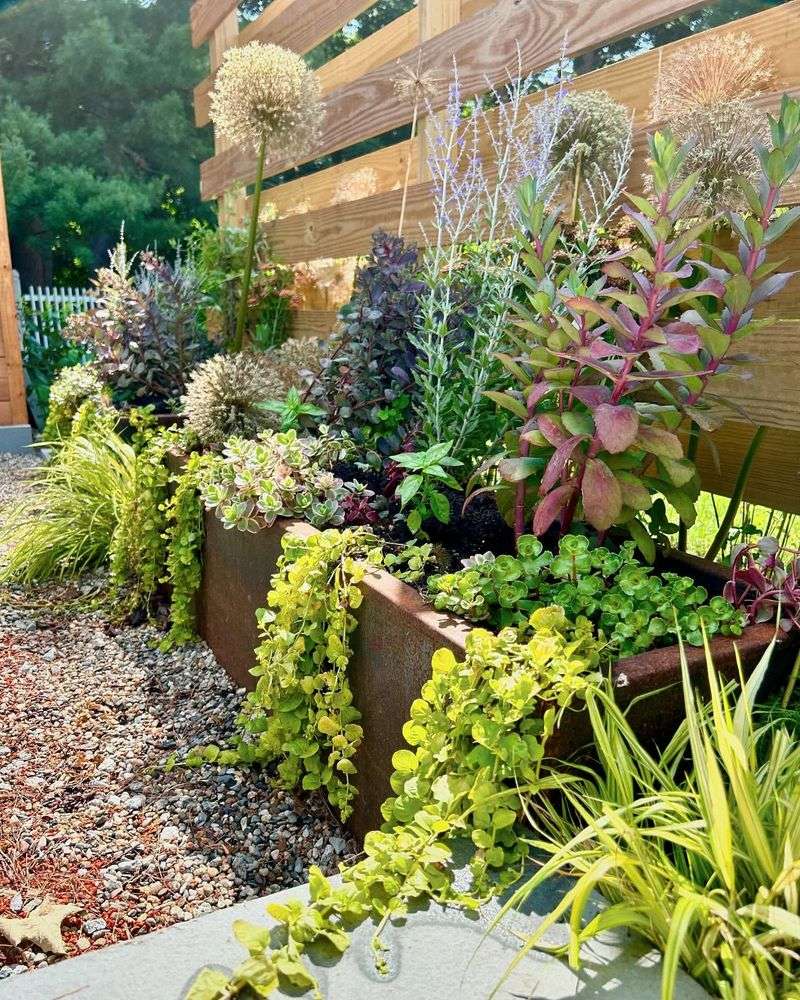
Rosemary, nasturtiums, and borage combine beauty with usefulness in gardens that feed both eyes and appetite. Edible flowers add unexpected flavors and gorgeous garnishes to everyday meals while attracting pollinators to your yard.
Growing food in ornamental beds challenges the idea that vegetable gardens must be separate and hidden away.
Rosemary blooms with tiny purple flowers that taste mildly of the herb itself, perfect for sprinkling over roasted vegetables or salads. The evergreen foliage provides year-round structure while offering fresh herbs just steps from your kitchen door.
Nasturtiums produce peppery flowers and leaves in shades of orange, yellow, and red that brighten up any dish.
Borage contributes star-shaped blue flowers with a light cucumber flavor that freezes beautifully in ice cubes for special drinks. The plants self-seed readily in California gardens, returning each year without replanting.
Bees absolutely love borage flowers, making your edible bed a pollinator paradise.
Mixing edible flowers with culinary herbs like basil, thyme, and sage creates a garden that’s both productive and pretty. This approach works particularly well in California’s mild climate where many herbs grow year-round.
Harvesting becomes a daily pleasure rather than a chore when your ingredients look this good. Kids especially enjoy gardens they can eat from, making this design choice great for family homes.