8 Plants You Must Divide This Spring In Ohio
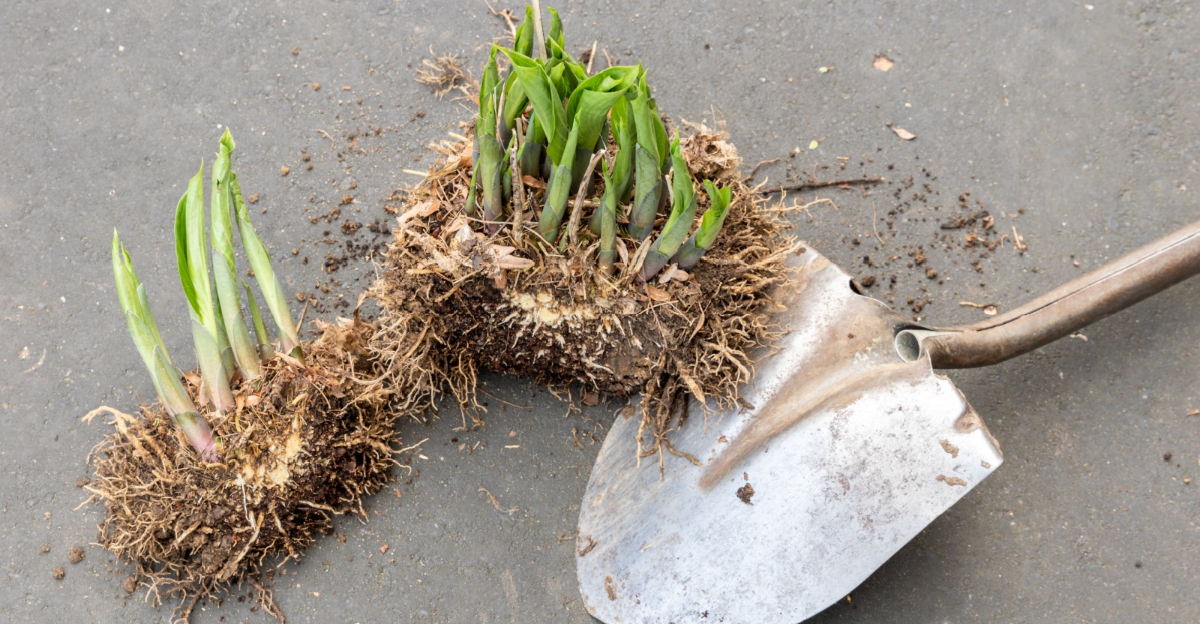
Spring arrives in Ohio with a surge of hidden energy beneath the soil. Garden beds that looked quiet through winter suddenly push up crowded clumps, tight crowns, and tangled roots fighting for space.
Many gardeners admire the fresh growth yet miss the warning signs building below the surface. When plants grow too dense, blooms shrink, centers weaken, and once vigorous favorites slowly lose their spark.
Simple division at the right moment can restore strength, multiply beauty, and prevent a season of disappointment. Timing matters, technique matters, and skipping this task can cost color, vigor, and plant health for years ahead.
Before growth races forward, step into your garden with fresh eyes and uncover the perennials that demand attention right now for a stronger, fuller display through the coming seasons.
1. Hostas Grow Larger And Healthier When Split
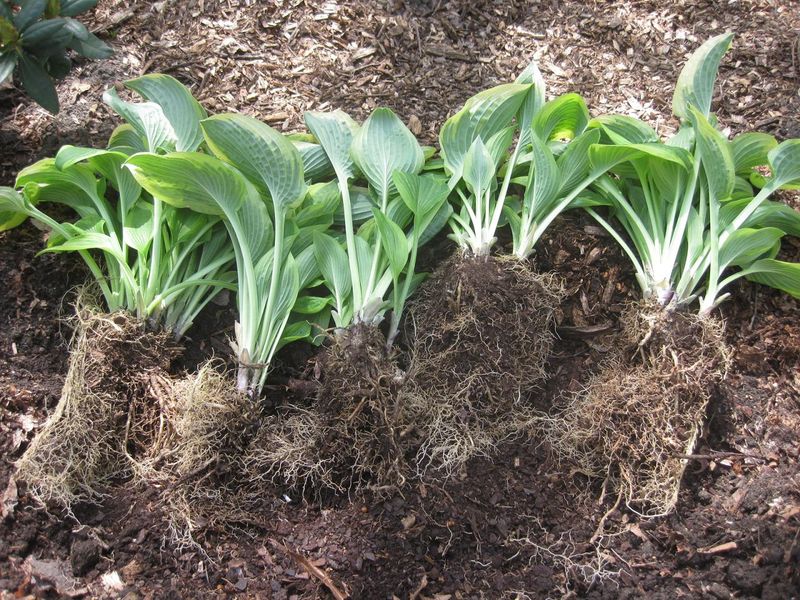
Crowded hosta clumps signal it’s time to grab your spade and get to work. When multiple crowns pack together too tightly, the leaves emerge smaller each year and the plant loses its impressive presence in the shade garden.
Early spring, just as those pointed shoots poke through the ground, offers the ideal window for splitting hostas across Ohio.
The timing couldn’t be better. Soil is workable but not yet warm, and those emerging shoots haven’t fully unfurled their leaves.
You can see exactly where each crown sits, making it easy to slice through the clump with confidence. Dig up the entire plant, then use a sharp spade or knife to separate sections with at least three to five eyes each.
Replant divisions at the same depth they grew before, spacing them generously to allow for future growth. Water them in well and keep the soil consistently moist as they settle.
Within weeks, you’ll see fresh leaves expanding to full size, often larger and more vibrant than before. Divided hostas fill in quickly, giving you multiple healthy clumps where one struggled before.
Your shade garden will look fuller and more balanced by midsummer, with each plant showing off the leaf size and color that makes hostas such reliable performers in Ohio landscapes.
2. Daylilies Bloom Better After Spring Splitting
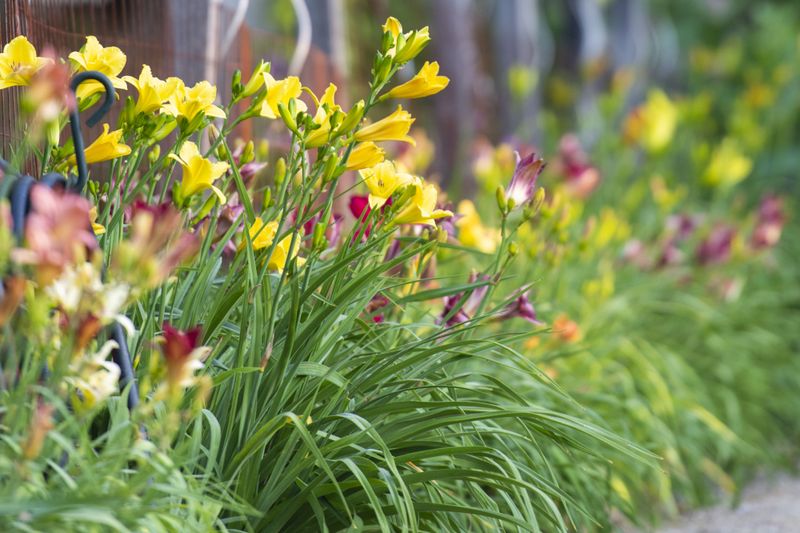
Thick clumps of daylily foliage tell you these tough perennials need more breathing room. When fans of leaves pack together so densely you can barely see soil between them, flowering drops off noticeably.
The plants put energy into competing with themselves instead of producing those cheerful blooms we count on for summer color. Early spring division solves this problem quickly and dramatically.
Watch for new growth just beginning to emerge from the ground, typically in late March through April across most of Ohio. This is your signal to act.
Daylilies tolerate division extremely well and bounce back fast when split during this early growth phase. Dig up the entire clump and use your hands, a garden fork, or a hose to separate individual fans.
Each division should have a healthy fan of leaves and a good portion of roots attached. Trim any damaged or declined roots, then replant immediately at the same depth, spacing divisions about eighteen inches apart.
Your Ohio Garden Changes Every Week. Your Plan Should Too.
Gardening in Ohio changes quickly throughout the season. Every Friday you’ll receive a simple weekly plan showing exactly what to plant, prune, fertilize, harvest, and protect so you never miss the right timing.
Daylilies aren’t fussy about soil, but they do appreciate decent drainage and full sun. Water them in thoroughly after planting.
By early summer, you’ll notice the difference. Stems stand taller, flower buds form more abundantly, and blooms open larger and more vibrant than they have in years.
3. Bearded Iris Bloom Stronger With More Space
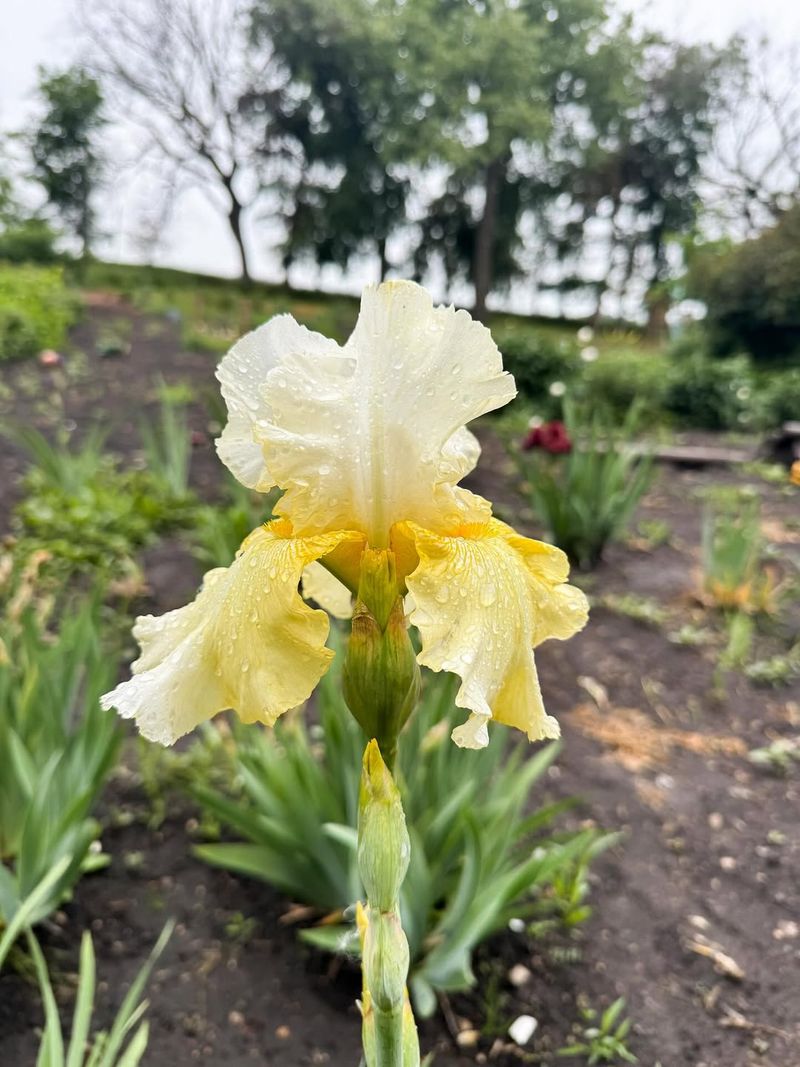
Bearded iris rhizomes creep along the soil surface, and when they crowd together in a tangled mat, bloom production suffers dramatically. Those thick, fleshy rhizomes need space and sunlight to produce the spectacular flowers that make iris such garden favorites.
Overcrowding also traps moisture around rhizomes, creating conditions that weaken plants and reduce vigor. Spring division restores health and flowering power.
Target early spring while foliage is just beginning active growth but before flower stalks develop. In Ohio, this usually falls in April.
Carefully lift the rhizome clump with a garden fork, then break or cut apart individual rhizomes with healthy fans of leaves attached. Discard any soft, damaged, or old woody sections from the center of the clump.
Plant rhizomes shallow, with the top third exposed to sunlight. Space them at least twelve inches apart in well-drained soil and full sun.
Point the leafy end in the direction you want the rhizome to grow. Firm soil around roots but leave the rhizome top visible.
Improved air circulation around properly spaced rhizomes promotes healthier growth and reduces problems.
Within one growing season, your iris will reward you with stronger stems, more buds per stalk, and those gorgeous ruffled blooms in vibrant colors that make late spring in Ohio gardens so memorable.
4. Shasta Daisy Forms Fuller Clumps In Spring
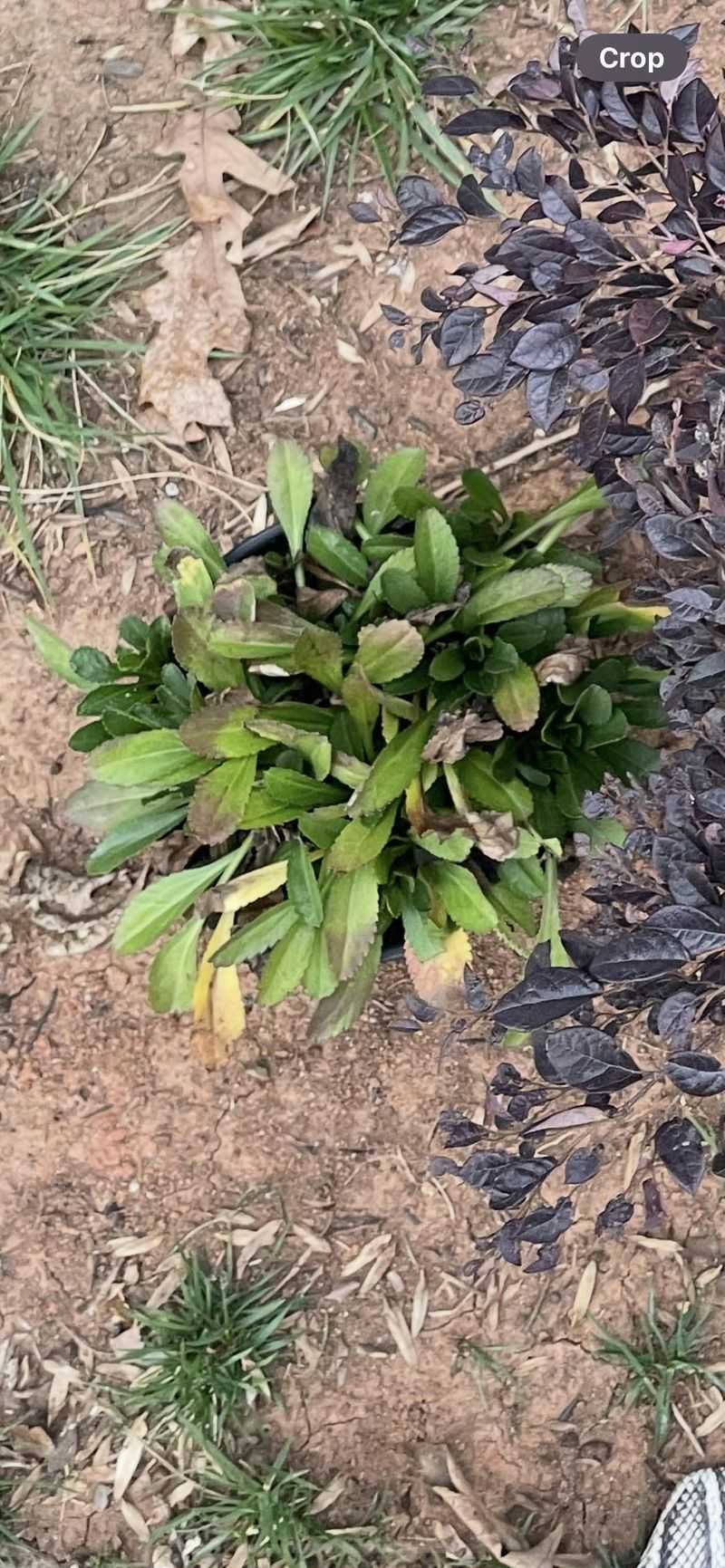
Older shasta daisy clumps develop hollow centers where nothing grows, creating an unattractive ring of flowers around bare ground. This natural aging pattern signals the plant has exhausted the soil at its core and needs renewal.
The outer sections remain vigorous, but the overall display looks thin and patchy instead of full and lush. Spring division brings back that abundant, cheerful look these classic daisies are known for.
Early spring works beautifully for splitting shasta daisies in Ohio. As soon as you see fresh green growth emerging from the crown, usually in April, you can safely divide.
Dig up the entire plant and use your hands or a knife to separate the healthy outer sections from the tired center. Discard the woody center and keep only the vigorous young growth with plenty of roots attached.
Replant divisions in refreshed soil enriched with compost, spacing them twelve to fifteen inches apart in full sun. Shasta daisies prefer consistent moisture and good drainage.
Water them in well after planting and keep soil evenly moist through spring. The plants establish quickly and begin forming tight, compact clumps within weeks.
By early summer, you’ll see sturdy stems rising from full, healthy foliage.
Come bloom time, your shasta daisies will produce masses of white flowers with bright yellow centers, creating that classic cottage garden look all season long.
5. Garden Phlox Stays Vigorous And Blooms Well
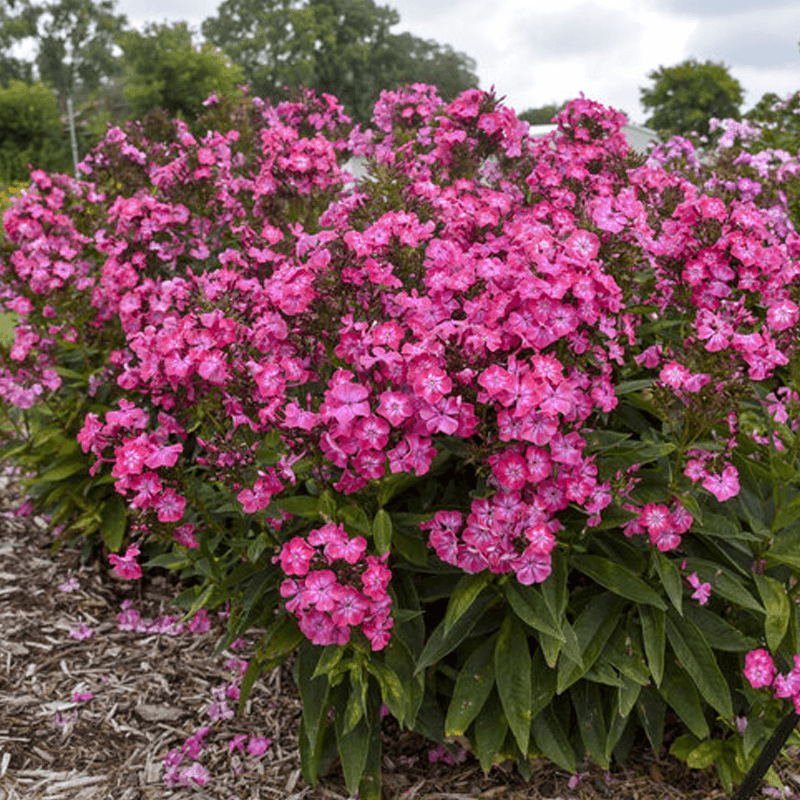
Garden phlox tends to crowd itself over time, developing dense clumps with too many stems competing for resources. This congestion creates problems beyond just reduced flowering.
Poor air circulation between tightly packed stems encourages powdery mildew, that frustrating white coating that mars the foliage by late summer. Thinning crowded phlox through spring division improves both plant health and bloom quality significantly.
Early spring offers the best opportunity to divide garden phlox across Ohio. Look for new shoots just beginning to emerge from the crown, typically in April.
This timing allows divisions to establish strong root systems before they need to support tall flower stalks. Dig up the clump and separate it into sections with three to five healthy shoots each, making sure each division has a good root mass.
Space replanted divisions at least eighteen inches apart in full sun to part shade. Garden phlox appreciates rich, moist soil and benefits from a layer of mulch to keep roots cool.
Proper spacing makes all the difference. Stems grow stronger with better air circulation, foliage stays cleaner, and flower clusters develop larger and more fragrant.
You’ll notice the improvement by midsummer when your phlox displays those gorgeous dome-shaped flower heads in shades of pink, purple, or white without the mildew problems that plague overcrowded clumps.
6. Sedum Autumn Joy Grows Upright And Compact
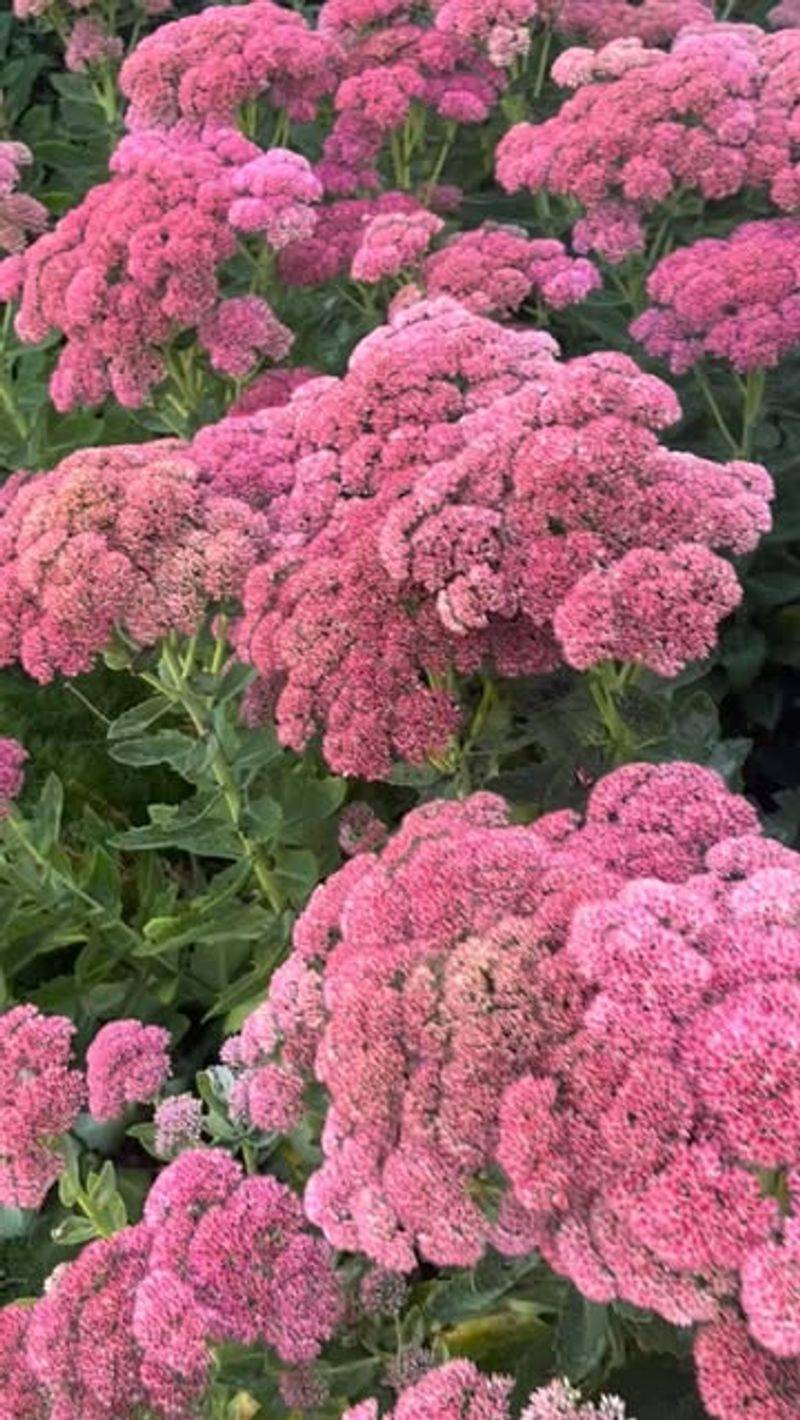
Mature sedum clumps often develop a sprawling habit, with stems flopping outward instead of standing upright. This happens when the crown becomes too large and woody at the center, unable to support the weight of all those thick, succulent stems and heavy flower heads.
The plant loses its neat, architectural form and starts looking messy rather than structural. Early spring division rejuvenates the clump and restores that attractive upright growth habit.
Catch sedum just as new growth appears at the base, usually in April across Ohio. The plant is still dormant enough to handle disturbance but active enough to recover quickly.
Dig up the entire clump and use a sharp knife to cut away the woody center, keeping only the younger, vigorous outer sections. Each division should have several strong growing points and healthy roots.
Replant divisions in well-drained soil and full sun, spacing them about fifteen inches apart. Sedum tolerates poor soil and drought once established, making it ideal for tough spots in Ohio gardens.
The divided plants develop compact, sturdy growth with stems that stand straight without support.
Come late summer and fall, you’ll appreciate the improvement when those broad, flat flower heads emerge in shades of pink and burgundy, held proudly upright on strong stems that showcase the blooms perfectly throughout autumn.
7. Ornamental Grasses Maintain A Clean Shape
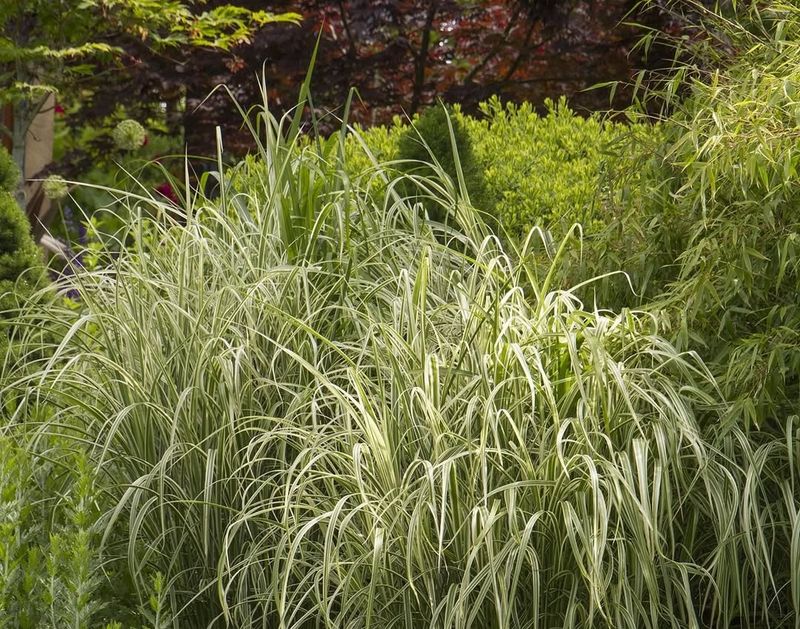
Ornamental grasses develop withered centers as they age, with brown, lifeless material collecting at the core while new growth pushes up only around the outer edges. This creates an increasingly larger donut shape that looks unkempt and takes up more space than it should.
Cool-season grasses common in Ohio gardens respond especially well to spring division, which restores their neat, fountain-like form and vigorous growth.
Timing matters significantly with ornamental grasses. Divide cool-season types like feather reed grass and blue oat grass in early spring, just as new green blades begin emerging, typically in April.
These grasses are actively growing now and will establish quickly. Use a sharp spade or saw to cut through the tough root mass, creating divisions with substantial root systems attached.
Plant divisions at the same depth they grew before, spacing them according to the mature size of the variety. Most ornamental grasses prefer full sun and well-drained soil.
Water thoroughly after planting and keep soil consistently moist until you see active growth. Divided grasses respond with renewed energy, producing fresh, clean foliage from the base without that unsightly declined center.
By summer, each division will form a tidy, symmetrical clump with graceful arching blades that add movement and texture to Ohio gardens throughout the growing season.
8. Astilbe Produces Fresh Growth And More Blooms
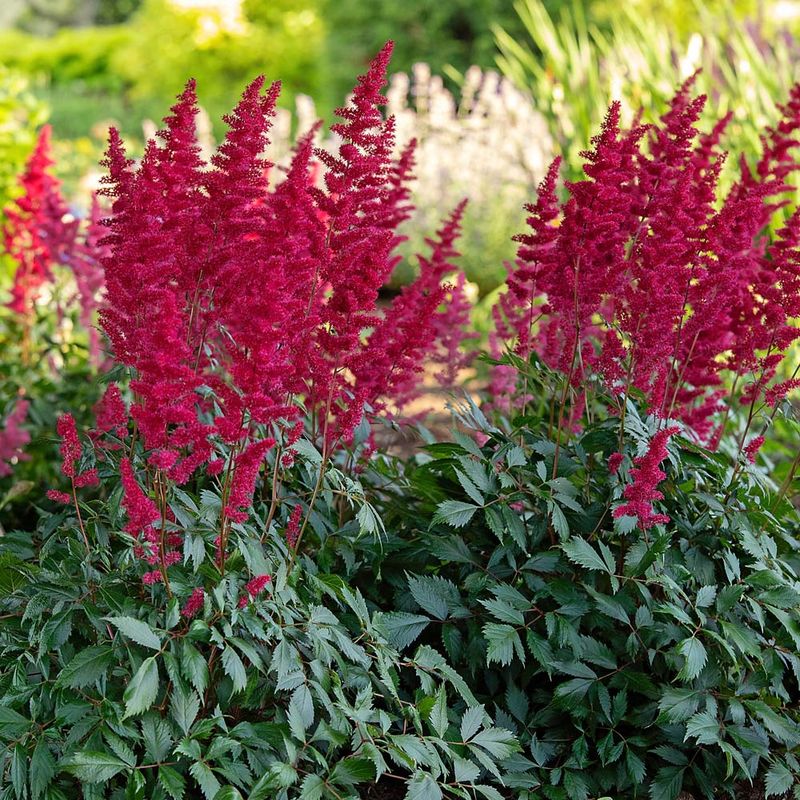
Astilbe crowns become increasingly woody and congested with age, pushing up above the soil surface and producing fewer of those gorgeous feathery plumes each season. The plant essentially outgrows itself, with the old woody center unable to support abundant flowering.
Foliage may look healthy, but bloom production drops noticeably. Spring division reverses this decline and brings back the spectacular flower display astilbe is famous for in shade gardens.
Early spring suits astilbe division perfectly in Ohio, especially while soil is still cool and moist from winter. Target the period just as new growth emerges, usually late March through April.
Astilbe appreciates consistent moisture, and Ohio’s spring rains help newly divided plants establish without stress. Dig up the clump and use a sharp knife to cut through the woody crown, creating divisions with at least three to five eyes each.
Replant immediately in rich, moisture-retentive soil in part to full shade, spacing divisions fifteen to eighteen inches apart. Astilbe struggles in dry conditions, so mulch well and water consistently through spring and summer.
Divided plants establish quickly in cool spring weather and develop strong root systems before temperatures rise.
By early summer, you’ll see the payoff: vigorous new foliage and multiple flower stalks rising above each clump, covered in those spectacular plumes in shades of pink, red, white, or purple that make astilbe such a treasure in Ohio shade gardens.