Why More Pennsylvanians Plant Hostas By The Front Door?
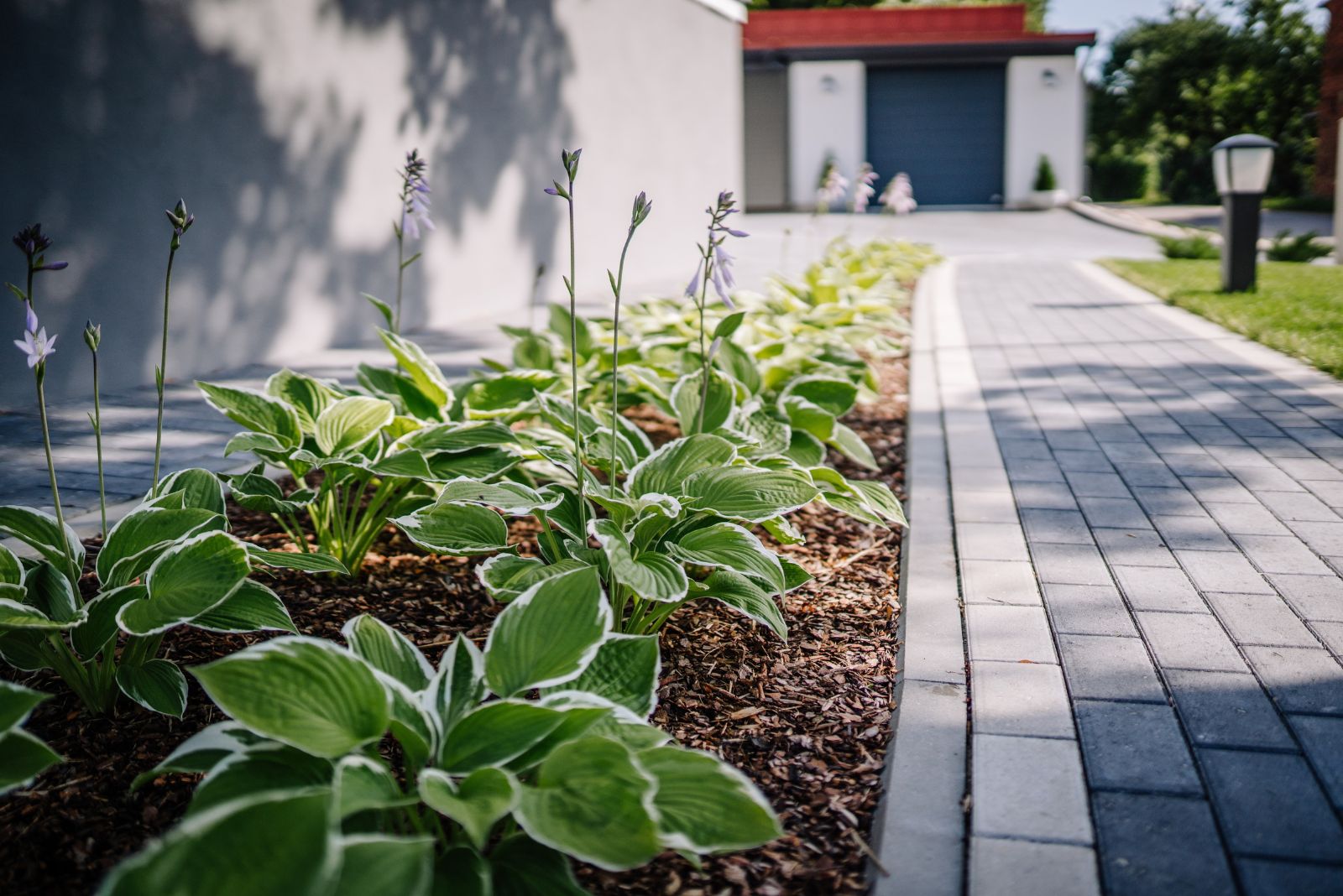
Walk through a Pennsylvania neighborhood and you will often spot lush, leafy plants framing the front entrance. They create a soft, welcoming look that feels calm and cared for.
Many homeowners choose hostas for this exact reason. Their wide leaves and full shape instantly make a doorway feel more inviting without needing bright flowers or constant attention.
Hostas are well suited for Pennsylvania weather and grow happily in shaded or partly shaded spots near porches and entryways. Once settled, they return year after year with little effort, filling spaces with rich greenery that stays attractive through the season.
Their neat, layered growth also helps soften hard edges around steps, walkways, and foundations.
Beyond appearance, hostas offer reliability. They are easy to maintain, adapt well to local conditions, and keep the front of the home looking fresh and balanced. It is easy to see why more Pennsylvanians plant them right by the front door.
1. The Curb Appeal Secret Many Pennsylvania Homes Share
Drive through any established Pennsylvania neighborhood and you’ll spot a pattern. Hostas line front walkways, frame doorways, and create tidy borders that make homes look polished and cared for. This isn’t random coincidence.
Homeowners across the state have figured out that hostas offer something special. They bring structure to entryways without requiring the constant work that flower beds demand. No deadheading, no replanting, no worrying about blooms fading.
The appeal goes beyond just saving time. Hostas create a clean, intentional look that works with almost any home style.
Whether you live in a brick colonial in Lancaster County or a stone farmhouse in Bucks County, these plants fit right in.
First impressions matter when you pull up to a house. A well-maintained entryway tells visitors and passersby that someone cares about their home. Hostas deliver that message without shouting.
Many Pennsylvania gardeners have moved away from complicated flower arrangements at their front doors. Instead, they’re choosing plants that provide consistent beauty through foliage rather than fleeting blooms. Hostas fill this role perfectly.
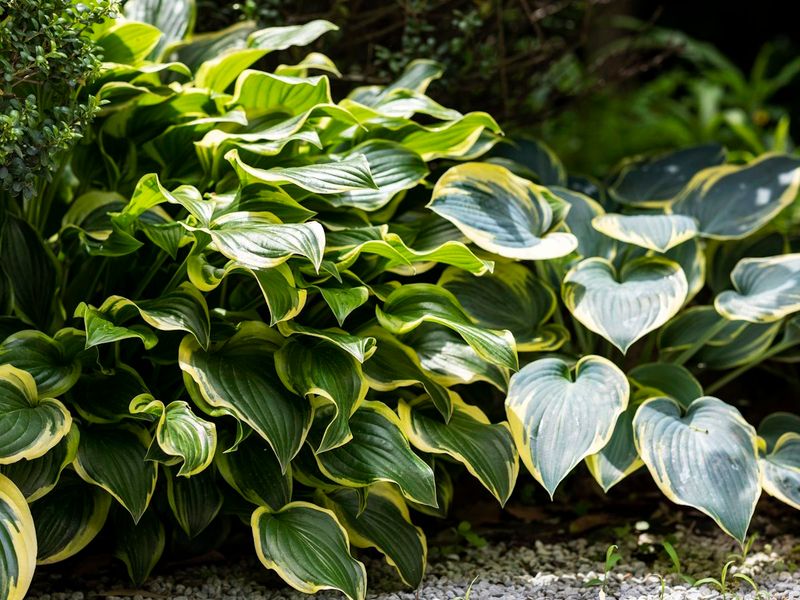
The leaves create layers and texture that catch the eye in a subtle way. You don’t need bright colors to make an entryway attractive. Sometimes green, blue-green, or variegated foliage does the job better.
This trend has staying power because it works. Neighbors see how good hostas look at someone’s front door and decide to try them too.
The plants prove themselves year after year, which is why more Pennsylvania homeowners keep choosing them for their most visible landscaping spots.
2. Hostas Thrive In Pennsylvania’s Climate
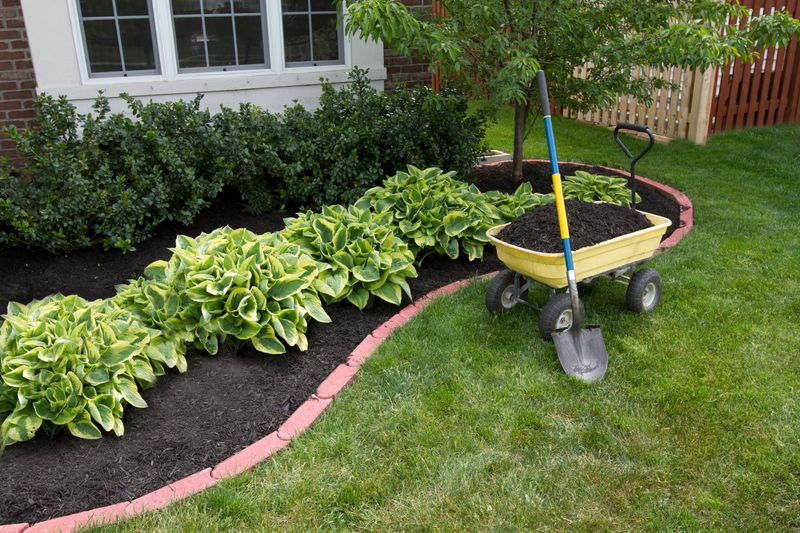
Pennsylvania sits squarely in USDA hardiness zones 5 through 7. Hostas happen to be perfectly suited for exactly these conditions. This match between plant and place explains a lot about their popularity here.
Winters in Pennsylvania can be brutal. Temperatures drop below zero in many areas, and the ground freezes solid for months. Hostas handle this without any special protection or winter prep.
Come spring, when the soil finally thaws and warms up, hostas emerge reliably. You don’t wonder if they made it through the cold season. They just come back, every single year, without fail.
Your Pennsylvania Garden Changes Every Week. Your Plan Should Too.
Gardening in Pennsylvania changes quickly throughout the season. Every Friday you’ll receive a simple weekly plan showing exactly what to plant, prune, fertilize, harvest, and protect so you never miss the right timing.
The cool, damp springs that Pennsylvania experiences suit hostas beautifully. These plants actually prefer moisture and moderate temperatures as they put out new growth. Our climate gives them exactly what they need during their most active growing period.
Summer heat in Pennsylvania rarely gets extreme enough to stress hostas, especially when they’re planted in shaded spots. The plants stay vibrant through July and August when many other perennials start looking tired.
Local soil conditions work in favor of hostas too. Pennsylvania’s clay-heavy soils retain moisture, which these plants appreciate.
Even during drier spells, established hostas typically have enough water stored in the ground to keep growing.
Gardeners in other states often struggle to keep certain plants alive through their particular weather challenges. Pennsylvania residents don’t face that problem with hostas.
The climate here supports them naturally, which means less work and more success for homeowners who plant them by their front doors.
3. Perfect For Shady Entryways
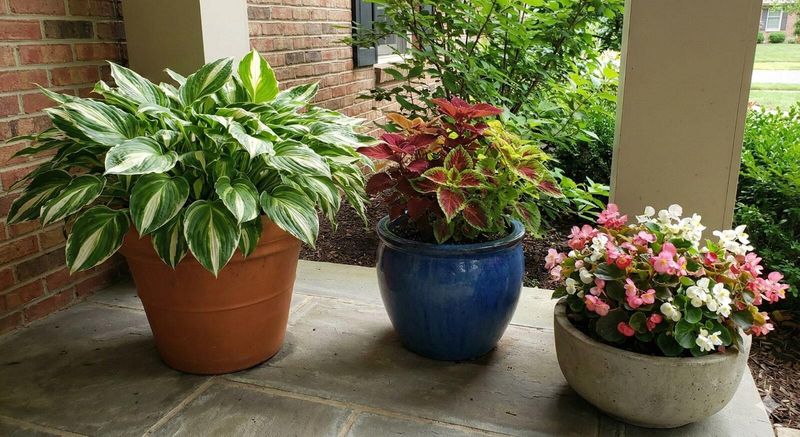
Most front doors in Pennsylvania don’t get full sun all day. Houses face different directions, porches create shade, and mature trees block light. This creates a real challenge for gardening.
Trying to grow sun-loving flowers in these shady spots usually ends in disappointment. Plants get leggy, refuse to bloom, or just struggle along looking sad.
Hostas flip this problem into an advantage. These plants actually prefer shade. They were made for spots where other plants fail. A north-facing entryway that gets maybe two hours of morning sun? Perfect for hostas.
Pennsylvania neighborhoods often have established trees that cast shade across front yards and entryways. Instead of fighting this shade or cutting down beautiful trees, smart homeowners plant hostas that will thrive in these conditions.
The leaves on hostas stay vibrant and attractive in shade. You don’t see the sun scorch and browning that happens when you try to force shade plants into sunny spots or vice versa. The foliage keeps its color from spring through fall.
Shaded areas near front doors can look dark and uninviting if left bare or planted poorly. Hostas brighten these spaces naturally with their large leaves and varied colors. They make shady spots feel intentional rather than neglected.
Many Pennsylvania homeowners have given up trying to make sun-loving annuals work in their shaded entryways. Once they switch to hostas, the problem solves itself.
The plants look healthy and full, which is exactly what you want when someone approaches your front door.
4. Low Maintenance, High Reward
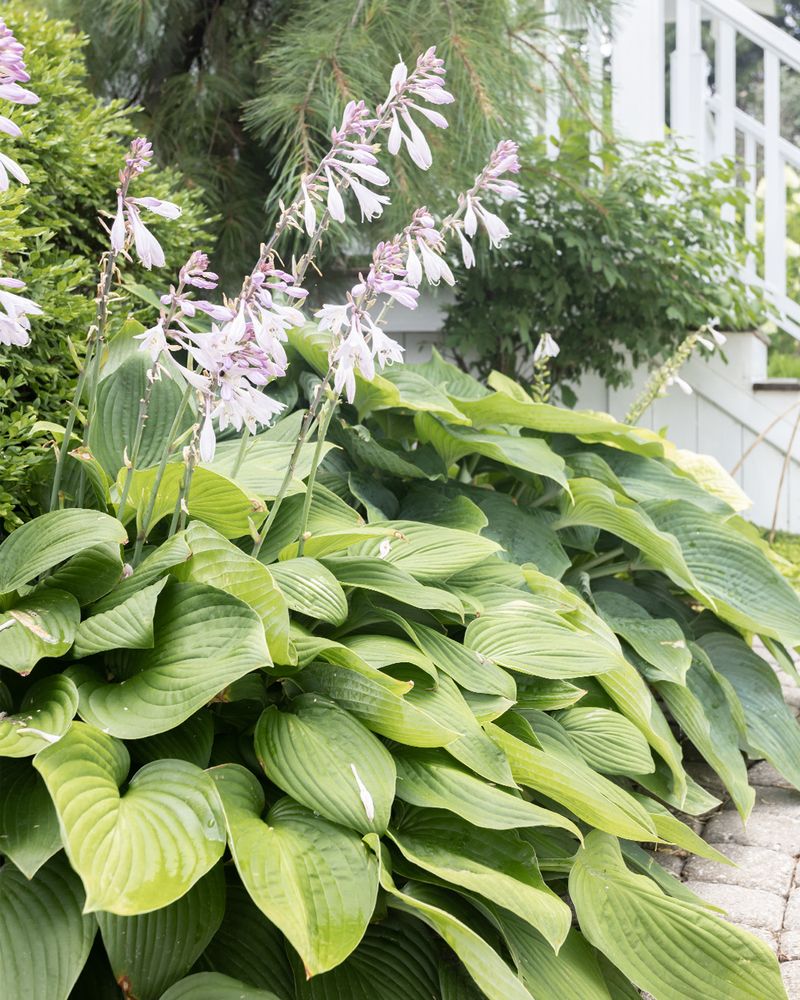
Pennsylvania homeowners lead busy lives. Between work, family, and everything else, spending hours on yard work every week just isn’t realistic for most people.
Once you get hostas established in the ground, they don’t ask for much. Unlike annuals that need constant watering, feeding, and fussing, hostas mostly take care of themselves. This difference matters when you’re trying to keep your front entryway looking good.
Watering becomes less critical after the first growing season. The plants develop root systems that reach deep enough to find moisture even during dry spells. You might water them during extreme drought, but that’s about it.
Spring cleanup takes maybe twenty minutes per plant. You pull away the old dry foliage from last year, and you’re done. No complicated pruning, no special techniques, just basic tidying up.
The foliage emerges in late spring and stays attractive all the way through fall. That’s months of good looks without any effort on your part.
Compare that to flower beds that need deadheading, weeding, and replanting throughout the season.
Hostas focus their energy on leaves rather than blooms. While they do send up flower stalks in summer, the real show comes from the foliage. This means you’re not depending on finicky flowers to make your entryway look nice.
For Pennsylvania families who want their home to look cared for without becoming slaves to their landscaping, hostas deliver high reward for minimal effort. You get reliable beauty at your front door without sacrificing your weekends.
5. Bold Foliage Makes A Strong First Impression
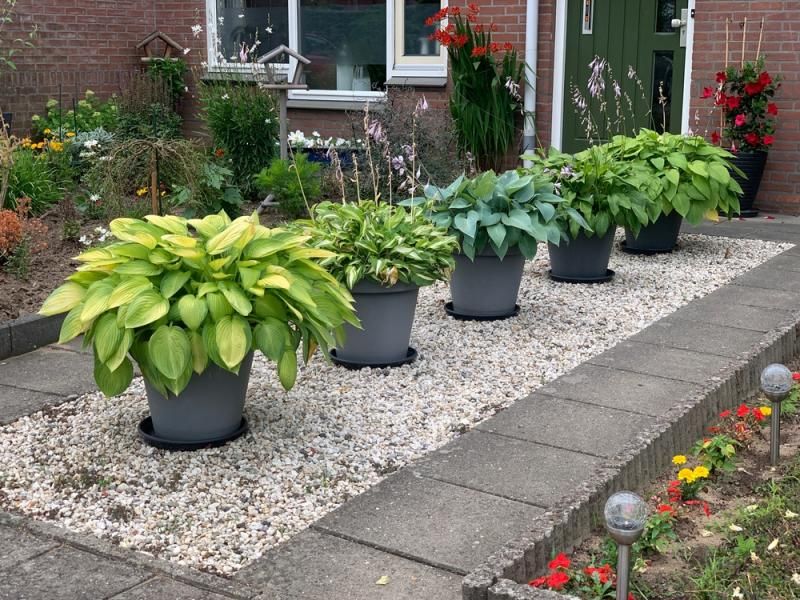
Hostas make a statement without being flashy. Their large leaves create instant visual impact when you approach a front door. Size matters in landscaping, and hostas bring it.
The leaves on mature hostas can reach the size of dinner plates. This bold scale adds drama and presence to an entryway in a way that small plants simply cannot match. Your eye naturally goes to these substantial plants.
Color variety gives Pennsylvania homeowners plenty of options. Deep green hostas create a classic, timeless look.
Blue-toned varieties add an unexpected twist that catches attention. Golden hostas brighten shady spots with warm color.
Variegated types offer the best of multiple worlds. Leaves striped with cream, white, or yellow against green backgrounds create natural artwork right by your front door. These patterns add interest without needing flowers.
Texture plays a huge role in good landscaping. Hostas bring dimension through their ribbed, pleated leaves that create shadows and depth.
This textural quality makes entryways look thoughtfully designed rather than thrown together.
The plants create layers when massed together or mixed with other shade perennials. Taller hostas can sit behind shorter ones, building up visual interest as you approach the door. This layered effect feels welcoming and intentional.
Pennsylvania homes benefit from landscaping that looks calm and established rather than chaotic and busy. Hostas deliver this peaceful, pulled-together appearance.
They work beautifully in foundation beds and borders, framing your entrance without overwhelming it. The bold foliage creates just enough presence to make your entryway memorable while maintaining a refined, approachable character.
6. A Long-Term Investment That Grows Better Every Year
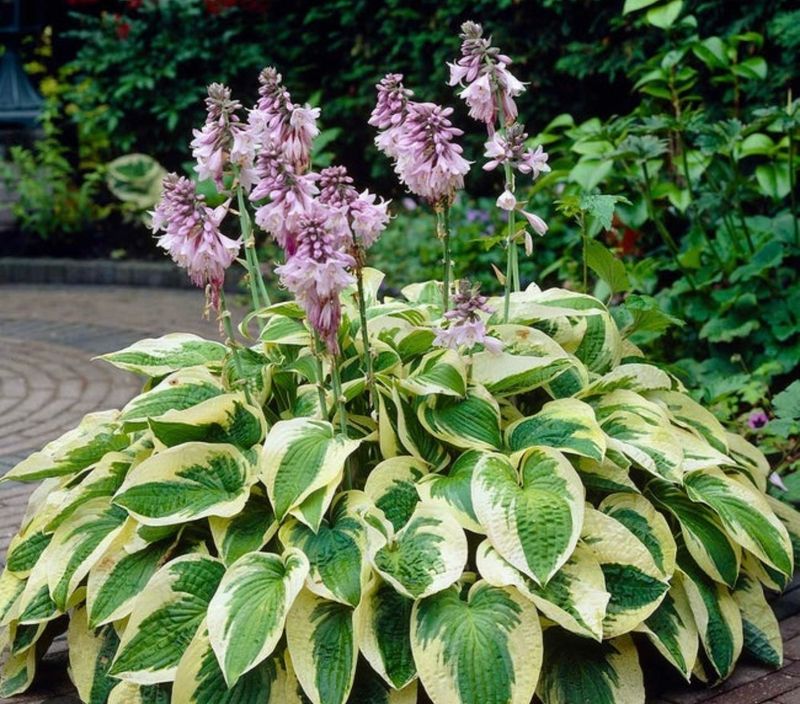
Here’s something most Pennsylvania homeowners figure out quickly. Annuals drain your wallet every single spring.
You buy flats of flowers, plant them, enjoy them for a few months, then watch them fade. Next year, you start over and spend again.
Hostas work differently. You buy them once, plant them once, and they keep getting better. Each spring they come back bigger than the year before.
A small hosta planted this year might be three times larger in three years. That growth happens automatically without any extra purchases or effort on your part. Your investment literally multiplies itself.
Pennsylvania gardeners love that hostas can be divided. When a plant gets large enough, you dig it up, split it into multiple plants, and spread them around your property. One purchase becomes three or four plants for free.
This division process means you can extend your front door planting around the foundation, along walkways, or into other shady spots without spending more money. Your initial investment keeps paying dividends year after year.
Compare the cost of replanting annual flowers every spring to buying hostas once. The math makes sense pretty quickly. After just a few years, hostas have paid for themselves many times over.
The long-term curb appeal benefits matter too. Your entryway landscaping improves each season instead of resetting to zero every fall. Neighbors notice. Potential buyers notice if you ever sell. The value compounds.
Pennsylvania homeowners who planted hostas by their front doors five or ten years ago now have impressive, established landscapes that required minimal ongoing investment. That’s smart gardening that respects both your time and your budget.