Why Toyon Is Becoming One Of California’s Most Popular Backyard Plants
If you garden in California, you know the challenge. Long dry summers, blazing sun, watering rules, and plants that sometimes give up too soon.
That is exactly why more local gardeners are turning to toyon. This native shrub already understands California’s climate, so it grows strong with less water, less stress, and far less babysitting.
Through the year, toyon keeps your yard interesting. Soft white blooms arrive when pollinators are busy, glossy evergreen leaves hold steady through heat, and in winter those bright red berries bring color right when most gardens feel tired.
Birds love it, landscapes look fuller, and you spend less time worrying about upkeep.
For California yards that need beauty without the struggle, toyon feels like a natural fit, easy, resilient, and perfectly at home where you live.
1. California’s Native Star
Long before California became a state, toyon was already thriving on these hillsides and canyons. Indigenous peoples used every part of this plant, from the berries for food to the wood for tools.
Spanish settlers called it “California holly” because those bright red berries reminded them of the holly back home.
Modern gardeners are rediscovering what generations before them already knew. This plant belongs here in a way that imported species never will.
It evolved alongside California’s unique climate, soil, and wildlife over thousands of years.
When you plant toyon in your yard, you’re not just adding another shrub. You’re bringing back a piece of California’s natural heritage.
The plant connects your garden to the wild spaces that still exist in the state.
Native plants like toyon create healthier ecosystems right in your backyard. They support local insects, birds, and other wildlife that have adapted to them over millennia.
Plus, there’s something special about growing a plant that your great-great-grandparents might have seen growing wild on their land.
2. The Backyard Comeback
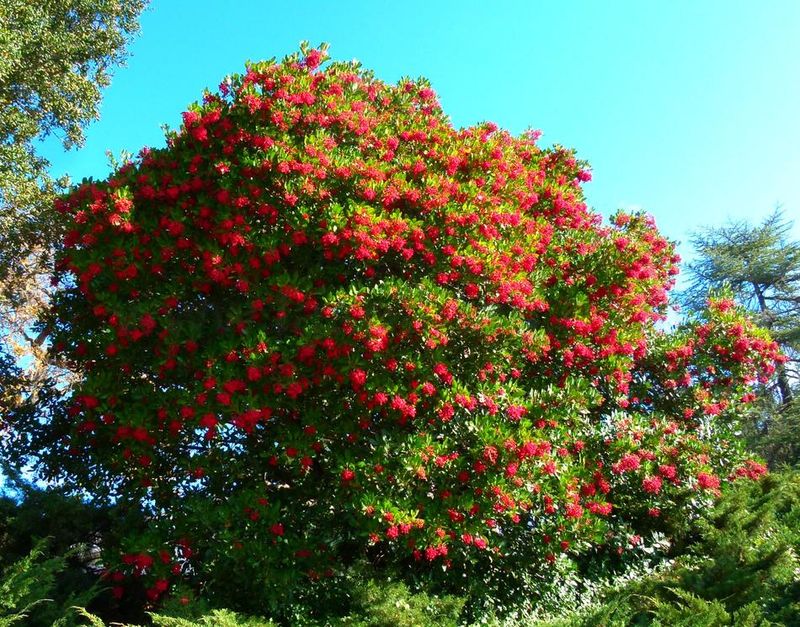
For decades, California homeowners filled their yards with thirsty lawns and exotic plants from around the world. Water bills climbed, maintenance became a weekend nightmare, and gardens looked pretty much the same from block to block.
Then something shifted.
Droughts hit California hard, and people started questioning their landscaping choices. Why fight the climate when you could work with it instead?
Toyon emerged as a perfect solution for gardeners tired of struggling against nature.
Landscape designers began featuring this native shrub in their plans. Garden centers started stocking it alongside the usual suspects.
Social media lit up with photos of gorgeous toyon displays, inspiring neighbors to follow suit.
The plant fits beautifully into modern California gardens without looking wild or messy. It brings structure, color, and year-round interest.
Homeowners are swapping out high-maintenance plants for toyon and loving the results.
This comeback isn’t just a trend either. It represents a real change in how Californians think about their outdoor spaces.
Gardens are becoming more sustainable, more connected to place, and honestly, more interesting to look at.
3. Evergreen, Always Gorgeous
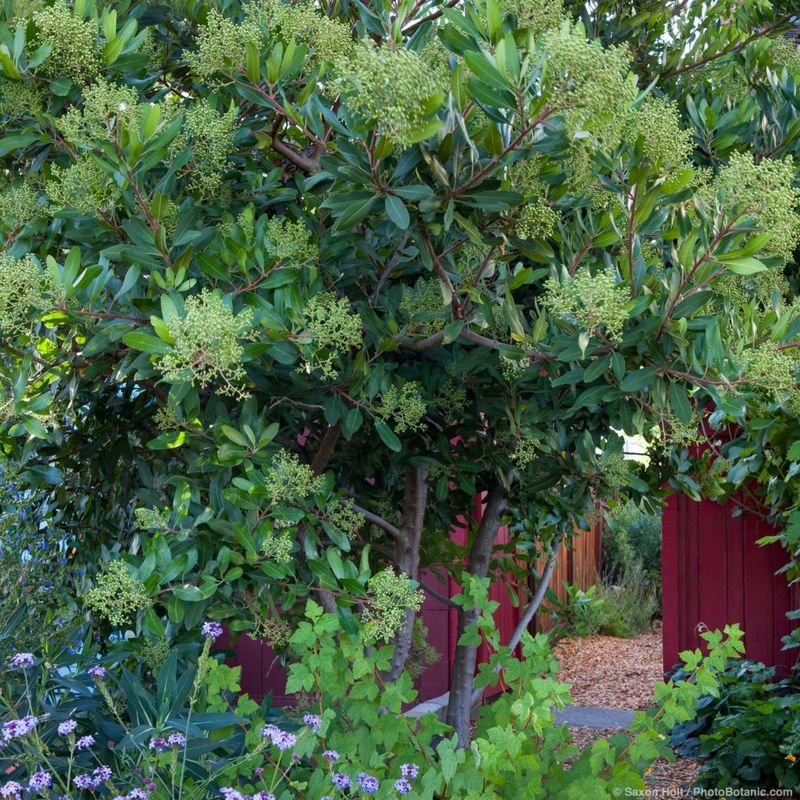
Most plants take a break from looking good at some point during the year. They drop their leaves, turn brown, or just fade into the background.
Your California Garden Changes Every Week. Your Plan Should Too.
Gardening in California changes quickly throughout the season. Every Friday you’ll receive a simple weekly plan showing exactly what to plant, prune, fertilize, harvest, and protect so you never miss the right timing.
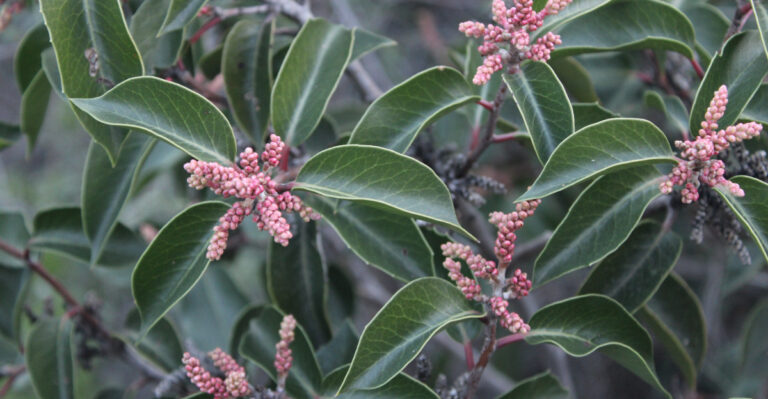
Toyon keeps its glossy, dark green foliage all twelve months, which makes it a garden workhorse.
Those leathery leaves catch the light beautifully, adding depth and texture to your landscape. They create a lush backdrop for other plants during spring and summer.
When fall arrives and other shrubs start looking tired, toyon stays fresh and vibrant.
The evergreen nature means your garden never looks bare or empty. Even during California’s mild winters, you maintain that sense of life and greenery.
No awkward bare branches or dead-looking patches to worry about.
Gardeners appreciate plants that earn their space year-round, and toyon definitely does that. The leaves alone would make it worth growing, but they’re really just the beginning.
This shrub gives you constant visual interest without demanding anything special in return.
In Southern California especially, where winters are gentle, the evergreen quality shines. Your yard looks intentional and cared for even when you’re not actively gardening.
4. Winter Berries, Big Drama
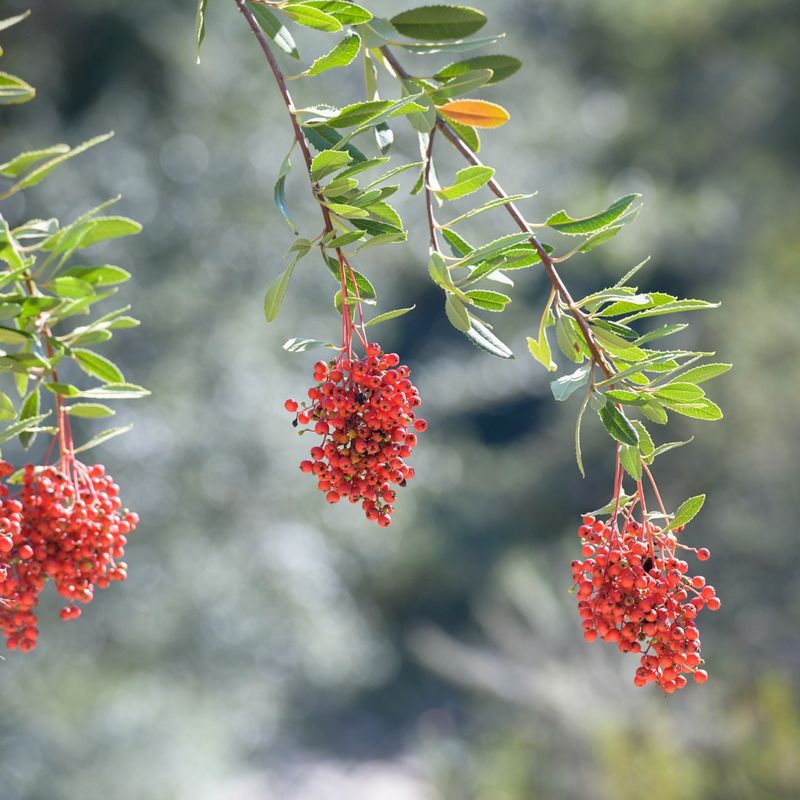
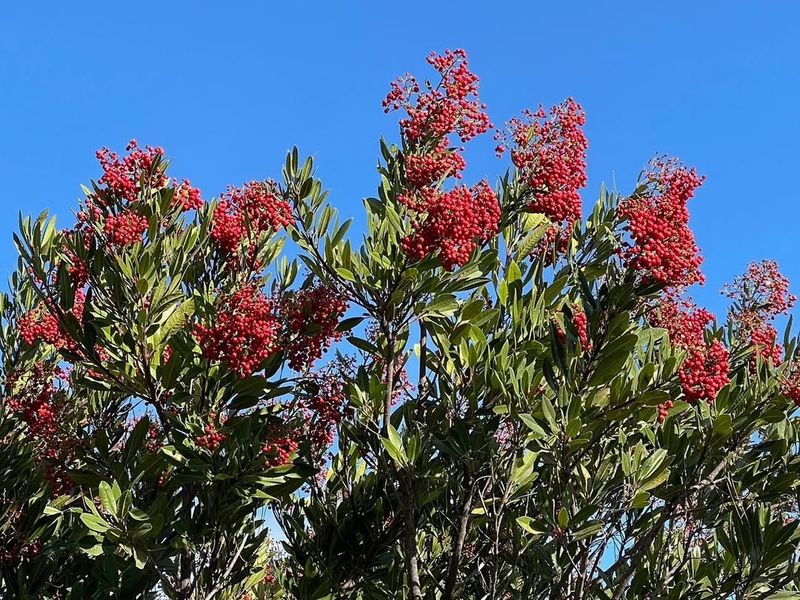
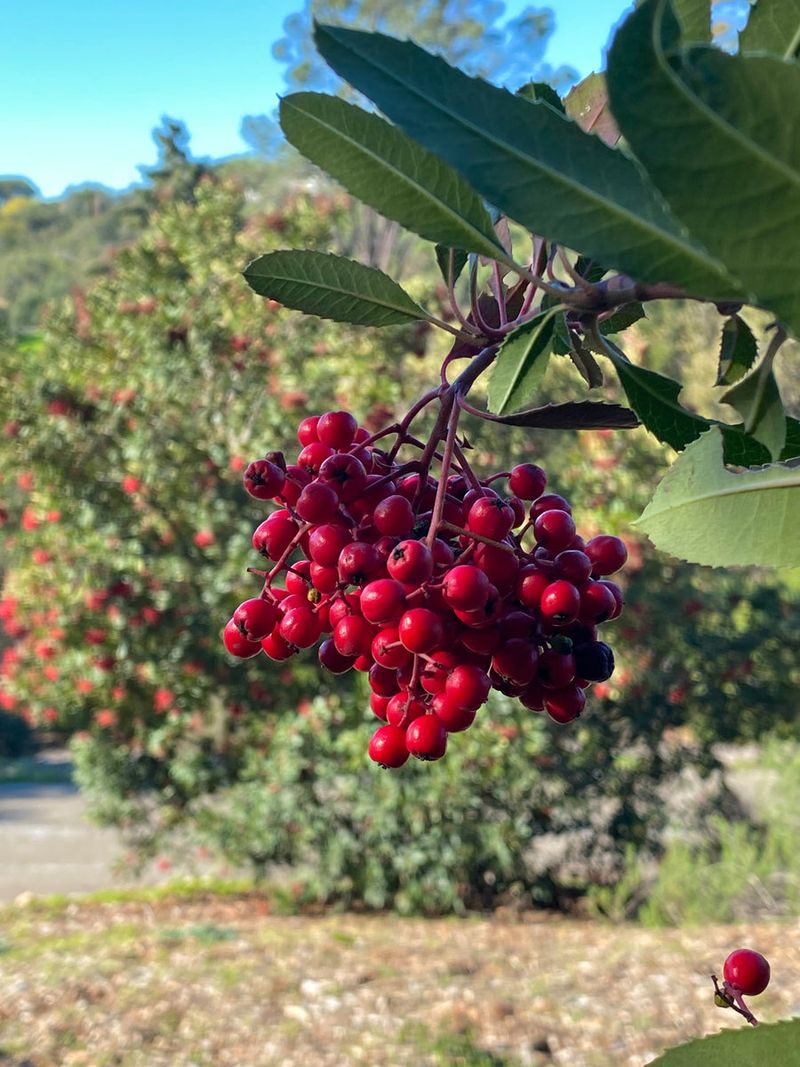
Right when most gardens are winding down for the year, toyon puts on its biggest show. Those brilliant red berries appear in late fall and stick around through winter, creating spectacular splashes of color when you need them most.
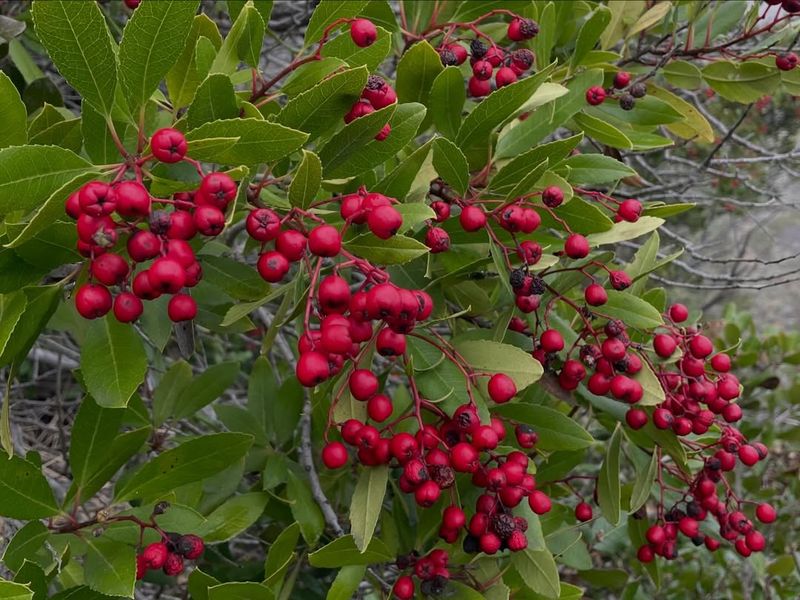
The berries grow in dense clusters that practically glow against the dark green leaves. From across the yard, they look like natural holiday decorations.
Up close, each cluster reveals dozens of small, round berries packed tightly together.
This timing makes toyon incredibly valuable for winter interest in California gardens. While deciduous plants are bare and many perennials have gone dormant, your toyon is stealing the spotlight.
The contrast between the berries and foliage is genuinely striking.
Photographers and garden enthusiasts love capturing toyon during berry season. The colors pop in pictures and look even better in person.
Some people even cut branches for indoor arrangements, though leaving them for wildlife is generally the better choice.
The berries typically last for several months if birds don’t eat them all first. That extended display period gives you serious bang for your buck in terms of visual impact.
5. Birds Can’t Get Enough
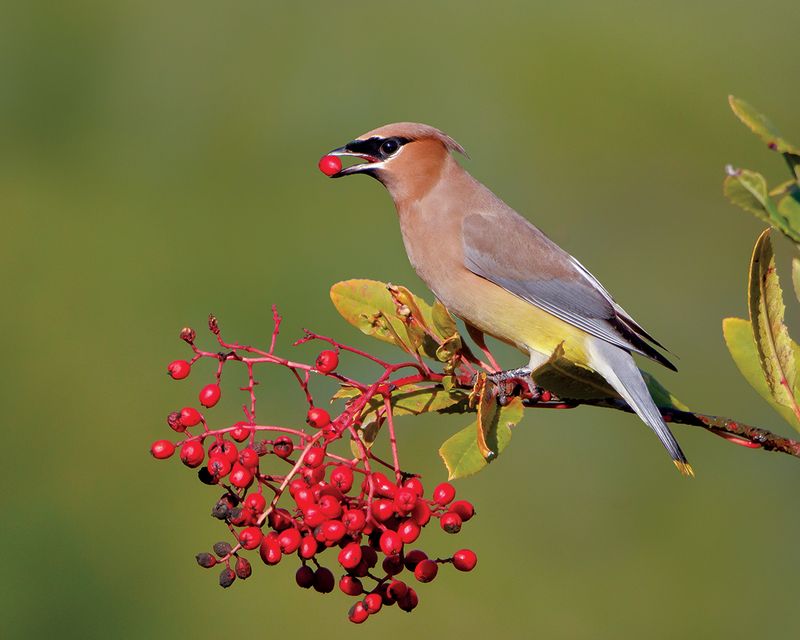
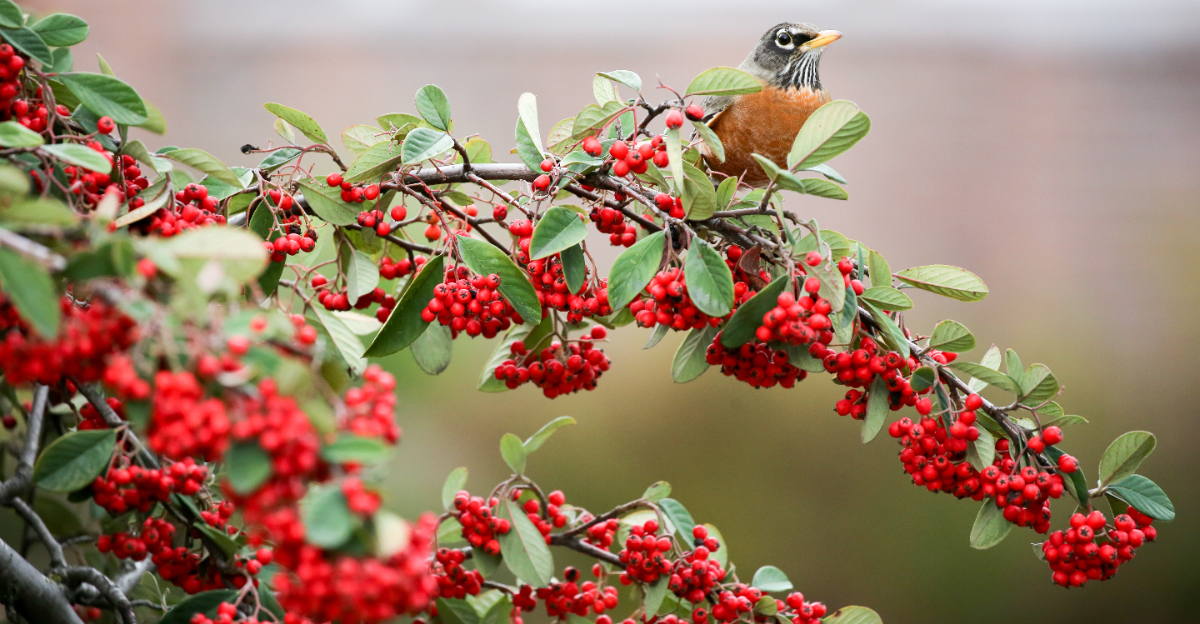
Plant toyon in your yard and you’ll quickly notice more feathered visitors stopping by. Cedar waxwings, robins, mockingbirds, and dozens of other species rely on these berries as an important food source during lean winter months.
Watching birds feast on your toyon berries is better than any nature documentary. They perch on branches, pluck berries with precision, and sometimes squabble over the best clusters.
Your backyard becomes a wildlife theater.
This relationship between toyon and birds goes back thousands of years in California. The plant evolved those nutritious berries specifically to attract birds, which then spread seeds to new locations.
When you grow toyon, you’re supporting this ancient partnership.
Gardeners who care about local wildlife find toyon essential. It provides food exactly when birds need it most, during winter when insects are scarce and other food sources have disappeared.
Your single shrub might help dozens of birds survive the season.
The bird activity also makes your garden more dynamic and interesting. There’s always something happening around a mature toyon during berry season.
Kids especially love watching the constant parade of visitors.
6. Tough, Thirsty? Nope!
After toyon establishes itself in your garden, you can basically forget about it. This plant evolved to handle California’s long, dry summers without any help from humans.
Once those roots go deep, supplemental watering becomes optional rather than necessary.
Imagine not worrying about your plants during a hot spell or when you go on vacation. Toyon just keeps on growing, looking healthy and happy without constant attention.
The water savings alone make it attractive to budget-conscious homeowners.
California’s water situation isn’t getting easier, and restrictions keep getting tighter in many areas. Growing plants that naturally fit the climate makes practical sense beyond just saving money.
Toyon thrives on the rainfall patterns that already exist here.
The plant’s toughness extends beyond drought tolerance too. It handles poor soil, coastal conditions, and temperature swings without complaining.
Deer usually leave it alone, and serious pest problems are rare.
For new gardeners or people who don’t have much time for yard work, toyon is practically foolproof. You get a gorgeous, substantial plant without the maintenance headaches that come with fussier species.
That combination is hard to beat.
7. From Wild To Backyard
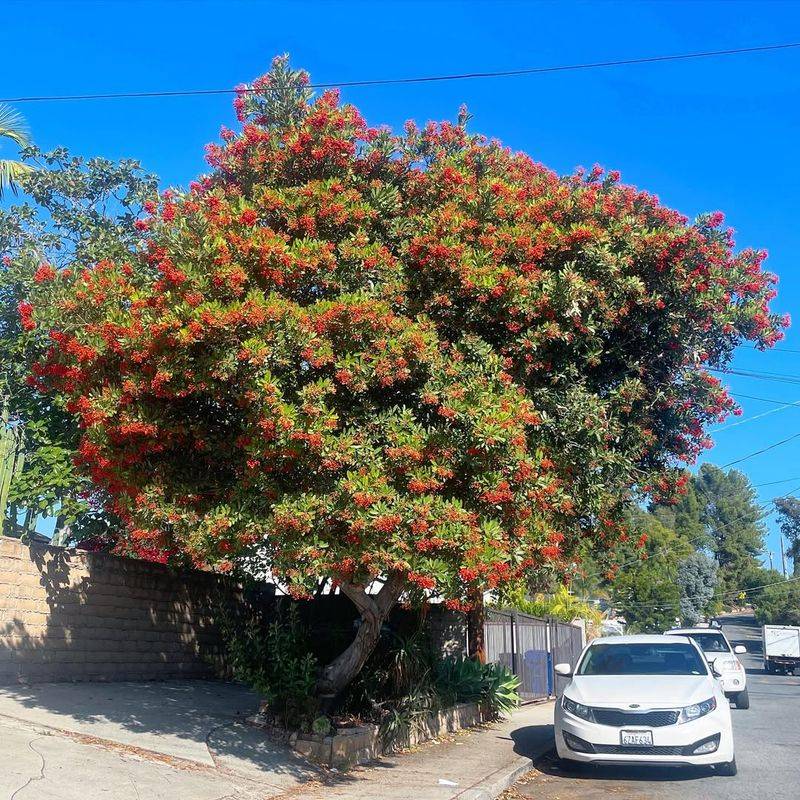
Walk through California’s wild spaces and you’ll spot toyon growing on hillsides, in canyons, and along trails. That same plant can look completely at home in a formal garden setting with just a little thoughtful placement and occasional pruning.
Gardeners love this versatility because it opens up so many design possibilities. Want a natural, wild look?
Let your toyon grow freely with minimal intervention. Prefer something more structured?
Shape it into a neat hedge or focal point shrub.
The plant adapts to different garden styles without losing its essential character. It works in modern landscapes, traditional yards, native plant gardens, and everything in between.
This flexibility explains part of its growing popularity across California.
Toyon can grow quite large in the wild, reaching fifteen feet or more. In gardens, you can maintain it at whatever size fits your space through regular pruning.
It responds well to shaping and doesn’t get stressed by thoughtful trimming.
This ability to transition from wild plant to garden specimen makes toyon special. You’re not forcing something unnatural into your landscape.
You’re simply inviting a California native to show off in a slightly more refined setting.
8. Easy Plant, Big Impact
Some plants demand constant fussing to look decent. Others, like toyon, deliver impressive results with minimal input from you.
The effort-to-reward ratio here is seriously skewed in your favor, which explains why more California gardeners are choosing it.
Getting started is simple. Plant toyon in fall or early winter when rains will help establish it naturally.
Water regularly for the first year, then gradually back off. That’s basically the entire care routine for most situations.
Within a few years, you’ll have a substantial, beautiful shrub that anchors your garden. The evergreen foliage provides constant structure.
The winter berries create seasonal excitement. Birds bring movement and life.
All of this happens whether you’re actively gardening or not.
For homeowners trying to reduce their environmental footprint, toyon checks multiple boxes. Less water usage, no need for fertilizers or pesticides, and genuine support for local wildlife.
Your garden becomes part of the solution rather than part of the problem.
The plant’s combination of beauty, toughness, and ecological value is tough to match. As more Californians discover toyon, it’s becoming clear that this native deserves its spot in the backyard spotlight.