How To Keep Orchids Healthy Indoors And Outdoors In Southern California
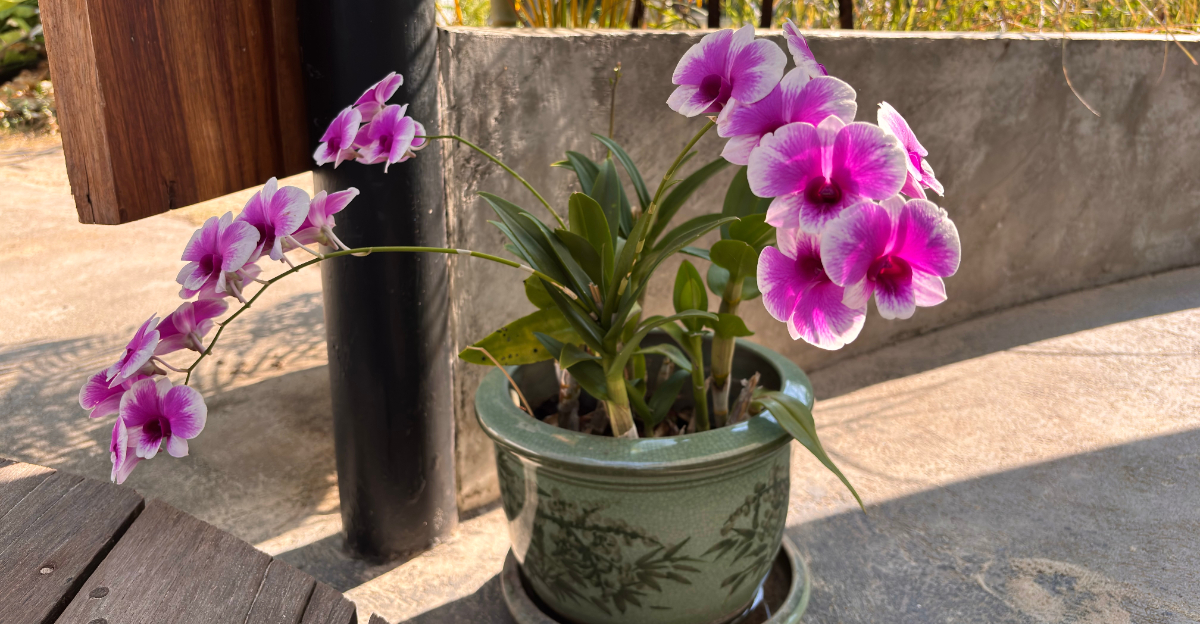
Orchids might look exotic and fussy, but in Southern California they can be surprisingly easy once you understand what they like.
With bright light, mild temperatures, and long growing seasons, this region offers near perfect conditions for both indoor and outdoor orchids.
The secret is learning how to balance sun, shade, water, and airflow without overdoing any of them. Too much sun can scorch leaves, too much love can drown roots, and the wrong spot can mean fewer blooms.
Get it right, though, and orchids reward you with elegant flowers that last for weeks and return year after year.
If yours live on a sunny windowsill or a breezy patio, a few smart adjustments can keep them thriving, blooming, and looking stunning in every season.
Healthy orchids are not about luck, they are about simple habits that make a big difference.
Choose Orchids Suited To Southern California
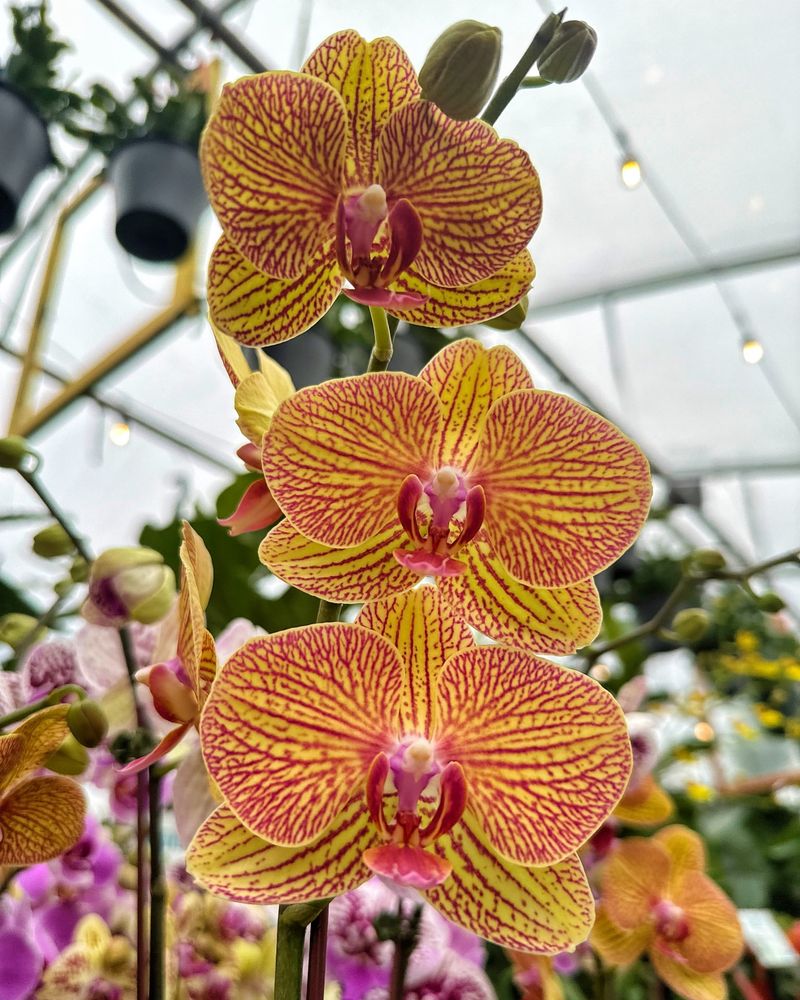
Southern California’s climate is perfect for certain orchid types that love mild temperatures and moderate humidity. Phalaenopsis orchids, often called moth orchids, do exceptionally well here because they prefer temperatures between 60 and 80 degrees.
Cymbidium orchids also flourish in this region, especially outdoors where they can enjoy cooler nights.
Picking the right variety makes all the difference in your success. Cattleyas and Dendrobiums are also great choices for Southern California growers.
These varieties tolerate the area’s dry air better than tropical species that need constant moisture. Visit local nurseries to find orchids that have already adapted to the regional conditions.
Starting with climate-appropriate orchids saves you time and frustration. You won’t need to create artificial environments or struggle with plants that naturally prefer different weather.
Local orchid societies in Southern California often host sales where you can find varieties specifically grown for this area. Talking with experienced growers helps you understand which types will thrive on your windowsill or patio.
Matching your orchid to the environment sets the foundation for everything else. Once you have the right plant, the rest of the care becomes much easier and more enjoyable.
Give Bright, Indirect Light Indoors
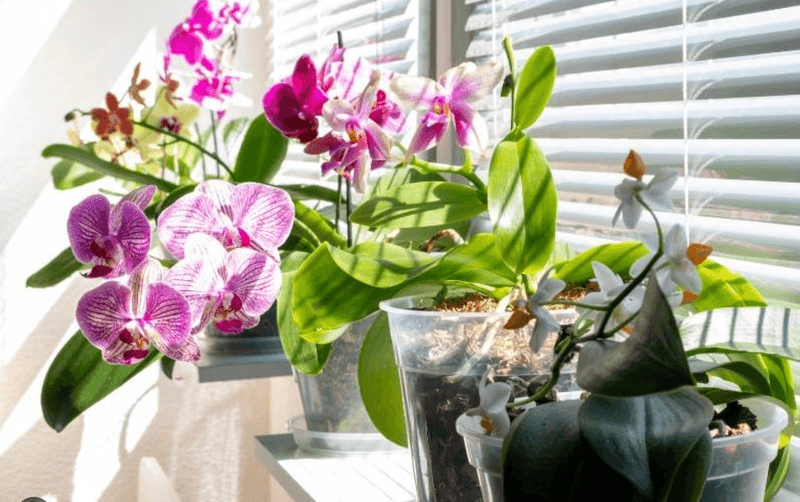
Light makes orchids bloom, but too much direct sun can damage their leaves. When growing orchids indoors in Southern California, place them near east or west-facing windows where they’ll get plenty of brightness without harsh rays.
The light should be strong enough to cast a soft shadow when you hold your hand above the plant.
Sheer curtains work wonderfully to filter intense California sunshine. If your windows face south, you’ll definitely need some kind of barrier between the glass and your orchid.
North-facing windows usually don’t provide enough light for most orchid varieties, though some Phalaenopsis can manage in these spots.
Watch your orchid’s leaves for clues about lighting. Dark green leaves often mean the plant needs more light, while yellowish or reddish leaves suggest too much exposure.
Healthy orchid leaves should be a medium green color with a slight shine.
Rotating your plant every few weeks helps all sides receive equal light. This prevents lopsided growth and encourages even blooming.
Your California Garden Changes Every Week. Your Plan Should Too.
Gardening in California changes quickly throughout the season. Every Friday you’ll receive a simple weekly plan showing exactly what to plant, prune, fertilize, harvest, and protect so you never miss the right timing.
During Southern California’s shorter winter days, you might need to move your orchids closer to windows or add a grow light to maintain their health and flowering schedule.
Protect Orchids From Harsh Afternoon Sun
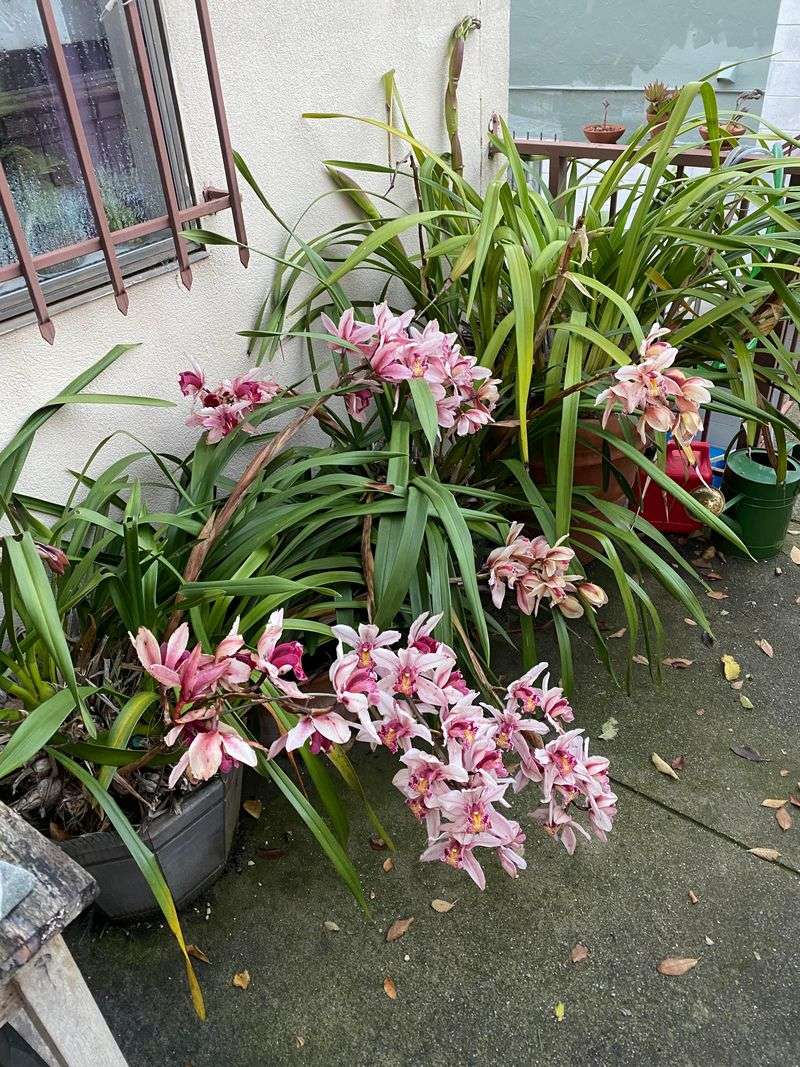
Afternoon sun in Southern California can be brutal, especially during summer months when temperatures soar. Orchids that sit in direct afternoon light often develop sunburned leaves that turn brown or white.
These damaged areas never recover, so prevention is key to keeping your plants looking beautiful.
If you grow orchids outdoors, position them where they’ll get morning light but afternoon shade. Under trees, on covered patios, or beneath shade cloth are ideal spots.
Morning sun is gentler and helps orchids photosynthesize without causing harm. The cooler temperatures in the morning also mean less stress on the plant.
Shade cloth rated at 50 to 70 percent works perfectly for most orchid varieties. You can find this material at garden centers throughout Southern California.
Attach it to a frame or drape it over your growing area during the hottest months from May through September.
Even indoors, west-facing windows can create problems during late afternoon. Moving plants back from the glass or using blinds between 2 and 6 PM protects them from heat buildup.
Checking your orchids regularly for signs of stress helps you adjust their location before serious damage occurs.
Water Deeply But Not Too Often
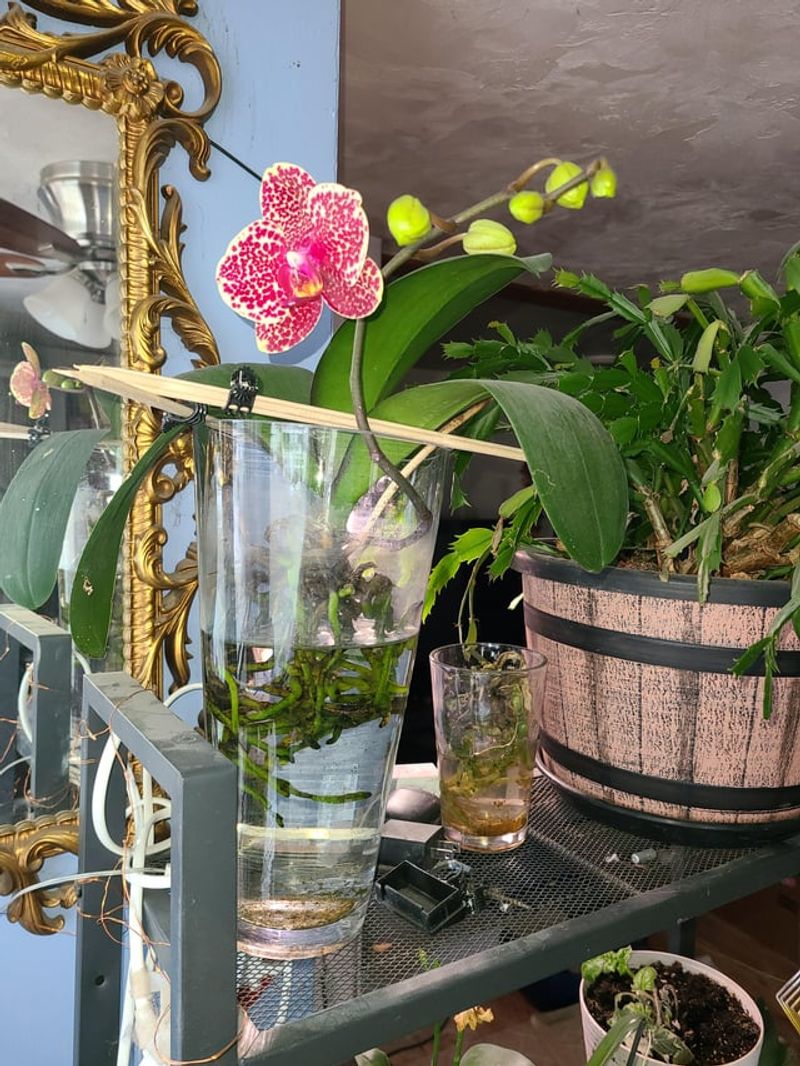
Watering orchids correctly confuses many people, but it’s simpler than you think. Most orchids in Southern California need water about once a week during warm months and every 10 days in winter.
The key is to water thoroughly until liquid runs out the drainage holes, then let the potting medium dry out before watering again.
Southern California’s low humidity means water evaporates faster than in other regions. Check your orchid’s roots through clear pots or by lifting the container to feel its weight.
Light pots mean dry roots that need watering. Heavy pots still have moisture and should wait a few more days.
Never let orchids sit in standing water, as this causes root rot quickly. Empty saucers after watering and make sure pots drain completely.
Some growers in Southern California like to water in the morning so any excess moisture evaporates during the day.
Silvery-white roots indicate the orchid needs water, while green roots show adequate moisture. Adjust your schedule based on your home’s temperature and airflow.
Homes with air conditioning or fans may need more frequent watering than naturally ventilated spaces in coastal areas of Southern California.
Use Fast-Draining Orchid Mix
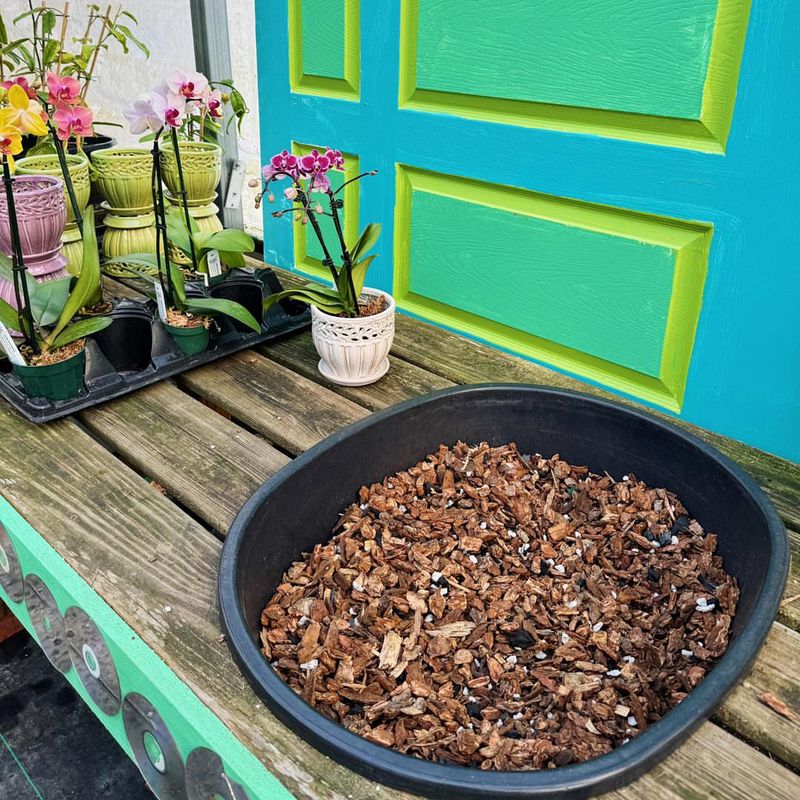
Regular potting soil suffocates orchid roots because these plants naturally grow on trees in the wild. Orchid roots need air circulation to stay healthy, which is why specialized orchid mix is essential.
This medium typically contains bark chips, perlite, charcoal, and sometimes sphagnum moss.
In Southern California’s dry climate, a mix with slightly more moisture-retaining materials works well. Look for products that balance drainage with some water retention.
Garden centers throughout the region carry orchid-specific mixes designed for local conditions. Better Gro and Miracle-Gro make popular options available at most stores.
Repotting your orchid every two years keeps the medium fresh. Old bark breaks down into smaller pieces that hold too much water and don’t allow proper airflow.
When the mix starts looking like soil instead of chunky bark, it’s time for a change.
You can also make your own mix using medium-grade bark, perlite, and charcoal. Combine four parts bark with one part perlite and one part charcoal for a basic recipe.
Experimenting with ratios helps you find what works best in your specific Southern California microclimate, whether you’re near the coast or inland where it’s drier.
Keep Humidity At The Right Level
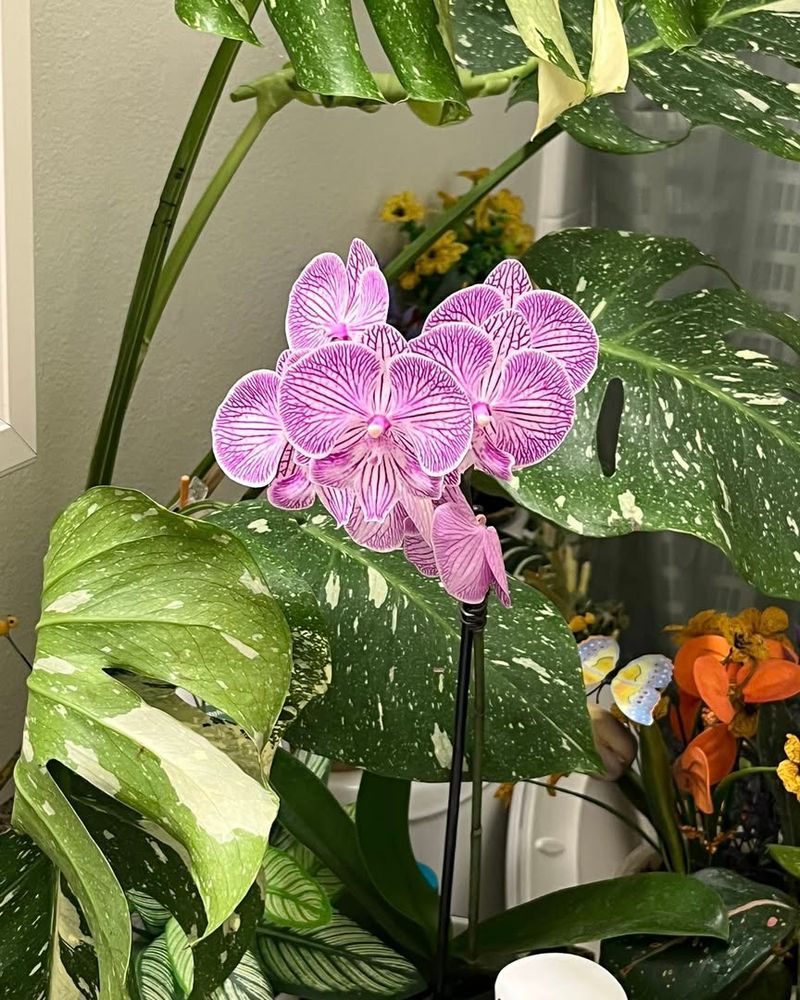
Humidity challenges many Southern California orchid growers because the air here is naturally dry. Most orchids prefer humidity levels between 40 and 60 percent, but indoor spaces in this region often drop to 20 or 30 percent.
Creating a more humid microclimate around your plants makes a significant difference in their health.
Grouping orchids together helps them share moisture released through their leaves. Placing pots on trays filled with pebbles and water adds humidity without waterlogging the roots.
The water evaporates upward around the plants while the pebbles keep the pots above the water line.
Bathrooms and kitchens naturally have higher humidity from showers and cooking. These rooms can be excellent spots for orchids if they also have adequate light.
Running a small humidifier near your orchid collection works wonderfully during Southern California’s driest months from late fall through early spring.
Misting orchids provides temporary humidity but isn’t a complete solution. Water droplets sitting on leaves overnight can cause bacterial or fungal problems.
If you mist, do it in the morning so leaves dry completely before evening. Coastal areas of Southern California have naturally higher humidity than inland valleys, so adjust your approach based on your specific location.
Feed Lightly During Active Growth
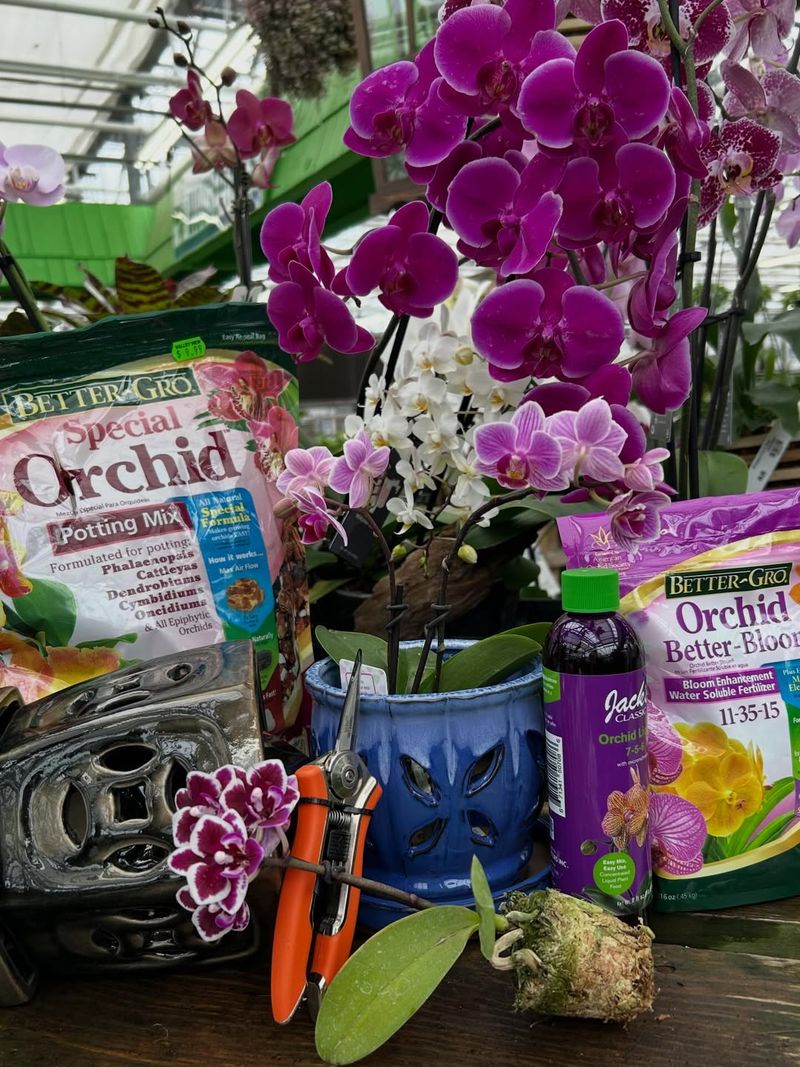
Orchids aren’t heavy feeders, but they do need nutrients to produce those spectacular blooms. A balanced fertilizer diluted to half or quarter strength works perfectly for orchids growing in Southern California.
The phrase “weakly, weekly” describes the approach many successful growers use during the active growing season.
Spring and summer are when orchids in this region grow most actively. Feed your plants every week or two with a 20-20-20 or similar balanced fertilizer mixed at reduced strength.
Specialized orchid fertilizers are available, but regular houseplant food works fine when properly diluted.
During fall and winter, reduce feeding to once a month or stop entirely. Orchids naturally slow down during cooler, shorter days even in mild Southern California.
Overfeeding during dormant periods can cause salt buildup in the potting medium that damages roots.
Flush your orchid pots with plain water once a month to remove accumulated fertilizer salts. Run water through the pot several times, letting it drain completely between flushes.
This simple practice prevents the white crusty deposits you sometimes see on bark or pot edges. Watching your orchid’s growth patterns helps you adjust feeding schedules to match its natural rhythm throughout the year.
Watch For Pests And Root Problems
Healthy orchids resist pests better than stressed plants, but problems can still appear. Scale insects, mealybugs, and spider mites occasionally attack orchids in Southern California.
Regular inspection helps you catch these invaders early when they’re easiest to control.
Check the undersides of leaves and where leaves meet the stem. These hidden spots are where pests often hide.
A cotton swab dipped in rubbing alcohol removes small infestations of scale or mealybugs effectively. For larger problems, insecticidal soap or neem oil works well and is safe for indoor use.
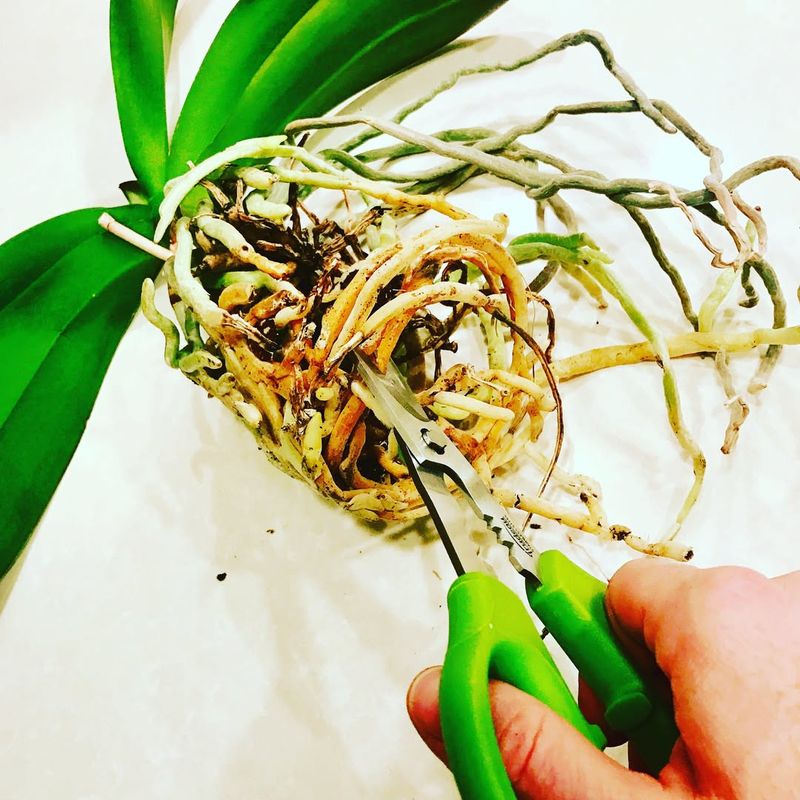
Root health matters just as much as preventing pests. Gently remove your orchid from its pot every few months to examine the roots.
Healthy roots are firm and white or green. Mushy brown or black roots indicate rot from overwatering.
Trim damaged roots with sterile scissors and repot in fresh medium.
Southern California’s dry air actually helps prevent some fungal problems common in humid regions. However, poor air circulation can still cause issues.
Space your orchids so air moves freely around each plant. A small fan on low speed improves circulation without creating damaging drafts.
Catching problems early keeps your orchids thriving year-round.
Move Orchids Outdoors In Mild Weather
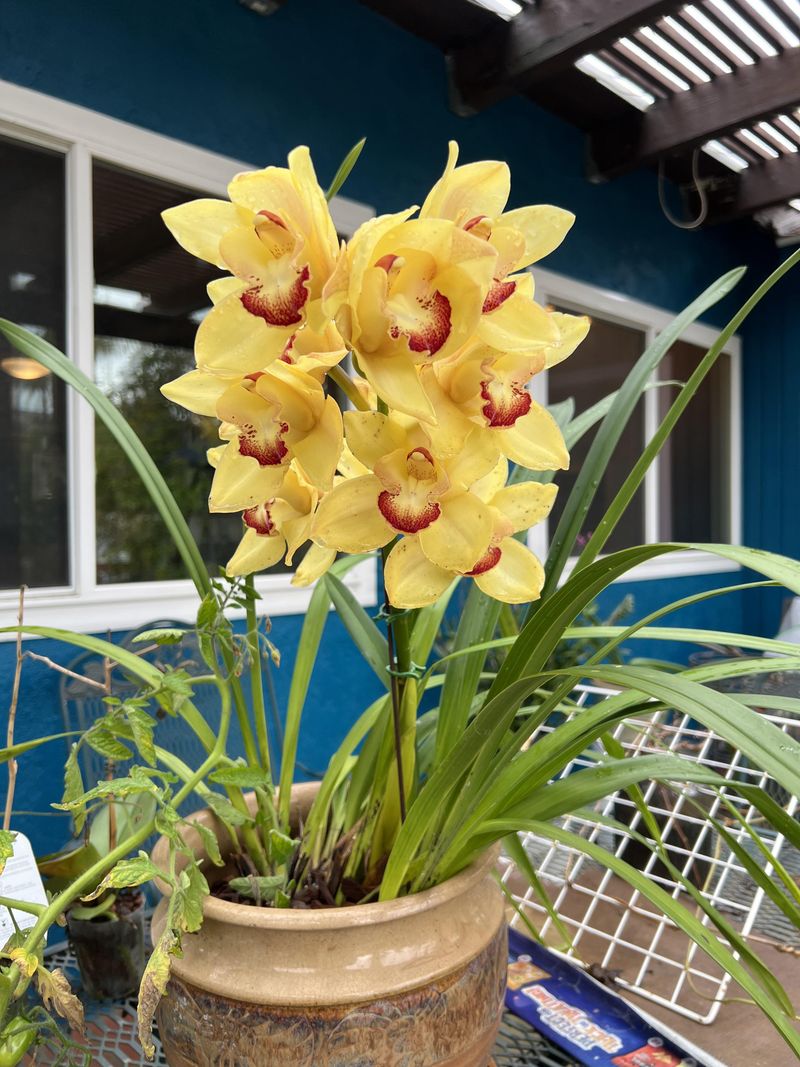
Southern California’s wonderful climate lets you give orchids a vacation outdoors during mild months. Many orchids benefit from the natural light, air circulation, and temperature fluctuations they experience outside.
The period from late March through October usually offers ideal conditions for outdoor growing in most parts of the region.
Start by placing orchids in a protected spot for a few days to help them adjust. Gradually increase their exposure to outdoor conditions over a week or two.
Sudden changes in light or temperature can shock plants and cause bud drop or leaf damage.
Patios, covered porches, or spots under trees provide excellent outdoor homes for orchids. Protection from direct afternoon sun remains important even outside.
Natural morning dew in coastal Southern California areas provides extra humidity that orchids love.
Outdoor orchids may need more frequent watering because of increased air circulation and warmer temperatures. Check them every few days and water when the potting medium feels dry.
Watch weather forecasts and bring plants inside if temperatures will drop below 50 degrees or rise above 95 degrees.
This flexibility to move between indoor and outdoor spaces is one of the great advantages of growing orchids in Southern California’s forgiving climate.
Adjust Care With The Seasons
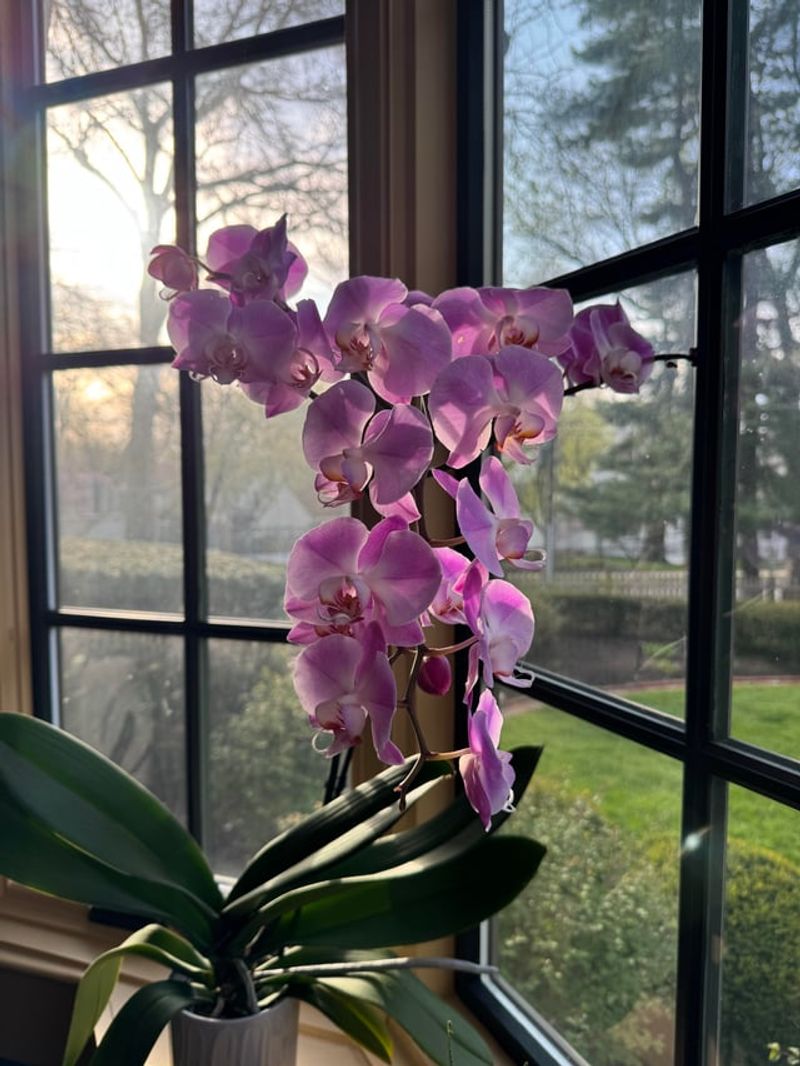
Even in Southern California’s mild climate, seasons affect how you care for orchids. Winter brings shorter days and cooler nights, which triggers blooming in many varieties.
This is when you’ll see flower spikes develop on Phalaenopsis and other popular orchids.
Reduce watering frequency during winter months because plants grow more slowly and water evaporates less quickly. Many orchids naturally rest during this time, so don’t worry if growth seems to pause.
Keep them in bright light and maintain stable temperatures to encourage blooming.
Spring and summer bring active growth when new leaves and roots appear. Increase watering and resume regular feeding during these months.
Southern California’s long growing season means orchids have plenty of time to build strength for next year’s blooms. This is also the best time to repot if your orchid has outgrown its container.
Fall serves as a transition period when you gradually reduce water and fertilizer. Coastal areas of Southern California experience more seasonal variation than inland valleys, so pay attention to your specific microclimate.
Keeping notes about when your orchids bloom and grow helps you anticipate their needs year after year, making you a better orchid parent with each season that passes.